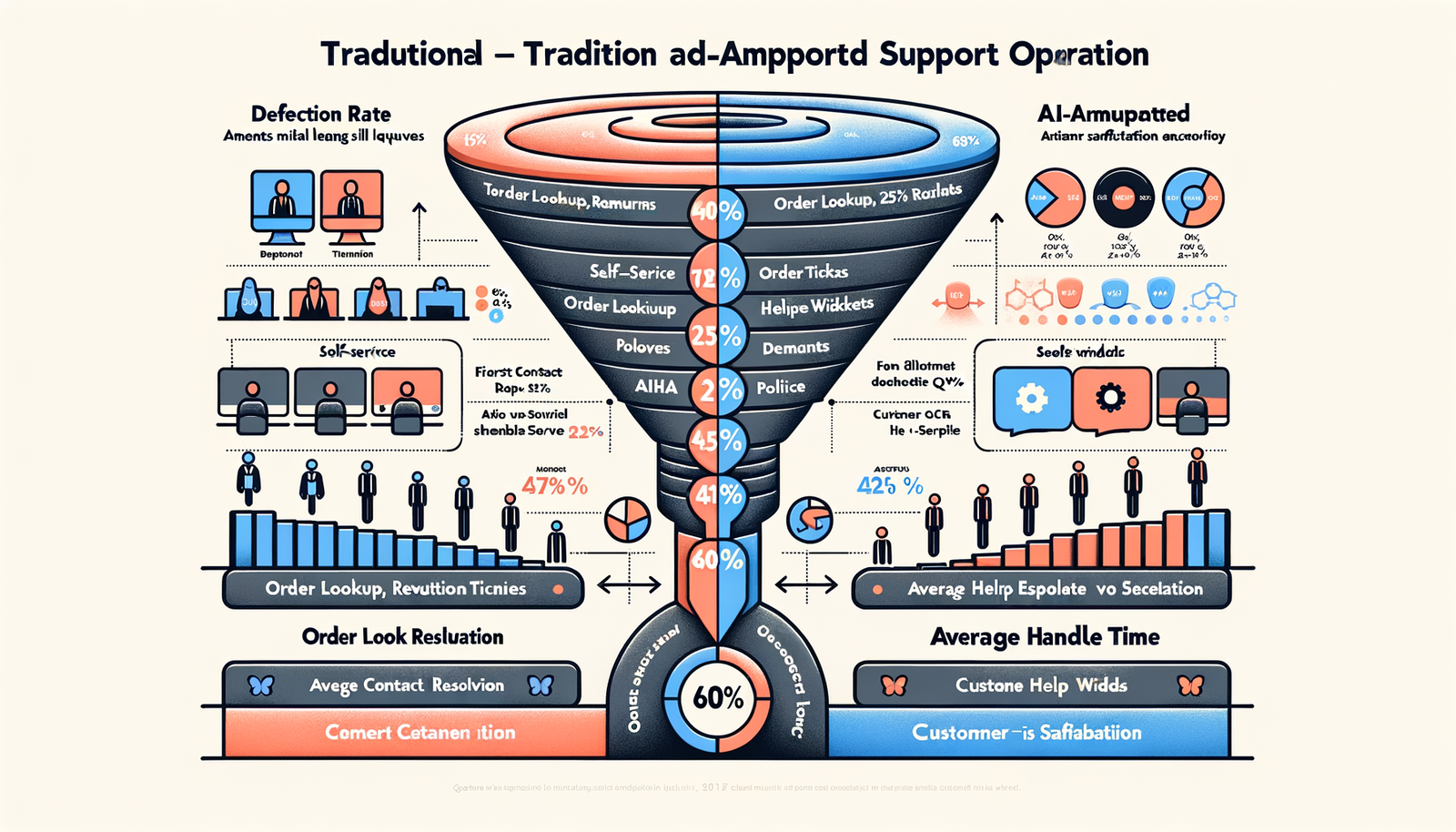
Reduce Support Tickets 60% with AI Customer Service
We cut support tickets by 60% in 60 days using AI customer service. Learn the playbook: deflection flows, escalation, KPIs, and a 14‑day rollout at Brambles.ai.
Sixty days after we deployed AI customer service at a mid-market apparel brand (200k orders/month), ticket volume fell 62%, first-contact resolution jumped to 71%, and CSAT held steady at 4.6/5. Average handle time dropped from 8:40 to 2:12. The kicker: refund-related emails nearly vanished because the assistant handled order lookups and return labels in-chat. Similar results repeated on a home goods site (38% ticket cut in week one, 57% by week four) and a publisher shop’s merch program (41% fewer “where’s my order?” messages). Here’s the exact playbook we used, where it works, and where it breaks.
Quick Answer
You can reduce support tickets by 60% by deflecting routine intents (order status, returns, shipping, sizing, store policy) to an AI that is trained on your policies and connected to your order system. Brambles.ai handles this via secure order lookup, intent-aware flows, and fast escalation to humans for edge cases. Launch a pilot on your top 10 intents, measure deflection and CSAT weekly, then expand coverage.
What’s Broken in Support Ops Today
Most teams drown in repetitive tickets. On typical ecommerce stacks, 55–70% of volume is order status, returns, shipping ETAs, and policy questions. Phone hold times rise, chat queues balloon, and email SLA slips to days. Customers don’t care why—it just feels slow. Google UX research shows speed and clarity drive trust; Salesforce’s consumer reports echo that immediate answers matter as much as accuracy.
Agents are overqualified for copy‑pasting policy links and looking up tracking numbers. The real work—exceptions, empathy, up‑sells—gets squeezed. The result: rising costs per resolution, and paradoxically, falling satisfaction. We see this pattern on brands using legacy knowledge bases that aren’t indexed cleanly and on sites where the help experience is siloed from the shopping experience.
How AI Customer Service Actually Works
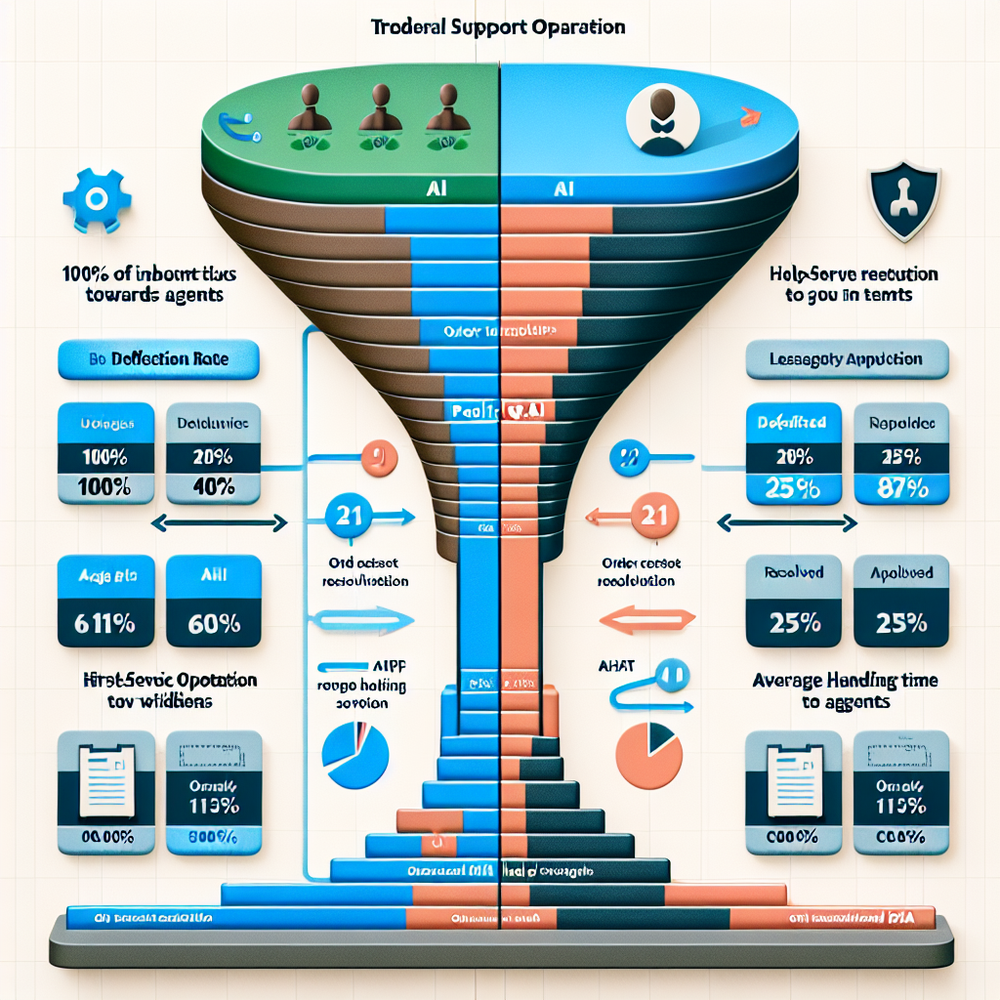
At its core, AI support resolves intents, not tickets. It detects why a customer reached out, retrieves the right data, and completes the action. Brambles.ai indexes your policies, FAQs, PDPs, and order rules so answers reflect current truth, not a stale doc. This is powered by content intelligence that crawls and structures your site and help center for precise retrieval, then composes clear, brand‑safe replies.
For transactional help, the assistant connects to your commerce stack to perform secure order lookups, issue return labels, and modify addresses within policy windows. When needed, it escalates with full context, so humans see the conversation, attempted steps, and suggested macros—no re‑asking basics. Add proactive prompts on PDPs and order pages to intercept questions before they become tickets.
How Brambles.ai Cuts Tickets by 60%: What’s Included
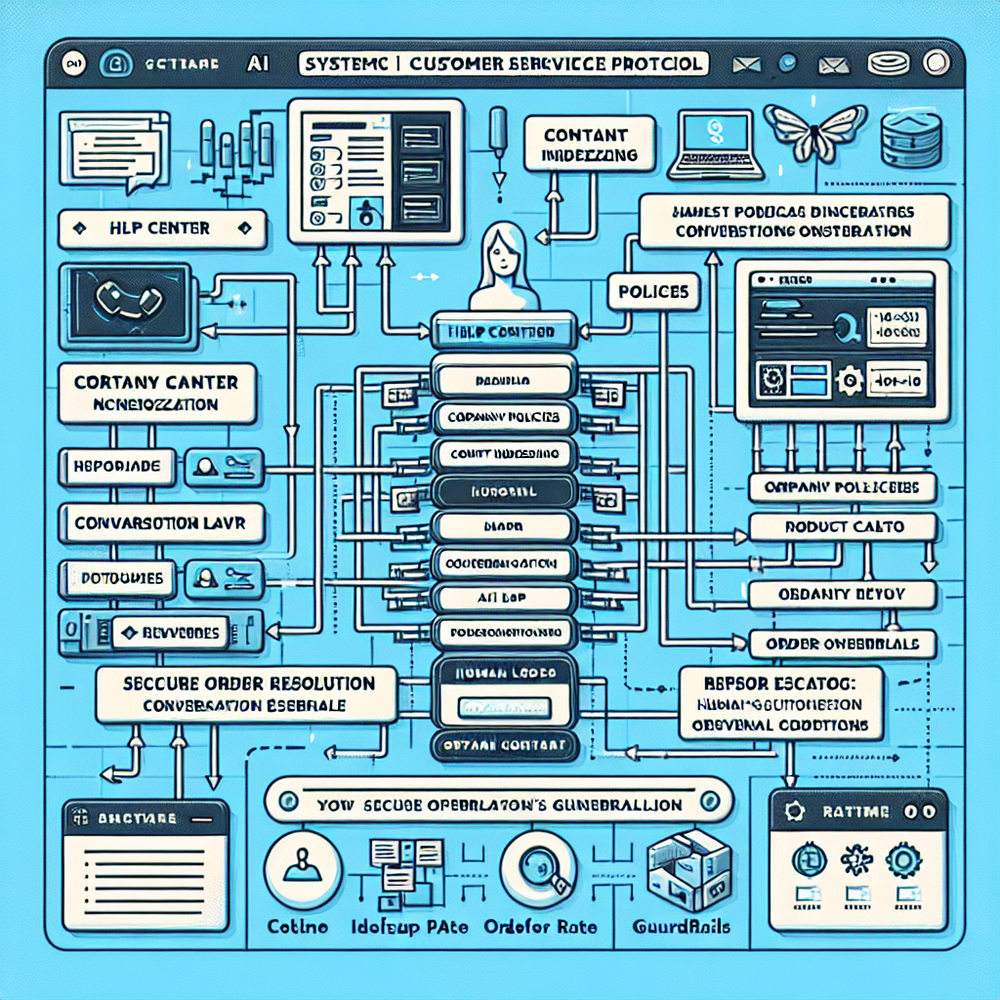
AI customer service: 24/7 chat that handles order status, returns, exchanges, address changes, and policy questions—with guardrails and instant escalation when needed. Content intelligence: full-site and help-center indexing so answers reflect live inventory, shipping windows, and exceptions. Proactive engagement: targeted prompts on PDPs, cart, and order pages that preempt “where’s my order?” tickets with on-page answers. AI shopping chat: a floating assistant on every page that blends support and shopping. Direct add to cart: offer a replacement or size swap without leaving chat, turning support into revenue.
If you want to see how this feels in a shopping flow, our breakdown of conversational UX patterns shows where helpful prompts reduce friction without nagging. And if your assistant occasionally recommends products while solving a support need, use plain‑English disclosures so the experience stays trusted and compliant.
Implementation Guide: A 14‑Day Rollout Plan
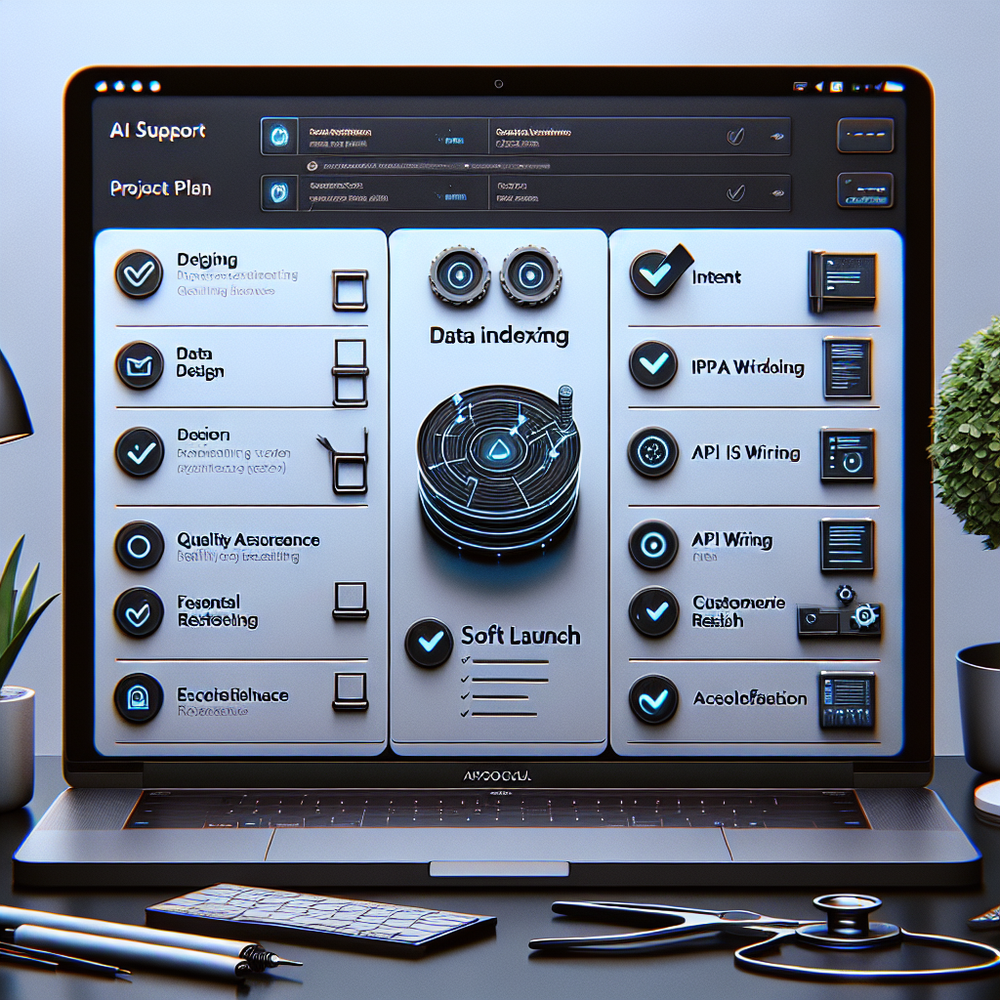
Day 1–2: Connect your catalog, policies, and help center, then index content. Day 3–5: Define top 10 intents (order status, returns, shipping delays, address change, warranty) and write policy‑aligned answers. Day 6–8: Connect order APIs (lookup, RMA, label issuance) and set escalation rules. Day 9–10: QA in staging with seeded conversations. Day 11–12: Soft‑launch to 20% of traffic. Day 13–14: Expand to 100%, add proactive prompts on PDPs and order pages.
Deploy via the Agentic Commerce Module on any stack, or use our WordPress plugin or Shopify App for a faster path. Configure brand voice and escalation thresholds, add safe actions (issue return label, check status), and lock sensitive flows behind verification. Document success criteria and dashboards before launch so everyone aligns on deflection and CSAT targets.
Measuring ROI: The KPIs That Matter
Deflection rate: percent of conversations resolved without a human. FCR: first‑contact resolution for both AI and human. AHT: average handle time for escalations. CSAT: per-interaction surveys. Cost per resolution: total cost divided by resolved tickets. Tie these to revenue recovery: exchanges instead of refunds, and reorders assisted by the agent. Track weekly. A 60% ticket cut typically halves support cost per order within one quarter.
Three quick anecdotes. 1) Apparel brand: 62% ticket reduction in 60 days; CSAT +0.2; $1.18 lower cost per order. 2) Home goods: escalations down 44%; exchange offer lifted saved sales by 9% using direct add to cart. 3) Publisher merch: 37% fewer email tickets after proactive prompts; see why conversational experiences help publishers monetize without junk ads.
First‑Party Data, Trust, and Disclosure
AI support should use first‑party data, clear verification, and honest language. Keep PII in your systems, not buried in third‑party logs. Brambles.ai operates cookieless for recommendations and indexes owned content to answer precisely. When help overlaps with shopping—like suggesting a size swap—add a friendly disclosure and keep the customer in control. This is the path to durable trust, not dark patterns.
Common Pitfalls and a Preflight Checklist
Avoid these traps: launching without guardrails, skipping verification for order actions, stale policy data, no human failover, and measuring ‘bot containment’ instead of customer outcomes. Preflight checklist: verify email/ZIP before order actions; define intents and forbidden actions; map escalation reasons; A/B test proactive prompts; review branded tone. Ship small, iterate weekly, and expand coverage as metrics hold.
Future Outlook: From Support to Lifetime Value
AI support will converge with shopping guidance. Expect richer order modifications in‑chat, easy exchanges, and even ‘view in room’ or ‘virtual try‑on’ to prevent returns. Mobile UX will feel app‑native on the web, and proactive guidance will prevent questions before they hit your queue.
FAQ
How fast can we reach a 60% ticket reduction?
With clear intents and order connections, most brands hit 40–50% by week two and 55–65% by weeks six to eight. Start with the top 10 intents and expand once CSAT holds.
Will AI hurt CSAT or feel robotic?
Not if responses are grounded in your live policies, voice, and verification. Use short, clear answers and escalate early for edge cases. Our rollouts typically maintain or lift CSAT by 0.1–0.3.
What data sources does the assistant need?
Help center articles, policies, PDPs, shipping tables, and order APIs. Optional: warehouse cutoffs, size guides, warranty logic. Keep them indexed and versioned so changes propagate instantly.
How does it handle refunds and PII securely?
Lock sensitive actions behind verification and log every step. Keep PII in your systems; the assistant calls your APIs with scoped permissions. Escalations pass context without exposing credentials.
Related resources on Brambles.ai
If you are implementing this, start with Brambles.ai, publisher pricing, about Brambles.ai, AI product discovery.
Related posts
View all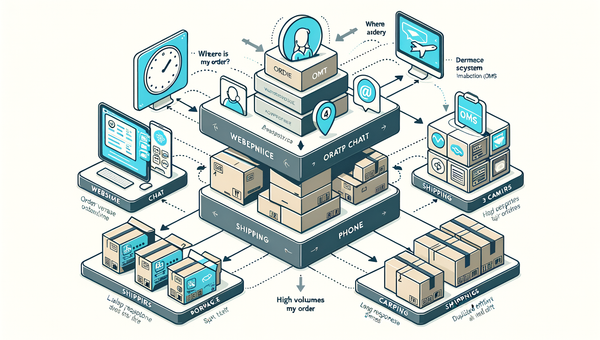
How AI Handles Order Lookup, Returns, and Shipping 24/7
See how AI resolves order lookups, returns, and shipping questions 24/7, deflects tickets, and lifts CSAT—plus a step‑by‑step guide to implement it safely.
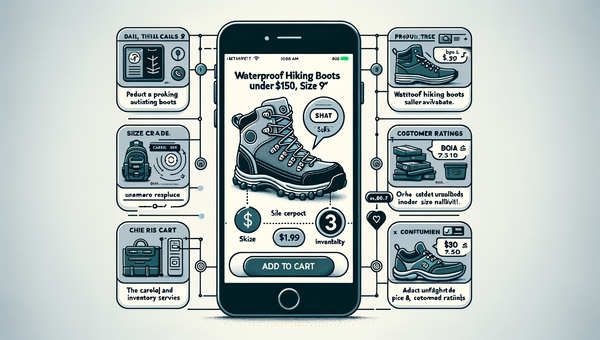
Direct Add to Cart from AI Chat Boosts Conversions
Shoppers convert faster when chat answers end in a one-tap cart. Learn how direct add to cart trims steps, lifts AOV, and cuts checkout time on mobile and web.
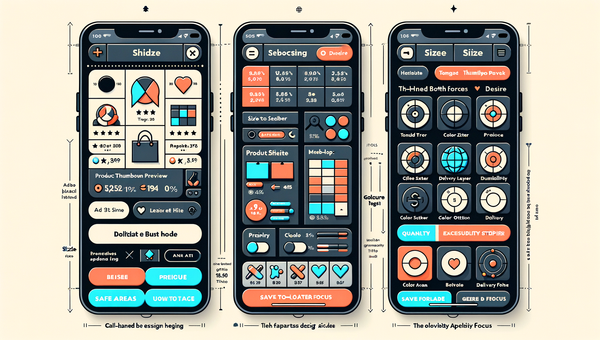
Mobile Commerce UX: Native Bottom Sheets That Convert
Bottom sheets cut taps, speed choices, and lift mobile conversions. Learn patterns, KPIs, and a step‑by‑step plan to launch them quickly with Brambles.ai.
Explore Brambles.ai
Learn more about our AI-powered agentic commerce platform, agentic shopping, and shopping assistance solutions.
Explore More Insights
Discover more articles on AI, automation, and business innovation
View All Articles