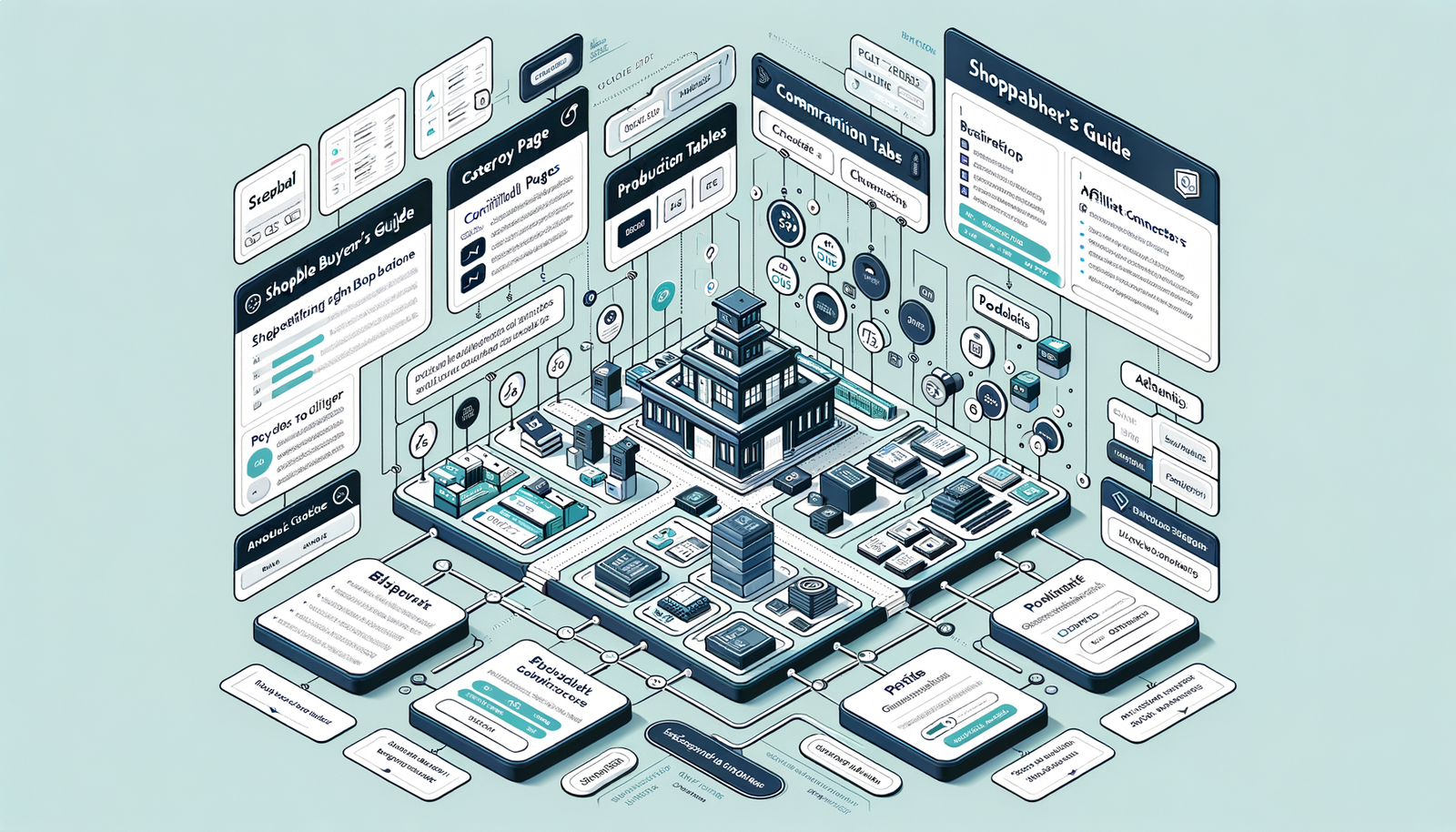
Publisher’s Guide to Shoppable Buyer’s Guide Hubs
Learn how publishers build SEO-rich shoppable buyer’s guide hubs that boost revenue and convert high-intent traffic with proven tactics, KPIs, and tools.
Every month, millions of readers search “best [product]” and land on publisher roundups—yet too often they bounce before buying. The next wave of editorial commerce is shoppable buyer’s guide hubs: structured, SEO-rich ecosystems that turn research journeys into revenue, without sacrificing editorial trust. In this guide, you’ll learn what’s broken with today’s commerce content, how shoppable hubs work, the SEO architecture behind them, a practical implementation plan, the KPIs that matter, common pitfalls, and data-backed benchmarks. Done right, these hubs compound organic visibility, lift conversion with live pricing and merchant coverage, and feed first‑party intent intelligence back to your newsroom and sales teams. McKinsey reports personalization can drive 10–15% revenue lift, while Salesforce finds 88% of customers say experience is as important as products. Shoppable hubs operationalize both—matching user intent to modular buying help at every step. We’ll show you how publishers are seeing 12–18% RPM gains and 30%+ engagement lifts by moving from scattered articles to a coherent, shoppable architecture that respects UX and editorial integrity.
What’s Broken in Editorial Commerce Today
Most commerce programs rely on isolated listicles and one-off reviews. The result: fragmented internal linking, thin engagement paths, and leakage at the last mile. Baymard Institute reports average cart abandonment near 70%, with top reasons including extra costs (48%), account requirements (24%), and complicated checkout (18%). When publishers send readers into poorly optimized retailer flows, conversion craters and RPM volatility rises. On-site, slow pages compound the problem. Google’s Core Web Vitals recommend LCP under 2.5s, CLS under 0.1, and INP under 200ms; missing these thresholds degrades both UX and organic reach. Editorial trust can also erode when monetization feels intrusive—aggressive overlays, irrelevant “deals,” or outdated prices. Finally, scattered analytics make optimization guesswork: EPC varies by merchant, inventory changes daily, and click-outs don’t always correlate to revenue. Without an intent-aware content system, publishers leave money on the table and weaken audience loyalty they worked years to earn.
How Shoppable Buyer’s Guide Hubs Work
A shoppable buyer’s guide hub is a structured pillar page that routes readers through a decision journey: need discovery → shortlists → comparisons → purchase. It centralizes modular blocks—category explainer, budget tiers, use cases, pros/cons, comparison tables, expert picks, and real-time pricing. Under the pillar, category and subcategory pages handle intent slices like “for students,” “under $500,” or “mirrorless vs DSLR,” each cross-linked with consistent breadcrumbs and faceted navigation. Product tiles pull live price/availability via merchant APIs or affiliate networks, automatically rotating coverage to maintain in-stock options. Buy buttons dynamically prioritize merchants by EPC, shipping speed, and reader location, while disclosing affiliate relationships to preserve trust. Schema markup (Product, Review, FAQ) and inline FAQs address long-tail queries. Conversational guides can further refine picks based on constraints (budget, brand loyalty, features), surfacing 2–3 credible options—not 20. The hub becomes an evergreen surface that updates continuously, compounding traffic and revenue over time.

SEO Architecture for High-Intent Discovery
Treat the hub as the pillar and build a tight cluster: pillar → category → comparison → product detail. Use descriptive, query-led URLs (e.g., /best/mirrorless-cameras/ vs /blog/123). Internal links should ladder up and laterally connect related intents (“best mirrorless under $1,000,” “mirrorless vs DSLR,” “which lens”). Add Product, Review, and FAQ schema; ensure author E‑E‑A‑T with bios, sourcing, and test methodology. Target Core Web Vitals budgets: LCP < 2.5s (defer third-party scripts, serve images in AVIF/WebP), INP < 200ms (reduce JS, prefetch interactions), CLS < 0.1 (reserve ad slots and image dimensions). Map topics to the funnel: Informational (“what to consider”), Comparative (“vs” pages), Transactional (“best X under Y”), and Maintenance (“best deals,” “accessories”). Use faceted navigation carefully—noindex thin combinations, canonicalize to avoid duplication, and render filters server-side for speed. Result: broader long-tail coverage, higher dwell time, and stable rankings across update cycles because intent is satisfied with depth and performance.
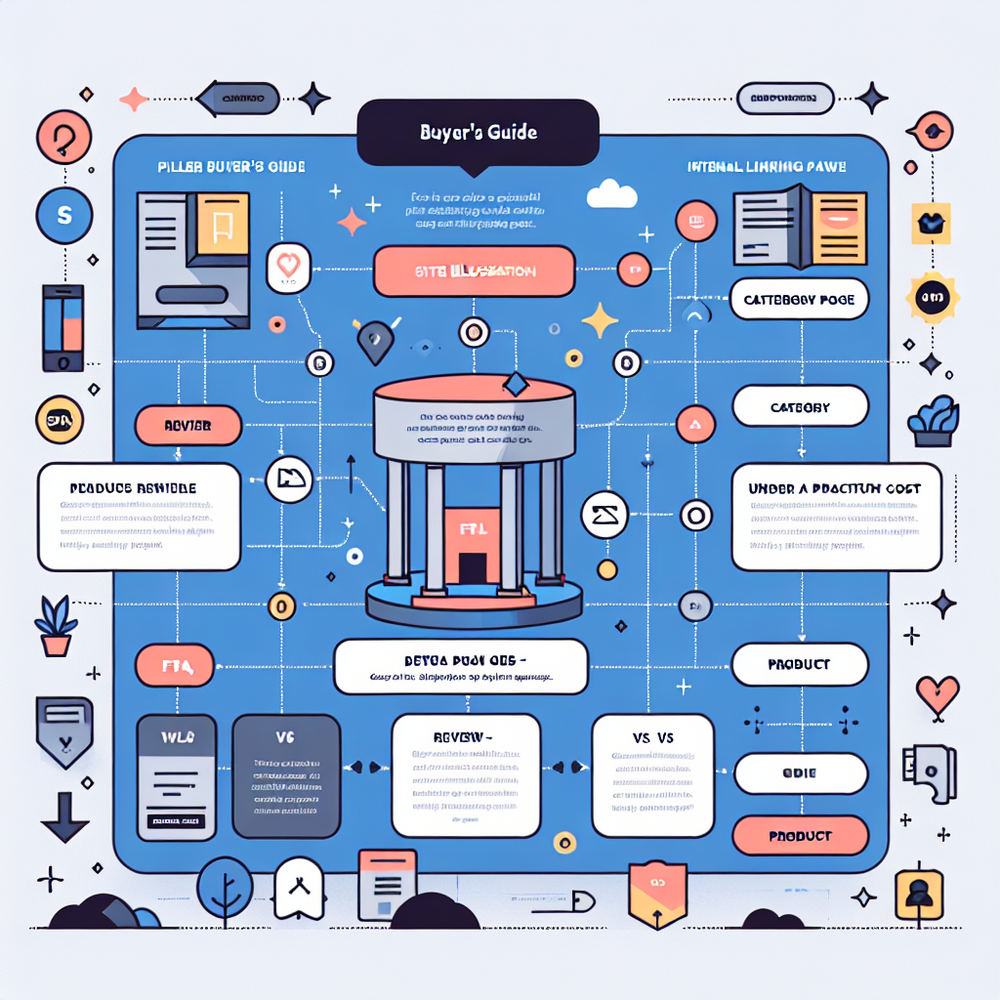
Implementation Guide: From CMS to Checkout
1) Model content: define reusable blocks (intro, buying factors, tiers, comparisons, FAQs) and product entities (attributes, pros/cons, price, stock, merchants). 2) Integrate data: connect affiliate networks/merchant APIs for live prices and in-stock signals; create a fallback manual price field to avoid gaps. 3) Build components: server-rendered comparison tables and product tiles with cached price snippets; prioritize speed and accessibility. 4) Configure decisioning: rank merchants by EPC, shipping SLAs, and reader geo; disclose affiliate relationships. 5) Wire tracking: pass Click IDs to merchants; capture click-out, add-to-cart, and conversion callbacks; stitch revenue to content IDs. 6) QA: validate schema, Core Web Vitals, and price accuracy; run A/B tests on layouts and CTAs. 7) Launch iteratively: start with one category, then scale templates. To accelerate, publishers on WordPress can use Brambles.ai components and conversational guides without heavy engineering.
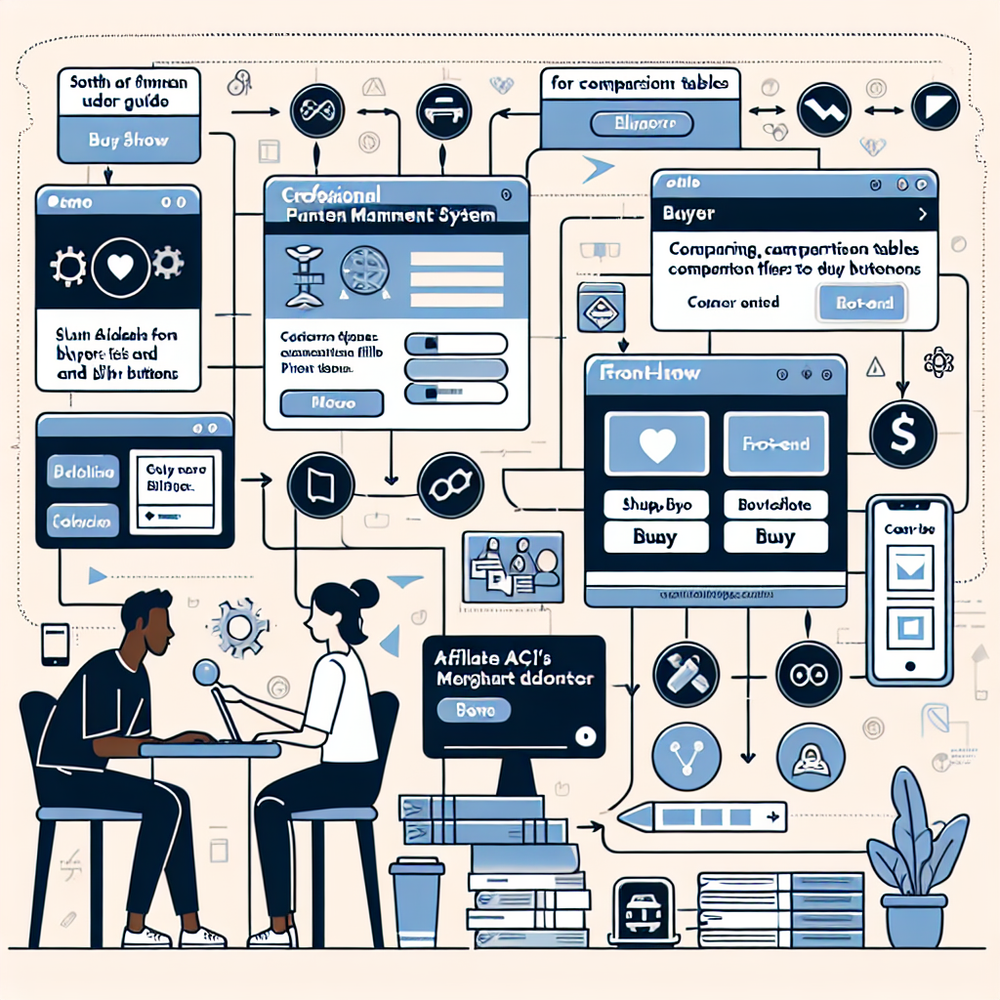
Measuring ROI and the KPIs That Matter
Align metrics to the journey and to revenue. Core KPIs: 1) Revenue per Session (RPS) on hub pages; 2) EPC by merchant and by page; 3) Click-out Rate on primary CTAs; 4) Add-to-cart and conversion rate (via network postbacks); 5) Assisted revenue (sessions that research here and convert later); 6) Engagement depth (scroll 75%, time on page); 7) SEO visibility (ranking for “best [X]” head term plus long-tail, impressions and CTR). Targets to start: +15–25% RPS vs control listicles, 2–4x time on page for pillar hubs, 3–7% click-out-to-cart rate on top tiles. Use holdout tests: route 10% of organic visitors to a non-shoppable control and compare RPS and engagement. Attribute properly with last-click and position-based models. McKinsey finds personalization lifts revenue 10–15%; expect similar gains from intent-driven recommendations. When Core Web Vitals improve to pass thresholds, Google documentation ties better UX to discoverability—often translating to 5–10% incremental organic clicks after reindexing.

Common Pitfalls and How to Avoid Them
- Static prices: stale pricing kills trust and CTR. Fix with automated price/stock feeds plus timestamped “last updated” labels. - Thin templates: if every page looks identical, expect cannibalization. Add unique angles (use cases, budget tiers, expert testing notes) and link canonicals smartly. - Slow pages: over-scripted carousels and third-party tags inflate INP. Budget JS, defer noncritical scripts, and prefetch merchant destinations. - Over-monetization: too many buy buttons or irrelevant merchants lower EPC. Limit to 2–4 high-quality options with clear reasons to choose each. - Incomplete schema: missing Product/Review/FAQ reduces rich results eligibility. Validate in Search Console. - Poor measurement: click-outs without revenue stitching obscure ROI. Ensure network postbacks or server-to-server events tie conversions to content IDs. - Lack of editorial governance: publish test methods, disclose affiliate relationships, and cite sources; Salesforce research shows experience/trust drive purchase decisions as much as features.
Case Studies and Benchmarks
US Tech Review Publisher (Brambles.ai client, 2024): Migrated “best laptop” content into a hub with live pricing across 6 merchants. Results after 60 days: +28% organic clicks to hub cluster, +42% engagement (time on hub to 3:18), click-out rate +31%, and RPS +16%. Passing Core Web Vitals (INP < 180ms) correlated with a 9% lift in impressions per Google Search Console. Lifestyle Publisher: Added buying-stage FAQs and budget tiers to three hubs, prioritized merchants by EPC and shipping speed. Results: +14% conversion rate from click-out to purchase, +12–18% RPM across the category, and a 10% decline in refund-related complaints due to clearer expectations. Commerce Team Playbook: Weekly price/stock audits prevented 8–12% of tiles from going stale; A/B tests on CTA copy (“See best price” vs “Shop now”) yielded a 6% CTR lift. Industry proof points: Baymard’s ~70% cart abandonment underscores the value of routing to fast, trustworthy merchants; McKinsey’s 10–15% personalization lift mirrors the gains from intent-driven comparisons.
Sources: Google (Core Web Vitals thresholds: LCP <2.5s, INP <200ms, CLS <0.1); Baymard Institute (2024 cart abandonment research: ~70%, top reasons 48% extra costs, 24% forced account, 18% complex checkout); Salesforce Research (State of the Connected Customer: 88% say experience equals product in importance); McKinsey (Next in Personalization: 10–15% revenue lift).
Conclusion and Next Steps
Shoppable buyer’s guide hubs turn high-intent research into trustworthy, fast, and revenue-efficient journeys. By structuring content into pillars and clusters, enriching with live pricing and schema, and instrumenting rigorous KPIs, publishers compound SEO value and stabilize RPM. Start with one category: model content blocks, wire price/stock feeds, ship fast templates, and A/B test your CTAs. Within 60–90 days, target +15–25% RPS and a meaningful lift in organic clicks as your hub earns links and improves Core Web Vitals. If you’re on WordPress or need a headless-friendly component library, explore modular commerce blocks and conversational guides that integrate with your existing stack. With the right governance and measurement, buyer’s guide hubs become an evergreen, compounding asset for both audience and revenue teams.
Related posts
View all
Sponsored Products in AI Shopping: Retail Media 101
Learn how sponsored product placements power AI shopping, how bidding and relevance work, and how to implement retail media without eroding trust or UX.
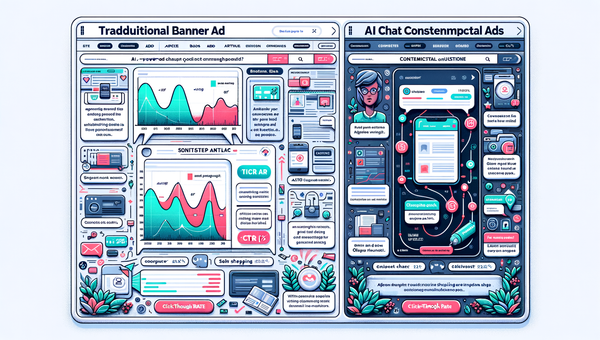
Why Contextual Ads in AI Chat Beat Banner Ads
Tests on commerce sites show AI chat contextual ads deliver 3–5x CTR, cleaner UX, and higher revenue than banners. See how they work, implement, and measure.
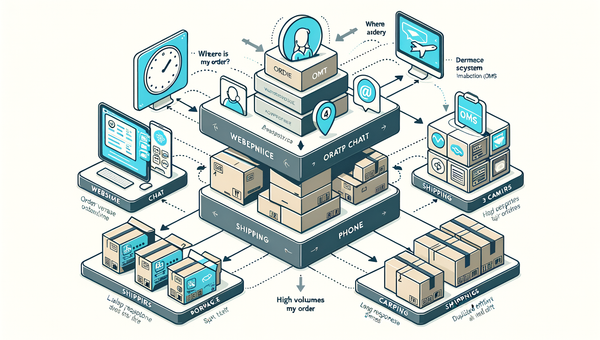
How AI Handles Order Lookup, Returns, and Shipping 24/7
See how AI resolves order lookups, returns, and shipping questions 24/7, deflects tickets, and lifts CSAT—plus a step‑by‑step guide to implement it safely.
Explore Brambles.ai
Learn more about our AI-powered agentic commerce platform, agentic shopping, and shopping assistance solutions.
Explore More Insights
Discover more articles on AI, automation, and business innovation
View All Articles