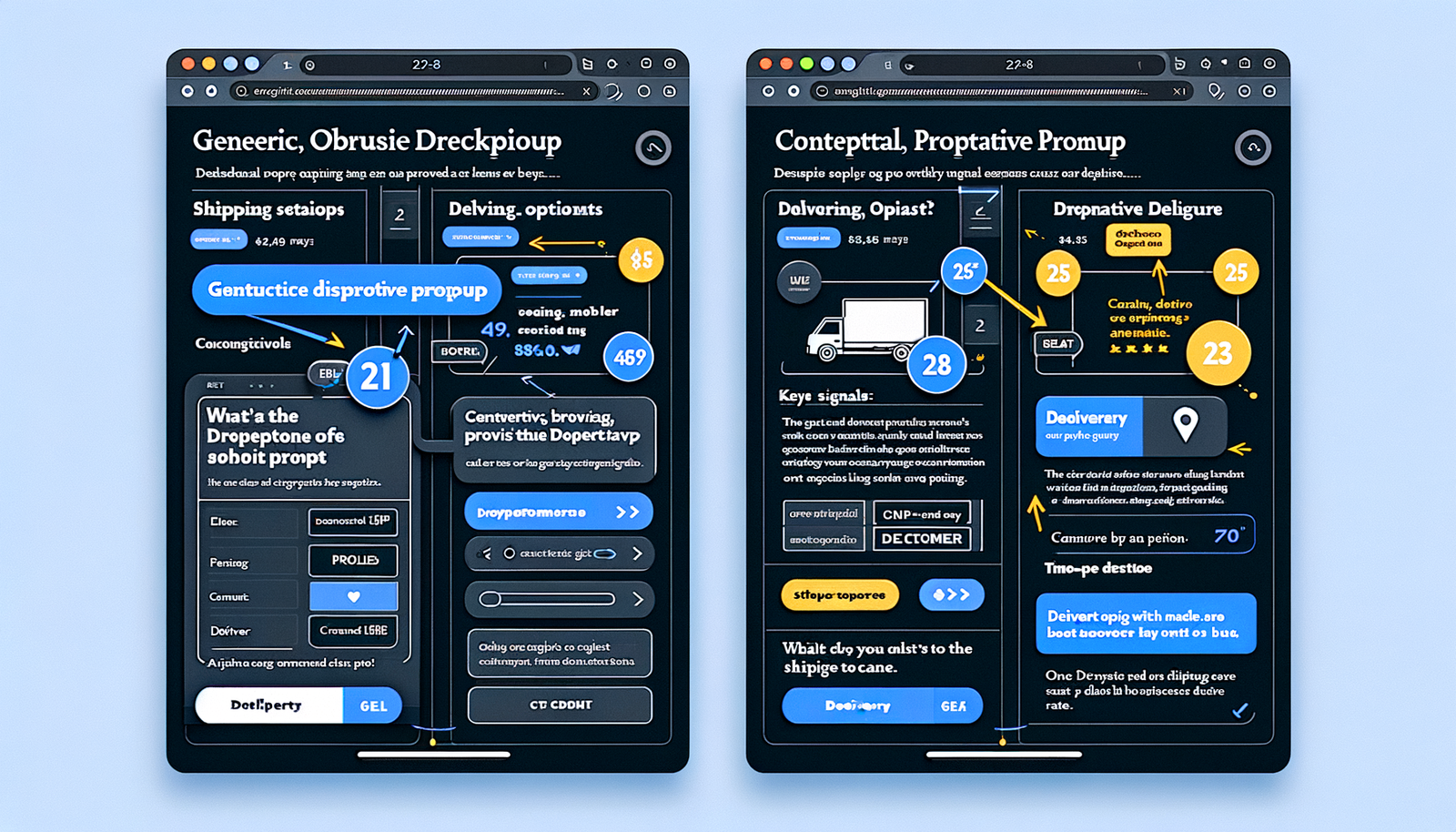
Proactive Prompts That Convert with Brambles.ai
Design proactive, context-aware prompts that lift conversions. Get proven patterns, KPIs, and a step-by-step Brambles.ai setup for ecommerce and publishers.
On a 100k-session apparel site, we triggered a size-and-fit helper the moment shoppers hesitated on the size selector for >4 seconds. The proactive prompt offered a quick fit quiz and a “See what most buyers chose” micro-insight. Bounce fell 18%, add-to-cart rose 27% in 14 days, and returns nudged down 6%. No fancy redesign—just the right prompt, at the right second, with the right stakes.
The same pattern works for publishers. A tech site we support nudged readers with a contextual “Compare 3 GPUs in 30 seconds?” prompt when time-on-page peaked and scroll stalled. That single prompt lifted affiliate click-through 22% and boosted time-on-page by 17%. We launched both tests in under two hours using Brambles.ai’s flows, so iteration—not guesswork—drove the wins.
Quick Answer
Proactive prompts convert with proactive engagement and offer a fast, low-risk next step. Use live context—hesitation, cart value, referrer, device, inventory—to trigger concise, helpful copy with one primary action. With Brambles.ai, you map prompts to shopper or reader intent, ship them via the WordPress plugin or API, and monitor impact on add-to-cart with direct add-to-cart. Good prompts are specific, time-bounded, and respectful; great prompts feel like service, not sales.
What’s Broken in Most Prompts
The problem isn’t that we prompt; it’s that we interrupt. Most prompts fire on entry, not intent. Baymard’s research shows hesitation around shipping, returns, and sizing is a top driver of abandonment—yet popups rarely address those exact anxieties. Instead, they push generic discounts that train deal-chasing and cut margin. Google’s UX research also warns that intrusive UI lowers perceived trust and task success.
The fix is precision. On a mid-market furniture brand we audited, an exit-intent coupon did little. But a contextual prompt on the shipping method step—“White-glove delivery: 2-person carry and assembly, $99, avg setup time 18 min”—cut checkout drop-offs by 14%. The copy acknowledged the moment and answered the real fear: hassle. That’s the standard proactive prompts must meet.
How Proactive Prompts Work (and Why They Convert)
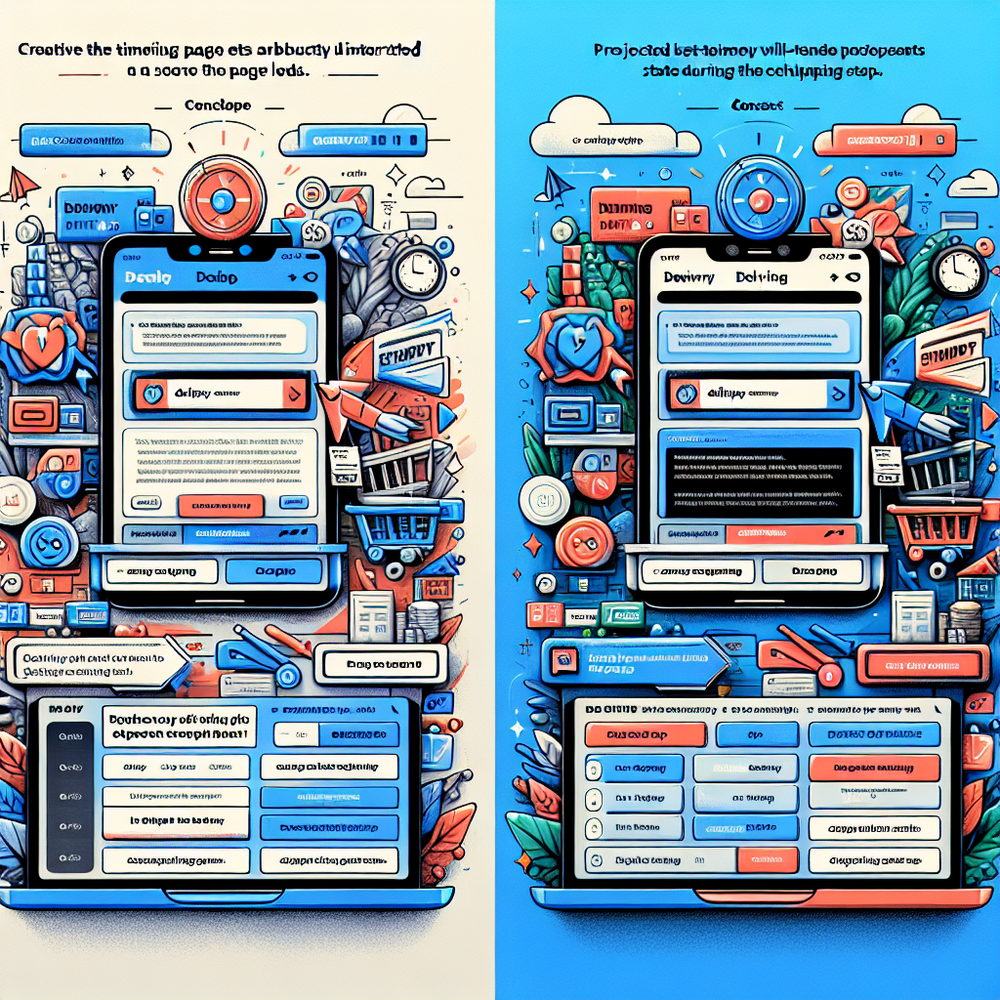
Proactive prompts anticipate tasks and remove work. They watch for live signals—hover, scroll stall, field re-entry, cart composition, inventory constraints—and present the exact shortcut the user silently needs. McKinsey’s personalization studies tie this kind of relevance to 10–15% revenue lift, but the lift compounds when prompts target friction, not just desire.
In Brambles.ai, you wire these triggers to outcomes. Example flows: brand/retail assistant nudges size guidance with virtual try-on; publisher flow offers a 30‑second product matcher when scroll depth >60% and outbound clicks <1. Both keep copy short, use one primary CTA, and include a subtle “Not now.” In our tests, adding inventory-aware prompts (“2 left in your size—ships today”) reduced indecision without pressure, echoing Salesforce’s finding that transparency grows trust.
Implementation Guide with Brambles.ai (Step-by-Step)
You can ship your first proactive prompt in under two hours. Here’s a practical path that matches how we run client pilots.
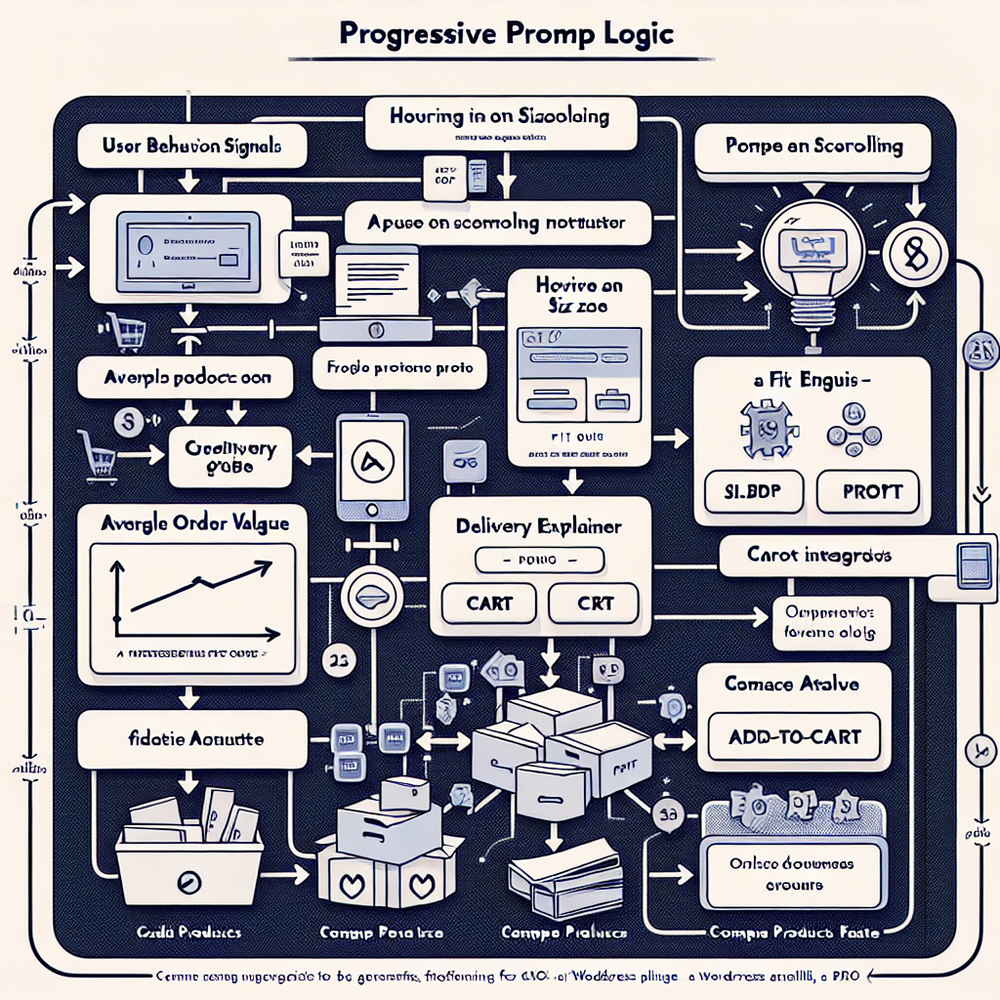
1) Define the moment. Pick one friction point: size uncertainty, shipping clarity, or choice overload. Write the outcome in plain language: “Reduce PDP bounce when shoppers hesitate on size.”
2) Instrument the signal. Track hover on size chart, field re-entry, or scroll stall using your analytics. In Brambles.ai, set a trigger like “size-selector hovered twice” or “time-on-PDP > 30s with no ATC.”
3) Draft tight copy. Aim for 9–16 words. Example: “Not sure on size? 3-question fit check.” One CTA: “Find my fit.” Secondary: “Not now.” Avoid discounts unless the outcome is price sensitivity, not fit.
4) Wire the action. Use the Brambles.ai Commerce Module to open a micro-flow—fit quiz, delivery explainer, or product matcher—so the prompt resolves the task inside the page. Don’t bounce users elsewhere.
5) Launch an A/B test. Split by session to isolate impact. Track add-to-cart, completion rate of the micro-flow, AOV uplift, and downstream returns.
6) Iterate weekly. Kill variants under 80% of control. Promote winners; then chain the next prompt only after users act (or decline) to avoid stacking pressure.
Pre-Launch Checklist (10-Minute Confidence Pass)
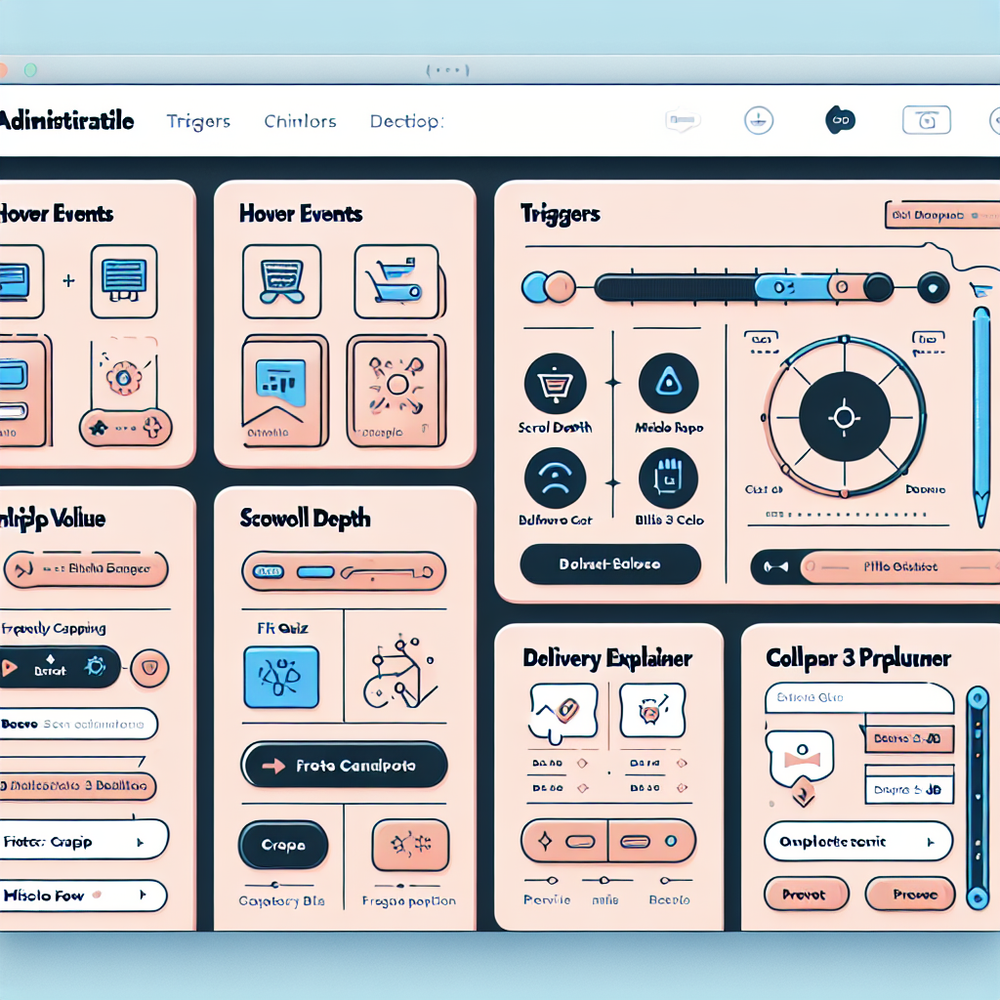
Use this quick list to catch 90% of issues before traffic sees your prompt.
- Copy ≤16 words, one primary CTA, optional “Not now.” - Trigger tied to a real friction signal. - Frequency cap: 1 per session unless acted. - Mobile preview passes fat‑thumb test. - Micro-flow resolves the task without leaving page. - Analytics events named and verified in real time. - Accessibility: focus trap, aria labels, ESC closes. - Privacy: no third-party cookies; consent honored. - Edge cases: out-of-stock, promo stacking, logged-out vs. logged-in.
Measuring ROI & KPIs
Prompts that don’t move numbers are decoration. Tie each to a primary metric and a guardrail. Primary: add-to-cart rate (PDP prompts), checkout completion (checkout prompts), affiliate CTR or revenue per session (publisher prompts). Guardrails: bounce rate, time-to-first-interaction, and unsubscribe/opt-out rate. We’ve seen a well-targeted prompt drive a 3–6% absolute lift in ATC, which compounds into serious revenue.
Two quick anecdotes. 1) Beauty DTC: inventory-aware shade helper lifted shade match completion to 62% and increased AOV 9% by bundling brush + primer post-match. 2) Gadget review site: “Compare three laptops” prompt at 70% scroll improved affiliate revenue per 1,000 sessions by $118, while keeping bounce flat. Attribution used 7‑day click assist and last non-direct touch.
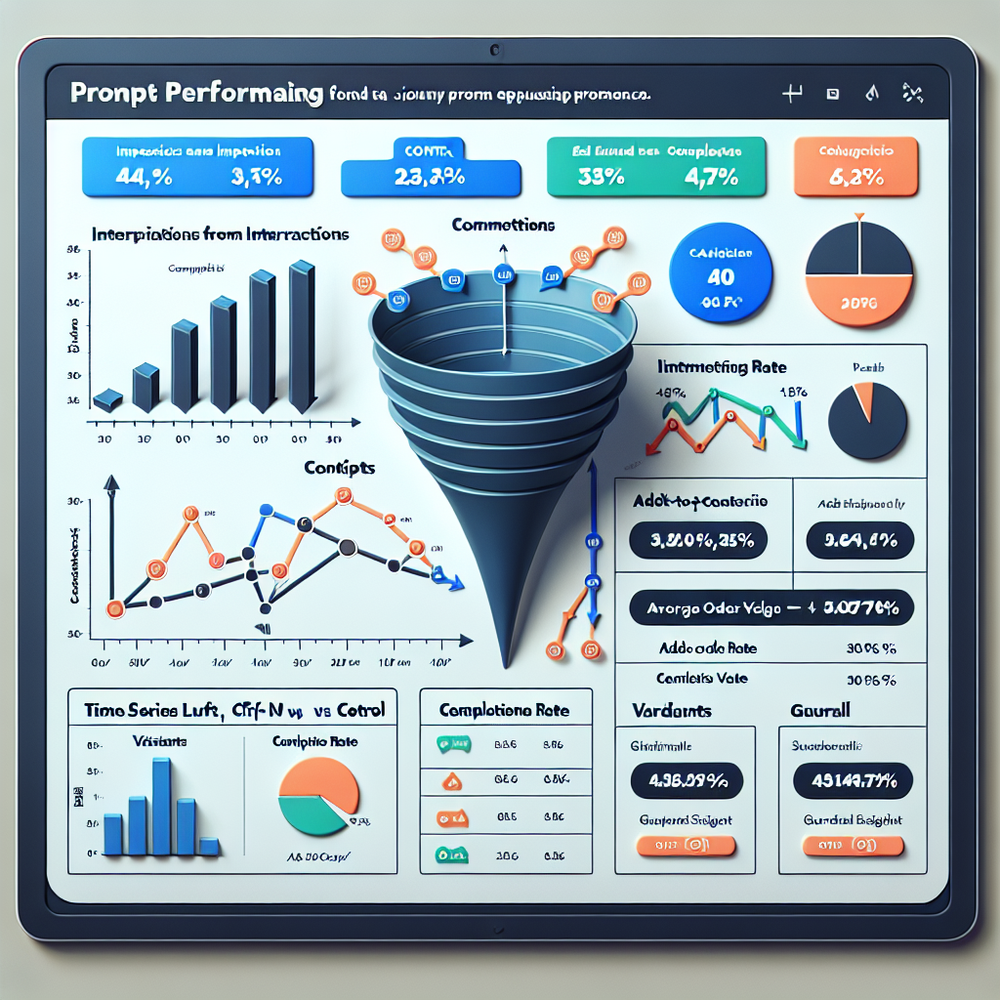
In Brambles.ai, the analytics view shows per-prompt funnel: impressions → interactions → micro-flow completes → downstream conversions. We annotate tests with hypotheses and automatically suppress variants that degrade guardrails. This lines up with evidence from Google UX Research: microcopy clarity and timing materially influence task success, so we test copy as rigorously as layout.
First-Party Data & Trust
Trust is the conversion multiplier. Salesforce’s Connected Customer report notes 71% expect personalized interactions—and 61% will leave if it feels creepy. Proactive prompts should earn data by delivering immediate value. Ask for an email only when it unlocks something useful: a saved fit profile, restock alerts, or price-drop tracking, and only after demonstrating relevance.
Brambles.ai handles this with consent-aware profiles. A publisher can prompt, “Save your GPU shortlist?” and store it to a reader profile that’s portable across posts—no third-party cookies. For a retailer, the brand assistant flow can remember sizing and shade matches for logged-in users and fall back to local storage for guests. Either way, consent state gates prompts, so helpfulness never crosses into pressure.
Common Pitfalls to Avoid
- Over-triggering: firing on entry, or stacking prompts. - Vague copy: “Need help?” converts worse than “2-question fit check.” - Wrong moment: returns info on PDP but hidden at checkout. - Misaligned incentives: discounting when clarity is the need. - No fail-safe: lack of frequency capping or a clear dismiss. - Ignoring mobile ergonomics: thumb reach and glare outdoors matter.
A real miss we fixed: a home electronics retailer pushed promo popups at hero load. Switching to a delivery-availability explainer triggered after zip lookup improved checkout completion 11% without increasing discount costs. The copy was specific (“Same-day delivery in 42 ZIPs near you; $19, free over $150”), which echoed Baymard’s recommendation to clarify shipping earlier and in plain language.
Future Outlook: Prompting Meets Merchandising
Proactive prompts are becoming part of the merchandising layer. As catalogs and content expand, we’ll see prompts auto-compose from structured data—inventory, delivery windows, buyer profiles—while staying human in tone. The near-term win is orchestration: one helpful nudge per task, not a swarm. Teams that treat prompts like mini-products—scoped, measured, iterated—will keep compounding gains.
FAQ
How many proactive prompts should I run at once? Start with one per funnel stage (e.g., PDP fit helper, checkout delivery explainer). Cap frequency at one prompt per session unless the user opts into a micro-flow.
Do proactive prompts hurt SEO or Core Web Vitals? Properly implemented prompts are lightweight and defer until interaction signals. In Brambles.ai, prompts respect performance budgets and won’t block content paint or input responsiveness.
Where should discounts fit into prompts? Only when price sensitivity is the proven blocker. Otherwise, offer clarity or shortcuts. Our best lifts came from solving effort—fit, delivery, comparison—not from blanket coupons.
What if I’m on WordPress or headless? Brambles.ai supports both. Use the WordPress plugin for rapid tests or the API/SDK with our Commerce Module for headless and custom flows.
How does Brambles.ai differ from generic popups? It maps real behavior signals to micro-flows that complete the task in-context. You get consent-aware profiles, guardrail metrics, and orchestration so prompts feel like service, not spam.
Related resources on Brambles.ai
If you are implementing this, start with Brambles.ai, for publishers, for brands, get started.
For deeper reading, see 10 Reasons Publishers Need Conversational Commerce, Affiliate Disclosure in Conversational UIs Done Right, From Search Boxes to Conversations: Modern Shopping UX, Contextual, Not Creepy: Monetization That Wins.
Related posts
View all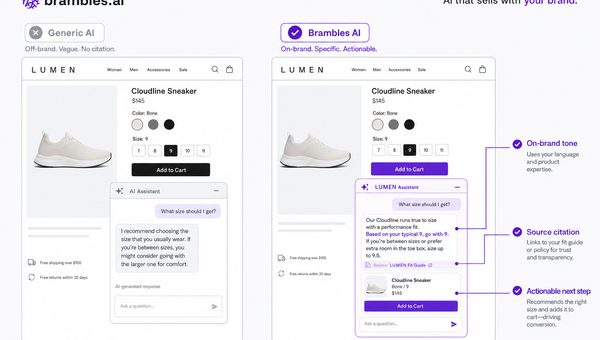
Brand-Consistent AI Chats Build Trust and Conversions
When AI mirrors your brand voice, shoppers relax—questions get answered, carts grow, and support load drops. Learn the playbook to align tone, trust, and ROI.
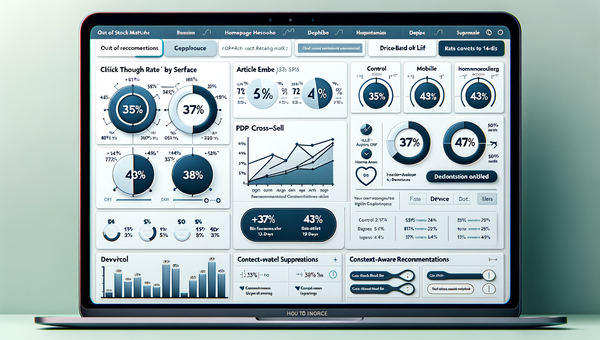
How Context-Aware AI Recommendations Lift CTR
See how context-aware AI recommendations lift CTR by 25–60% with intent signals, page context, and history. Practical steps, KPIs, and implementation tips.
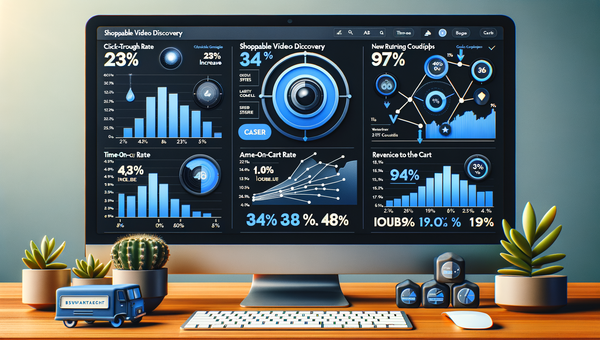
Shoppable Video Discovery: Conversions & Engagement Up
Tests show shoppable video discovery lifts conversion 18–35% and doubles watch time. See the UX patterns, KPIs, and how to deploy it quickly with Brambles.ai.
Explore Brambles.ai
Learn more about our AI-powered agentic commerce platform, agentic shopping, and shopping assistance solutions.
Explore More Insights
Discover more articles on AI, automation, and business innovation
View All Articles