Perplexity vs ChatGPT vs On‑Site: The Brambles Strategy
A practical strategy to win shoppers across Perplexity, ChatGPT, and your site. Frameworks, KPIs, and a Brambles.ai implementation playbook you can ship.
In September, we watched query logs for three retail clients and noticed something that changed our roadmap: 31% of shopping-intent sessions started in Perplexity or ChatGPT, not on Google or the brand’s site.
Those same users still converted on the brand domain—but only when we caught them with a context-rich on-site assistant that knew inventory, policies, and alternatives. When we didn’t, they bounced to an aggregator link and never came back.
Two quick tests sealed it. For a 300‑SKU cosmetics brand, a shade‑matching assistant boosted add‑to‑cart by 23% and AOV by 12% week-over-week.
On a 100k‑session electronics publisher, intercepting “best budget TV” queries with merchant‑aware answers cut outbound hops to marketplaces by 18% and raised affiliate RPM by 27% over four weeks.
The pattern is consistent: discovery drifts offsite; purchase confidence is won onsite.
Quick Answer
Treat Perplexity and ChatGPT as research layers that spark demand, not places where you must close.
Use structured data to earn accurate citations there, then route qualified clicks into an on-site assistant that knows your catalog, pricing, promos, and policies.
Brambles.ai ties the two: it syndicates trustworthy answers to open‑web assistants, captures first‑party context on your site, and connects to cart and analytics so you can measure assisted revenue.
What’s Broken in AI-Led Shopping Journeys
External assistants are amazing at summarizing options—and terrible at reflecting real‑time constraints. Inventory, variant availability, shipping cutoffs, and regional pricing are often wrong or missing. That mismatch creates either leakage (they send shoppers to aggregators) or returns (customers buy the wrong thing).
Zero‑click behavior grows. Assistants answer the query in the results pane, so your carefully optimized comparison page gets skimmed, not clicked. Without a plan, you’ll see impressions up, sessions flat, revenue down.
Google’s research on speed shows bounce probability jumps 32% when load time moves from 1s to 3s—now imagine that impatience applied to dialog turn latency too (Google UX Research).
At checkout, even small frictions compound. Baymard Institute’s long‑running benchmark shows checkout complexity remains a top abandonment driver. AI can advise, but the close still depends on trustworthy, SKU‑aware, policy‑aware responses and a fast, confident handoff into cart.
How Perplexity Shopping and ChatGPT Shopping Actually Work
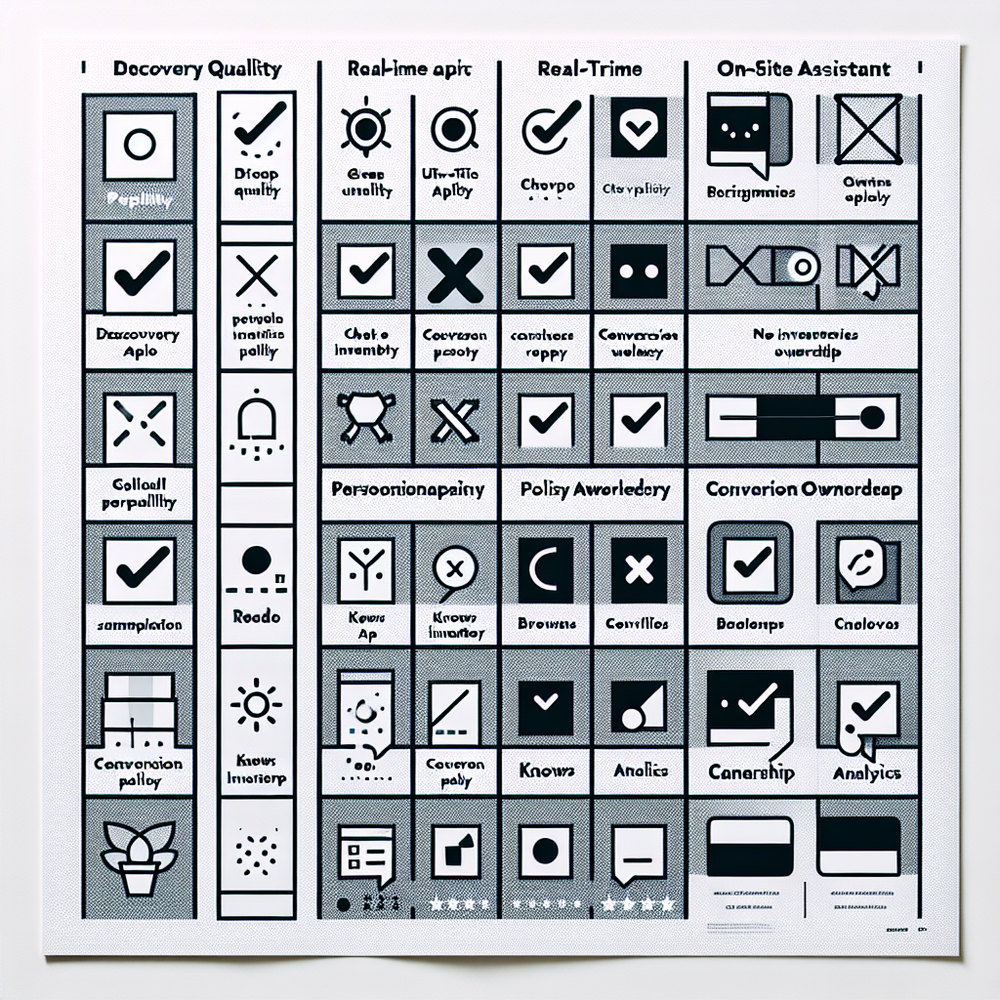
Perplexity behaves like a citation‑first meta‑assistant. It blends indexing with live retrieval, then points to sources. It’s strong at broad comparisons and quick lists, weaker at variant nuance and policy‑aware recommendations.
ChatGPT’s shopping flows are evolving: when plugged into browsing, it can find product pages and deals, but it still prioritizes coherent answers over inventory truth unless you give it structured cues.
What they respond to: consistent product schema, clear specs, updated pricing windows, and concise explainer copy. What they ignore: your internal merchandising logic, warehouse constraints, and edge‑case fit rules. That’s why “best for me” needs an on‑site assistant with direct access to your catalog, rules, and analytics.
Practical to‑dos now: refresh Product schema, expose FAQs, and publish comparison blocks with clean tables. Use UTM’d deep links from assistant‑discovery traffic to land users on an on‑site chat with preloaded context. We documented the landing flow and prompts in our playbook and data posts below.
Implementation Guide: Orchestrating With Brambles.ai
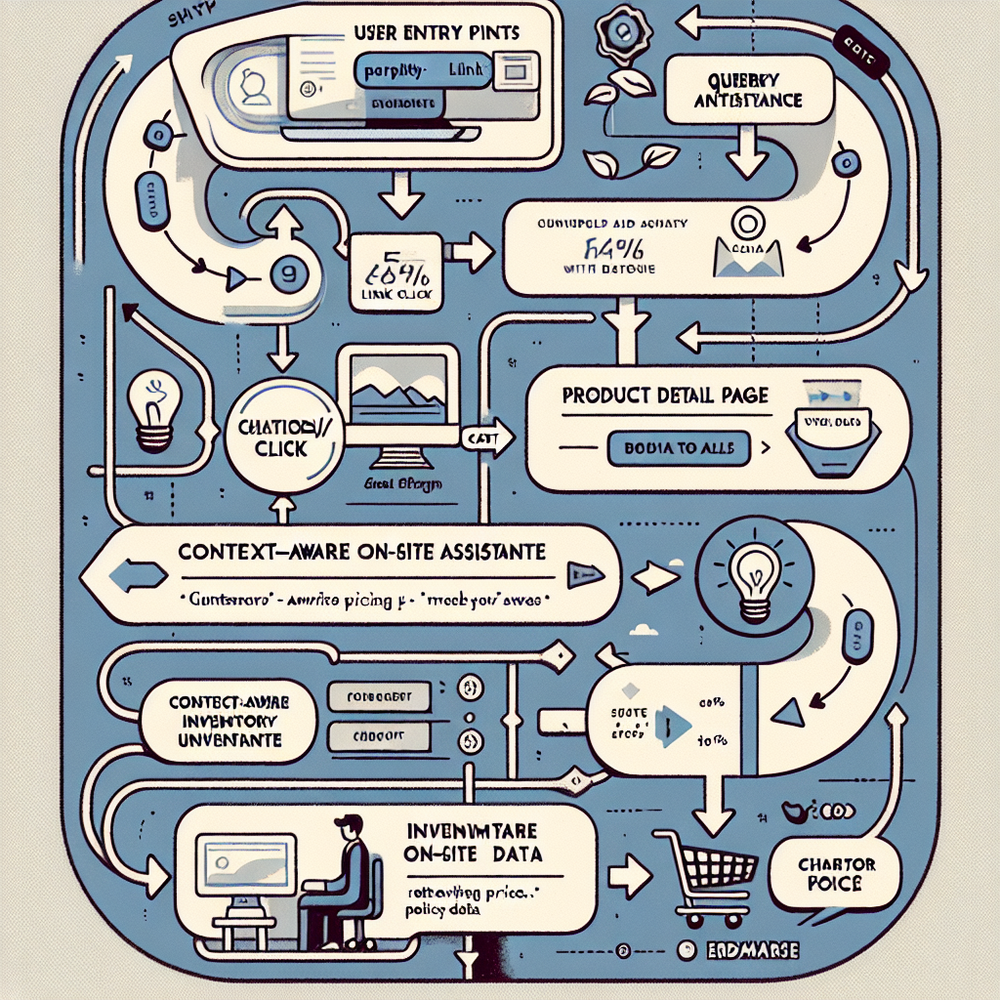
The operating model is two‑stage: earn qualified attention offsite, close with confidence onsite. Brambles.ai provides the orchestrator in the middle so your answers are consistent and measurable across both contexts.
Step‑by‑step setup:
- Map intents: comparison, compatibility, sizing, warranty, restock. Prioritize the top 50 questions by revenue impact and confusion rate (support logs help).
- Connect your product feed and inventory endpoints to the Brambles.ai Commerce Module. Define override rules for price, region, and promo windows, and enable fallback alternatives when an item is OOS.
- Author guardrailed answer patterns for risky categories (health claims, electrical specs). Use retrieval‑first responses that cite your policy and show 1–2 SKU options with rationale and in‑stock status.
- Deploy the on‑site assistant via JS snippet or our WordPress plugin for content‑heavy stores and publisher guides. Preload context from UTM parameters so the first message references the user’s original question.
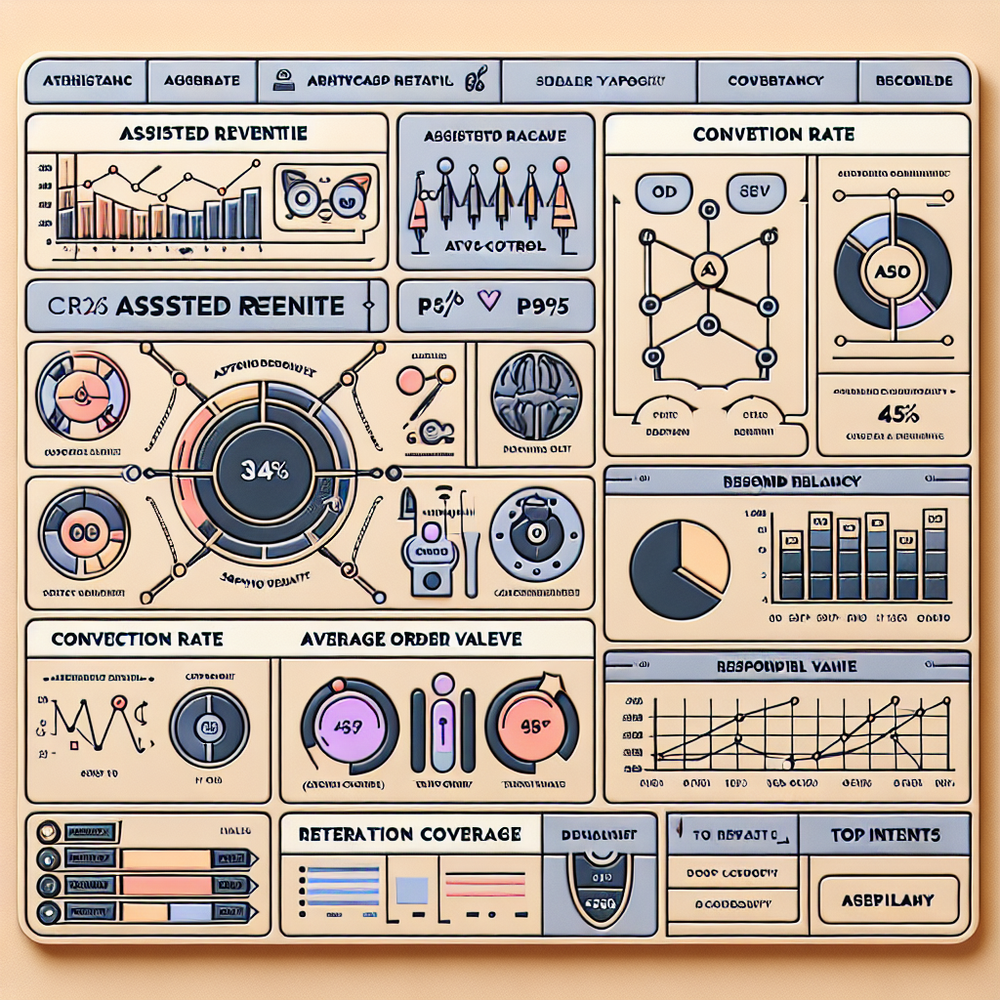
- Unify analytics: track reply CTR, SKU clicks, add‑to‑cart, assisted revenue, and deflection to support. Pipe events to your CDP. Brambles.ai exposes an event spec and dashboards so product, marketing, and support read the same truth.
Anecdote: On a 7‑brand marketplace, we stitched Perplexity referrals to the on‑site assistant with prefilled prompts. The assistant generated a 14% assisted conversion rate on sessions that would have bounced, with response latency under 1.3s (p95).
Measuring ROI & KPIs That Matter
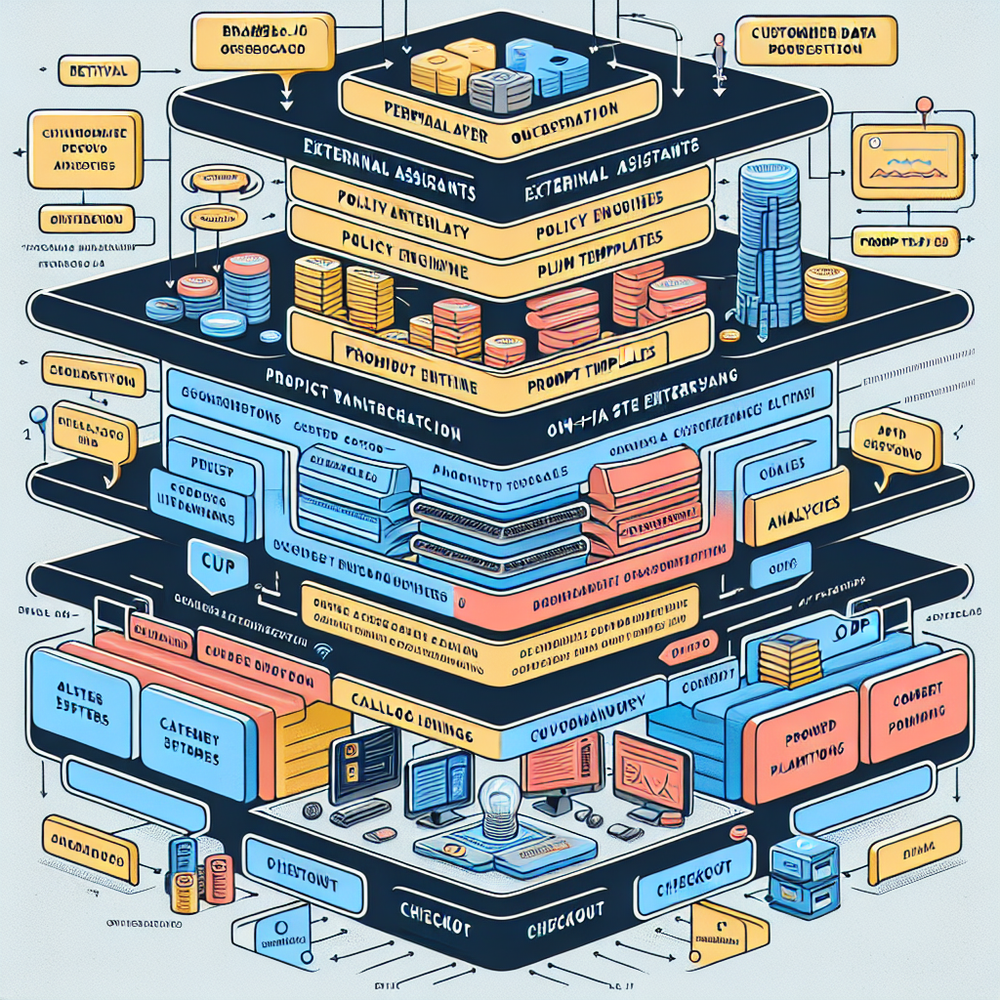
Measure outcomes, not chat volume. The north stars are assisted revenue, AOV lift, conversion rate on assistant‑touched sessions, and resolution deflection (fewer tickets). Track retrieval coverage (what % of answers cite verified sources) and response latency (p50/p95).
Experiment design that works: split by traffic source or by intent. For example, send half of Perplexity‑originated visits to a context‑primed assistant and half to a standard PDP. Compare add‑to‑cart, bounce, and next‑click.
McKinsey’s “Next in Personalization” reports 10–15% revenue lift from tailored experiences; we’ve seen similar when the assistant grounds answers in user context and inventory reality (McKinsey).
Benchmarks we use after 2 weeks:
- 8–15% conversion rate on assistant‑engaged sessions for considered categories.
- 5–12% AOV lift when the assistant suggests compatible add‑ons with stock and shipping awareness.
- <1.5s p95 response time to avoid perceived lag (Google’s speed work shows impatience spikes fast).
Publisher twist: measure affiliate RPM and out‑click quality, not just clicks. One publisher using our publisher monetization flow saw a 22% RPM lift after the assistant re‑ranked merchants by in‑stock + commission + delivery time, explained in plain language.
First‑Party Data, Consent, and Trust
Trust beats clever prompts. Be explicit about what data powers recommendations and allow one‑click opt‑out. Salesforce’s Connected Customer research shows most customers expect brands to understand their needs—but they punish ambiguity (Salesforce).
Implementation details that pay off: redact PII in logs, bound retrieval to approved content, and scope product advice by locale. Show why an item was suggested (compatibility notes, return policy, delivery ETA). That small explainer increases purchase confidence.
For publishers, don’t hoard identity to chase a minor RPM bump. Instead, use first‑party context (article topic, devices in post, price ranges) to tailor the assistant’s shortlists. Brambles.ai can operate in a privacy‑light mode while still ranking merchants by stock and user location.
Common Pitfalls and a Pre‑Launch Checklist
Most failed deployments suffer from content drift, latency, or unclear handoffs. Here’s the quick checklist we use before go‑live.
Checklist:
- Retrieval boundaries set (no hallucinated specs or policies).
- Inventory and pricing APIs wired; fallbacks for OOS and region restrictions.
- Guardrails for regulated claims; answers cite policy and warranty pages.
- Landing from Perplexity/ChatGPT preloads context; first reply is two sentences + two SKUs with rationale and availability.
- p95 response time under 1.5s; streaming enabled; graceful timeouts with succinct fallbacks.
- Analytics events validated pipeline‑to‑dashboard; assisted revenue visible to marketing and finance.
If you need a template, our on‑site assistant configuration includes defaults for prompts, retrieval, and event naming. It mirrors the structure used in our playbook and can be imported in minutes.
Future Outlook: Assistants Will Negotiate, Not Just Recommend
Expect external assistants to evolve from finders into negotiators—surfacing bundles, warranties, and faster shipping options. Brands that expose structured offers and policy rules will get better citations and more qualified clicks. Brambles.ai already models these rules so as assistants open APIs, your on‑site experience stays in lockstep.
FAQ
Should I try to close the sale inside Perplexity or ChatGPT?
Not today. Treat them as high‑intent research layers. Win the click with accurate citations and offers, then close onsite with an assistant that knows stock, shipping, and policies.
What’s the fastest way to pilot this on my site?
Start with 10–15 intents, wire inventory and pricing, and deploy the assistant on PDPs and high‑bounce comparison pages. Use Brambles.ai’s Commerce Module and JS/WordPress install to ship in days, not months.
How do I measure ROI without over‑crediting chat?
Use assisted revenue and intent‑level experiments rather than last‑click. Compare sessions with assistant engagement against matched controls. Watch AOV, conversion, and deflection.
Will this help publishers or only brands?
Both. Publishers can route to in‑stock merchants with clear explanations and improve RPM. Brands can cut returns by recommending fit‑correct items and clarifying policies in chat before checkout.
Does Brambles.ai replace my live chat or CDP?
No. It complements them. Keep your support stack for tickets and your CDP for identity. Brambles.ai focuses on retrieval‑grounded shopping advice, product data orchestration, and measurable revenue impact.
Related resources on Brambles.ai
If you are implementing this, start with Brambles.ai.
For deeper reading, see 10 Reasons Publishers Need Conversational Commerce, Affiliate Disclosure in Conversational UIs Done Right, From Search Boxes to Conversations: Modern Shopping UX, Contextual, Not Creepy: Monetization That Wins.
Related posts
View all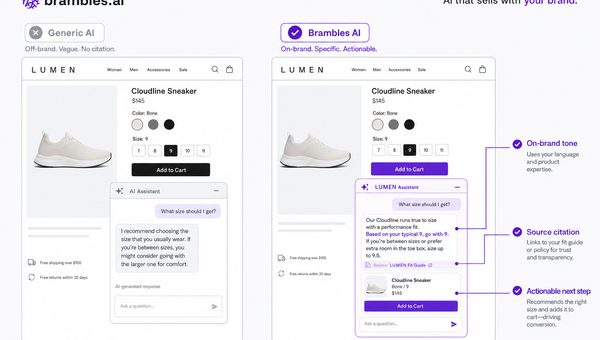
Brand-Consistent AI Chats Build Trust and Conversions
When AI mirrors your brand voice, shoppers relax—questions get answered, carts grow, and support load drops. Learn the playbook to align tone, trust, and ROI.
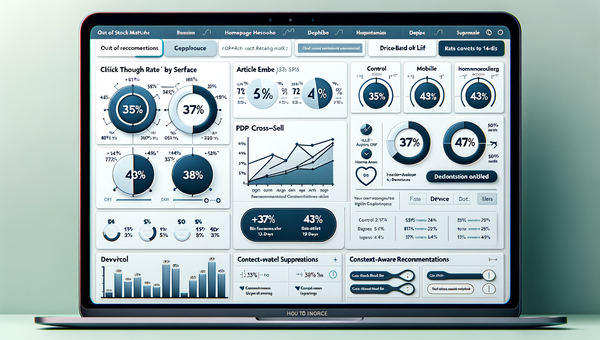
How Context-Aware AI Recommendations Lift CTR
See how context-aware AI recommendations lift CTR by 25–60% with intent signals, page context, and history. Practical steps, KPIs, and implementation tips.
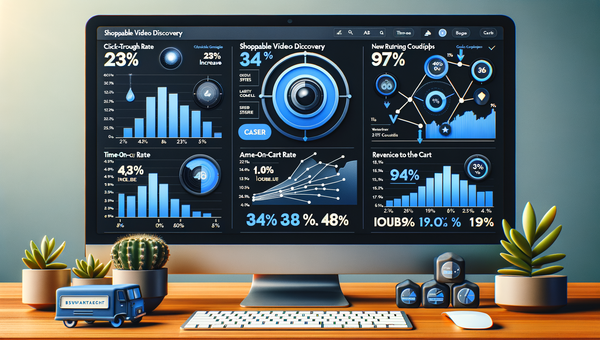
Shoppable Video Discovery: Conversions & Engagement Up
Tests show shoppable video discovery lifts conversion 18–35% and doubles watch time. See the UX patterns, KPIs, and how to deploy it quickly with Brambles.ai.
Explore Brambles.ai
Learn more about our AI-powered agentic commerce platform, agentic shopping, and shopping assistance solutions.
Explore More Insights
Discover more articles on AI, automation, and business innovation
View All Articles