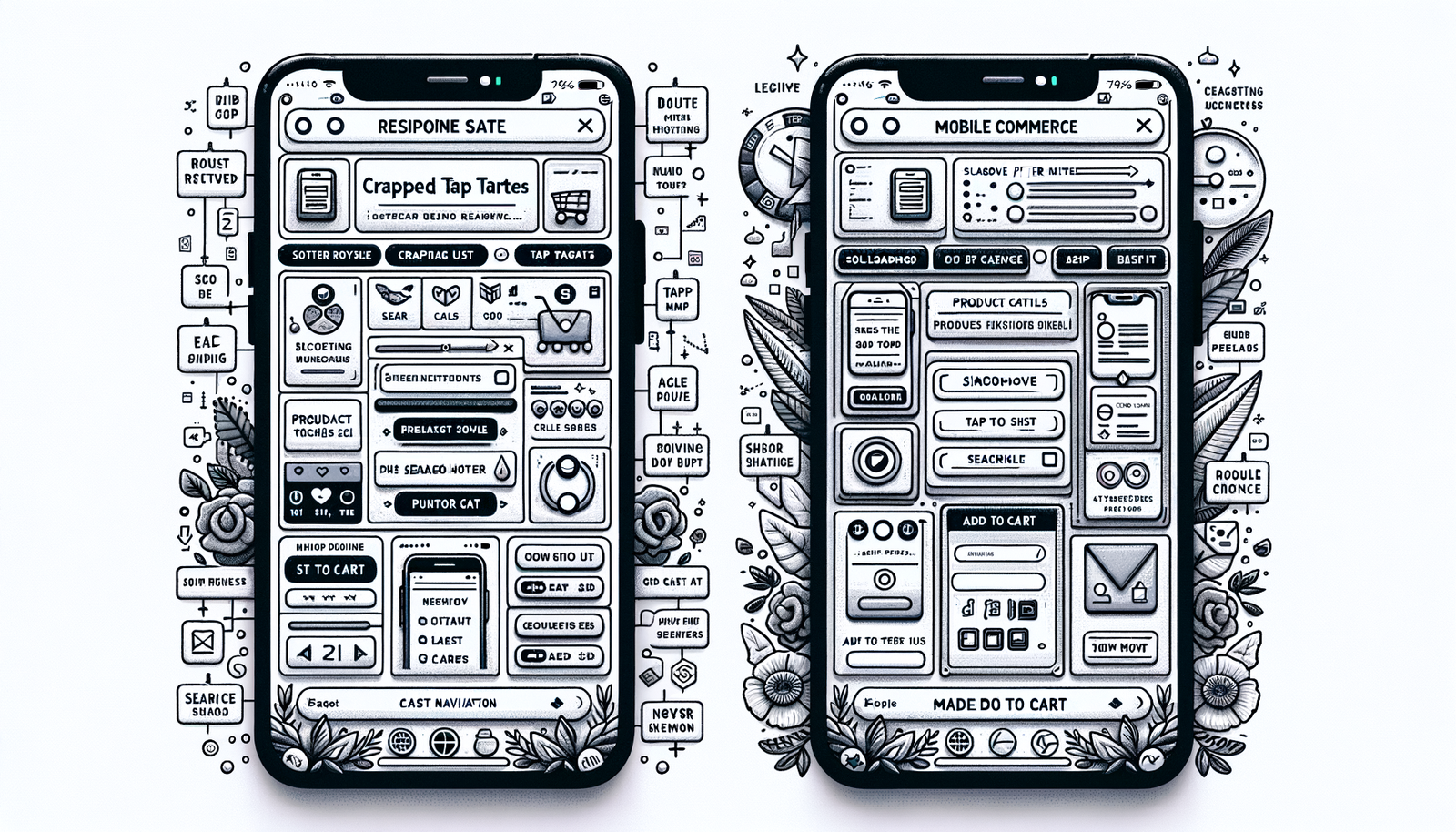
Native Mobile Shopping: Why App‑Like UX Matters
Mobile sites leak revenue through tiny taps and lag. Learn why app-like UX lifts conversion and how to launch it fast with Brambles’ native mobile shopping.
Native Mobile Shopping: Why App‑Like UX Matters
Last quarter, we rebuilt a fashion merchant’s mobile experience around app-like patterns—bottom navigation, slide-over product sheets, and a sticky “Add to cart” that never scrolled off-screen. Same catalog, same traffic. Mobile order conversion jumped 28% and checkout starts rose 41% within 30 days. The only real change: it felt like an app, not a pinched desktop site.
On the publisher side, a gear review site added an inline, app-like shopping module directly in articles. Readers could ask follow-up questions, compare specs, and cart from the page. Mobile RPM lifted 34% and exit rate fell by 19%. The module surfaced contextually relevant products and kept the UX fast and finger-friendly.
Quick Answer
App-like mobile UX matters because it removes micro-frictions—search lag, buried filters, tiny tap targets—that quietly kill conversion. Native-feeling patterns like bottom tabs, slide-over product sheets, and sticky cart actions reduce cognitive load and time-to-purchase. You don’t need a full native app to get there. Brambles.ai ships these patterns on the web with fast, conversational product discovery, direct add-to-cart from chat, and a PWA-grade feel—so shoppers move from intent to checkout in fewer thumb-moves.
What’s Broken in Mobile Commerce Today
Most “mobile-optimized” stores are still desktop layouts squeezed into a viewport. The result: small tap targets, hidden filters, endless scroll, and a header that hogs 25% of the screen.
According to Baymard’s mobile UX research, users frequently abandon when forms and navigation create extra steps. Our logs tell the same story—people give up when a simple choice takes too long.
Search is another sinkhole. Keyword inputs with no auto-suggest and slow results push shoppers to pogo-stick back to Google. Replacing the box with a conversation reduces query friction and captures more nuance (“I need grippy white sneakers for rainy city commutes under $120”). That’s why moving From Search Boxes to Conversations consistently improves product findability on phones.
Finally, speed and continuity matter. Google’s mobile research shows even small delays spike abandonment. When filters reload the page or the cart opens as a separate route, intent cools. Native-feeling flows—bottom sheets, in-place updates—keep users in context. For publishers, the same principles power higher session depth and monetization, as detailed in 10 Reasons Publishers Need Conversational Commerce.

How Native Mobile Shopping Actually Works (Without an App)
You don’t need the App Store to deliver an app-grade experience. A PWA-first stack with the right interaction patterns does the heavy lifting. Brambles’ native mobile shopping approach centers on four pieces: fast retrieval, conversational discovery, in-context actions, and persistent navigation.
Start with discovery. Instead of typing rigid keywords, shoppers ask for use-cases in natural language. The AI blends attributes, price, availability, and reviews to surface on-target picks fast. It’s not magic; it’s the combination of semantic search and your structured catalog, powered by Content Intelligence for accurate indexing.
Then make actions instant. Keep buyers in flow with a slide-over PDP, one-thumb variant selection, and Direct Add to Cart from chat. No page thrash. The cart updates in-place and the user stays anchored in their browsing context. When we shipped this pattern for a home goods retailer, add-to-cart rate rose 22% and PDP exits dropped 18%.
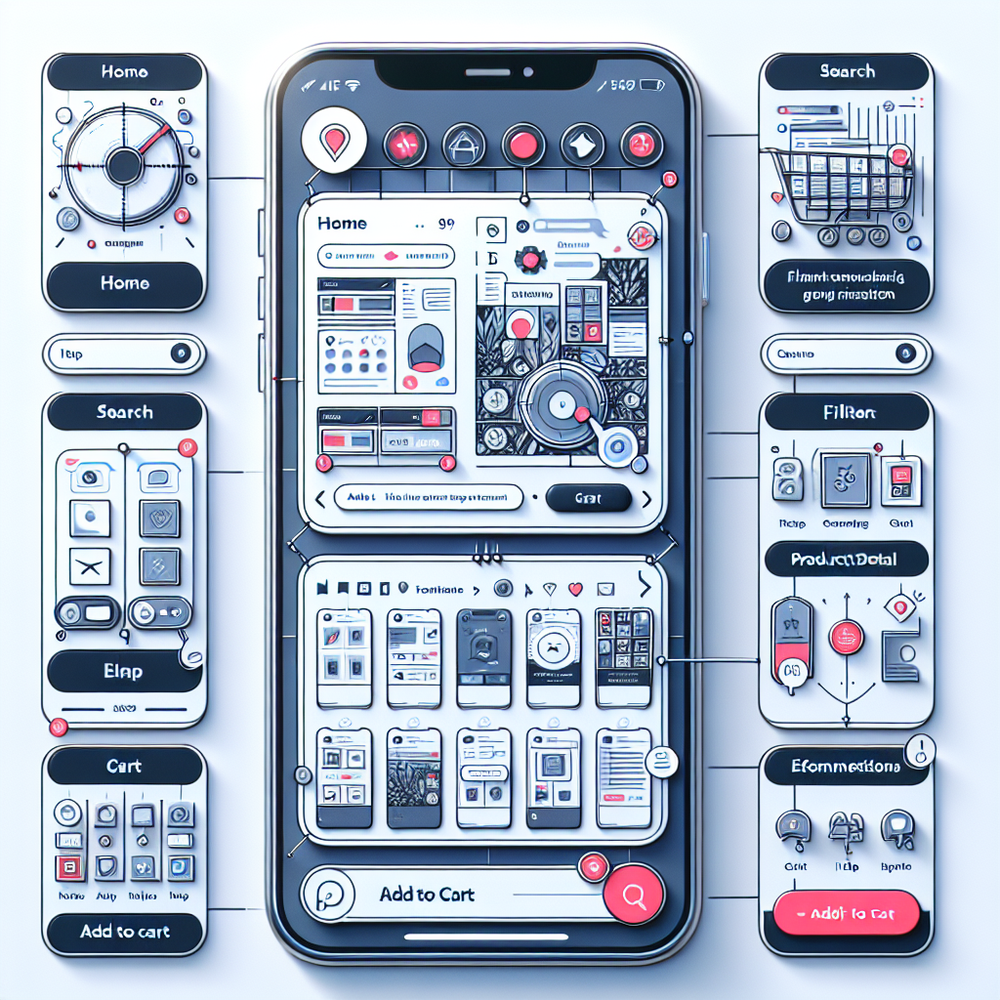
Tie it together with persistent UI. Bottom tabs keep Search, Cart, and Help within thumb reach. Proactive Engagement nudges relevant suggestions on category and editorial pages without feeling pushy, and Brand Customization ensures it looks and speaks like you—not a generic widget.
Implementation Guide: Shipping App-Like UX with Brambles.ai
You can roll out a native-feeling mobile experience in days—not months. Here’s a pragmatic path we use with brands and publishers.
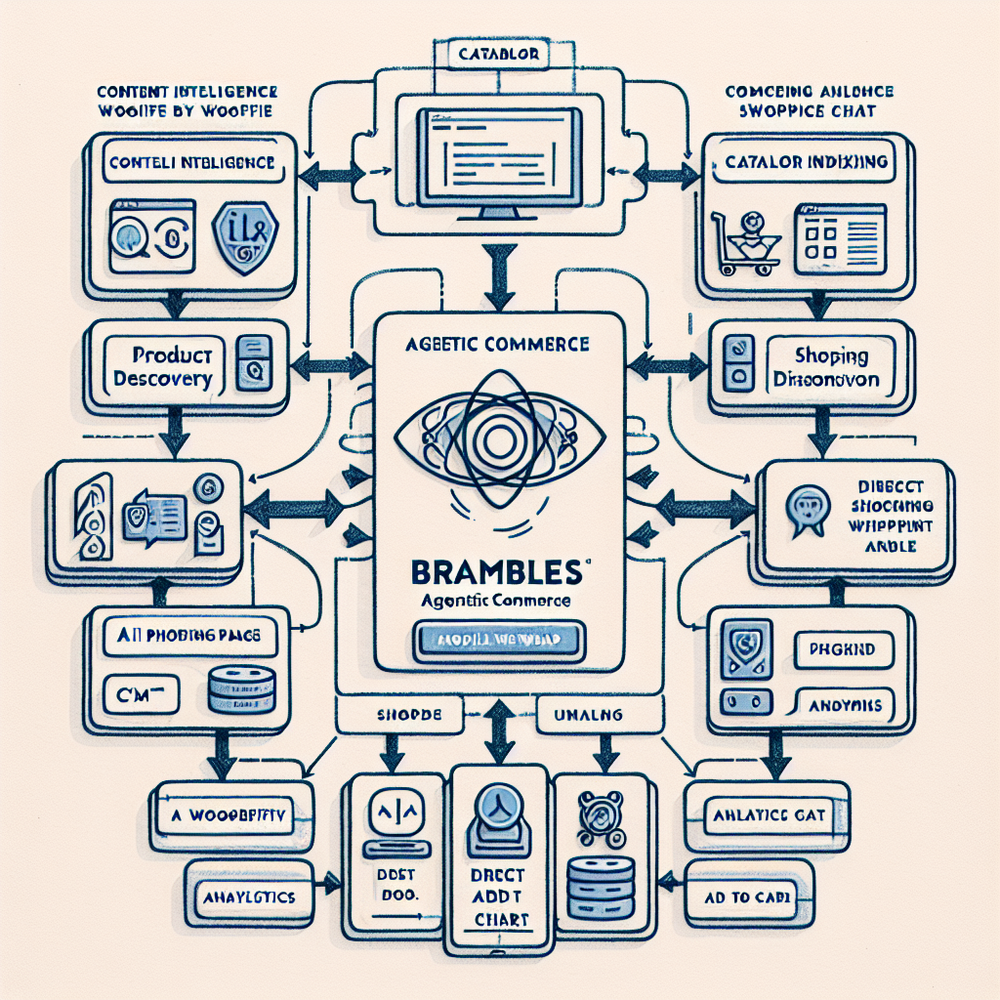
1) Install the Agentic Commerce Module. Drop one script to embed app-like navigation, chat, and in-context carts across your site. Developers can follow the Getting Started guide and integration docs to map events and styles.
2) Configure the UI. Use the configuration options to enable bottom tabs, slide-over sheets, and sticky actions. Apply brand colors and typography so it feels native to your store.
3) Index your content. Connect your catalog, categories, and editorial guides. Content Intelligence ingests this data so AI results are complete and on-voice. For article pages, add the Inline Shopping Embed to surface relevant picks alongside reading flow.
4) Turn on discovery and chat. Enable AI Product Discovery for natural-language shopping and AI Shopping Chat for instant Q&A. Set your AI Personality to mirror brand tone and safety rules.
5) Wire the cart. Activate Direct Add to Cart so users can purchase from chat or a slide-over PDP. If you’re on WordPress/WooCommerce, the WordPress plugin speeds setup. Our Shopify App will support similar flows at launch.
6) Personalize prompts and nudges. Use Proactive Engagement to suggest bundles, restocks, or editorial-relevant picks. On apparel, add optional Virtual Try‑On and, for home goods, View In Room to reduce returns and boost confidence.
7) Launch behind an A/B flag. Validate speed and funnel wins before rolling out 100%. If pricing is a blocker, start with the entry tier and upgrade as lift proves out. When you’re ready, hit Get Started and move to production.
Measuring ROI and Picking the Right KPIs
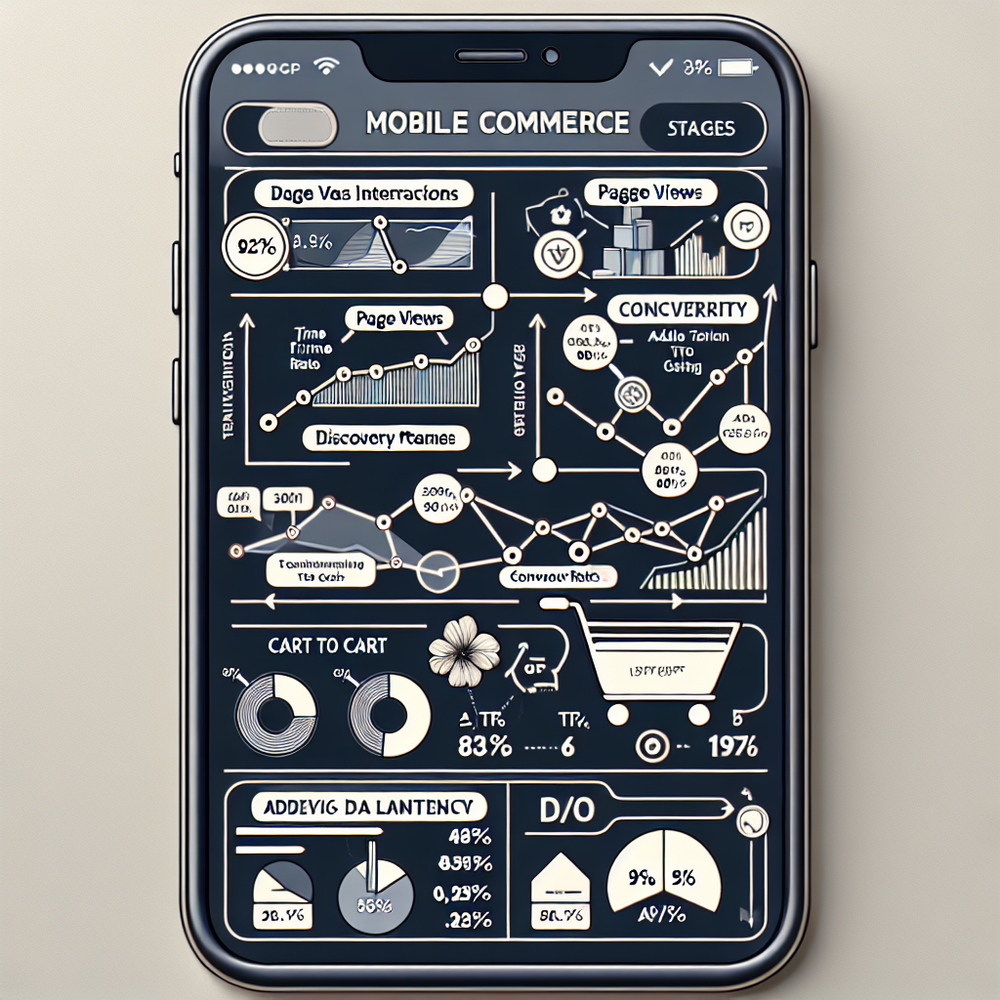
Measure what the app-like experience is meant to improve: faster findability, fewer bounces, and more carts. We track five leading indicators: Time to First Relevant Result (TFRR), PDP-to-ATC rate, cart open latency, checkout start rate, and mobile conversion.
Benchmarks we’ve seen across launches: 15–30% lift in mobile conversion, 20–40% faster TFRR, and 10–20% higher PDP-to-ATC. On a 50k‑SKU home retailer, instrumenting Direct Add to Cart from chat trimmed cart open latency to under 200 ms and increased AOV by 9% through bundle prompts.
Build your dashboard before launch. Emit uniform events (search_query, product_view_sheet_opened, chat_add_to_cart, proactive_nudge_click, checkout_start). Tie experiments to revenue by cohort and traffic source. Evaluate pricing against lift; if each percentage point of conversion is worth X, even modest gains often cover the platform fee.
First‑Party Data, Trust, and Disclosures
Shoppers reward clarity. State what your assistant does, how recommendations are generated, and what data is stored. We’ve seen higher chat engagement when brands display one crisp sentence about data use alongside a well-placed disclosure in the chat header.
If you monetize with affiliate links or retail media, keep disclosures front-and-center and human. The patterns in Affiliate Disclosure in Conversational UIs Done Right and Contextual, Not Creepy: Monetization That Wins show how to be clear without breaking flow.
Brambles.ai helps here out of the box. You can configure disclosures, consent prompts, and data retention windows; surface sponsored products via Retail Media; and keep recommendations grounded in first‑party content. It aligns with the broader vision of a cookieless, ad‑lite shopping internet.
Common Pitfalls and a Fast Checklist
Pitfalls we see repeatedly: copying desktop nav to mobile, hiding filters behind sluggish modals, opening carts as full pages, leaving chat generic, and measuring vanity metrics only.
Use this quick checklist: 1) Bottom tabs with Search/Cart/Help. 2) Slide-over PDP with sticky ATC. 3) Conversational discovery with auto-suggest and attributes. 4) Cart updates in place under 250 ms. 5) Proactive nudges tied to page context. 6) Clear disclosure in the chat header. 7) A/B test guardrails and event naming defined pre-launch. When ready, review our UX playbook and get started.
Future Outlook: Video, Voice, and Agentic Journeys
Mobile shopping is converging on richer context. Short, in-chat clips reduce ambiguity for fit, finish, and setup; Video Discovery brings those clips into the same thread as comparisons and cart. Voice input will matter for on-the-go queries, and agentic flows will coordinate multi-step tasks like outfitting a room or building a travel kit.
For publishers and affiliates, Conversational Commerce will power new, non-intrusive monetization as recommendations become contextual to each story. If that’s your world, Why Conversational Commerce Is Next For Affiliate Marketing is a useful deep dive.
The good news: you don’t have to rebuild your stack. Brambles’ Agentic Commerce Module, plus features like AI Shopping Chat, Product Discovery, and Direct Add to Cart, overlay your existing CMS and ecommerce setup. Install once, measure lift, then expand.
FAQ
What is “native mobile shopping” on the web?
It’s a web experience that looks and feels like a native app—bottom tabs, slide-over product sheets, sticky cart actions, and instant chat—without requiring an app download. It runs as a PWA with fast, in-context interactions that reduce taps and cognitive load.
How is this different from a responsive theme?
Responsive themes resize; native mobile shopping rethinks interaction. It keeps the shopper anchored via bottom sheets, in-place updates, and conversational discovery rather than pushing them through page loads. The difference shows up in faster findability and higher add-to-cart rates.
How fast can we implement with Brambles.ai?
Most teams ship an A/B pilot in 1–2 weeks. Install the Agentic Commerce Module, index your catalog with Content Intelligence, and enable chat with Direct Add to Cart. Use our WordPress plugin for WooCommerce or plan for our Shopify App rollout to accelerate.
Does this work for publishers as well as stores?
Yes. Publishers can embed app-like shopping inside articles with contextual picks and clear disclosures. We’ve seen strong lifts in RPM and session depth with Inline Shopping Embed and Proactive Engagement.
Related resources on Brambles.ai
If you are implementing this, start with enterprise solutions, publisher pricing, brand pricing, about Brambles.ai.
Related posts
View all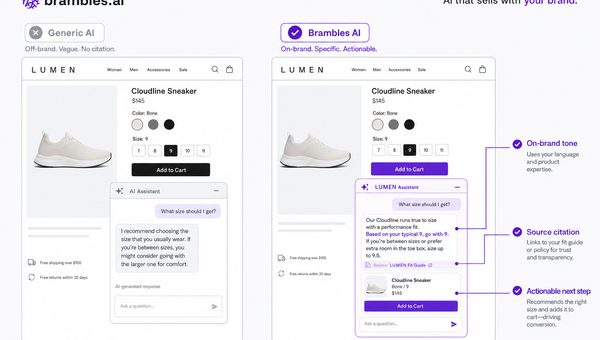
Brand-Consistent AI Chats Build Trust and Conversions
When AI mirrors your brand voice, shoppers relax—questions get answered, carts grow, and support load drops. Learn the playbook to align tone, trust, and ROI.
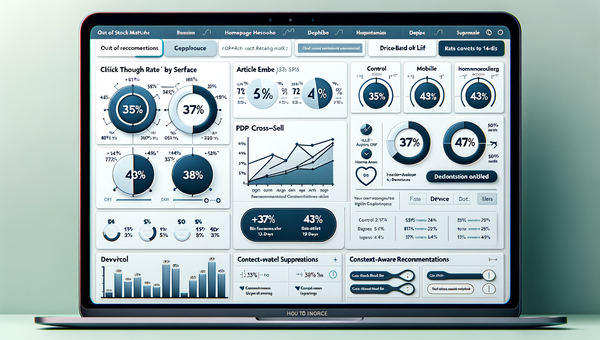
How Context-Aware AI Recommendations Lift CTR
See how context-aware AI recommendations lift CTR by 25–60% with intent signals, page context, and history. Practical steps, KPIs, and implementation tips.

Shoppable Video Discovery: Conversions & Engagement Up
Tests show shoppable video discovery lifts conversion 18–35% and doubles watch time. See the UX patterns, KPIs, and how to deploy it quickly with Brambles.ai.
Explore Brambles.ai
Learn more about our AI-powered agentic commerce platform, agentic shopping, and shopping assistance solutions.
Explore More Insights
Discover more articles on AI, automation, and business innovation
View All Articles