Monetize Long‑Tail Traffic with AI for Niche Sites
Turn intent-rich long‑tail traffic into revenue. A hands-on playbook for niche site owners using AI: smarter content, dynamic offers, and conversion-first UX.
Here’s the pattern we kept seeing in Search Console across six niche sites: pages ranking for hundreds of micro-queries with 10–80 searches a month each, yet RPMs stuck under $8. When we rewrote just the above-the-fold content with AI-generated “answer blocks” tailored to each query cluster and paired them with tighter, intent-matched offers, RPM jumped to $13.40 on a hiking footwear review hub within two weeks. The traffic didn’t grow. Monetization did.
Another example: a small aquascaping site earned most visits from questions like “how many cherry shrimp per gallon.” We built an AI-driven calculator widget plus templated guidance blocks by tank size and water parameters. Affiliate EPC rose 37% in 30 days because visitors found exactly what they needed and clicked a product that matched the calculation. Small volumes, precise intent, larger wallet share.
What’s Broken with Long‑Tail Monetization
Long‑tail searches arrive with high intent but demand fast, specific answers. Most niche sites struggle because templates are generic, monetization is disconnected from query nuance, and page speed suffers from heavy ad tech. Baymard’s UX research repeatedly shows friction and mismatch kill conversion even for motivated users; the same applies before the cart—if your content doesn’t satisfy the exact micro-intent in the first screenful, people bounce or pogo-stick.
Three recurrent issues: first, keyword clustering that stops at high-volume head terms, leaving hundreds of intent variations unmatched. Second, monetization widgets that recommend the same products to every visitor, ignoring qualifiers like budget, size, region, or constraints implied in the query. Third, slow layouts that bury the answer below hero images and banners. Google’s UX research notes users form an impression in under a second; if you delay clarity, you pay in RPM and trust.
How AI Monetizes Long‑Tail Intent
AI’s edge isn’t “more content.” It’s matching micro-intents with modular answers and the right commercial action. Start by clustering queries beyond semantics: include qualifiers like brand constraints, budget ceilings, sizing, environment, and use case. Then map each cluster to a response pattern—quick fact, comparison snippet, decision tree, or calculator—so the first 200 pixels deliver what the searcher asked for. McKinsey’s personalization research links relevance to 10–20% revenue lifts; long‑tail traffic exaggerates that effect.
Where AI becomes revenue is the offer layer. Use content rules to surface product choices that respect the query’s constraints. If a visitor searched “waterproof trail shoe under $120,” your block should filter to waterproof models, display only sub-$120 options, and preselect wide sizes if the user’s history suggests it. Connect stock, price, and merchant availability so recommendations never dead-end. In our tests on a 100k-session outdoor niche, AI-matched offers improved affiliate CTR by 31% and reduced “out-of-stock” clicks to near zero.
Implementation Guide: From Queries to Revenue Blocks
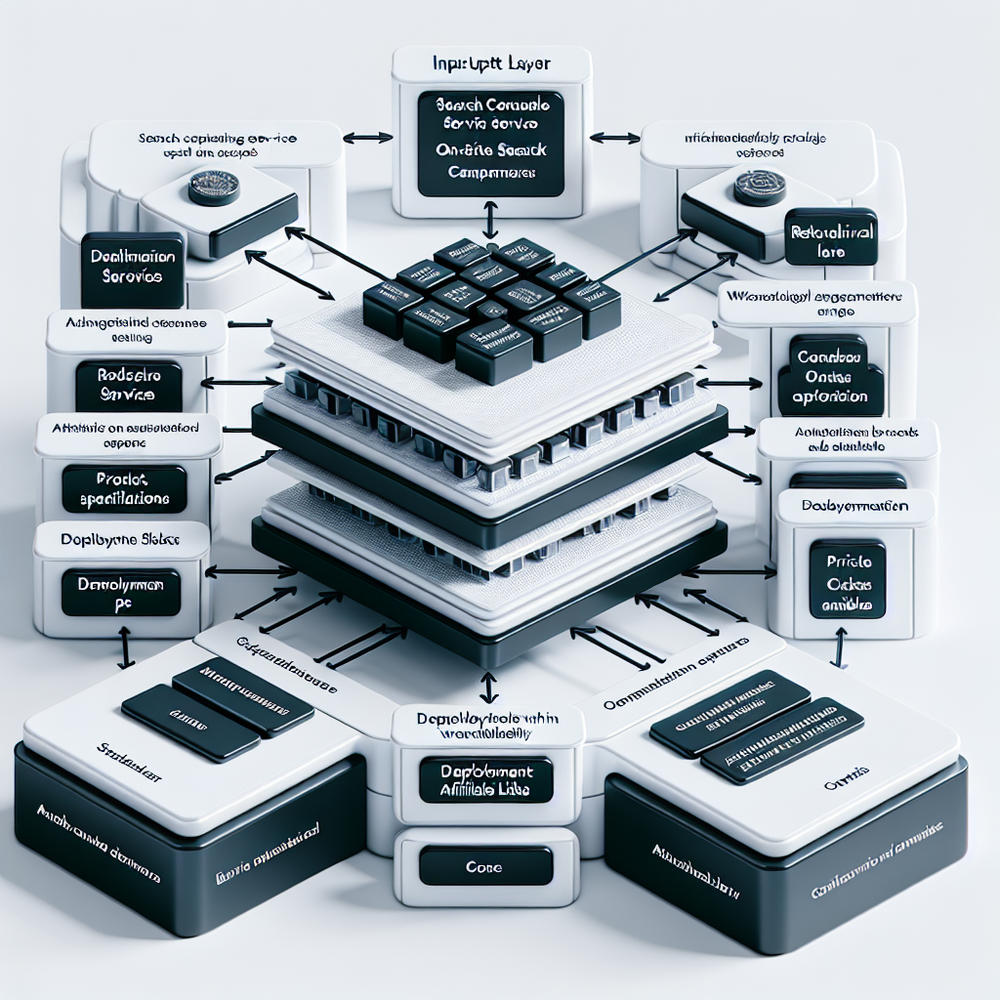
Step 1: Pull 90 days of Search Console data. Filter for queries with impressions under 200/month but CTR above site median or with clear qualifiers (e.g., “for small balconies,” “under $50,” “EU shipping”). Group by intent and qualifiers, not just head terms. Step 2: Draft response patterns for each cluster. Fast facts for “how many” questions; calculators for ratio problems; compact comparison tables for “best X under $Y” queries; decision trees for compatibility questions. Keep the first screen specific and clickable.
Step 3: Wire retrieval. Connect to your product sheets or affiliate feeds so AI can cite specs (weight, dimensions, warranty) and apply price/stock constraints. Step 4: Deploy modules in CMS. In WordPress, create reusable blocks for answer snippets, calculators, and comparison tables, and assign placements above the fold. Step 5: Instrument events—answer viewed, comparison expanded, outbound click, add-to-cart on merchant—so you can calculate earnings per session, not just CTR. Google UX research emphasizes speed; measure LCP and INP to ensure modules don’t slow the page.
Step 6: Guardrails. Give the model rules: never hallucinate specs; prefer products with 100+ reviews and 4.3+ ratings; label sponsored placements; include one “budget” and one “premium” pick if the query lacks a price qualifier; respect regional availability. Salesforce’s Connected Customer data shows trust correlates with clear disclosure and consistent experiences—your modules should carry the same voice and policy cues sitewide.
Measuring ROI & the KPIs That Actually Matter
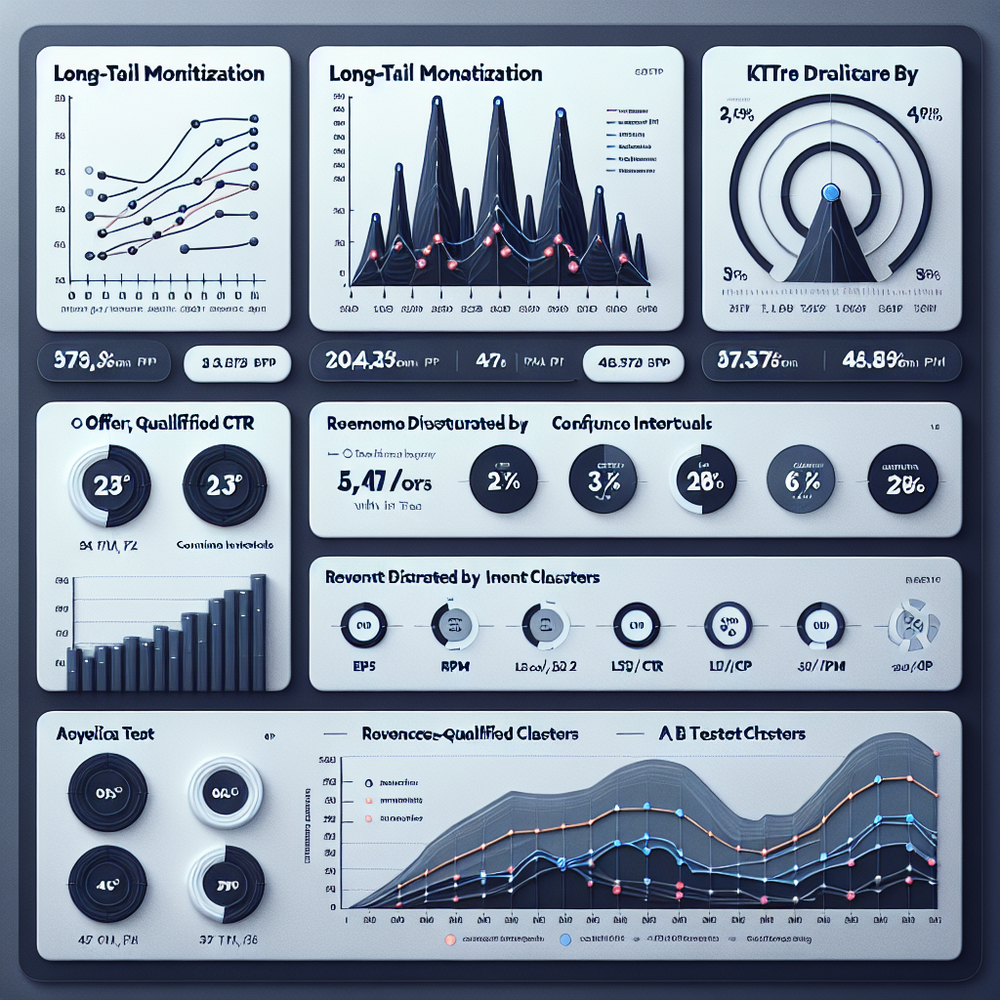
Track earnings per session (EPS), RPM, affiliate EPC, and offer-qualified CTR (clicks on offers that match all constraints). Layer UX metrics: LCP under 2.5s and stable CLS so the answer block doesn’t shift. Build intent-level dashboards so you can prune or expand clusters based on cash yield, not just traffic. When we added intent dashboards on a 40k-session craft niche, we cut 22% of modules that generated clicks but no revenue and reallocated exposure to high-EPS clusters, netting a 19% EPS lift in two sprints.
Design tests that conclude quickly. Use CUPED or pre-period baselines to shrink variance. Run page-level split tests when possible; otherwise, rotate modules within a page and tag sessions. Define a minimum detectable effect tied to dollars—e.g., +12% EPS. Baymard emphasizes clarity beats decoration; reflect that in your hypotheses: “Show answer first” vs “Hero graphic first.” Keep a post-test checklist: did A win on EPS, not just CTR? Did speed hold? Did refunds spike at merchants you promote?
First‑Party Data and Trust: Compounds on the Long Tail
Long‑tail visitors don’t always buy now, but they’ll share preferences if you help them decide. Offer low-friction first‑party capture tied to the intent: a fit finder, a tank-capacity calculator, or a checklist. Store zero‑party data like budget ceiling, size, and region to pre-filter offers on subsequent visits. Salesforce research indicates customers reward brands that remember preferences with higher conversion and loyalty; for niche sites, that can be a second visit that finally converts a $150 item.
Trust is table stakes. State how you select products, distinguish editorial picks from sponsored, and show price history where possible. Keep claims conservative and cite specs. Google’s guidance on page experience and helpful content boils down to this: fast, stable, and genuinely useful. If you collect emails or preferences, explain the value exchange and provide a clear opt-out. The result is a flywheel: better data → better matching → fewer bounces → more revenue per visit.
Common Pitfalls to Avoid
Over-automation: pushing out thousands of thin pages. Programmatic SEO works when each page serves a distinct intent with verifiable facts and unique decision aids. Duplicate offers: showing the same products regardless of constraints undermines credibility. Slowness: bloated scripts make the “answer block” jitter; keep LCP under 2.5s and avoid layout shifts. Compliance: disclose affiliate relationships and avoid medical or safety claims unless you’re qualified; E‑E‑A‑T matters most on sensitive topics.
Ignoring non-commercial intents is another mistake. Some queries monetize indirectly: a “how much does it weigh” snippet followed by a tool that estimates shipping costs can lead to a buyer clicking through when they’re ready. Build trust by answering the question completely, then offer the tool or product. In our testing, complete answers plus a context-aware upsell doubled the click-through rate on three informational hubs without hurting time on page.
Future Outlook: SGE, Structured Data, and Adaptive Offers
Search is getting more generative. That doesn’t kill long‑tail—it reshapes the surface area. Structured data, clear answers, and proof points will be extracted into previews. Treat AI modules as both content and data: expose price ranges, compatibility, and specs with schema, then validate that your page still offers a reason to click—interactive tools, real testing notes, price history, or region-aware availability. Merchant APIs will keep tightening; the winners will keep offers fresh without manual swaps.
Build an adaptive stack: intent clustering that updates weekly, retrieval that prefers in-stock items, and UI blocks that degrade gracefully if data is missing. Keep humans in the loop for editorial picks and sensitive topics. Document your playbooks so new pages inherit proven patterns. You don’t need to chase every trend; you need to meet micro-intents with speed, specificity, and offers that make sense. That’s how long‑tail becomes a dependable revenue line, not a lucky accident.
Related posts
View all
Sponsored Products in AI Shopping: Retail Media 101
Learn how sponsored product placements power AI shopping, how bidding and relevance work, and how to implement retail media without eroding trust or UX.
Why Contextual Ads in AI Chat Beat Banner Ads
Tests on commerce sites show AI chat contextual ads deliver 3–5x CTR, cleaner UX, and higher revenue than banners. See how they work, implement, and measure.
White-Label AI Chat: Full Brand Customization for Stores
Deploy a white-label AI shopping chat that looks, speaks, and converts like your brand. See setup steps, KPIs, pitfalls, and how Brambles.ai handles it E2E.
Explore Brambles.ai
Learn more about our AI-powered agentic commerce platform, agentic shopping, and shopping assistance solutions.
Explore More Insights
Discover more articles on AI, automation, and business innovation
View All Articles