Listicles vs. Chat Journeys: When to Keep Both
We tested listicles against chat journeys and found both can win. See when to pair them, how to implement without cannibalization, and what metrics prove ROI.
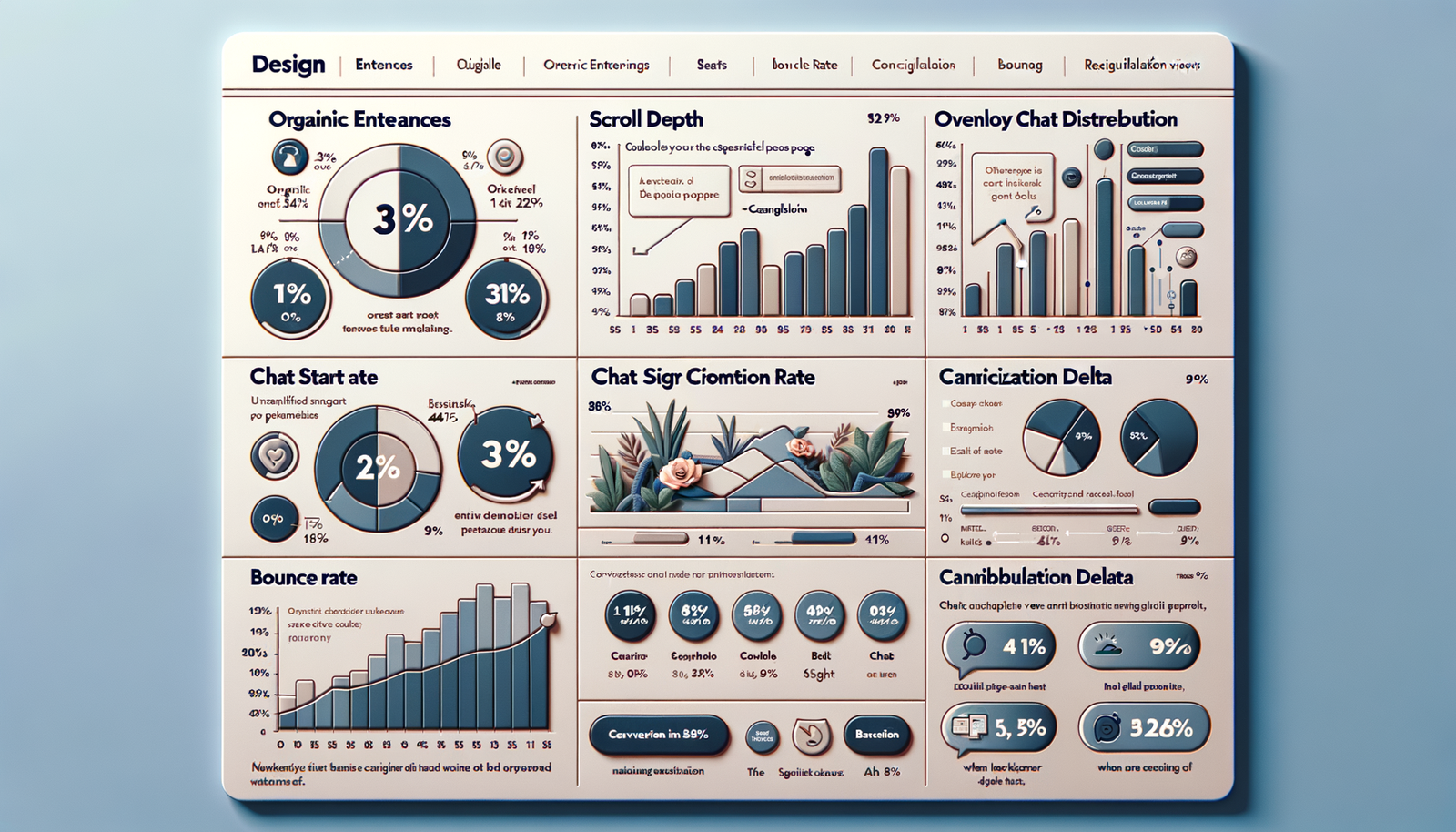
On a 1.2M‑visit publisher, a guided chat beat our best listicle by 28% for newsletter signups. Then we made a mistake: we replaced the listicle entirely. Organic entrances slid 12% in three days, and scroll depth flatlined. When we reinstated the listicle and kept the chat as an optional path, both improved—chat signups held, while listicle traffic rebounded and recirculation climbed 9%. The lesson: listicles and chat journeys aren’t rivals; they’re different gears for different user intents. Keep both, and let the user choose the gear. The nuance is in timing, triggers, and measurement. Chat journeys win when users need guidance or personalization; listicles win when users want to scan, compare, or bookmark. The art is keeping them from cannibalizing each other or your SEO. Below, I’ll map what breaks, how to wire both correctly, and exactly what to measure so you can prove the lift without risking your rankings or UX.
What’s Broken: Listicles vs. Chat Journeys
Listicles are scannable, indexable, and easy to share. They also crater when the item order doesn’t match user intent, or when the page turns into an ad thicket. Baymard’s research shows users skim and anchor on headers; if your list lacks clear labeling, filters, or comparison cues, abandonment spikes. Chat journeys, meanwhile, often feel like pop-up toll booths: generic openings, no memory of user context, and slow performance. They help when the question is ambiguous (“Which camera for a beginner?”), but they harm when a user seeks a quick skim (“Top 10 mirrorless cameras under $1k”). We’ve seen teams ship chat overlays that hijack the viewport on entry, only to watch bounce rate jump 14% on mobile. SEO is another weak point: replacing listicles with opaque chat UIs removes crawlable structure (H2s, internal links), hurting discoverability and rich results. The net: listicles are great for top-of-funnel scanning and SERP capture; chat journeys excel at narrowing choices and collecting first-party data—if they’re optional and context-aware.
How It Works (and When They Complement)
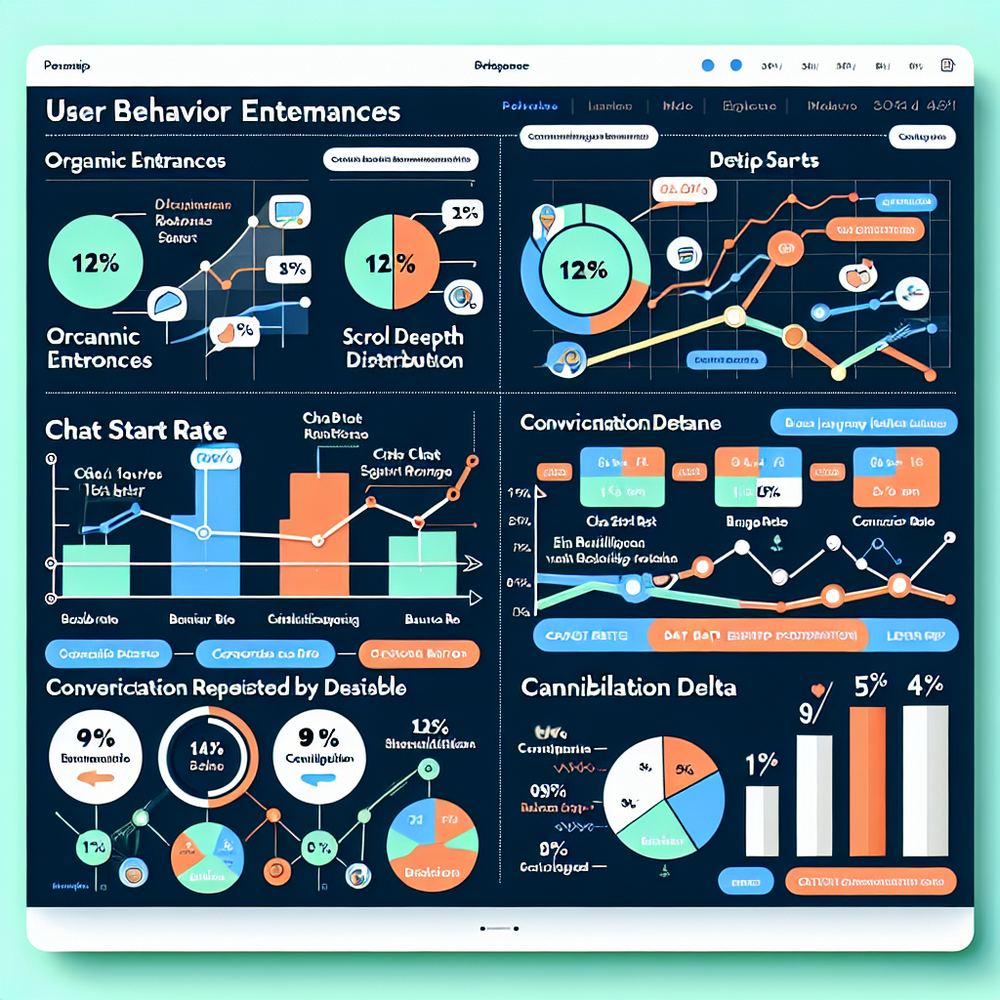
Think of the listicle as your index and the chat journey as your concierge. The listicle is stable, crawlable structure: H2/H3 sections, item cards, internal links, and schema markup for rich results. It catches diverse queries and gives fast scanning. The chat journey is stateful navigation: it asks a few discriminating questions, narrows to 2–3 options, and explains trade-offs in plain language. Done right, both draw on the same content inventory and product data. The chat shouldn’t “invent” answers; it orchestrates content blocks and inventory rules with guardrails. We wire the chat to reuse item snippets, pros/cons, and comparison tables from the listicle’s CMS records so everything stays consistent. For commerce, we’ll integrate availability, price, and promo logic—this is where a commerce orchestration layer (e.g., a Commerce Module) ensures the chat never recommends an out-of-stock item. The complement happens when the listicle offers a “Try guided chat” toggle and the chat exposes “View as list” at any step. Users keep control—and conversions follow.
Implementation Guide: Keep Both Without Cannibalization
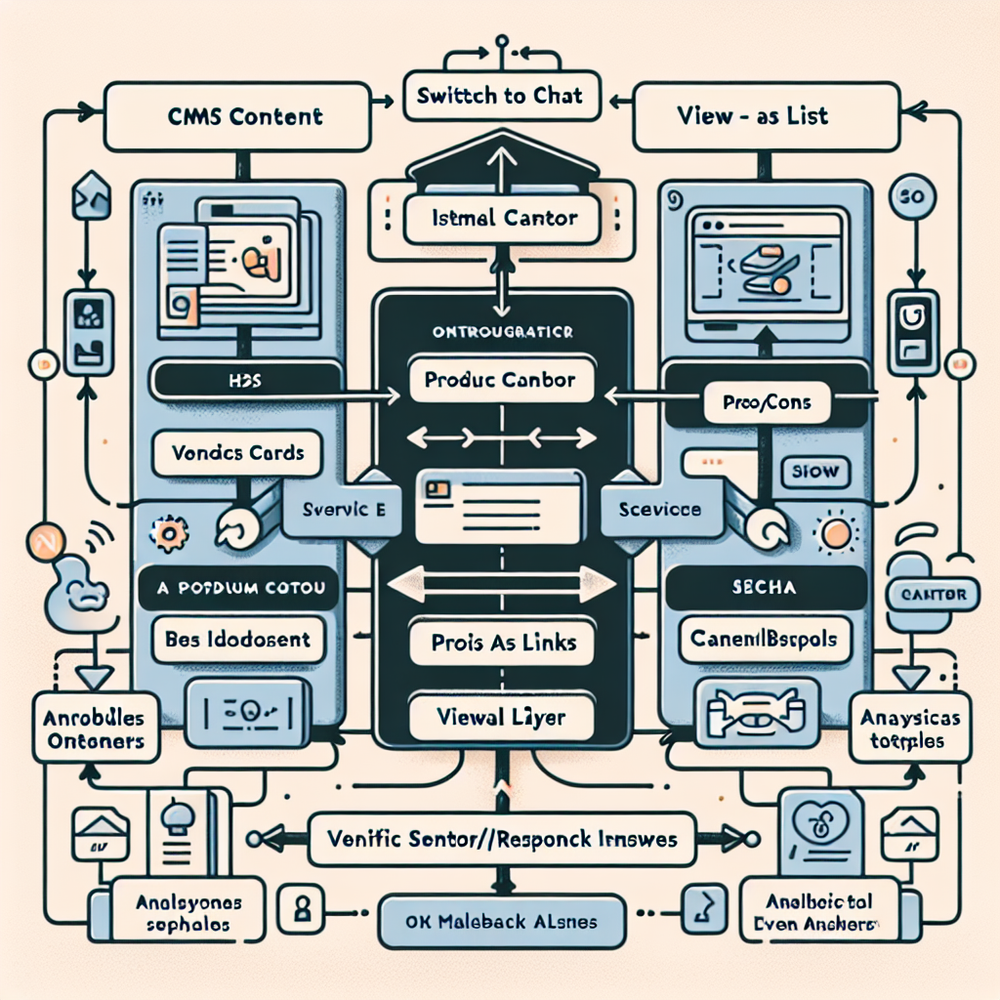
Start with intent mapping. Cluster your top SERP queries and on-site searches into “scan-and-compare” vs. “guided selection.” Pair each listicle with a corresponding chat flow. Use the same content atoms: item summaries, comparison points, and disclaimers. UX: place a persistent, non-intrusive “Switch to Chat” button near the top and again after item 3. In chat, add “View as List” and deep-link back to the exact section. Trigger rules: never auto-open chat on first load for organic entrances; offer it on scroll 25–40%, exit intent, or after a filter action. Accessibility matters: chat must be keyboard navigable and ARIA-labeled. Performance: prefetch chat assets after first interaction, not on page load. SEO: keep your H2 structure, internal links, and schema so the listicle retains rich results. If you’re on WordPress, you can move quickly—spin up the Brambles.ai WordPress plugin, wire content blocks into chat nodes, and, for commerce flows, connect a Commerce Module for commerce flows to pull price/stock. Developers can go live in a sprint; editors keep control.
Measuring ROI & KPIs That Actually Matter
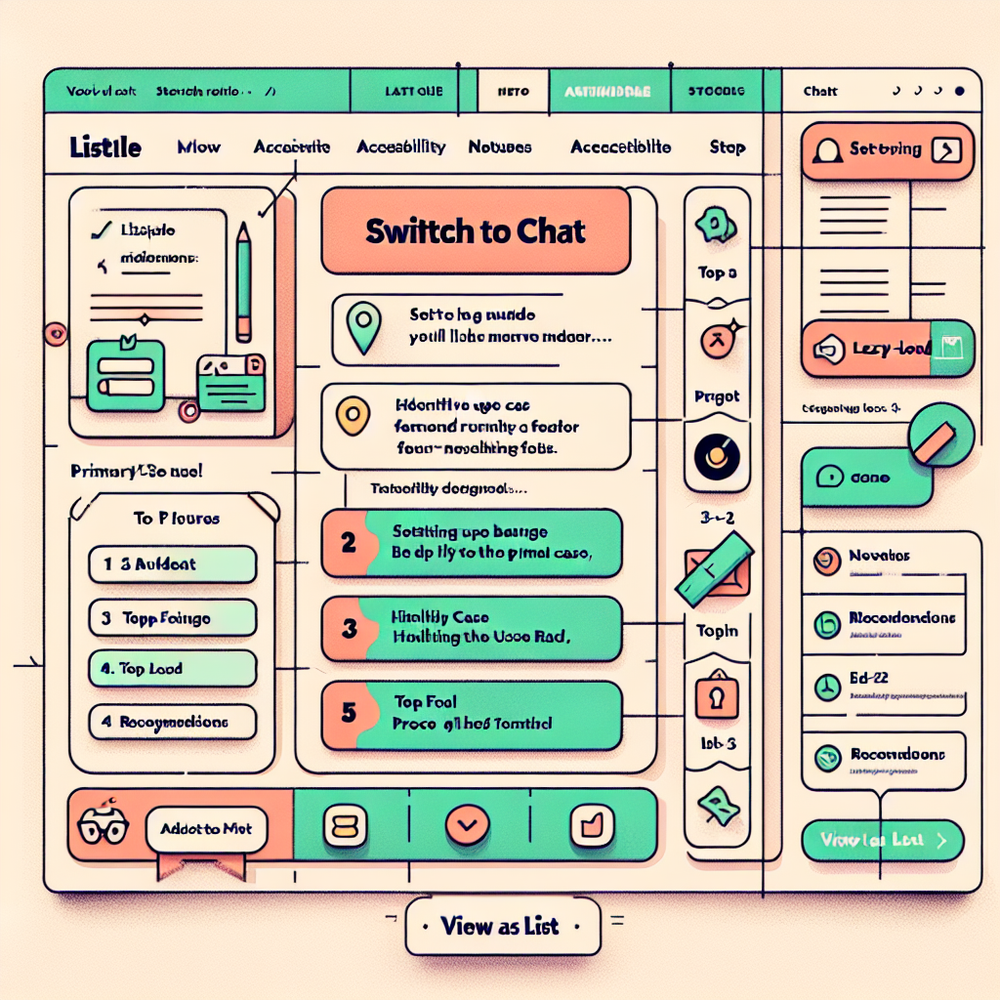
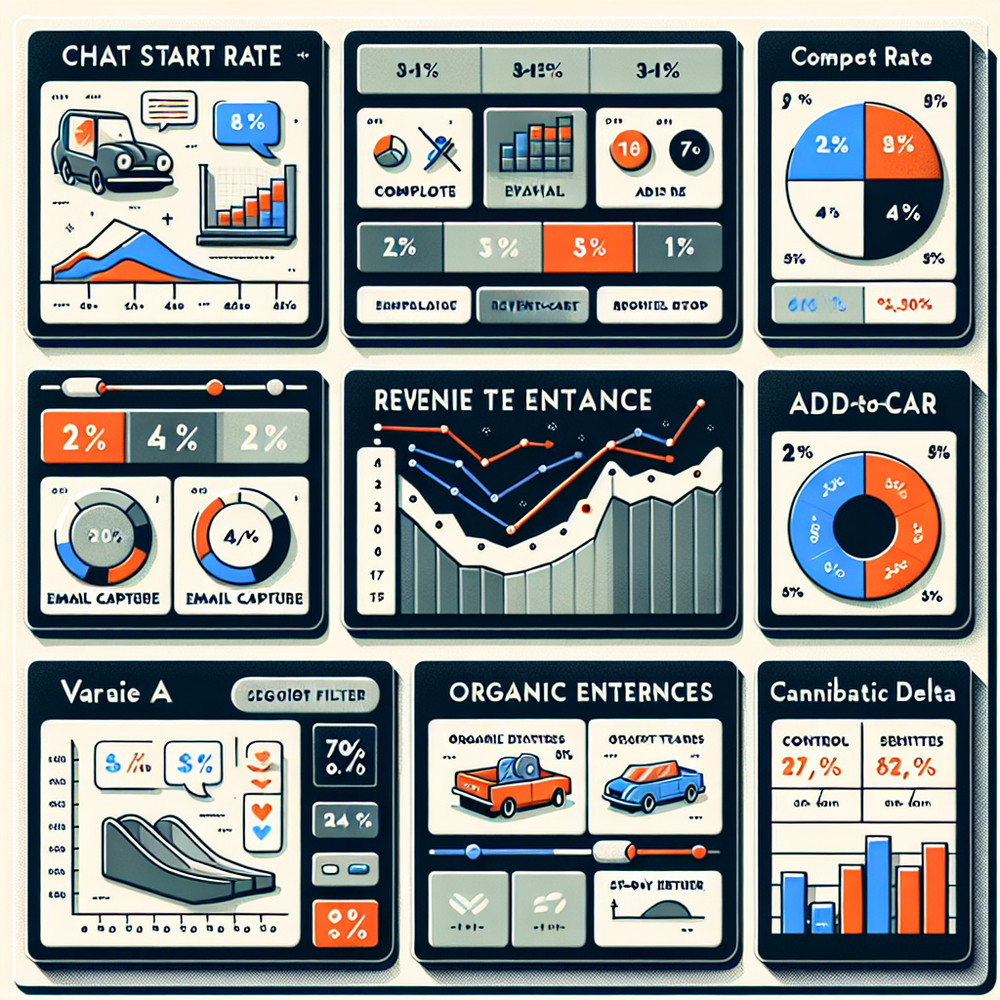
Define your north star before you ship. For publishers, it’s usually email capture, recirculation, or time-on-valuable-content. For commerce, it’s add-to-cart, revenue per session, and reduced decision time. Establish a clean control: listicle-only. Variant A: listicle + opt-in chat button. Variant B: chat entry on scroll 30%. Instrument with consistent events: chat_start, chat_step, chat_complete, recirc_click, item_expand, and conversion. Track cannibalization delta: change in organic entrances and rich result impressions post-deploy. We ran this on a 100k‑session apparel site: with opt-in chat, email capture rose 22% and time-to-first-click dropped 17%. When we auto-opened chat on mobile, bounce increased 11%; we rolled it back in 48 hours. Use cohort analysis to see 7‑day return lift; we’ve seen 6–9% for helpful guides. Cite data to stakeholders: McKinsey’s personalization research ties relevance to 10–15% revenue lift; Baymard highlights decreased abandonment when choice complexity is reduced. Measure both macro and micro wins, or you’ll miss the compounding effects.
First‑Party Data, Consent, and Trust Signals
Chat journeys are a goldmine for first‑party data—if you earn it. Progressive profiling beats form walls every time. Offer value at each step: personalized picks, a downloadable checklist, or price‑drop alerts. Ask for an email only when the user has seen value. Keep consent explicit and granular; let users opt into updates per category. When we added a “save my picks” feature (email gate after recommendations) on a tech listicle, email capture rose 31% without hurting completion. Salesforce’s Connected Customer research echoes this: trust comes from transparency and control. Frontload what you do with the data, and provide an easy “erase my data” path within chat. Design signals that reduce anxiety: brief privacy copy near the input field, a visible “Why this recommendation?” button, and an always‑available “View as List” escape hatch. Tie identities carefully: match on hashed email, then enrich sessions ethically with first‑party cookies—no dark patterns, no surprise retargeting.
Common Pitfalls to Avoid
Don’t swap the listicle for a chat wall. You’ll lose crawlable structure and frustrate scanners. Avoid interruptive triggers (entry pop on mobile). Keep chat responses grounded in the same content that powers the listicle; otherwise, you create inconsistency and escalate support tickets. Guardrails matter: define allowed intents, provide safe fallbacks, and cap message length—Nielsen Norman Group notes that verbosity kills scannability. Performance is non‑negotiable: defer non‑critical chat assets and prehydrate only after interaction; slow chats torch engagement. Accessibility: ensure focus management and readable contrast. Finally, keep editorial and product in sync: when the listicle updates, the chat should sync automatically. We once let a camera guide drift from the updated list; returns spiked 7% in a week because the chat recommended a discontinued model. Sync or suffer.
Future Outlook: Search, SGE, and On‑Page Choice
Search is shifting toward synthesized answers, but structure still wins. Google’s UX research shows users want quick overviews with paths to depth. That’s exactly what a well‑structured listicle plus optional chat offers: indexable clarity and personalized depth on demand. Expect SERP features to preview more interactive snippets; keep your listicles marked up (FAQ/HowTo where appropriate) and ensure chat output maps to the same canonical answers. For commerce, as merchandising gets more dynamic, your chat should read live inventory and pricing while the listicle remains the stable overview. I’m bullish on hybrid pages that clearly invite users to choose: “Scan the list” or “Get guided help.” The sites that thrive will embrace both modalities, instrument them rigorously, and treat them as a single system rather than competing widgets. If you build it this way, you won’t fear algorithm shifts—you’ll be aligned with how people actually decide.
Related posts
View all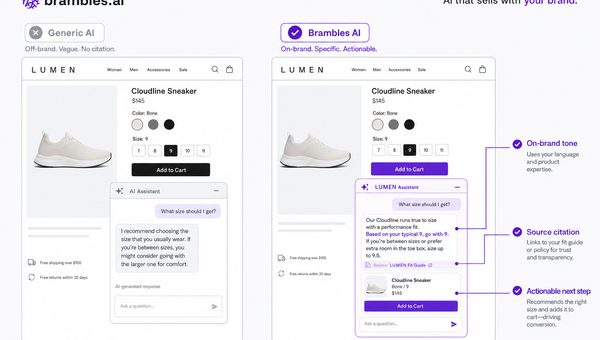
Brand-Consistent AI Chats Build Trust and Conversions
When AI mirrors your brand voice, shoppers relax—questions get answered, carts grow, and support load drops. Learn the playbook to align tone, trust, and ROI.
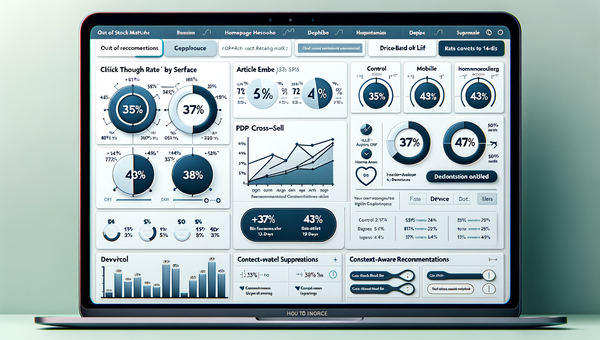
How Context-Aware AI Recommendations Lift CTR
See how context-aware AI recommendations lift CTR by 25–60% with intent signals, page context, and history. Practical steps, KPIs, and implementation tips.

Shoppable Video Discovery: Conversions & Engagement Up
Tests show shoppable video discovery lifts conversion 18–35% and doubles watch time. See the UX patterns, KPIs, and how to deploy it quickly with Brambles.ai.
Explore Brambles.ai
Learn more about our AI-powered agentic commerce platform, agentic shopping, and shopping assistance solutions.
Explore More Insights
Discover more articles on AI, automation, and business innovation
View All Articles