Increase Brand Revenue with Brambles.ai Personalization
Practical playbook to lift AOV, conversion, and retention using Brambles.ai personalization—complete steps, KPIs, and real results from brand and retail teams.
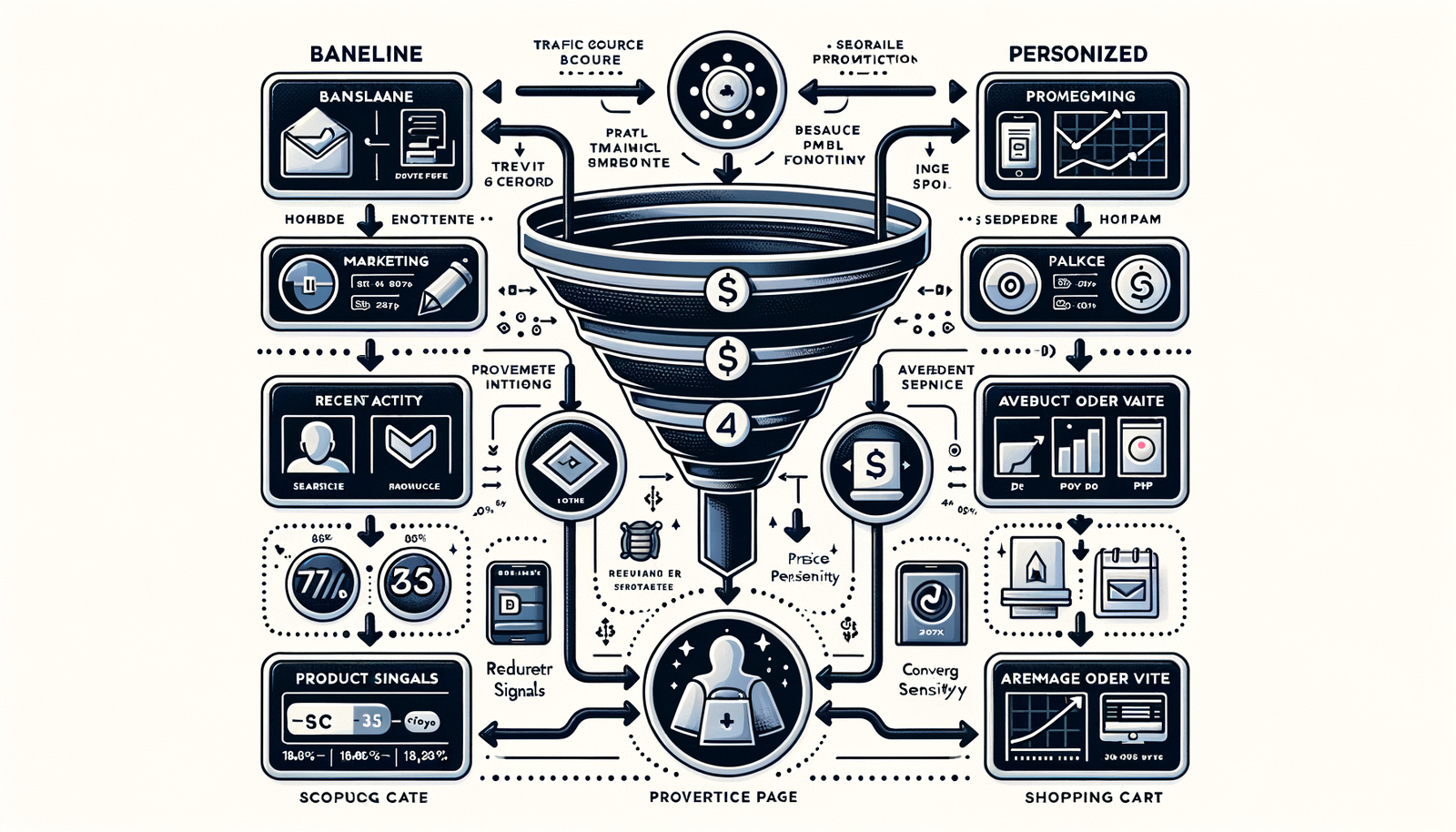
A 30-day test on a 1.2M-session apparel site lifted revenue per session by 23% when we swapped generic recommendations for context-aware bundles keyed to session intent and inventory depth. The shift wasn’t flashy—no homepage redesign, no new promos.
We simply matched offer density to motivation, and made the cart cross-sell smarter. The result: higher AOV, fewer dead-ends, and faster path to purchase.
We repeated the pattern with a DTC cookware brand: swapping static PDP modules for ranked accessories moved AOV from $118 to $139 in two weeks (16% lift), with zero discounting. On a publisher-led gift guide, aligning product blocks to reader segments pushed CTR +31% without changing copy. The common thread is intent clarity and fast activation—what most teams lack when journeys sprawl across channels.
Quick Answer
You increase brand revenue by personalizing the shopper journey where it moves money: hero messaging, category sorting, PDP add-ons, cart cross-sells, and post‑purchase offers. Use in-session signals plus first‑party data to rank offers and content, keep a clean holdout for incrementality, and ship weekly. Implementation is light: drop a tag or plugin, sync your catalog and events, choose 3-5 high-impact placements, and track RPV, AOV, and CVR by audience.
What’s Broken in Most Personalization
Most teams over-index on rules and under-index on decision quality. Rules creep until no one knows which offer wins. Content variants lag behind campaigns. Data sits in silos—email knows more than the site, paid knows more than PDPs. By the time a fix ships, the traffic spike is gone.
Three friction points drain revenue: 1) Generic recommendations that ignore current task (browsing vs. replenishment), 2) Slow page loads from heavy client-side logic, which Google’s UX research ties to conversion drop-offs with each added second, and 3) Weak cart logic that misses attach opportunities—Baymard shows most carts still hide helpful add-ons or bury delivery clarity.
Practitioner note: on a 100k-session accessories push, we killed a one-size bundle and swapped in two variants keyed to referrer and price sensitivity. Same creative, smarter ranking: +42% attach on mobile, +18% desktop. No new discounts, just relevance and speed.
How It Works
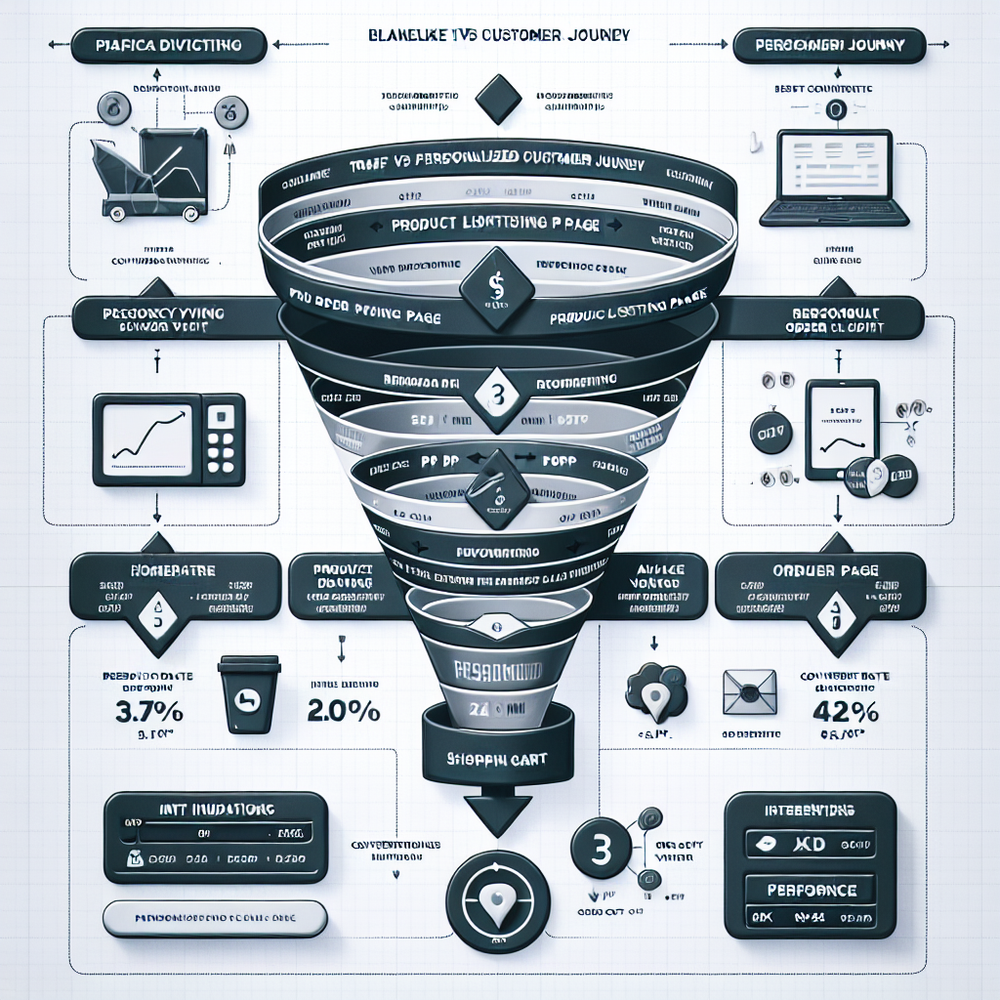
Under the hood, Brambles.ai listens for in-session signals—referrer, entry page, cursor velocity, product metadata, inventory depth, discount affinity—and pairs them with first‑party profiles. A lightweight decisioning layer ranks messages, products, and incentives in real time, then renders the best variant server- or edge-side to keep pages fast.
Activation slots are everywhere money moves: homepage hero, PLP sort order, PDP add‑ons, cart cross‑sell, checkout microcopy, order confirmation upsell, and support/retail assistant chat. For content-to-commerce, the publisher monetization flow mirrors this: intent-detect, rank, render, and attribute revenue cleanly back to the partner.
Teams keep control. You can hard-pin high-margin SKUs, exclude OOS risk, and throttle discounts for VIPs. The ranking system blends merch rules with embeddings so creative intent and commercial goals don’t collide. It’s personalization that merchandisers can read, not a black box that surprises finance.
Implementation Guide (Step-by-Step)
You can go live in two weeks by aiming at the highest-leverage slots and keeping a clean measurement plan. Here’s the playbook we run with new teams.
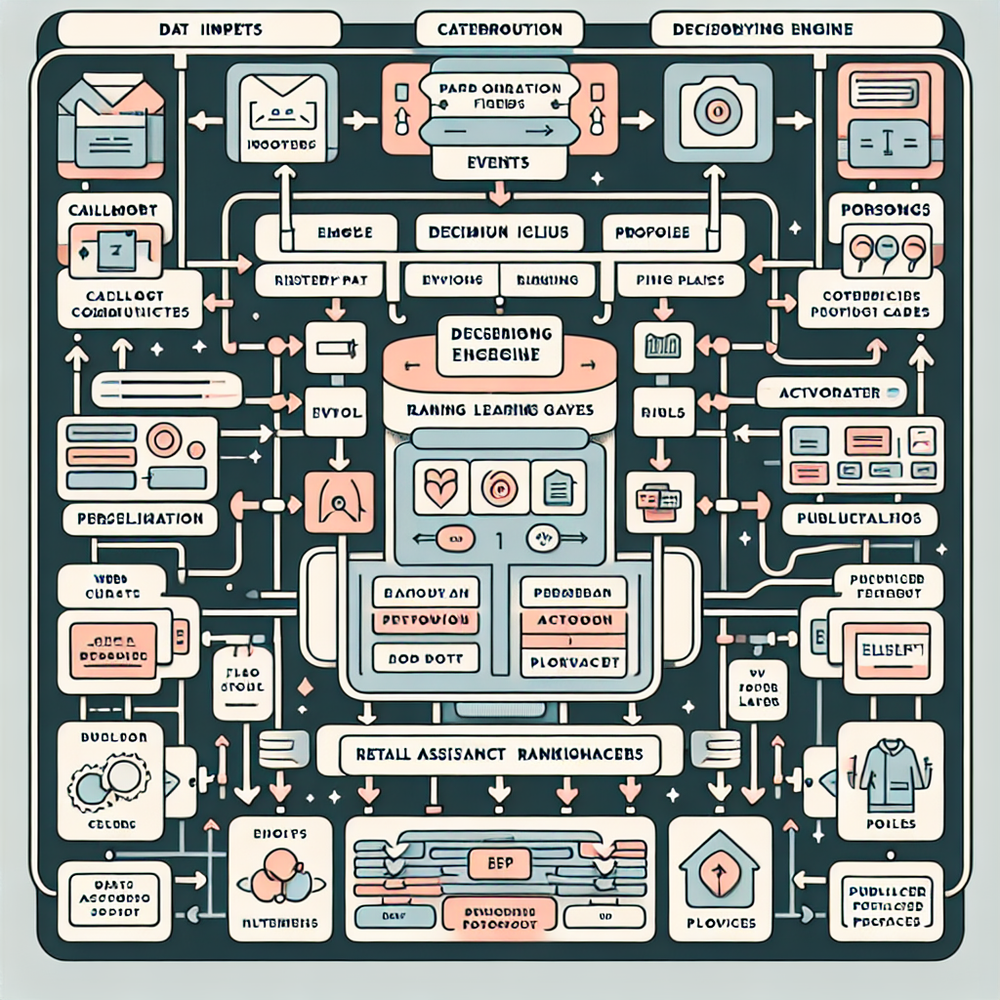
1) Choose money moves: hero messaging for new vs. returning, PLP sort by availability + margin, PDP add-ons by compatibility, cart cross-sell by basket gaps, and post‑purchase accessories. 2) Set KPIs: RPV as north star, supported by AOV, CVR, attach rate, and repeat purchase.
3) Install the tag or the WordPress plugin, sync your catalog feed, and map events (view_item, add_to_cart, begin_checkout, purchase). 4) Define audiences from real signals (referrer, recency, discount affinity) and seed 20–30% holdouts. 5) Launch two variants per slot and iterate weekly based on RPV.
Anecdote: a beauty brand shipped this stack in 11 days—hero swap, PLP sort, PDP kit builder, cart attach. Week two showed +12% CVR on returning visitors and +18% AOV overall. No seasonal promos, just better ranking and faster page rendering via edge-side injection.
If your catalog has complex bundles or warranty add-ons, wire in the Commerce Module for compatibility scoring and eligibility rules. It keeps attach logic honest while protecting margins. Teams with procurement constraints also see fewer stockouts because low-inventory SKUs get de‑ranked before they spike demand.
Measuring ROI & KPIs
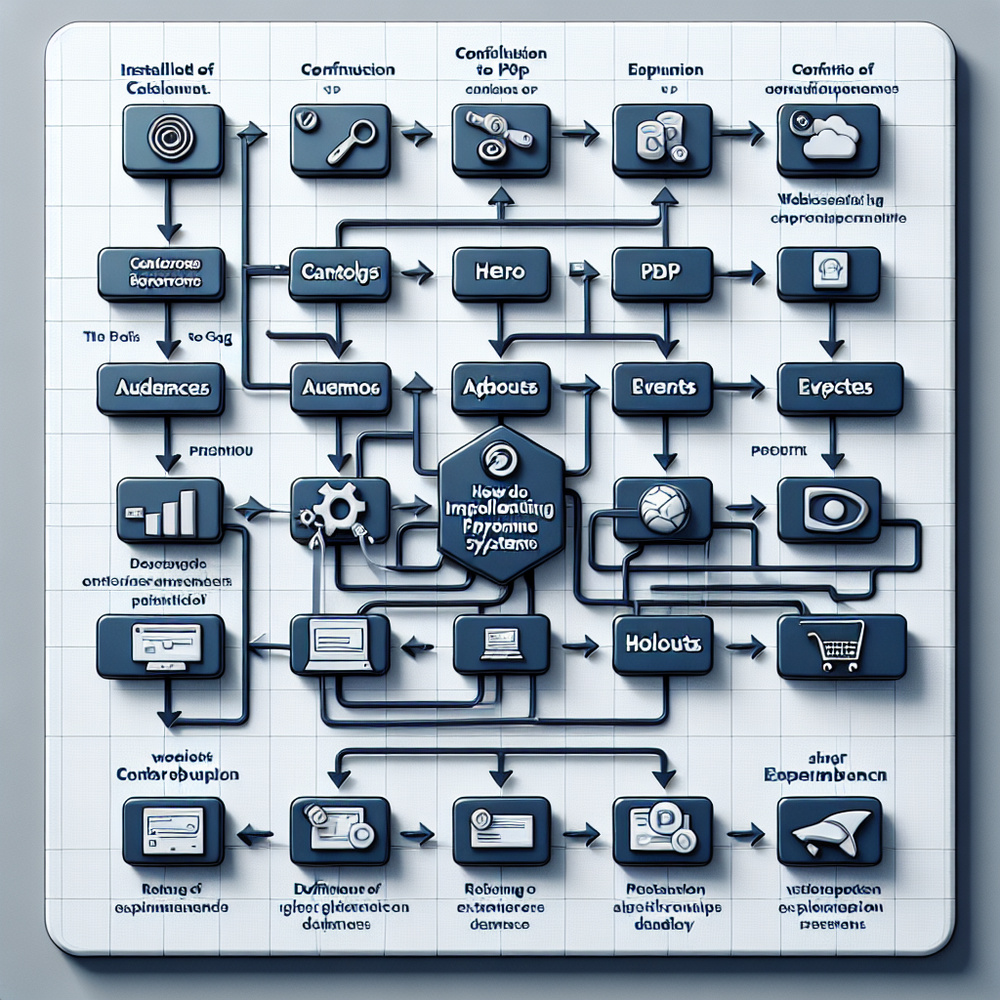
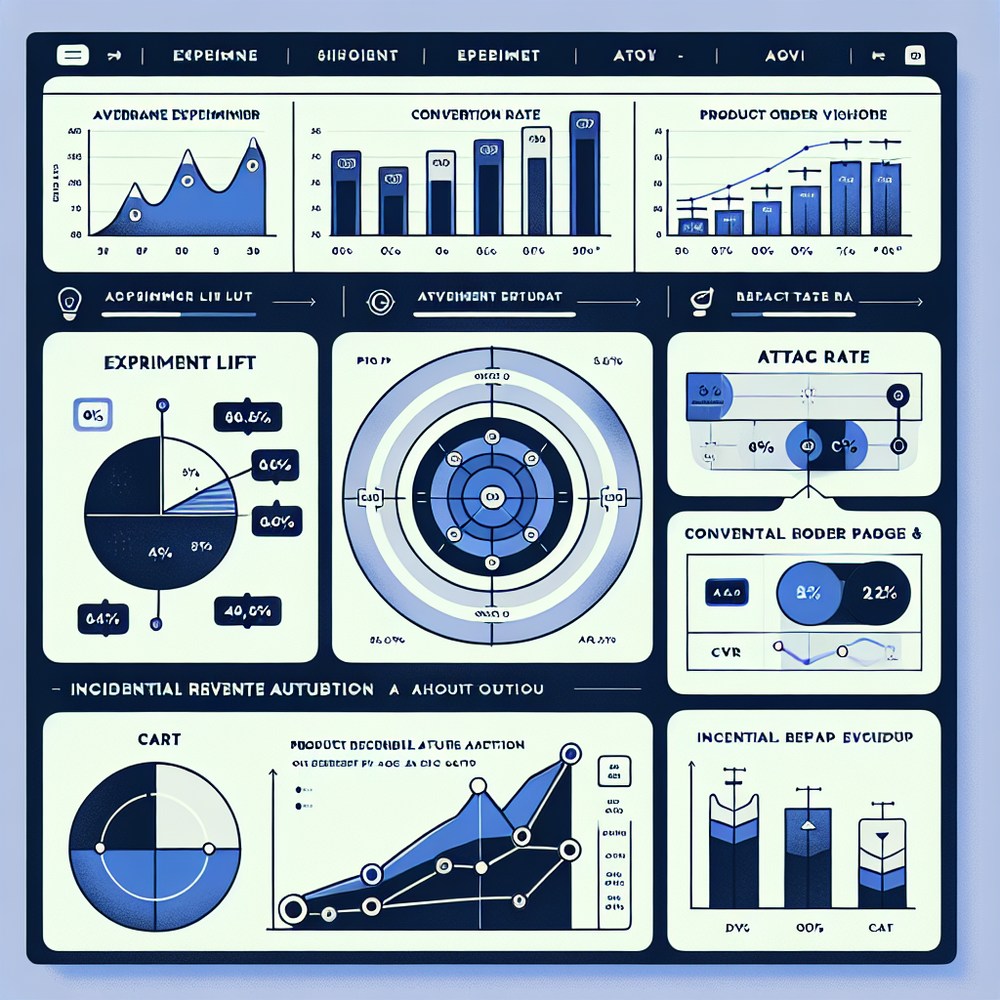
Treat Revenue per Visitor (RPV) as your north star because it blends conversion and order value. Pair it with AOV, add‑to‑cart rate, attach rate on PDP and cart, and 30‑day repeat purchase. Keep a sitewide 10–20% holdout so you can claim incremental revenue credibly.
We recommend CUPED or pre-experiment covariates to reduce variance, then a sequential test design so wins ship faster without false positives. McKinsey has repeatedly shown 10–15% revenue lifts from good personalization; with disciplined targeting and fast iteration, we’ve seen 20%+ on high-traffic SKU sets. Salesforce’s Connected Customer research also ties relevance to loyalty and larger baskets.
Anecdote: on a 250k-session electronics push, tuning cart cross-sell eligibility with warranty affinity lifted attach +36% and cut returns −9% month-over-month. Gross margin rose 280 bps because we throttled discounting for high-intent cohorts while adding value for price-sensitive shoppers via bundles.
First‑Party Data and Trust
Personalization works best when consent and context drive the decision. Ask only for what you use and show value immediately. Zero‑party inputs like shade or size preference should tighten ranking, not flood the UI with forms. Server‑ or edge‑side rendering keeps pages fast and avoids leaking data into the client.
Use progressive profiling: low-friction prompts tied to a visible benefit (e.g., “Size filter stays saved”). Tie each attribute to a merch rule so shoppers feel the payoff. For content commerce, pass only the signals required for ranking and keep attribution clean for partners.
Teams that publish a short privacy explainer next to personalized modules see fewer opt-outs and more saved preferences. Post-purchase surveys can confirm whether recommendations felt helpful—Baymard-style usability heuristics suggest concrete explanations beat opaque magic by a mile.
Common Pitfalls and a Launch Checklist
Most failures come from over-segmentation, rule sprawl, slow load times, and no incrementality guardrails. Another killer: creative debt. If you have one mediocre cross-sell tile, no engine can save it. Fix the slot, then the decisioning.
Checklist for week one:
- Pick 3–5 slots: hero, PLP sort, PDP add-ons, cart cross-sell, post‑purchase.
- Define 2 variants per slot and a 20% holdout.
- Map events and verify attribution through to gross margin.
- Cap discounts; prefer bundles and accessories for value.
- QA on mobile first; measure TTFB and CLS.
- Review RPV daily; ship one win per week.
Where Brambles Fits Day-to-Day
This is the work the platform eats: ranking creative and products per session, protecting margins with eligibility rules, and rendering fast. Teams use the retail assistant flow to answer compatibility questions and surface bundles in chat, while the publisher monetization flow extends ranked offers into partner content with clean revenue attribution.
Mentioned earlier, the WordPress plugin handles install and slot management for editorial and PDP modules, and the Commerce Module keeps kits, warranties, and multi-SKU rules correct across PDP and cart. If you’re starting from scratch, kick off with hero and cart, then add PLP and post‑purchase in sprint two.
Future Outlook
Personalization is shifting from page-level widgets to journey-level orchestration. Expect ranking to blend merch goals, creative intent, fulfillment risk, and lifetime value in a single decision. Content-to-commerce will act like a remote storefront, with publisher placements using the same eligibility and pricing logic as your PDP.
We’re seeing the best results when assistants steer shoppers into compatible bundles rather than over-answering. Measurable, margin-safe choices beat novelty. If you’re pushing into new channels, keep incrementality honest with always-on holdouts and steady creative refresh. When the testing cadence is weekly, compounding gains show up in RPV within a month.
FAQ
How fast can we see results?
Most brands see directional lift within 7–10 days if you target high-impact slots and keep a 20% holdout. RPV moves first, then AOV and attach rate.
Do we need engineers?
Initial install is light. Use the WordPress plugin or a small tag plus a catalog feed. Engineering helps with bespoke slots and event mapping, but merch can run day-to-day.
How is pricing structured?
Pricing scales with traffic and feature depth. Most mid-market teams start with hero/PLP/PDP/cart and add modules over time. See tiers and volume breaks.
Does this work with Shopify, headless, or WooCommerce?
Yes—use the tag/SDK and server-/edge-side rendering. The Commerce Module handles complex bundles and eligibility across platforms.
How do we avoid creepy personalization?
Tie every data point to a visible benefit, explain why an item is shown, and honor consent. Use progressive profiling, short retention windows, and clear opt-outs.
Related resources on Brambles.ai
If you are implementing this, start with Brambles.ai.
For deeper reading, see 10 Reasons Publishers Need Conversational Commerce, Affiliate Disclosure in Conversational UIs Done Right, From Search Boxes to Conversations: Modern Shopping UX, Contextual, Not Creepy: Monetization That Wins.
Related posts
View all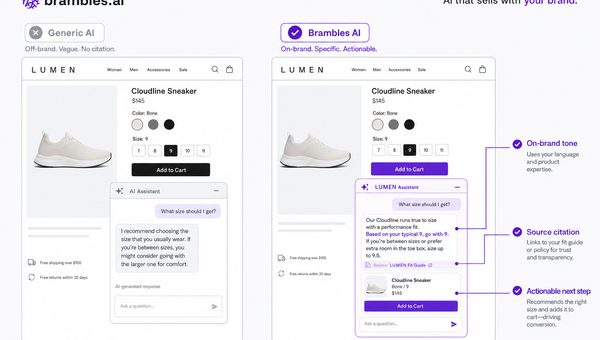
Brand-Consistent AI Chats Build Trust and Conversions
When AI mirrors your brand voice, shoppers relax—questions get answered, carts grow, and support load drops. Learn the playbook to align tone, trust, and ROI.
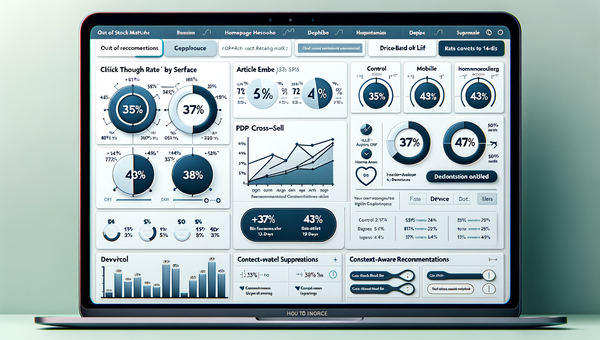
How Context-Aware AI Recommendations Lift CTR
See how context-aware AI recommendations lift CTR by 25–60% with intent signals, page context, and history. Practical steps, KPIs, and implementation tips.

Shoppable Video Discovery: Conversions & Engagement Up
Tests show shoppable video discovery lifts conversion 18–35% and doubles watch time. See the UX patterns, KPIs, and how to deploy it quickly with Brambles.ai.
Explore Brambles.ai
Learn more about our AI-powered agentic commerce platform, agentic shopping, and shopping assistance solutions.
Explore More Insights
Discover more articles on AI, automation, and business innovation
View All Articles