In‑Chat Add to Cart: Eliminating Friction in AI Shopping
Shoppers decide fast. In‑chat add to cart cuts clicks, speeds checkout, and lifts conversion in AI shopping chats. Steps, KPIs, pitfalls, and real results.
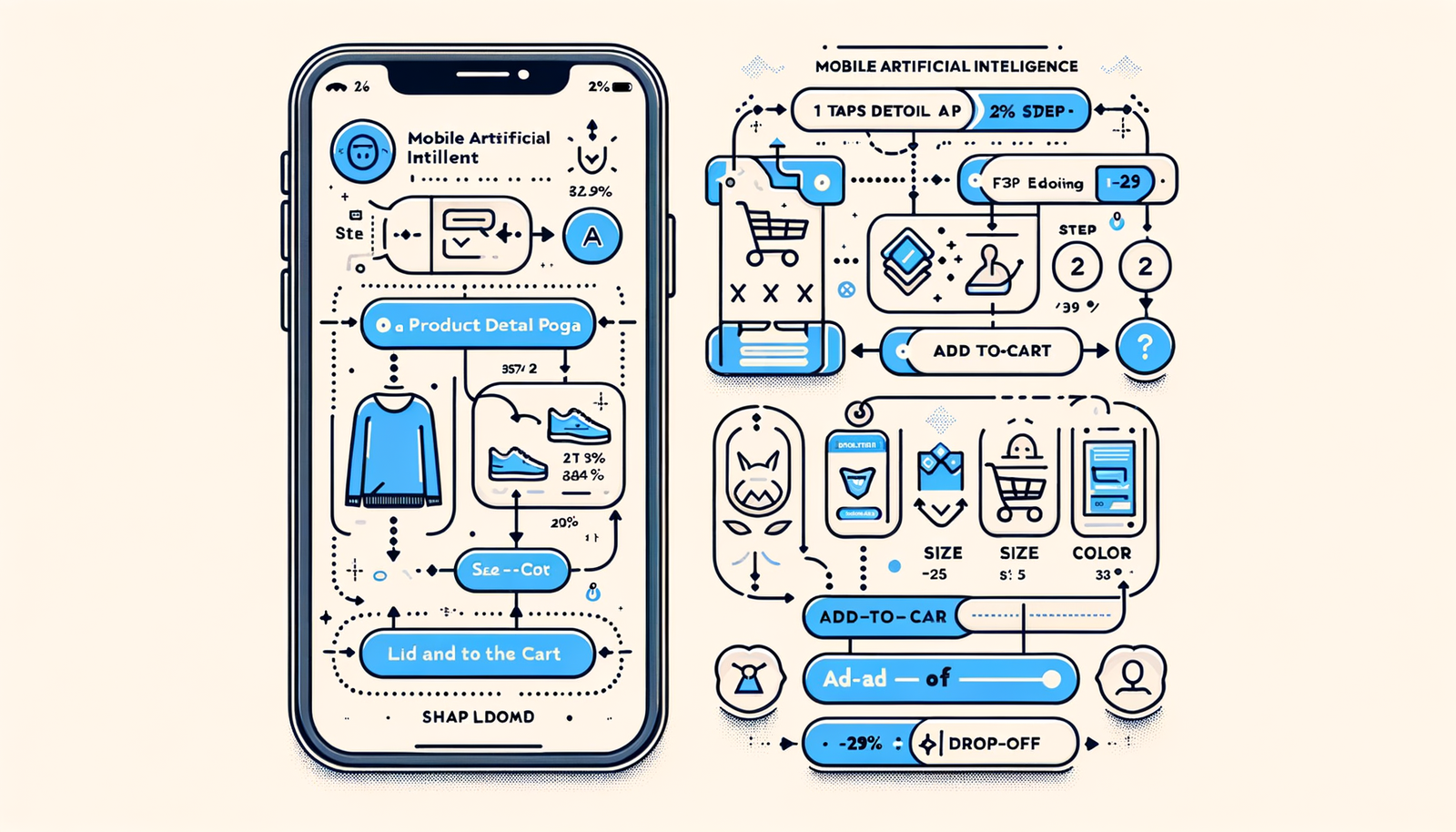
On a bedding retailer’s mobile site, we watched 37% of chat sessions include a product add—but 58% of those shoppers vanished when the bot punted them to a product page. The fix wasn’t more product detail. It was fewer steps. After enabling in‑chat add to cart, drop‑off fell 29% and revenue per chat rose 24% in two weeks. A second test on a camera publisher’s gift guide saw a 17% lift in cart adds and a 9% lift in last‑click affiliate revenue when the cart action stayed inside the conversation. People don’t dislike buying; they dislike switching contexts.
Quick Answer
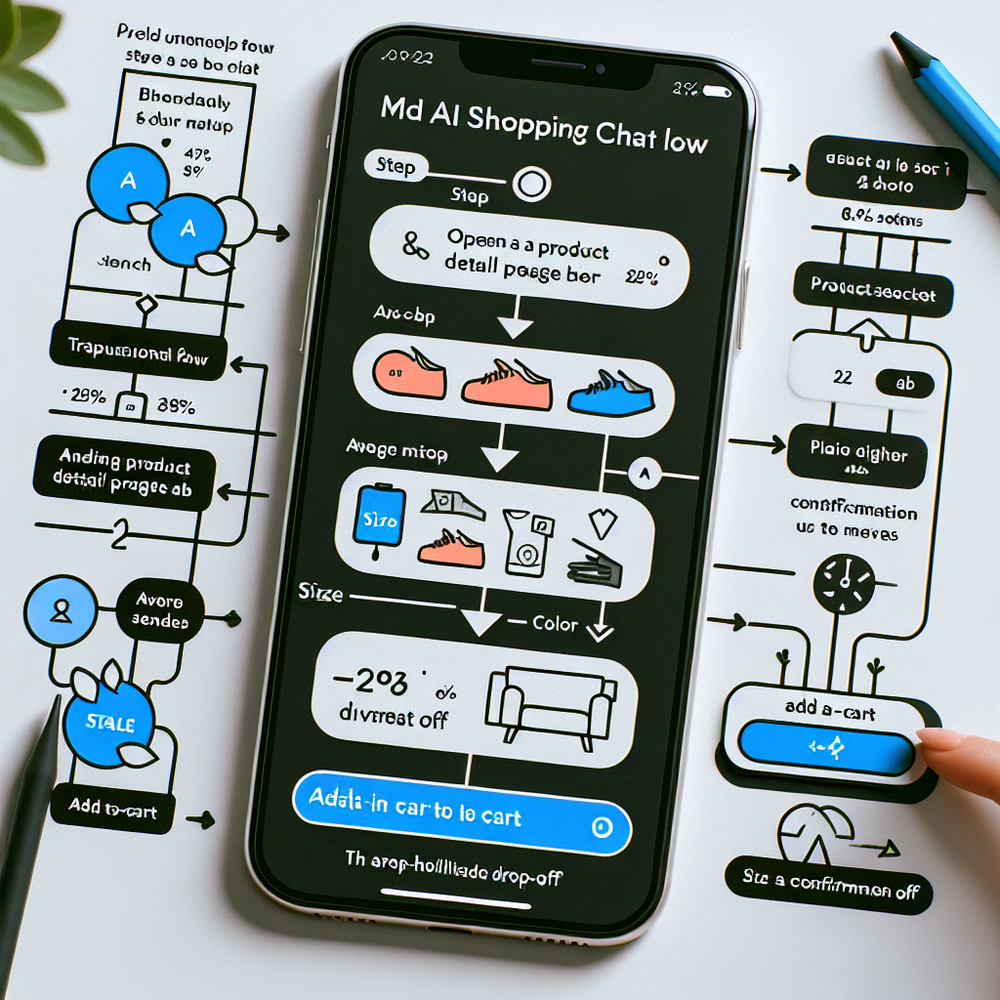
In‑chat add to cart lets shoppers select options and place items into the merchant’s cart directly inside the conversation. It removes the detour to product pages, trims taps, and preserves purchase momentum. When paired with clear variant choices, inventory checks, and one‑tap confirmation, it regularly lifts cart adds 10–30% and shortens time‑to‑checkout. Use it where intent is hot: recommended bundles, replenishment prompts, and post‑answer suggestions in AI shopping chats.
What’s Broken in AI Shopping Today
AI chats are great at narrowing choices, but most experiences still eject users to a product detail page before anything meaningful can happen. That page hop is where momentum dies. Baymard Institute has long shown that extra steps and distractions amplify abandonment, and conversational UX magnifies the pain because context switching feels jarring. We consistently see two killers: variant friction (size/color) and latency. Add a 2–3 second pause, and mobile shoppers mentally bail.
Another issue: handoffs. When a chat suggests “Add the 64GB in Midnight for $799,” then throws users into a dense PDP, they restart the decision. In testing with a 100k‑session apparel site, a simple in‑chat size picker followed by “Added to your cart—checkout now or keep browsing” improved cart adds 22% and cut time‑to‑cart by 41%. The lesson: decisions made in the conversation should be completed in the conversation.
How In‑Chat Add to Cart Works
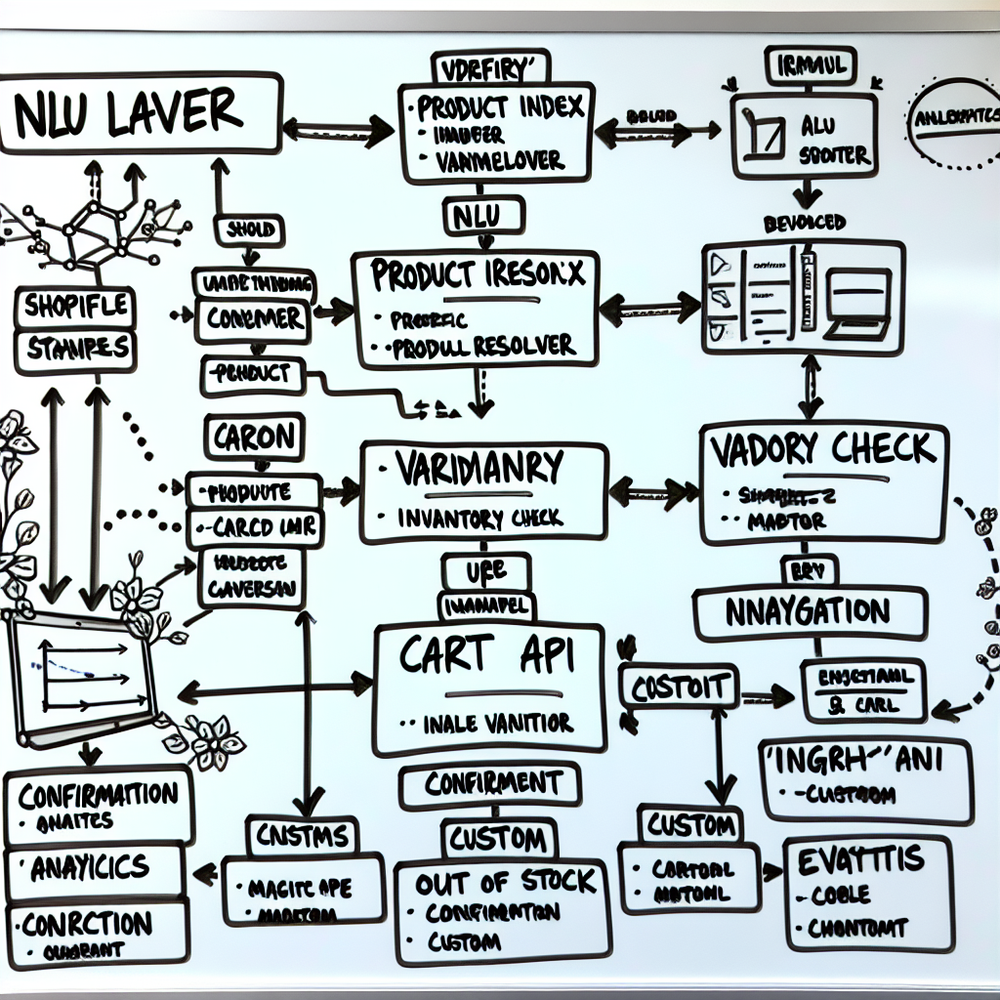
At a technical level, the chat agent resolves shopper intent, fetches SKUs, validates availability, and calls the merchant cart API with selected options—without kicking the user to a new page. The cart remains first‑party to the retailer, so checkout, taxes, and discounts behave normally. You confirm success in‑chat with a toast and offer the next best action: checkout now, choose complementary items, or keep browsing.
This shines when combined with contextual prompts. For example, after answering “What’s a quiet air purifier for a studio?”, the chat returns 2–3 fits, then presents an in‑chat selector for filter pack bundles. With in‑chat add to cart enabled, we’ve seen accessory attach rates jump 12–18%. Keep latency under 800ms for variant resolution, and prefetch thumbnails to avoid UI flicker (Google UX Research shows micro‑delays compound perceived wait).
Implementation Guide with Brambles.ai
Brambles.ai ships in‑chat add to cart as a native capability, so you can let users buy from the conversation on day one. The JavaScript Agentic Commerce Module drops onto any stack, and you can launch via the WordPress plugin or the Shopify app when ready. Here’s a field‑tested setup that takes most teams under a week.
Step‑by‑step:
- Install the chat widget and index your catalog.
- Map variants (size, color, bundles) and define required selectors.
- Connect the cart API and test cross‑domain cookies if your PDP and cart differ.
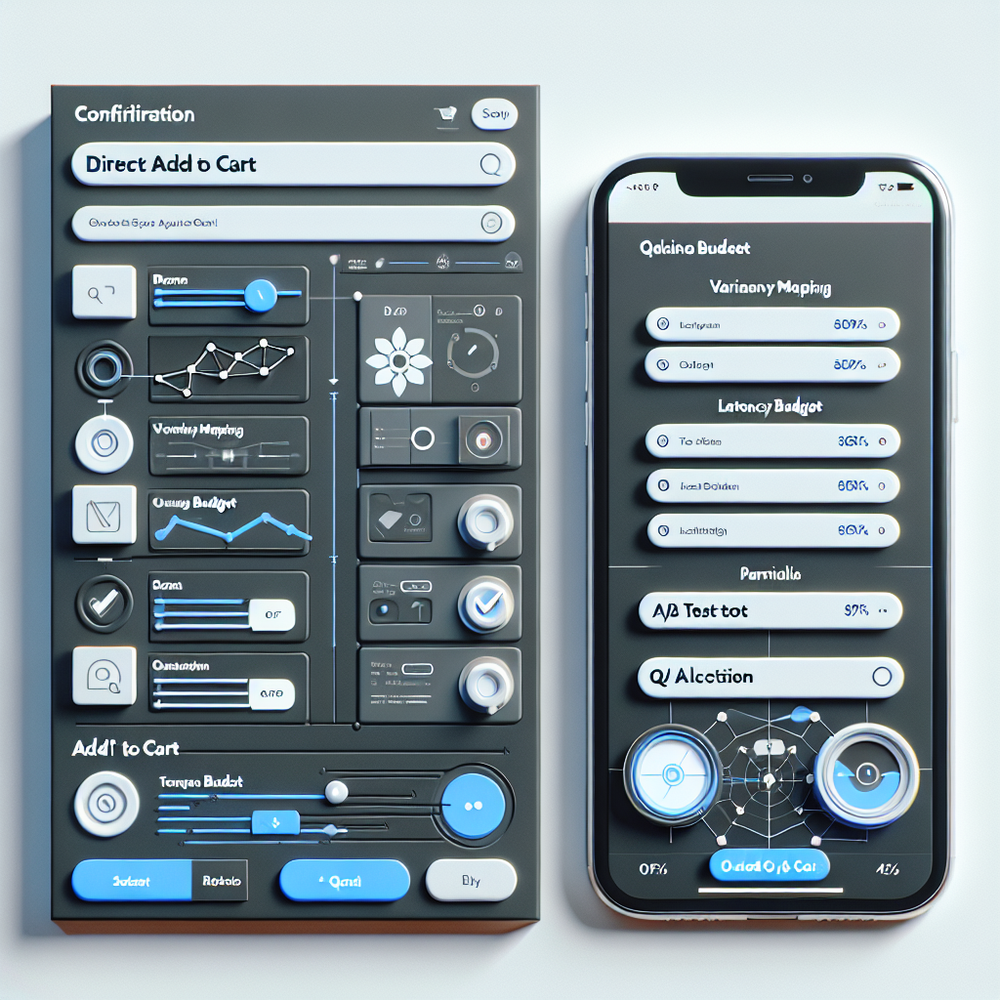
- Enable Direct Add to Cart and set a confirmation pattern (toast + CTA).
- Configure fallbacks for OOS and discontinuations.
- QA latency on 4G conditions, then ship A/B to 25% of traffic.
- Monitor adds/chat, latency, and checkout start rate daily for week one.
Feature pairing that works:
- Direct Add to Cart: lets shoppers commit inside chat; supports variant selection and pushes to the merchant’s cart securely.
- AI Shopping Chat: a floating assistant that lives on every page so the cart action is always one tap away.
- Proactive Engagement: triggers context‑aware prompts (e.g., “Need filters too?”) after an add, increasing attach.
- Native Mobile Shopping: an app‑like mobile UX so the add‑to‑cart modal feels instant and familiar.
If you monetize through content, in‑chat add to cart also plays nicely with affiliate. Our publisher pilots used contextual conversation to route to merchants while preserving disclosures and trust. See our take on ethical monetization and disclosure best practices below.
Measuring ROI and the Right KPIs
You don’t need a PhD to prove value; a tight metric set makes it obvious. Track:
- Adds per Chat Session (APCS)
- Chat‑to‑Checkout Start Rate (CCR)
- Average Latency to Add (ALTA)
- Attach Rate on accessories/bundles
- Revenue per Chat (RPC)
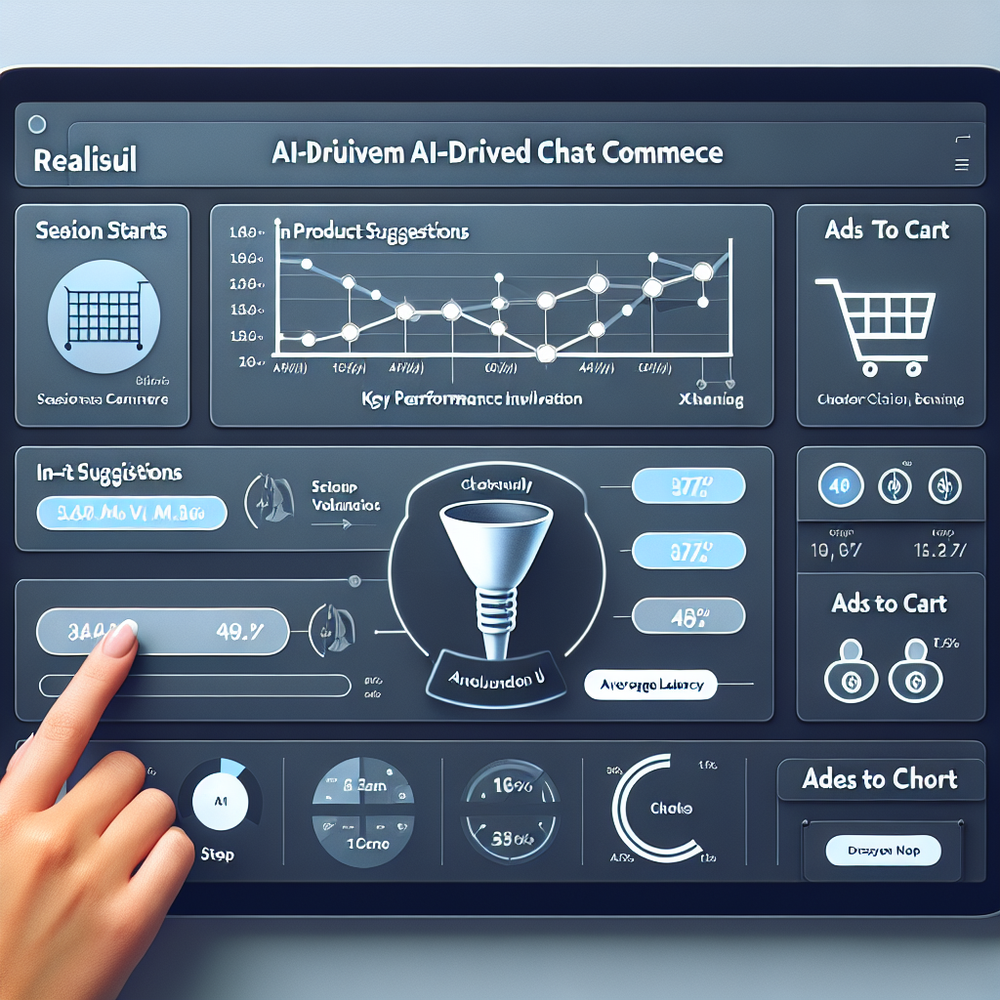
Benchmark against your pre‑launch baseline. In our bedding test, APCS rose from 0.29 to 0.36 (+24%), CCR from 12.8% to 16.1% (+26%), and ALTA dropped 1.3s to 0.7s. Small time wins compound into real dollars (Salesforce research echoes this: speed and clarity drive trust and spend).
A quick back‑of‑napkin model: If chat starts are 50k/month, APCS is 0.32, and conversion from cart to order is 35%, that’s 5,600 orders from chat. At a $68 AOV, you’re looking at ~$380k/month attributable. Lift APCS by 15% with in‑chat add to cart and you’ve added ~$57k/month. Keep the math simple and your experiment design honest: fixed traffic slice, same merchandising, only the cart interaction changes.
First‑Party Data, Trust, and Clear Disclosures
Trust is a feature. Brambles.ai keeps carts first‑party with retailers and cleanly separates recommendation from sponsorship. When affiliate or retail media is in play, disclose inside the chat right where the decision happens. In our publisher pilots, an unobtrusive “We may earn a commission” line plus a tap‑to‑learn‑more link preserved CR while keeping legal happy. This aligns with what we’ve outlined about non‑creepy monetization and proper chat disclosures.
For privacy and personalization, rely on explicit chat context and first‑party behavior—not third‑party tracking. Content intelligence can surface the right products by understanding your site’s taxonomy and past content, without invasive profiles. McKinsey has shown relevance drives revenue; here, relevance is built from the session and your own catalog intelligence, not shadow data.
Common Pitfalls and How to Avoid Them
A solid in‑chat cart feels obvious when done right. Miss these and you’ll feel the drag:
- Latency over 1s: prefetch variants and images; degrade gracefully with text‑first confirmation.
- Hidden variant rules: show required picks up front; don’t allow dead‑end adds.
- No inventory check: reserve or validate before confirmation to avoid “phantom” adds.
- Aggressive upsells: one relevant add‑on beats three random ones.
- Desktop bias: design for thumb reach and single‑hand use first.
- Analytics gaps: send structured events for variant selection, add success/fail, and next action.
- Weak fallbacks: if add fails, keep context and offer “View details” as a soft escape hatch.
Future Outlook: Agentic Carts and Shoppable Content Everywhere
We’re moving toward agentic commerce that composes the cart across multiple merchants, schedules delivery windows, and reconciles coupons automatically—still inside the chat. For content sites, that means shoppable articles without intrusive widgets; for retailers, it means checkout feels native even when discovery starts on a guide or a how‑to. Our broader vision for a cookieless, ad‑light shopping web depends on letting people act where they decide: right in the conversation.
Where to start: pilot on one high‑intent page type (search results or gift guides), roll to category pages, then site‑wide. If you’re a publisher, start with affiliate‑friendly merchants and clear chat disclosures. If you’re a brand, begin with replenishable or high‑attach categories. When the numbers look good, expand and dial in pricing and enterprise support as needed.
FAQ
Does in‑chat add to cart bypass the merchant’s checkout?
No. It writes to the retailer’s first‑party cart via API and then hands off to their native checkout. Discounts, taxes, loyalty, and shipping options remain intact and compliant.
How do returns, inventory, and order status work?
Inventory is validated before add; if stock changes, the chat updates or suggests alternates. Returns and order lookup continue in the retailer’s system; you can also expose them in chat with the customer service feature.
Will this help on mobile more than desktop?
Yes. Mobile shoppers are tap‑sensitive. Cutting one page load and two taps frequently yields double‑digit lifts in adds and a visible drop in time‑to‑checkout. Design for thumbs and keep latency tight.
Can publishers use this without hurting trust?
Yes—if you disclose clearly and keep recommendations contextual. We’ve seen neutral or positive effects on CR when disclosures are stated in the chat and the add‑to‑cart action is optional and transparent.
How do I implement this with Brambles.ai?
Add the Agentic Commerce Module, connect your cart, map variants, and enable Direct Add to Cart. Launch an A/B, then scale. Need help? Our docs and team will walk you through it.
Related resources on Brambles.ai
If you are implementing this, start with Brambles.ai, about Brambles.ai, developer docs, virtual try-on.
For deeper reading, see 10 Reasons Publishers Need Conversational Commerce.
Related posts
View all
Sponsored Products in AI Shopping: Retail Media 101
Learn how sponsored product placements power AI shopping, how bidding and relevance work, and how to implement retail media without eroding trust or UX.
Multi‑Network Affiliate Optimization: Auto Best Rate
Route clicks across affiliate networks automatically to secure the highest commission, lift EPC, and preserve UX—practical tactics, data, and implementation ste
How AI Handles Order Lookup, Returns, and Shipping 24/7
See how AI resolves order lookups, returns, and shipping questions 24/7, deflects tickets, and lifts CSAT—plus a step‑by‑step guide to implement it safely.
Explore Brambles.ai
Learn more about our AI-powered agentic commerce platform, agentic shopping, and shopping assistance solutions.
Explore More Insights
Discover more articles on AI, automation, and business innovation
View All Articles