
How to Track AI Shopping ROI for Brambles.ai Teams
Prove AI shopping ROI. Learn the exact metrics Brambles.ai teams should track—from assisted conversion to LTV—and how to set up clean attribution. Faster.
How to Track AI Shopping ROI for Brambles.ai Teams
Two weeks after launching an AI shopping assistant on a mid-market apparel site (100k sessions/week), chat-engaged users converted 42% higher and returned items 12% less—yet finance reported no margin gain. The miss: we credited last-click email offers and ignored assistant-driven size guidance that cut returns. Once we stitched event data and applied assisted attribution, contribution swung to +19% net revenue per visitor.
On a publisher review hub, the Brambles Commerce Module lifted affiliate RPM 28% without extra traffic by prompting comparison questions before outbound clicks. But it only showed up after we tracked “chat-to-outbound” and post-click order IDs via subID tags—standard web analytics missed it.
If your assistant feels helpful but the P&L doesn’t, the gap is usually measurement, not impact. This guide breaks down the exact metrics and setup we’ve seen hold up under scrutiny.
Quick Answer
Track AI shopping ROI by attributing revenue to sessions where the assistant materially influenced a purchase, not just where it closed the last click. Instrument events for chat start, intent detected, product advice given, cart actions, and order ID/return flags. Report assisted conversion rate, incremental revenue per visitor (IRPV), AOV and return-rate deltas, time-to-value, and LTV lift. Validate with holdouts and post-purchase surveys. Brambles.ai offers prebuilt event schemas, WordPress plugin tracking, and a Commerce Module for clean revenue ties.
What’s Broken in AI Shopping ROI Today
The main failure point is last-click bias. Assistants often guide discovery—size, fit, compatibility, bundles—but email or paid retargeting grabs the final click. If you don’t record assistant influence earlier, ROI looks soft.
Generic “engagement” doesn’t equal value. Minutes in chat can be idle time. You need intent-level events: recommendation shown, comparison completed, bundle accepted, cart updated. Without this, dashboards reward chatter, not commerce.
Attribution windows are misaligned. Many assistants influence purchases hours later. McKinsey reports personalized journeys shift purchase timing as much as they lift rate; a 24–72 hour assisted window is more realistic than single-session (McKinsey, Next in Personalization).
Returns hide real gains. Baymard finds sizing fit and unclear specs drive a large share of returns in apparel and electronics. If your assistant reduces wrong-size orders, net margin improves even when top-line revenue is flat.
How AI Assistant Attribution Works
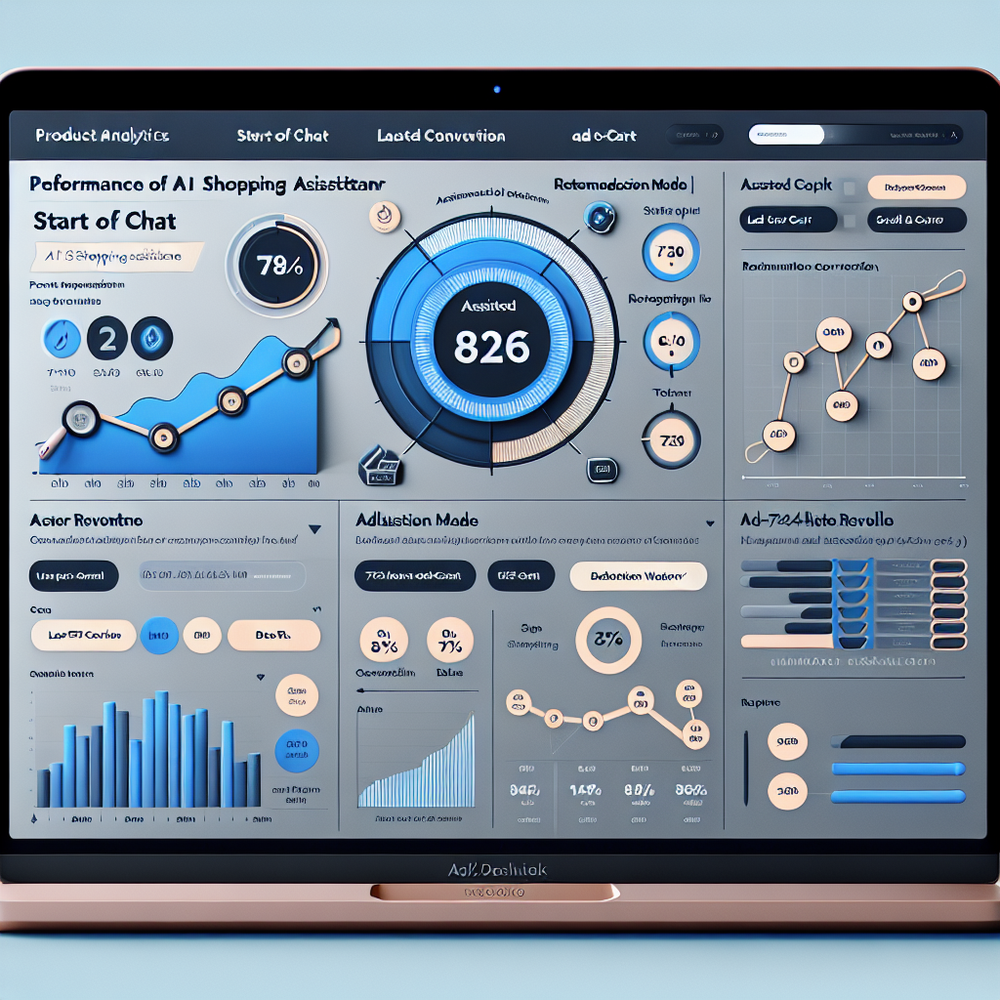
Treat the assistant as a discovery and decisioning surface. Credit revenue when it contributed materially to the session’s decision—detected by proactive engagement and reasonable time proximity to the order.
Define contribution with a ruleset you can defend: assistant-engaged user + high-intent event (e.g., size guide completed, compatibility resolved, bundle suggested and clicked) + purchase within 72 hours = assisted revenue. If another channel closes, split credit with multi-touch rules (e.g., 50/50 with last click) or use a Shapley-style model if you have the scale.
Use holdout tests to prove incrementality. Randomly suppress the assistant for a slice of eligible traffic. Compare IRPV, AOV, and return-rate delta. This isolates causal lift from selection bias—critical when enthusiasts self-select into chat. Google’s UX research underscores the need for task completion over engagement; holdouts capture that.
Publisher flows require outbound tagging. Pass a unique subID/click ID from the assistant into affiliate links. Reconcile order IDs and commission logs to attribute RPM to the assistant’s guided comparison, not just the final merchant click.
Implementation Guide with Brambles.ai
You can implement this in a week if you start with a tight event schema and QA checklist. Brambles.ai provides defaults that match the metrics below and won’t break your existing funnel.
Step-by-step setup:
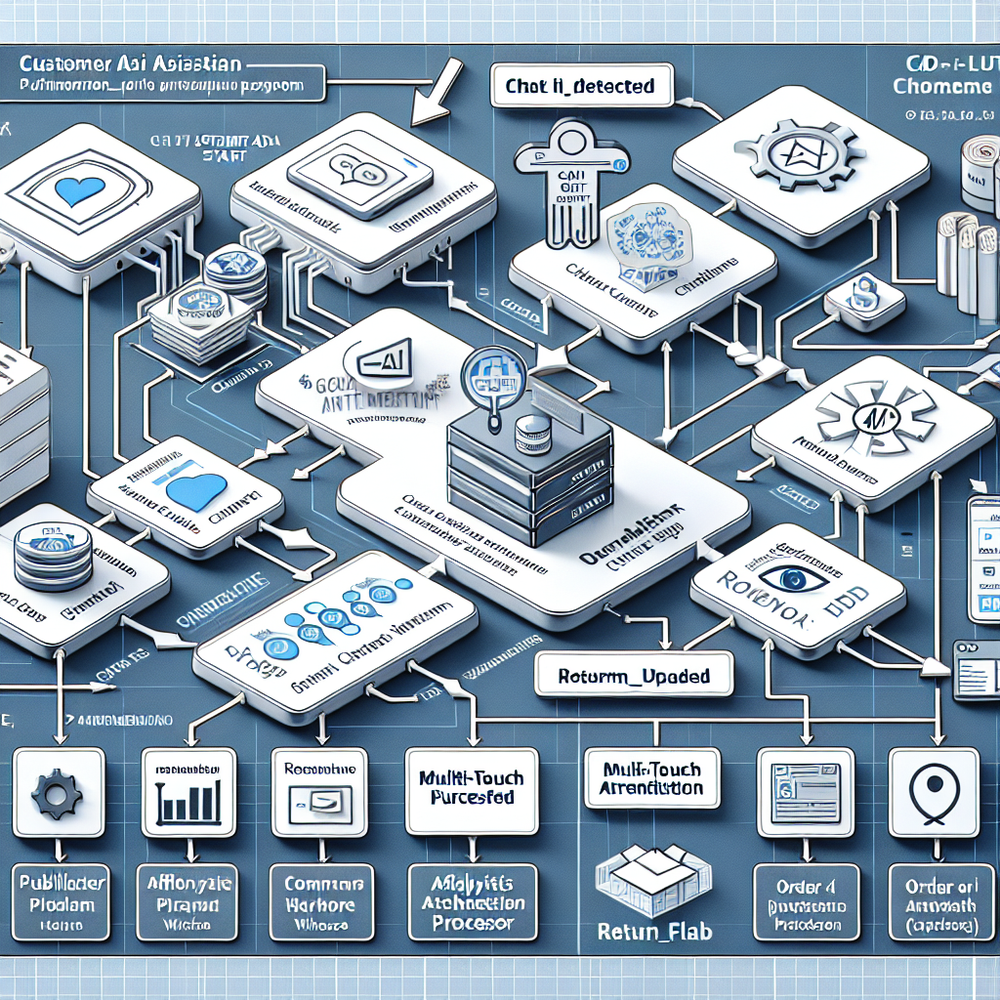
1) Define events. Required: chat_start, intent_detected, recommendation_shown, recommendation_clicked, size_guide_completed, compare_completed, cart_add_from_assistant, cart_update, order_id, return_flag.
2) Install the assistant and tracking. If you’re on WordPress, the Brambles WordPress plugin auto-tags assistant events and maps them to your analytics. SPA sites can use the JS SDK with dataLayer pushes.
3) Identity and consent. Use first-party cookies with explicit consent prompts and a clear value exchange (e.g., size profile saves). Respect opt-outs and minimize PII collection.
4) Commerce Module for publishers. Enable subID propagation and postback reconciliation so orders and commissions tie back to AI shopping chat. This is how we measured a 28% RPM lift on the review hub above.
5) Define attribution windows and rules. Start with a 72-hour assisted window, last-click split 50/50 for orders with assistant high-intent events; adjust once you have enough data for model-based attribution.
6) QA playlist. Verify event sequencing, time stamps, duplicate prevention, and cart/order stitching across tabs and devices. Run a forced return scenario to ensure return_flag writes back properly.
7) Reporting. Build a Looker or GA4 dashboard with assisted conversion rate, IRPV, AOV delta, return-rate delta, time-to-value, and LTV cohorts. Brambles exports a clean fact table so finance can audit.

Measuring ROI & KPIs That Matter
Report fewer metrics, measured well. These are the ones leaders actually use to fund or tune assistants:
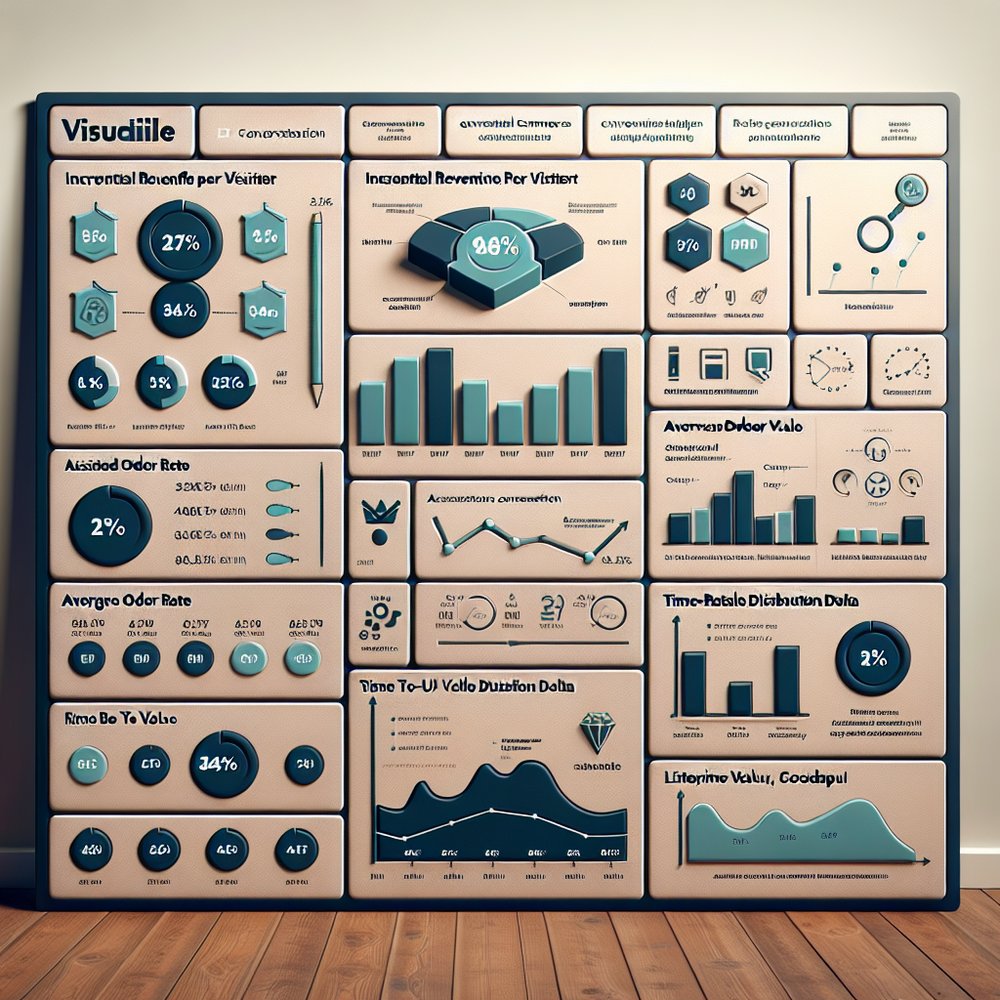
- Assistant engagement rate: chat_starts / eligible sessions. Context: 8–15% is typical when the prompt is contextual, not intrusive. We saw 11% on a beauty brand after moving the CTA to shade-in stock colors.
- Assisted conversion rate: purchases within window with high-intent assistant events / engaged users. Target depends on AOV; 6–12% is a solid benchmark for considered purchases.
- Incremental revenue per visitor (IRPV): (Revenue per eligible visitor with assistant) – (Revenue per eligible visitor in holdout). This is your north star. Our apparel test delivered +$0.38 IRPV net of returns.
- AOV delta and attach rate: impact on basket size and bundle acceptance. A grocery brand’s “build my weekly basket” chat produced 1.8x AOV, with a 24% higher 60-day repeat rate after we captured preferences.
- Return-rate delta: returns/units in assisted vs non-assisted orders. Apparel with size guidance often sees 8–15% relative reduction (Baymard on fit/returns). Margin smiles here.
- Time-to-value: seconds from chat_start to first actionable recommendation. Fast advice correlates with higher completion (Google UX Research on task success). Aim for <20s median.
- LTV lift: cohort LTV of users who accepted assistant recommendations vs matched controls. Salesforce’s Connected Customer research links trusted personalization to repeat purchase; measure it with 90/180-day windows.
First-Party Data, Consent, and Trust
Trust drives both measurement and sales. Without consented identifiers, your assistant’s influence disappears across sessions—and so does personalization quality.
Make value explicit. When asking to save size, fit, or dietary preferences, state the benefit: fewer returns, faster reorders, relevant bundles. Salesforce finds customers accept data use when the value is immediate and clear.
Minimize data. Store only what the assistant needs to reduce friction. Use short, plain-language consent copy and let users edit or delete profiles. Google and Baymard both highlight clarity and control as conversion-positive.
Brambles.ai supports consent flags, profile editing, and first-party identity stitching out of the box, so KPIs like LTV and IRPV stay auditable without data sprawl.
Common Pitfalls and How to Avoid Them
Most ROI disputes trace back to sloppy instrumentation or vague goals. Use this checklist before your first review with finance:
- Define success: pick IRPV and two secondary KPIs (AOV delta, return-rate delta). - Lock a 72-hour window. - Create a 10–20% holdout. - Enable return_flag writes. - Pass subID for affiliate flows. - QA multi-tab and mobile web. - Add a 1-question post-purchase survey: “Did the assistant help you decide?”
Two more gotchas: assistants over-recommend promotions (hurts margin) and hide behind chat bubbles that steal attention from core CTAs. We’ve seen quick wins by gating promo suggestions until after a bundle is accepted and by using context-aware prompts instead of sticky, full-time bubbles.
Future Outlook: From ROI to Profit Quality
The next wave of measurement moves beyond “more revenue” to “better revenue.” Expect finance to ask how the assistant changes return-adjusted margin and 180-day LTV. Personalization that steers to durable, well-reviewed products compounds value, even if short-term CVR is flat.
Brambles.ai’s publisher monetization and retail assistant flows already expose return-rate deltas and bundle margin hints so teams can optimize for profit, not just clicks. That’s the conversation that secures budget in Q4 planning.
FAQ
What’s the fastest way to prove incrementality?
Launch with a 10–20% holdout and report IRPV after 7–14 days. Pair it with a one-question post-purchase survey. If both point north, expand traffic and refine attribution rules.
How do we credit the assistant when email closes the sale?
Use a 72-hour window with a 50/50 split for orders preceded by high-intent assistant events. Revisit once you collect enough data for data-driven attribution models.
Which KPIs matter to finance vs. product?
Finance: IRPV, return-adjusted margin, LTV lift. Product: time-to-value, assisted conversion, attach rate. Build one dashboard with both views so tradeoffs are visible.
Can publishers measure ROI without cart data?
Yes—tag outbound links with subIDs and reconcile commission logs. Attribute RPM to chat events like comparison_completed and recommendation_clicked via postbacks.
Where should we start with Brambles.ai?
Install the WordPress plugin or JS SDK, enable the default event schema, set a 72-hour attribution window, and create a 15% holdout. Then share the export with finance for sign-off.
Related resources on Brambles.ai
If you are implementing this, start with Brambles.ai.
For deeper reading, see 10 Reasons Publishers Need Conversational Commerce, Affiliate Disclosure in Conversational UIs Done Right, From Search Boxes to Conversations: Modern Shopping UX, Contextual, Not Creepy: Monetization That Wins.
Related posts
View all
Brand-Consistent AI Chats Build Trust and Conversions
When AI mirrors your brand voice, shoppers relax—questions get answered, carts grow, and support load drops. Learn the playbook to align tone, trust, and ROI.
Sponsored Products in AI Shopping: Retail Media 101
Learn how sponsored product placements power AI shopping, how bidding and relevance work, and how to implement retail media without eroding trust or UX.
Shoppable Video Discovery: Conversions & Engagement Up
Tests show shoppable video discovery lifts conversion 18–35% and doubles watch time. See the UX patterns, KPIs, and how to deploy it quickly with Brambles.ai.
Explore Brambles.ai
Learn more about our AI-powered agentic commerce platform, agentic shopping, and shopping assistance solutions.
Explore More Insights
Discover more articles on AI, automation, and business innovation
View All Articles