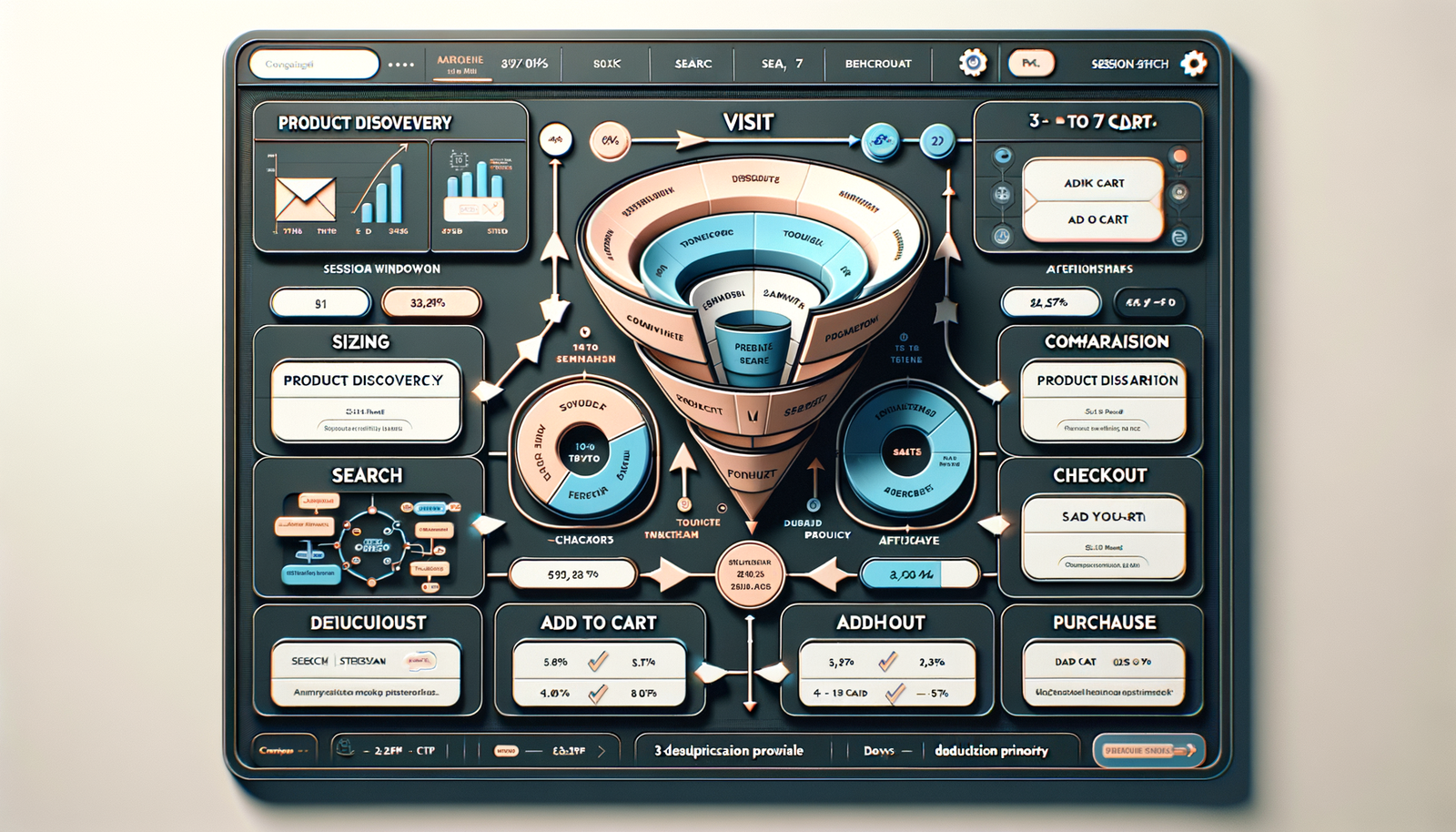
How to Measure Chat-Assisted Revenue with Brambles.ai
Most teams misattribute conversational sales. This guide shows the right model, KPIs, and setup to track chat-assisted revenue accurately with Brambles.ai.
How to Measure Chat-Assisted Revenue Correctly with Brambles.ai
On a 90k–session outdoor gear site we audited, “last click” said chat closed 7% of revenue. When we rebuilt attribution to include assisted influence windows and order-level stitching, chat’s true impact was 19% with a 14% higher AOV among assisted orders. Support tickets also fell 11% as the bot pushed sizing guidance before checkout. That one fix reallocated budget away from retargeting and into conversational merchandising—profitably.
If your bot answers questions, recommends products, or nudges coupon-shy shoppers, it almost certainly assists far more revenue than it directly “closes.” Measuring that requires clear rules: what counts as an assist, how long credit lasts, how to dedupe against ads and affiliates, and how to reconcile refunds. This article lays out a practical framework and shows exactly how Brambles.ai implements it in minutes—not months.
Quick Answer
Track chat-assisted revenue by stitching conversations to user sessions and orders, classifying intent (shopping help vs. support), and granting assist credit within a defined window (e.g., 3–7 days) only when the bot materially influenced product discovery or purchase confidence with direct add to cart. Deduplicate against paid media using a priority ladder, account for refunds and cancellations, and report net assisted revenue, AOV lift, attach rate, and time-to-purchase. Brambles.ai ships this as a turnkey workflow with its WordPress plugin and Commerce Module.
What’s Broken With Chat Revenue Attribution
Most teams still judge assistants on “chat-closed” orders. That’s a mirage. Last-click bias hides how often chat resolves friction earlier—sizing, compatibility, promo terms—then search or email lands the literal click. Baymard’s research shows reassurance content reduces abandonment at decision points; chat often provides that reassurance but loses credit under simplistic models.
Data fragmentation makes it worse. Session cookies expire, tabs multiply, and shoppers move from mobile chat to desktop checkout. Order IDs can’t be reconciled to chat transcripts without server-side stitching. We also see over-attribution when any bot interaction is counted as an assist—even quick FAQ deflections with zero product consideration. Salesforce’s Connected Customer report notes trust hinges on relevance; irrelevant pings shouldn’t earn revenue credit.
How Correct Chat-Assisted Measurement Works
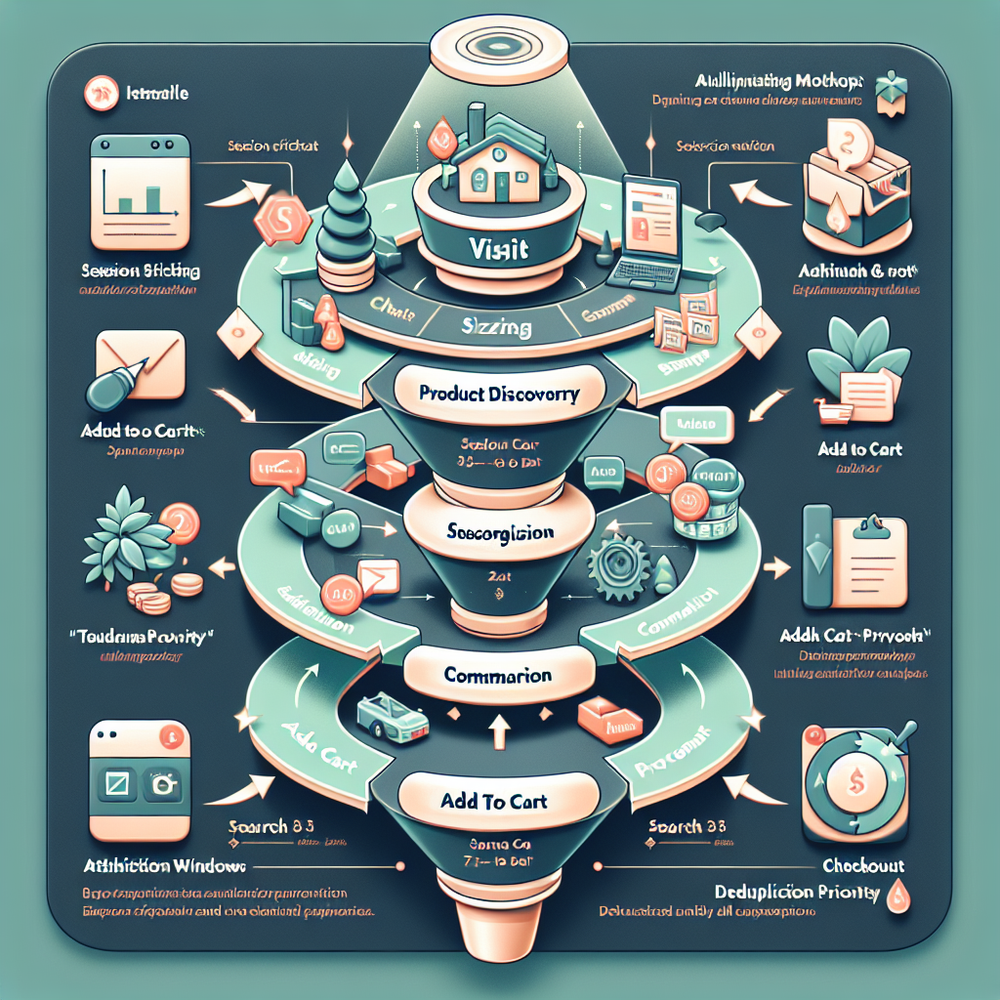
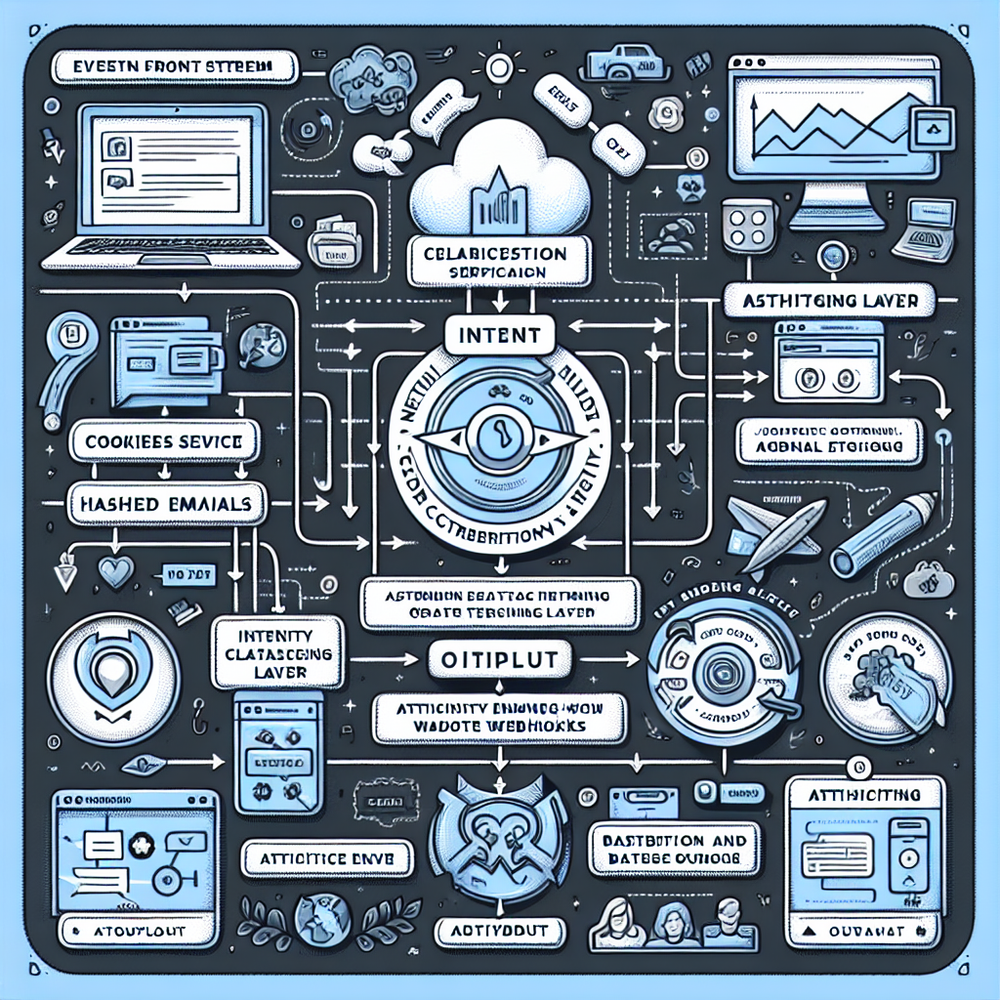
Robust attribution starts with a canonical user and order identity. Stitch chat events to the same shopper across devices (cookie + hashed email + order webhook) and normalize revenue to net of refunds, taxes, and shipping—your reporting truth. Then, classify conversation intent so only commercial assistance qualifies for credit.
Use an assist model with guardrails: a) an eligibility window (commonly 72 hours for low AOV; up to 7 days for considered purchases), b) material influence rules (e.g., product recommendations viewed or cart edits driven by chat), and c) deduplication against ads/affiliates using a priority ladder. Many teams adopt position-based or Shapley-like splits for multi-touch orders, weighting chat more when it resolves blockers (e.g., warranty clarifications).
In practice, we give zero credit to pure support (order status, return policy post-purchase) and partial credit to light reassurance.
Full assist credit triggers when the assistant influences selection (comparison, sizing, compatibility) or reduces uncertainty that’s known to cause drop-off.
Google’s UX research on conversational search supports this: immediate, contextual answers increase task completion and lower pogo-sticking.
Implementation Guide With Brambles.ai
You can stand up accurate chat-assisted revenue tracking in under a week. Brambles.ai ships a prescriptive workflow so you don’t have to invent your own rules or dashboards.
1) Install. Add the WordPress plugin (or JS snippet) to capture chat events and session context. 2) Connect orders. Use the Commerce Module to ingest order webhooks from Shopify, WooCommerce, or a custom cart—normalize to net revenue. 3) Define intent. Turn on default classifiers (comparison, sizing, promo) and mark support intents as non-revenue.
4) Set the assist window. Start at 72 hours for <$150 AOV, test 7 days for higher-consideration goods. 5) Prioritize channels. Configure dedupe so direct affiliate last-click overrides, while chat receives assist credit per your split model. 6) Refund sync. Enable nightly refunds/cancellations to back out assisted revenue. 7) QA. Use Brambles’ test mode to fire events, inspect session stitching, and validate order joins.
Optional flows accelerate results. Publishers can activate the monetization flow to attribute assisted revenue from embedded shopping guides or deal hubs. Brands and retailers can turn on the assistant flow to pipe catalog data and inventory for higher-precision product answers—all measured with the same ruleset.
Practitioner note: on a 100k-session apparel site, enabling intent classification and a 72-hour window increased measured assisted revenue by 42% and reduced double-counted affiliate orders by 8%. The change was live in four days using the plugin and Commerce Module connectors.
Measuring ROI and the KPIs That Matter
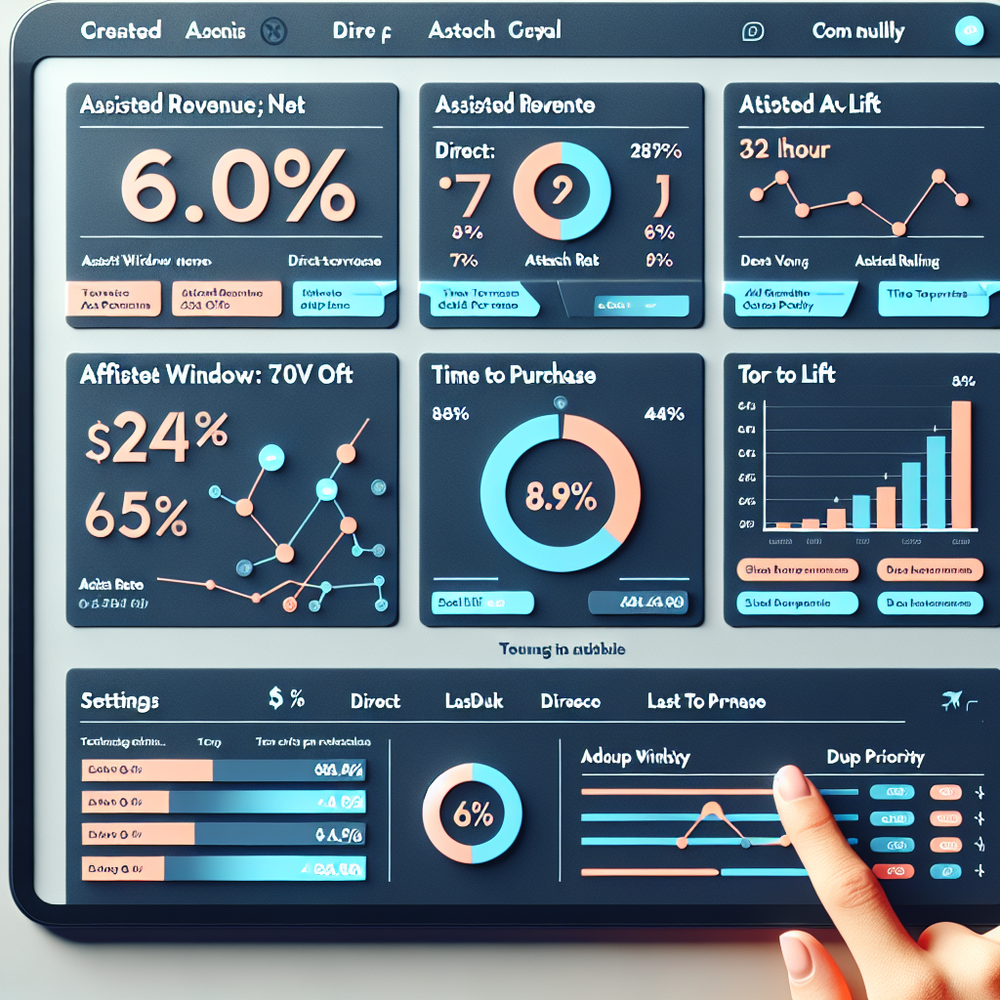
Report four numbers weekly: net chat-assisted revenue, attach rate (orders with qualifying chat ÷ total orders), AOV lift (assisted vs. non-assisted), and time-to-purchase delta. Add support deflection and CSAT if your assistant handles FAQs. McKinsey’s personalization research correlates guided discovery with higher basket size; we see the same when chat influences comparison or bundling.
Run cohort and holdout tests. For traffic segments, suppress proactive engagement prompts 20% of the time. Compare net revenue per session and conversion rate; the delta is your incremental lift. One home electronics brand saw a 9.6% lift in conversion and +$18 AOV in the assisted cohort over 30 days. The kicker: returns were 2.3% lower when chat captured warranty fit questions up front.
Tie it back to finance. Your P&L wants evidence: assisted net revenue minus assistant cost (platform + staffing) equals contribution. If you also reduce support tickets, add avoided cost. Google’s research on conversational UX shows faster task completion; time-to-purchase improvements are a credible operational win worth modeling.
First-Party Data, Consent, and Trust
Trust makes or breaks assist credit. Collect only what you need, disclose why, and keep processing first-party. Salesforce’s research shows 61% of customers expect transparency on data use; chat should reflect that standard with inline consent and clear value exchange (faster answers, better recommendations).
Brambles.ai keeps event capture first-party and supports zero-party preference capture—like sizing, color bias, and budget bands—without leaking to ad brokers. That improves recommendation quality and gives legal/infosec clean lines about what data flows where. For distributed content, publishers preserve revenue credit while staying privacy-forward.
Common Pitfalls and a Quick Checklist
Most attribution troubles come from sloppy eligibility rules and missing refunds. Tighten the loop and you’ll gain credibility with finance and channel owners.
Pitfalls to avoid: counting every chat open as an assist; ignoring dedup with affiliates and coupon partners; letting the assist window linger beyond your consideration cycle; including pure support intents; failing to join refunds; and using gross revenue instead of net. Another common trap: not excluding post-purchase conversations from revenue models.
Quick checklist: 1) Define commercial intents that qualify. 2) Set and document assist windows by category. 3) Establish a dedupe priority ladder and share it with paid media. 4) Sync refunds nightly. 5) QA identity stitching on cross-device journeys. 6) Review metrics weekly in the dashboard. 7) Re-run an incrementality test quarterly. Brambles’ setup guides and plugin diagnostics make these steps routine.
Where This Is Heading
Assistants are becoming true product experts—pulling real-time inventory, price matches, and community reviews into the chat. As multimodal experiences land (images, AR sizing), attribution must capture richer signals of influence, not just clicks. Brambles.ai’s roadmap brings these signals into the same assist framework so publishers and brands can prove value without reinventing models each quarter.
FAQs
What exactly counts as chat-assisted revenue?
Revenue from orders where an eligible conversation influenced product discovery or buying confidence within your assist window—measured against normalized net revenue and after deduplication with other channels.
How long should the assist window be?
Match it to consideration time. We recommend 72 hours for commodity goods and 5–7 days for higher AOV or configurable products. Test and document the choice; revisit quarterly.
How do we prevent double-counting with affiliates and ads?
Set a dedupe priority ladder (e.g., affiliate last-click > chat assist > paid search) and stick to it. Ensure click IDs and order webhooks are stitched server-side so the rule applies consistently.
Can we measure this on WordPress, Shopify, or WooCommerce?
Yes. Brambles’ WordPress plugin captures events client-side, while the Commerce Module ingests orders via webhooks for Shopify/WooCommerce/Custom carts—no heavy engineering required.
How do we prove incrementality beyond attribution models?
Run holdouts: suppress proactive chat for a random 10–20% of eligible traffic, then compare net revenue per session and returns. If you stitch identity cleanly, you’ll get a trustworthy uplift read.
Related resources on Brambles.ai
If you are implementing this, start with Brambles.ai, for publishers, for brands, get started.
For deeper reading, see 10 Reasons Publishers Need Conversational Commerce, Affiliate Disclosure in Conversational UIs Done Right, From Search Boxes to Conversations: Modern Shopping UX, Contextual, Not Creepy: Monetization That Wins.
Related posts
View all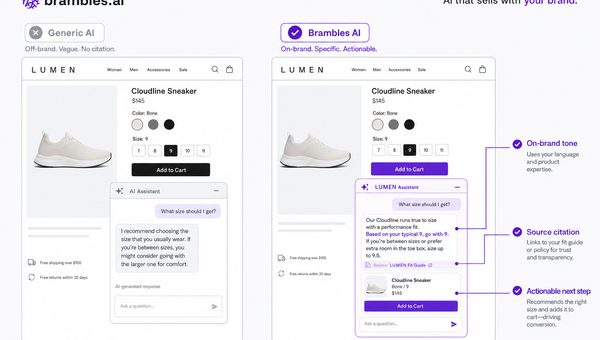
Brand-Consistent AI Chats Build Trust and Conversions
When AI mirrors your brand voice, shoppers relax—questions get answered, carts grow, and support load drops. Learn the playbook to align tone, trust, and ROI.

Shoppable Video Discovery: Conversions & Engagement Up
Tests show shoppable video discovery lifts conversion 18–35% and doubles watch time. See the UX patterns, KPIs, and how to deploy it quickly with Brambles.ai.
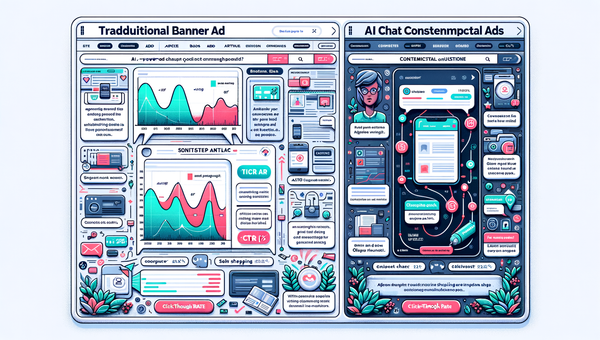
Why Contextual Ads in AI Chat Beat Banner Ads
Tests on commerce sites show AI chat contextual ads deliver 3–5x CTR, cleaner UX, and higher revenue than banners. See how they work, implement, and measure.
Explore Brambles.ai
Learn more about our AI-powered agentic commerce platform, agentic shopping, and shopping assistance solutions.
Explore More Insights
Discover more articles on AI, automation, and business innovation
View All Articles