How Publishers Monetize Content with AI in 2025
Publishers are pairing AI with first‑party data, dynamic paywalls, and commerce content to grow RPMs in 2025. See real tactics, KPIs, and pitfalls to avoid.
How Publishers Are Using AI to Monetize Content in 2025
In Q2, we watched a mid-market news group lift revenue per thousand pageviews (RPM) 27% in six weeks by letting an AI model choose between three options on every article view: show ad-heavy templates, surface a soft registration wall, or trigger a 24-hour dynamic paywall pass. The trick wasn’t the model; it was the guardrails—editorial rules, brand-safety tiers, and price floors that respected loyal readers. A different publisher, a niche hobby site, saw a 38% affiliate revenue jump after training a reranker to prioritize inline shopping only when scroll depth or search intent signaled high purchase probability. When AI is paired with first-party data and ruthless UX discipline, monetization climbs without torching trust. If you want a practical blueprint, keep reading. We’ll walk through the stack, the 90‑day rollout, and the KPIs that matter.
What’s Broken in Publisher Monetization
Ad revenue is volatile, cookies are fading, and reader patience is thin. We see three persistent failures: blunt paywalls, one-size-fits-all ad density, and orphaned commerce content. Cookie deprecation erodes third‑party audience value; programmatic CPMs whipsaw with demand cycles. Heavy templates stall Core Web Vitals, dragging CLS/LCP and cutting viewability—hurting auction win rates (Google UX Research, 2024). Subscription paths mimic ecommerce checkouts, yet many publishers still ask for too much data up front; long forms remain a top abandonment cause across checkout flows (Baymard Institute, 2024). Meanwhile, commerce articles rank, but links are static and seasonal decay is real—outdated products, dead SKUs, and generic placements that ignore user intent. Editorial teams feel this every day: either revenue or reader experience takes the hit. The good news: AI can arbitrate these trade-offs per session, honoring newsroom rules while selecting the most profitable, least annoying path for that particular reader.
How It Works: AI Revenue Engines for Publishers
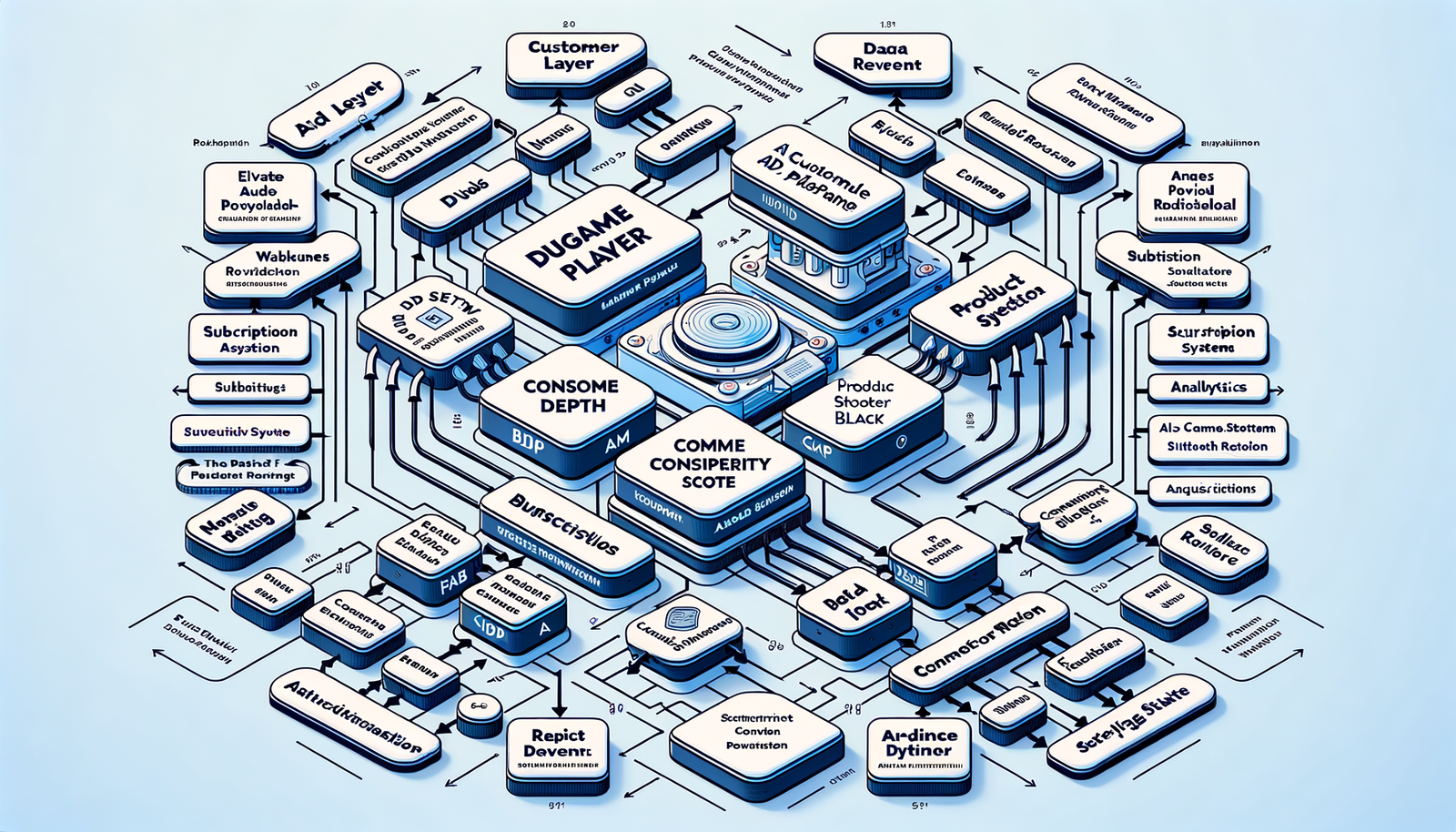
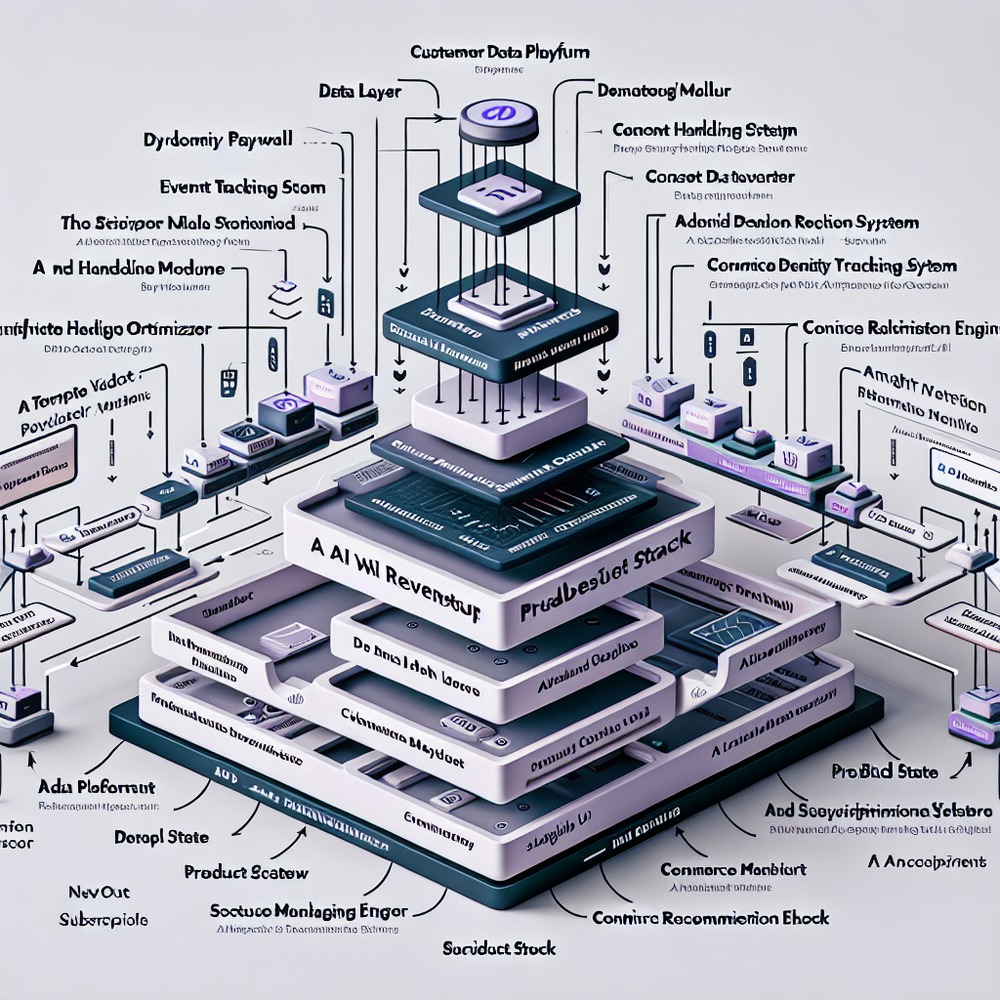
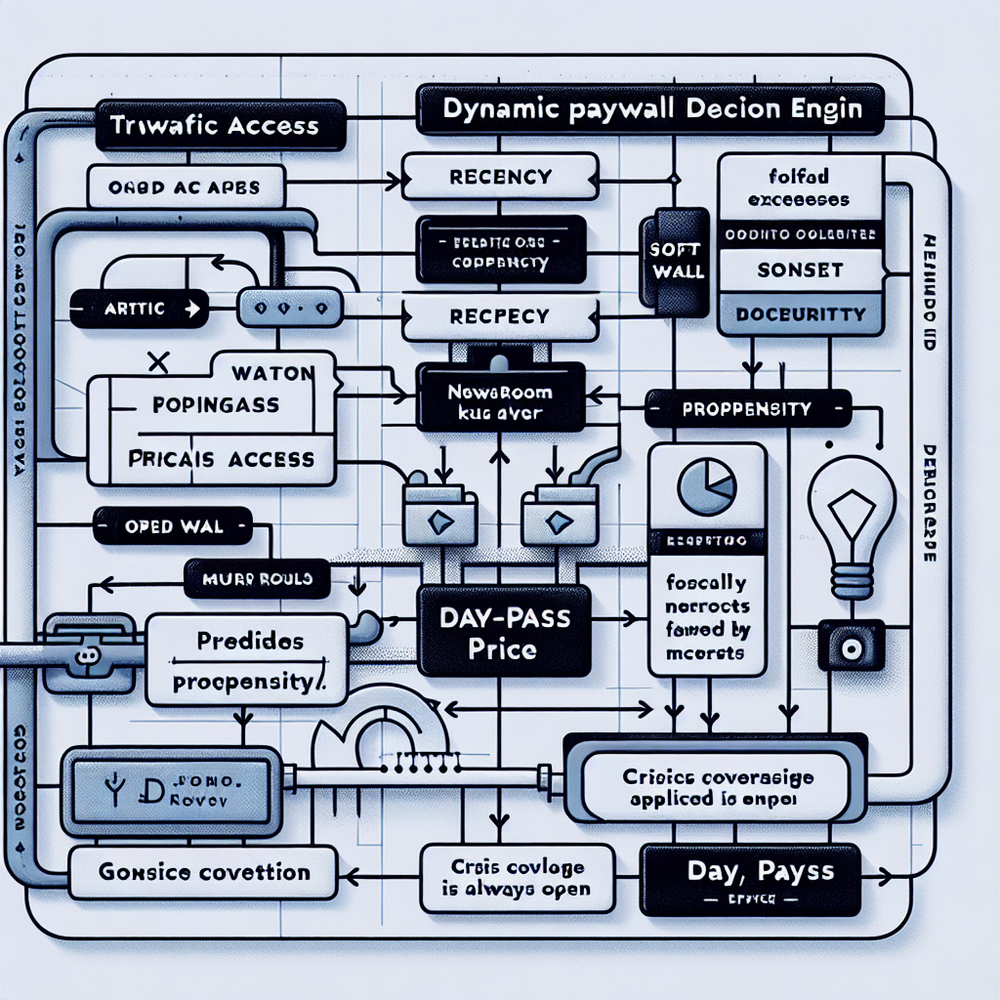
At the core is a decision service. It ingests signals—referrer, geography, device, scroll velocity, engaged time, historical visit frequency, consent status—and outputs a monetization action. Common models include: dynamic paywalls (predict subscription propensity, choose wall strength or day-pass price); ad density optimizers (select template variant and lazy-load policy to preserve LCP); and commerce recommenders (retrieve products, then rerank using freshness, price availability, merchant margin, and user intent). We’ve seen uplift when models are constrained by human rules: cap ad slots for subscribers, exclude sensitive topics from affiliate widgets, and enforce brand-safety tiers. Anecdote: on a 12M monthly sessions lifestyle site, adding a simple “don’t show commerce blocks above 50% scroll unless intent score >0.6” improved average engaged time by 14% and still lifted affiliate EPC 19% in two weeks. Layer in experimentation—A/B, bandits, and holdouts—to continuously validate that AI choices earn their keep (McKinsey, 2023).
Implementation Guide: A 90‑Day Rollout
Weeks 0–2: Wire data. Ship clean pageview events with referrer, UTM, device, scroll depth, engaged time, ad viewability, and paywall impressions into your CDP. Add consent state to every event. Set up feature flags to toggle templates and blocks. Weeks 3–6: Launch baseline experiments. Test three article templates (light, standard, high-ad-density). Run a meter vs. registration wall test. For commerce, inject a retrieval‑then‑rerank block on 50% of eligible articles. Weeks 7–10: Train models. Start with propensity scoring (logistic regression or tree-based) and a simple policy layer. Establish holdouts—5–10% of traffic with static business-as-usual rules as a truth set. Weeks 11–13: Scale and harden. Add edge caching for decisions, cap wall exposure per user, and set price floors. Build newsroom controls: topic exclusions, editorial overrides, and “open news” flags. Practitioner note: we cut page‑level CLS by 22% at a regional news site by deferring non-viewable ad slots and letting the AI choose a lighter template for 20% of sessions, which ironically raised auction win rates 9% (Google UX Research, 2024).

Measuring ROI & KPIs That Matter
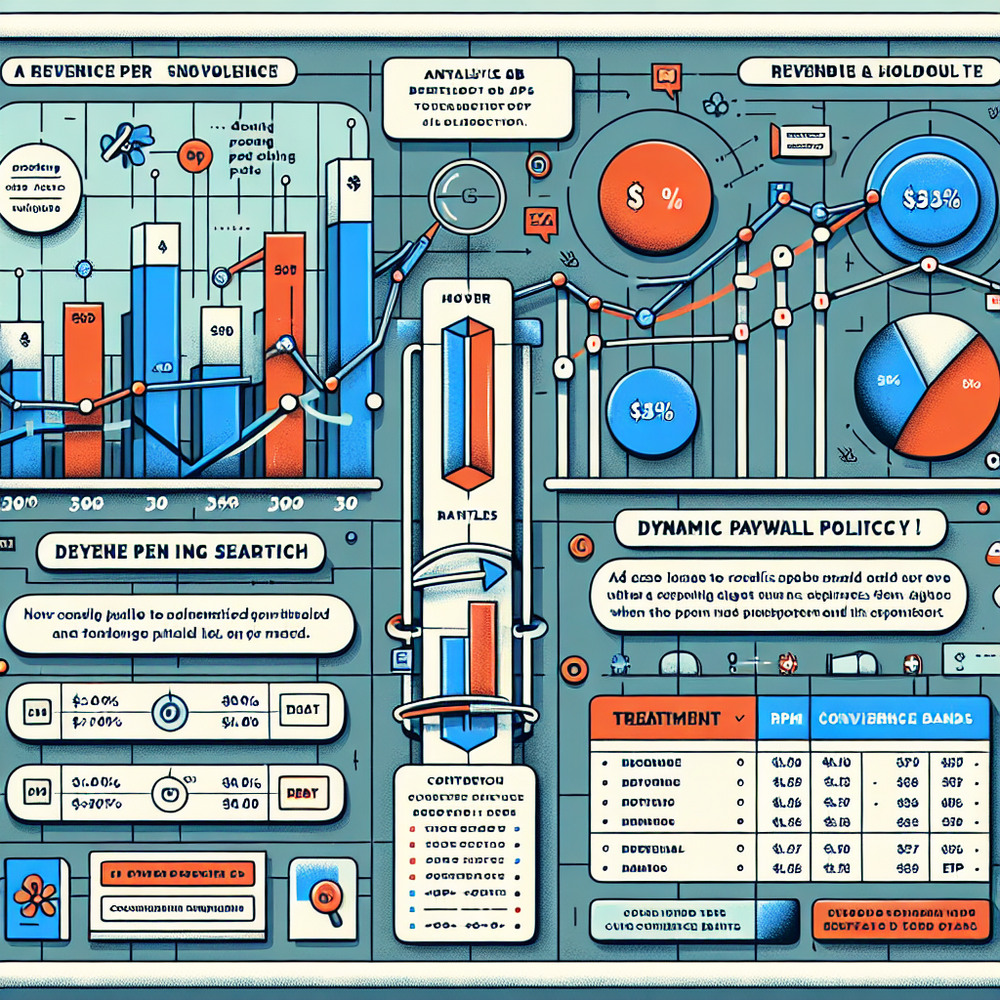
Tie everything to Revenue per Session (RPS). It forces trade‑offs to surface: a heavier ad layout might lift RPM but depress session depth and future visits. Track: RPM, RPS, subscription conversion rate, paywall exposure rate, affiliate EPC, LTV contribution, and Core Web Vitals. Use holdout cohorts and ghost auctions to estimate model lift and ad opportunity cost. For subscriptions, measure incremental subs vs. baseline meter with a 5% persistent holdout; for commerce, attribute only clicks above an intent threshold and require in‑stock validation. Build a weekly “Model Contribution” report: treatment minus control, with confidence intervals. Expect 10–30% RPS lift in the first quarter if traffic is diversified and editorial rules are solid. Evidence points this way: personalization can drive 10–20% revenue gains when governed by consent and clear value exchange (McKinsey, 2023; Salesforce Connected Customer, 2024). Keep analyses honest with pre‑registered experiment plans and consistent attribution windows (Google UX Research, 2024).
First‑Party Data, Consent, and Reader Trust
Skip the creepy shortcuts. You don’t need dark patterns; you need a clean value exchange. Offer ad‑light sessions, exclusive explainers, or monthly Q&As in return for email capture. Progressive profiling beats forms that ask for everything at once—collect one field per milestone (Salesforce Connected Customer, 2024). Keep consent state portable and honored across devices; tag every event with consent and purpose. Use on‑page disclosures that explain why a wall appeared—propensity models perform better when readers feel treated fairly. For commerce, disclose affiliate relationships and build editorial guidelines that separate product picks from monetization logic. We saw lower churn on a news app when the AI reduced wall strength for readers returning from crisis coverage (editorial rule), with zero revenue loss—trust drives lifetime value. Align with TCF v2.2, honor regional data rights, and prefer on‑device inference where possible. Expect smaller but cleaner audiences—and better monetization per session (IAB Europe, 2024; Reuters Institute, 2025).
Common Pitfalls (and Fixes)
- Overfitting to short-term RPM. Fix: optimize RPS with 30‑day LTV, not daily CPMs. Include “session depth” as a protected metric.
- Ignoring Core Web Vitals. Fix: treat LCP/CLS as hard constraints; auto‑downgrade templates if thresholds slip.
- Opaque models. Fix: surface plain‑English reasons for decisions: “soft wall due to high loyalty + low referrer risk.” Editorial trust matters.
- Static commerce links. Fix: nightly rerank with in‑stock checks, price changes, and merchant margin data.
- No holdouts. Fix: maintain 5–10% traffic on business‑as‑usual policies to estimate true lift.
A quick war story: an entertainment publisher pushed a hard wall to all social traffic and tanked recirculation by 21%. Rolling back to an intent‑gated soft wall rescued RPS within three days. Another team tried AMP‑only ad templates; CLS improved, but ad viewability dropped. A balanced, AI‑selected “light” template regained 8% viewability while keeping LCP green (Google UX Research, 2024).
Future Outlook: 2025–2026
Expect more decisions at the edge. On‑device models will score propensity and intent without round trips, reducing latency and privacy risk. First‑party data clean rooms will broker audience deals where contextual signals plus consented cohorts replace third‑party IDs. Generative search will keep skimming top‑of‑funnel traffic; counter by building franchises—formats readers seek directly—and packaging utility content with commerce paths that feel native. Dynamic pricing for day passes will normalize; weekend access may command a premium. Video and audio will see the same logic: AI choosing between pre‑rolls, sponsor reads, or membership nudges based on attention and recency. Keep human oversight in the loop: newsroom‑set red lines, explainability, and crisis exceptions. The publishers we see winning in 2025 are boringly disciplined: clean data, explicit consent, experiment rigor, and a shared dashboard where editorial and revenue teams argue with the same numbers—and then let the models pick the right moment to ask, show, or sell.
Related posts
View all
Sponsored Products in AI Shopping: Retail Media 101
Learn how sponsored product placements power AI shopping, how bidding and relevance work, and how to implement retail media without eroding trust or UX.
Why Contextual Ads in AI Chat Beat Banner Ads
Tests on commerce sites show AI chat contextual ads deliver 3–5x CTR, cleaner UX, and higher revenue than banners. See how they work, implement, and measure.
What to Fix Before AI Shopping Agents | Brambles.ai
Fix data, ops, and trust gaps before AI shopping agents. A field-tested Brambles.ai rollout guide with checklists, KPIs, and step-by-step tips. Proven wins.
Explore Brambles.ai
Learn more about our AI-powered agentic commerce platform, agentic shopping, and shopping assistance solutions.
Explore More Insights
Discover more articles on AI, automation, and business innovation
View All Articles