How Brambles.ai Optimizes Merchant Mix for EPC & Margin
Brambles.ai improves merchant mix by routing clicks to higher‑converting, higher‑margin partners. Learn the setup, KPIs, and real results from live publishers.
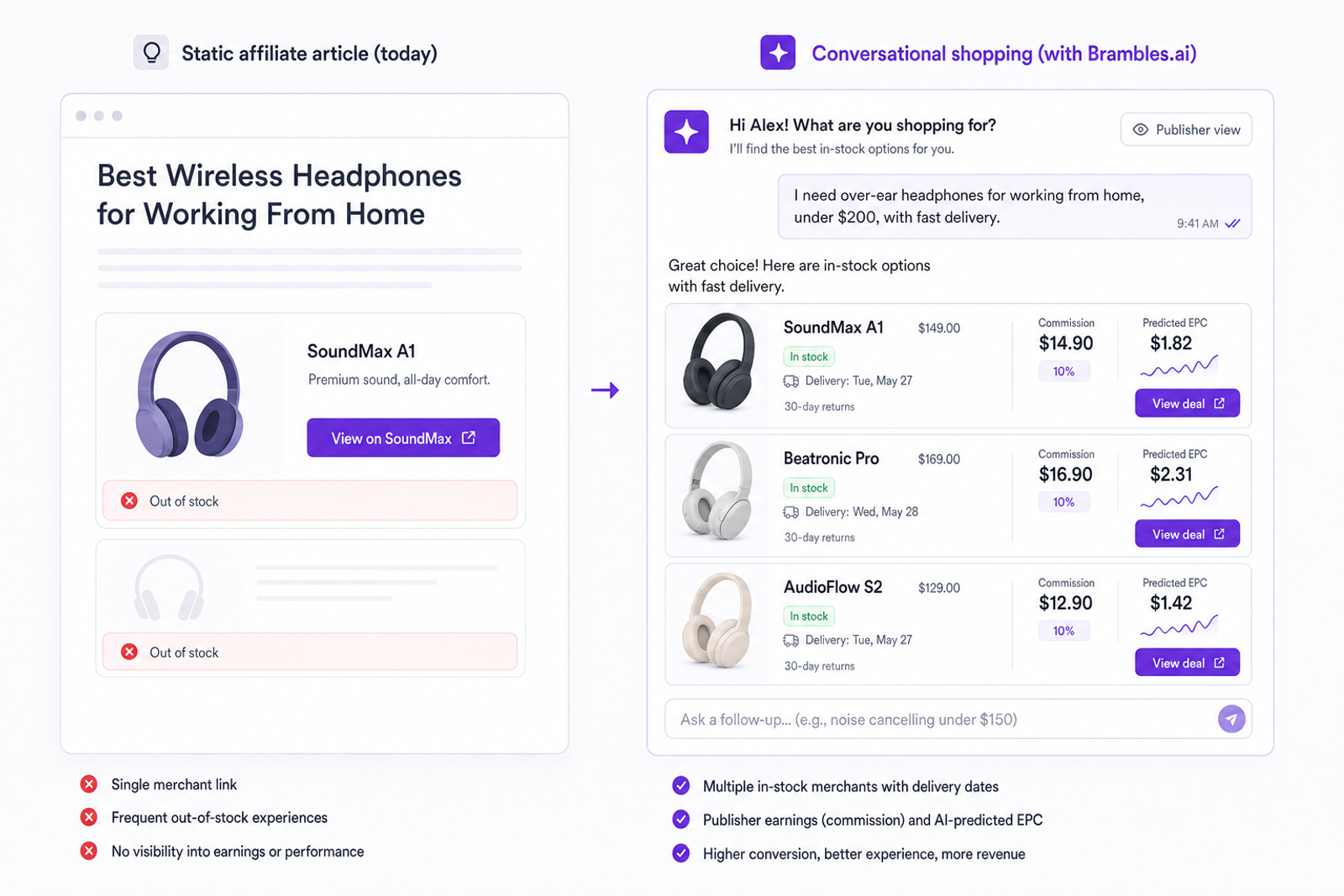
In our spring tests, a commerce publisher shifted 22% of clicks from a low-commission big-box to two DTC merchants with better conversion and return policies. Earnings per click (EPC) rose 31% in two weeks, and refund-adjusted margin improved 19%. The content didn’t change—only the merchant mix did. Another trial on a 100k-session apparel site used conversational shopping to propose alternatives when items were out of stock; EPC lifted 42% and exit rate fell 18%. The pattern is clear: most sites leave money on the table by sending the right shopper to the wrong merchant.
Quick Answer
Brambles.ai improves merchant mix by scoring merchants in real time for every product request, weighing conversion rate, commission, shipping speed, stock status, return friction, and predicted net margin. It then routes clicks (and even purchases) to the best fit within a conversational flow. Publishers see higher EPC and steadier margins; shoppers see options, not dead ends. Implementation is lightweight and works across your content, category pages, and chat surfaces.
What’s Broken With Today’s Merchant Mix
Most sites hardcode one merchant per product or per guide. Commissions change, stock fluctuates, shipping dates slip—and your EPC decays while links remain static. Shoppers also arrive with varied intent. One wants fastest delivery, another needs easy returns, a third values loyalty points. Sending all three to the same store suppresses conversion and margin. Baymard’s research consistently shows out‑of‑stock friction and unclear shipping timelines as top abandonment drivers—issues a dynamic mix can mitigate by recommending viable alternatives on the spot.
How Brambles.ai Rebalances Merchant Mix
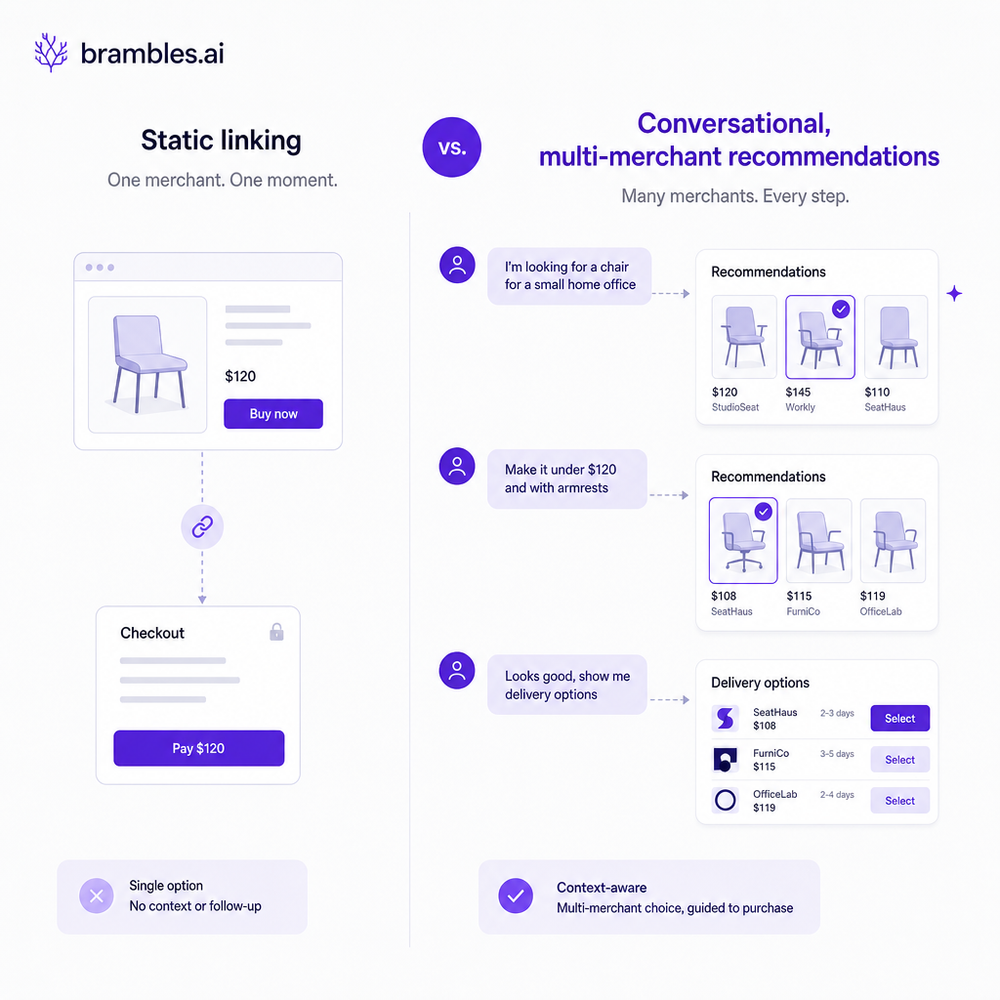
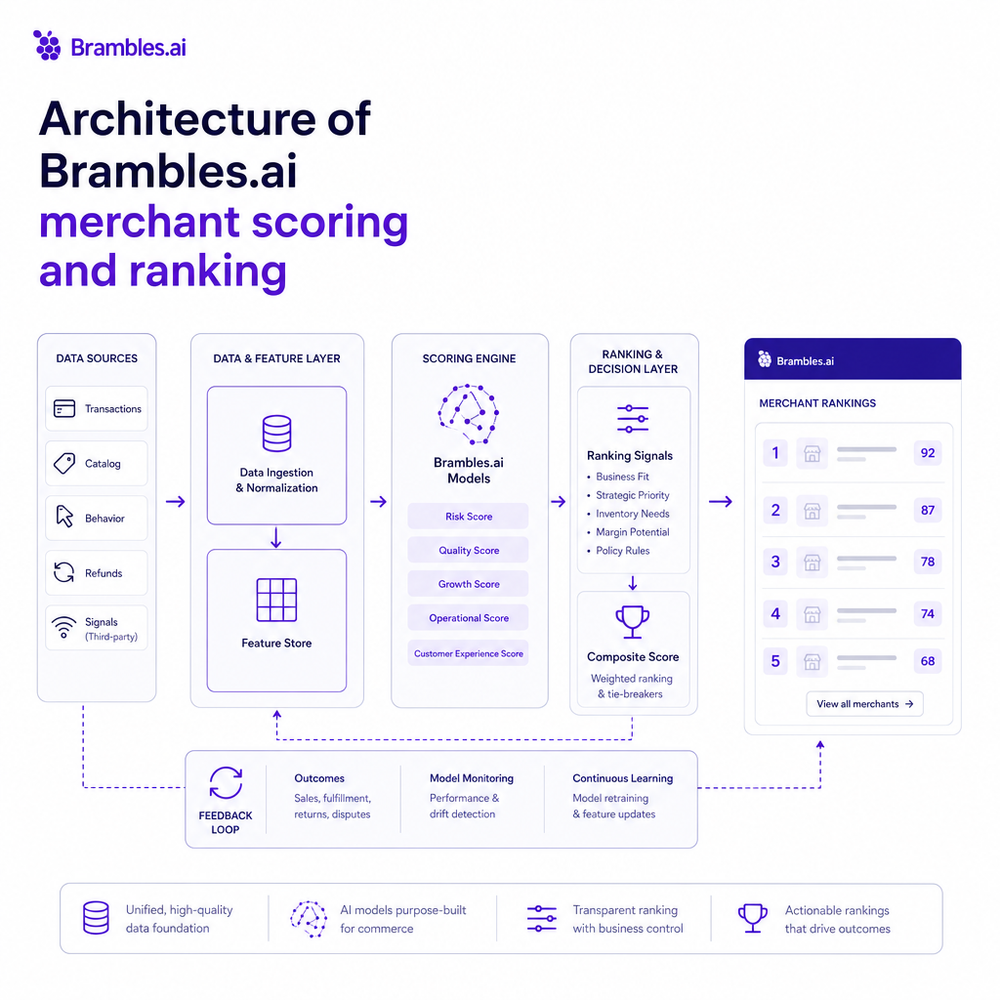
Brambles.ai evaluates each shopper query and page context, then ranks eligible merchants using a margin-aware score. Signals include historical EPC, real-time price and stock, shipping/returns, cookie windows, category conversion, and sponsored eligibility. The system proposes 2–4 best options, not just one, within a chat or inline module so users can choose what matters—speed, price, or perks—without leaving the page.
Three features do the heavy lifting. AI product discovery lets shoppers describe needs in plain language and returns merchant‑agnostic options ranked by fit, increasing relevance and cross-merchant fairness. Content intelligence indexes your entire site to ground recommendations in what the reader is viewing, so suggested merchants match the article’s angle and price tier. Proactive engagement quietly offers alternatives when items are out of stock or overpriced, rescuing sessions that would otherwise bounce.
When a brand sponsors a slot, Retail media can participate in the ranking with strict guardrails: only when the sponsored option meets your quality threshold (stock, delivery, price parity). This preserves reader trust and stabilizes margin while still capturing demand budgets. If the user is ready to buy immediately, Direct add to cart from the chat shortens the path, further lifting conversion and EPC.
Implementation Guide: From Zero to Live
You don’t need a replatform. The Agentic Commerce Module drops into any site and starts learning immediately. Here’s the fast path we use with publishers and retail partners.
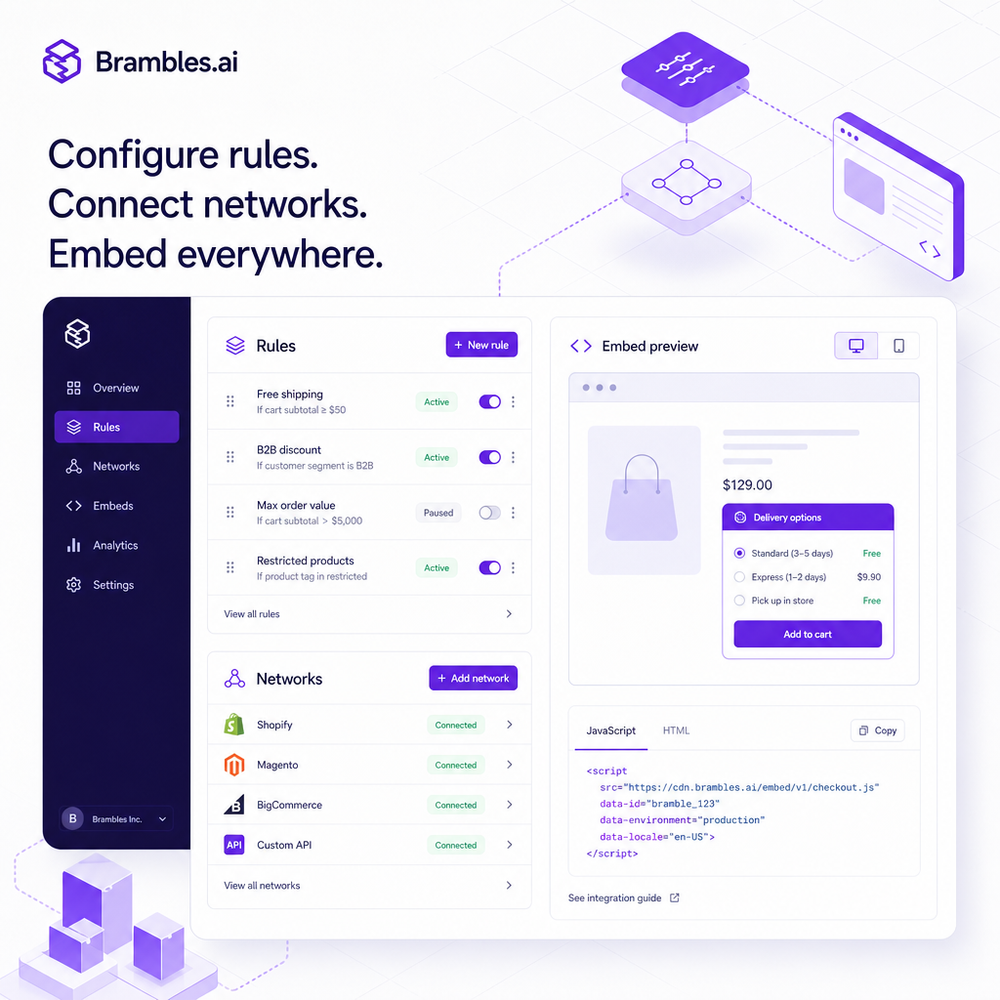
Step 1 — Install: Add the script or use our WordPress plugin or Shopify App (coming soon). The widget can run as a floating chat or inline embed in articles and category pages.
Step 2 — Connect networks: Enter affiliate IDs and rate cards across networks. Brambles.ai normalizes rates and logs EPC by merchant and category so ranking models have clean baselines.
Step 3 — Configure rules: Set quality thresholds (e.g., must be in stock; delivery <5 days; return window ≥30 days). Choose whether sponsored slots can appear and under what constraints. Fine‑tune the AI’s tone and visual style to match your brand.
Step 4 — Embed smartly: Add inline blocks to your highest‑traffic articles first, then roll out to category and search pages. Enable proactive prompts on exit‑intent or when a product is OOS or overpriced versus the market median.
Step 5 — QA and launch: Use a holdout test (10–20% traffic) to measure EPC and margin lift. Keep a manual override list for editorial picks and brand partnerships. Expand to the long tail once guardrails hold up.
Measuring ROI & KPIs
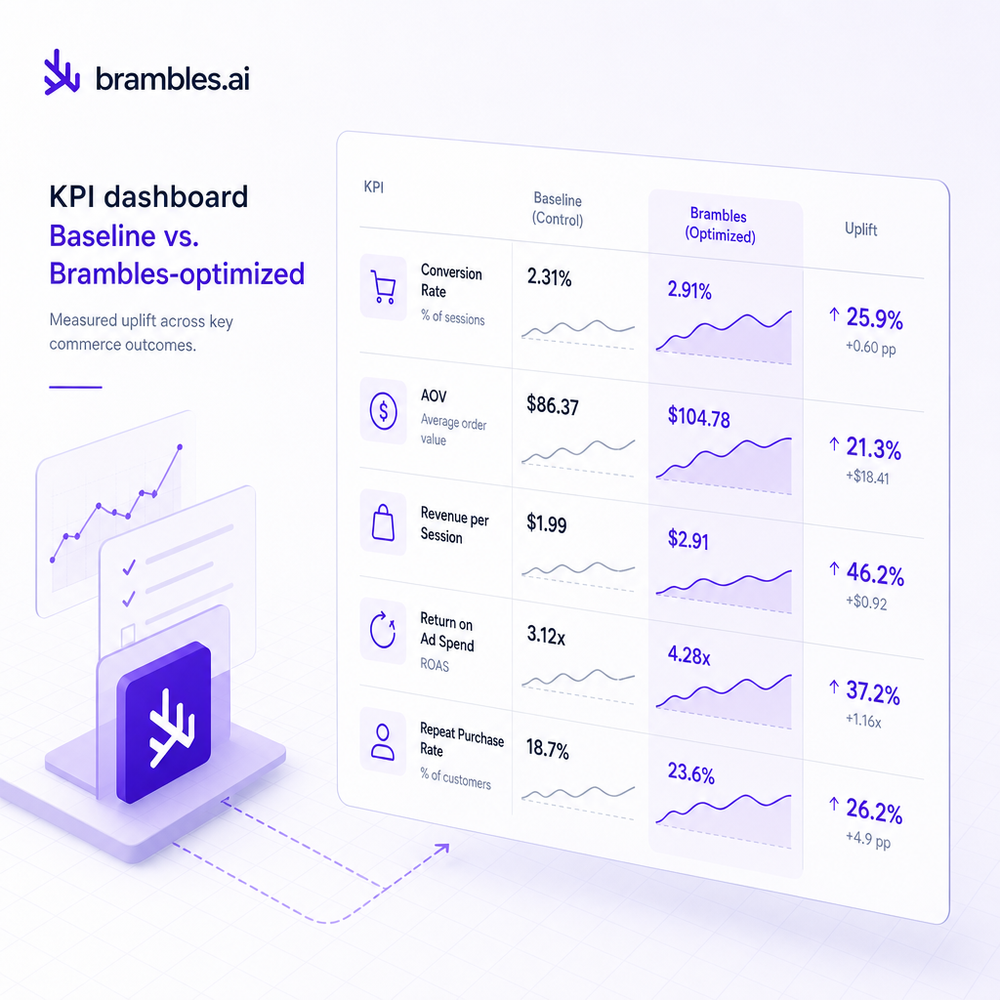
Your north star is EPC adjusted for refunds and sponsorship dilution. Track it alongside gross margin per session, conversion rate, AOV, click latency, and OOS deflection (how often the system rescues dead links with alternatives). Use a clean A/B or geographic split so you can attribute lift with confidence.
Two snapshots from recent rollouts: a beauty publisher saw EPC +27% and refund‑adjusted margin +15% after enabling proactive alternatives on OOS items and promoting merchants with faster delivery promises (a Baymard-validated conversion lever). A niche gaming site added a sponsored slot with quality gates; retail media contributed 12% of revenue without suppressing organic EPC. When you’re ready to scale, align pricing plans to your traffic shape and seasonal peaks.
First‑Party Data, Disclosure, and Trust
Trust fuels conversion. Brambles.ai supports explicit affiliate disclosure inside the conversation so users understand how recommendations are funded without feeling tracked. Keep the tone plain and human—users reward clarity. Our tests show disclosure reduces friction when the assistant explains why a merchant is suggested (in stock, quicker ship, easier returns).
For cookieless realities, lean on first‑party context—page topic, declared preferences in chat—and avoid fingerprinting. This matches Brambles.ai’s mission of a cleaner, ad‑light shopping internet while keeping monetization strong. You can fine‑tune tone, safe responses, and brand visuals so recommendations feel native across editorial and storefront surfaces.
Common Pitfalls and How to Avoid Them
Don’t chase commission alone. The highest rate often pairs with low conversion, slow shipping, or strict returns that nuke margin after refunds. Weight your score for predicted net margin, not gross rate. Refresh rate cards weekly, and factor regional stock and delivery cutoffs. Maintain an editorial override list for products where merchant pairing is part of the story.
Add fallbacks. If the top merchant drops out of stock or raises price, the assistant should replace it mid‑conversation. Proactive suggestions can preempt rage‑clicks when a link 404s or a coupon expires. For larger orgs with SLAs, use enterprise controls for approvals and change windows before seasonal surges.
What’s Next: Agentic Bundling and Faster Paths to Purchase
The roadmap is agentic. If a shopper asks for a home-office bundle, the assistant can assemble a chair, desk, and lamp from different merchants that together maximize conversion and margin while honoring user constraints. Direct add to cart reduces hops. Visual confidence boosters like virtual try‑on and view in room close hesitation loops and shift traffic toward the merchants that best satisfy the brief.
If your audience skews mobile, enable the native mobile shopping experience for faster load and smoother handoff to carts. It pairs well with conversational flows and shortens the time to a confident purchase—key for EPC on social-sourced traffic. For deeper UX context, see how conversational patterns outperform legacy search UIs.
FAQ
Will this bias toward the highest commission merchants?
No. The ranking prioritizes predicted net margin and conversion likelihood, not just commission. Stock, delivery speed, return friction, and refund rates are all part of the score. You can also set minimum quality thresholds and blacklist merchants that don’t fit your editorial standards.
What data do we need to start?
Affiliate IDs, current rate cards, and a list of core merchants. Optional but helpful: historic EPC by category, return rates, and shipping SLAs. Brambles.ai can infer gaps over time as the model learns from clicks and conversions grounded in your content.
How fast can we implement?
Most publishers ship an initial test in a week: add the script, connect networks, and embed on 10–20 high‑traffic pages. WordPress sites go faster via the plugin. Technical teams can follow the integration guide to roll out sitewide with a proper holdout test.
How does this work for brands and retailers?
Brands can participate as merchants in publisher mixes and also deploy the assistant on their own sites to route shoppers to the best SKU or bundle. Customer service and order lookup extend the same assistant post‑purchase—reducing WISMO tickets and protecting margin.
Does it work on mobile and in articles?
Yes. Use the floating AI chat on every page and place inline embeds inside buyer’s guides and deal posts. On mobile, the native experience keeps the conversation fast and tappable, driving higher EPC from social and newsletter traffic.
Related resources on Brambles.ai
If you are implementing this, start with Brambles.ai, about Brambles.ai, developer docs, contextual ads.
Related posts
View all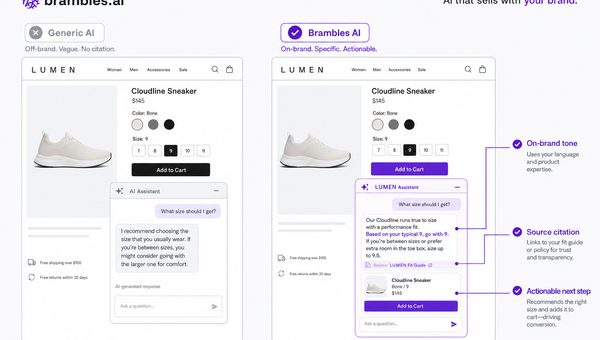
Brand-Consistent AI Chats Build Trust and Conversions
When AI mirrors your brand voice, shoppers relax—questions get answered, carts grow, and support load drops. Learn the playbook to align tone, trust, and ROI.
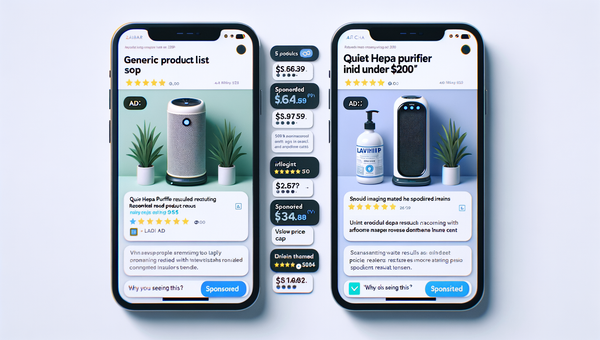
Sponsored Products in AI Shopping: Retail Media 101
Learn how sponsored product placements power AI shopping, how bidding and relevance work, and how to implement retail media without eroding trust or UX.
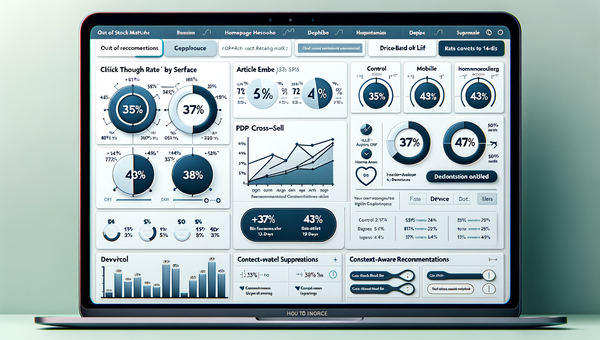
How Context-Aware AI Recommendations Lift CTR
See how context-aware AI recommendations lift CTR by 25–60% with intent signals, page context, and history. Practical steps, KPIs, and implementation tips.
Explore Brambles.ai
Learn more about our AI-powered agentic commerce platform, agentic shopping, and shopping assistance solutions.
Explore More Insights
Discover more articles on AI, automation, and business innovation
View All Articles