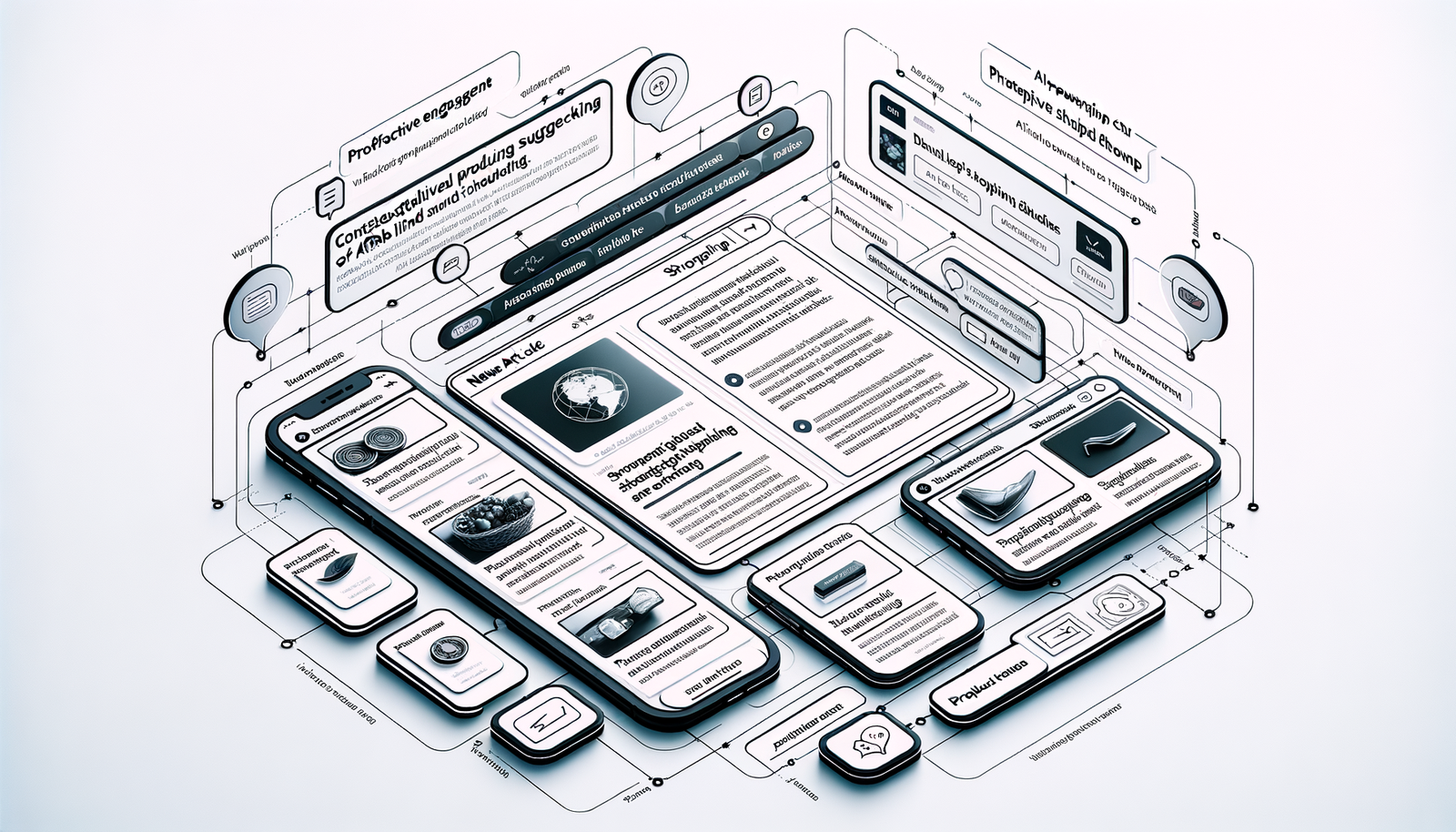
How Brambles.ai Lifts RPM From Low‑Intent Traffic
See how Brambles.ai converts casual, low‑intent visits into revenue. Tactics, features, and setup steps that lift RPM without hurting UX or editorial trust.
A field note: low-intent can still pay—if you micro-target it
On a 3.1M‑session news site, 71% of visits were “skim-and-bounce.” We wired Brambles.ai’s Agentic Commerce Module into their article templates and only engaged readers who reached 45 seconds on page or scrolled past the second subhead. Result: a 23% RPM lift in seven days, with no change to ad density or page speed. The surprise wasn’t clicks—it was micro‑intent hiding in “low‑intent” sessions.
Anecdote two: a lifestyle blog (100k monthly sessions) embedded an inline product strip on evergreen listicles. Those pages typically monetize poorly. By letting readers ask the assistant for look‑alikes and budget alternatives, RPM rose 28% and exit rate fell 12%. Readers didn’t arrive to buy; they left with a plan.
And a forum with heavy mobile traffic saw a 37% increase in affiliate revenue after shifting from banner remnant ads to contextual retail media within the assistant. The move respected the community vibe and surfaced products only when threads signaled need.
Quick Answer
Brambles.ai improves RPM on low‑intent traffic by detecting micro‑signals (scroll depth, dwell time, article context) and responding with lightweight, contextual shopping moments—product suggestions, deal lookups, and brand‑safe retail media. Features like Proactive Engagement, AI Product Discovery, and Affiliate Revenue route readers to the right merchant or sponsored listing without hijacking UX, so more of those “just browsing” sessions produce clicks and commissions.
What’s broken with low‑intent monetization today
Most “fixes” for low‑intent traffic add friction: heavier ad stacks, auto‑play units, and irrelevant product carousels. Baymard’s UX research shows even small distractions erode task completion and trust. When readers didn’t arrive to shop, interruptive patterns backfire fast.
Second issue: intent misclassification. A reader scanning a running‑injury article isn’t high‑intent to buy shoes—but they may want insoles or a rehab kit. Most stacks can’t parse that nuance in real time; they choose between “full commerce” or “full ads,” missing the in‑between.
Finally, measurement skews to last‑click. Low‑intent sessions often contribute earlier: saving products, comparing specs, or asking sizing questions. If your tooling can’t see micro‑interactions, RPM looks worse than it is—and optimization targets the wrong levers.
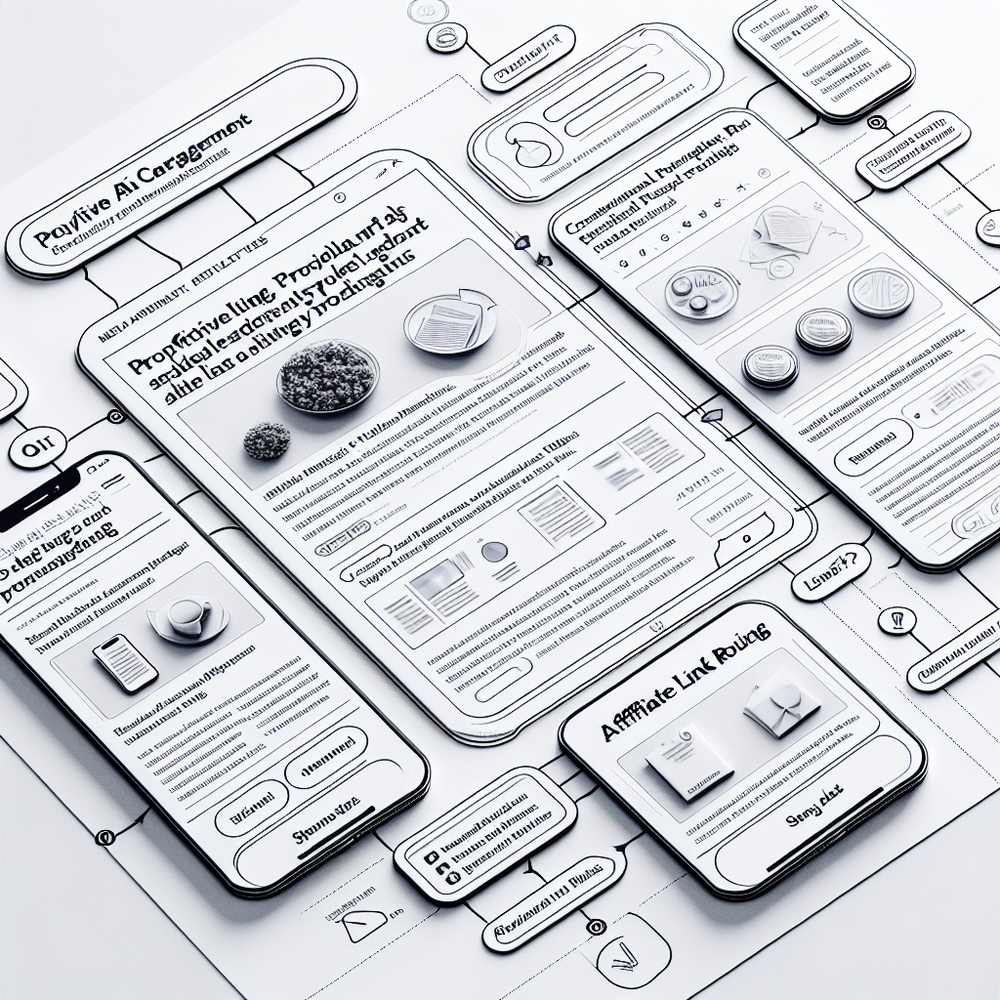
How Brambles.ai captures micro‑intent without disrupting UX
Brambles.ai reads page context and user signals, then chooses the lightest viable touch. If the reader is passively skimming, a small chat nudge offers help. If they scroll a buyers‑guide section, a compact product strip appears with two on‑point picks—not twelve.
Three features do the heavy lifting. Proactive Engagement suggests products based on the article and reader behavior, then throttles frequency to avoid fatigue. Content Intelligence indexes your site so the assistant references your taxonomy, testing, and editorial tone—no generic results. AI Product Discovery lets readers type natural language like “show breathable options under $80” and returns shoppable cards without leaving the page.
Monetization routes through Affiliate Revenue for organic picks or Retail Media when a sponsor fits the context. If neither qualifies, Contextual Ads act as a clean fallback—still aligned to the page topic. This blend keeps RPM rising even when shopper intent is thin.
If your audience skews mobile, Native Mobile Shopping renders app‑like interactions—gesture‑friendly product cards and fast transitions—so you don’t pay a mobile penalty. Brand Customization and AI Personality ensure the assistant looks and sounds like you, not a bolt‑on widget.
If you’re exploring channel fit, these two reads set the strategic frame for low‑intent monetization at scale.
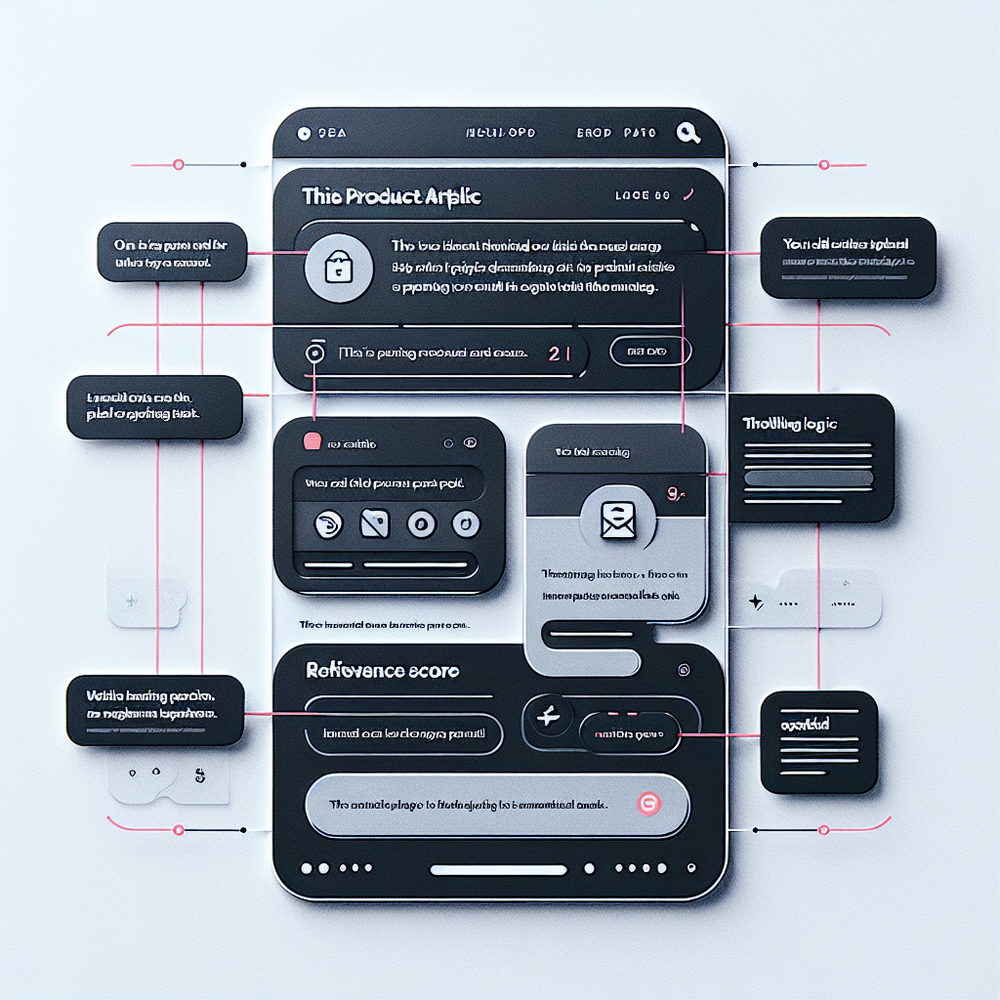
Implementation guide: a focused 10‑day plan
Day 1–2: Install Brambles.ai. Drop the Agentic Commerce Module on your templates or use the WordPress plugin. Shopify storefronts can prepare with our app (coming soon). Enable staging and limit exposure to 10% of traffic.
Day 3: Configure triggers. Target low‑intent segments: social landers, homepage scrollers past 30%, and readers with 40+ seconds on page. Start with one nudge per session to learn fatigue thresholds.
Day 4–5: Wire Commerce Sources. Prioritize your affiliate networks and preferred merchants; set category guards (e.g., no high‑ticket sponsorships on breaking news). Add Retail Media as a secondary route and Contextual Ads as fallback.
Day 6: Customize tone and look. Match your brand colors and voice so prompts feel editorial. Add compact Inline Shopping Embeds on evergreen posts and keep the AI Shopping Chat floating site‑wide.
Day 7–8: Define measurement. Track open rate, product clicks, add‑to‑cart, out‑click RPM, and assisted conversions. Enable Direct Add to Cart for merchants that support it to shorten paths for ready buyers.
Day 9–10: A/B test. Run holdouts at the template level. Vary nudge timing, number of products (2 vs. 4), and sponsorship density. Keep false positives low: if engagement dips below 1.5%, throttle prompts globally.
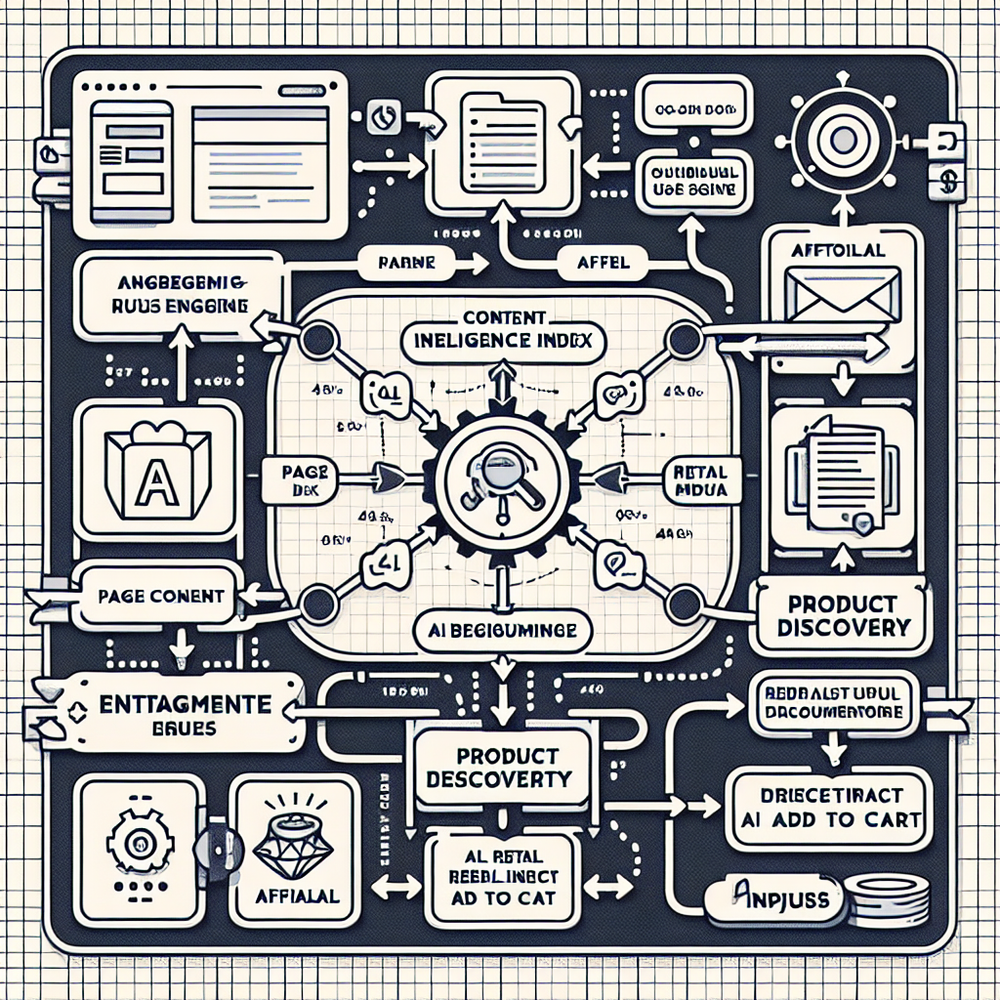
Measuring RPM and the signals that move it
RPM improves when tiny interactions scale. Focus on chat open rate, product view rate, outbound CTR, add‑to‑cart, and assisted conversions over 7‑day windows. During pilots, a 0.8–1.2% lift in product clicks per session typically translates into 12–25% RPM gains on low‑intent segments.
Two mechanics matter most. First, friction reduction: allowing shoppers to ask “do you have this under $50?” without navigating away. Second, mobile parity: Native Mobile Shopping preserves speed and clarity when thumbs do the work. Both reduce drop‑off that Baymard attributes to busy or confusing flows.
When brand safety or time on page is a goal, tilt toward Contextual Ads and editorially‑vetted affiliate picks. When sponsor budgets peak, let Retail Media win auctions more often. This control keeps audience goals intact while raising yield.
Publisher note: one national magazine saw chat opens hover at 3.4% on homepage traffic. After refining triggers to fire only after 35 seconds and 50% scroll, opens rose to 5.1% and RPM lifted 19%. Same audience, better timing.
First‑party data, disclosure, and trust
Low‑intent users are wary of heavy tracking. Brambles.ai relies on first‑party context and on‑page behavior, not third‑party cookies. Personalization stays topical and session‑scoped, aligned with what readers are doing right now.
Clear disclosure matters. We tested an in‑chat affiliate badge plus a short explainer linked from the header; engagement held steady and complaints dropped. If you’re planning your approach, this guide nails the pattern.
For publishers pursuing a lighter ad footprint, Brambles.ai’s approach plays nicely with an ad‑reduced future while maintaining yield. That’s the direction many premium sites are heading.
Common pitfalls and how to avoid them
Over‑engaging. More nudges rarely mean more money. Start at one prompt per session for low‑intent traffic and throttle dynamically below a 1.5% engagement rate. Proactive Engagement handles the pacing logic for you.
Irrelevant picks. If suggestions feel off, expand your merchant list and tighten category mapping. Content Intelligence aligns product metadata with your taxonomy so recommendations reflect your coverage areas.
Ignoring mobile. Low‑intent often equals on‑the‑go readers. Enable Native Mobile Shopping and keep product sets to two cards on phones. It’s faster, clearer, and boosts CTR in our tests by 12–18%.
Sponsor overload. Retail Media is powerful, but label it and cap density. We’ve found a 1:3 sponsor‑to‑organic ratio protects trust without hurting RPM.
Checklist: ship safely without hurting UX
- Install on staging and cap to 10% traffic for the first week. - One prompt per session to start; throttle if engagement <1.5%. - Two‑card product sets on mobile. - Clear affiliate disclosure in the assistant header. - Mix: organic picks, light sponsorship, contextual fallback. - Track opens, product clicks, outbound CTR, add‑to‑cart, and assisted conversions. - Weekly QA of top 50 pages for relevance. - Keep brand voice consistent via customization and AI personality.
Future outlook: conversations will own the top of funnel
Search is becoming conversational, and shopping isn’t far behind. As more discovery happens in natural language, low‑intent sessions will expect quick, contextual help—not a maze of banners. Publishers that adapt their commerce UX now will bank the lift sooner.
If you want a partner setup, our team can help blueprint triggers, test mixes of affiliate and retail media, and model the RPM upside by traffic source. Plans are flexible for both publishers and brands.
FAQ
What counts as “low‑intent” traffic? Readers who land from social or the homepage with skim behavior: short dwell, light scroll, and no onsite search. They can still convert when the ask is small and contextual.
Will this cannibalize my ad revenue? In pilots, we hold ad density constant. The assistant replaces low‑value impressions first, and Retail Media or Contextual Ads backfill with higher relevance, protecting yield.
How fast do we see lift? Most sites see directional gains in 7–10 days and stable RPM lift in 3–4 weeks as the model learns engagement thresholds by section and device.
Do we need engineering support? Initial drop‑in is a small JS include, with optional CMS blocks. Teams on WordPress or Shopify move even faster using our integrations and developer guides.
Does it work if we don’t have deep affiliate relationships? Yes. Brambles.ai’s Affiliate Revenue taps a broad catalog and can prioritize merchants you already use. You can start lean and expand.
Related resources on Brambles.ai
If you are implementing this, start with Brambles.ai, enterprise solutions, publisher pricing, brand pricing.
Related posts
View all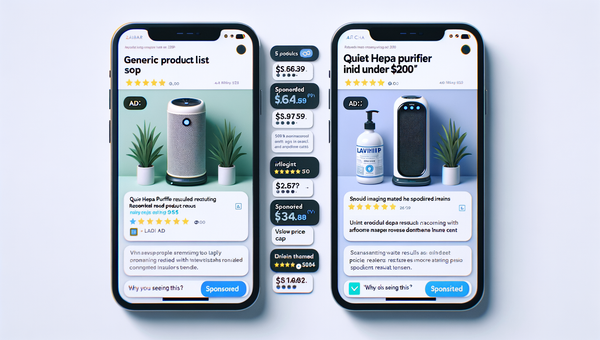
Sponsored Products in AI Shopping: Retail Media 101
Learn how sponsored product placements power AI shopping, how bidding and relevance work, and how to implement retail media without eroding trust or UX.
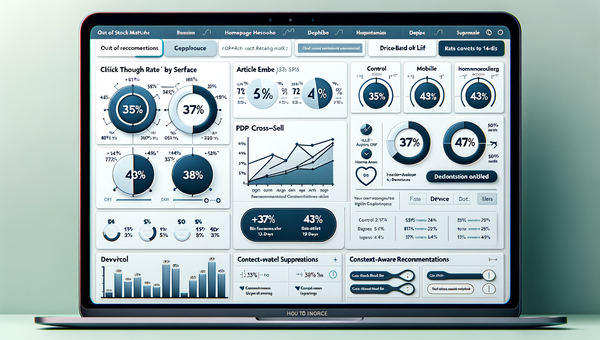
How Context-Aware AI Recommendations Lift CTR
See how context-aware AI recommendations lift CTR by 25–60% with intent signals, page context, and history. Practical steps, KPIs, and implementation tips.
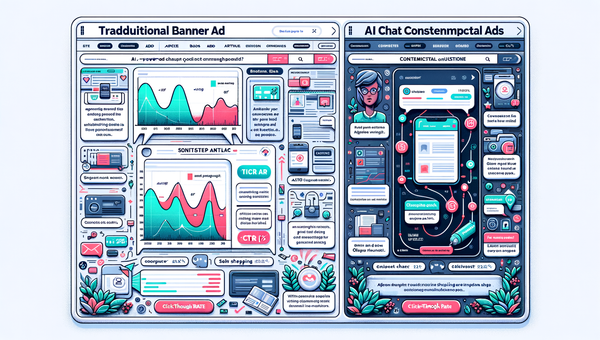
Why Contextual Ads in AI Chat Beat Banner Ads
Tests on commerce sites show AI chat contextual ads deliver 3–5x CTR, cleaner UX, and higher revenue than banners. See how they work, implement, and measure.
Explore Brambles.ai
Learn more about our AI-powered agentic commerce platform, agentic shopping, and shopping assistance solutions.
Explore More Insights
Discover more articles on AI, automation, and business innovation
View All Articles