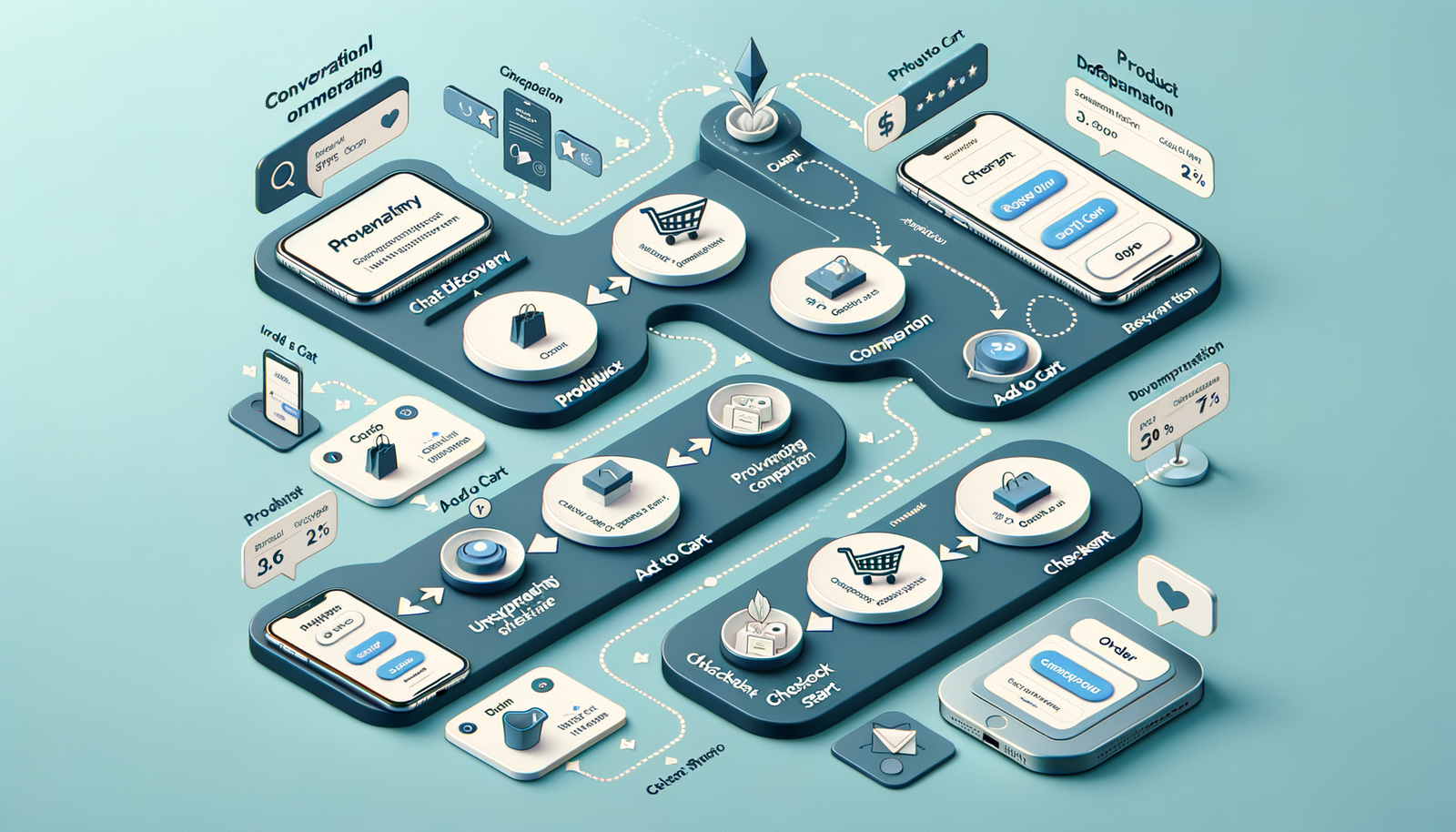
How Brambles.ai Handles Checkout Drop-Off in Chat Journeys
How Brambles.ai cuts checkout drop-off in chat: direct add to cart, proactive reminders, cart continuity, clear KPIs, and a practical setup checklist.
How Brambles.ai Handles Checkout Drop-Off in Chat Journeys
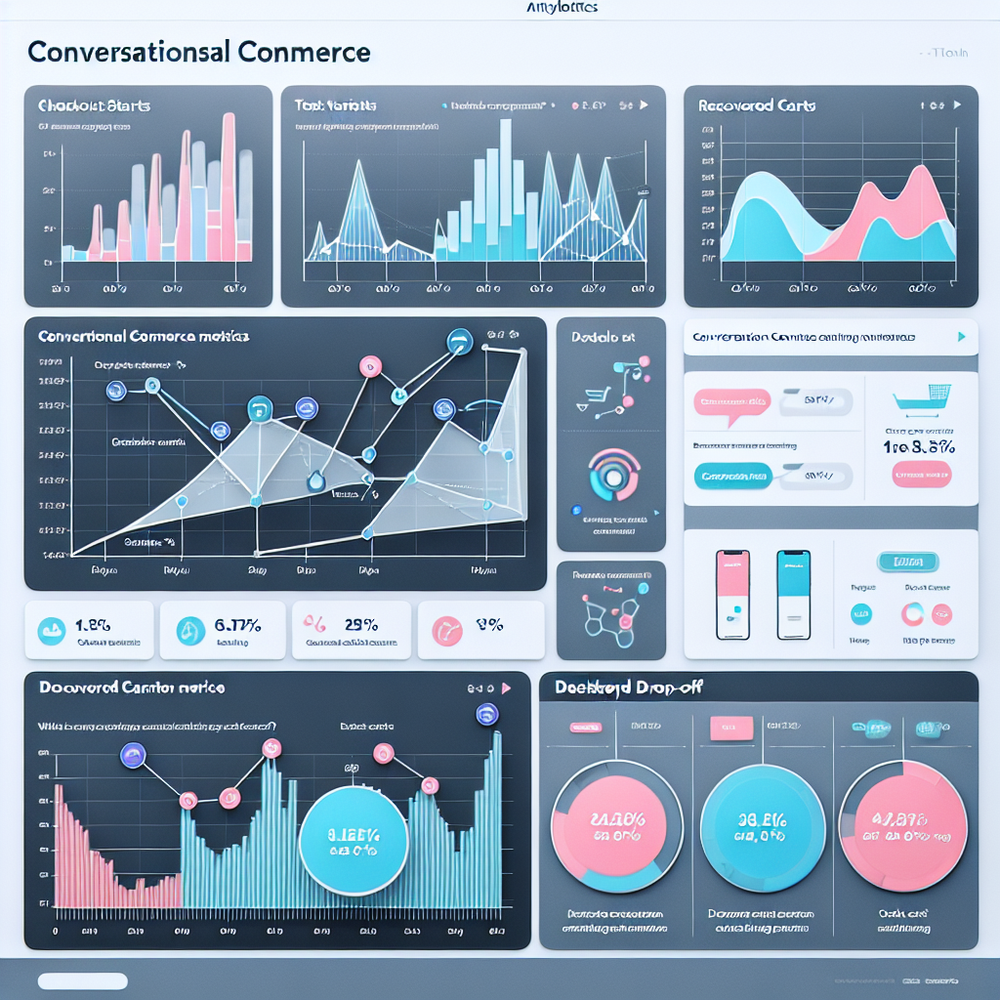
In a 180k-session test with a lifestyle publisher, conversational journeys powered by Brambles cut checkout drop-off 24% after we enabled direct add-to-cart and a single proactive nudge at checkout start. The surprise wasn’t the nudge—it was session continuity. People left, came back two hours later, and the cart was still there in chat, right where they left off.
A bedding retailer saw 13% of “almost-checkouts” recovered when chat summarized fees and delivery ETA before redirecting to the merchant’s payment page. Another win: a media site’s revenue per visit rose 17% after we trimmed one extra handoff in the flow. Less context switching, fewer dead ends.
This playbook breaks down exactly how Brambles handles checkout drop-off in conversational journeys—where users hesitate, how we stitch sessions together, and what to measure so you know it’s working.
Quick Answer
Brambles reduces checkout drop-off by keeping users in a guided chat flow, minimizing context switches, and preserving cart state across visits. Direct add to cart from chat, proactive yet respectful reminders, and clear cost/availability summaries prevent last‑minute surprises. If the purchase finishes on a retailer site, the cart and referral tracking persist. Teams implement this via a lightweight snippet and prebuilt triggers, then track KPIs like checkout starts, drop-off rate, and recoveries.
What’s Broken About Checkout in Conversational Commerce
Most drop-off stems from context loss. Users bounce between chat, PDPs, and external checkout, and each hop adds uncertainty. On mobile, a single unexpected redirect can spike exits by double digits, especially if totals change late in the flow (Baymard’s research echoes this).
Publishers face a special bind: you don’t own the checkout, but you’re blamed when handoffs feel janky. Without cart persistence in chat and transparent costs, users stall. For commerce writers, this hurts session RPM and reader trust.
Design debt compounds it. Tiny copy on shipping cutoff time, no back-to-cart shortcut, and vague return policies add friction. The result: good intent dies between add-to-cart and payment.
How Brambles.ai Actually Handles Drop-Off
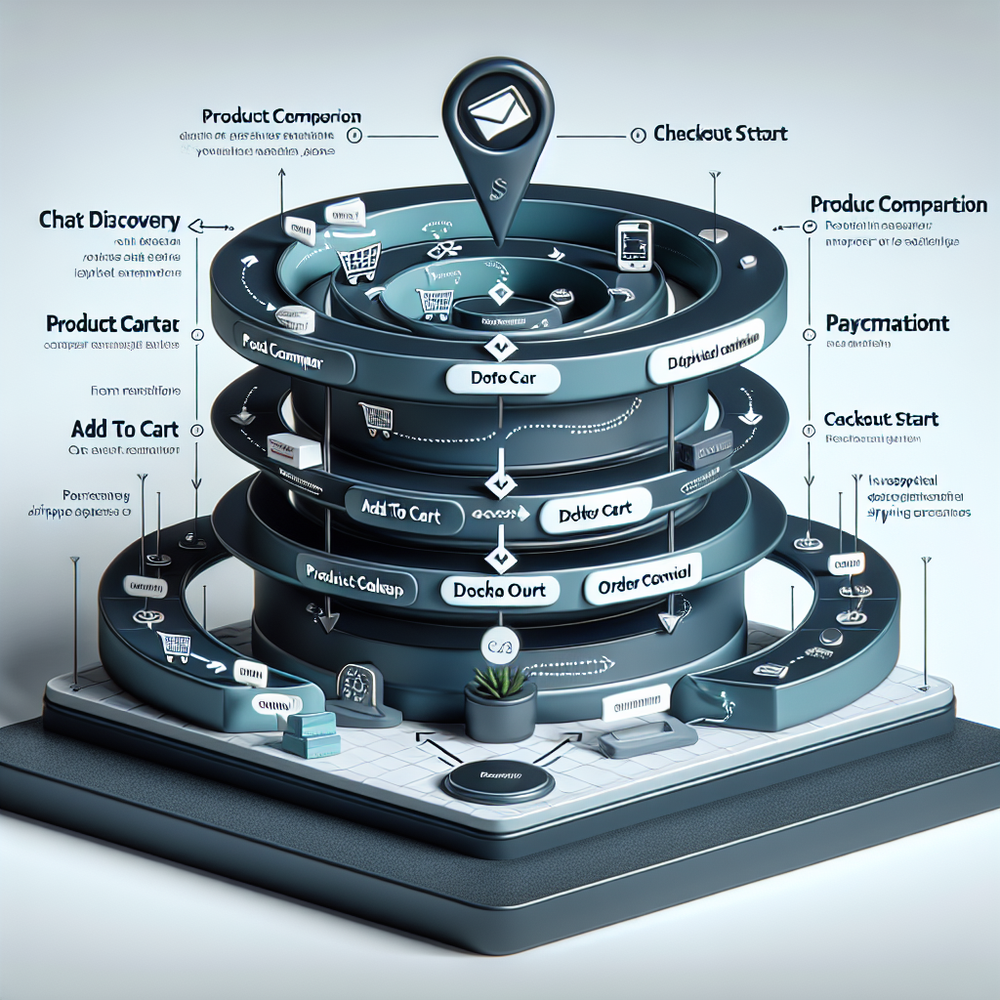
First, the assistant clarifies the cart before checkout—sizes, shipping window, and return basics—so people don’t encounter last-minute surprises. This uses AI product discovery to confirm preferences and variants, then composes a ready-to-buy cart.
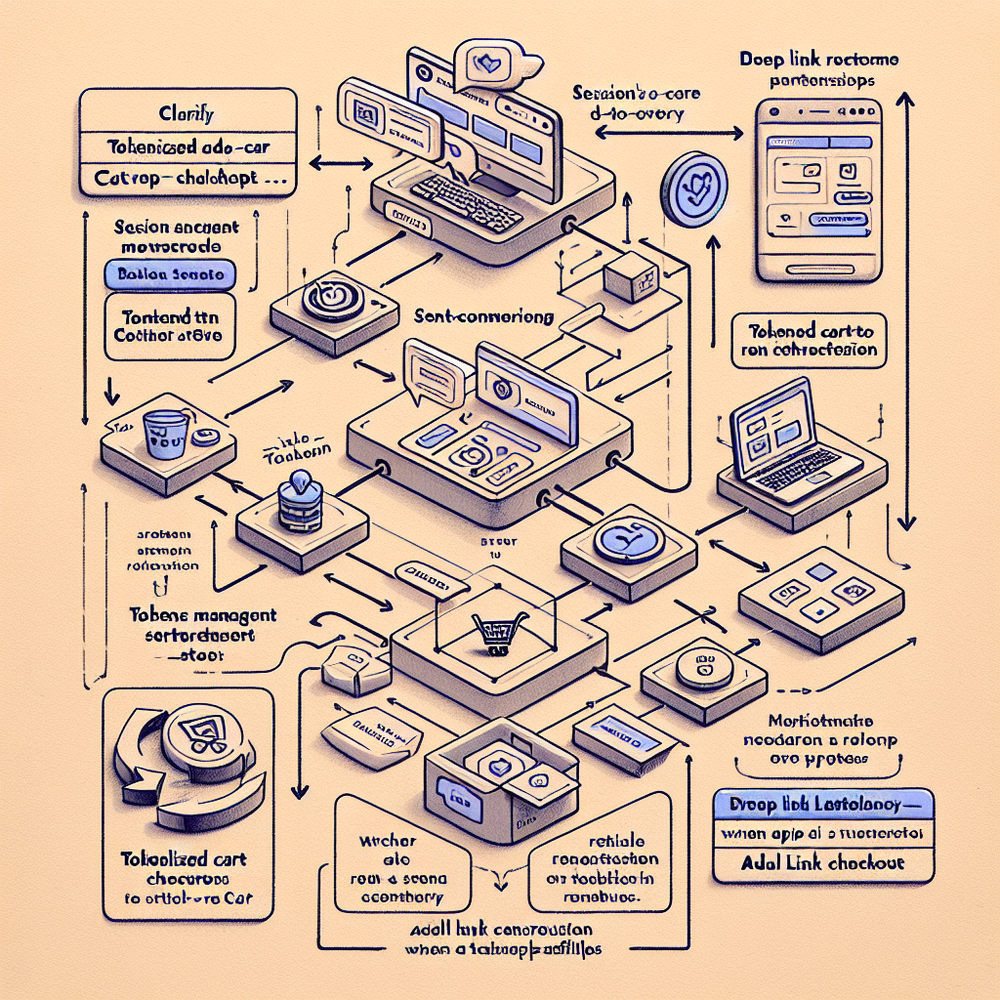
Next, direct add to cart lets users commit without leaving chat. If the merchant supports it, we pass a secure cart token to the retailer so the cart appears prefilled on their site. If not, we fall back to a tracked deep link that rebuilds the cart on arrival.
Proactive engagement steps in only when helpful: a subtle reminder if a user hesitates at checkout start, or a context-aware prompt when an item goes out of stock. All of it is powered by content intelligence so the assistant understands your catalog and policies.
In a home décor rollout, this trio—clarify, commit in chat, nudge sparingly—cut drop-off 19% and recovered 8% of carts within 24 hours. The kicker: fewer redirects meant faster perceived speed on mid-tier Android devices.
Implementation Guide: From Snippet to Recovery Nudges
Teams typically go live in days, not months. Drop-off handling rides on a lightweight snippet, a few toggles, and optional merchant API hooks.
Step-by-step setup:
- Install the widget via the Agentic Commerce Module or the WordPress plugin. Shopify support is available for brand stores.
- Index your catalog and policies so chat can summarize totals, shipping, and returns.
- Enable direct add to cart for supported merchants; otherwise, use deep-link cart reconstruction.
- Configure proactive reminders at checkout start and post-bounce (e.g., 2–24 hours).
- QA on mobile: verify cart persistence across tab closes and logouts.
Recommended features to flip on:
- AI shopping chat: a floating assistant on every page for low-friction recovery.
- Direct add to cart: lets ready shoppers move without extra page loads.
- Proactive engagement: one nudge at checkout start; one respectful follow-up later.
Preflight checklist:
- Shipping and tax logic verified in chat summaries.
- Return policy snippet is <200 characters and readable on mobile.
- Cart token roundtrip tested for each key merchant.
- Out-of-stock substitutions configured.
- Analytics events firing for add-to-cart, checkout start, drop-off, and recovery.
Measuring ROI and KPIs That Matter
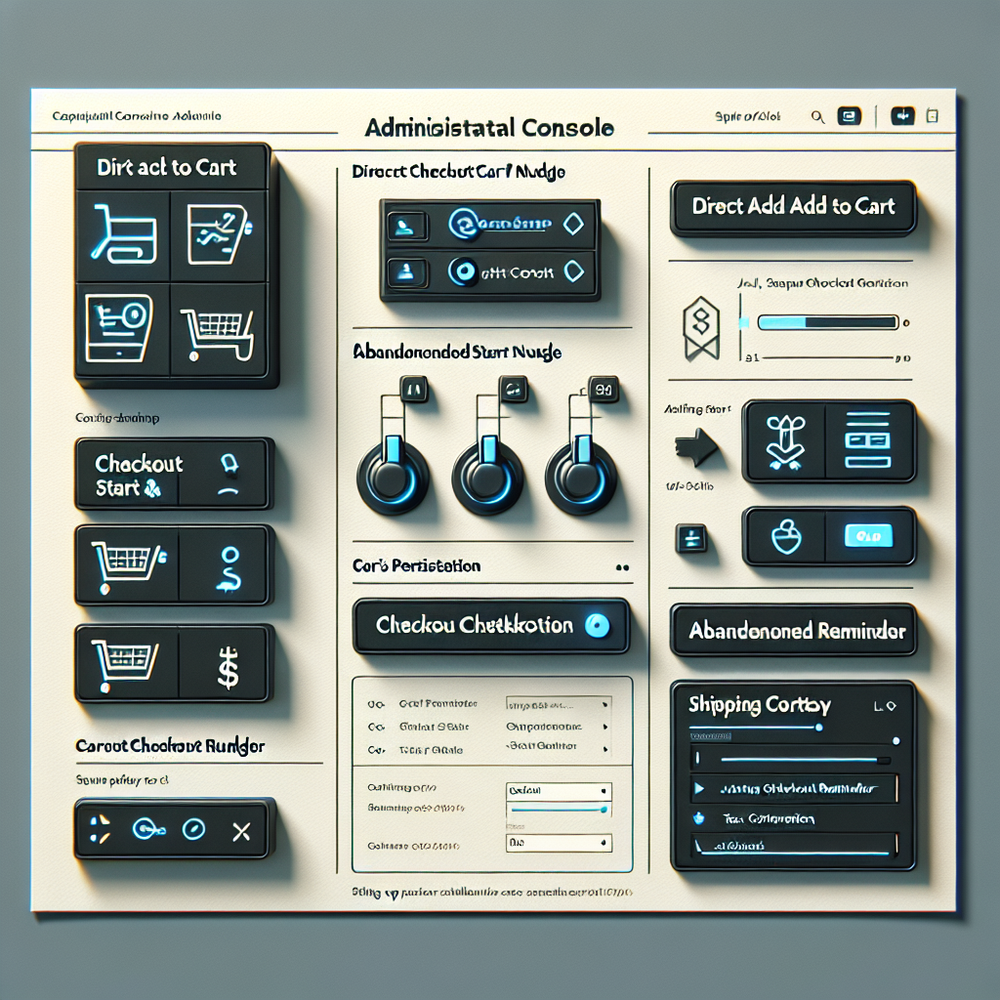
If you can’t measure the handoff, you can’t fix the drop-off. Track the entire journey—chat intent → cart creation → checkout start → payment—by channel and device.
Core KPIs: checkout start rate, drop-off rate (from start to payment), recovered carts within 24h, revenue per visit, and time-to-checkout. Segment by mobile vs. desktop; McKinsey and Salesforce show mobile impatience is real, and your counters should reflect that.
One apparel publisher lifted RPV 14% after trimming a redundant PDP hop uncovered in event trails. Another reduced post-bounce drop-off 11% by delaying the reminder from 30 minutes to 2 hours—just enough time to feel respectful instead of pushy.
Instrumentation tips: ensure cart tokens log a checksum, store handoff timestamps, and tag every reminder with a variant ID. Weekly, compare cohorts with/without proactive nudges to confirm lift persists, not just novelty.
First‑Party Data, Disclosure, and Trust
Trust erodes drop-off. Clear costs and plain-language consent reduce anxiety at the moment of purchase. We keep summaries short, scannable, and early—before the redirect.
For publishers, explicit affiliate disclosure in chat matters. A short, conversational line at checkout start consistently beats footers users never read. We built patterns that follow UX research and legal best practice without killing momentum.
Two small helpers: AI personality to match your editorial tone, and brand customization so the handoff feels native. Content intelligence ensures the assistant quotes real policies, not guesses.
Common Pitfalls (and How We Avoid Them)
Over-notifying tanks trust. One well-timed nudge at checkout start, one follow-up later, wins more than a flurry. We also avoid forcing account creation mid-chat; we summarize guest checkout first.
Stock shifts cause silent failures. The assistant proactively suggests in-stock alternatives with similar specs and price when an item flips. If delivery dates slip, we explain the delta before handoff, not after.
Support black holes also spike exits. We surface order lookup and returns flows in chat so shoppers don’t bail to email or phone, and we keep the cart alive in the background.
Future Outlook: Confidence Features That Shrink Drop-Off
Confidence closes checkouts. Seeing is believing, especially on mobile. Expect richer previews inside chat that answer fit and placement questions before payment.
Virtual try-on for apparel and beauty reduces returns and last-minute doubt by showing the product on the shopper. View in room does the same for furniture and decor. For media, video discovery highlights reviews at the precise buying moment.
All of it lands better with a native mobile shopping experience—fast taps, minimal reloads, and persistent state between app and web. That’s where drop-off quietly disappears.
FAQ
Does Brambles require owning the checkout to reduce drop-off?
No. We preserve intent and cart state in chat, then pass a cart token or deep link to the retailer. Users arrive with items and totals intact, which meaningfully reduces exits even without a native checkout.
Is Direct Add to Cart only for Shopify merchants?
It works with Shopify and other platforms that expose cart APIs. If APIs aren’t available, we rebuild carts using deep links so the experience still feels seamless.
How do publishers measure lift if revenue flows through affiliates?
We track add-to-cart, checkout starts, and recoveries, then reconcile with affiliate conversions. Publishers typically see lift in RPV and recovered carts even when checkout is offsite.
What disclosures and consent patterns work best in chat?
Short, upfront disclosures at checkout start perform best. Keep it human, keep it visible, and avoid modal overload. Our prebuilt patterns align with UX research and legal guidance.
How fast is implementation?
Most teams launch core flows in under two weeks. Publishers often ship faster via the WordPress plugin; brands add merchant APIs as a second phase.
Related resources on Brambles.ai
If you are implementing this, start with Brambles.ai, about Brambles.ai, developer docs, affiliate revenue.
Related posts
View all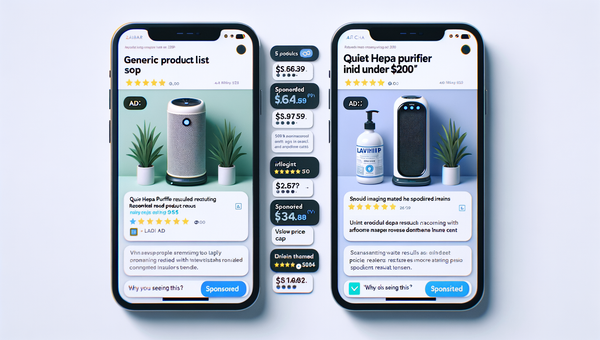
Sponsored Products in AI Shopping: Retail Media 101
Learn how sponsored product placements power AI shopping, how bidding and relevance work, and how to implement retail media without eroding trust or UX.
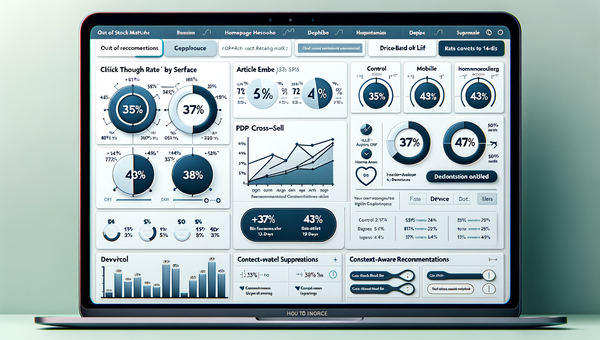
How Context-Aware AI Recommendations Lift CTR
See how context-aware AI recommendations lift CTR by 25–60% with intent signals, page context, and history. Practical steps, KPIs, and implementation tips.
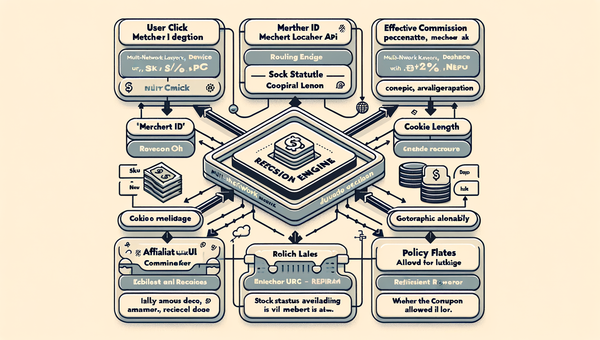
Multi‑Network Affiliate Optimization: Auto Best Rate
Route clicks across affiliate networks automatically to secure the highest commission, lift EPC, and preserve UX—practical tactics, data, and implementation ste
Explore Brambles.ai
Learn more about our AI-powered agentic commerce platform, agentic shopping, and shopping assistance solutions.
Explore More Insights
Discover more articles on AI, automation, and business innovation
View All Articles