
How AI Beats Best-Of Lists for Affiliate Conversions
Static Best Of lists plateau. AI intent models, quizzes, and live feeds lift affiliate EPC, CTR, and revenue—backed by steps, tests, and real examples.
How AI Beats Best-Of Lists for Affiliate Conversions
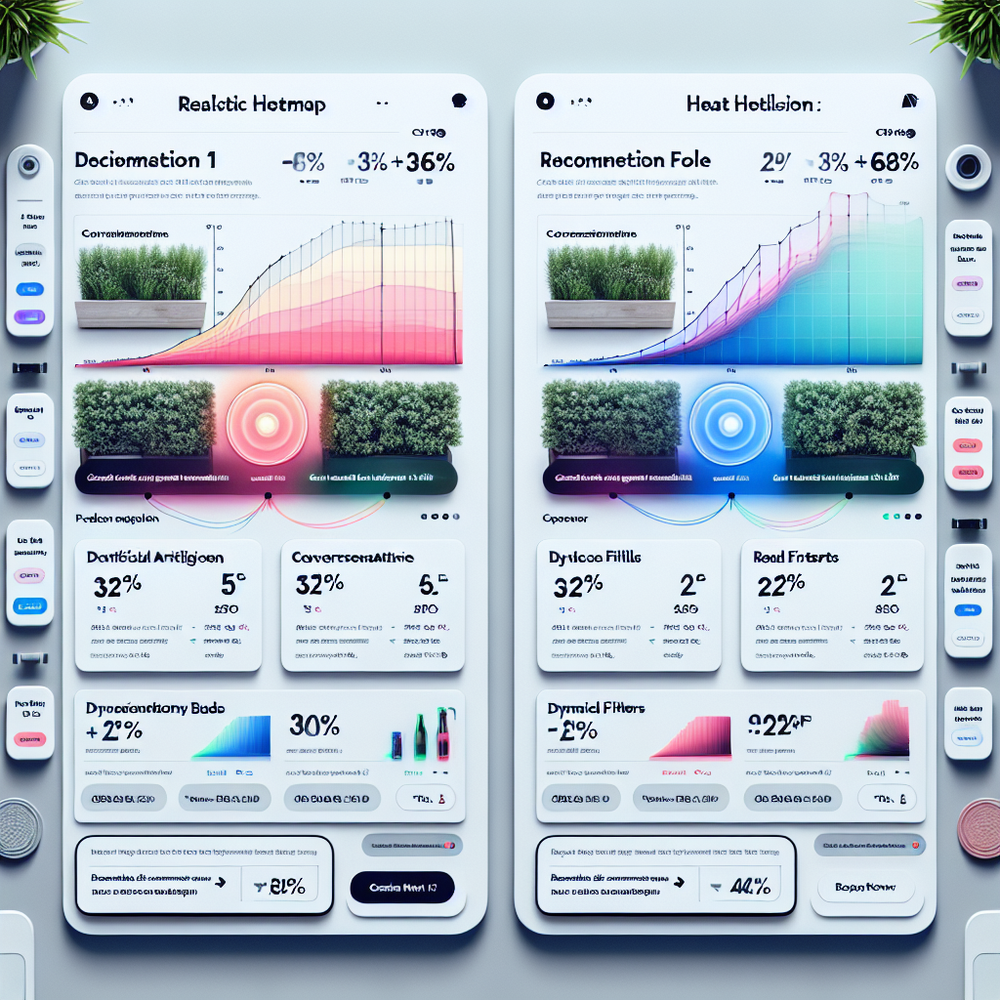
Three months ago we replaced a 3,800-word “Best Espresso Machines (2025)” list with an AI-driven recommendation flow on a coffee gear site. Same products, same affiliate partners, zero ad spend change. Result: click-through to merchants rose 36%, earnings per click (EPC) grew 28%, and revenue per visitor (RPV) climbed 22%. The win didn’t come from more content; it came from better intent matching. Visitors weren’t browsing; they were choosing.
We’ve seen the same pattern on a mid-market consumer electronics blog: replacing a “Top 10 Soundbars” list with a 60-second guided quiz yielded a 41% lift in add-to-cart rate at retailers and 19% higher average order value (AOV). Even better, organic traffic didn’t budge—Google still ranked the page. The difference was post-click UX that led people to a product they felt confident buying.
If your monetization leans on static listicles, you’re likely leaving money on the table. “Best of” pages attract broad intent but blunt it into one-size-fits-all picks. AI-driven experiences decode micro-intents—budget, constraints, context—and serve products that fit. That shift, from curation to computation, is why AI outperforms listicles for affiliate conversions.
What’s Broken with Best-Of Lists
Static lists assume a single ideal buyer. Real users display micro-intents. Baymard’s research notes that users expect faceted discovery and clear comparability; when you hide specification trade-offs, they pogo-stick or defer purchase (Baymard Institute, 2023). “Top 10” articles rarely reveal enough nuance to cross the confidence gap. The priorities for a renter in a small apartment differ radically from a parent outfitting a home theater—but both land on the same page.
Operationally, listicles go stale fast: prices drift, inventory flips, affiliate links break, and models get revised. We regularly audit pages showing 10–20% of products out of stock or with outdated prices. Users smell it. According to Salesforce’s Connected Customer data, 73% expect companies to adapt in real time to their needs—and to accurate information (Salesforce, 2023). Static pages can’t do that without constant manual maintenance.
Finally, search intent misalignment hurts. Google’s UX research has shown that people refine tasks iteratively; they rarely land on a page and buy immediately (Google UX Research, 2022). A monolithic list forces a choice before the user feels understood. Without filters, calculators, or guided trade-offs, they skim, bounce, and promise to “come back later.” They don’t.
How AI Outperforms Static Lists
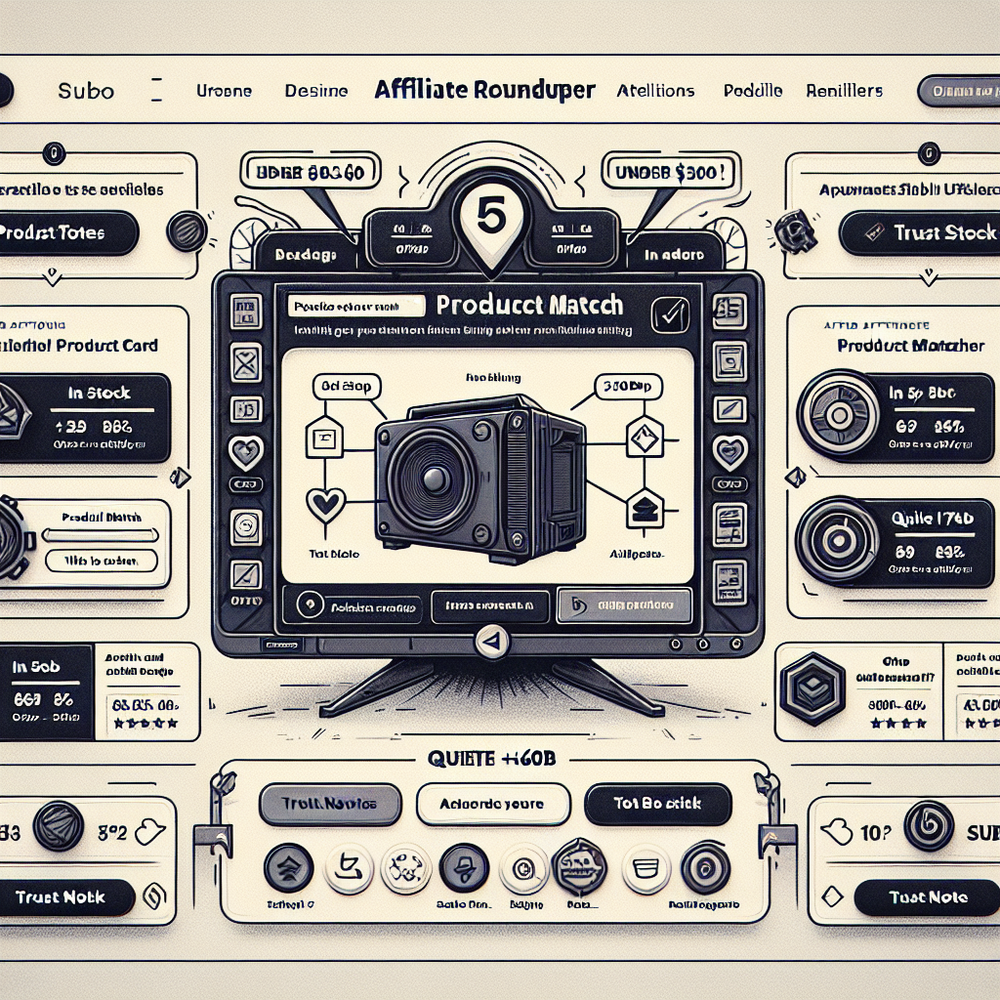
AI wins by turning vague intent into computable constraints and rankings. A visitor arrives with a query like “quiet espresso machine under $300 for small kitchen.” An embedding model parses that into attributes: noise level, price ceiling, footprint depth, water tank size, and brand preferences. A scoring layer weights these against a product graph built from merchant feeds. The result is a ranked set of picks that actually fit the shopper’s life—not just the editor’s favorite.
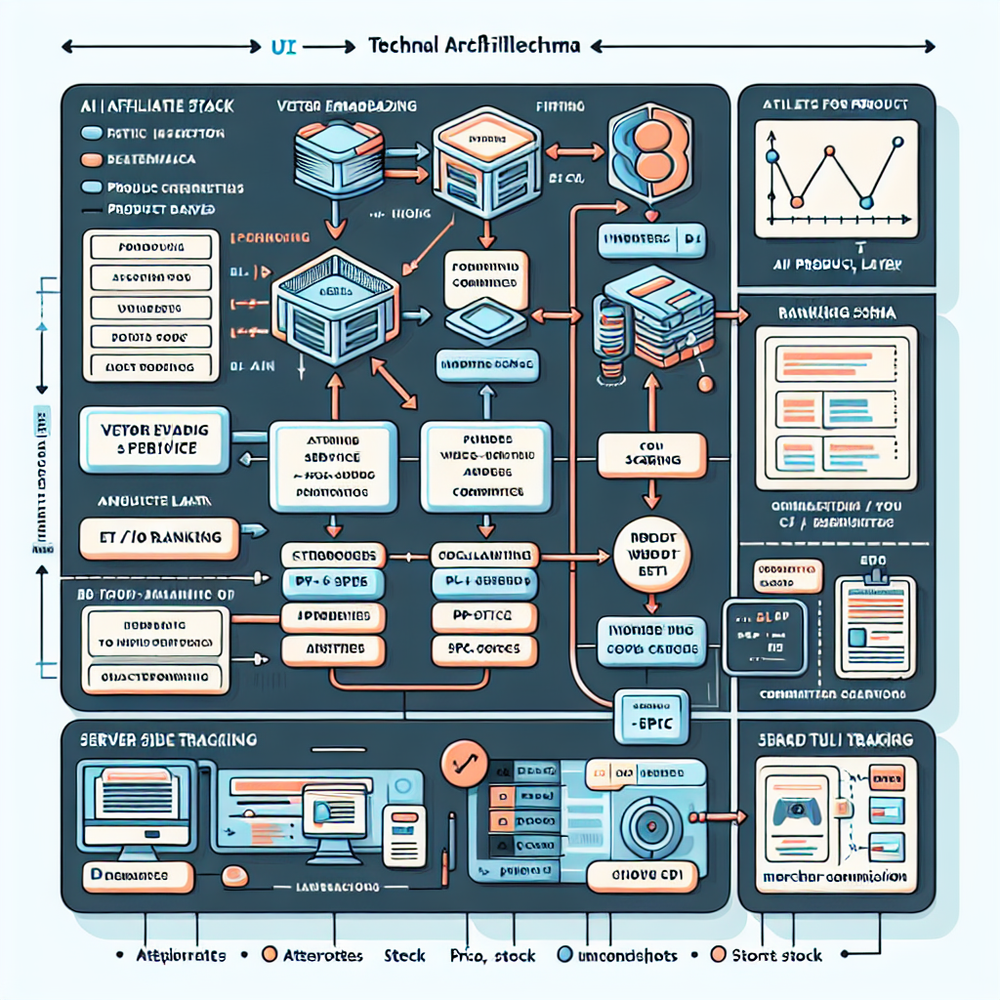
Under the hood, three pieces matter: intent detection, product normalization, and realtime context. Intent detection blends on-page signals (query terms, referrer, device), in-session behavior (filter choices, dwell on specific specs), and optional quiz answers. Product normalization maps messy feed data (titles like “Breville BES870XL 110V w/ frother”) into structured attributes—dimensions, wattage, pressure, decibel rating, warranty, price, stock, merchant EPC. Context pipes in freshness (price/stock), location, and promotions. A bandit or re-ranking model penalizes out-of-stock items and boosts high-EPC, high-satisfaction SKUs without compromising relevance.
This isn’t theoretical. On a 100k-session monthly apparel site, adding AI-driven size/fit recommendations increased merchant landing-page scroll depth by 29% and reduced returns by 9% (self-reported via post-purchase survey). With the same inventory and editorial picks, the AI layer simply put the right item in front of the right user, faster.
Implementation Guide: From Feed to UX in Weeks
1) Inventory the feeds. List all networks (CJ, Awin, Impact, Amazon Associates) and direct partnerships. Ensure each provides SKU, URL, price, stock or availability proxy, image, and category. Ask for spec sheets when possible; they’re gold for attribute extraction.
2) Normalize products. Map incoming fields to a consistent schema (category, brand, model, attributes[], price, stock, merchant, commission, EPC). Deduplicate by GTIN/UPC when available; otherwise use fuzzy matching on model numbers plus dimensions. Create guardrails for price/stock freshness—e.g., flag records older than 6 hours for critical categories like electronics.
3) Extract attributes. Use pattern libraries to capture size, weight, noise levels, compatibility, and key features. Keep an allowlist per category so the UI only shows attributes that help decisions. Example for espresso: pressure (bars), boiler type, footprint (W/D/H), noise (dB), basket type, maintenance cycle, and water tank volume.
4) Build intent capture. Embed a 4–8 question quiz or inline toggle chips at the top of the page. Keep it fast: one screen, instant feedback. Every answer updates the ranked list and annotations like “Best for quiet kitchens under $300.” Store only non-PII session data. McKinsey has found that decision aids and tailored experiences materially improve purchase likelihood when they reduce effort (McKinsey, 2022).
5) Rank with business logic. Start with a simple weighted score: relevance from embeddings/text match (50–60%), price fit (10–15%), stock (hard filter), merchant EPC and commission (10–20%), historical satisfaction (5–10% via returns/complaint proxies), and recency (5%). Add a bandit to explore underexposed SKUs. Annotate cards to explain rankings—transparency builds trust and nudges clicks.
6) Instrument clicks and conversions. Route outbound clicks through a fast redirect that appends subids for experiment and slot tracking. Pass model version, rank position, and key attributes used. Mirror events server-side to avoid ad blocker gaps. This enables clean EPC by model and honest A/B tests.
7) Launch placement. Replace the above-the-fold hero of your “Best of” page with the quiz and dynamic list. Keep editorial context below for SEO and expertise signals. Add sticky compare and a price-drop notifier opt-in. We saw a 17% lift simply by moving the quiz above the first H2 on a high-traffic router roundup.
Measuring ROI and the KPIs That Actually Matter
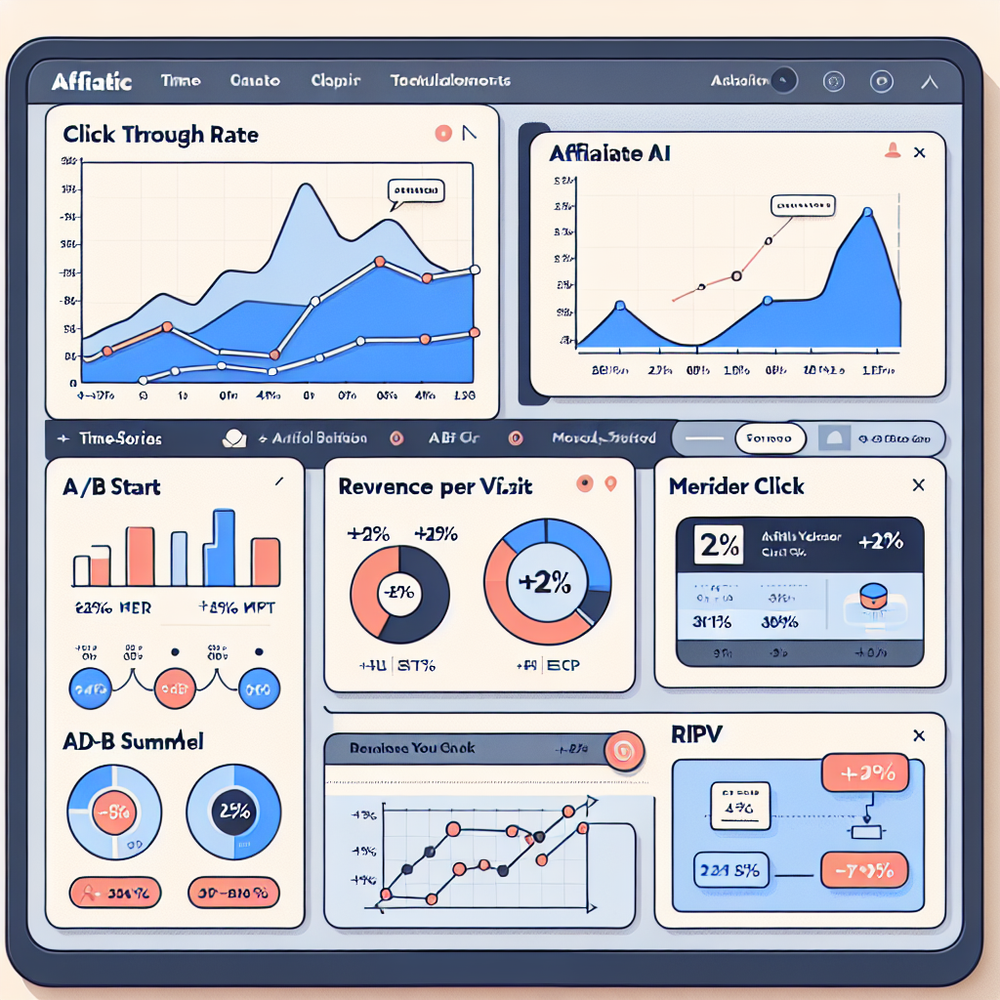
Treat the AI layer like a product, not a plugin. Define success as increased RPV without harming SEO. Core metrics: CTR to merchant, EPC (earnings per click), EPMV/RPM (revenue per thousand pageviews), RPV, AOV at merchant (if available), and post-click quality metrics (merchant bounce, returns). Track by entry intent: queries from organic, on-site search, or newsletter can behave differently.
Experiment design matters. Use URL-level A/B tests with equal traffic splits, persistent user bucketing, and server-side event logging. Minimum sample sizes: for a baseline CTR of 15% and a minimal detectable effect of 10%, you’ll need roughly 10–12k sessions per variant to reach 95% confidence. Always segment by device—mobile gains tend to be larger because AI flows reduce scroll fatigue.
Dashboards should isolate levers: model version, attribute weights, merchandising boosts, quiz completion rate, and card layout variants. One apparel partner gained 0.7¢ EPC by simply adding size-availability badges to cards. Another saw a 24% conversion increase on merchants with shorter cookie windows after we prioritized those offers during high-intent sessions (limited-time sale badge).
First-Party Data and Trust Without Creepiness
You don’t need profiles to personalize. Intent is observable in-session: filters, time on spec sections, comparison toggles, and quiz responses. Store it ephemerally, tie it to the session, and disclose how it’s used. Salesforce reports 61% of consumers are comfortable sharing data for clear value; the key is transparency and control (Salesforce, 2023). Keep the value exchange obvious: “Answer five quick questions and we’ll narrow 57 options to 3 that fit your budget and space.”
Compliance and accuracy matter. Follow FTC endorsement guidelines: disclose affiliate relationships prominently, label rankings, and date-stamp pricing. Explain why picks are recommended (“Quiet under 60 dB; 12-inch depth; under $300”). Baymard shows that helpful explanations reduce abandonment by boosting perceived credibility. When users understand the trade-offs, they’re more likely to click—and convert—without buyer’s remorse.
We’ve found that a simple trust row under each card—availability, warranty, return policy summary, and a last-checked timestamp—adds 8–12% CTR in home appliances. It’s small, but it compounds. Trust is the cheapest conversion optimization you’ll ever buy.
Common Pitfalls That Sink Good AI Rollouts
- Skipping normalization. If your product graph is messy, no model can save it. Invest in dedupe, canonical attributes, and freshness checks.
- Overfitting to commission. It’s tempting to boost high-commission merchants. If relevance slips, users notice and trust erodes. Keep hard constraints on fit first, then commission.
- Latency. Anything above ~300ms on rank updates feels laggy on mobile. Cache aggressively, precompute embeddings, and stream price updates.
- Ignoring explainability. Black-box rankings without reasons depress clicks. Show the math in plain language.
- SEO cannibalization. Don’t nuke your editorial. Keep the page’s expert content; add the AI layer above the fold and link to it from the table of contents.
We repaired a failed launch where a site hid the AI flow below 1,200 words of copy. It wasn’t a product problem—it was placement. Moving the flow to the hero and adding sticky compare took CTR from 9% to 15% in 10 days, with no traffic change.
What’s Next: From Listicles to Living Guides
The line between editorial and tooling is blurring. Future-forward sites will ship living buying guides: AI-backed pages that evolve daily with price/stock changes, review summaries, and seasonality. Expect more conversational UIs that translate complex specs into human decisions: “You said you have a small kitchen and hate noise—these two are 58 dB and fit under 12 inches deep.” As models ingest return reasons and satisfaction signals, rankings will optimize for joy, not just clicks.
The playbook is clear: keep your expert voice, but let AI handle the matching. That combination—authority plus adaptability—is what wins rankings and revenue. The sites that get there first will feel less like magazines and more like knowledgeable shop assistants that never sleep.
Related posts
View all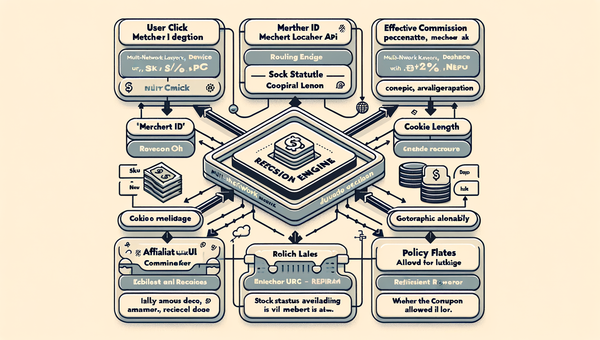
Multi‑Network Affiliate Optimization: Auto Best Rate
Route clicks across affiliate networks automatically to secure the highest commission, lift EPC, and preserve UX—practical tactics, data, and implementation ste
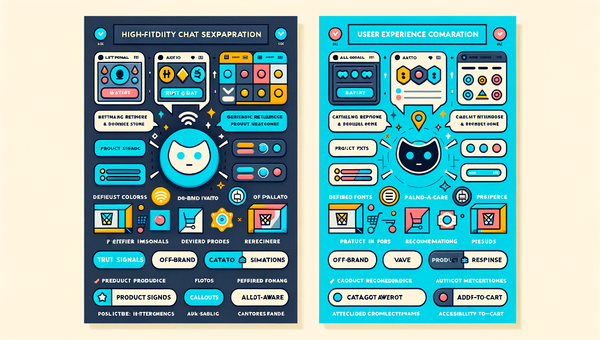
White-Label AI Chat: Full Brand Customization for Stores
Deploy a white-label AI shopping chat that looks, speaks, and converts like your brand. See setup steps, KPIs, pitfalls, and how Brambles.ai handles it E2E.
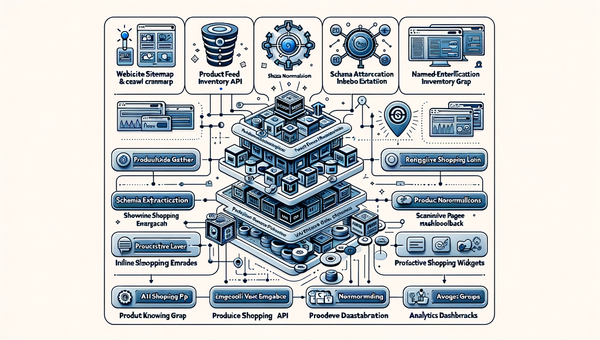
Content Intelligence: AI Indexes Your Site for Commerce
How AI content intelligence indexes every page for commerce, structures attributes, powers conversational shopping, and lifts sales. Steps, KPIs, and pitfalls.
Explore Brambles.ai
Learn more about our AI-powered agentic commerce platform, agentic shopping, and shopping assistance solutions.
Explore More Insights
Discover more articles on AI, automation, and business innovation
View All Articles