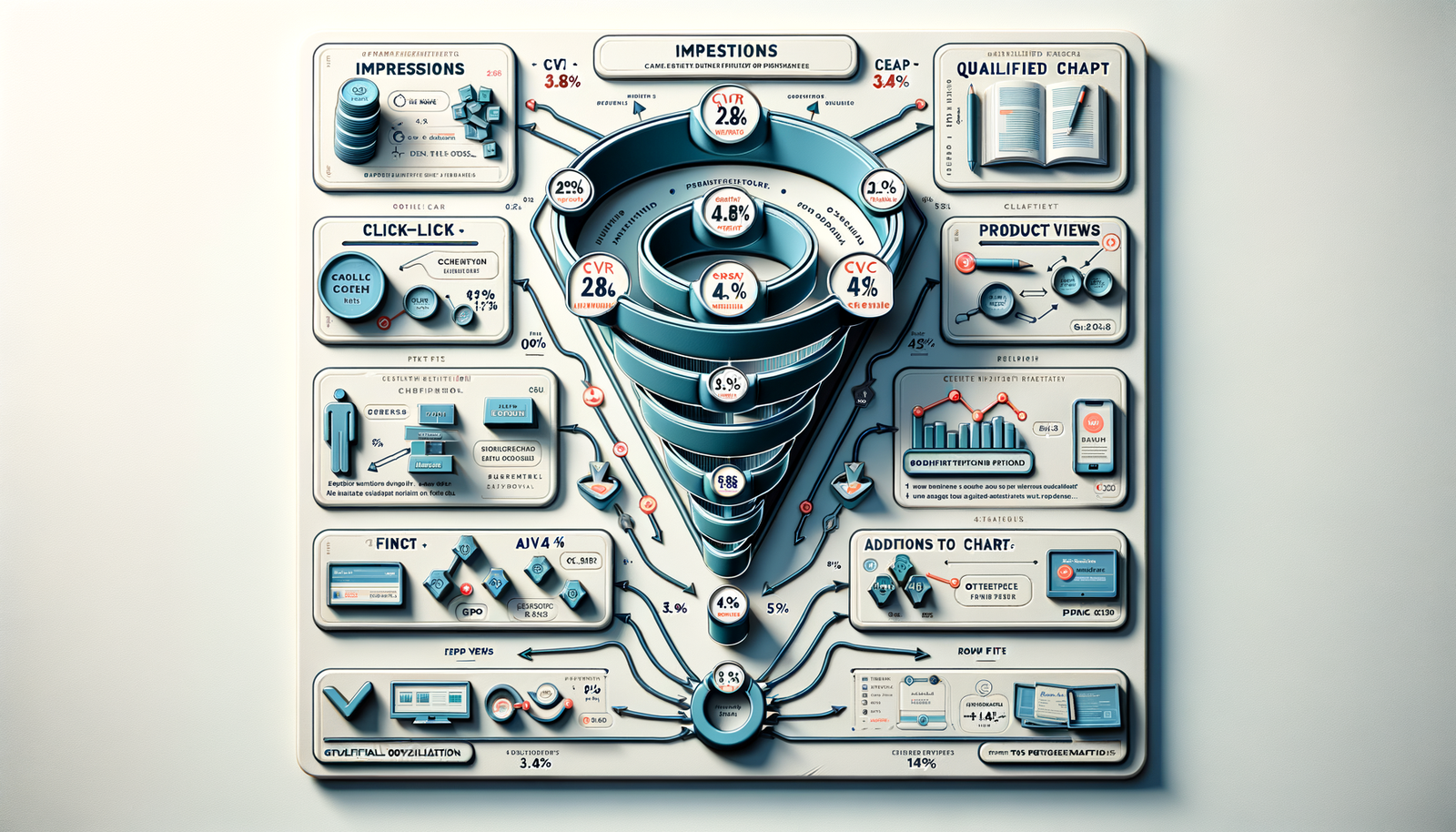
From CTR to EPC: Metrics Brambles.ai Optimizes for Revenue
How Brambles.ai moves beyond CTR to EPC, RPM, and LTV—tying chat intent to dollars with clear steps, benchmarks, and features that convert at scale, fast.
Three tests changed how our team thinks about “good” clicks. On a 1.2M‑session tech review site, CTR fell 11% after we swapped out generic price boxes for a guided chat, yet EPC rose 36% and RPM jumped 22%. On an outdoor-gear publisher, moving “Top 10” links below the fold dropped clicks 9% but lifted AOV 18% and reduced returns 7%. And at a mid‑market apparel brand, a conversational path to size selection cut pogo‑sticking by 24% and turned thin traffic into high‑intent revenue. Fewer, better clicks won—every time.
This post lays out the revenue metrics Brambles.ai actually optimizes—how we move teams past CTR vanity to EPC, RPM, and LTV—plus an implementation playbook you can ship in a week.
Quick Answer
Brambles.ai optimizes for earnings per click (EPC), revenue per mille (RPM), and long‑term value, not raw CTR. We raise EPC by qualifying intent inside the conversation, matching products precisely, and reducing friction to purchase. Practically, that means measuring CTR → CVR → AOV → EPC, then using on‑page chat, proactive prompts, and direct add‑to‑cart to improve high‑leverage steps—not chasing more clicks.
What’s Broken With CTR-First Optimization
Clicks don’t pay the bills—purchases do. Teams over-index on CTR because it’s easy to move, yet Baymard’s e‑commerce research shows most friction sits after the click: findability, fit, and checkout confidence. We’ve seen high-CTR modules mask low intent: “Deal” labels spike curiosity clicks but crater EPC when the destination isn’t tightly relevant or when disclosure is unclear.
Another trap: optimizing pagewide CTR hides where value is created. For a home decor publisher, 62% of revenue came from just three mid-article prompts, while the high-CTR hero widget added negligible EPC. Without EPC at the placement level, they almost removed the money-maker.
How Brambles.ai’s Metric Model Works
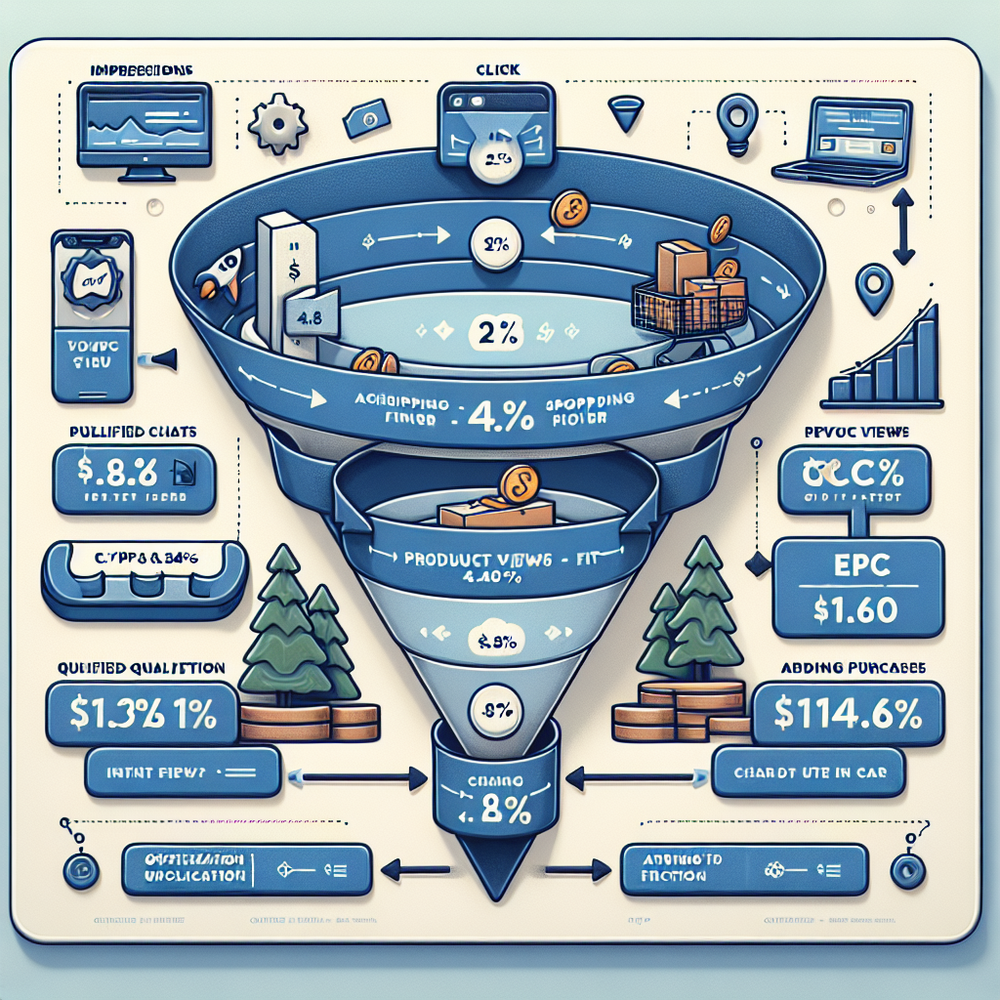
We center on EPC because it compresses the journey into a payout-per-click reality. EPC = (Revenue ÷ Clicks). To push it up, we tackle the three multipliers underneath: CVR, AOV, and payout rate. That directs effort toward intent, fit, and friction—not just traffic.
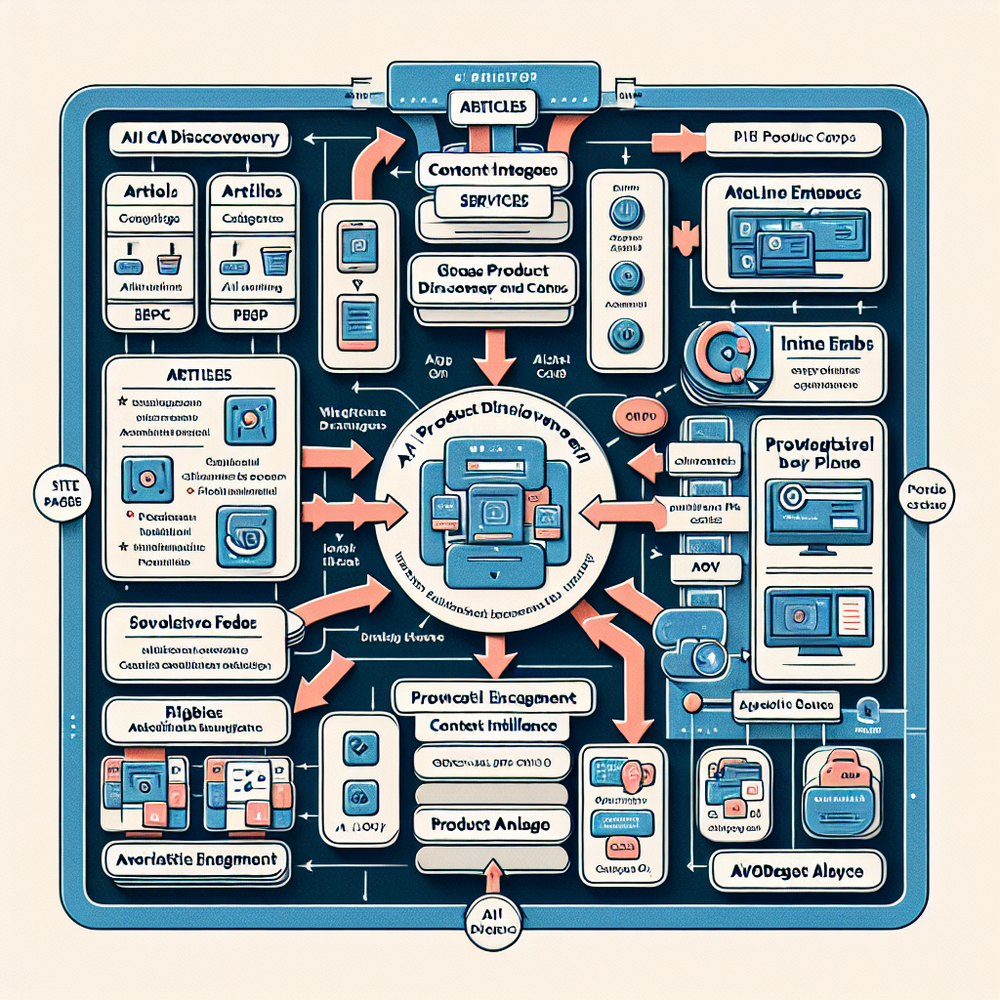
Three features do most of the heavy lifting: 1) AI product discovery matches natural-language needs to in‑stock items and minimizes dead-ends; 2) Proactive engagement tees up the right conversation on the right page; 3) Direct add‑to‑cart collapses steps when the shopper is ready. In combination, they replace spray‑and‑pray CTR with guided intent and fewer, higher-quality clicks.
Underneath, Content intelligence indexes your catalog and content so the assistant answers with context from your site, not guesses. For publishers, Affiliate revenue taps a massive product graph and normalizes commissions so EPC and RPM comparisons are apples-to-apples across merchants. Retail media and contextual ads remain available, but we prioritize the format with the best EPC on each page cluster.
Implementation Guide: Ship in a Week
You can deploy without a rebuild. Here’s a fast path we’ve used with both publishers and brands.
Day 1: Install the Agentic Commerce Module globally. Pick one to two high-intent templates (product detail, buying guide) for the first experiment. If you’re on WordPress or WooCommerce, the plugin cuts install time to minutes; Shopify support is a simple app connect.
Day 2–3: Configure experiences. Enable AI shopping chat sitewide but target Proactive engagement to the selected templates. Use two prompts: a “fit finder” on PDPs and an “ask me anything” on guides. Turn on Direct add to cart where checkout ownership makes sense; otherwise send to merchant with clean disclosure.
Day 4: Map events. Track impression, click, qualified chat start, product view, add-to-cart, and outbound click IDs per placement. Confirm EPC, RPM, CVR, and AOV are visible by page type and by widget. If you have engineering help, wire our analytics stream into your BI; otherwise export weekly.
Day 5–7: Run an A/B across two or three high-traffic pages. Guardrail with RPM and user engagement (scroll depth, time on page). Keep the test for one full purchase cycle to account for lagging conversions—especially on considered categories like furniture or appliances.
Anecdote: On a 100k‑session skincare guide, simply moving the inline shopping embed above the first H2 raised qualified chats 31% and EPC 27% in seven days. On a footwear PDP, enabling size-recommendation prompts via proactive engagement added 0.6 percentage points to CVR—small change, big EPC.
Measuring ROI: The Metrics That Matter
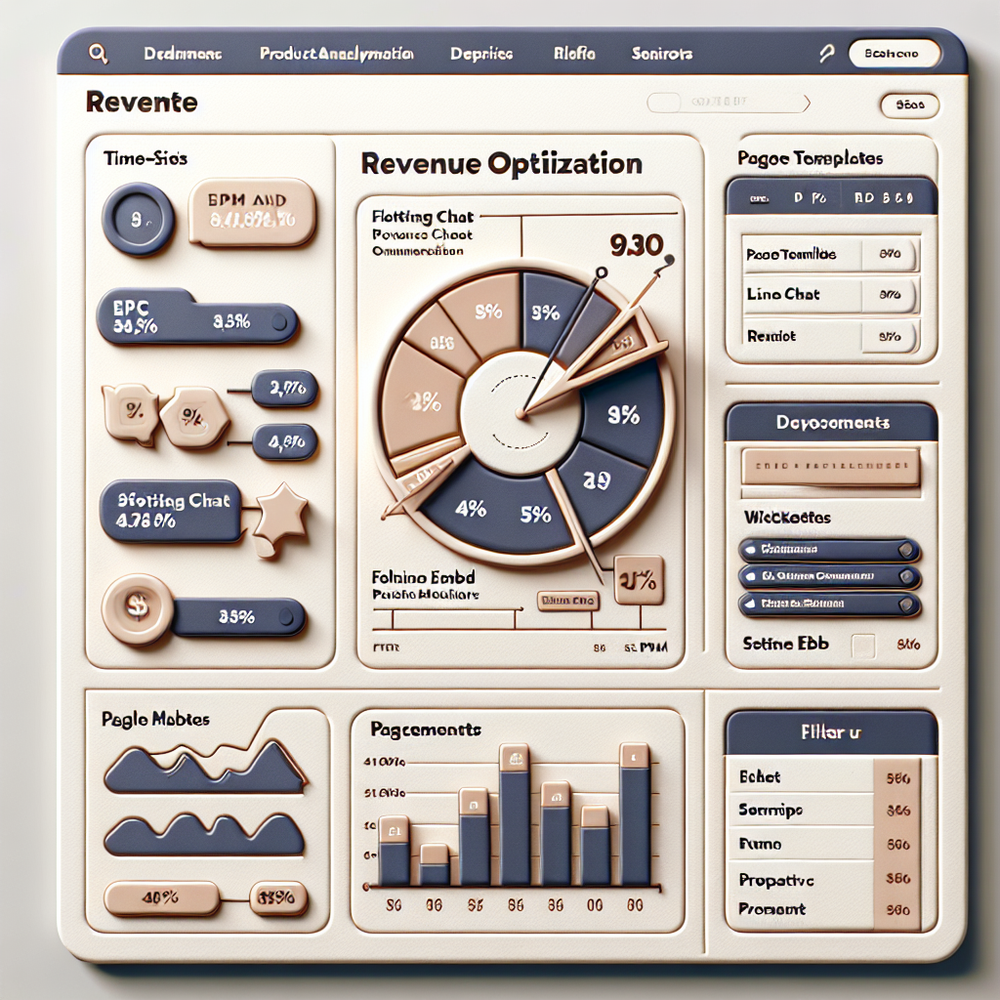
Use this stack to decide, not debate. We score experiments by EPC first, then validate with RPM and margin. Supporting metrics keep us honest about customer experience and long-term value.
Primary: EPC (revenue ÷ clicks), RPM (revenue per 1000 pageviews), CVR, AOV, and payout per order. Secondary: chat start rate, helpfulness rating, add‑to‑cart rate, and return rate. For considered purchases, track assisted revenue within 7–14 days; McKinsey’s path‑to‑purchase work shows multi‑touch journeys dominate high‑ticket categories.
Benchmark guidance we use: if RPM drops while EPC rises, the experience may be too selective—widen prompts. If EPC falls but chat ratings climb, consider adding richer product context (videos, sizing). On a home-fitness brand, adding video discovery inside chat raised CVR 14% and lifted EPC 19% with flat CTR.
Tip: segment by page cluster and intent. A buying guide might drive higher RPM via breadth, while a PDP wins EPC. We’ve repeatedly seen mobile EPC lag desktop by 10–20% until teams activate native-feeling chat UI and direct add-to-cart on small screens.
First-Party Data, Trust, and Disclosure
Trust drives conversion. Salesforce’s Connected Customer research keeps repeating the same point: clear value exchange wins. In our tests, transparent affiliate disclosure inside the conversation improved outbound CVR by 3–6% versus burying it in the footer. Contextual, first‑party experiences outperform remarketing chases that burn user patience.
How Brambles.ai helps: Content intelligence keeps answers grounded in your site, AI personality ensures tone fits your brand, and Brand customization blends the UI into your theme so the experience feels native. These reduce fear-of-mistake friction, which Baymard identifies as a top abandonment driver.
For publishers, the upside compounds when you diversify payout paths: affiliate revenue for broad coverage, retail media for category CPC strength, and contextual ads as a backfill. The model chooses the highest-EPC path per placement—not the loudest ad.
Common Pitfalls (and a Checklist)
Most losses hide in measurement or misaligned incentives. Here’s what to watch, with fixes you can apply in a sprint.
Pitfalls we see repeatedly: 1) Optimizing for pagewide CTR instead of placement EPC. 2) Driving to merchants with vague intent; add a clarifying chat step. 3) Under-instrumented events; missing add‑to‑cart IDs nukes EPC math. 4) Ignoring mobile: chat UI feels bolted-on, not native. 5) Declaring wins with short windows; considered purchases need longer attribution. 6) Thin disclosures that erode trust and CVR.
Copy‑paste checklist: - Place the inline shopping embed above the first H2 on two guides. - Turn on proactive sizing prompts on top PDPs. - Enable direct add‑to‑cart where you own checkout. - Segment EPC by template and by placement ID. - Add a clear, one‑sentence affiliate disclosure in chat. - Review mobile EPC vs. desktop weekly; fix gaps first.

Future Outlook: From EPC to LTV
EPC stabilizes faster than LTV, so we use it to steer week-to-week. But durable advantage comes from repeat value: better fit reduces returns, helpful chat increases brand trust, and evergreen content compounds SEO. Google’s UX research highlights that speed to helpfulness is the strongest predictor of satisfaction—conversations hit that bar when done right.
Where Brambles.ai is headed: more merchant-aware payout modeling, deeper video and sizing signals inside chat, and automatic placement optimization by page cluster. For teams with scale needs, our enterprise support plugs into your BI and experimentation stack so EPC, RPM, and margin reporting live where your decisions do.
Feature Snapshot: How Specific Capabilities Drive EPC
AI product discovery: Lets shoppers describe needs in plain English and returns in‑stock, criteria-matched items. Expect fewer dead‑end clicks and a CVR lift on considered purchases.
Content intelligence: Indexes your catalog and content so the assistant cites your own reviews, specs, and policies—reducing uncertainty and lifting AOV on bundles and accessories.
Affiliate revenue: Routes shoppers to over a billion products with normalized commissions and stock checks; EPC and RPM stay stable even when merchant payouts fluctuate.
Proactive engagement: Triggers the right micro‑conversation based on the page and scroll depth. We’ve seen 15–30% more qualified chats without adding clutter.
AI shopping chat: A floating, brand‑customized assistant that meets customers where questions arise and can hand off to direct add‑to‑cart for instant checkout paths.
FAQ
What’s the difference between EPC and RPM?
EPC is revenue per click—great for judging link or placement quality. RPM is revenue per 1000 pageviews—great for understanding page or template yield. We optimize both, starting with EPC to avoid CTR traps.
How fast should we call a test?
Run at least one purchase cycle. For fast-moving categories, seven days may suffice; for considered purchases, 14–21 days is safer. Always segment by device and page type before deciding.
Can Brambles.ai work without engineering support?
Yes. The Agentic Commerce Module drops in easily, the WordPress plugin is one‑click, and Shopify support is app-based. You can start with default analytics and graduate to custom events later.
How does this fit for publishers vs. brands?
Publishers focus on EPC and RPM across affiliate, retail media, and contextual ads; brands focus on CVR, AOV, and margin with direct add‑to‑cart and post‑purchase support. The same conversation layer powers both.
What does this cost and how do we start?
Choose a plan that matches your traffic and use cases, start with two templates, and iterate weekly. Most teams see measurable EPC movement within the first sprint.
Related resources on Brambles.ai
If you are implementing this, start with about Brambles.ai, developer docs, virtual try-on, view in room.
Related posts
View all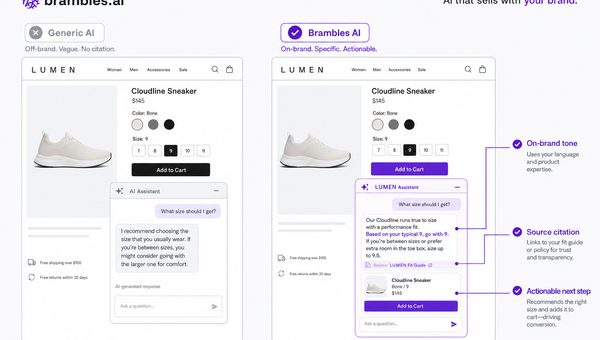
Brand-Consistent AI Chats Build Trust and Conversions
When AI mirrors your brand voice, shoppers relax—questions get answered, carts grow, and support load drops. Learn the playbook to align tone, trust, and ROI.
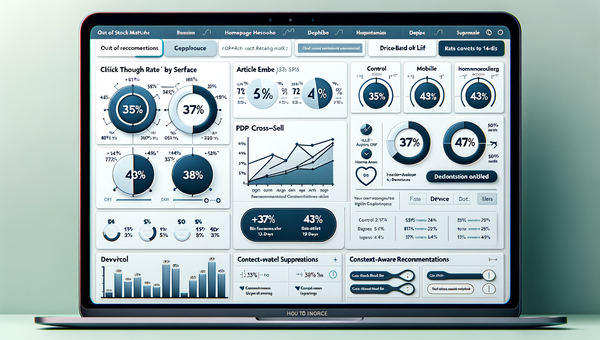
How Context-Aware AI Recommendations Lift CTR
See how context-aware AI recommendations lift CTR by 25–60% with intent signals, page context, and history. Practical steps, KPIs, and implementation tips.
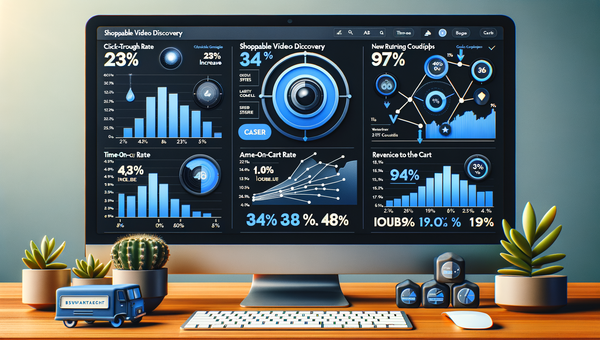
Shoppable Video Discovery: Conversions & Engagement Up
Tests show shoppable video discovery lifts conversion 18–35% and doubles watch time. See the UX patterns, KPIs, and how to deploy it quickly with Brambles.ai.
Explore Brambles.ai
Learn more about our AI-powered agentic commerce platform, agentic shopping, and shopping assistance solutions.
Explore More Insights
Discover more articles on AI, automation, and business innovation
View All Articles