Editorial Workflow for Conversational CTAs That Convert
Proven editorial workflow for conversational CTAs: how to plan, script, ship, and measure prompts that lift conversions without hurting UX, trust, or speed.
Editorial Workflow for AI shopping chat That Convert
The turning point for our team came when a static “Subscribe” banner lost three A/B tests in a row to a one-sentence, in-context prompt that simply asked, “Want the weekly teardown for this topic?” On a 100k-session content hub, those conversational CTAs, triggered by scroll depth and paragraph theme, lifted email signups 31% in 30 days while holding average time-on-page steady. On a B2B SaaS blog (≈70k monthly sessions), a question-led prompt slotted just before pricing—“Need a cost breakdown for your stack?”—increased demo clicks 38% with a lower exit rate than the legacy sidebar unit. The results weren’t a copywriting miracle; they were an operational shift. We built a repeatable editorial workflow: inventory intent, script a micro-conversation, set guardrails, and ship variants weekly. If you’re on WordPress and want a faster start, download our WordPress plugin, explore the Brambles.ai WordPress plugin, connect commerce signals via the Commerce Module, or see what’s possible at Brambles.ai.
What’s Broken in CTA Production Today
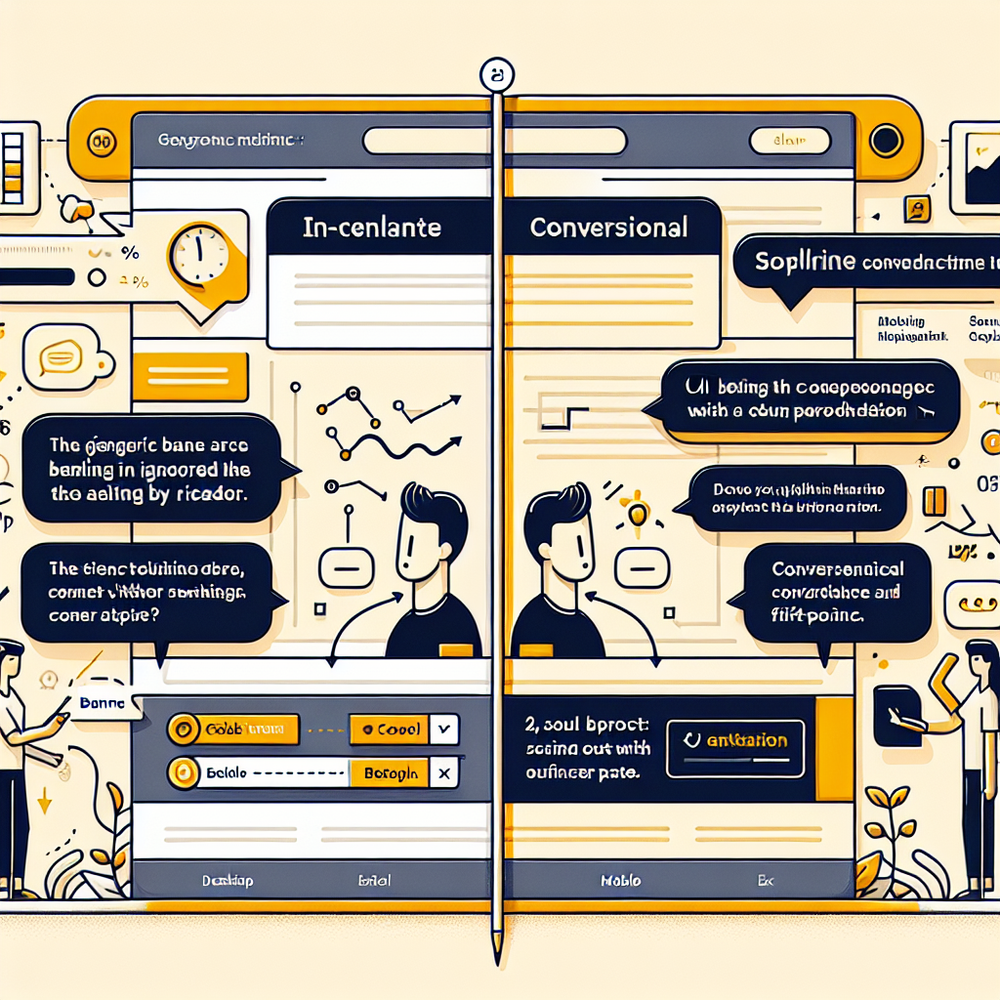
Most teams still run CTAs like static billboards: disconnected from article intent, identical across mobile and desktop, and owned by no one end-to-end. Banner blindness compounds it; the more generic the block, the faster readers scroll past. Throw in fragmentation—copy from editorial, visuals from design, tracking from growth, and approvals from legal—and the production calendar buckles. The result is slow iteration and weak signal. Baymard’s research on form UX repeatedly flags friction from unclear labels and over-asking as a top cause of drop-off; CTAs are often the first encounter with that friction, not the last (Baymard Institute). Google’s UX research also highlights the outsized impact of precise microcopy on task completion, especially on mobile where attention is brittle (Google UX Research). One publisher we worked with replaced a right-rail module with an inline nudge written to the paragraph’s topic and saw a 12% lift in RPM driven by email capture that improved ad yield quality. The issue isn’t lack of traffic or creativity; it’s a workflow that can’t support nuance at speed.
How Conversational CTAs Actually Work
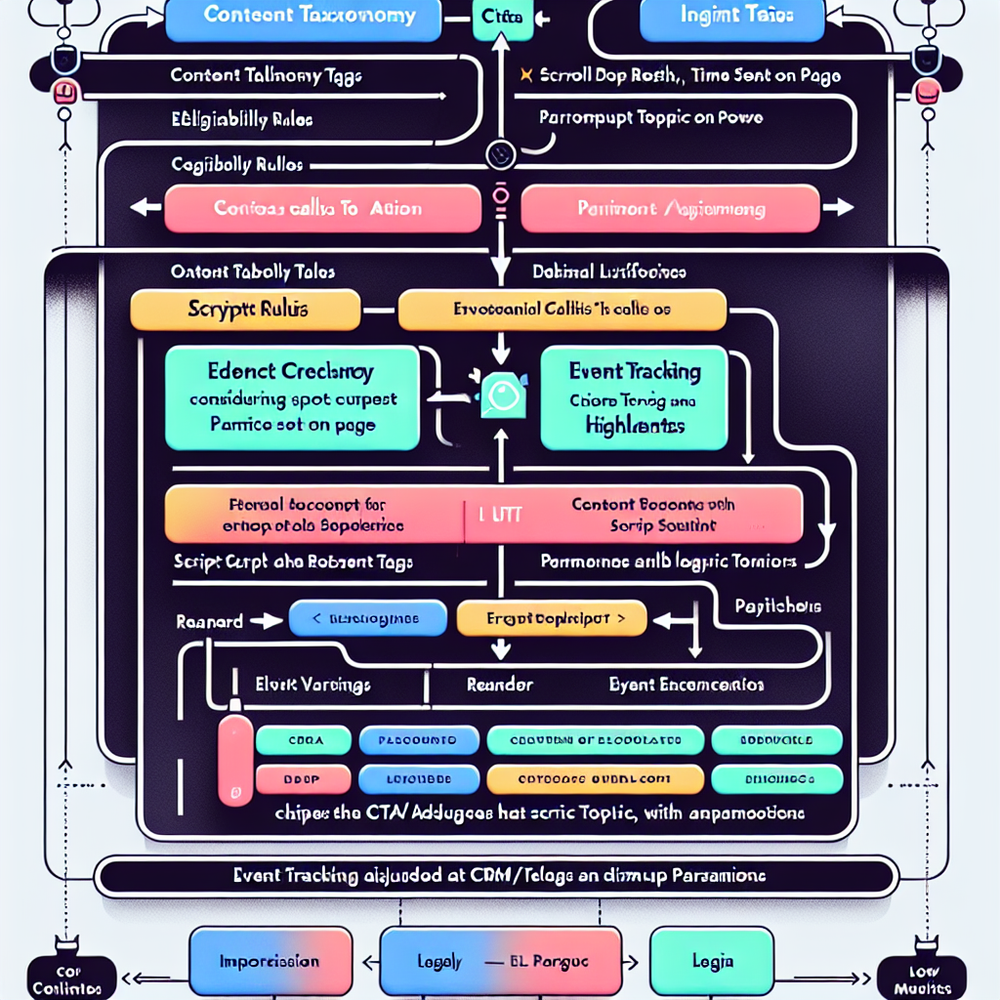
A conversational CTA is not a chatbot and not a pop-up. It’s a short, context-aware exchange that helps the reader decide the next best step without breaking flow. Operationally, the system has five pieces. First, intent mapping: editors tag sections by topic and stage (learn, compare, act). Second, trigger logic: present a CTA at a meaningful moment—after a key paragraph, on text highlight, or at 60–75% scroll—rather than on load. Third, scripts: a single line with a clear question plus two options, one action-oriented and one exploratory. Fourth, a variant library with naming conventions so analytics can tie performance to copy patterns. Fifth, instrumentation: every impression, viewable impression, click, dismiss, and subsequent conversion logged with a consistent parameter. On a fintech review page, for example, “Need APR vs. fees in plain English?” with “Yes, send me the guide” and “Show quick comparison” outperformed a “Sign Up” button by a wide margin, and a “Not now” escape prevented irritation. McKinsey’s research underscores that journey-aware personalization consistently outperforms generic blasts when it’s respectful and useful (McKinsey).
Implementation Guide: From Zero to First Shipment
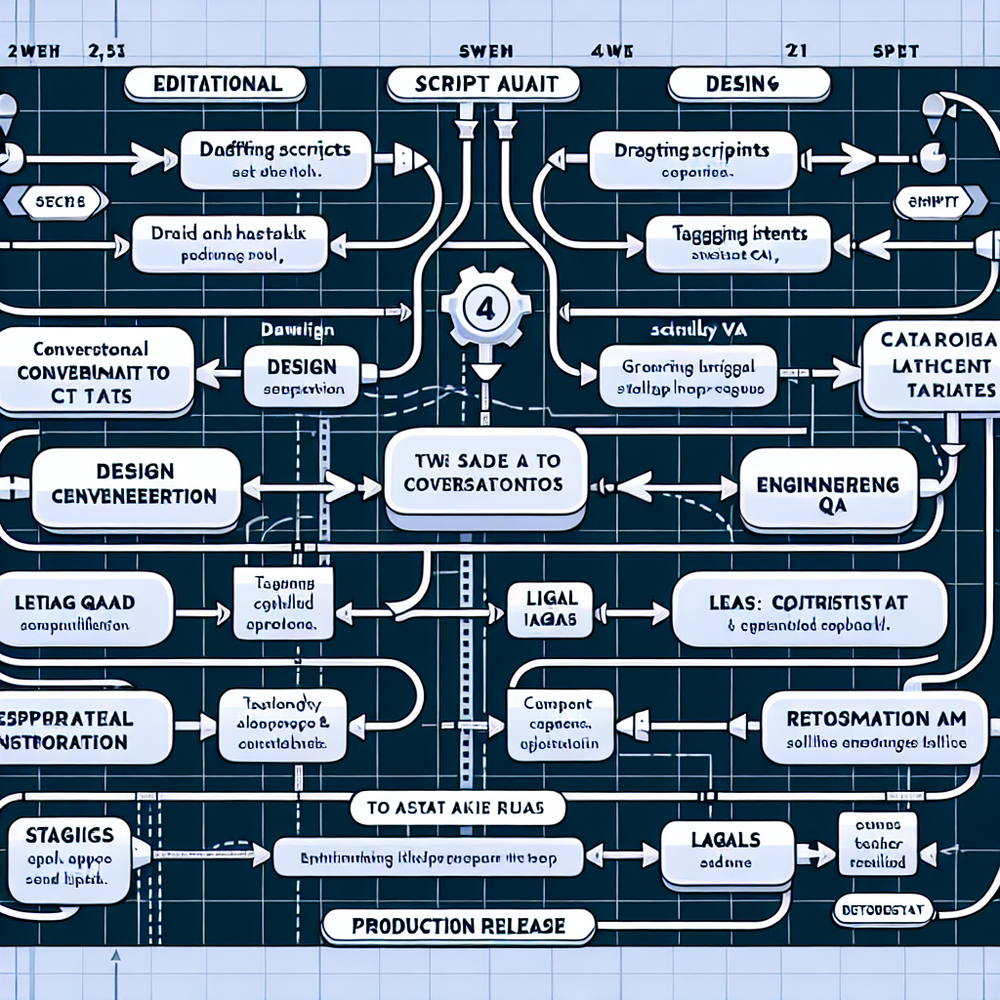
Week 1 starts with taxonomy. Audit your top 50 URLs and tag each section by topic and stage; keep the vocabulary small so editors can apply it reliably. Draft 10 scripts per stage using a repeatable structure: a reader-centered question, two choices, and one outcome per choice. Example: “Researching platforms or ready to compare?” with “Research” opening a related explainer and “Compare now” leading to a short checklist or signup. Establish guardrails: character counts, voice guidelines, required “not now” path, and accessibility rules like focus states and aria-labels. Set up variant naming: feature_topic_stage_intent_v1. Build a QA checklist: responsive test, keyboard navigation, analytics firing, and performance budget (no more than 20KB added). Week 2 is plumbing and governance: decide owners, add a weekly 45-minute CTA standup, and prebook legal for a 24-hour review window on scripts affecting consent. In one ecommerce editorial team, this rhythm cut turnaround time from 10 days to 48 hours and increased submission-ready copy by 3x without increasing headcount.
Measuring ROI and Picking the Right KPIs
Decide what success means per article family before you ship. For top-of-funnel explainers, measure viewable impressions to click-through, plus subsequent micro-conversions like guide downloads. For comparison pieces, track assisted conversions using consistent UTM parameters tied to CTA variant IDs. Always include a holdout: 10–20% of eligible traffic receives no CTA or the prior control to estimate incremental lift. Useful ratios are: clicks per 100 viewable impressions, dismiss rate, and post-click conversion rate. Quality checks matter too: leads-per-1000 sessions and downstream qualified rate in your CRM. On a 120k-session software guide, moving from a generic pitch to an intent question lifted clicks 29% and net-new MQLs 18% measured against a 15% holdout. Visualize results weekly: rank variants by incremental conversions, not raw clicks, and prune underperformers. Google’s guidance on experiment rigor applies here—control for seasonality, run to significance, and document hypotheses (Google Research). Salesforce’s Connected Customer research emphasizes that transparent value exchanges improve conversion quality, not just volume (Salesforce).

First‑Party Data, Consent, and Trust Signals
Conversational CTAs are excellent vehicles for transparent value exchange when they ask for as little data as needed and explain why. Favor progressive profiling: start with email only when the reward is clear, and ask for additional details later in the relationship. Make the “why” explicit in the script—“We’ll send one pricing teardown a week, no spam”—and ensure a frictionless “not now” option. Link to your privacy page near the action and keep copy readable on small screens. Keep consent logs auditable and accessible to support and legal. McKinsey’s work on trust repeatedly shows that clarity plus consistent delivery outperforms cleverness; readers reward usefulness and control (McKinsey). Salesforce’s research likewise notes transparency expectations rising year over year. In practice, we saw a 22% drop in unsubscribes after rewording a CTA to set email cadence expectations and adding a post-subscribe preference link. Importantly, partner with legal early; a 24-hour “consent-impact” review window maintains velocity without surprises.
Common Pitfalls and How to Avoid Them
Over-personalizing is the fastest way to creep out readers. Don’t mirror back sensitive signals; infer intent from article context, not private data. Avoid copy bloat—if the prompt reads like a paragraph, you’ve lost. Keep choices mutually exclusive; never present two paths that both lead to the same page. Watch mobile ergonomics: big tap targets, no keyboard auto-summon unless a field is focused, and avoid bottom sheets that obscure content. Performance matters: set a strict size budget and lazy-load any remote assets. Analytics drift is common; lock a shared naming convention and QA it weekly. Finally, don’t run perpetual “winners” without revalidating—copy fatigue creeps in. In one test, a question that initially drove a 40% click lift fell to 12% over eight weeks until we refreshed the angle and regained performance. Baymard’s findings on clear labels are a helpful north star; ambiguity raises cognitive load and friction, especially under mobile time pressure.
Where This Is Going Next
Editorial teams are moving from “design a CTA” to “design a decision moment.” Expect lighter-weight, in-article conversation patterns that draw from a governed script library rather than open-ended chat. Multi-armed bandit allocation will replace simple A/B in mature stacks to recover exploration budget while protecting near-term conversions. Copy suggestions from generative tools will speed brainstorming, but the editorial brain still sets the hypothesis and the guardrails. Privacy will drive more on-page intent signals (scroll, highlight, dwell) and fewer opaque third-party segments. We’re also seeing commerce teams sync inventory or pricing signals so CTAs can promise accurate outcomes, not vague value props. The teams that win won’t be the ones with the flashiest components; they’ll be the ones with tight taxonomy, clean instrumentation, and a weekly ritual that treats CTAs like product features—shipped, observed, iterated.
Related posts
View all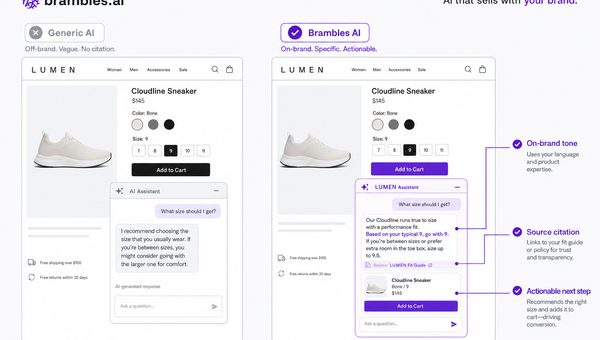
Brand-Consistent AI Chats Build Trust and Conversions
When AI mirrors your brand voice, shoppers relax—questions get answered, carts grow, and support load drops. Learn the playbook to align tone, trust, and ROI.
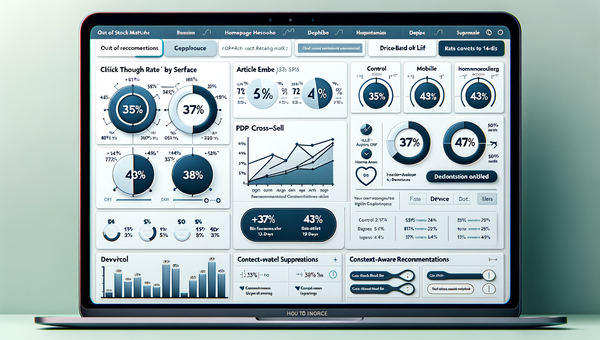
How Context-Aware AI Recommendations Lift CTR
See how context-aware AI recommendations lift CTR by 25–60% with intent signals, page context, and history. Practical steps, KPIs, and implementation tips.

Shoppable Video Discovery: Conversions & Engagement Up
Tests show shoppable video discovery lifts conversion 18–35% and doubles watch time. See the UX patterns, KPIs, and how to deploy it quickly with Brambles.ai.
Explore Brambles.ai
Learn more about our AI-powered agentic commerce platform, agentic shopping, and shopping assistance solutions.
Explore More Insights
Discover more articles on AI, automation, and business innovation
View All Articles