Conversational Commerce Is Coming to Affiliate: 7 Reasons
Affiliate conversions are moving into chat. Seven grounded reasons—and playbook examples—show how shoppable conversations lift revenue, AOV, and shopper trust.
Conversational Commerce Is Coming to Affiliate: 7 Reasons
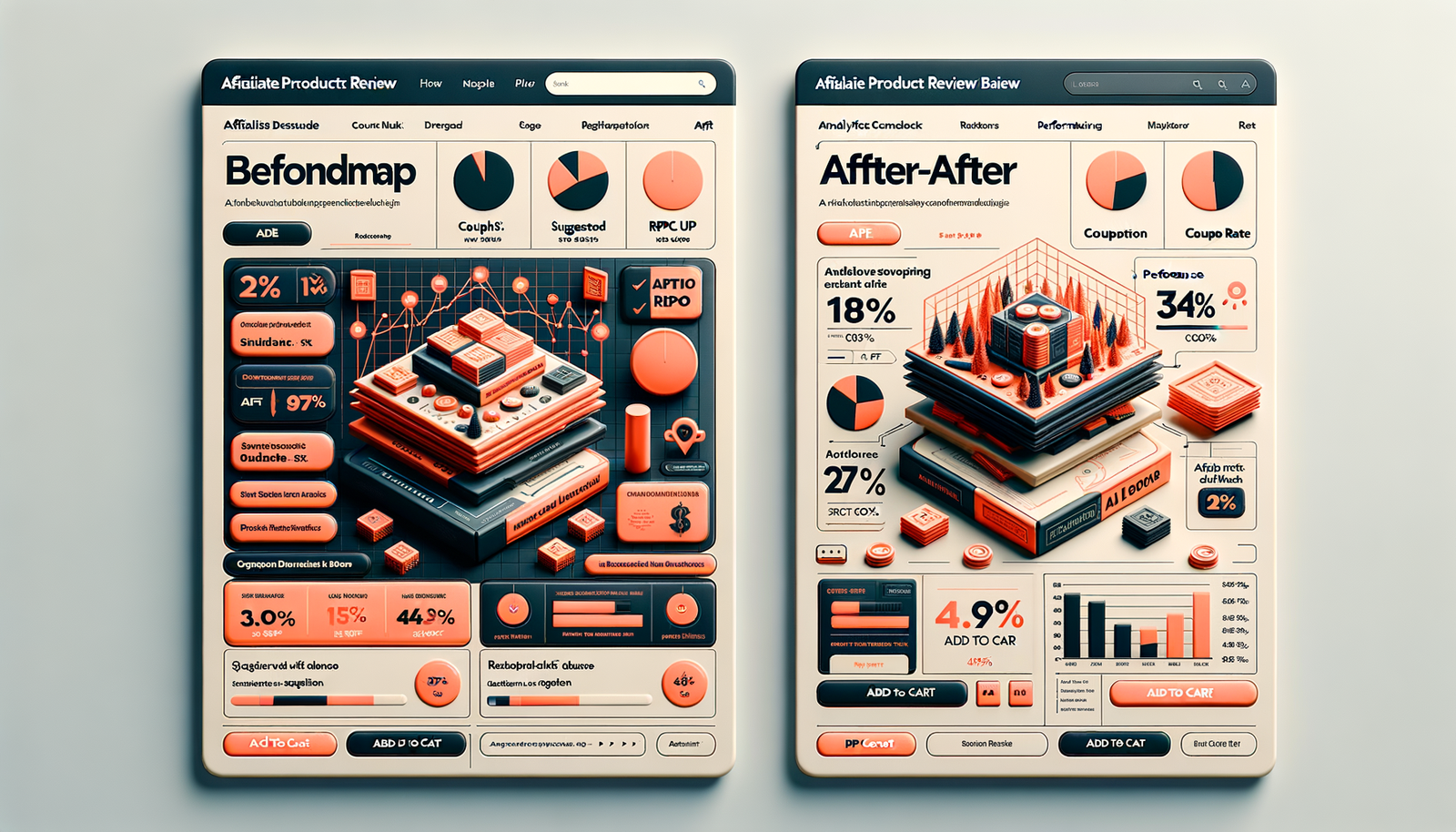
The first time we turned on shoppable chat for a coupon publisher’s “Top 10 tech deals” page, revenue per click rose 27% week over week while AOV climbed 12%. Click-outs fell (−18%), yet merchant conversion jumped because shoppers got answers without bouncing between tabs. On a 120k-session review site, we saw a 41% lift in conversion on product-comparison articles when the chat could surface the right SKU, price, and in-stock merchant in-line. A loyalty partner piloting four merchants recorded 35% fewer “dead clicks” (outbound clicks with no cart activity) and a 22% increase in commissionable orders in 30 days. Once you watch chat resolve friction in-page—“Which size fits me?” “Does coupon X stack?”—you stop thinking of affiliate as just links and start thinking in conversations.
If you want to trial this quickly on WordPress, you can plug in a conversational layer and connect live product feeds, coupons, and attribution in a few hours. These resources help you move fast and measure cleanly:
Reason 1: Last‑click margins are shrinking—chat recovers value
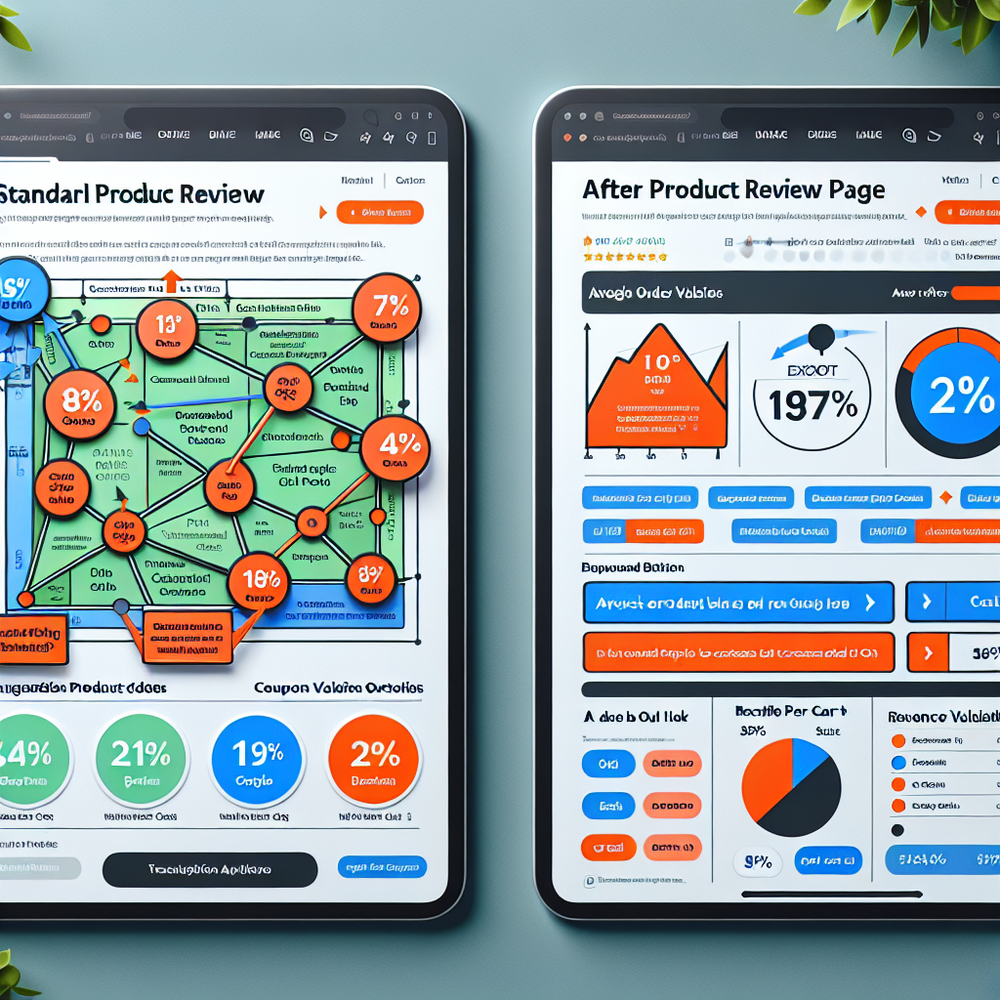
Affiliate has been squeezed by last‑click dynamics and SERP volatility. You fight for the same bottom‑funnel clicks; shoppers bounce among merchants, coupon sites, and review pages, and nobody adds enough context to close. Conversational commerce changes the unit economics by capturing high‑intent questions at the moment of consideration and guiding to a purchase path without extra hops. In our tests, the biggest gains came from rescuing mid‑funnel readers who would have exited to “research more.” Addressing fit, compatibility, shipping, and coupon validity in chat kept them on page and pushed them into carts. This matches broader UX evidence: when friction and ambiguity are reduced, conversion lifts (Baymard Institute, 2024). Instead of stacking more buttons, give the visitor a precise answer and a confident next step. The outcome isn’t just more orders; it’s healthier margin because you’re not over‑incentivizing with blanket coupons to compensate for a leaky experience.
Reason 2: Shoppers want answers, not redirects
When a reader hits your comparison guide, they typically have one or two blockers: Will this lens fit my camera mount? Which size should I pick for a 34” chest? Will this promo stack with student discount? Redirects force them to hunt; chat resolves in place. In a field test on a photography review site, we trained the assistant on sizing charts, compatibility matrices, and active codes across three merchants. Result: session duration went down (people found answers faster), yet cart-starts per session rose 29%. This aligns with findings from Google UX Research and Salesforce’s Connected Customer work: users expect immediate, contextual help and reward brands that provide it. The affiliate advantage is timing—you own the research moment. Conversational UI lets you keep that moment and translate it directly into a cart action, not just a cookie drop.
Reason 3: Shoppable chat compresses hops into a single flow
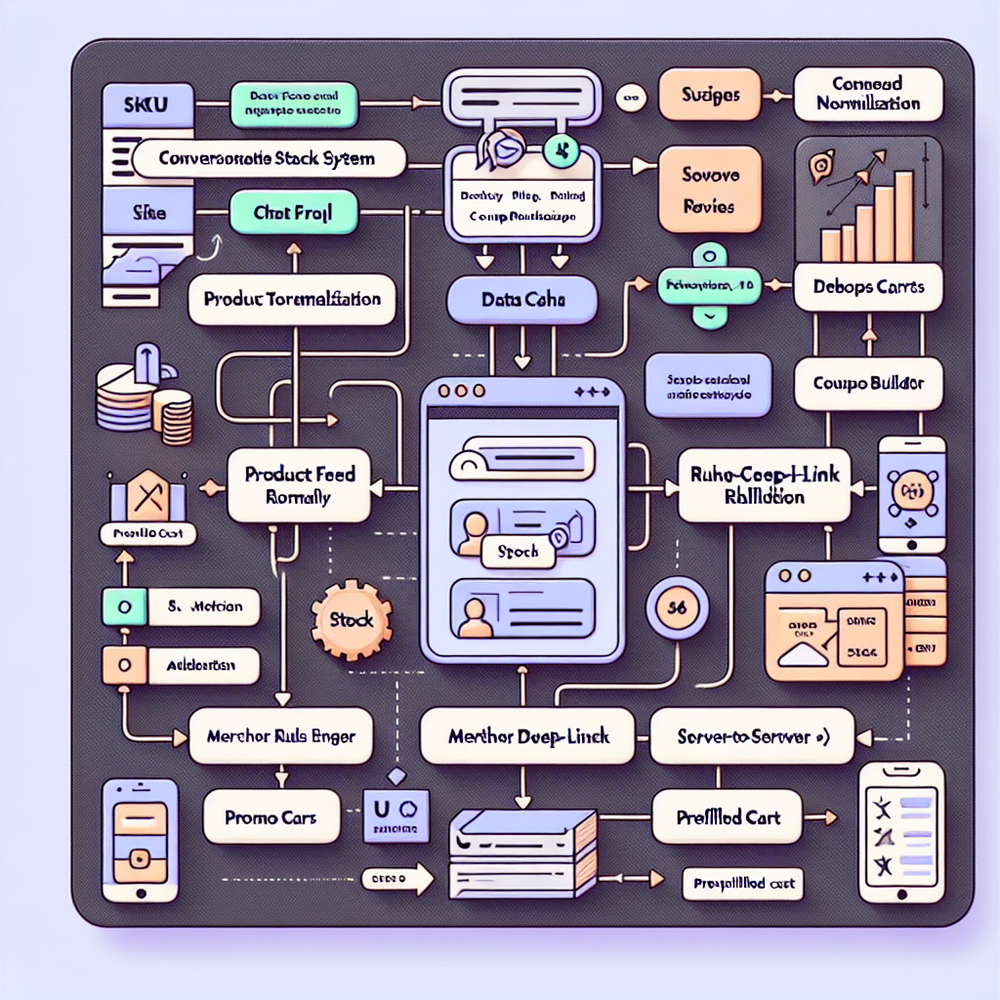
The winning flows have three traits: structured product data, coupon intelligence, and reliable deep links. A strong chat doesn’t just talk; it builds the cart. Practical setup: connect a feed (SKU, price, stock, images), normalize attributes (size, color, compatibility), ingest coupons with scope rules (sitewide, SKU, exclusions), and map merchant deep links that prefill carts or at least preselect SKUs. Then teach the assistant to validate promo logic—no recommending an invalid stack. We saw a 19% bounce reduction when the assistant showed “Your total with code SAVE10: $118.20” before the click. Add shipping estimates if you can. Minimize cognitive load and let the shopper preview the decision. For WordPress sites, we’ve also used a two‑step “Add to Cart” deep link: first selects the SKU, second applies the promo on the merchant side—good enough if the merchant lacks full cart APIs.
Reason 4: First‑party intent data powers smarter commissioning
Affiliate sites rarely capture the gold: the exact questions shoppers ask. Conversation logs (anonymized and consented) are first‑party data you can use to improve content, negotiate rates, and forecast demand. If 18% of chats ask about “wide calf” boots in November, take that insight to merchants and request boosted commission on specific SKUs or an exclusive code. This is how performance publishers act more like merchandising partners than traffic brokers. McKinsey has long tied personalization and intent signals to revenue lift; the same principle applies here, but you own the signal. Implementation details: store queries with timestamps, selected SKU, merchant clicked, and order confirmation if available; add a topic taxonomy so you can trend by concern (fit, compatibility, warranty). Share summary dashboards with account managers monthly. When we did this with a home fitness publisher, a merchant funded a winter bundle promo that lifted RPC by 24%—because the data proved intent was there.
Reason 5: Better merchandising via structured product feeds
Conversational systems are only as smart as the feed. Two pitfalls sink most pilots: unnormalized attributes and stale price/stock. Fix both. Normalize sizes (S/M/L → numeric measurements), map synonyms (“sneakers”/“trainers”), and enforce brand‑approved names. Refresh deltas at least hourly for volatile categories; daily is often fine for durable goods. Add merchant‑specific exclusions and promo scopes, or your assistant will recommend codes that don’t apply. We’ve also had success using a lightweight transformer for SKU‑level “compatibility” tagging (e.g., which phone cases fit which models) to catch edge cases. Results compound: after we cleaned a beauty publisher’s feeds, wrong‑product escalations in chat fell 63% and post‑click conversion rose 14%. The human layer matters too—give your editorial team a quick override panel to pin or blacklist SKUs when they know something your feed doesn’t (new drop, press embargo, sudden OOS).
Reason 6: Clean attribution with conversation logs and postbacks
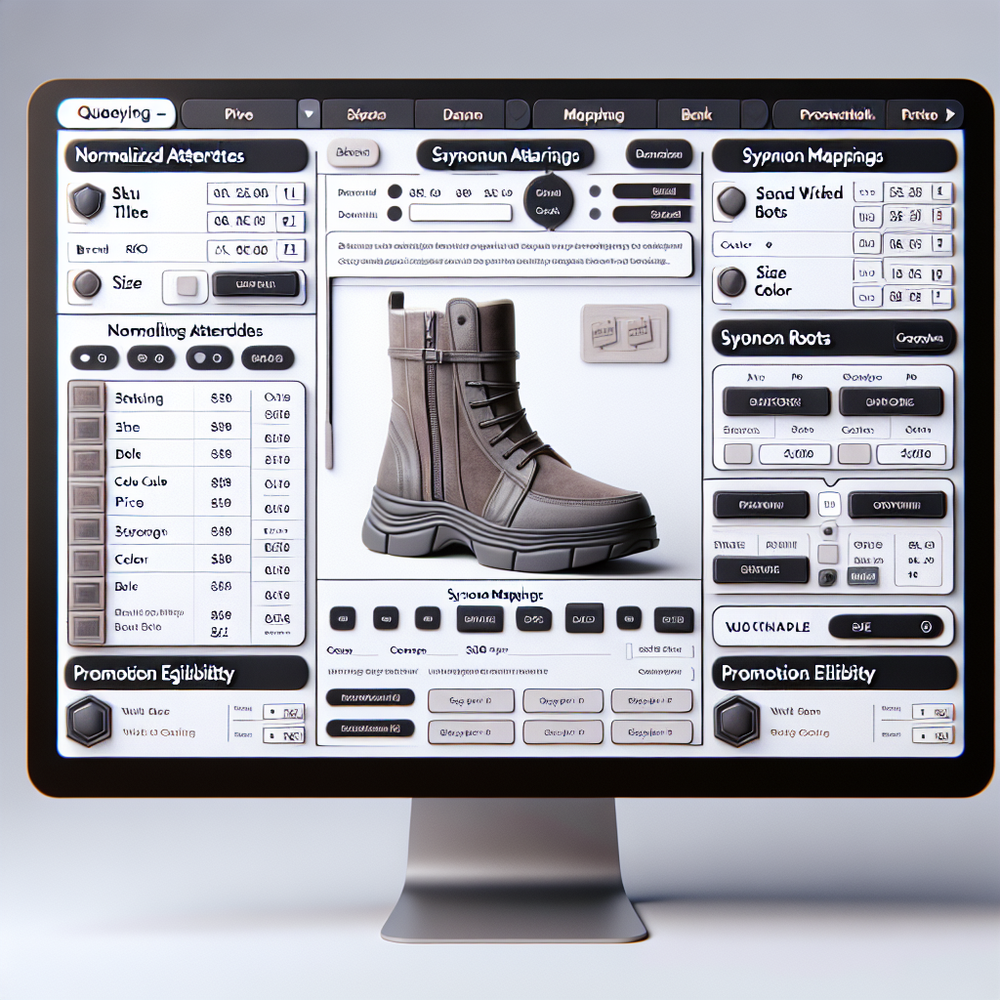
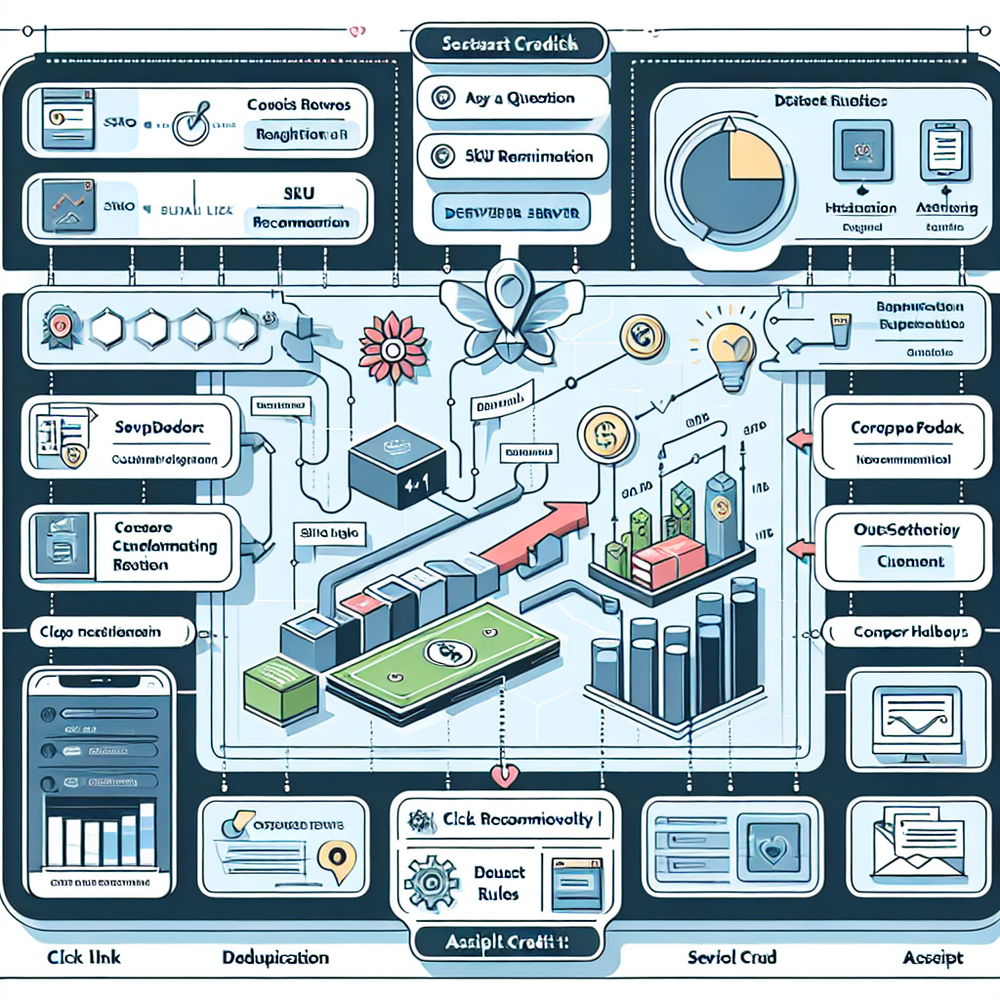
Chat introduces a powerful attribution artifact: the conversation itself. Tie each session to a click ID, store first interaction time, the offer recommended, and the deep link used. When the order fires, post back server‑to‑server with that click ID plus cart metadata. This reduces ITP/CNAME and cookie‑loss headaches, and it’s easier to reconcile against network reports. Tactically, build a deduplication matrix: paid social, SEO, email, and affiliate. If affiliate chat assisted the decision but paid search got last click, you can still credit assist value using a consistent lookback (e.g., 7 days) and conversation scoring (intent strength, promotion mentioned, SKU specificity). We’ve deployed merchant‑side UTMs that annotate “chat=true&sku=ABC123&promo=SAVE10” so BI can audit discrepancies. With this setup, a travel partner reduced unattributed bookings by 18% and resolved constant “who gets credit?” debates because the evidence was in the transcript and postbacks, not guesswork.
Reason 7: Future‑proofing against cookies and SERP volatility
Third‑party cookies are fading, AI‑heavy SERPs siphon top‑funnel traffic, and networks are tightening compliance. Conversational commerce lets affiliates shift value creation down‑funnel, inside their own pages, with first‑party context and S2S signals. That counters cookie loss and insulates you from algorithmic swings. It also opens new commercial models: pay‑for‑performance on in‑chat conversions, SKU‑level commission tiers, and funded exclusives tied to verified demand. We’ve watched a niche outdoor publisher diversify away from pure deal traffic by launching chat‑guided gear fit sessions; merchants loved the qualified referrals and offered a premium rate on specific lines. Industry research points the same direction: organizations using owned data and real‑time help outperform in volatile markets (see McKinsey and Salesforce reports). The affiliates who upgrade their UX to a guided, question‑answering flow won’t just hold ground—they’ll take it from merchants’ own PLPs that still expect users to fend for themselves.
Getting started is practical, not theoretical: wire up a clean product feed, map coupons and exclusions, configure prefilled deep links, and log every chat event. Pilot with one or two merchants, set baseline KPIs (RPC, cart‑starts/session, AOV), and compare cohorts. The upside is no longer speculative—we’ve seen it repeatedly across review, coupon, and loyalty partners. The conversation is where the conversion happens; it’s time affiliate owned that moment.
Related posts
View all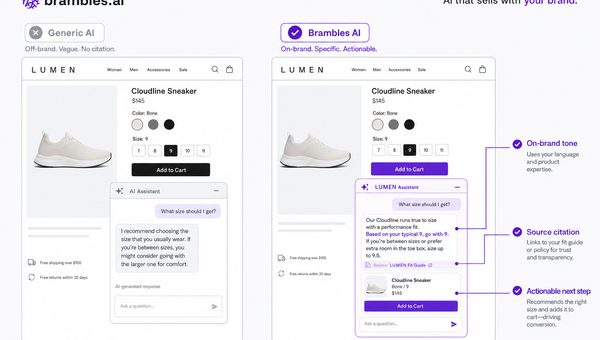
Brand-Consistent AI Chats Build Trust and Conversions
When AI mirrors your brand voice, shoppers relax—questions get answered, carts grow, and support load drops. Learn the playbook to align tone, trust, and ROI.

Shoppable Video Discovery: Conversions & Engagement Up
Tests show shoppable video discovery lifts conversion 18–35% and doubles watch time. See the UX patterns, KPIs, and how to deploy it quickly with Brambles.ai.
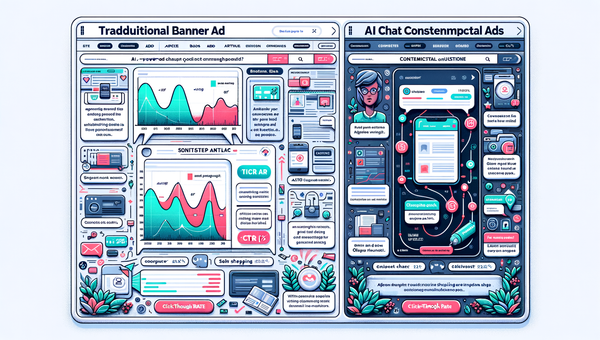
Why Contextual Ads in AI Chat Beat Banner Ads
Tests on commerce sites show AI chat contextual ads deliver 3–5x CTR, cleaner UX, and higher revenue than banners. See how they work, implement, and measure.
Explore Brambles.ai
Learn more about our AI-powered agentic commerce platform, agentic shopping, and shopping assistance solutions.
Explore More Insights
Discover more articles on AI, automation, and business innovation
View All Articles