Conversational Commerce in Affiliate: 7 Reasons Why
Affiliate marketing is shifting. Discover seven data-backed reasons conversational commerce will reshape conversions, AOV, and revenue for publishers and brands
Affiliate marketing is at an inflection point. Audiences bounce between search results, reviews, and merchant pages—often losing context and intent along the way. AI shopping chat puts a guided product expert wherever the reader discovers content, answering questions in the moment and recommending the right product or deal. The result: fewer leaks in the funnel and more revenue captured on the page where demand is created. In this article, you’ll learn seven reasons conversational commerce is coming to affiliate—plus how it works, how to implement it, what to measure, and the pitfalls to avoid.
Why now? Shoppers expect relevance and speed. Baymard Institute pegs average cart abandonment near 70%, largely due to friction; Google reports 53% of mobile visits are abandoned if load times exceed 3 seconds. Meanwhile, Salesforce’s State of the Connected Customer finds 88% of customers say experience matters as much as products, and McKinsey shows personalization can drive a 5–15% revenue lift and 10–30% marketing efficiency gains. Conversational commerce operationalizes that promise for affiliate publishers and brands—turning passive content into active, shoppable guidance.
Reason 1: What’s Broken in Affiliate Today
The traditional affiliate click-out journey is leaky. Readers discover intent on a publisher page, click to a merchant, face new layouts, cookie notices, and filters, then abandon. Baymard Institute’s research shows cart abandonment hovers around 70%—and much of that stems from navigational friction, unexpected costs, and complicated checkouts. Add to this the multi-tab habit: users open several merchants and reviews, fracturing attention and attribution. On mobile, performance is even more fragile; Google found 53% of visits drop when load time exceeds 3 seconds. Affiliate UX often pushes critical decision-making off the publisher page, forcing users to hunt for fitment details, compatibility, and price confidence elsewhere. The result is low intent preservation and diluted EPC. Conversational commerce fixes the broken handoff by keeping users engaged in-context—answering fit questions, comparing models, and surfacing deals before the click-out—so the traffic you already have converts more predictably.
Reason 2: How Conversational Commerce Works
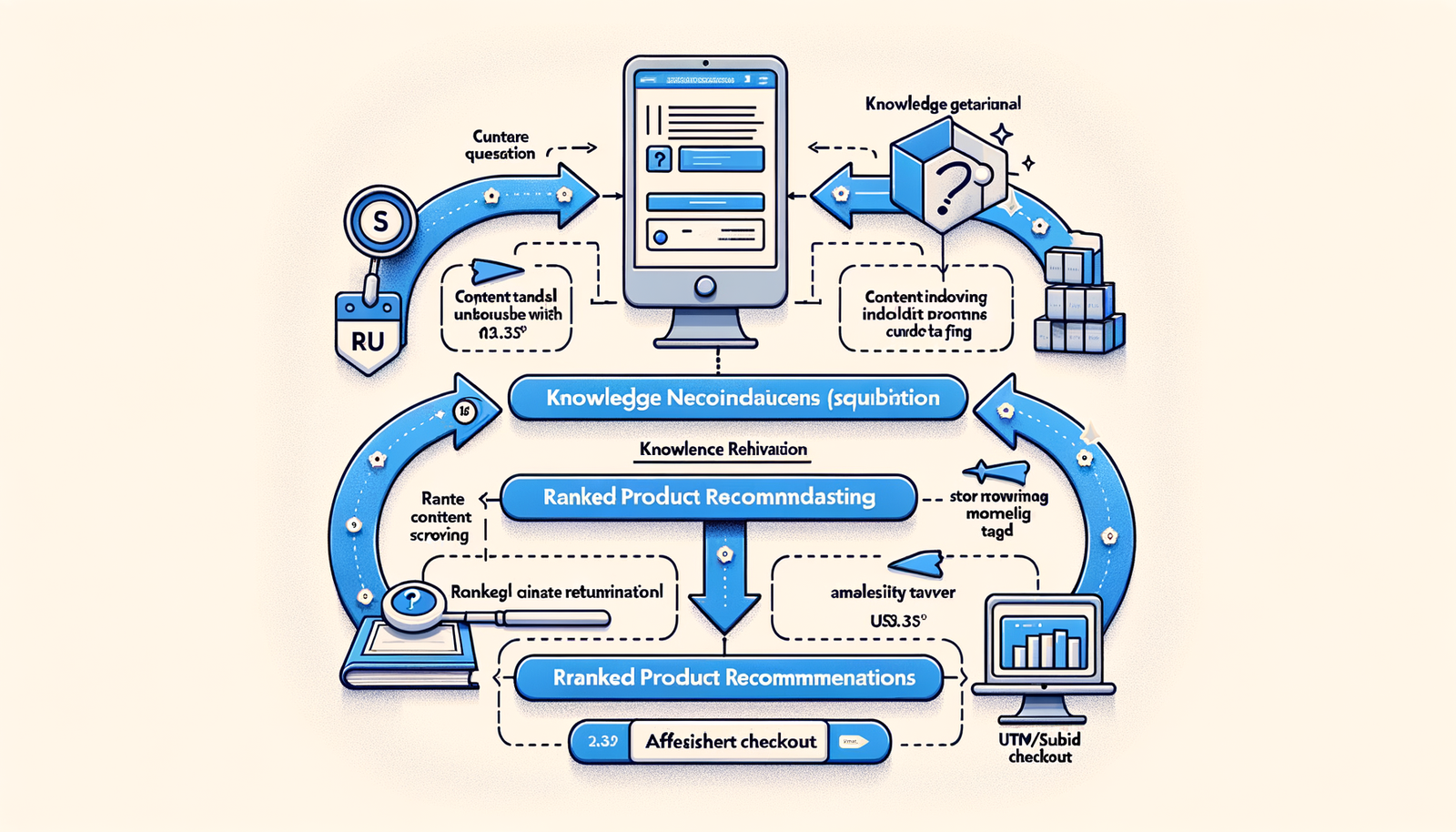
Conversational commerce embeds an on-page assistant that understands article context, your product catalog, and merchant offers. A reader asks, “Which robot vacuum is best for pet hair under $300?” The assistant parses constraints (pet hair, budget), consults structured data (price, ratings, availability), and returns 2–3 annotated picks with pros/cons, plus tagged affiliate links. It can refine (“quieter motors,” “works on carpet”), compare (“this vs that”), and explain trade-offs. Under the hood: a retrieval layer indexes your content and merchant feed; a policy layer ensures factuality and brand safety; and a tracking layer appends subIDs/UTMs for closed-loop attribution. The experience is fast, native, and privacy-aware, capturing first-party intent signals (questions asked, features preferred) while respecting consent. The final click-out is higher intent, reducing pogo-sticking and improving downstream conversion and AOV.
Reason 3: Implementation Guide—Low Lift, High Impact
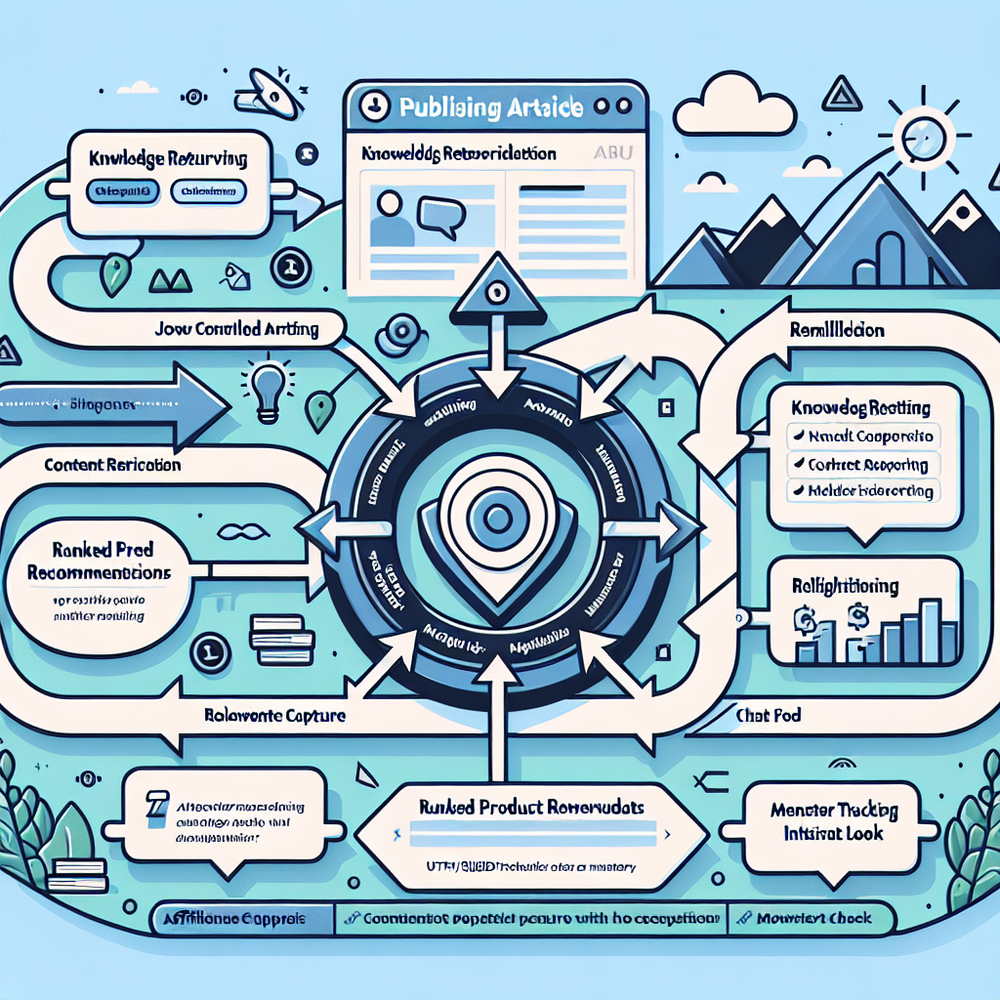
Standing up conversational commerce is faster than many expect. Start by prioritizing high-intent pages (buying guides, comparisons, seasonal deals) and define 5–10 top intents (budget, use case, compatibility). Ingest your content and structured product data, map merchants/SKUs, and set business rules (preferred merchants, price thresholds, compliance). Install the assistant: on CMS like WordPress, deploy via plugin, then configure widget placement, prompts, and fail-safes. Set tracking with subIDs/UTMs, instrument events (engagement, recommendation clicks, exits), and QA across devices. Launch iteratively: A/B test assistant vs. control on a subset of pages, then expand. Typical timelines: 7–14 days to pilot, hours to roll out sitewide once templates are set. Publishers using Brambles.ai’s conversational layer report minimal dev lift and rapid time-to-value compared to building in-house.

Reason 4: Proven Lift: Conversion, AOV, RPU
Conversational guidance increases clarity and intent, and it shows up in the numbers. In controlled A/B tests across mid-market publishers using Brambles.ai’s commerce assistant, we’ve seen 9–18% higher on-site conversion to merchant clicks, 12–22% AOV uplift on attributed orders, and 10–15% revenue-per-user (RPU) gains within 30 days. Example: a tech reviews site (2.1M monthly sessions) added a buying-guide assistant to 40 pages—engaged users had a 42% higher recommendation click-through rate and EPC rose 28%. A home improvement publisher saw cart adds per merchant session grow 16% after chat-driven comparisons reduced choice overload. These results align with broader research: McKinsey reports personalization lifts revenue 5–15% and marketing efficiency 10–30%. Conversational commerce operationalizes personalization at the decision point, turning uncertainty into confident purchases and nudging bundles or higher-margin alternatives to raise AOV without eroding trust.
Reason 5: Measurable ROI & KPIs You Can Trust
Treat the assistant like a revenue product, not just a widget. Instrument KPIs across the funnel: assistant engagement rate (target 8–20% of sessions on high-intent pages), recommendation CTR (20–40% of engaged users), merchant click conversion rate vs. control (+8–18%), AOV delta (+10–20%), EPC/eRPU lift (+10–15%), and time-to-merchant (fewer steps). Use subIDs and UTMs to attribute by page, intent, and model version; validate with network reports. Track qualitative signals too: most-asked questions, rejected options, price sensitivity. Build a testing cadence—weekly copy prompts, monthly product-rules updates, quarterly playbooks for seasonal events. Tie ROI to dollars: if your baseline EPC is $0.20 and the assistant lifts EPC 25%, a page with 100k monthly clicks adds $5,000/month. Salesforce research shows customers reward superior experiences; capturing that delta is the fastest path to net-new affiliate revenue without buying more traffic.

Reason 6: Privacy, First‑Party Data, and Trust
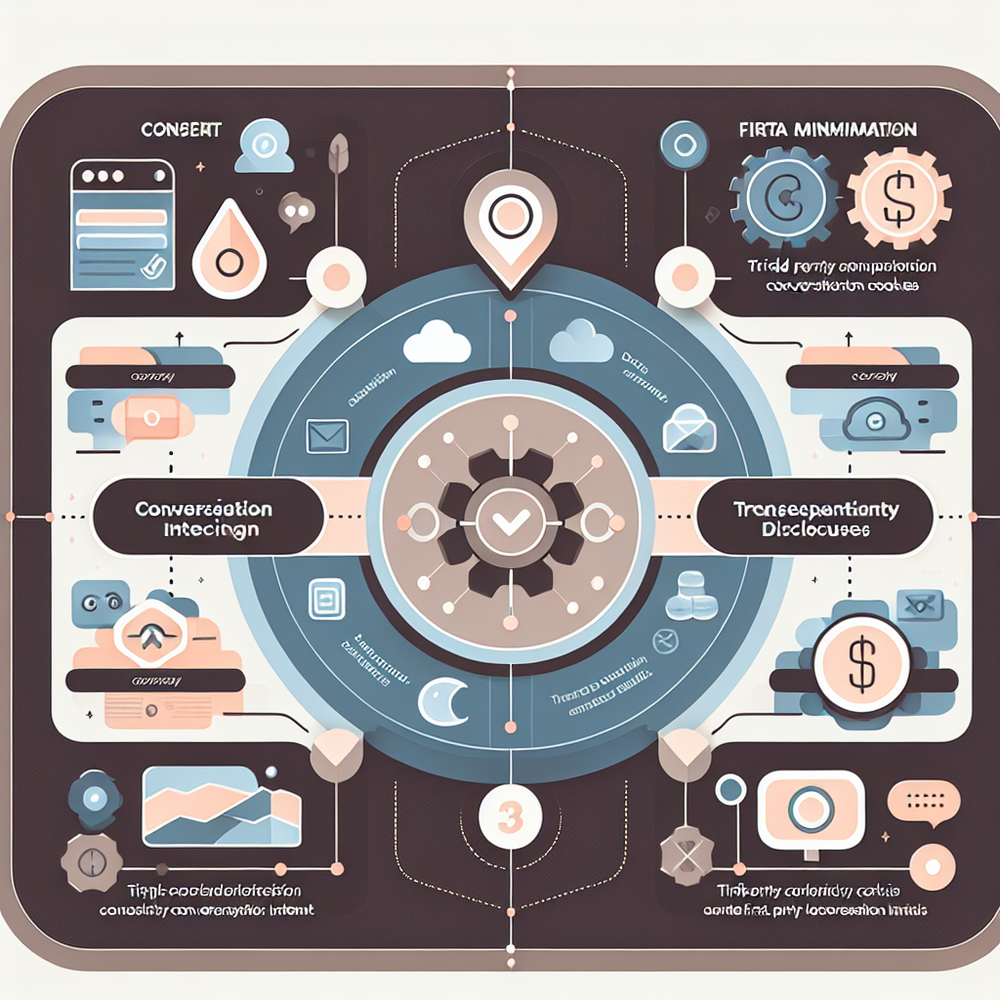
With third‑party cookies deprecating in Chrome and tightening privacy norms, first‑party intent data becomes a strategic moat. Conversational commerce captures explicit preferences—budget, features, compatibility—under consent, improving relevance without tracking users across the web. This strengthens compliance while sharpening recommendations. It also builds trust: Salesforce reports 88% of customers value experience as much as product, and transparency in how guidance is generated matters. Use guardrails: cite sources when the assistant references your content, disclose affiliate relationships, and offer a simple way to turn off or minimize chat. Aligning with privacy by design turns conversation into a value exchange: readers get clarity and time saved; publishers get measurable intent signals and better monetization. The payoff is durable performance immune to signal loss from third‑party cookies, with a clearer attribution trail via subIDs and consented analytics.
Reason 7: Common Pitfalls and How to Avoid Them
The fastest way to stall results is launching a generic bot. Avoid hallucinations by indexing only trusted content and product feeds, and add a strict fallback when confidence is low. Don’t slow pages; Google data shows speed kills—opt for lightweight widgets and defer loads. Map every recommendation to a working, compliant affiliate link with correct subIDs; QA across merchants before scaling. Prevent bias by rotating in secondary merchants when price or stock favors them. Keep context: pass page metadata so assistance reflects the article’s angle (budget picks vs. premium). Measure rigorously: without clean UTMs and network verification, you can’t prove lift. Finally, don’t over-automate—blend rules (price caps, margin floors) with AI to preserve editorial standards. Teams that run weekly tests, ship small prompt updates, and review transcripts see compounding gains and fewer surprises.
Key takeaway: conversational commerce brings the decision experience to your content, preserving intent, improving AOV, and lifting EPC without buying more traffic. Publishers and brands who move first will set the standard for relevance—and capture the revenue that leaks from legacy click-outs. If you’re ready to pilot, start on a few high-intent pages, set up clean tracking, and iterate quickly.
Brambles.ai enables this shift with a privacy-safe, shoppable assistant designed for affiliate. From WordPress deployment to enterprise-grade feeds and controls, you can launch in days, validate with A/B tests, and scale across your catalog when the numbers prove out.
Related posts
View all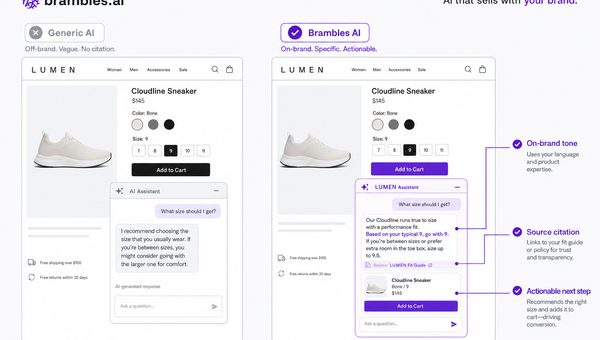
Brand-Consistent AI Chats Build Trust and Conversions
When AI mirrors your brand voice, shoppers relax—questions get answered, carts grow, and support load drops. Learn the playbook to align tone, trust, and ROI.
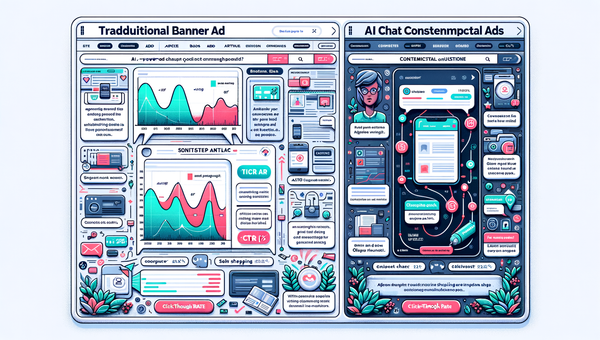
Why Contextual Ads in AI Chat Beat Banner Ads
Tests on commerce sites show AI chat contextual ads deliver 3–5x CTR, cleaner UX, and higher revenue than banners. See how they work, implement, and measure.
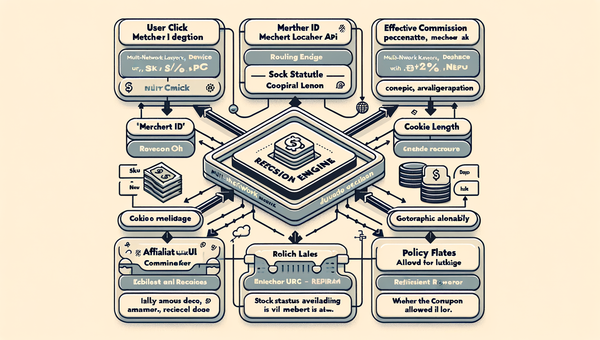
Multi‑Network Affiliate Optimization: Auto Best Rate
Route clicks across affiliate networks automatically to secure the highest commission, lift EPC, and preserve UX—practical tactics, data, and implementation ste
Explore Brambles.ai
Learn more about our AI-powered agentic commerce platform, agentic shopping, and shopping assistance solutions.
Explore More Insights
Discover more articles on AI, automation, and business innovation
View All Articles