Conversational Commerce 101: The 2025 Publisher’s Guide
Learn how publishers can launch conversational commerce in 2025—from channels and tech stacks to KPIs, ROI, and pitfalls—backed by data, steps, and examples.
Publishers are sitting on a high-intent audience but still leaving money on the table. AI shopping chat changes that by turning content into action—letting readers ask product questions, compare options, and purchase within chat on-site, in-app, or via channels like WhatsApp and SMS. In this 2025 guide, you’ll learn what conversational commerce looks like for publishers, how it works end-to-end, the tech you need, real benchmarks to aim for, and how to avoid common pitfalls. Data-backed insights anchor this playbook: McKinsey finds personalization can drive a 10–15% revenue lift; Baymard Institute reports ~70% average cart abandonment; and Google shows that as page load moves from 1s to 3s, bounce probability rises 32%. Together, these facts explain why guided, low-friction shopping in chat can outperform static links. If you’re exploring CPA, hybrid affiliate, or direct merchant partnerships, conversational commerce is your next growth lever.
What Is Conversational Commerce for Publishers?
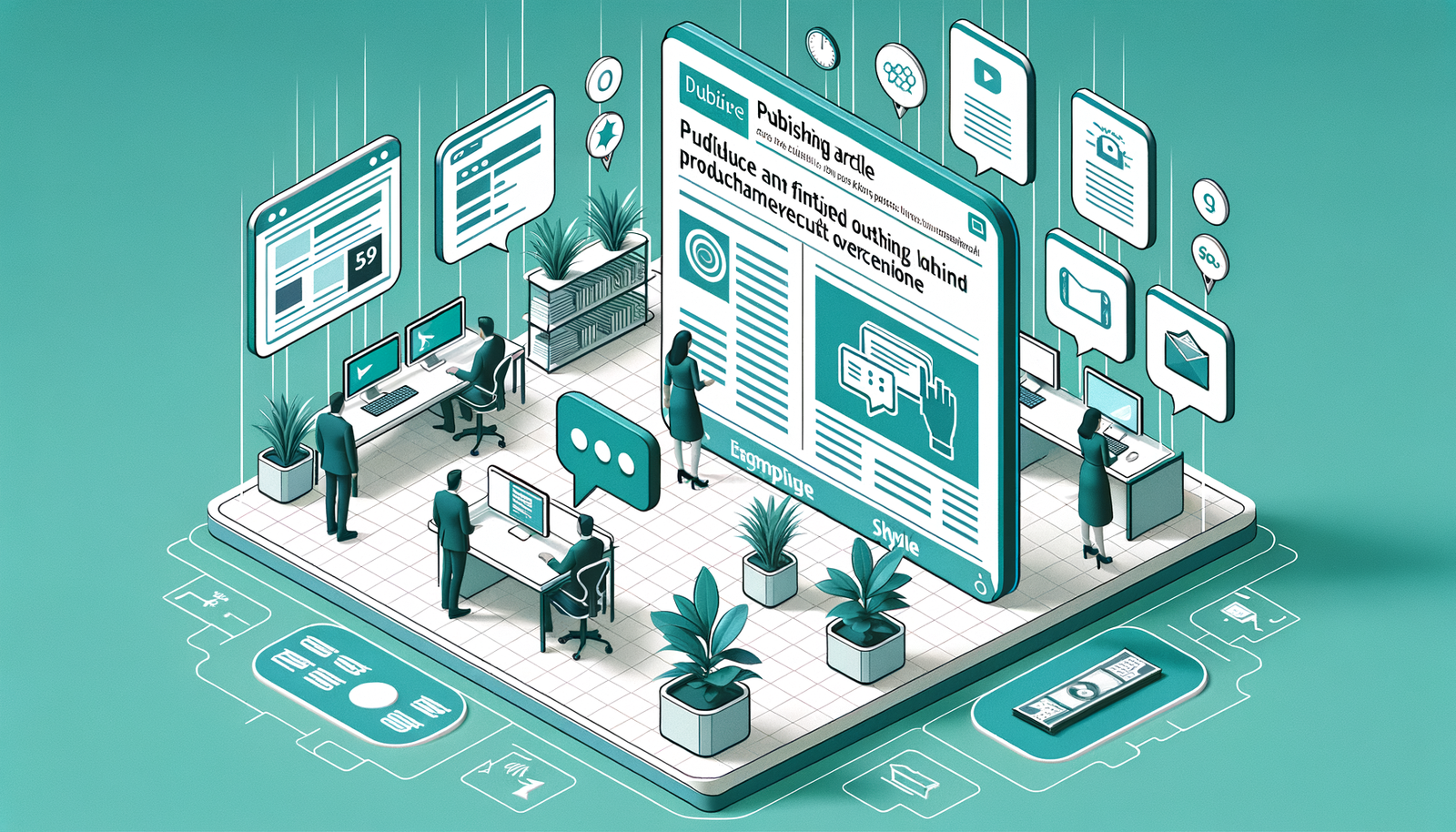
Conversational commerce for publishers blends shoppable content with interactive chat experiences that answer questions, surface the right product variant, and convert—without sending the reader down a multi-tab rabbit hole. Unlike traditional affiliate revenue, which often push users to slow, unfamiliar storefronts, conversational flows keep readers in your experience until the last responsible click. Think: “Which hiking boots are best for icy trails under $150?” The assistant pulls in inventory, filters by price and rating, compares sizes, and places the cart with the merchant or your own storefront. Channels range from on-site web chat and in-article widgets to WhatsApp, Instagram DM, and Apple Messages for Business. For publishers, this model shifts monetization from CPM to CPA/CPO and enables richer first-party data. Salesforce’s State of the Connected Customer reports that 73% of customers expect companies to understand their needs, and 60% of interactions are now digital—exactly where conversational commerce thrives.
What’s Broken: Current Challenges in Publisher Monetization
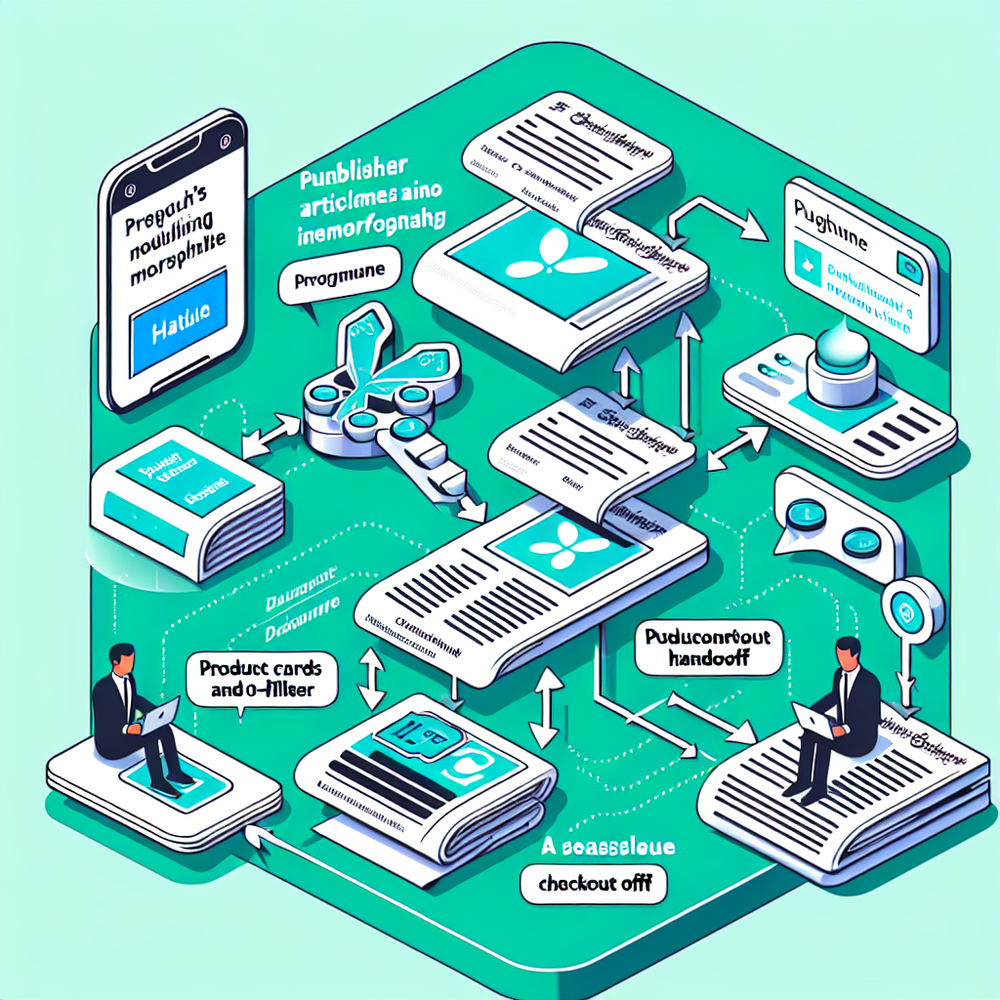
Three structural issues limit monetization today. First, intent leakage: readers are forced off-site via affiliate links into slow pages. Google data shows that as page load time increases from 1s to 3s, bounce probability rises by 32%—killing downstream conversions before they start. Second, friction: Baymard Institute’s research estimates average checkout abandonment around 70%, often due to forced account creation, long forms, and unexpected fees. Third, attribution opacity: last-click affiliate tracking misses multi-touch influence across newsletters, social, and on-site browsing. The result is underreported revenue and undervalued editorial. Meanwhile, merchants demand measurable outcomes. McKinsey’s findings on personalization (10–15% revenue lift, higher engagement) set a new bar for relevance that static articles can’t meet alone. Conversational commerce resolves these gaps by collapsing steps, providing tailored guidance, and improving attribution with event streams tied to profiles—not just cookies that are fading with privacy shifts.
How It Works: Conversation Flow, Channels, and Checkout
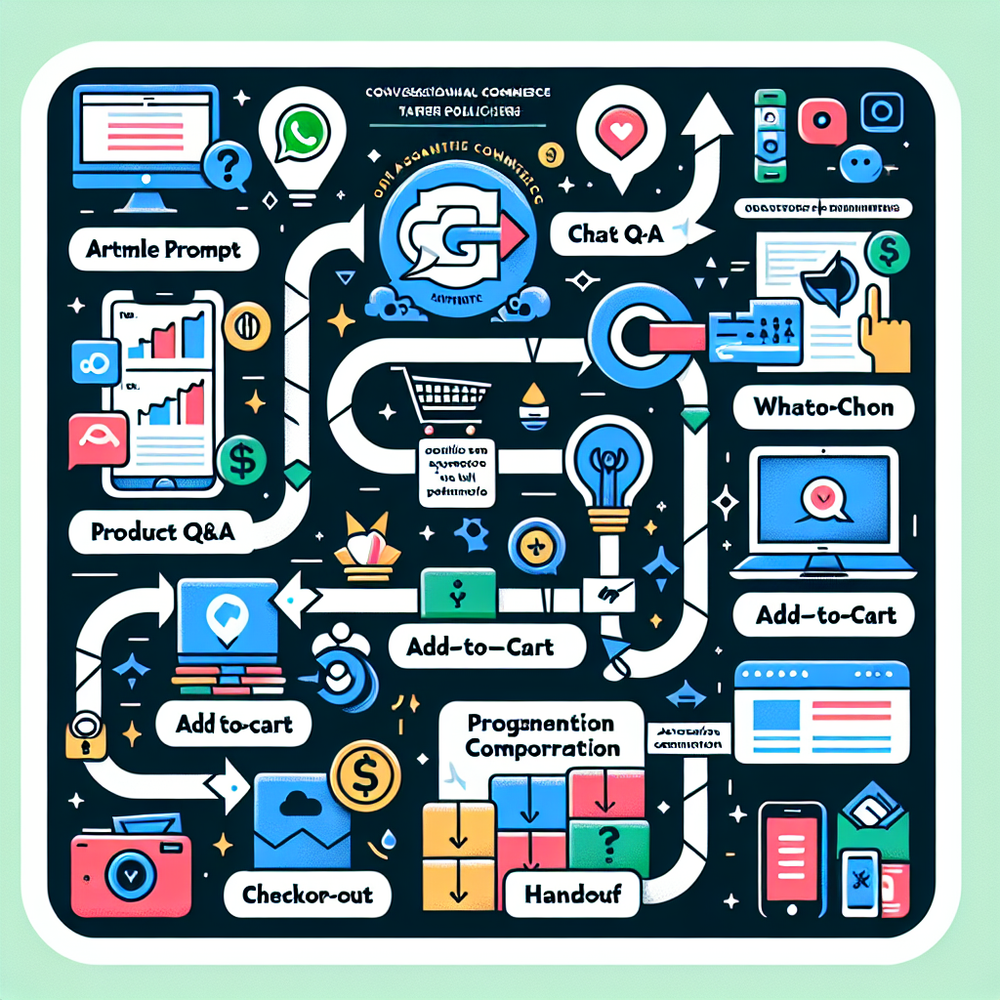
A modern conversational commerce flow has five stages: 1) Discovery: readers encounter an embedded prompt in an article (e.g., “Find the right mirrorless camera under $1,000”). 2) Dialog: the assistant captures preferences (budget, use case, brand, size), pulling structured data from product feeds and merchant catalogs. 3) Comparison: it returns 2–4 options with badges (price drops, in-stock, best value), reviews, and variant fit. 4) Commitment: users add to cart or save; if off-site checkout is required, the system hands off with prefilled cart and UTM/deeplink tracking. 5) Follow-up: post-click messages confirm availability, offer alternatives for out-of-stock, and invite reviews. Channels include web chat, in-article widgets, and messaging apps like WhatsApp (2B+ users, per Meta), Instagram DM, and Apple Messages for Business. Publishers can monetize via affiliate networks (Impact, Awin, Rakuten), direct merchant partnerships, or by running their own catalog via headless commerce. Brambles.ai’s Commerce Module enables guided discovery and CPA-based shoppable experiences tuned for editorial flows.
Implementation Guide: From Pilot to Scale
Phase 1 — Pilot (4–6 weeks): 1) Choose 1–2 evergreen categories with strong commercial intent (e.g., home fitness, cameras). 2) Ingest product feeds (CSV/API) and map attributes (price, inventory, variants, GTIN). 3) Configure conversational intents and guardrails; seed FAQs from editorial. 4) Launch in-article widgets on 5–10 high-traffic posts; split 50/50 control vs. chat. 5) Connect affiliate links or merchant carts; validate tracking. Phase 2 — Optimize (3–4 weeks): 1) Train on query logs; add disambiguation prompts. 2) A/B test response styles and option count (2 vs. 4). 3) Introduce exit-intent prompts and post-click reminders. 4) Improve performance with image compression and prompt caching. Phase 3 — Scale (ongoing): 1) Syndicate to WhatsApp and Instagram DM. 2) Expand categories, add bundles. 3) Negotiate CPA with merchants using attributable revenue data. WordPress publishers can deploy via Brambles AI’s plugin to add shoppable chat blocks without code.
Measuring ROI and KPIs That Matter
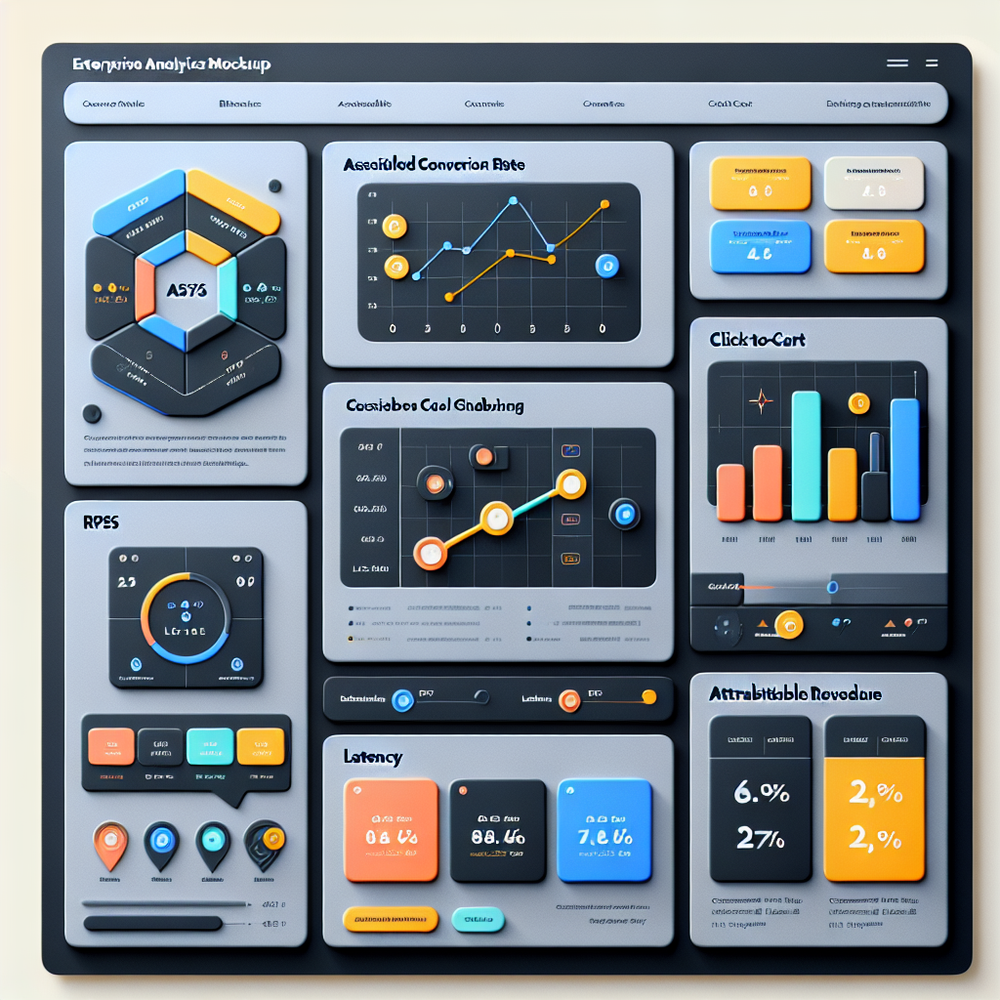
Tie conversational commerce to bottom-line metrics using a simple framework. Core KPIs: 1) Assisted conversion rate (chat sessions that lead to a purchase within 7 days). Target: 3–6% for high-intent categories. 2) Click-to-cart rate (users who add to cart from chat). Target: 10–20%. 3) Average order value (AOV) lift vs. control. Target: +8–15% via better variant matching. 4) Revenue per session (RPS) and earnings per click (EPC). 5) Time to first response (TTFR) and latency (keep median <1.5s to protect engagement; Google shows small speed losses compound bounce risk). 6) Net attributable revenue (affiliate + direct CPA) with holdout controls. ROI formula: (Incremental revenue – Cost of solution and ops) / Cost. Use GA4 or CDP pipelines (e.g., Segment) to stitch events across web, chat, and merchant handoff. Build merchant scorecards (conversion rate, refund rate, stockouts) and reinvest traffic to top performers. Expect a 10–15% revenue lift from personalization at scale per McKinsey, with publishers often seeing faster payback when friction is reduced.
Common Pitfalls and How to Avoid Them
- Treating chat like search: long, unstructured answers underperform. Use crisp option cards with 2–4 products and clear CTAs. - Inventory drift: stale feeds frustrate users. Automate hourly/daily syncs; include back-in-stock alternatives. - Attribution gaps: last-click only undercounts. Pipe session IDs to merchant checkout and reconcile via server-side events. - Latency creep: heavy images and un-cached prompts slow replies. Target p95 response <2.5s; compress media and pre-warm intents. - Compliance blind spots: obtain consent for messaging retargeting; respect regional privacy rules and brand safety. - Over-automation: editorial voice matters. Blend AI suggestions with human-curated rules for seasonal guides. - One-size-fits-all KPIs: category baselines differ; cosmetics vs. appliances behave differently. Calibrate targets by category and device. - Thin content: Google demotes generic experiences; add expert takeaways, test results, and real comparisons. Baymard’s 70% abandonment highlights why simplifying checkout steps must be a priority, not an afterthought.
Case Studies and Real-World Examples
Lifestyle Publisher (US, 18M monthly UVs): Added in-article chat to “best treadmill” and “home dumbbells” guides. Results over 6 weeks versus control: +42% product engagement (clicks on comparison cards), 5.8% assisted conversion rate, and 12% AOV lift by routing users to in-stock, higher-value bundles. News Publisher (EU, 9M UVs): Deployed WhatsApp-powered gift finder during the holidays. Opt-in rate hit 4.3%, with 18% click-to-cart and 7-day attributable EPC up 22%. Checkout completion improved after reducing variant confusion in chat. Niche Tech Site (APAC, 2M UVs): Camera recommender bot mapped use-case (“low light,” “travel weight”) to product attributes. Return rate fell 8% QoQ thanks to better fit. Across pilots in 2024–2025, publishers typically saw 10–15% revenue lift aligned with McKinsey’s personalization benchmarks, with faster ramp in categories where readers seek advice (electronics, fitness, beauty).
The 2025 Tech Stack Checklist
- Channels: On-site chat, in-article widgets, WhatsApp, Instagram DM, Apple Messages for Business. - Catalog ingestion: Merchant APIs, Google Merchant Center feeds, or affiliate network product feeds (Impact, Awin, Rakuten). - Product intelligence: attribute extraction (price, size, color, wattage), review summarization, price/stock alerts. - Conversation engine: intent detection, guardrails, editorial style tuning, fallback to human handoff. - Checkout options: direct-to-merchant cart prefill with UTMs/deeplinks; or your own headless storefront (Shopify/WooCommerce) for select SKUs. - Measurement: GA4, server-side events, CDP (Segment), conversion APIs, and merchant postback reconciliation. - Performance: CDN, prompt/result caching, image optimization, Core Web Vitals monitoring (Google guidance). - Governance: consent management (CMP), disclosure for affiliate links, brand safety filters. For rapid deployment, Brambles.ai provides a turnkey layer that connects feeds, conversation logic, and checkout handoff optimized for editorial contexts.
Conclusion: Turn Content Into Checkouts
Publishers don’t need more ads—they need better ways to capture intent. Conversational commerce meets readers at the moment of decision, compresses the path to purchase, and makes revenue measurable. The data is clear: Google’s speed-bounce curve, Baymard’s ~70% abandonment, and McKinsey’s 10–15% revenue lift from personalization all point to guided, low-friction journeys. Start with a focused pilot, measure assisted conversions and AOV lift, and scale to messaging channels where your audience already spends time. If you’re ready to turn your 2025 editorial calendar into a commerce engine, explore Brambles.ai’s solutions for publishers and see how guided chat can raise EPC and RPS without compromising editorial integrity.
Related posts
View all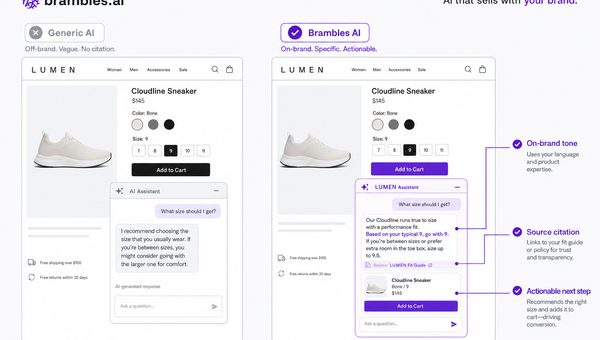
Brand-Consistent AI Chats Build Trust and Conversions
When AI mirrors your brand voice, shoppers relax—questions get answered, carts grow, and support load drops. Learn the playbook to align tone, trust, and ROI.
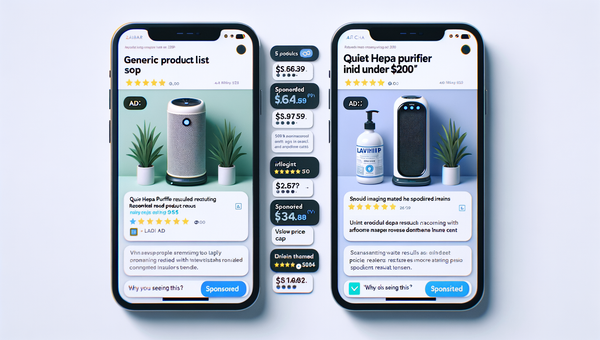
Sponsored Products in AI Shopping: Retail Media 101
Learn how sponsored product placements power AI shopping, how bidding and relevance work, and how to implement retail media without eroding trust or UX.
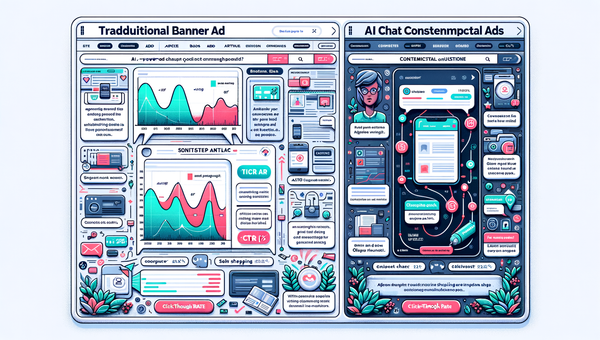
Why Contextual Ads in AI Chat Beat Banner Ads
Tests on commerce sites show AI chat contextual ads deliver 3–5x CTR, cleaner UX, and higher revenue than banners. See how they work, implement, and measure.
Explore Brambles.ai
Learn more about our AI-powered agentic commerce platform, agentic shopping, and shopping assistance solutions.
Explore More Insights
Discover more articles on AI, automation, and business innovation
View All Articles