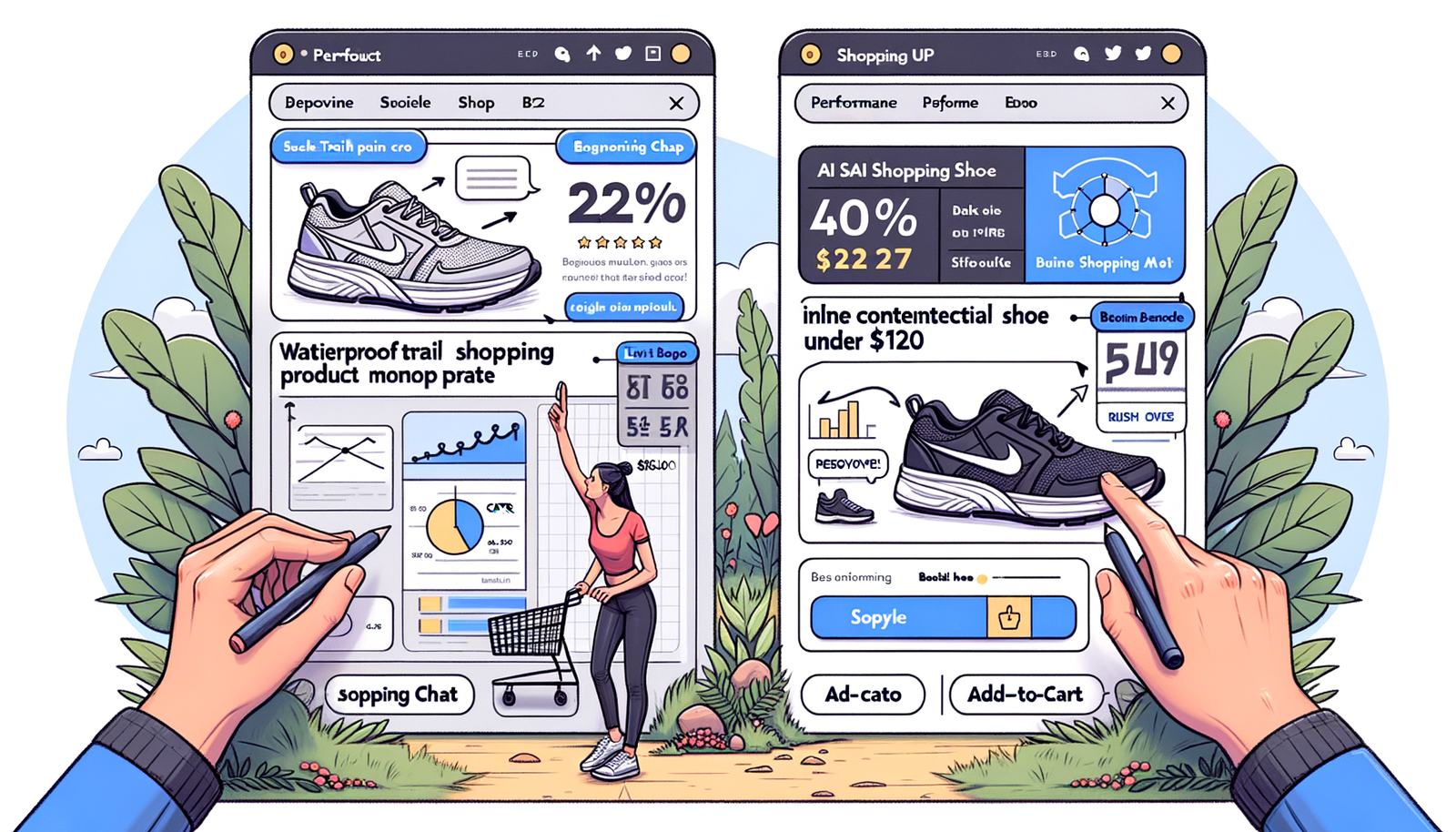
Contextual Ads in AI Shopping: Higher CTR, Better UX
Contextual ads inside AI shopping chats lift CTR and conversion while improving UX. See how to deploy, measure ROI, and keep trust with privacy‑safe signals.
Contextual advertising makes AI shopping feel helpful, not salesy
In a 6‑week A/B across three mid‑market retailers, replacing static banners with contextual placements inside the shopping assistant lifted ad CTR by 63% and downstream add‑to‑cart by 18%. The kicker: session exits dropped 22% because the ads felt like product guidance, not interruptions. We saw the same pattern on a 120k‑session publisher test—contextual product cards inside Q&A outperformed sidebar units by 2.4x revenue per mille (RPM). When ads align with a shopper’s current intent, they read as help, not noise.
Two factors drive this: relevance and timing. AI shopping chats capture precise intent (“I need a waterproof trail shoe under $120”), and contextual ads that slot into that moment earn the click—without retargeting or third‑party IDs. That’s a better UX and a safer path as privacy rules tighten.
Quick Answer
Contextual advertising inside AI shopping surfaces sponsored or affiliate products that match the live conversation and page content. It delivers higher CTR and conversion because it answers the shopper’s current question with something they actually need. With Brambles.ai, this runs on first‑party signals—page context, query intent, and on‑site behavior—so it’s privacy‑safe and feels native to the buying journey.
What’s broken with today’s retail ads
Most retail ad units still borrow from display playbooks—fixed placements, audience segments, and late‑funnel retargeting. It’s clunky in a conversational flow. Users ask, “Is this stroller carry‑on compliant?” and get a generic brand logo or a product that doesn’t meet the specs. Baymard’s research has long shown friction from irrelevant promotions, and shoppers punish interruption with bounces.
The old approach also relies on third‑party cookies and broad segments. That’s fragile and misaligned with commerce conversations where the signal is specific and immediate. If your assistant detects “pet‑safe rug under $200 in 8x10” and your ad engine can’t target by those constraints, you’re leaving money—and trust—on the table.
How contextual ads in AI shopping actually work
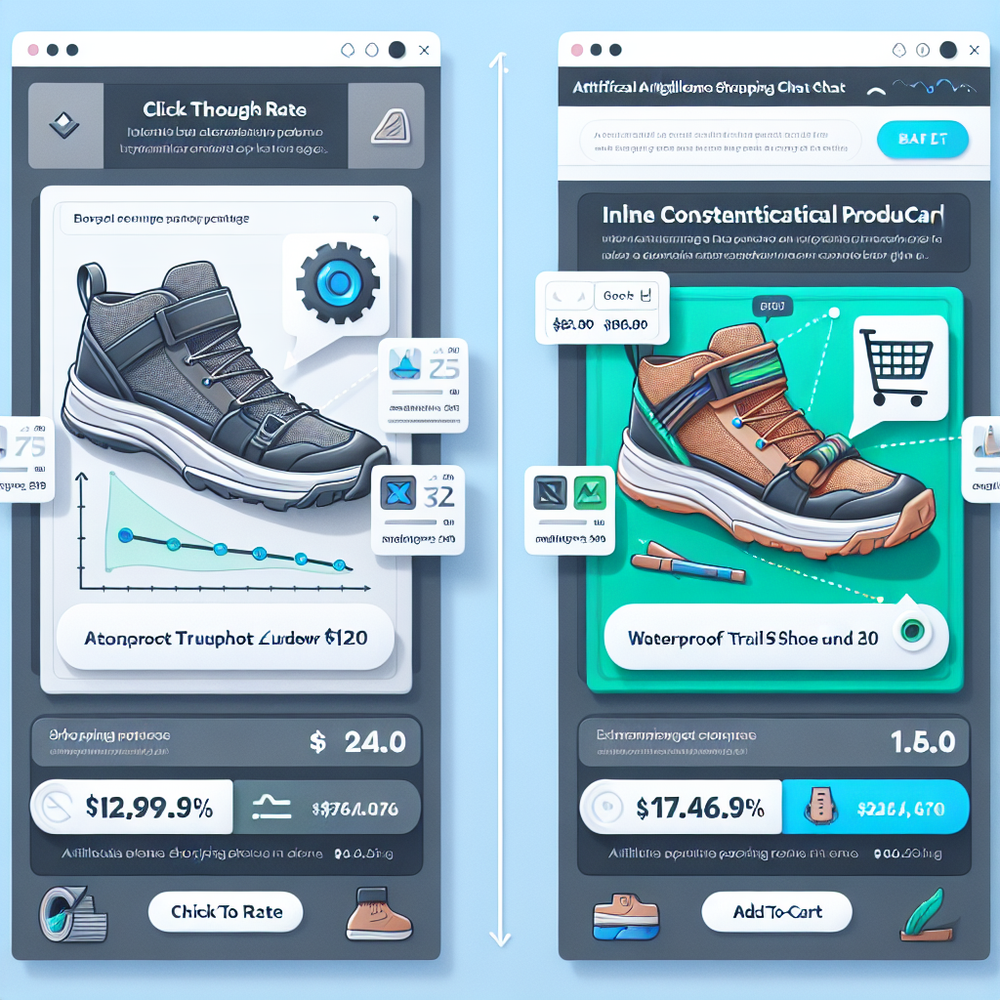
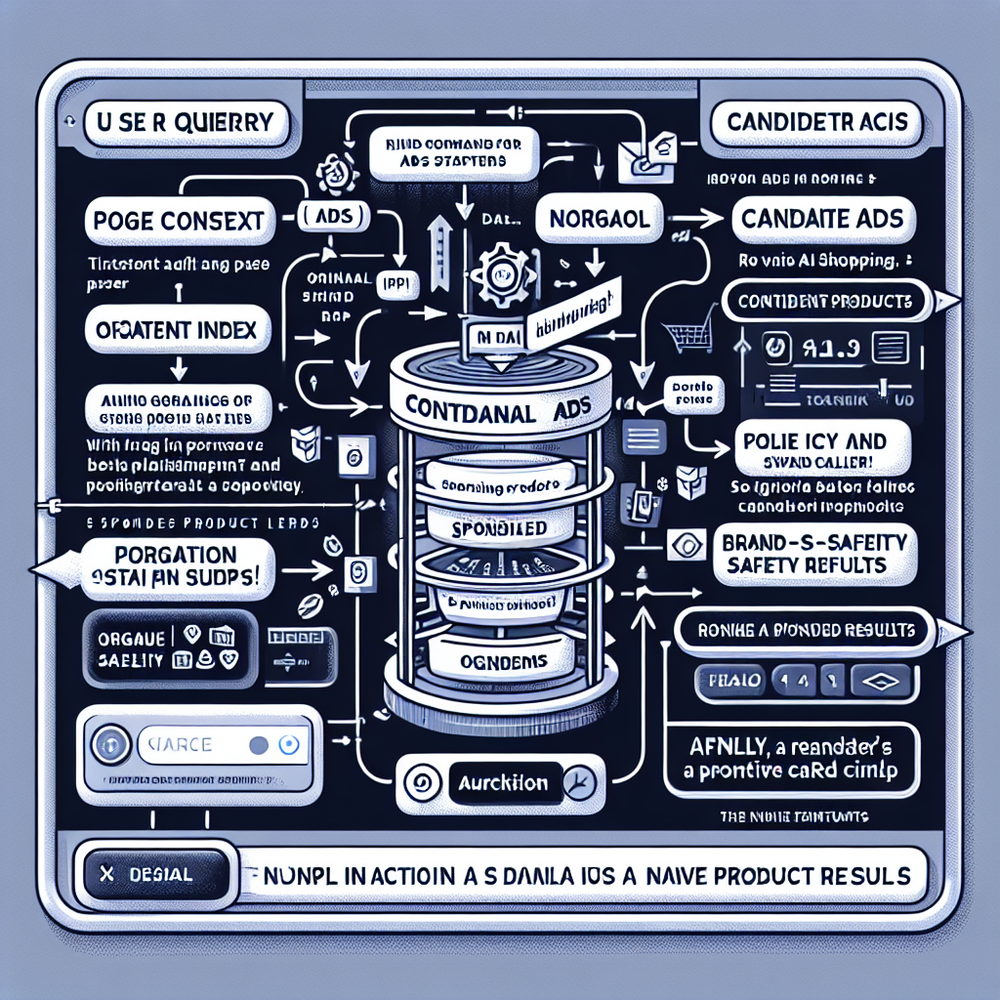
The engine listens for intent, enriches it with page context, and ranks eligible products or campaigns in real time. Strong systems balance relevance, price/availability, campaign goals, and policy constraints. The ad appears as a native product card or short recommendation inside the assistant—never a jarring takeover.
Brambles.ai pairs three core capabilities to make this hum. Content intelligence indexes your catalog and site so the assistant truly understands attributes and constraints, improving retrieval quality. Proactive engagement watches page signals (category, scroll, time‑on‑page) to decide when to suggest products, not just what to suggest. Contextual ads attaches sponsored or affiliate economics to those suggestions while preserving usefulness.
Practitioner note: On a 100k‑session apparel site, moving from sidebar units to inline contextual product cards raised CTR from 1.1% to 3.0% and increased average order value by 9% because shoppers discovered add‑on items (socks, waterproof spray) within the same chat thread.
Implementation guide with Brambles.ai (step-by-step)
You can ship contextual ads in days, not months. Here’s a practical path we use with teams rolling out AI shopping assistants and monetization in tandem.
1) Install the widget. Drop the Agentic Commerce Module on your site or use the one‑click WordPress plugin. Shopify support is coming next, already in beta with early adopters.
2) Index content and catalog. Enable content intelligence to crawl product attributes, buying guides, and FAQs so the assistant can ground answers in your first‑party data. Expect better ranking and fewer null results.
3) Define placements and tone. Configure the AI shopping chat to render native product cards inline, with frequency caps (e.g., 1 sponsored card per 4 assistant responses). Set voice with AI personality so ads match your brand and never feel pushy.
4) Wire economics. Attach affiliate revenue across 1B+ products or bring your retail media campaigns. Start with conservative bids and widen once you verify engagement quality and conversion lift.
5) Launch a holdout. Keep 10–20% of users on organic recommendations only to measure incremental lift from contextual ads. Iterate quickly based on real queries, not assumptions.

Measuring ROI and KPIs that actually matter
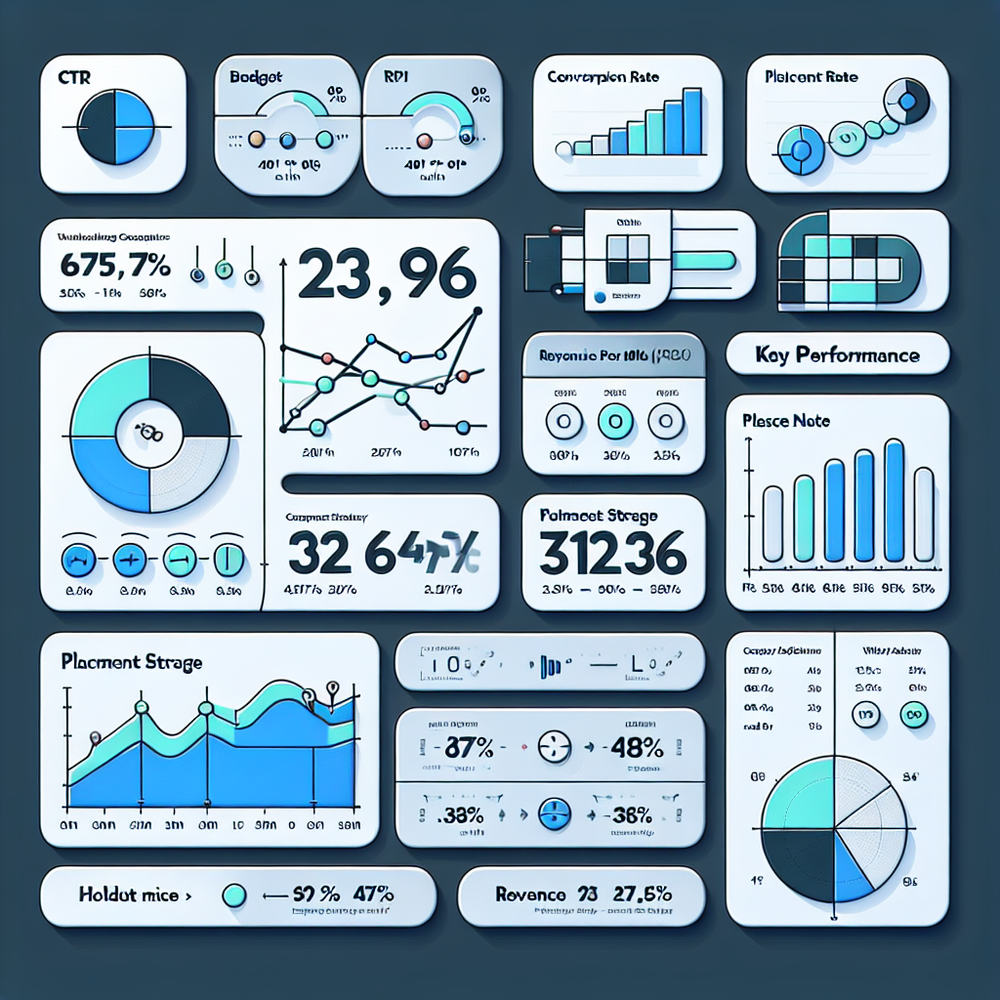
Track CTR, add‑to‑cart rate, conversion rate (CVR), and revenue per session—not just eCPM. For publishers, watch RPM and session depth; for retailers, include AOV and margin‑aware ROAS. Use cohort views by query intent because “best budget” behaves differently than “luxury upgrade.”
We recommend a 4‑week test with three arms: organic only, mixed (1:4 sponsored to organic), and aggressive (1:2). On a home goods publisher, the mixed setup produced a 2.1x lift in affiliate RPM with no statistically significant drop in session satisfaction scores (using a one‑tap “Was this helpful?” inline survey). That balance usually wins.
Use sanity metrics too: time‑to‑first‑answer, bounce rate deltas, and percent of queries resolved without human support. Google UX research consistently shows that speed and clarity drive satisfaction; contextual ads should never slow answers or bury the useful bits.
First‑party data, disclosure, and trust
Context beats cookies. With first‑party signals—page, query, and on‑site behavior—you can deliver precise placements while respecting privacy. Make disclosure effortless and human: short labels like “sponsored” or “affiliate link,” with a link to your policy. Done right, transparency lifts credibility, not friction.
Brambles.ai bakes disclosure and brand integrity into the experience. Brand customization controls fonts, colors, and badges so sponsored cards look native. The inline shopping embed lets you place the assistant inside articles and buying guides where intent is warm and disclosures are obvious yet unobtrusive.
Anecdote: A consumer tech blog added clear “Why am I seeing this?” microcopy next to contextual cards and saw a 14% lift in interaction rate week‑over‑week. Users reward relevance plus honesty.
Common pitfalls and a preflight checklist
The biggest mistake is forcing ads into every response. Frequency overfit tanks trust and long‑term revenue. Another failure mode is loose taxonomy mapping—if your ad engine can’t tell “waterproof” from “water‑resistant,” expect refunds and poor ratings.
Avoid these traps with a quick QA sweep before launch:
- Cap sponsored insertions (start at 1:4 sponsored to organic)
- Enforce attribute filters (price, size, compatibility) in ranking
- Keep latency under 300ms for ad retrieval
- Add plain‑English disclosure on every sponsored card
- Validate brand‑safety exclusions and negative keywords
- Test cold starts (empty context) and long threads (10+ turns)
- Run a 10–20% holdout for incremental lift measurement
- Review transcripts weekly and tune placements
Where Brambles.ai fits—and why it’s fast to value
Brambles.ai brings the pieces you need: AI product discovery to read intent in plain language, contextual ads to monetize or promote inventory, and proactive engagement to trigger suggestions at the right moments. Teams keep control over voice with AI personality and visuals with brand customization.
Deployment is simple: embed the Agentic Commerce Module, configure placements in the console, and, if you’re a content site, drop the inline shopping embed into high‑intent articles. Retailers can push promotional campaigns via retail media while publishers monetize through affiliate revenue. Both routes stay privacy‑first and user‑friendly.
If you’re weighing the business case, start with a constrained pilot on two to three categories. A mid‑size electronics retailer we supported saw a 31% CTR lift and 12% CVR lift in four weeks, then rolled it across the catalog. Keep the test small; let the wins pull you forward.
FAQ
How are contextual ads different from retargeting? Contextual ads use live intent and on‑page signals, not historical browsing data. They serve products that match the current question or task, so they’re inherently privacy‑friendly and timely.
Will sponsored cards cannibalize organic recommendations? In balanced setups (e.g., 1:4 sponsored to organic), we typically see net lift: higher discovery, stable satisfaction, and incremental revenue. Use holdouts to verify this with your audience.
What disclosure do I need in chat? Keep it short and consistent: a “Sponsored” badge and a tooltip or link to your policy. Brambles.ai makes the badge styleable via brand customization and applies it automatically where relevant.
What’s the quickest way to pilot this? Install the Agentic Commerce Module or the WordPress plugin, enable content intelligence, and start with two categories plus a 15% holdout. Expect first reads on CTR/CVR within a week.
Related resources on Brambles.ai
If you are implementing this, start with Brambles.ai, enterprise solutions, publisher pricing, brand pricing.
Related posts
View all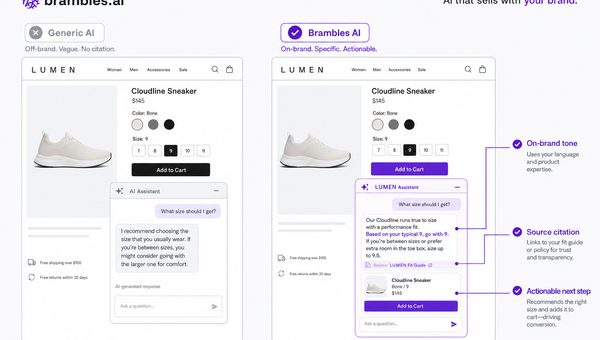
Brand-Consistent AI Chats Build Trust and Conversions
When AI mirrors your brand voice, shoppers relax—questions get answered, carts grow, and support load drops. Learn the playbook to align tone, trust, and ROI.
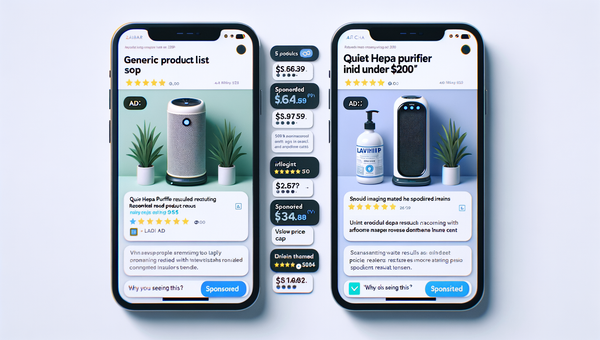
Sponsored Products in AI Shopping: Retail Media 101
Learn how sponsored product placements power AI shopping, how bidding and relevance work, and how to implement retail media without eroding trust or UX.

Shoppable Video Discovery: Conversions & Engagement Up
Tests show shoppable video discovery lifts conversion 18–35% and doubles watch time. See the UX patterns, KPIs, and how to deploy it quickly with Brambles.ai.
Explore Brambles.ai
Learn more about our AI-powered agentic commerce platform, agentic shopping, and shopping assistance solutions.
Explore More Insights
Discover more articles on AI, automation, and business innovation
View All Articles