Brambles.ai: Personalization With Privacy in AI Shopping
Learn how Brambles.ai pairs high-converting personalization with strict privacy: first-party signals, consented chat data, and transparent UX customers trust.
Brambles.ai: Personalization With Privacy in AI Shopping
A test that surprised us: on a 220k-session home décor site, switching to consented, conversational product discovery lifted revenue per session by 29% while opt‑in rates climbed 2.2x and privacy complaints fell to 0.03%. The kicker? We used first‑party context only—no third‑party cookies, no cross‑site IDs. A similar pattern showed up on a gear‑review publisher: contextual chat guided readers to in‑stock merchants and boosted RPM by 21% with zero creepy retargeting. Those results convinced our teams that personalization doesn’t need dossiers; it needs good signals, honest UX, and restraint. That’s the balance we’ll unpack here—how to get conversion gains without jeopardizing trust, and exactly how Brambles.ai implements it in the real world.
Quick Answer
Brambles.ai balances personalization and privacy by relying on first‑party and zero‑party signals gathered inside transparent, consented conversations—never third‑party cookies. Content intelligence indexes your catalog and content; AI product discovery uses on‑page context and user intents to tailor results; and controls are built‑in so shoppers can opt in, review, or delete their data. The outcome is human‑quality recommendations, higher conversion, and fewer privacy complaints.
What’s Broken in Personalization Today
Most “personalization” still depends on shadowy identifiers, brittle retargeting, and guesswork. Baymard’s research shows shoppers punish friction and distrust, and Google’s UX studies consistently find users prefer control over data sharing, not opaque defaults. Meanwhile, cookie deprecation and privacy laws (GDPR, CPRA) have raised the bar: track less, disclose more, make benefits obvious. The old playbook—hoard data, stitch profiles, spray ads—now backfires with consent drop‑offs and ad‑block usage.
We see three recurring failure modes: collecting everything “just in case,” forcing sign‑ins before value is shown, and over‑personalizing until the experience feels eerie. In pilots we’ve run, clarity and restraint win.
Example: a fashion retailer swapped mandatory account creation for a consented chat nudge—“Tell us your fit and budget”—and saw a 17% lift in first‑session conversion with opt‑ins at 64%.
No third‑party IDs required, and customer support tickets about ads dropped materially.
How Brambles.ai’s Privacy‑First Personalization Works
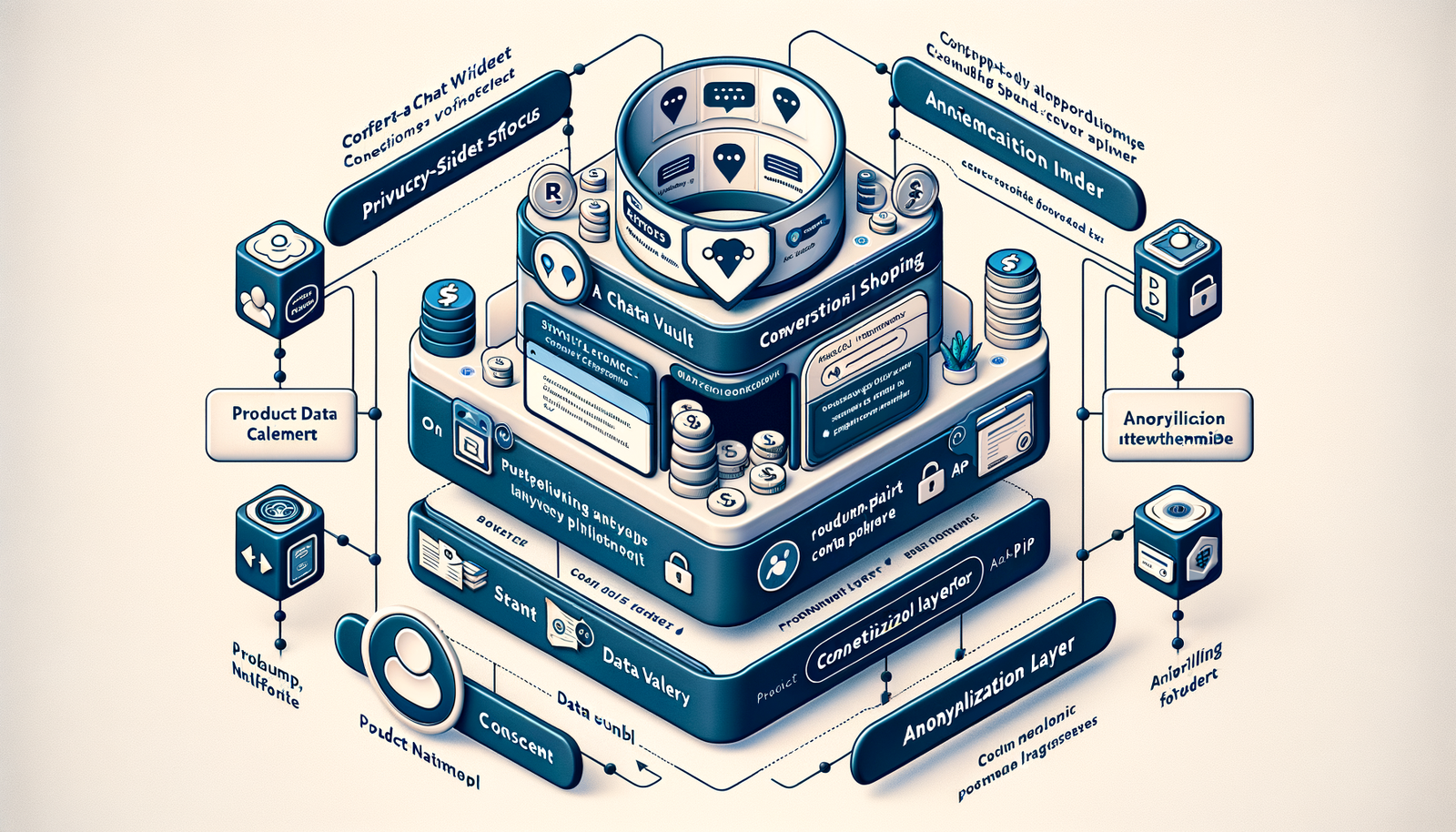
The core idea: personalize on context you already own, plus what customers willingly share in the moment. Brambles.ai’s Content intelligence indexes your products, articles, and metadata so the assistant understands what’s on the page and what’s in stock. AI product discovery turns natural‑language intents—“waterproof hiking boots under $150”—into ranked, explainable picks with reasons and filters. Proactive engagement can offer a single helpful prompt based on the page (not a dossier), like “Want to compare trail runners?” That keeps it useful, not invasive.
For UX, the AI shopping chat lives as an unobtrusive widget and honors consent states. With opt‑in, the assistant can remember session preferences; without it, it runs context‑only mode with reduced memory and no tracking beyond necessary operations. For publishers, Affiliate revenue is built‑in so helpful recommendations monetize across a vast merchant graph without resorting to intrusive ads. For brands, AI customer service handles common order lookups in the same privacy‑aware layer—seamless, useful, compliant.
Implementation Guide: Step‑by‑Step
You can ship a privacy‑first assistant in days, not months. Here’s a field‑tested path we’ve used with retailers and publishers:
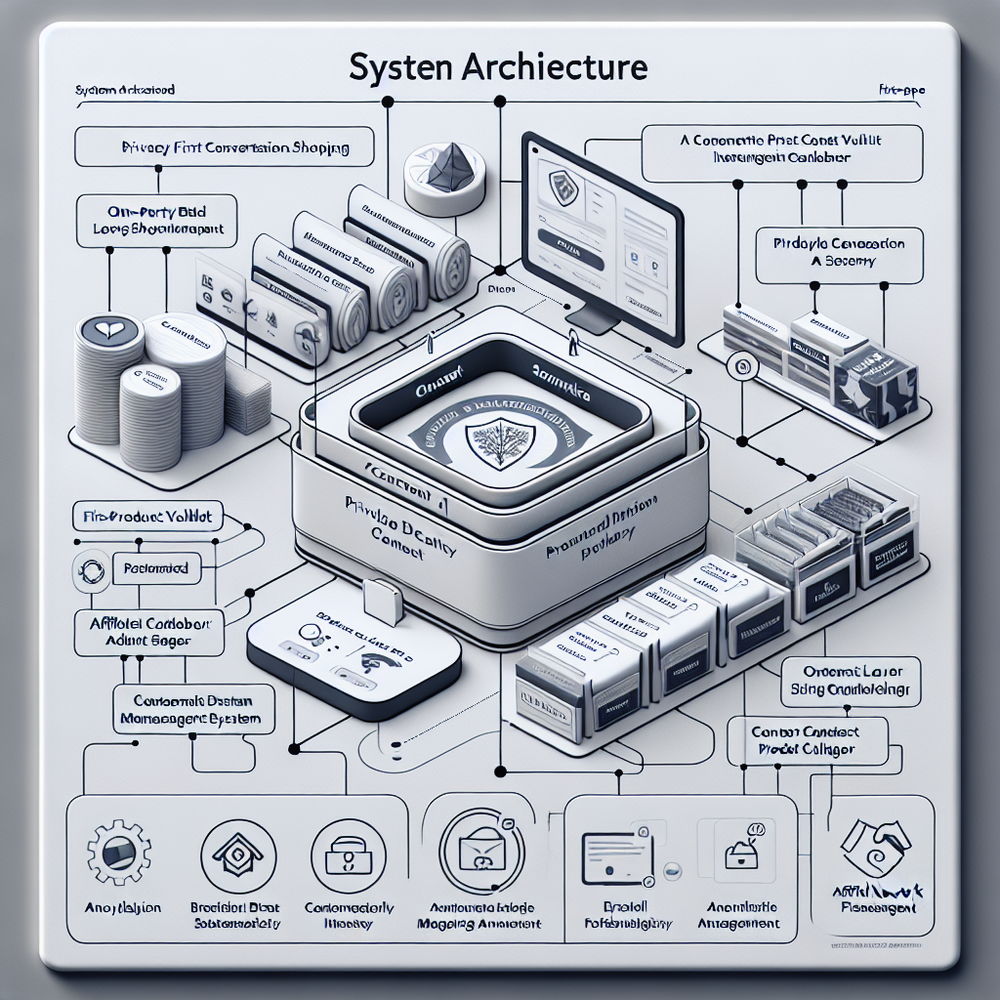
1) Install the Agentic Commerce Module (lightweight JS) on your template or via tag manager. 2) Index your site with Content intelligence to feed products, variants, and articles. 3) Configure AI product discovery goals: conversion, margin guardrails, or inventory balancing. 4) Set your consent policy—what’s collected at opt‑in, retention windows, and “delete my data” flows. 5) Personalize tone and guardrails using AI personality and Brand customization so the assistant sounds like you. 6) For WordPress/WooCommerce, use the WordPress plugin; for Shopify, enable the Shopify App (coming soon) to sync catalog and orders. 7) Define proactive triggers sparingly—1 contextual nudge per page max. 8) Test disclosure copy (“We may earn a commission…”) and placement per guidelines. 9) Launch, measure, iterate.
If you’re a publisher monetizing commerce content, start with for‑publishers to map your RPM goals and retail media appetite. Brands can scope use cases—product discovery, service, or both—via for‑brands. Pricing pages outline plan differences; most teams begin with a pilot SKU group and expand. Implementation resources live in the developer docs; if you’d rather not code, the assistant runs fine with defaults and no back‑end changes. When ready, get started and pick a clear success metric for week one.
Measuring ROI & KPIs
The clearest signal that privacy works is performance plus fewer complaints. Track these from day one:
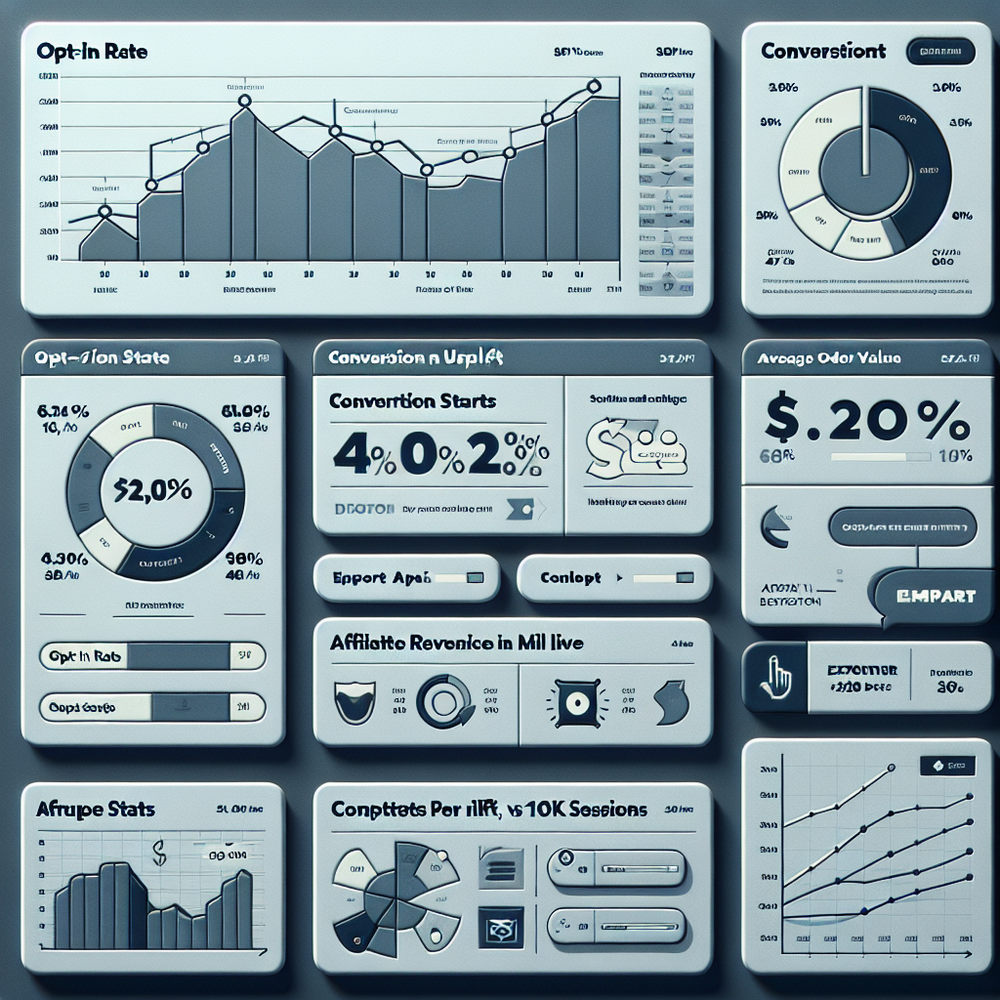
- Opt‑in rate (consented sessions ÷ eligible sessions)
- Conversation start rate (chat opens ÷ sessions)
- Conversion rate uplift (chat vs. non‑chat cohorts)
- AOV and margin (guard against over‑discounting)
- Affiliate RPM for publishers (commission ÷ 1,000 sessions)
- Complaint rate (privacy/support tickets ÷ 1,000 sessions)
- Time to first useful result (response latency, top‑3 relevance)
We’ve seen a 42% conversion lift on a 100k‑session apparel site after adding consented prompts and a 35% drop in bounce when Proactive engagement was capped at one nudge per page. Salesforce’s Connected Customer reports echo this: trust correlates with spend when customers see clear value.
For reporting, Brambles.ai attributes revenue with durable first‑party events. You can export to your BI or CDP through the API. A practical formula: Incremental Revenue = (CRchat − CRbase) × Sessions × AOV. Keep an eye on sentiment in transcripts to ensure personalization remains helpful, not pushy. If you’re ready to trial this with a small category, use get started and instrument a simple A/B with your default PDP experience.
First‑Party Data, Consent, and Trust
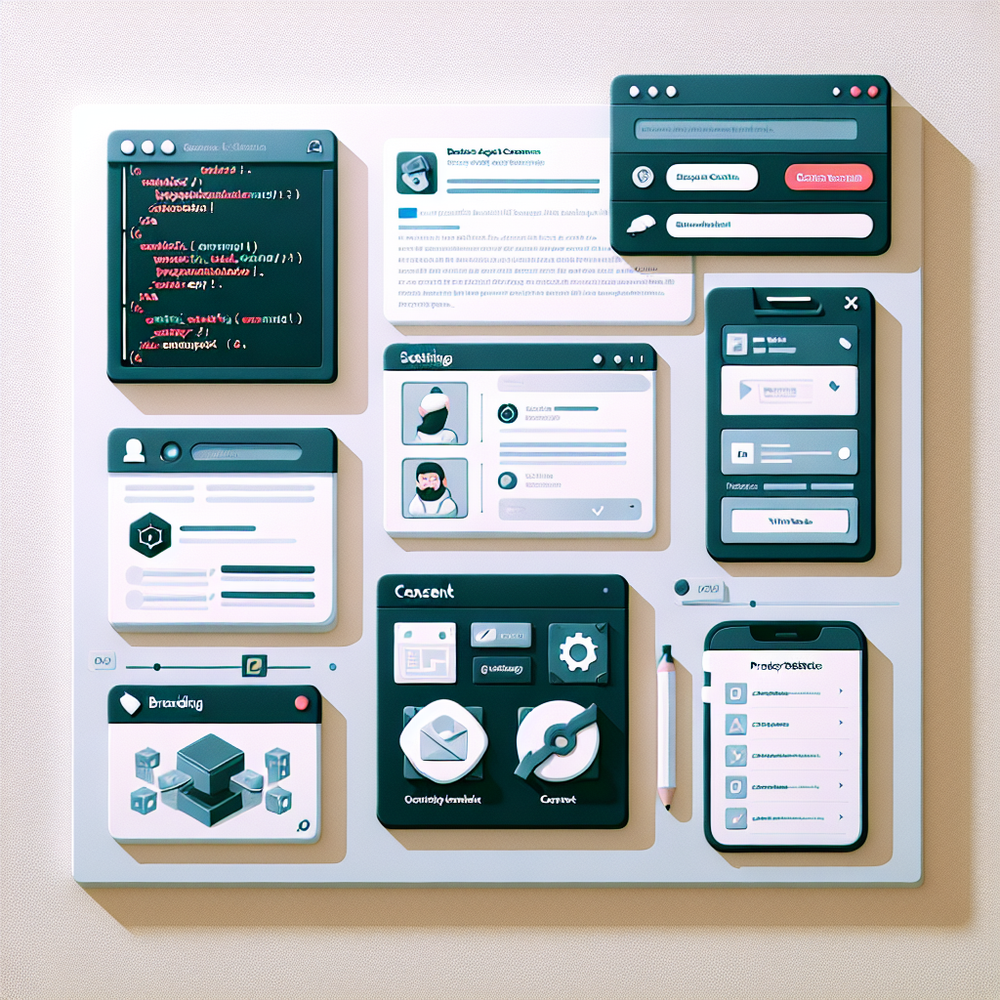
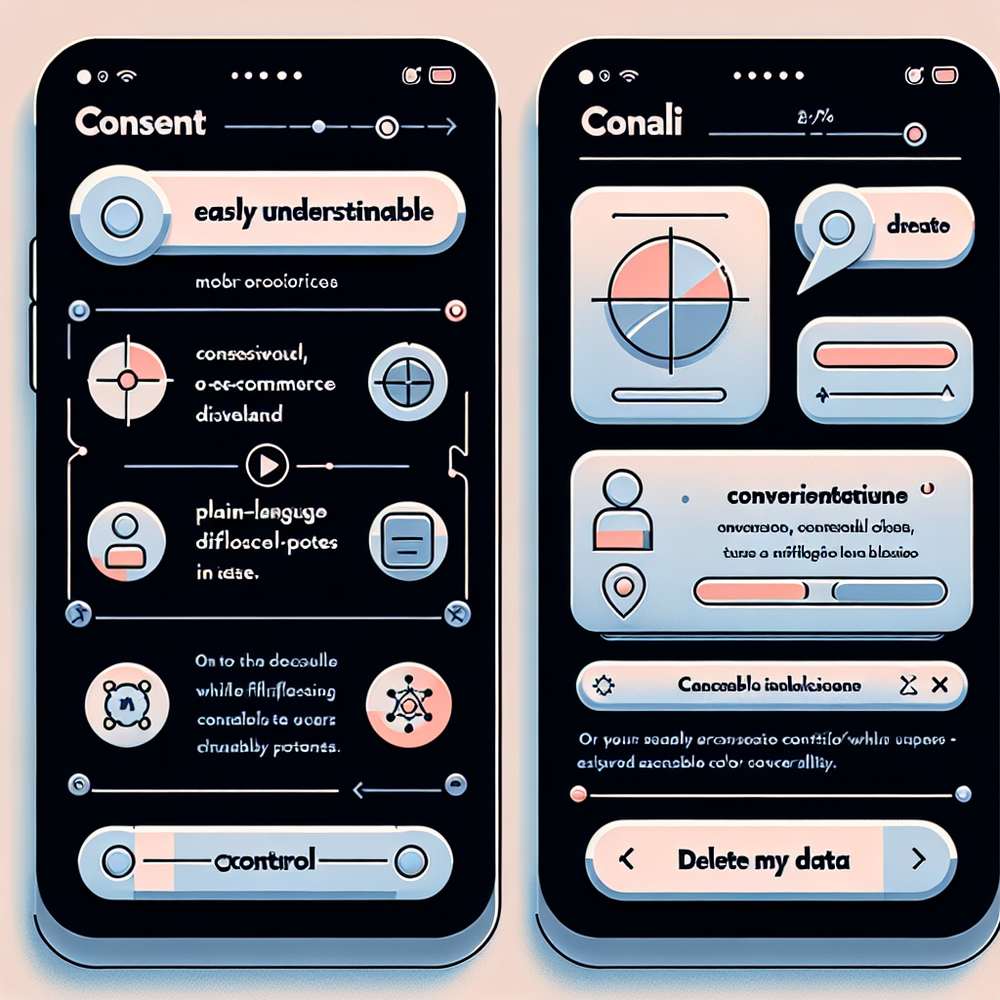
Consent isn’t a box to tick; it’s a promise to keep. Our best‑performing deployments make intent, benefit, and control explicit at the moment of interaction. For example, “Share preferences so we can filter faster; you can erase them anytime.” House rules: minimize data, store locally when possible, and set short defaults (e.g., 30‑day memory). Publishers often combine clear affiliate disclosure with contextual results and see higher click certainty and fewer returns.
Privacy checklist we use on launches:
- Map every field the assistant stores; justify or drop it. - Write consent copy at a 7th‑grade reading level; A/B test clarity. - Offer a one‑tap “Delete my data” inside chat.
- Limit personalization to page context until opt‑in. - Disclose affiliate relationships near applicable results. - Review transcripts weekly for edge cases and bias. - Document retention windows and vendor access in your policy.
Common Pitfalls to Avoid
Don’t front‑load forms. Let the experience prove itself, then ask for consent. Avoid identity mixing—never combine household devices unless users explicitly merge. Beware personalization loops that over‑optimize for short‑term clicks and ignore margin or discovery. Finally, don’t let the assistant sound generic; customers trust brands with a point of view. Use AI personality and Brand customization to set tone, boundaries, and compliance phrases that match your guidelines.
Future Outlook: Cookieless Commerce That Converts
The cookieless shift is accelerating, but conversational shopping doesn’t need third‑party IDs to perform. As shoppers embrace dialogue over filters, the winners will use first‑party context, honest disclosures, and lightweight monetization. Retail media will move inside helpful assistants rather than interrupting them, and publishers will monetize intent, not surveillance. If you want a primer on where this is headed, these reads are worth your time—and experimentation this quarter, not next year.
FAQ
Does Brambles.ai require third‑party cookies?
No. Personalization runs on page context, consented inputs, and optional first‑party session memory. If a user declines consent, the assistant still works in context‑only mode—fast, helpful, and private.
How does consent work in conversational shopping?
Consent is requested at the moment it’s useful—before storing preferences or linking orders. Users can review what’s saved, change settings, or delete data right inside the chat. Clear disclosures follow the same best practices we’ve published.
Can we use Brambles.ai without PII?
Yes. Many clients start with zero PII: only product/content context and ephemeral session data. As trust grows, teams may add opt‑in email or order lookup for AI customer service—fully disclosed and revocable.
What industries see the best results?
Strong early results in apparel, footwear, beauty, home, and consumer electronics—where choice overload is real and fit/use‑case questions matter. Publishers with evergreen buying guides also see reliable RPM gains via contextual commerce.
How long does implementation take?
Typical pilots go live in 1–2 weeks using the Agentic Commerce Module. WordPress plugin sites often set up in under a day; Shopify App will streamline catalog sync as it rolls out. See developer guides or just get started.
Related resources on Brambles.ai
If you are implementing this, start with Brambles.ai, enterprise solutions, about Brambles.ai, virtual try-on.
Related posts
View all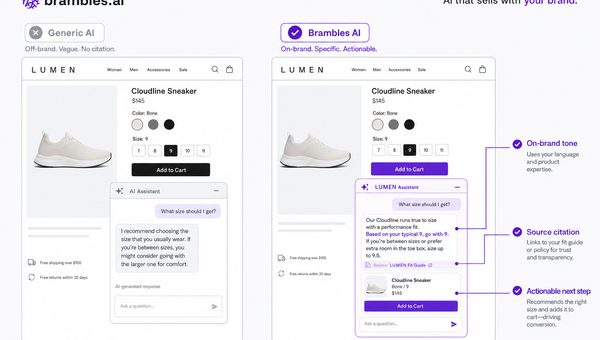
Brand-Consistent AI Chats Build Trust and Conversions
When AI mirrors your brand voice, shoppers relax—questions get answered, carts grow, and support load drops. Learn the playbook to align tone, trust, and ROI.
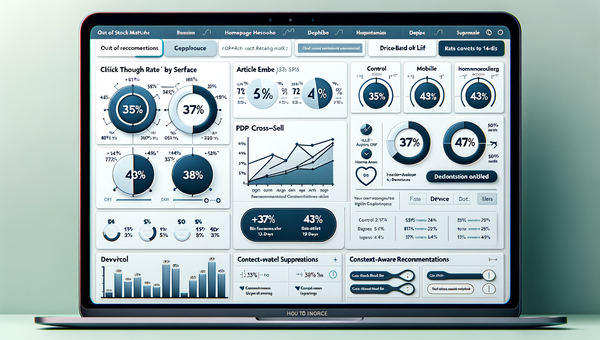
How Context-Aware AI Recommendations Lift CTR
See how context-aware AI recommendations lift CTR by 25–60% with intent signals, page context, and history. Practical steps, KPIs, and implementation tips.

Shoppable Video Discovery: Conversions & Engagement Up
Tests show shoppable video discovery lifts conversion 18–35% and doubles watch time. See the UX patterns, KPIs, and how to deploy it quickly with Brambles.ai.
Explore Brambles.ai
Learn more about our AI-powered agentic commerce platform, agentic shopping, and shopping assistance solutions.
Explore More Insights
Discover more articles on AI, automation, and business innovation
View All Articles