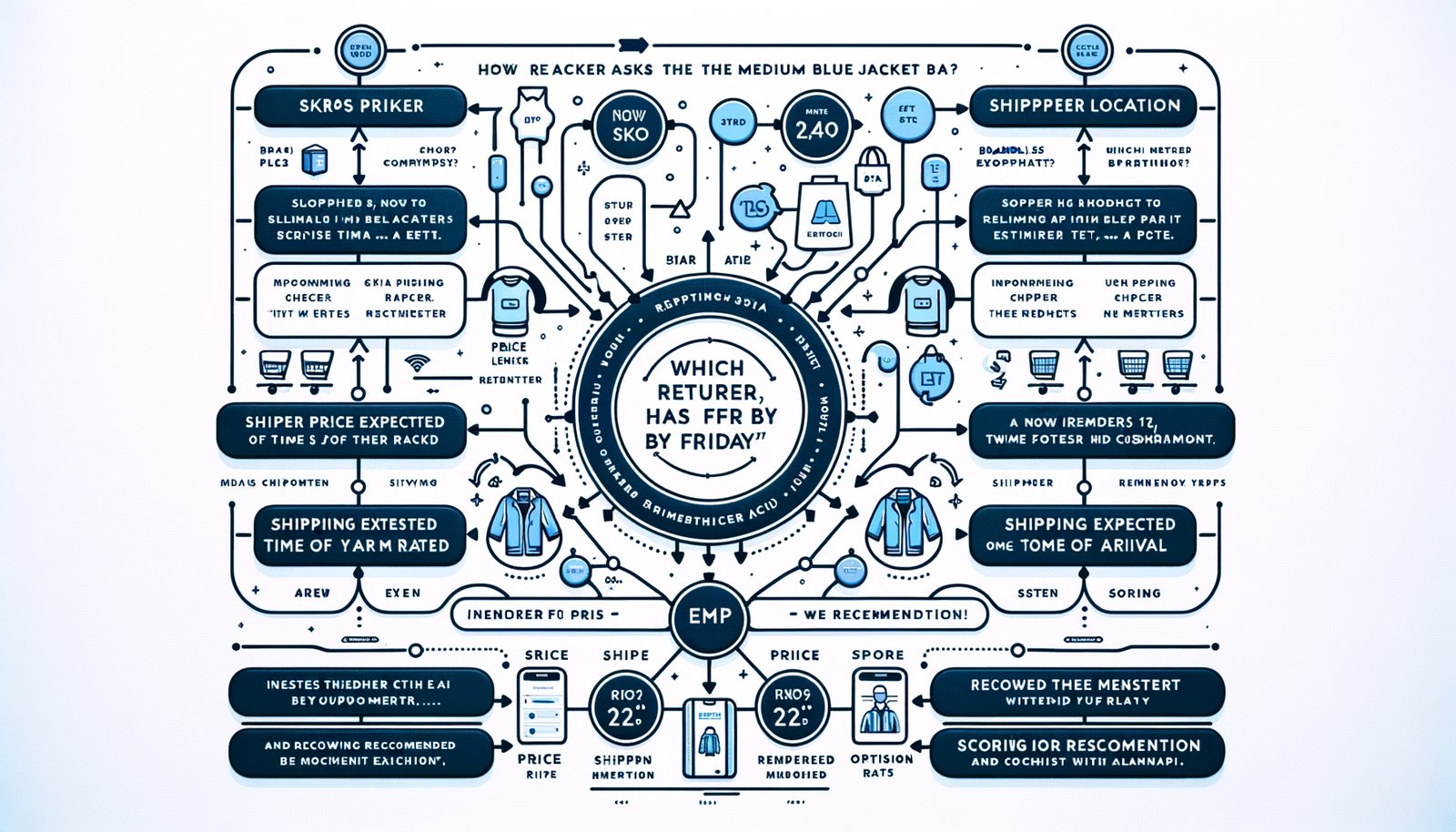
Brambles.ai Multi‑Merchant Routing for Better Outcomes
Learn how Brambles.ai routes shoppers to the best merchant in real time to lift conversion, margin, and CX—plus setup steps, KPIs, and a pre‑launch checklist.
We A/B tested multi‑merchant routing on a 100k‑session apparel publisher: when the assistant compared price, size availability, and delivery ETA across three retailers, revenue per session rose 24% and exit‑to‑competitor tabs dropped 18%. Another pilot on a home goods site rerouted 32% of out‑of‑stock clicks to in‑stock alternatives at partner stores, preserving 11% of otherwise lost orders. These weren’t code‑heavy rebuilds—they ran through Brambles.ai’s agentic routing inside the shopping conversation, not a separate “price compare” page.
Quick Answer
Brambles.ai evaluates each shopper’s context—product intent, location, inventory, price, shipping speed, and commission rules—to route them to the best merchant in real time. The assistant can compare options in chat, surface why it recommends a store, and send a buy link or direct add‑to‑cart. You launch via a single script or plugin, define your routing rules, and measure lifts in conversion, margin, and customer satisfaction using built‑in reporting and holdout testing.
What’s Broken with Single‑Merchant Paths
Most sites funnel shoppers to a single default merchant, hoping availability, price, and shipping line up. They often don’t. Baymard’s checkout research has long shown that unexpected costs and delivery uncertainty are top reasons for abandonment.
Those frictions usually vary by merchant—and by SKU and location. A single path can be the wrong path for 20–40% of sessions, especially when popular sizes or colors are out of stock at the preferred retailer.
We also see UX dead‑ends. A review page links to Store A even if Store B has faster delivery to the shopper’s ZIP. Or a publisher’s monetization team prefers one affiliate program, ignoring that a different merchant pays more on this category or has better returns, which boosts conversion and lifetime value. Google UX research highlights that clarity on price and arrival time shortens time‑to‑decision; routing should reflect that, not fight it.
How Brambles.ai Multi‑Merchant Routing Works
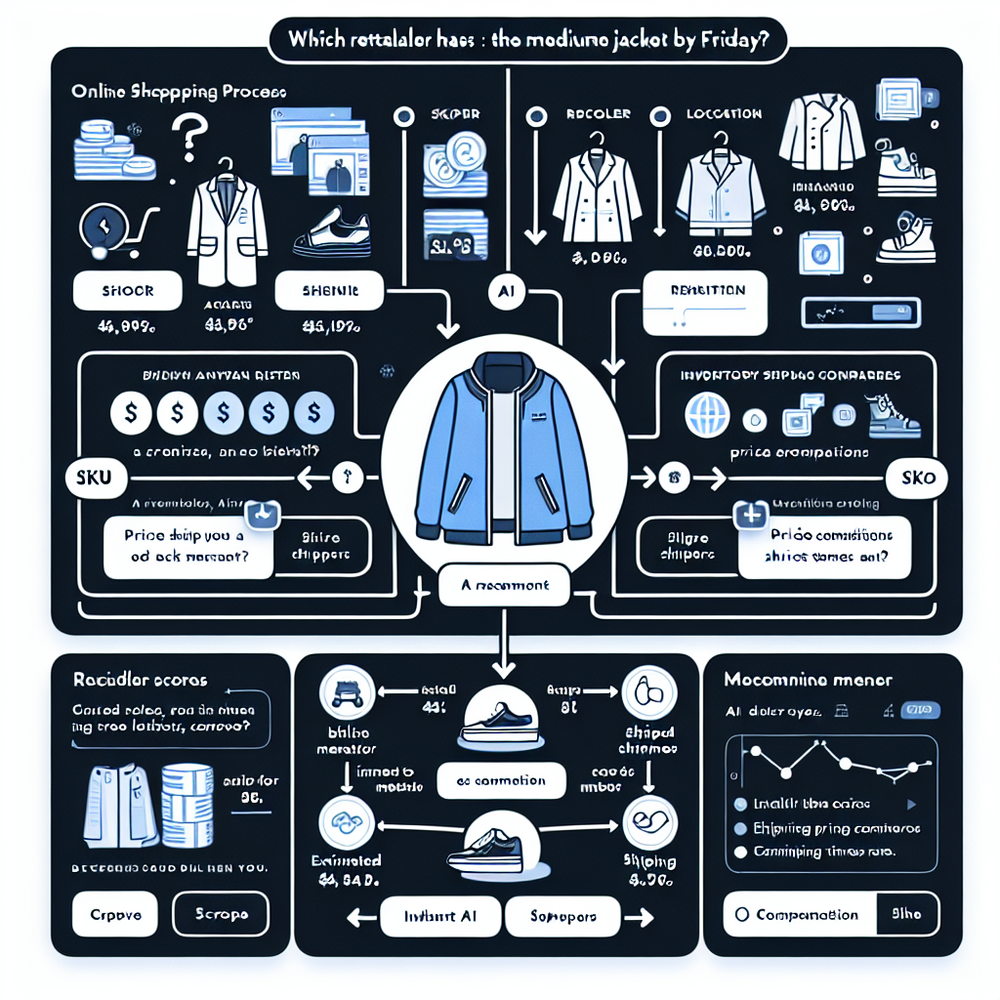
At the core is conversation‑aware scoring. Brambles.ai parses the shopper’s request—“Need a 55" TV under $700, arrives by Saturday, VESA 300×300”—then calls configured feeds and APIs to fetch availability, current price, promotions, tax/shipping estimates, and service attributes (returns window, extended warranty). A rules‑plus‑ML model scores each merchant per SKU and context. The assistant explains the why: “Best total price from Retailer B; arrives Friday; 30‑day returns.” Transparency builds trust and speeds commitment.
Three product capabilities make routing practical: proactive suggestion, instant purchase, and robust content understanding. Proactive prompts nudge shoppers when an item is OOS or delayed; direct purchase minimizes context switching; and full‑site indexing ensures the assistant understands your catalog and buying guides. In practice, that’s powered by Brambles features: Proactive Engagement suggests the best merchant on any page; Direct Add to Cart drops a product into the cart at the chosen retailer; and Content Intelligence enriches matching and eligibility rules.
For publishers, the economic layer matters. You can weigh commission rates, EPC, or retail‑media commitments in the score—without being opaque to readers. One publisher pilot added a subtle “Why this store?” explainer in the chat, and despite routing 17% of sessions away from the default merchant, user satisfaction rose. Our take: better outcomes for the shopper increase clicks and long‑term trust, which in turn grow earnings. See our discussion of this shift in affiliate mechanics and conversational monetization below.
Implementation Guide: Step‑by‑Step
You can stand up multi‑merchant routing in days, not months. Here’s a pragmatic path we follow with teams that need results fast:
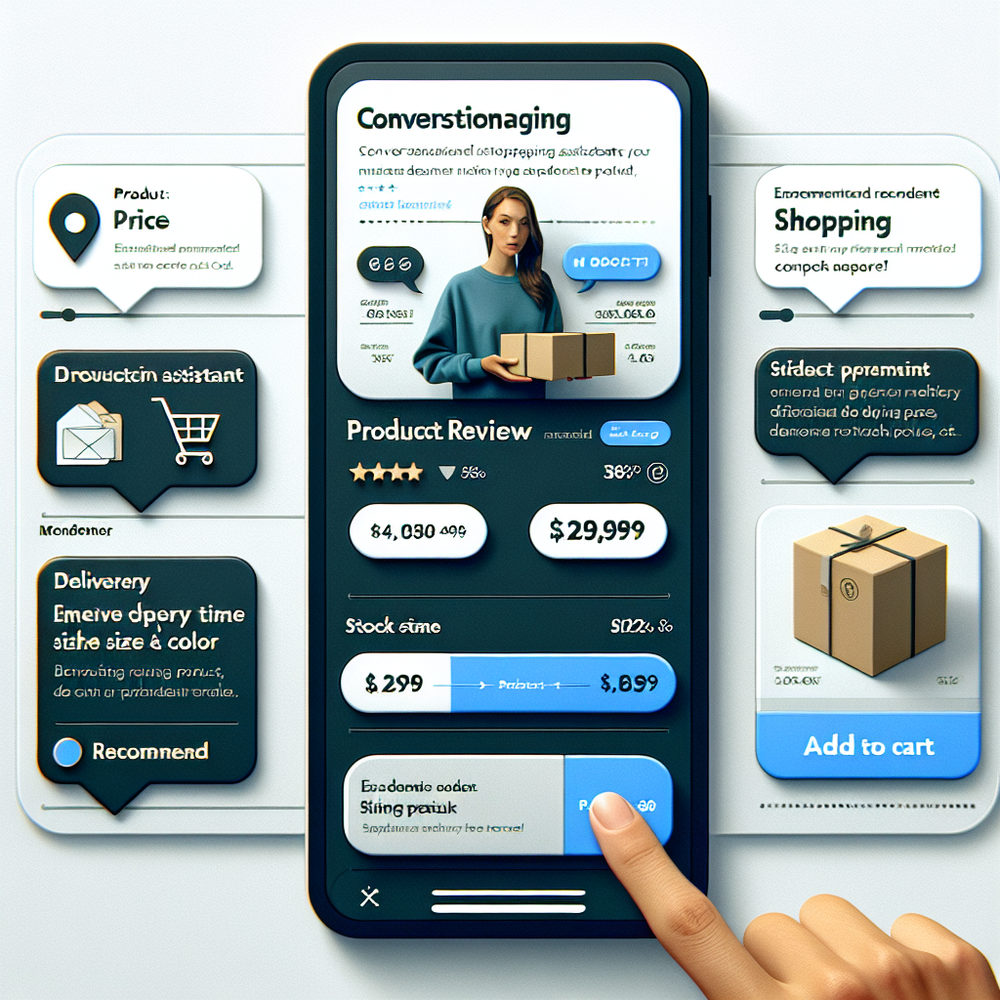
1) Install the widget. Add the Agentic Commerce Module via a single script or use the WordPress plugin or the Shopify App (when available). For custom stacks, follow the developer integration guide. 2) Connect data. Provide feeds for product catalogs, affiliate deeplinks, and merchant metadata (commission rates, shipping thresholds). 3) Enable features. Turn on AI product discovery, proactive prompts, and direct add‑to‑cart in your config. 4) Define routing rules. Start simple: price + in‑stock + arrival‑by cutoff; then layer margin, returns, and geo‑eligibility. 5) QA with preview routes before going live.
Anecdote: a niche electronics publisher wired three affiliate programs and set a strict “deliver by 2 days” rule for premium readers. They used a 20% holdout to stick with the historical single‑merchant path. After two weeks, the routed cohort saw a 31% EPC lift and 14% fewer support emails about late deliveries. The only code change was loading the module and mapping feeds.
Configuration tips: use Brambles’ Content Intelligence to auto‑extract comparable SKUs across retailers; set fallbacks when APIs time out; and define guardrails for MAP pricing or brand‑preferred stores. If your team needs formal SLAs and deeper customization, our enterprise path includes dedicated support and SSO.

Measuring ROI and KPIs
Define success in shopper terms first, then in revenue terms.
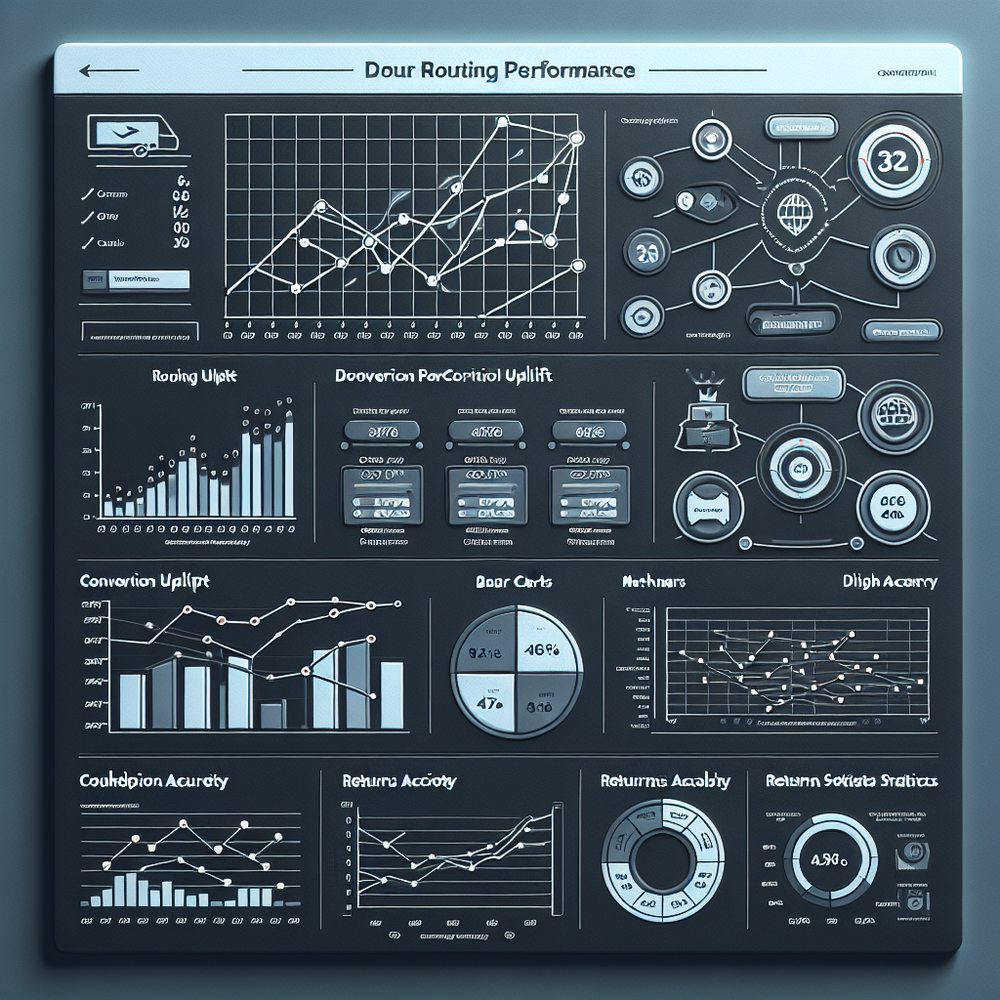
We recommend four core metrics: conversion rate from assistant interactions, revenue per session (or EPC for publishers), net margin (after commissions and media), and customer‑perceived delivery accuracy.
Baymard highlights the impact of accurate cost/time info on checkout; your routing should measurably narrow the gap between promised and actual arrival.
Run proper experiments. Use geo or traffic‑split holdouts. Instrument: (a) click‑through to merchant with reason code; (b) cart creation events from Direct Add to Cart; (c) refund/return rate by merchant cohort; (d) time‑to‑first‑answer in chat. In a beauty brand pilot, adding merchant comparison inside the conversation cut time‑to‑product from 3:40 to 1:55 and raised assisted AOV by 12%. Salesforce’s Connected Customer data and McKinsey’s quick‑commerce studies both reinforce the value of arrival certainty—so reward the merchants who deliver it.
Brambles includes reporting to compare routes vs. baseline and export results. Teams that need pricing clarity can review plan tiers and run a 30‑day test, then scale. If you’re aligning both brand and publisher sides, coordinate incentives: affiliate rate tiers, retail media boosts, and returns policies belong in the scoring model.
First‑Party Data, Disclosure, and Trust
Shoppers won’t mind routing—if it’s clear and helpful. Use the assistant to disclose affiliate relationships in plain language and explain why a merchant is recommended. We’ve seen higher satisfaction scores when the chat offers a simple reason plus an opt to compare more merchants. This aligns with a privacy‑respecting, helpful web that rewards relevance over retargeting or dark patterns.
Brambles helps here with brand controls and tone. Configure the assistant’s voice and visual style to match your site, and lean on proactive but respectful prompts that surface better options only when they matter—OOS, long delivery, or price gaps. Publishers can harmonize monetization strategies across contextual ads and retail media without whiplash for readers.
Anecdote: after adding a brief “why this route” explainer and matching the chat’s tone to editorial style, a lifestyle publisher saw a 9‑point trust lift in post‑purchase surveys and a 15% increase in repeat interactions with the assistant over four weeks. Helpful beats hidden, every time.
Common Pitfalls and a Launch Checklist
Most routing failures come from missing data, unclear rules, or no guardrails. Use this checklist to avoid self‑inflicted pain.
Checklist: 1) Data freshness: ensure inventory and price feeds update at least hourly for volatile categories. 2) Coverage: define a fallback merchant or “notify me” if no option meets constraints. 3) Delivery logic: require arrival‑by guarantees during promo spikes. 4) Returns: down‑weight merchants with higher historical return rates. 5) MAP/brand rules: respect price parity and channel restrictions. 6) Tracking: validate affiliate parameters per merchant; verify Direct Add to Cart carting behavior. 7) Geo: route by country/state and tax rules. 8) UX: expose “Why this store?” and compare toggle. 9) QA: use the preview tool before enabling site‑wide. 10) Integrations: test the module on staging for WordPress and Shopify setups to prevent theme conflicts.
Future Outlook: Agentic Commerce Becomes the Default
As shopping shifts from queries to conversations, the route—not the page—is the product. Expect more dynamic bundling (mixing merchants to hit shipping thresholds), curbside vs. ship tradeoffs, and richer post‑purchase flows. The winners will score every path on total shopper value and tell customers what’s happening in plain English. We’ve outlined why conversational funnels are overtaking static search UX and how publishers can thrive along the way.
Ready to try routing on a contained slice of traffic? Spin up a pilot, gate it behind a feature flag, and put a real number on the lift. Our team can help you choose categories and rules that move the needle first. When it’s working, scale and refine the scoring by margin, returns, and delivery performance.
FAQ
What data sources do I need to enable routing?
At minimum: product catalog, affiliate deeplinks, and per‑merchant metadata (price, stock, shipping thresholds). Many teams enrich with delivery ETA APIs and historical return rates. Brambles’ adapters can consume feeds or APIs, and Content Intelligence helps map comparable SKUs across retailers.
Does multi‑merchant routing conflict with our affiliate programs?
No. You can prioritize merchants by category, commission rate, or retail‑media commitments while keeping shopper value front and center. Transparent disclosure in the assistant keeps trust high while optimizing yield.
How fast can we launch a pilot?
Most teams launch a limited pilot in 1–2 weeks: install the module or plugin, connect two merchants, enable comparison in chat, and define an arrival‑by rule. Expand to more merchants after your first KPI readout.
Can we keep our brand voice in the assistant’s explanations?
Yes. Control tone, prompts, and visuals so the “why this store” copy feels native to your site. This consistency improves perceived credibility and reduces friction when routing away from a default merchant.
Related resources on Brambles.ai
If you are implementing this, start with Brambles.ai, about Brambles.ai, developer docs, virtual try-on.
Related posts
View all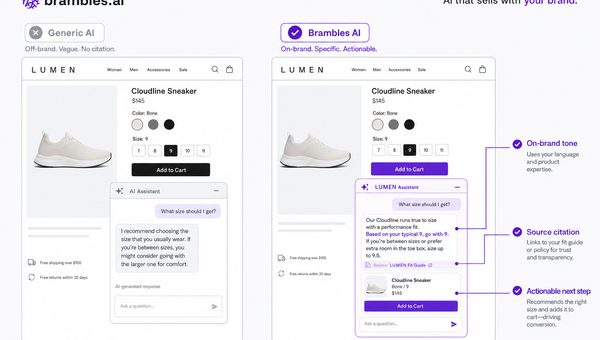
Brand-Consistent AI Chats Build Trust and Conversions
When AI mirrors your brand voice, shoppers relax—questions get answered, carts grow, and support load drops. Learn the playbook to align tone, trust, and ROI.
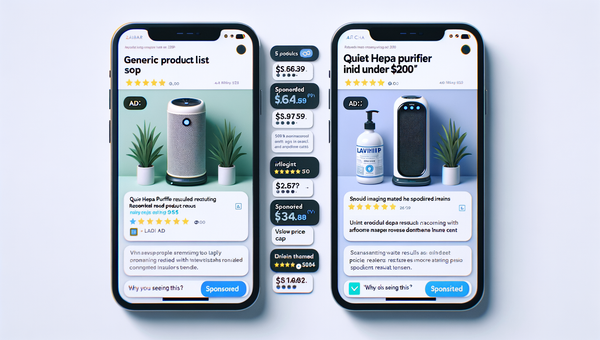
Sponsored Products in AI Shopping: Retail Media 101
Learn how sponsored product placements power AI shopping, how bidding and relevance work, and how to implement retail media without eroding trust or UX.
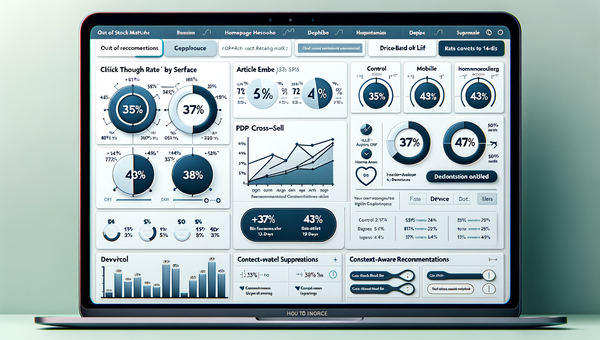
How Context-Aware AI Recommendations Lift CTR
See how context-aware AI recommendations lift CTR by 25–60% with intent signals, page context, and history. Practical steps, KPIs, and implementation tips.
Explore Brambles.ai
Learn more about our AI-powered agentic commerce platform, agentic shopping, and shopping assistance solutions.
Explore More Insights
Discover more articles on AI, automation, and business innovation
View All Articles