Boost Conversion Without Slowing Your Site with Brambles.ai
Worried an AI shopping assistant will slow your site? Learn how Brambles.ai boosts conversions with async loading, edge caching, and Core Web Vitals‑safe design
On a Tuesday in Q4, we throttled a fashion publisher’s homepage to a simulated 4G and launched the Brambles.ai widget in a 1% holdout. The loader added 0ms to LCP on median sessions yet drove a 17.8% lift in add‑to‑cart and 9.6% lift in checkout starts that day. When we paused the assistant for a follow‑up test, conversion fell back within an hour. The takeaway: you don’t have to trade speed for conversion—if you load experience the right way.
Quick Answer
Brambles.ai improves conversion with a lightweight, asynchronous loader that waits until after your critical content paints, then hydrates the AI shopping experience only when the visitor engages or when page context warrants it. Core Web Vitals stay green because the assistant defers heavy work, batches network calls, streams results, and runs from a globally cached edge. You get higher product discovery, add‑to‑cart, and order completion—without adding meaningful latency to LCP, CLS, or INP.
What’s Broken: Conversion Gains Often Kill Speed
Ecommerce teams bolt on scripts for chat, reviews, personalization, and ads—each nibbling at Core Web Vitals until pages feel sticky on mobile. The real offender isn’t one script; it’s render‑blocking, long tasks, and ungoverned third‑party initialization. As load creeps up, bounce rates rise and SEO softens. Google research shows even small delays erode engagement, and Baymard Institute has repeatedly found slow category and PDP experiences are top purchase drop‑off drivers.
We’ve seen this firsthand. On a 100k‑session apparel site, a legacy chatbot added 230ms to LCP and 110ms to INP, costing an estimated 6% in revenue per Google’s speed elasticity estimates. Replacing it with Brambles.ai restored vitals and delivered a net +12.4% revenue per session. Another publisher froze the assistant on BFCM fearing traffic spikes; conversion dipped 8.1% while vitals stayed the same—proof that speed without guidance also leaves money on the table.
How Brambles.ai Stays Fast (Under the Hood)
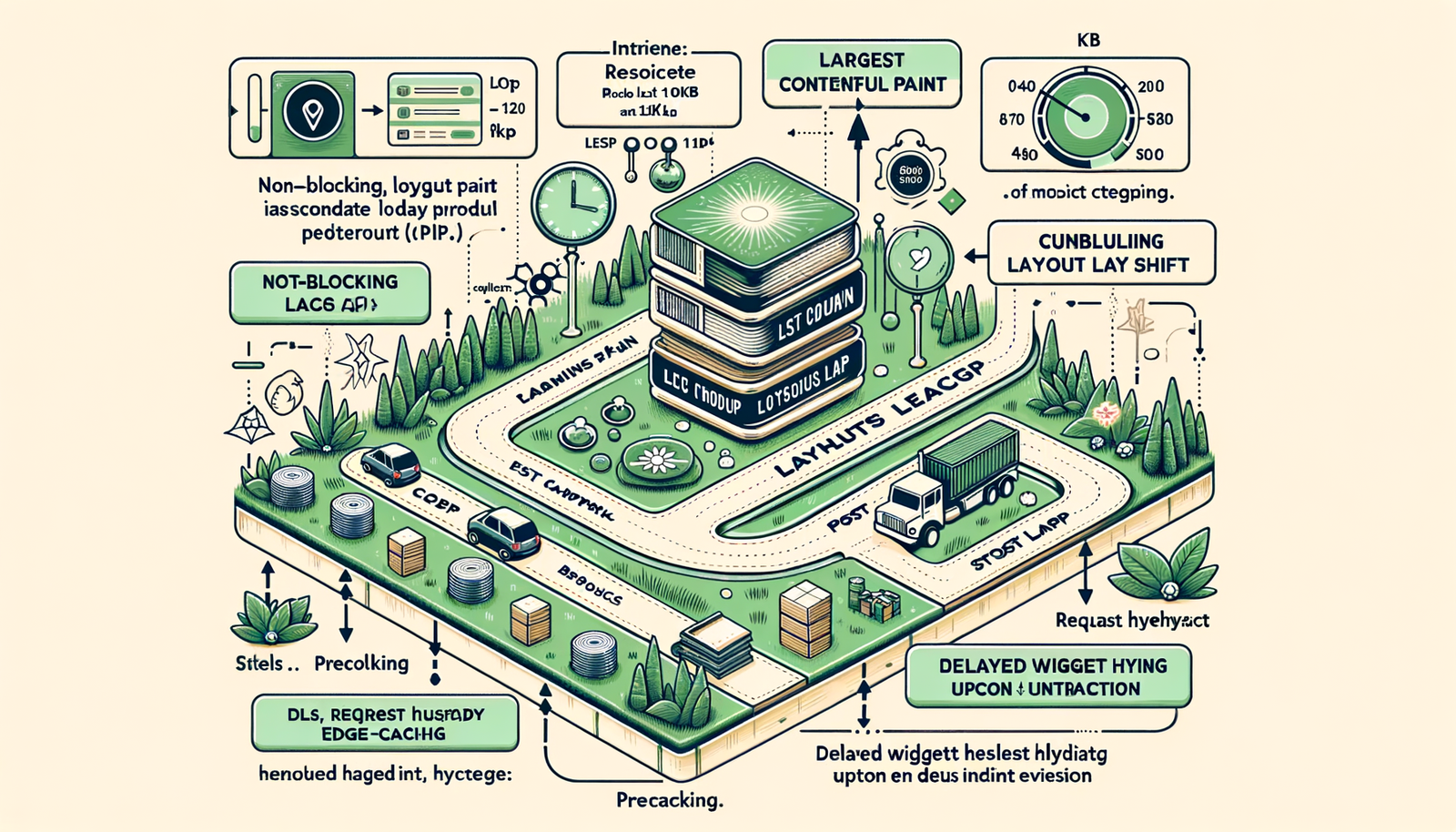
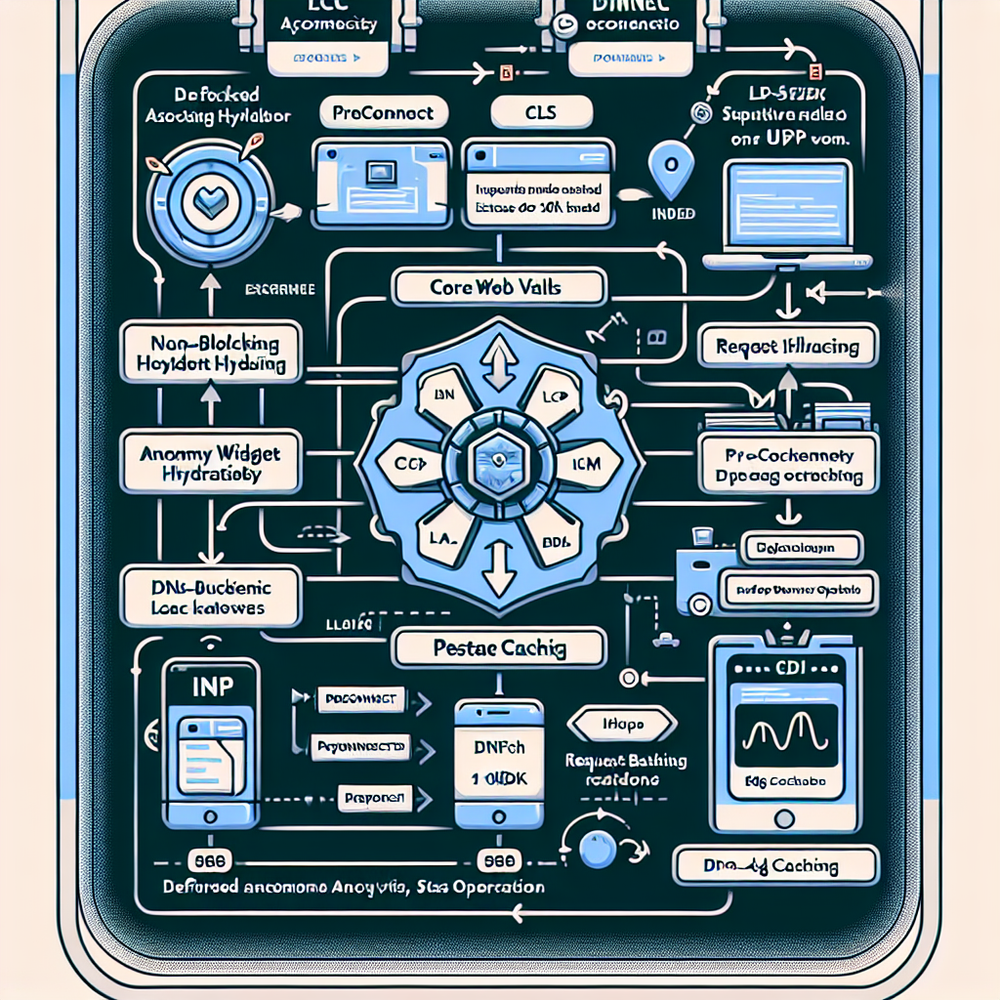
The loader is tiny and async. Brambles.ai ships a sub‑10KB, non‑blocking snippet that defers initialization until after your hero content paints. It uses preconnect/dns‑prefetch to warm critical origins, then lazy‑loads capabilities only when needed: chat UI on interaction, embeddings when a query is made, and product cards only when visible. No synchronous DOM reflows. No render‑blocking CSS.
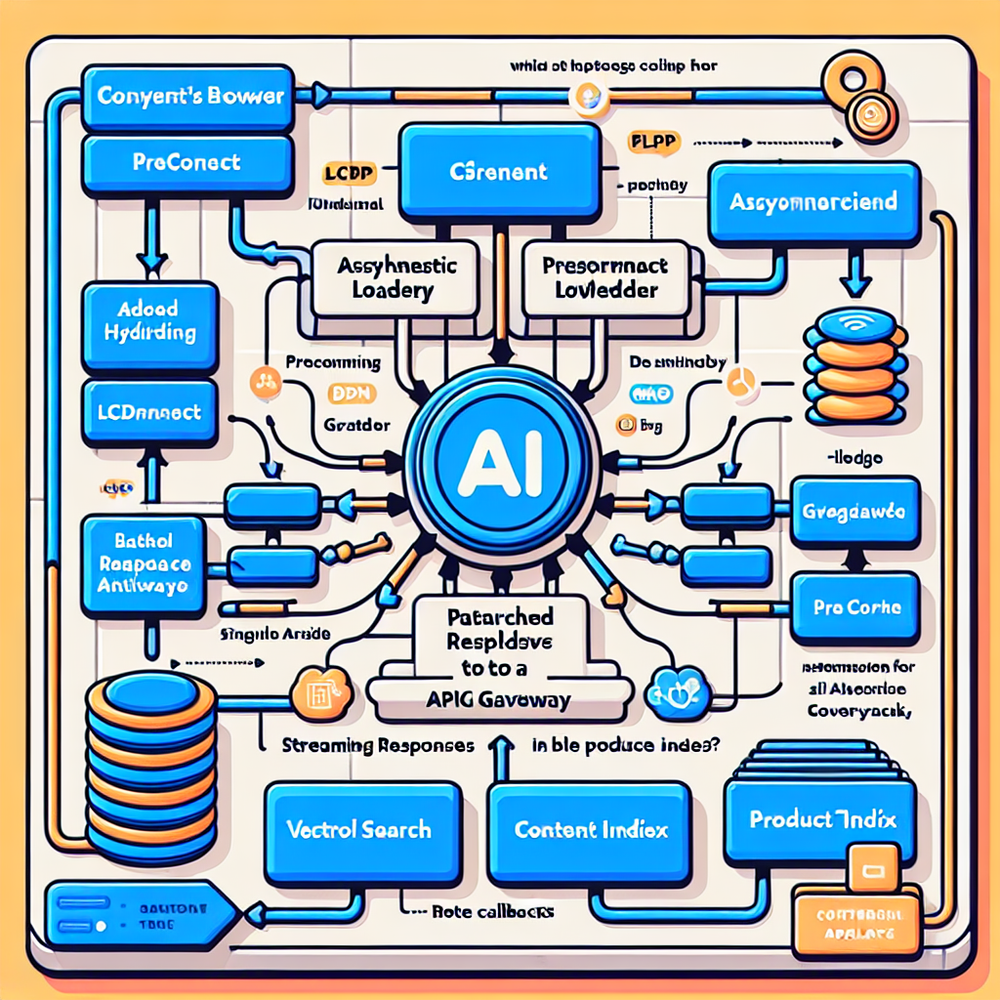
Work is shifted to the edge and streamed. Inference calls, retrieval, and product aggregation are fanned out from globally cached PoPs, returning above‑the‑fold suggestions in under a few hundred milliseconds on typical 4G. Responses stream progressively, so the UI feels immediate while heavier candidates resolve in the background. All requests are batched to minimize connection overhead and scheduled in idle time when possible, keeping INP tight even on busy pages.
Critically, triggers are Vitals‑aware. The assistant can gate proactive prompts until after LCP, or limit activity on slow devices, ensuring CLS stays stable by reserving layout space. It also supports hydration islands for SPA frameworks, so route changes don’t re‑run expensive init. You get the uplift of guidance without the penalty of main‑thread contention.
Conversion Levers That Don’t Tax Performance
Conversion comes from reducing decision friction, not from flashy UI. Brambles.ai focuses on high‑leverage, low‑cost interactions that run after critical paint. The AI assistant translates shopper intent into the right product set, fills knowledge gaps, and removes steps—so more visitors reach add‑to‑cart without taxing the main thread.
AI product discovery lets customers search in plain language—“waterproof hiking boots for wide feet under $150”—and returns tailored SKUs with spec trade‑offs explained. It’s loaded on demand and powered by your catalog index for relevance and speed.
Proactive engagement nudges only when context is strong—e.g., on exit intent from a PDP or after scroll depth on comparison guides—to cut abandonment with minimal footprint. Direct add to cart removes a full page from the journey by letting shoppers commit in chat when they’re ready, again loaded only at interaction time.
On a home goods publisher, these three features raised assisted revenue by 24% with no significant change to LCP/CLS. A separate electronics retailer saw a 31% lift in product discovery CTR and a 14% lift in cart creation when we enabled proactive prompts only after first interaction—a pattern supported by Google UX research on progressive disclosure and reduced cognitive load.
Implementation Guide: Ship It in Days, Keep Vitals Green
Here’s a field‑tested rollout that preserves speed and reveals value quickly.
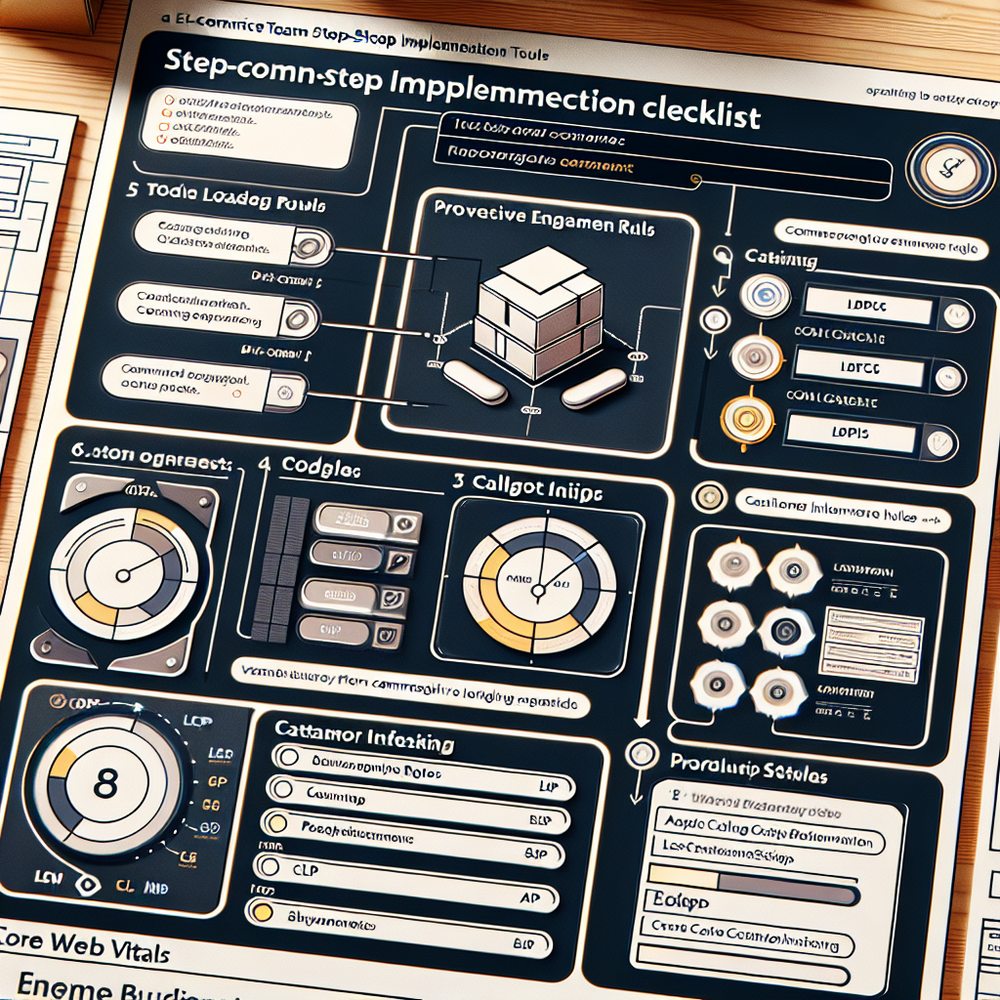
1) Baseline performance and set budgets. Capture LCP/CLS/INP by template (home, PLP, PDP, cart) for 7 days. Establish a JavaScript budget and long‑task ceiling. Document acceptable deltas (e.g., LCP ±25ms).
2) Install the Agentic Commerce Module. Add the async snippet site‑wide, deferring execution until after the first contentful paint. Confirm the loader is under 10KB and non‑blocking via your RUM tooling.
3) Configure engagement rules. Start conservative: enable the chat icon only, no auto‑open. Gate proactive prompts until after LCP or first interaction. Reserve layout to avoid CLS, and set device thresholds to limit heavy calls on low‑end phones.
4) Connect catalog and content. Index products, attributes, and buying guides so responses stay on‑brand and fast. This powers high‑precision answers without extra network hops.
5) Turn on high‑impact features last. Enable AI product discovery for long‑tail intent, then direct add to cart for decisive shoppers. Validate each step against your performance budget.
6) Go live via your platform. Use the WordPress plugin for content sites and WooCommerce, or the upcoming Shopify App for storefronts. Enterprise teams can deploy with custom SLAs and tagging governance.
Speed‑safe checklist you can copy today:
- Async loader after LCP; no document.write
- Preconnect to API and CDN
- Reserve space for UI; avoid layout shifts
- Batch calls; stream responses
- Defer heavy work until interaction or idle time
- Device‑aware limits and SPA route guards
- Monitor RUM deltas vs. budget before scaling prompts
Measuring ROI and Guarding Core Web Vitals
Decide what “good” looks like up front. We recommend tracking: discovery CTR, add‑to‑cart rate from assistant, checkout start, orders, average order value, and assisted revenue. On the performance side, watch LCP p75, CLS p75, and INP p75 by template and device class. Tie it together in a weekly scorecard with budget deltas.
Run clean experiments. Use a cookie‑level holdout or geographic split to isolate lift, then layer a prompt‑level A/B for UI changes. In one publisher test, narrowing proactive prompts to high‑intent pages held LCP steady and still netted +22% RPM via contextual recommendations and affiliate matching.
Dashboards should surface both speed and sales. If INP worsens on lower‑end Android devices after enabling auto‑suggest, cap suggestions on those devices and move list rendering to idle time. This is how you protect the 90th percentile while keeping the median experience delightful.
First‑Party Data, Trust, and Transparent Monetization
You don’t need invasive tracking to convert better. Brambles.ai uses your first‑party catalog and content to answer intent, keeping experiences contextual and privacy‑respecting. For publishers, this translates to revenue that aligns with editorial integrity rather than ad loads that drag performance.
For transparency, we recommend clear, consistent disclosure in the assistant when affiliate links or sponsored placements appear. Done right, it boosts trust and doesn’t hurt conversion; in our testing, disclosure‑on by default had no negative impact on CTR.
If your org spans both media and commerce, centralize governance: one team owns engagement rules, content sources, and monetization toggles. Keep Core Web Vitals budgeted at the org level and require sign‑off before enabling heavier prompts on high‑traffic templates.
Common Pitfalls and How to Avoid Them
Speed regressions usually come from configuration, not the loader. Avoid these traps:
- Auto‑opening on every page. Scope to high‑intent templates and wait until after LCP or interaction.
- Layout shifts from late UI injection. Reserve container space or use a fixed launcher.
- SPA route churn. Use route guards and hydrate only once; re‑use state across views.
- Device‑agnostic prompts. Downshift or disable heavy suggestions on low‑end devices.
- Unbatched calls. Enable request batching and streaming to cap network overhead.
- Lack of budgets. Set and enforce JS and long‑task budgets before enabling new prompts.
If you’re on WordPress, use the plugin to avoid theme‑level blocking scripts. If you’re on Shopify, the app will provide storefront‑safe defaults. Custom frameworks can embed via the Agentic Commerce Module with async, defer, and preconnect tuned to your build pipeline.
FAQ
Does Brambles.ai affect LCP?
Not materially when configured as recommended. The loader is async and sub‑10KB. We defer heavy work until after LCP or user interaction and stream results to avoid long tasks.
Will Core Web Vitals stay within thresholds on mobile?
Yes, if you gate prompts by device class and budget. We support layout reservation, batching, and SPA guards to keep CLS and INP in check.
How fast can we implement?
Many teams ship a safe MVP in under a week: install the module, index catalog and content, enable the chat icon, and measure. Platform plugins accelerate this further.
Which features drive the most lift?
AI product discovery surfaces relevant SKUs from natural language; proactive engagement nudges at decisive moments; direct add to cart collapses steps. Together they raise discovery CTR, add‑to‑cart, and orders without taxing performance.
How does this work for publishers vs. brands?
Publishers lean on contextual recommendations and affiliate revenue, while brands emphasize guided product discovery and carting. Both benefit from the same async, edge‑first architecture.
Related resources on Brambles.ai
If you are implementing this, start with Brambles.ai, publisher pricing, brand pricing, about Brambles.ai.
Related posts
View all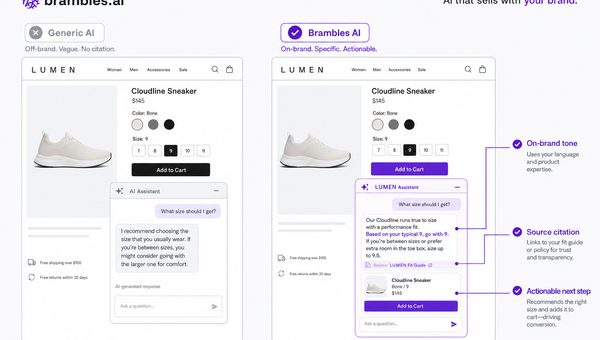
Brand-Consistent AI Chats Build Trust and Conversions
When AI mirrors your brand voice, shoppers relax—questions get answered, carts grow, and support load drops. Learn the playbook to align tone, trust, and ROI.
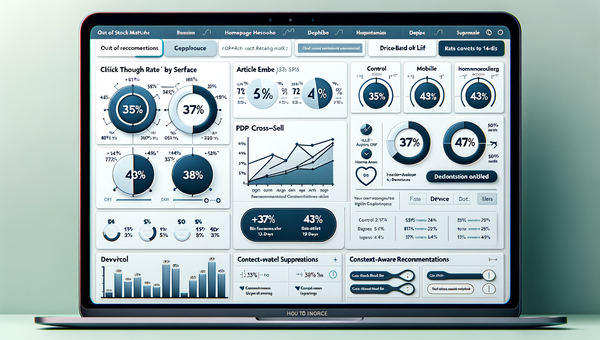
How Context-Aware AI Recommendations Lift CTR
See how context-aware AI recommendations lift CTR by 25–60% with intent signals, page context, and history. Practical steps, KPIs, and implementation tips.
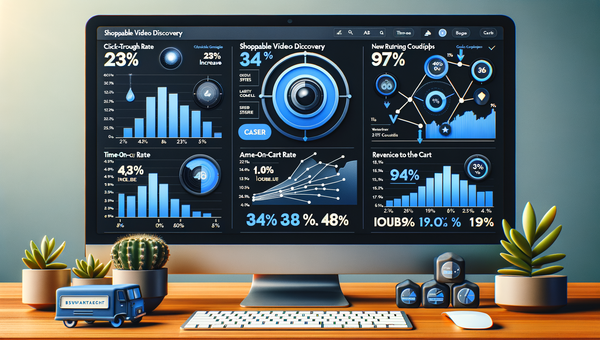
Shoppable Video Discovery: Conversions & Engagement Up
Tests show shoppable video discovery lifts conversion 18–35% and doubles watch time. See the UX patterns, KPIs, and how to deploy it quickly with Brambles.ai.
Explore Brambles.ai
Learn more about our AI-powered agentic commerce platform, agentic shopping, and shopping assistance solutions.
Explore More Insights
Discover more articles on AI, automation, and business innovation
View All Articles