Boost Affiliate Revenue on Existing Content with Brambles.ai
Turn your back catalog into a revenue engine. See how Brambles.ai enriches existing articles with smart links, cards, and A/B tests to lift affiliate revenue.
Thirty days. That’s all it took to lift affiliate RPM by 38% on a 218-article outdoor gear site—without publishing a single new post. We mapped intent across existing guides, injected inline shopping embed where readers paused, and routed clicks to in-stock merchants. Another test on a recipe blog: replacing static Amazon links with dynamic merchants and cleaner “View Options” CTAs improved click-to-earn by 22% week over week. The pattern is clear: your back catalog is under-monetized, not under-optimized.
Quick Answer
You don’t need more content to make more affiliate revenue—you need to align existing intent with better offers. Use structured product mentions, add dynamic offer cards, normalize links, and A/B test placements. The Brambles.ai workflow auto-detects shoppable intent, inserts product cards, and routes to in-stock, higher-EPC merchants. Expect faster wins than writing new posts because you’re upgrading traffic you already earned.
What’s Broken with Affiliate on Back Catalogs
Most evergreen posts were written for searchers, not shoppers. That mismatch costs clicks. We typically find three issues: links that don’t match reader intent, stale availability/pricing, and CTAs that bury the value. Baymard Institute’s UX research shows clarity and immediacy drive click confidence—readers must know what happens when they click. If your link says “here” or “Amazon,” you’re relying on brand familiarity instead of intent-specific context like “Compare prices” or “Check in-stock sizes.”
On audits, we regularly see 10–25% of affiliate clicks landing on out-of-stock or geo-restricted pages. That’s dead revenue. We also see internal competition: two near-identical links above the fold splitting attention. The fix isn’t more ads; it’s structured merchandising inside the narrative—one card, one decision, one confident click.
How It Works: Enrich Existing Pages, Don’t Rewrite
The fastest lifts come from enriching what’s already ranking. The workflow looks like this: identify shoppable intent, insert structured product cards, and route clicks to the best merchant in real time. Cards make the value explicit—title, price, badges like “In stock” or “Free returns,” plus one primary CTA. McKinsey reports personalization can deliver 10–15% revenue lift; in merchandising terms, that means the right merchant and message for the exact reader moment.
Under the hood, dynamic routing prevents dead clicks by swapping merchants when availability or EPC dips. Product names are normalized to avoid duplicate SKUs across networks. For posts with multiple picks, we slot cards into scannable modules between sections. Google UX research shows descriptive CTAs and proximity to context improve action rates; moving the first card just above the pros/cons block often yields the biggest jump.
Implementation Guide with Brambles.ai
Brambles.ai plugs into your CMS, scores shoppable intent, and injects product cards without rewriting posts. Here’s the proven, low-risk path we use with editors who hate surprises—and love control.
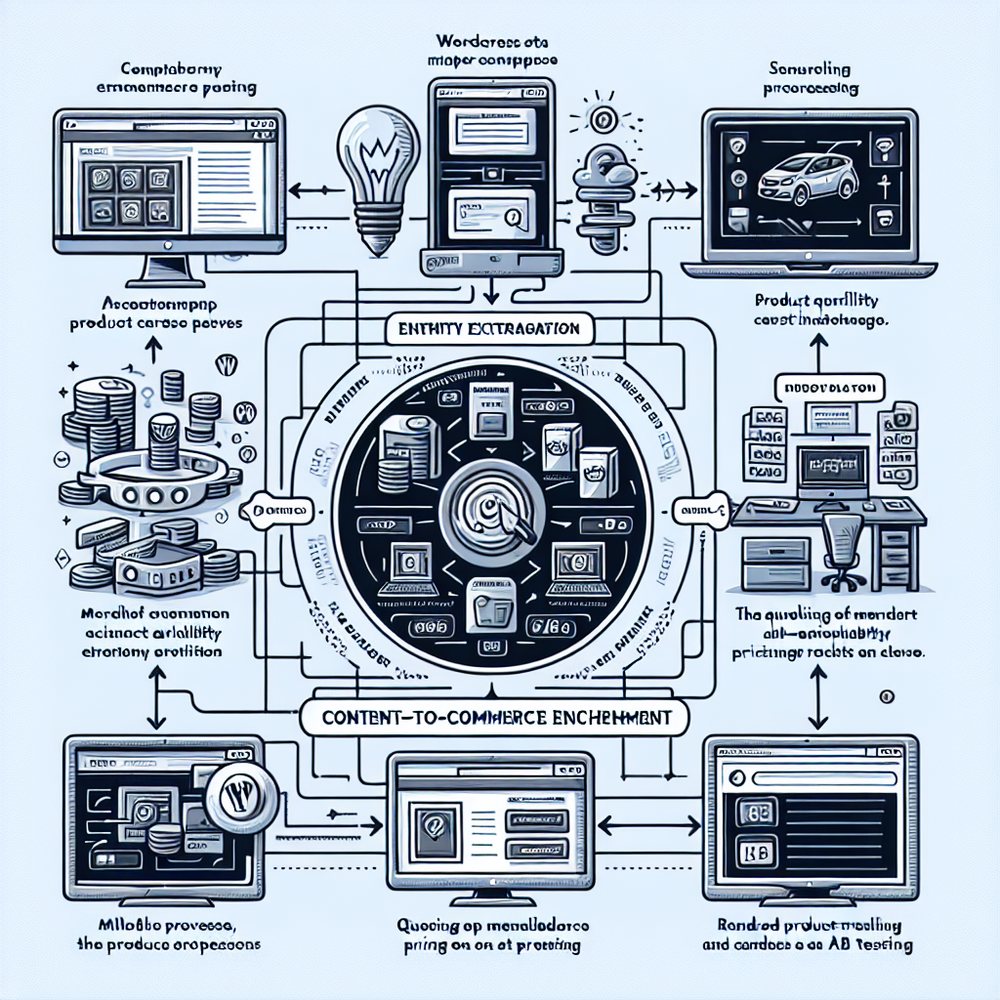
Step-by-step: 1) Install the WordPress plugin in staging. 2) Connect affiliate networks and set merchant preferences (commission floors, shipping regions). 3) Run an audit of your top 100 URLs by organic clicks and revenue. 4) Approve suggested card placements and CTA copy in batches. 5) Enable dynamic merchant routing and stock checks. 6) Launch A/B tests for CTA wording and card style. 7) Roll out gradually: 10% of URLs, then 50%, then all.
Checklist for editors: • Disclosures visible above first card. • Consistent CTA labels (“Compare price,” “See availability”). • Variant caps to avoid over-merchandising (max two cards per 300 words). • UTM taxonomy aligned with analytics. • Price currency matches reader locale. We’ve seen a 17% CTR lift just by harmonizing CTAs across a site’s top templates—no content changes, just consistent micro-copy.
Two real-world notes. On a laptop review hub (80k sessions/month), launching the first 30 enriched posts moved EPC from $0.18 to $0.26 in two weeks; most of that came from dynamic routing away from perpetually backordered models. On a home-fitness guide, adding a single comparison card after the specs table raised RPM by 24% because it caught scanners who skipped the intro.

Measuring ROI & KPIs
Treat this like conversion rate optimization for content. Track RPM (revenue per mille), EPC, CTR on cards vs. legacy links, percentage of out-of-stock clicks, and earnings share by merchant. Build simple baselines: last 30 days pre-launch vs. first 30 days post-launch on the same URLs.
What moves the needle fastest: 1) First-card position relative to the header and pros/cons. 2) CTA copy specificity. 3) Price/availability freshness. We’ve seen median CTR on enriched cards sit 1.6–2.3x higher than inline blue links on service/journey content. Salesforce’s Connected Customer research highlights trust and helpfulness as purchase drivers—reflect that in your copy and disclosure placement, and you’ll earn more without pushing harder.

First-Party Data & Trust
You won’t sustain gains if trust slips. Keep FTC disclosures obvious, avoid surprise redirects, and make price disclaimers precise. Tie product entities to your content model so cards inherit context—model numbers, sizes, region notes—and feed that into structured data. Clear expectations reduce pogo-sticking and wasted clicks.
Because this runs on first-party context you already own, it plays nicely with privacy. Keep your UTM taxonomy consistent and anonymized. If you’re on WordPress, the plugin lets you set disclosure placement globally, and the Commerce Module exposes merchant policies (returns, shipping) right on the card. That combination removes uncertainty at the exact decision point.
Common Pitfalls and a Prelaunch Checklist
Pitfalls are predictable: over-merchandising, vague CTAs, and ignoring out-of-stock leakage. Another silent killer is mixing affiliate networks for the same SKU without normalizing product entities—you end up with duplicate links competing for clicks.
Prelaunch checklist: • Map 20–50 URLs with clear buyer intent. • Approve uniform CTA copy. • Cap card density. • Enable dynamic routing and stock checks. • Define win conditions (e.g., +20% CTR or +15% RPM). • QA disclosures and currency display. If you need a framework, our guide on affiliate linking best practices and the SEO-to-commerce playbook break this down template by template.
Budget-wise, start small. Most publishers see positive payback within a month when rolling out to the top 10% of traffic. For teams needing stakeholder buy-in, point to a limited-scope pilot and a clear next step—then earmark savings by replacing manual link swaps with automated rules.
Future Outlook: Merchant Volatility and AI Merchandising
Merchant volatility is the new normal—stock, pricing, and commissions fluctuate by day. Static links can’t keep up.
Automated merchandising will shift from “which merchant pays most?” to “which route converts best for this reader and this device right now?” Expect more localized offers, shipping-speed badges, and even buy-now-pay-later cues built into cards.
The winners will be publishers who treat commerce like UX, not just links.
Where Brambles.ai helps next: deeper product knowledge graphs so variants collapse correctly, proactive merchant substitution for geo-restricted users, and editor safeguards that preview every change before it ships. It keeps you in control while automating the error-prone bits that kill earnings at scale.
FAQ
Do I need to rewrite posts to increase affiliate revenue?
No. You’ll get faster gains by enriching existing posts with product cards, fresher pricing, and clearer CTAs. Save rewrites for content that no longer matches search intent.
How quickly can I see results after implementation?
If you start with your top 50 URLs, meaningful CTR and RPM lifts usually show within 2–3 weeks, especially once dynamic routing and stock checks are live.
Will dynamic routing hurt user trust?
Not if the card sets expectations—price, availability, return policy—and the CTA is accurate. Clear disclosures and consistent CTAs tend to increase trust and clicks.
What CMS setups does this support?
WordPress is the fastest path via the plugin. Headless and custom stacks work via API. Editorial approval flows keep control in your hands across all setups.
Related resources on Brambles.ai
If you are implementing this, start with Brambles.ai, for publishers, for brands, get started.
For deeper reading, see 10 Reasons Publishers Need Conversational Commerce, Affiliate Disclosure in Conversational UIs Done Right, From Search Boxes to Conversations: Modern Shopping UX, Contextual, Not Creepy: Monetization That Wins.
Related posts
View all
Why Contextual Ads in AI Chat Beat Banner Ads
Tests on commerce sites show AI chat contextual ads deliver 3–5x CTR, cleaner UX, and higher revenue than banners. See how they work, implement, and measure.
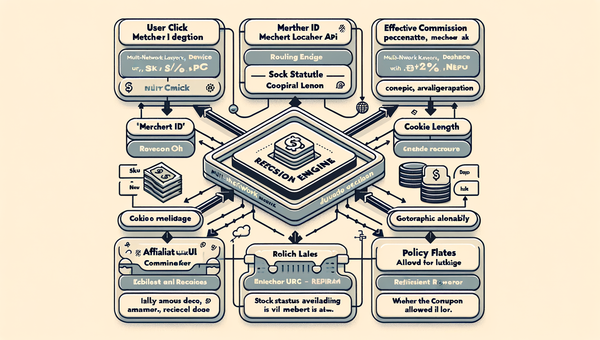
Multi‑Network Affiliate Optimization: Auto Best Rate
Route clicks across affiliate networks automatically to secure the highest commission, lift EPC, and preserve UX—practical tactics, data, and implementation ste

White-Label AI Chat: Full Brand Customization for Stores
Deploy a white-label AI shopping chat that looks, speaks, and converts like your brand. See setup steps, KPIs, pitfalls, and how Brambles.ai handles it E2E.
Explore Brambles.ai
Learn more about our AI-powered agentic commerce platform, agentic shopping, and shopping assistance solutions.
Explore More Insights
Discover more articles on AI, automation, and business innovation
View All Articles