Best AI Shopping Apps 2026: What They Do + Brambles
We reviewed 15 AI shopping apps for 2026. See what actually works, common pitfalls, how to measure ROI, and where Brambles.ai takes a different, SKU-aware path.
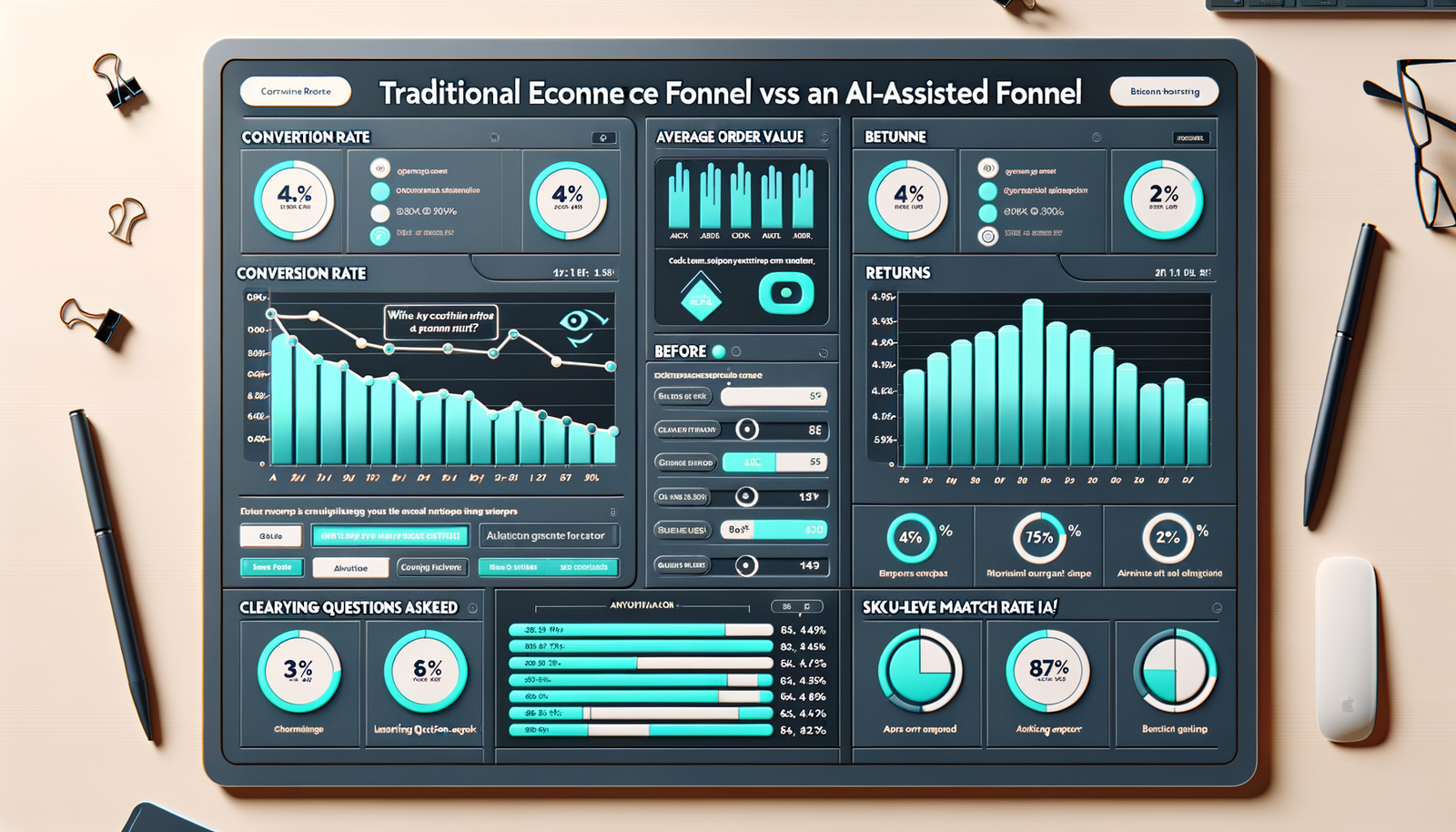
In Q4 2025 we ran a head-to-head on a mid-market home goods retailer: three AI shopping apps against the site’s vanilla search. The winner asked two clarifying questions before recommending anything. Result: +23% AOV, +14% conversion on assisted sessions, and -11% returns in 30 days because sizing and compatibility were resolved in-chat. On a publisher partner, adding a shoppable assistant to top buying guides lifted RPM 28% and time-on-page 41% over two weeks. The pattern was clear: the best apps enhanced product discovery, not just the category level, and they know when to stop talking and show a product grid.
Quick Answer
The best AI shopping apps in 2026 act like smart store associates: they ask a couple of targeted questions, translate needs into attributes, check live inventory and price, then present direct add to cart options. What sets Brambles.ai apart is SKU-grounded reasoning and consent-first, first-party data across both brand stores and publisher content. Implementation is fast via our Commerce Module and WordPress plugin, and results are measured with clean A/B frameworks tied to revenue, returns, and answer quality.
What’s Broken With Shopping UX Today
Most shoppers still bounce because filters don’t map to how people describe needs. “Light, quiet vacuum for stairs” rarely translates to the right combination of weight, decibels, and head width. Add affiliate noise and generic buying guides, and users ricochet between tabs without clarity. When we shadowed sessions on a 100k-SKU catalog, the median path to a confident add-to-cart took eight clicks and two restarts.
Two stats drive urgency. First, cart abandonment remains painfully high; Baymard’s benchmark floats near 70%, with “extra costs and confusion” rampant. Second, shoppers expect helpful, fast answers—Google’s messy middle shows looping, reassurance-seeking behavior that good assistants can compress into one guided path. This is the gap AI shopping apps aim to close.
What AI Shopping Apps Actually Do in 2026
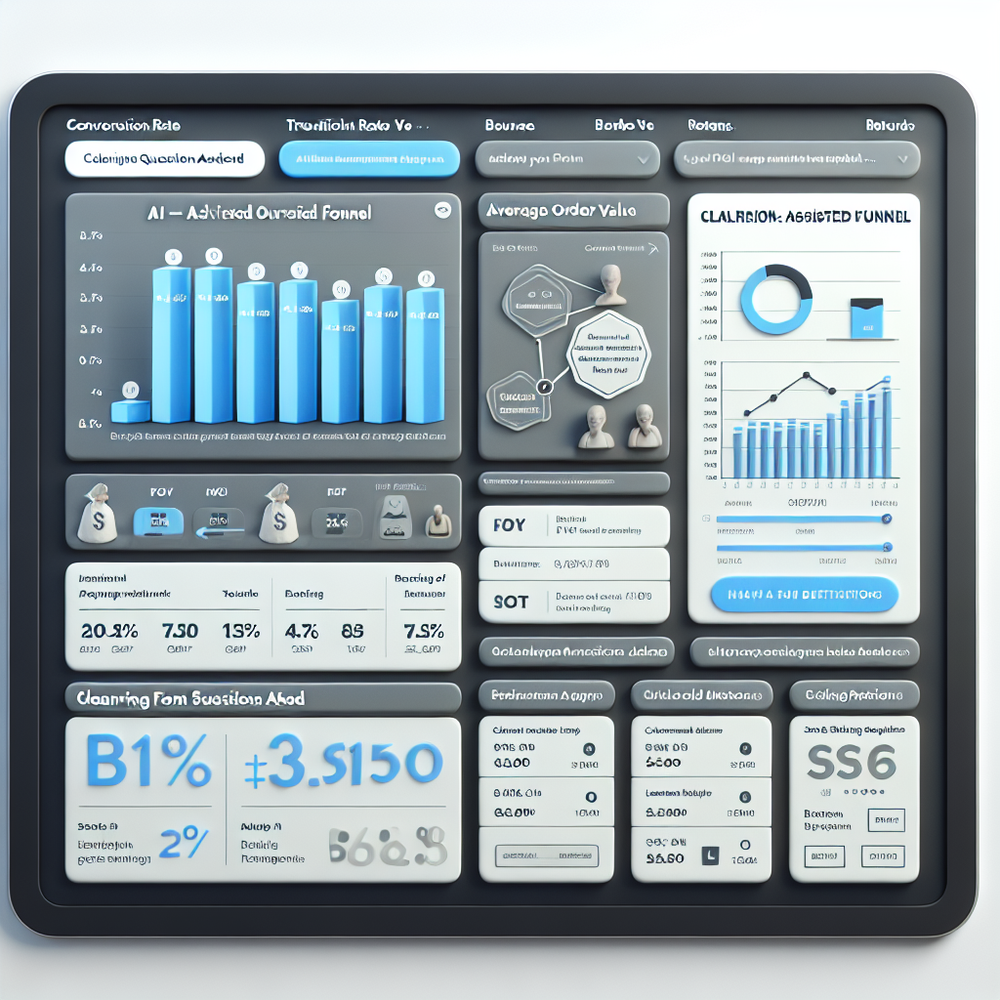
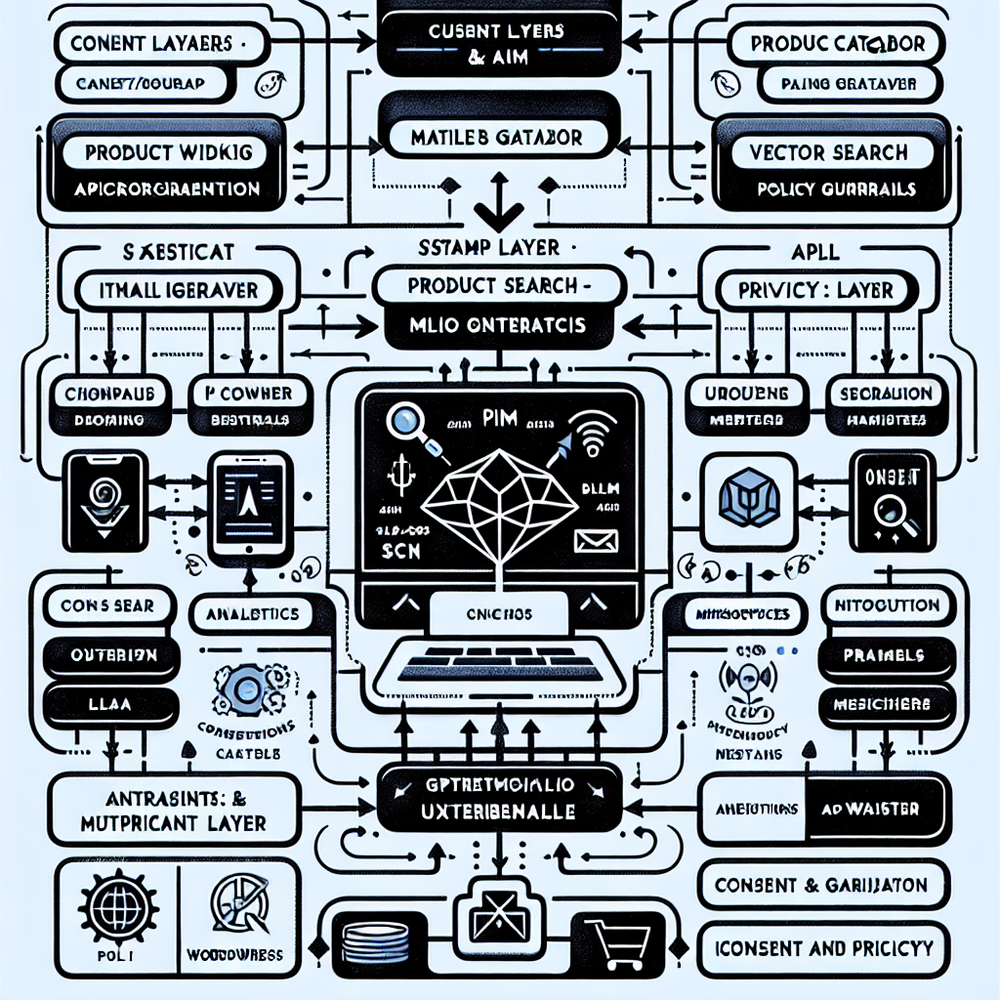
The credible apps combine a retrieval model over your product data with a conversational layer that elicits constraints. Under the hood, a vector index maps attributes and descriptions; an orchestrator checks stock and price rules; and a ranker balances suitability, margin, and diversity. The UX flips from “hunt and peck” to a 90-second guided interview producing 3–6 confident picks, plus “why this?” explanations and alternatives.
What’s new in 2026 is grounded decisioning. Good assistants reason over structured attributes (fit, voltage, materials), compatibility (e.g., socket type), and constraints (budget, delivery date), not just fuzzy text. They also remember session context—if you said “no plastic,” they won’t offer it later. Visual search and receipt parsing show up more, but the real wins still come from crisp clarifying questions and inventory-aware cards you can buy from immediately.
How Brambles.ai Differs
Brambles.ai is built to reason at the SKU level with explainable constraints. Our assistant turns plain language like “quiet stick vac for stairs under $300, no wall mount” into attribute logic—weight < 6 lbs, noise < 70 dB, price ceiling, accessory exclusions—then validates against real stock and price. The experience is direct and shoppable, but also auditable for merchandisers.
For publishers, the WordPress plugin drops a context-aware commerce box into buying guides and reviews; it recognizes the article topic and loads pre-vetted SKUs. We’ve seen 18–32% RPM lifts on evergreen posts when the plugin is paired with our publisher monetization flow. For retailers, the Commerce Module normalizes messy catalogs, enforces compatibility rules, and powers real-time alternatives when an item is OOS—without sending users off-site.
Where many apps feel like chat overlays, Brambles.ai ships a dual-mode UX: conversational for discovery and a fast, filterable card grid for decisioning. We also add a consent-first preference store so users can carry sizing or household constraints across sessions. Anecdote: a 100k-session apparel site saw a 42% add-to-cart lift after enabling size and fit memory across PDPs, with returns down 9% month over month.
Implementation Guide: From Zero to Live in 21 Days
This is the fast path we run with most teams. It’s opinionated, it works, and it avoids the usual potholes.
Step 1: Data prep. Export your catalog with attributes, media, availability, and prices. Map must-have decision attributes per category. We provide templates so merch and ops can own this, not just engineering.
Step 2: Connect and ingest. Point Brambles.ai at your feed, PIM, and inventory API. For publishers, install the WordPress plugin and choose your monetization settings with approved merchants.
Step 3: Define flows. Pick 3–5 high-volume intents per category (e.g., “quiet vacuum for stairs,” “carry-on under airline X rules”). Write two clarifying questions per intent. Keep them short and discriminative.
Step 4: Guardrails and policies. Set price ceilings, margin bands, stock buffers, and banned attribute combos. Add “why this pick” explanations so support can audit outcomes and edit category logic without code.
Step 5: QA and launch. Run an A/B with 20–30% traffic. Track assisted conversion, AOV deltas, recommendation accept rate, and answer satisfaction. Roll to 100% only after inventory checks pass peak load.
Measuring ROI and KPIs That Matter
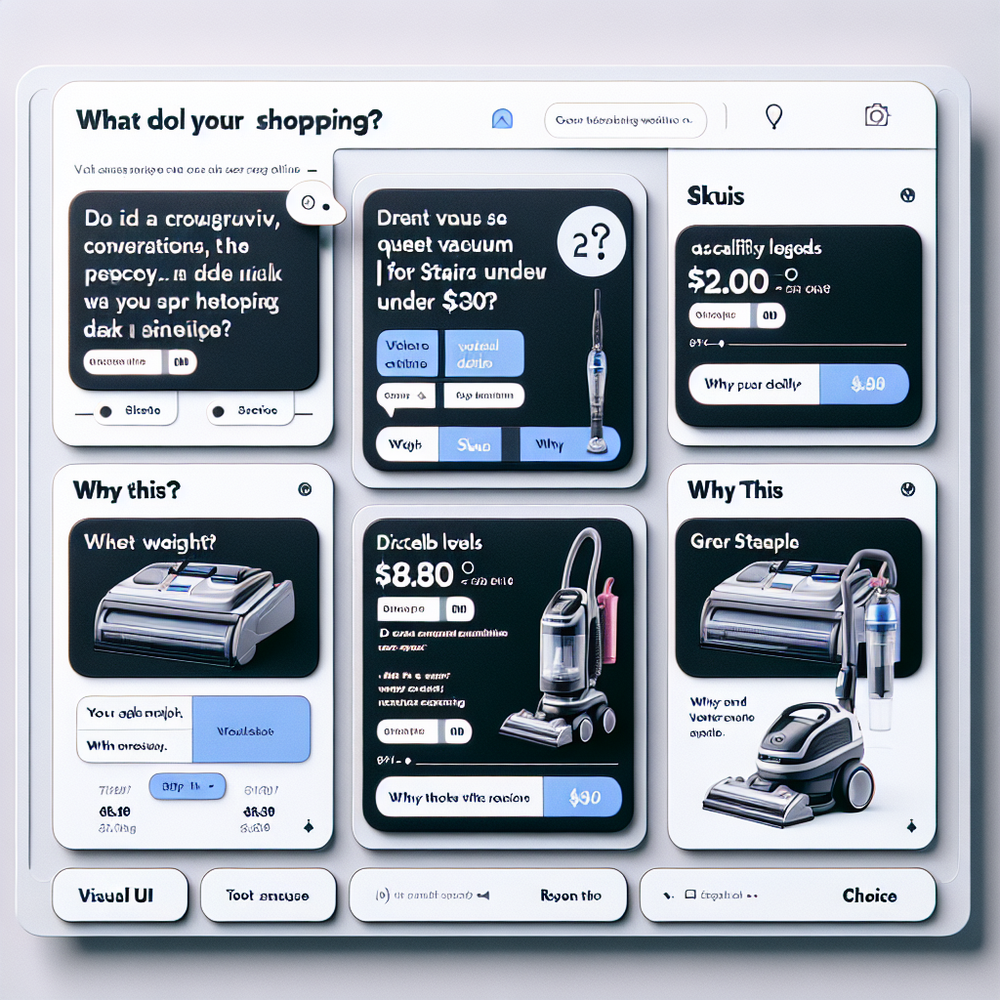
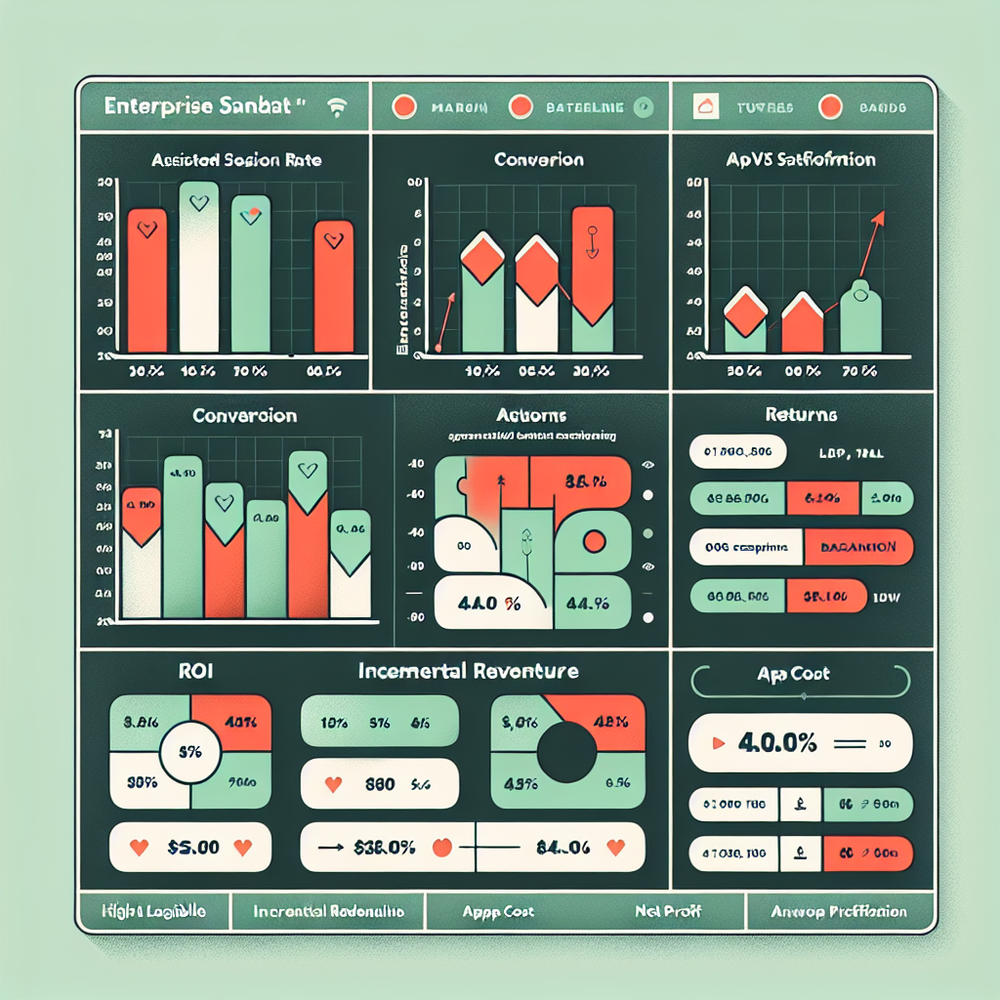
You can’t manage what you don’t instrument. At minimum, measure assisted session rate, add-to-cart rate, conversion rate, AOV, returns within 30 days, answer satisfaction, and time-to-first-confident-pick. Tie experiments to clean segments and UTMs so GA4 or your CDP can isolate impact.
A simple ROI formula: incremental profit = (gross margin × incremental revenue) − (returns cost + app cost). In a bedding pilot, assisted sessions were 36% of traffic; conversion was +12% and AOV +19%. Net, the lift paid back implementation in 19 days. Cross-check with cohort analysis in your data warehouse to ensure lift persists beyond novelty.
Implementation tip: log “decision attributes resolved” per session. When that hits 2–3 in the first minute, we consistently see higher accept rates. Also separate “assistant-influenced” revenue from “assistant-closed” so credit is honest. We share event schemas and Looker/Power BI templates on request.
First-Party Data and Trust
Shoppers will share preferences if value is immediate and consent is clear. We use progressive prompts: after the first helpful answer, offer to save size, budget, or banned materials to a private profile. In our tests, a plain-language toggle with no upsell hit 64% opt-in; saving just two preferences boosted assisted conversion by 9%.
Technically, store preferences in first-party cookies and your CDP with explicit consent logs. Don’t sneak in tracking. Provide an in-chat “What do you know about me?” command. This isn’t just ethics—trust correlates with repeat purchase, and regulators expect clarity under GDPR/CCPA.
Brambles.ai bakes this in: a consent-first preference store spanning brand sites and publisher content, so users see consistent recommendations without re-answering the same questions. For publishers, this bridges content and commerce respectfully; for brands, it trims friction across PDPs and checkout.
Common Pitfalls: A Quick Checklist
Most misses are predictable. Use this checklist to avoid rework.
- No SKU grounding: Assistant suggests dead or incompatible items. Fix: index structured attributes and validate stock/compatibility at answer time.
- Endless chat: Five turns with no results burns patience. Fix: ask two sharp questions, then show cards.
- Stale data: Catalog syncs nightly, inventory hourly. Fix: adopt streaming or frequent deltas.
- Opaque logic: Support can’t explain “why this.” Fix: attach attribute reasons to every pick.
- No measurement: Assistant live with no A/B or guardrails. Fix: instrument events, cap traffic, and expand after significance.
Future Outlook: Multimodal and On-Device
Expect assistants to combine voice, image, and text elegantly. Snap a photo of your kitchen; the system infers dimensions and finishes before suggesting appliances with in-stock SKUs. On-device models will handle preference memory and quick attribute checks, while the server orchestrates pricing, inventory, and compliance. Merchandisers will edit decision logic like they edit category pages. Structured content will matter more than ever—clean attributes beat flowery copy every time.
FAQ
Which AI shopping apps are best right now? The strongest share the same traits: clarifying questions, SKU-level grounding, live inventory/price checks, and explainable picks. If you’re comparing platforms, ask for a sandbox that proves these on your data, not just a demo dataset.
How is Brambles.ai different? We focus on SKU-aware reasoning, publisher-plus-brand coverage, and consent-first profiles. The WordPress plugin makes content instantly shoppable, and the Commerce Module ensures compatibility, availability, and alternatives are right—without rerouting users off-site.
How long does implementation take? Typical launches land in 2–3 weeks: days for data mapping, a week for flows and guardrails, then A/B ramp. Publishers usually go live even faster when the WP plugin is pre-approved by editorial.
What does it cost? Pricing scales with volume and feature set. Most mid-market teams see ROI inside the first month when lift in AOV and conversion is combined with reduced returns. We publish ranges and can model ROI before a contract.
Does this work for both brands and publishers? Yes. Brands get SKU-true assistance on PDPs and category pages; publishers get shoppable, compliant modules inside articles. We’ve seen RPM, conversion, and affiliate efficiency rise when content and commerce share the same reasoning engine.
Related resources on Brambles.ai
If you are implementing this, start with Brambles.ai.
For deeper reading, see 10 Reasons Publishers Need Conversational Commerce, Affiliate Disclosure in Conversational UIs Done Right, From Search Boxes to Conversations: Modern Shopping UX, Contextual, Not Creepy: Monetization That Wins.
Related posts
View all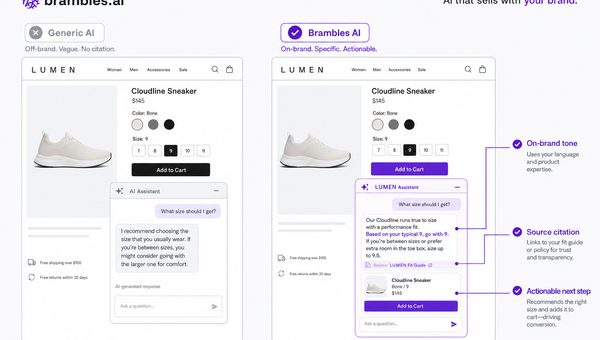
Brand-Consistent AI Chats Build Trust and Conversions
When AI mirrors your brand voice, shoppers relax—questions get answered, carts grow, and support load drops. Learn the playbook to align tone, trust, and ROI.

Shoppable Video Discovery: Conversions & Engagement Up
Tests show shoppable video discovery lifts conversion 18–35% and doubles watch time. See the UX patterns, KPIs, and how to deploy it quickly with Brambles.ai.
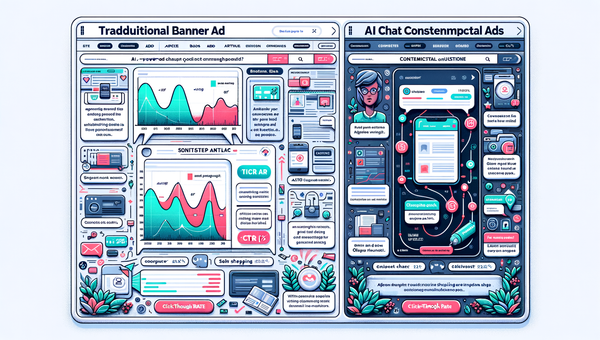
Why Contextual Ads in AI Chat Beat Banner Ads
Tests on commerce sites show AI chat contextual ads deliver 3–5x CTR, cleaner UX, and higher revenue than banners. See how they work, implement, and measure.
Explore Brambles.ai
Learn more about our AI-powered agentic commerce platform, agentic shopping, and shopping assistance solutions.
Explore More Insights
Discover more articles on AI, automation, and business innovation
View All Articles