
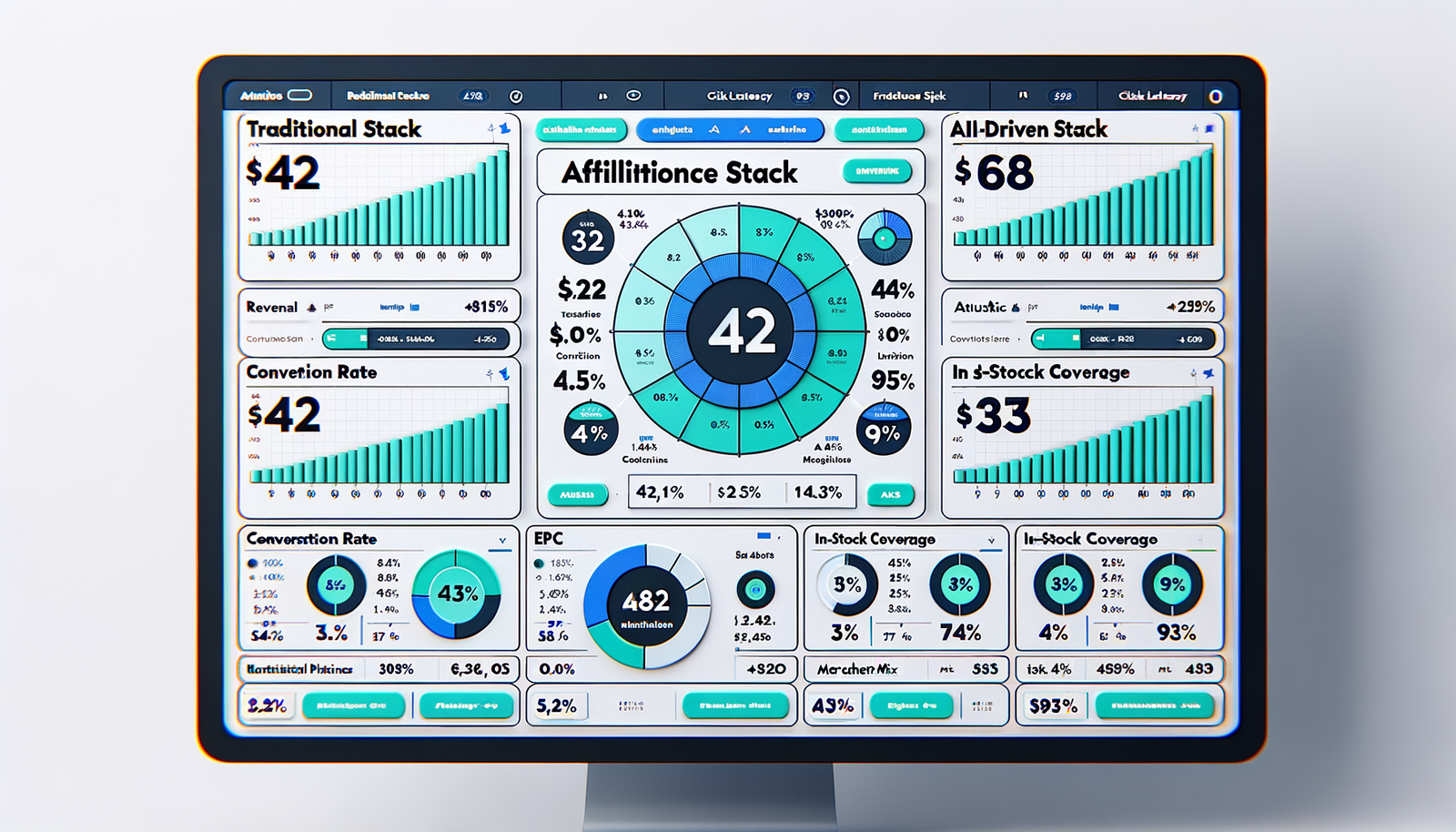
AI vs Traditional Affiliate Tools: What Makes More Money?
We ran tests across publishers to see if AI or legacy affiliate stacks earn more. Learn the deltas in EPC, AOV, and revenue per session—and how to implement.
Two weeks into a side-by-side test on a home & garden publisher (2.3M monthly sessions), the AI-driven placements beat the legacy affiliate widgets by 31% in revenue per session. The surprise wasn’t the uplift; it was where the money showed up—deep in evergreen posts that never had affiliate blocks because an editor didn’t think they were “commercial.” The AI found intent in the long tail and attached the right merchant offers without adding clutter. A second run on a mid-market tech review site (410k sessions/month) saw EPC rise from $0.19 to $0.27 while CTR held steady—proof that better matching through product discovery, not more links, moved dollars. If you’re choosing between AI and traditional affiliate tools, the question isn’t “which is newer,” it’s “which reliably improves monetization with less editorial friction.” That’s where AI wins, but only when implemented with discipline: clean data, placement rules, and strict measurement.
What’s broken with traditional affiliate tools
Legacy affiliate stacks were built around fixed templates: comparison tables, sidebar widgets, and bottom-of-post carousels. They monetize high-intent pages but miss soft-intent use cases like “how to choose” guides or problem-solution explainers. Editors shy away from heavy blocks that slow pages and distract from the story. According to Google UX Research, bounce probability jumps as page load increases seconds—so bloaty scripts quietly tax earnings. Traditional tools often rely on manual curation; that means stale prices, out-of-stock links, and expired offers lingering until someone notices. And because most dashboards report at the page level, not the paragraph or placement level, teams overfit around “top 10 pages” and leave the rest of the catalog under-monetized. Baymard’s UX work has long shown how dense comparison tables can mislead or overwhelm when scannability is weak—exactly the UI most legacy tools push by default. The result: a ceiling on EPC that editors try to puncture with more links instead of better ones.
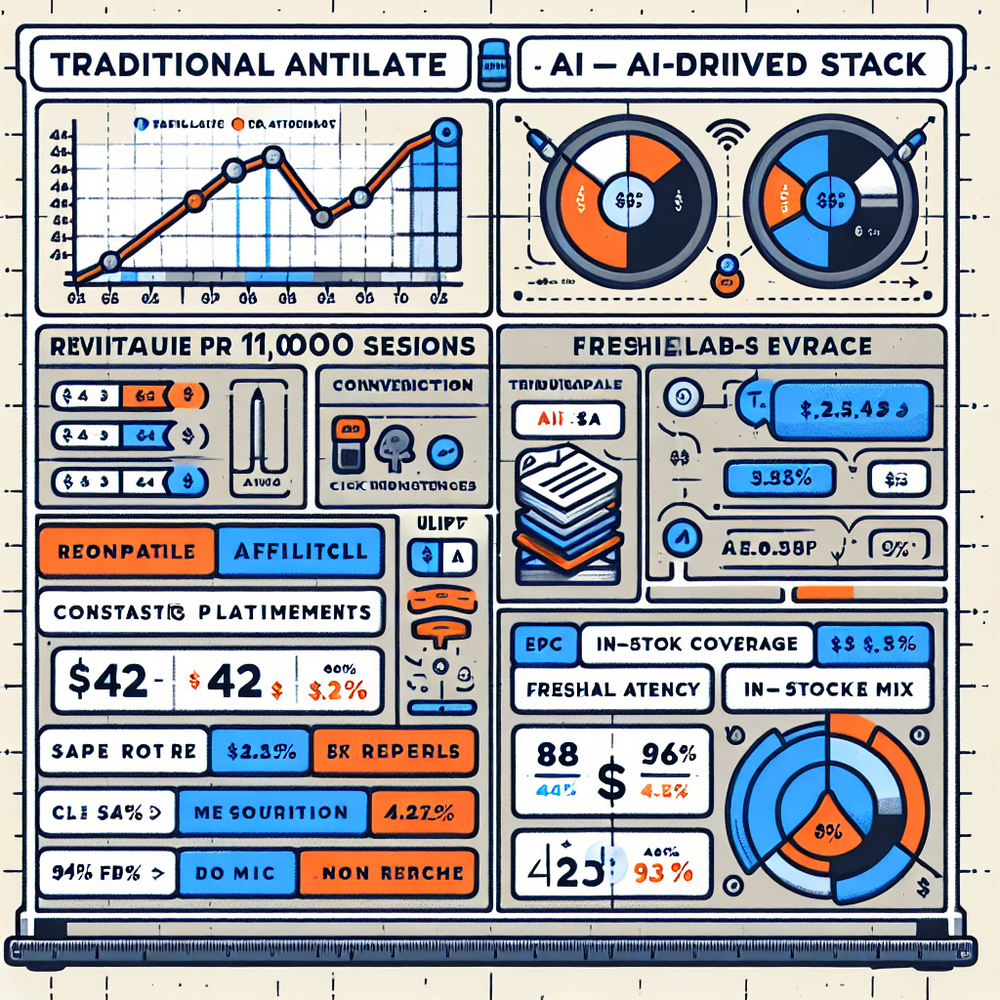
How AI-driven affiliate monetization works
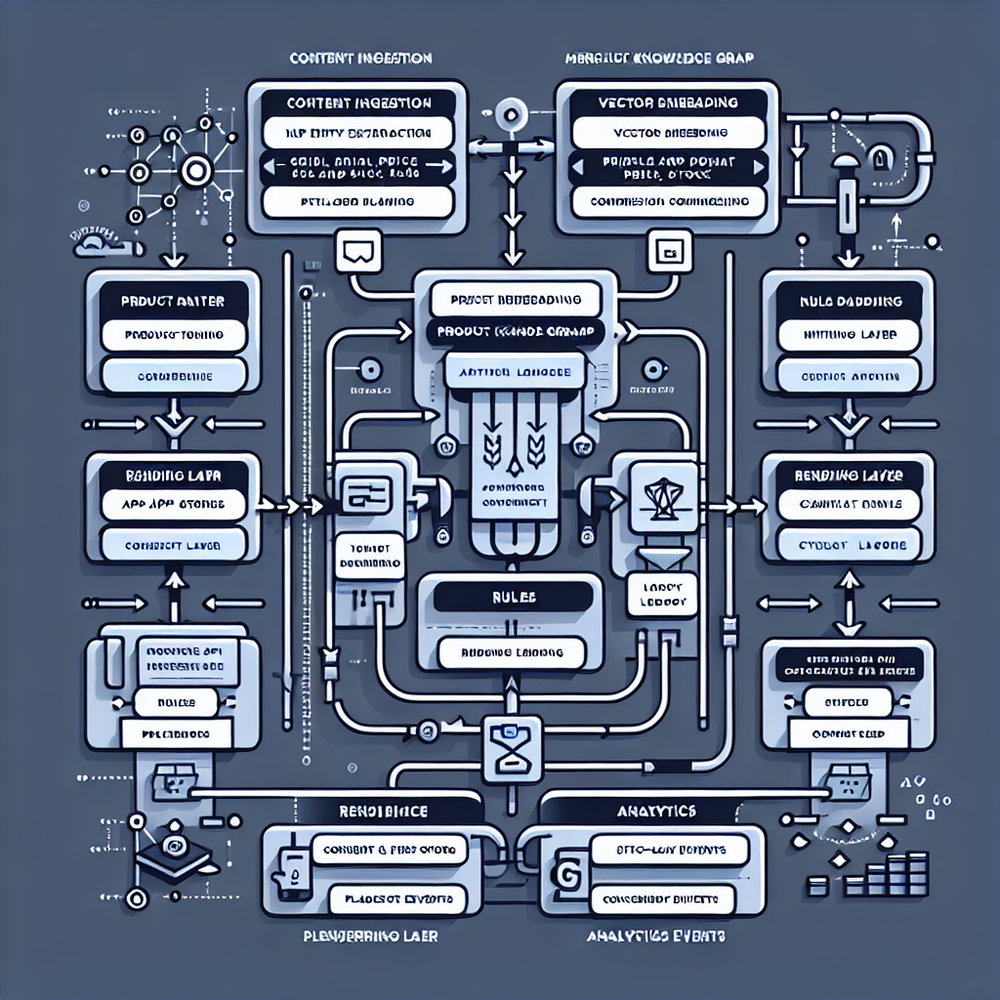
AI beats static widgets by matching product offers to micro-intent at the paragraph or sentence level. A practical pipeline looks like this: extract entities from content (brand names, use-cases, specs), resolve them against a product graph (so “cordless drill” maps to compatible SKUs), enrich with merchant availability and price, then select placements that maximize expected value while respecting editorial rules (holdout on medical pages, cap link density, prefer merchants with fast shipping). The system should continuously test anchor variants, CTA microcopy, and image inclusion. McKinsey’s work on personalization shows companies that tailor experiences see 5–15% revenue lift and lower acquisition costs—affiliate is no exception when the model learns which offers outperform through contextual ads. The critical difference is experimentation at scale: hundreds of micro-tests per week, not a quarterly template refresh. When the model chooses not to place a link because expected value is low, editors trust the restraint—fewer, more relevant links improve reader satisfaction.
Implementation guide: from audit to shipping
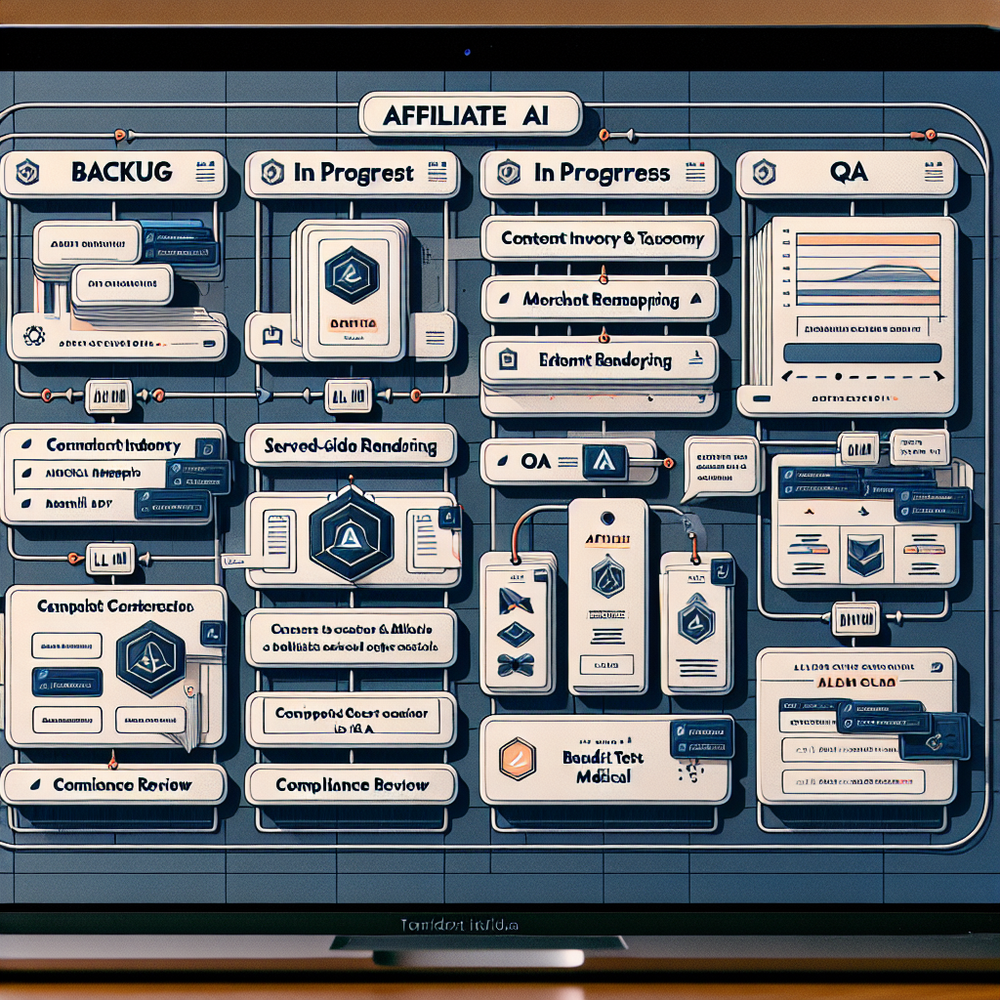
Start with a 14-day audit. Inventory your top 200 URLs by traffic and revenue per session; label content types (reviews, how-tos, comparisons, news). Pull a placement-level map: where links exist, how many per 500 words, and whether offers are in stock. Identify “quiet winners”—high time-on-page, low monetization. Then: set rules. Cap links to 1 per 120 words, blacklist sensitive categories, and prefer merchants with tracked fulfillment. Integrate product feeds and commission tables; normalize SKU and brand metadata. For WordPress, ship via a server-side rendering plugin to avoid client-side bloat and protect Core Web Vitals. Anecdote: on a 410k-session tech site, moving to server-rendered placements cut LCP by 230ms and lifted revenue per session 18% without adding a single new link. Finally, turn on a bandit or Bayesian test harness so losing variants automatically phase out while safeguarding a 10% control holdout to detect drift.
Measuring ROI and the KPIs that actually move
Track unit economics at the placement level, not just page or site. Core metrics: revenue per session (or per 1,000 sessions), EPC, attachment rate (sessions with at least one qualified click), in-stock coverage, click latency (time to first click), and merchant mix concentration (Herfindahl index). Add leading indicators like scroll-depth at placement and dwell time post-click. A practical attribution window is 24–72 hours for most content sites; watch for merchants with unusually long windows that inflate EPC. Anecdote: a lifestyle publisher with 1.8M sessions/month found that cutting two merchants with poor post-click conversion improved overall EPC 14% while reducing refund clawbacks. Use a 10% always-on control (legacy placements) to form a causal baseline, and compare with CUPED or pre-period covariate adjustment to reduce variance. Salesforce’s Connected Customer research notes rising expectations for relevance; we’ve seen higher trust translate into more efficient clicks, not just more of them. Priority: better clicks beat more clicks.

First-party data, consent, and trust
AI needs behavioral signals, but affiliate monetization must stay privacy-safe. Use consented first-party events only: page context, scroll depth, click positions, and anonymized placement performance. Avoid cross-site tracking. Maintain a transparent disclosures pattern—short, scannable affiliate disclosures near the first commercial element, not buried in footers. Google’s page experience and Chrome privacy changes make this hygiene non-negotiable. Store minimal user data and prefer on-page context features over profiles. Build an editorial “no-go” list (health, sensitive advice) and encode it in placement rules. Baymard’s testing shows users punish deceptive patterns; align your CTAs and badges with the actual merchant experience (shipping windows, return policies) to prevent trust decay. When readers feel the recommendations help, they return. That repeat exposure raises overall earnings even if per-session EPC is flat—trust compounds.
Common pitfalls and how to avoid them
More links ≠ more money. Over-linking depresses CTR and invites ad-block fatigue. Set a strict density cap and audit weekly. Don’t deploy client-side injection that adds 300–500ms; Google’s research shows speed losses ripple through conversion. Avoid “single-merchant bias” where a high-commission merchant hogs placements; rotation should be meritocratic on net EPC, not raw rate. Another trap: treating AI as a black box. Expose decision logs—what entity matched, which product candidates, and why the final choice won—so editors can override corner cases. Finally, don’t grade success only by last-click revenue; include refunds and stockouts in your net EPC. A publisher we worked with saw gross EPC up 22% but net only 5% because one retailer’s return rate was 2.1x the average. After shifting share to two steadier merchants, net EPC rose 19% with fewer customer complaints. Sustainable dollars beat spiky dollars.
What’s next: AI meets commerce infrastructure
The next wave goes beyond link matching into inventory-aware, price-elastic decisions. Think: if stock is low or shipping slips, the engine preemptively pivots to comparable SKUs with steadier fulfillment. LLMs will summarize spec tradeoffs inline for complex categories (mattresses, appliances) and collapse the distance between editorial advice and a confident click. For publishers with storefront ambitions, AI can share a commerce cart across articles and track return-prone products, rebalancing recommendations in near-real time. Expect tighter feedback loops via server-side events and privacy-preserving cohort stats. The goal isn’t to stuff more commerce into content—it’s to make commercial moments feel native and helpful. If you’re on WordPress, get the plumbing right with server-rendered placements and an experimentation layer so the model learns quickly without trashing Core Web Vitals. The money follows the infrastructure.
Related posts
View all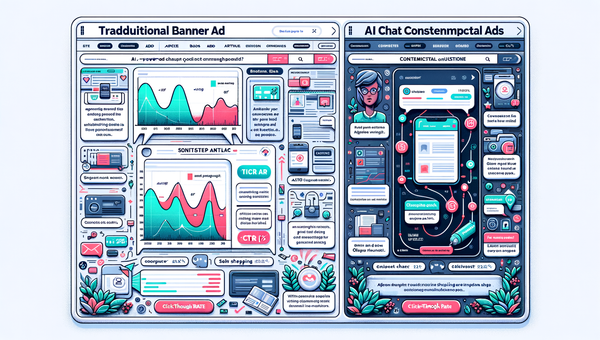
Why Contextual Ads in AI Chat Beat Banner Ads
Tests on commerce sites show AI chat contextual ads deliver 3–5x CTR, cleaner UX, and higher revenue than banners. See how they work, implement, and measure.
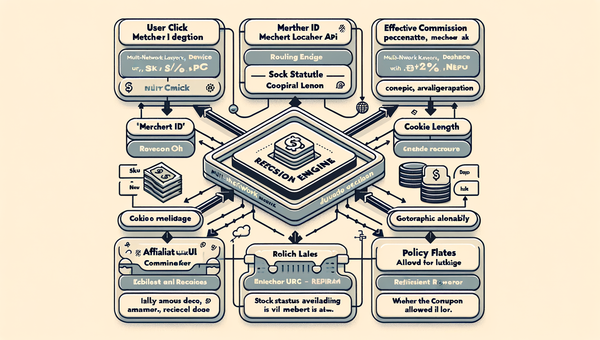
Multi‑Network Affiliate Optimization: Auto Best Rate
Route clicks across affiliate networks automatically to secure the highest commission, lift EPC, and preserve UX—practical tactics, data, and implementation ste
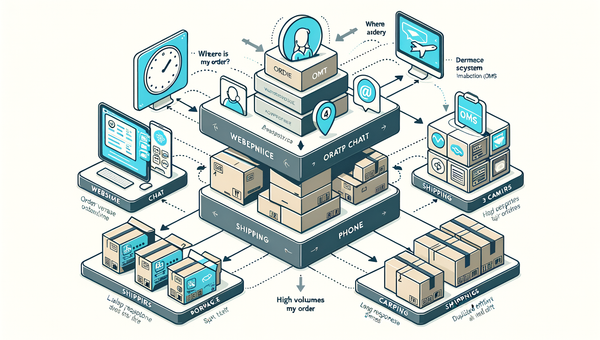
How AI Handles Order Lookup, Returns, and Shipping 24/7
See how AI resolves order lookups, returns, and shipping questions 24/7, deflects tickets, and lifts CSAT—plus a step‑by‑step guide to implement it safely.
Explore Brambles.ai
Learn more about our AI-powered agentic commerce platform, agentic shopping, and shopping assistance solutions.
Explore More Insights
Discover more articles on AI, automation, and business innovation
View All Articles