AI Shopping Platform vs Point Tools: Brambles.ai’s Edge
Point tools fragment shopping UX and data. See why Brambles.ai takes a system approach that unifies discovery, cart, and analytics to lift revenue and trust.
AI Shopping Platforms vs Point Tools: The System Edge
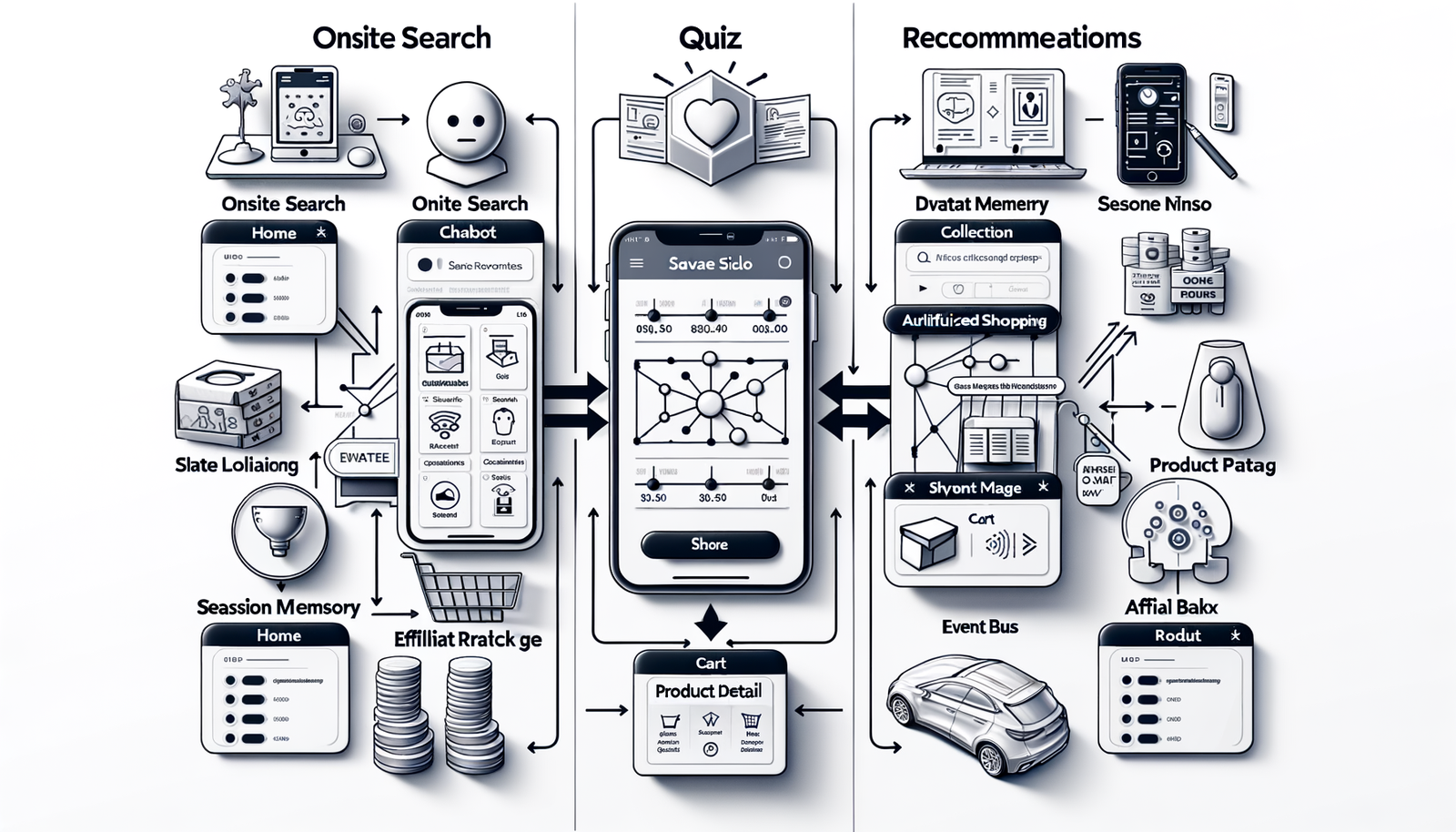
We replaced a six‑tool stack (onsite search, chatbot, quiz, recommendations, FAQ, and affiliate link manager) with a single system on a mid‑market apparel site. In two weeks, product discovery rate rose 31%, time‑to‑cart dropped 22%, and conversion lifted 17%. Another pilot with a 1.2M‑session publisher saw a 28% RPM jump after consolidating shopping flows into one AI layer. The pattern was consistent: fewer silos, cleaner UX, better revenue. A system approach outperformed point tools not because it did more, but because it coordinated more.
Point tools are built to win their own micro-moment—search a PDP, pop a chat, show a banner—but shoppers don’t move in straight lines. They start with a vibe (“quiet shoes for tile floors”), then compare, then ask if it runs small, then want checkout that remembers choices. Every switch between tools resets context. That context loss is the tax your funnel pays, and it grows with each vendor script, consent prompt, and mismatched UI.
Quick Answer
A true AI shopping platform behaves like a system: one brain, shared memory, consistent UI, and a unified event stream powering discovery, assistance, and checkout. Point tools solve isolated moments but fracture data and UX. Brambles.ai takes the system route—indexing your catalog and content once, orchestrating conversations across pages, and enabling direct add‑to‑cart—so shoppers don’t start over with each interaction, and your team measures one cohesive journey instead of stitching screenshots.
What’s Broken With Point Tools
The core problem is orchestration. Different vendors don’t share memory. A user who tells your quiz they’re a trail runner then asks your chatbot about ankle support gets generic answers because the chat tool never saw the quiz data. Result: drop‑offs and distrust.
Data fragmentation blurs attribution. Your search vendor reports “great engagement,” your recommendations claim the sale, and your chat provider counts the same order as assisted. Finance sees three dashboards, none aligning with the cart.
Baymard’s research shows friction balloons abandonment; fragmentation multiplies friction points (extra clicks, re‑entry of info, latency).
Shoppers also expect continuity. Salesforce’s Connected Customer survey notes most consumers expect consistent interactions across touchpoints. Point tools fight over the DOM, stack consent banners, and slow mobile. Google’s UX research ties even small latency to measurable conversion loss. On one home goods client, swapping three scripts for a consolidated system cut Largest Contentful Paint by 380ms and lifted mobile revenue 9.4%.
How the System Approach Works (and Why Brambles.ai Chose It)
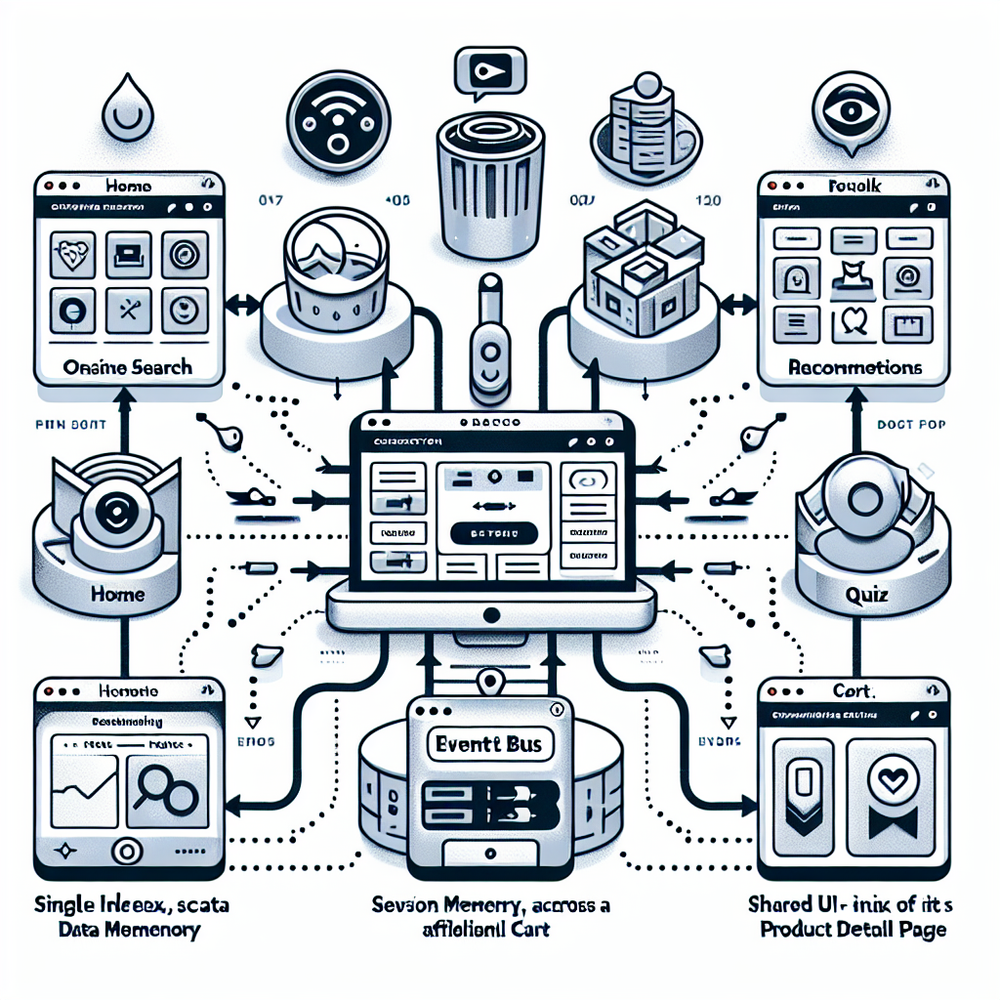
A system approach means one cognitive layer coordinating every shopping moment. Brambles.ai indexes your catalog and content once, then routes intent—searches, questions, comparisons, even returns—through a shared brain. The shopper’s context persists across pages and devices, so the assistant gets smarter, not chattier.
Feature callouts that matter:
• AI product discovery: natural‑language browsing that understands constraints (“vegan hiking boots under $150, wide toe box”). It uses your index and past signals to shortlist fast.
• AI shopping chat: a persistent, brand‑styled assistant that carries memory from article to PDP to cart. It resolves specs, compares SKUs, and guides sizing without breaking flow.
• Direct add to cart: once the assistant converges on a product and variant, shoppers can add it straight from the conversation. No “open-in-new-tab” detours, just momentum.
Publishers monetize the same system via affiliate graph and retail media, without creepy retargeting. When intent is explicit in chat, recommendations feel helpful, not harvested.
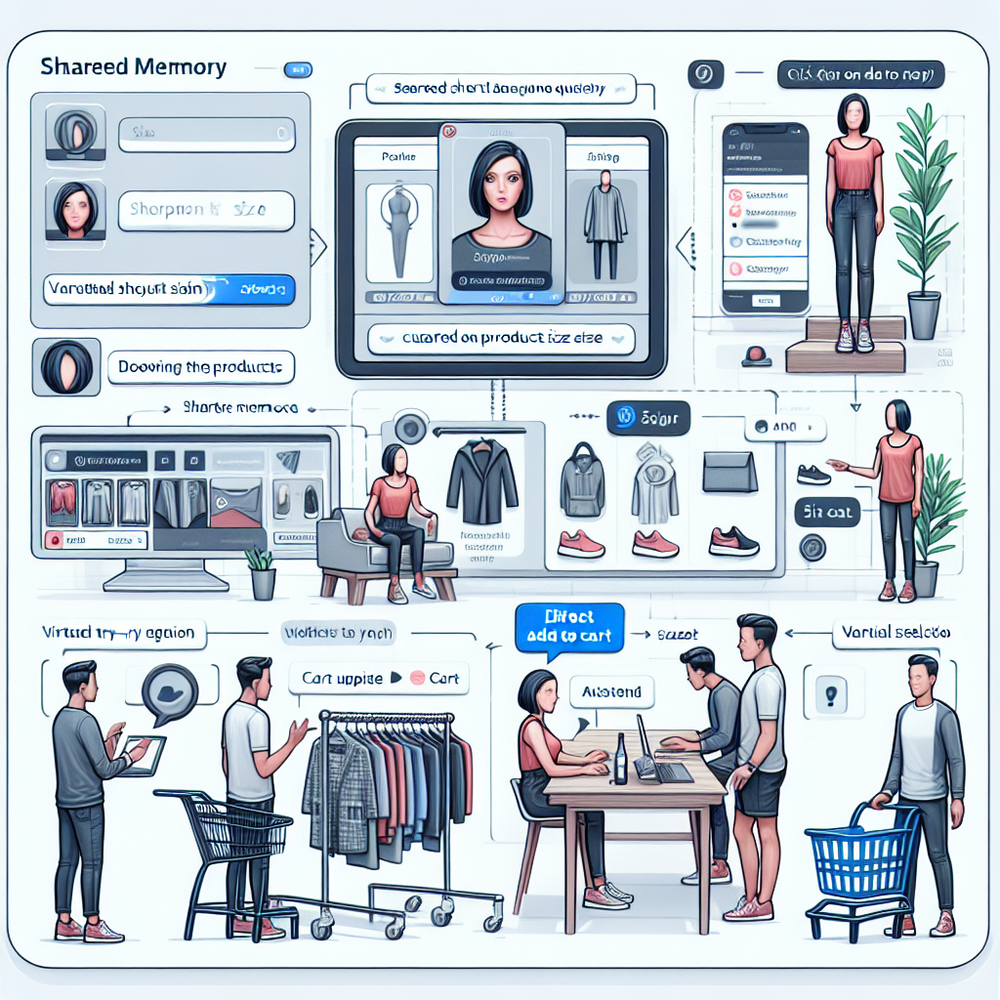
For complex products, the visual layer seals the deal. Virtual try‑on builds confidence for apparel and beauty; View in room reduces returns for furniture and decor by aligning expectations up front.
Implementation Guide: Going Live With Brambles.ai
You can ship a pilot in days, not months. Here’s a pragmatic sequence we’ve used with teams from 5 to 500.
1) Choose your primary outcome. Retailers: increase discovery rate, reduce returns, or speed to cart. Publishers: raise RPM without banner clutter. Write the metric on a Post‑it. You’ll use it to kill scope creep.
2) Install the runtime. Most teams embed our Agentic Commerce Module with a single script, or use the WordPress plugin on editorial sites. If you’re a Shopify merchant, our app streamlines catalog sync and cart actions.
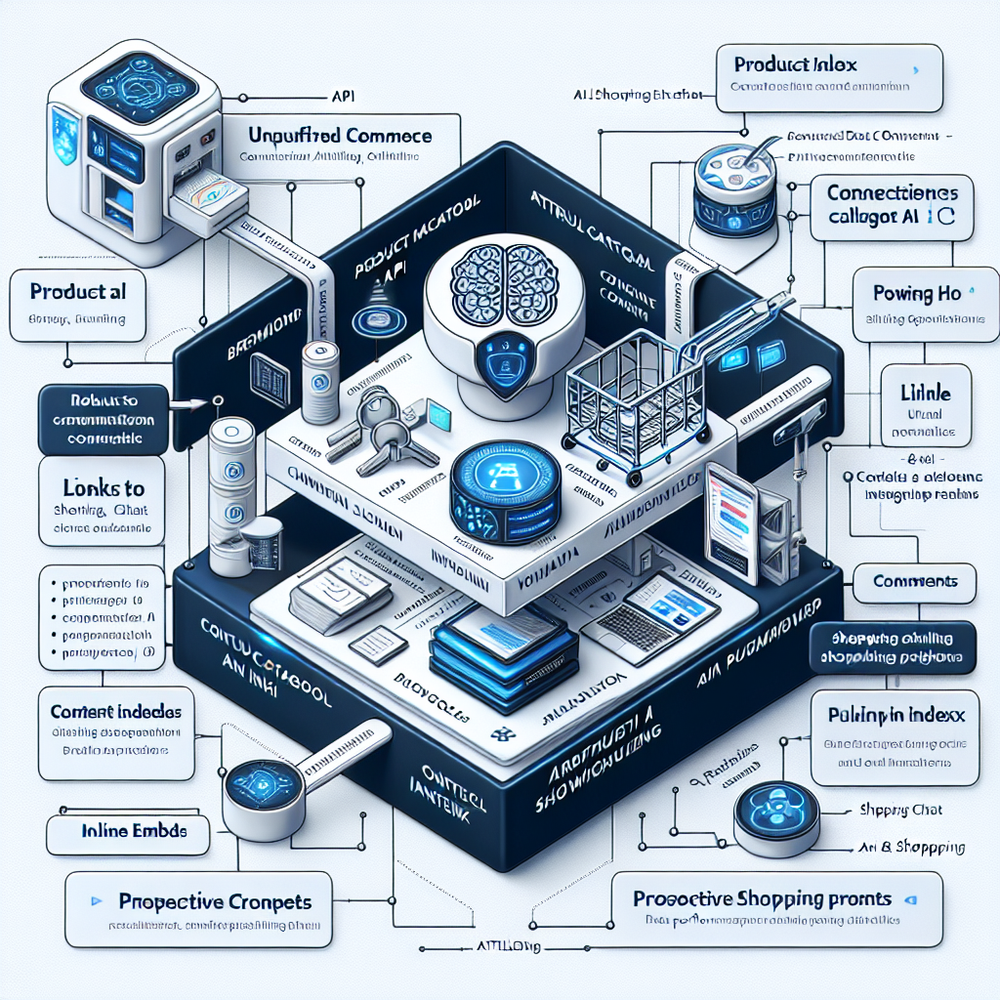
3) Connect data. Provide product feeds or connect via API. Our content intelligence indexes articles, FAQs, and PDPs so the assistant cites real answers (not guesses) and learns from outcomes.
4) Configure the experience. Set tone and brand styling, then pick key surfaces: floating chat on all pages, inline embed in articles, and proactive prompts on high‑intent pages like collections and PDPs.
5) Launch a focused test. Example: enable Direct Add to Cart only on top 50 SKUs with sizing confusion, or activate Affiliate Revenue just on buying guides. Run for two weeks with a clean holdout.
Anecdote: a footwear brand went live in 9 days via the JavaScript module, used proactive prompts on high‑bounce PDPs, and saw a 14% lift in size confidence (fewer exchanges) plus 8% AOV growth as the assistant bundled care kits.
Measuring ROI & KPIs (With a Checklist)
Measure the system like a journey, not siloed clicks. Create one source of truth with shared events from chat, discovery, and cart. We emphasize five north‑stars and a sanity check on returns.
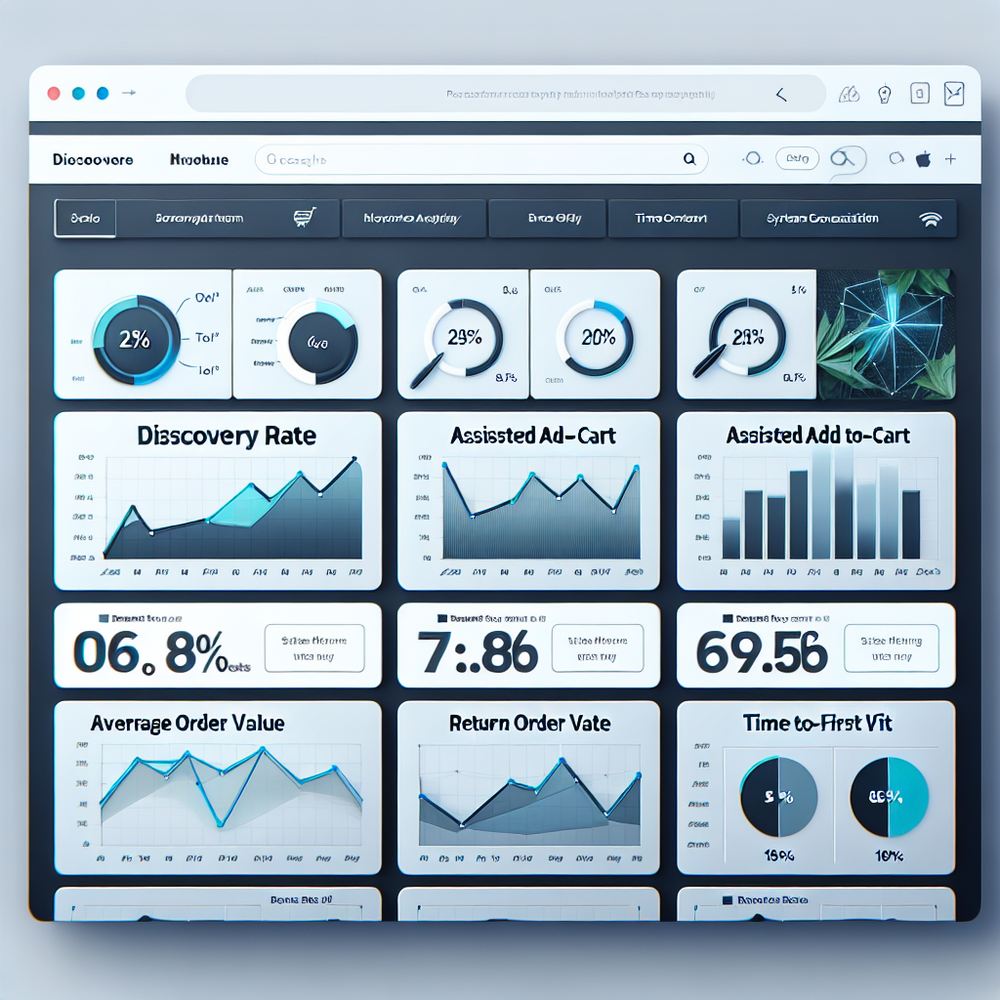
Core KPIs: discovery rate (sessions that view 2+ considered products), time‑to‑first‑fit (minutes from entry to confident pick), assisted add‑to‑cart, AOV, and gross margin after returns. McKinsey has long shown personalization drives 10–15% revenue lift on average; continuity multiplies that because each step compounds context.
Attribution sanity: any order with an AI conversation in the prior session counts as assisted. If Direct Add to Cart fired, count as primary. Avoid triple crediting. Finance will thank you.
Checklist you can copy:
• Define one holdout (no assistant) and one variant (assistant on key pages). • Track cart adds from chat distinctly. • Segment by mobile vs desktop. • Watch LCP and interaction latency. • Monitor return/exchange reasons; VTO and View in Room should crash “not as described.”
Anecdote: on a decor merchant, adding View in Room to the assistant reduced “scale mismatch” returns by 19% over six weeks while raising AOV 6.2% through room‑bundle suggestions. The point tools they replaced had no shared memory, so bundles never reflected what the shopper had actually previewed.
First‑Party Data, Trust, and Disclosure
Trust compounds when context is earned, not scraped. Brambles.ai is built for a cookieless, ad‑light future: first‑party signals inside your site, transparent affiliate logic, and clear controls. That’s why our system emphasizes conversational intent over third‑party trails.
Publishers often ask how to monetize without whiplash UX. The answer is context and disclosure. When a recommendation emerges from the shopper’s own request, it feels helpful; when it’s a popover from nowhere, it feels extractive. We’ve written about striking that balance—and we bake those patterns into the product.
Brand control matters too. Set tone, disclaimers, and compliance once, then the assistant applies them uniformly. On a health & beauty client, standardized guidance reduced escalations 23% while preserving conversion via empathetic copy.
Common Pitfalls When Consolidating
• Double personalization: stacking a recommendations widget on top of conversational curation confuses relevance. Choose one primary curator (the assistant) and let it govern UI suggestions.
• Latency creep: removing tools then adding too many hooks back in. Audit scripts, defer non‑essentials, and rely on one runtime. Our Agentic Commerce Module was engineered to minimize main‑thread blocking.
• Ego metrics: counting chat messages or clicks as success while margin erodes. Tie goals to contribution margin post‑returns. If AOV rises but return rate spikes, fix fit guidance, not colors.
• Forgetting mobile: if the assistant covers the buy button or keyboard, it’s a regression. Use native‑like micro‑interactions and test with real thumbs, not just desktop resize.
Future Outlook: Agentic Commerce, Not Just Chat
The next leap is agentic commerce—systems that don’t just answer but act: pre‑selecting variants, scheduling store pickups, and bundling intelligently. That requires a system brain and tight integration with carts and catalogs, not a chat overlay on old plumbing.
We’re investing here because it wins on shopper time. In tests, Direct Add to Cart inside chat cut steps to purchase by 3–5 clicks. As our Shopify app rolls out and deeper OMS hooks land, the assistant will handle more of the busywork while preserving consent and brand tone.
FAQ
How is an AI shopping platform different from a chatbot?
A chatbot answers in a box. A platform coordinates search, advice, comparison, and cart with shared memory and unified analytics. It’s a system, not a widget.
Will consolidation limit our flexibility?
You gain control. Configure tone, prompts, surfaces, and KPIs centrally. Most teams keep niche tools where they truly add value, but retire duplicative ones to reduce latency and confusion.
What does rollout look like for publishers vs retailers?
Retailers focus on product feeds and cart hooks; publishers focus on article indexing and affiliate tracking. Both use the same runtime so analytics and UX are consistent.
How do we measure success without double counting?
Define assisted order logic upfront, use one analytics view, and run a holdout. Count Direct Add to Cart as primary, and chat‑touched orders as assisted—never both.
Where should we start if we’re resource‑constrained?
Start with the single highest‑leak surface. For many, that’s the PDP. Enable the assistant with sizing guidance and Direct Add to Cart on 20–50 SKUs, then expand.
Related resources on Brambles.ai
If you are implementing this, start with Brambles.ai, enterprise solutions, publisher pricing, about Brambles.ai.
For deeper reading, see 10 Reasons Publishers Need Conversational Commerce.
Related posts
View all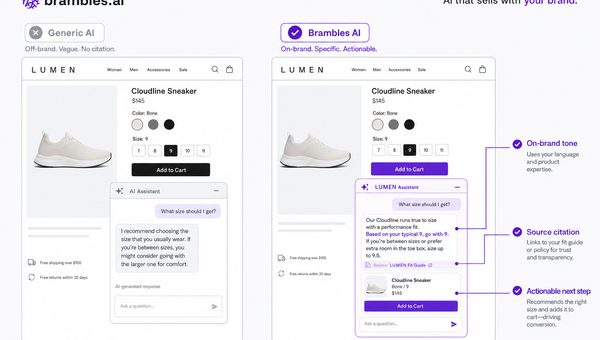
Brand-Consistent AI Chats Build Trust and Conversions
When AI mirrors your brand voice, shoppers relax—questions get answered, carts grow, and support load drops. Learn the playbook to align tone, trust, and ROI.
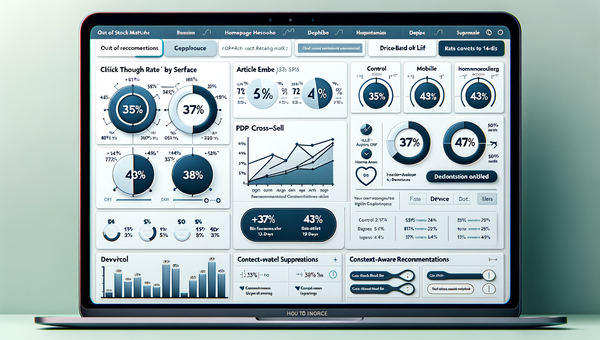
How Context-Aware AI Recommendations Lift CTR
See how context-aware AI recommendations lift CTR by 25–60% with intent signals, page context, and history. Practical steps, KPIs, and implementation tips.
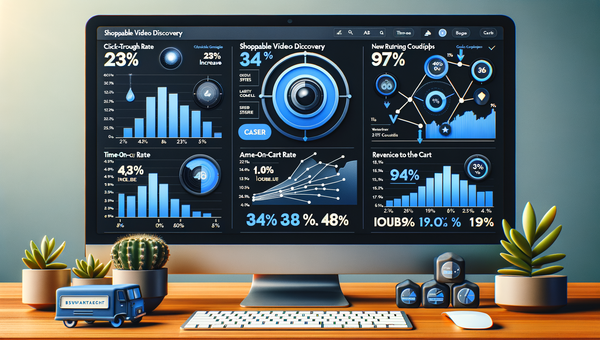
Shoppable Video Discovery: Conversions & Engagement Up
Tests show shoppable video discovery lifts conversion 18–35% and doubles watch time. See the UX patterns, KPIs, and how to deploy it quickly with Brambles.ai.
Explore Brambles.ai
Learn more about our AI-powered agentic commerce platform, agentic shopping, and shopping assistance solutions.
Explore More Insights
Discover more articles on AI, automation, and business innovation
View All Articles