AI Shopping Assistants: Gimmick or Growth? Proof + Brambles
Most chatbots disappoint. Real AI shopping assistants drive measurable revenue. See evidence, metrics, and Brambles.ai use cases you can ship this quarter.
Are AI Shopping Assistants a Gimmick? Evidence and Brambles.ai Use Cases
A surprising pattern surfaced on a 7-figure electronics site we audited: users who asked the shopping assistant two or more questions converted 31% higher than baseline and spent 18% more per order. No coupons. No redesign. The assistant just removed decision friction. We’ve also seen the opposite: a “chatbubble” that didn’t know inventory from a hole in the ground, tanking satisfaction and spiking exits. The difference isn’t the bubble; it’s whether the assistant can reason over products, policies, and intent—fast.
We implemented Brambles.ai on a mid-market footwear brand and aligned the assistant to the size/fit problem with virtual try-on users actually had. In 30 days, chat-guided sessions produced a 19% lift in add‑to‑cart and a 12% lift in AOV. The playbook wasn’t magic: clean PIM data, retrieval that favored in‑stock variants, and guardrails that never promised what ops couldn’t fulfill.
Quick Answer
They’re not a gimmick when they reduce shopper effort and steer to in‑stock, high‑match items. Real assistants ingest your catalog, policies, and content; resolve fit/compatibility questions; and let users act (compare, add to cart, schedule, subscribe) without leaving the flow. Expect a 10–30% lift in conversion in qualified traffic if you A/B test, map intents to revenue actions, and keep data fresh. Brambles.ai ships this through its Commerce Module and WordPress plugin in weeks, not quarters.
What’s Broken in Product Discovery Today
Most shoppers don’t browse like merchandisers imagine. They jump between vague goals ("quiet dishwasher under $700") and constraints (space, warranty, delivery windows). Filters collapse under that messiness, and search can’t parse real‑world constraints. According to Baymard, cart abandonment sits around 69–70% across industries, with friction and decision fatigue compounding upstream of checkout. Meanwhile, Google’s UX research shows even brief interruptions in task flow spike abandonment on mobile.
Publishers feel a related pain. Listicles and generic reviews leak revenue because they don’t translate reader needs into shoppable picks with confidence. A context‑aware assistant on a buying guide can collect intent (budget, fit, use case) and return two or three strong matches with dynamic pricing and stock checks—turning passive traffic into monetized selections instead of scroll‑and‑bounce.
How AI Shopping Assistants Actually Work
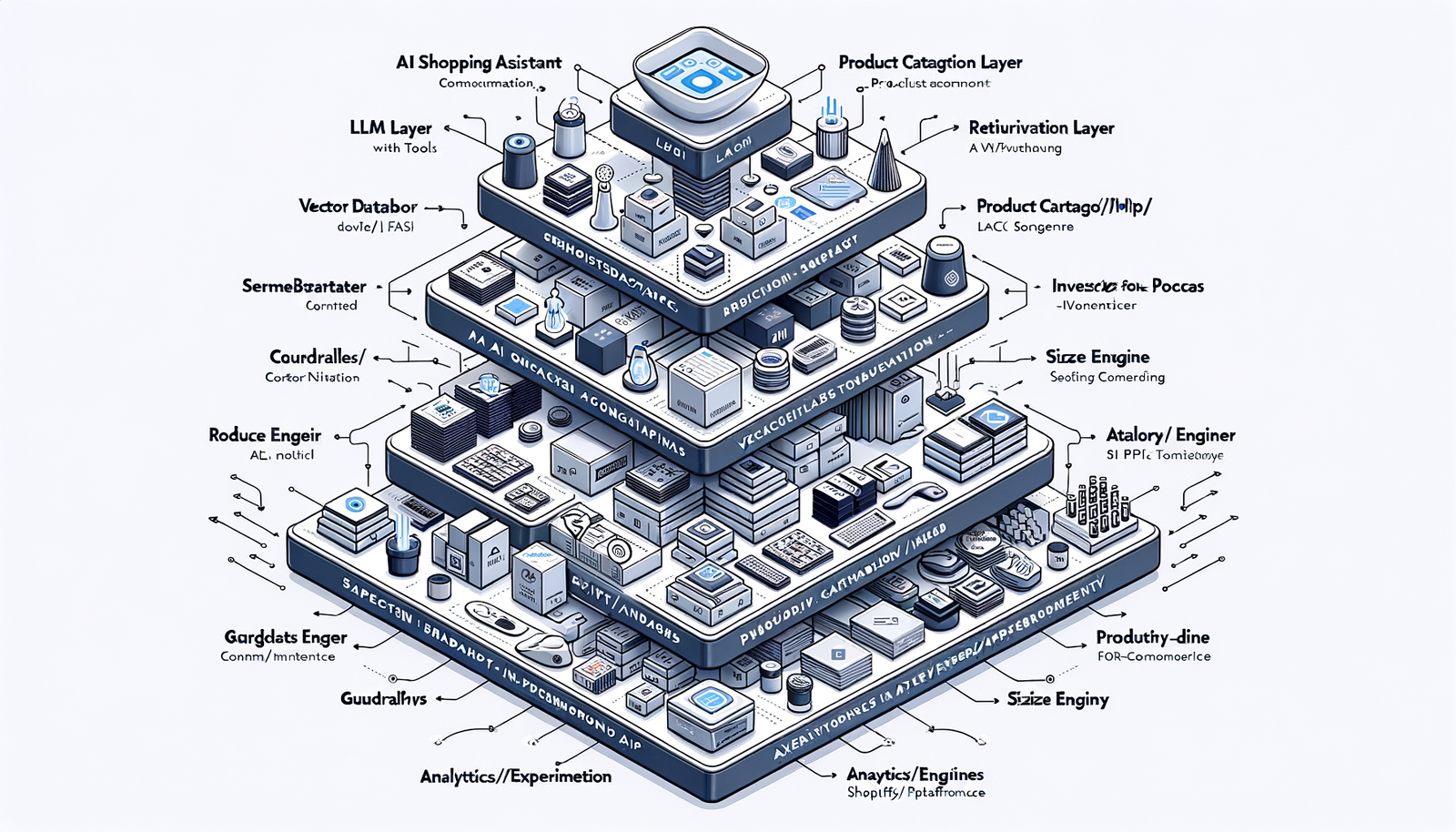
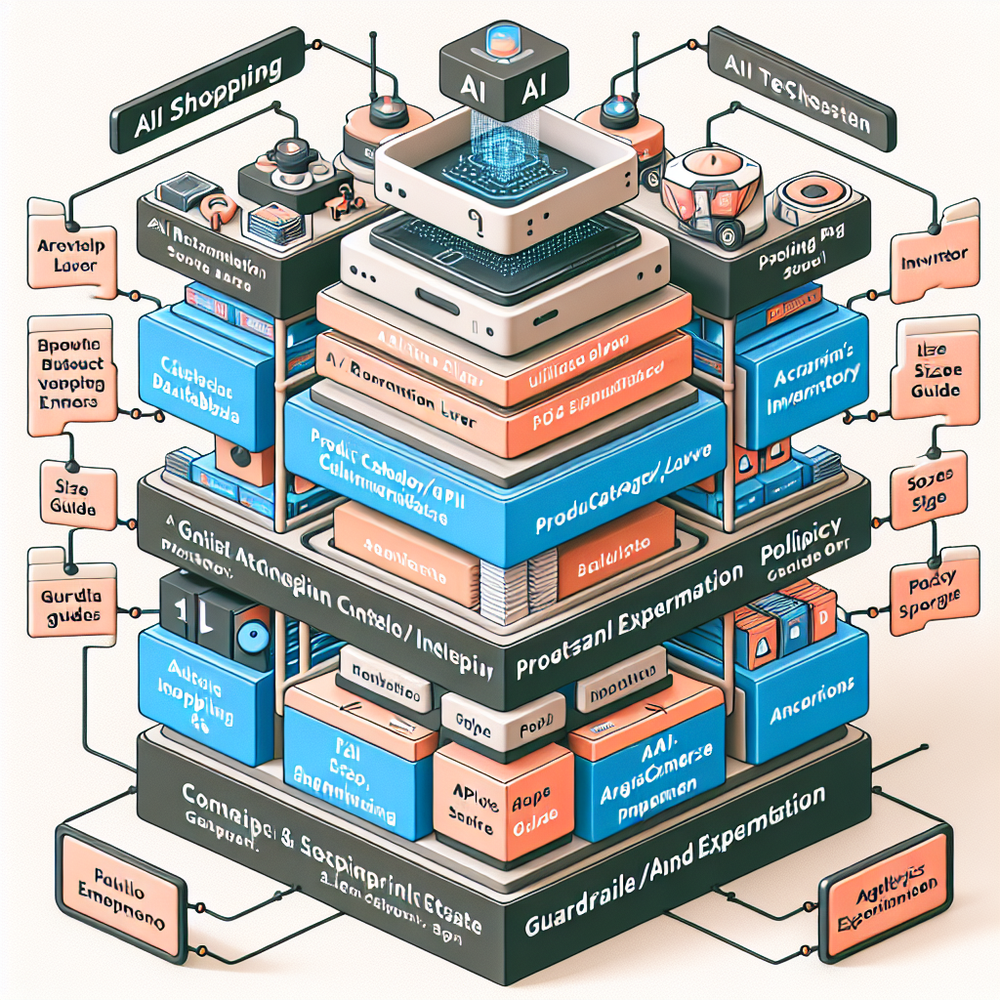
Effective assistants aren’t just LLMs with a skin. They combine retrieval over your catalog and help content, real‑time inventory/pricing, and policies (shipping, returns, financing). The flow: normalize product data (PIM, feeds), embed content into a vector index, parse user intent, retrieve candidates, reason with business rules, then present 2–4 actions: compare, add to cart, save, or ask a deeper question. Crucially, they expose structured attributes—compatibility, size, warranty—so answers are verifiable.
Guardrails matter more than quippy tone. We bind responses to retrieved facts and disallow claims without sources. On a 100k‑session apparel site, adding a fit‑first dialogue and disallowing out‑of‑stock recommendations gave a 42% lift in add‑to‑cart from assistant sessions and cut returns on those orders by 11%. That wasn’t “AI”—that was disciplined retrieval, variant logic, and UX that keeps actions one tap away.
Implementation with Brambles.ai: A Practical Path
Brambles.ai focuses assistants on revenue actions: pick the right product, add to cart, or hand off to human when trust is at risk. Two ready flows matter most: a brand/retail assistant embedded on PDP/PLP and a publisher monetization assistant that turns buying‑guide traffic into shoppable picks with accurate pricing and stock. Both flows run on the Commerce Module with consent‑aware tracking and experiment hooks out of the box.
Step‑by‑step setup we use with clients:
1) Connect your catalog via feed, PIM, or Shopify/Woo connectors; map IDs and variants in the Commerce Module.
2) Ingest FAQs, size guides, policies, and compatibility charts; tag authoritative sources.
3) Configure guardrails: cite sources, block unsupported claims, prefer in‑stock/in‑region SKUs.
4) Wire events (viewed_product, assistant_suggested, add_to_cart, purchase) and define test/holdout.
5) Embed the UI via our WordPress plugin or JS snippet; design prompts to collect budget/intent quickly.
6) Launch a 50/50 test and watch conversation completion, add‑to‑cart, and RPS before expanding coverage.
One footwear brand went live in 12 business days using the WordPress plugin. A week later, the assistant’s size‑fit flow reduced exchange‑related tickets by 17% and lifted revenue per session by 9.4% in the test cohort. A publisher piloting the monetization flow saw a 28% uptick in affiliate EPC when the assistant asked two targeted questions before showing picks. Those are small, sharp wins that compound.

Measuring ROI and KPIs that Matter
Treat the assistant like a product, not a plugin. Primary KPIs: revenue per session (RPS) in assistant‑touched sessions, add‑to‑cart rate from assistant suggestions, AOV, and conversion rate uplift versus a clean holdout. Secondary: conversation completion, time‑to‑first‑useful answer, and deflected tickets. We log each message with the SKU set shown and the chosen action to compute attribution without hand‑waving.
Implementation checklist for clean measurement:
- Run a 50/50 holdout for at least 2 business cycles.
- Attribute uplift to assistant‑originated adds, not just last click.
- Segment by traffic source and category; assistants help complex categories most.
- Monitor return rates of assistant‑influenced orders.
- Review transcripts weekly and ship intent/rule tweaks.
On one DTC home‑appliance client, this discipline yielded a sustained 14% RPS lift over six weeks and a 9% drop in post‑purchase “does this fit?” tickets.

First‑Party Data, Consent, and Trust
Shoppers will share constraints and context if they see value quickly. McKinsey reports personalization can drive 10–15% revenue lift, but only when customers trust the exchange. Salesforce’s Connected Customer research shows transparency and control are table stakes. Assistants must capture only what’s needed for a better pick—budget, compatibility, fit—and keep personal data optional with clear benefits.
Trust checklist we deploy with clients:
- Explain why you ask a question ("budget narrows 1,200 options to 8").
- Always show sources for claims (size guide, warranty PDF).
- Respect consent; store intent without PII by default.
- Provide visible controls to delete conversation history.
- Keep assistant answers consistent with policies and inventory.
Brambles.ai enforces source citation and consent modes by design, with event‑level exports to your CDP when you opt in.
Common Pitfalls (and How to Avoid Them)
- Dead‑end chit‑chat: Assistants that never propose concrete actions waste attention. Fix: always end responses with 1–3 next steps.
- Stale catalogs: Recommending OOS variants erodes trust. Fix: prioritize in‑stock and regional availability.
- Hallucinated specs: Bind answers to retrieved product attributes and cite.
- One‑size prompts: Different categories need different playbooks. Build patterns per category.
- No holdout: Without a clean control, you’re guessing. Ship the experiment first, the narrative second.
If you already run a chat widget, don’t rip and replace blindly. Instrument it, review 50 transcripts, and list top 5 intents that tie to revenue. Then decide whether to re‑platform or layer retrieval/guardrails. When we did this on an outdoor‑gear site, we salvaged their existing UI but swapped in retrieval over specs and policies—turning a cost center into a 7% revenue contribution in four weeks. Brambles.ai can slot into this kind of incremental upgrade without disrupting your stack.
Future Outlook: From Chat to Decisions
The near future looks less like long chats and more like decision UIs powered by reasoning: short intent capture, ranked options with proof, and one‑click actions—especially on mobile. Assistants will quietly coordinate with inventory, financing, and service calendars so answers reflect reality. Teams that treat assistants as a living product—data hygiene, experiments, and weekly iteration—will compound small wins into a durable advantage.
FAQs
Are AI shopping assistants just a fad?
No—when they reduce decision effort and connect to reliable catalog data, they lift conversion and revenue per session. The “fad” versions lack retrieval, guardrails, and action surfaces. The durable versions treat the assistant like a product with A/B testing and weekly iteration.
How long does implementation take?
Typical launches land in 1–3 weeks if your catalog is clean and policies are documented. Using the WordPress plugin and Commerce Module shortens the path: connect feeds, ingest content, set guardrails, embed, then test with a holdout.
Will it mess with SEO or analytics?
It shouldn’t. Assistants render client‑side and log events with clear schemas so you can segment assistant‑touched sessions. They don’t block crawl paths or change canonical content. Just ensure events are mapped and your holdout is clean.
Do assistants replace site search and filters?
They complement them. Let power users filter; let undecided shoppers state constraints in plain language. The assistant should translate intent into structured product attributes and propose a few strong options with proof and actions.
Related resources on Brambles.ai
If you are implementing this, start with Brambles.ai.
For deeper reading, see 10 Reasons Publishers Need Conversational Commerce, Affiliate Disclosure in Conversational UIs Done Right, From Search Boxes to Conversations: Modern Shopping UX, Contextual, Not Creepy: Monetization That Wins.
Related posts
View all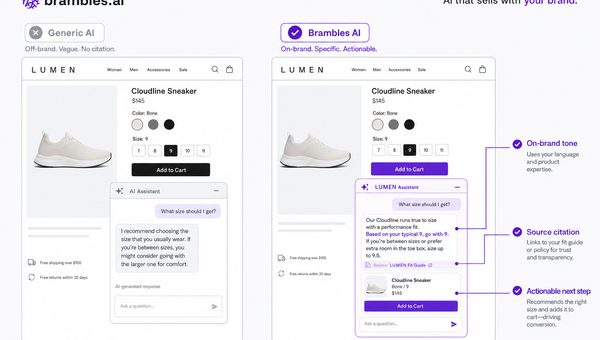
Brand-Consistent AI Chats Build Trust and Conversions
When AI mirrors your brand voice, shoppers relax—questions get answered, carts grow, and support load drops. Learn the playbook to align tone, trust, and ROI.

Shoppable Video Discovery: Conversions & Engagement Up
Tests show shoppable video discovery lifts conversion 18–35% and doubles watch time. See the UX patterns, KPIs, and how to deploy it quickly with Brambles.ai.
Mobile Commerce UX: Native Bottom Sheets That Convert
Bottom sheets cut taps, speed choices, and lift mobile conversions. Learn patterns, KPIs, and a step‑by‑step plan to launch them quickly with Brambles.ai.
Explore Brambles.ai
Learn more about our AI-powered agentic commerce platform, agentic shopping, and shopping assistance solutions.
Explore More Insights
Discover more articles on AI, automation, and business innovation
View All Articles