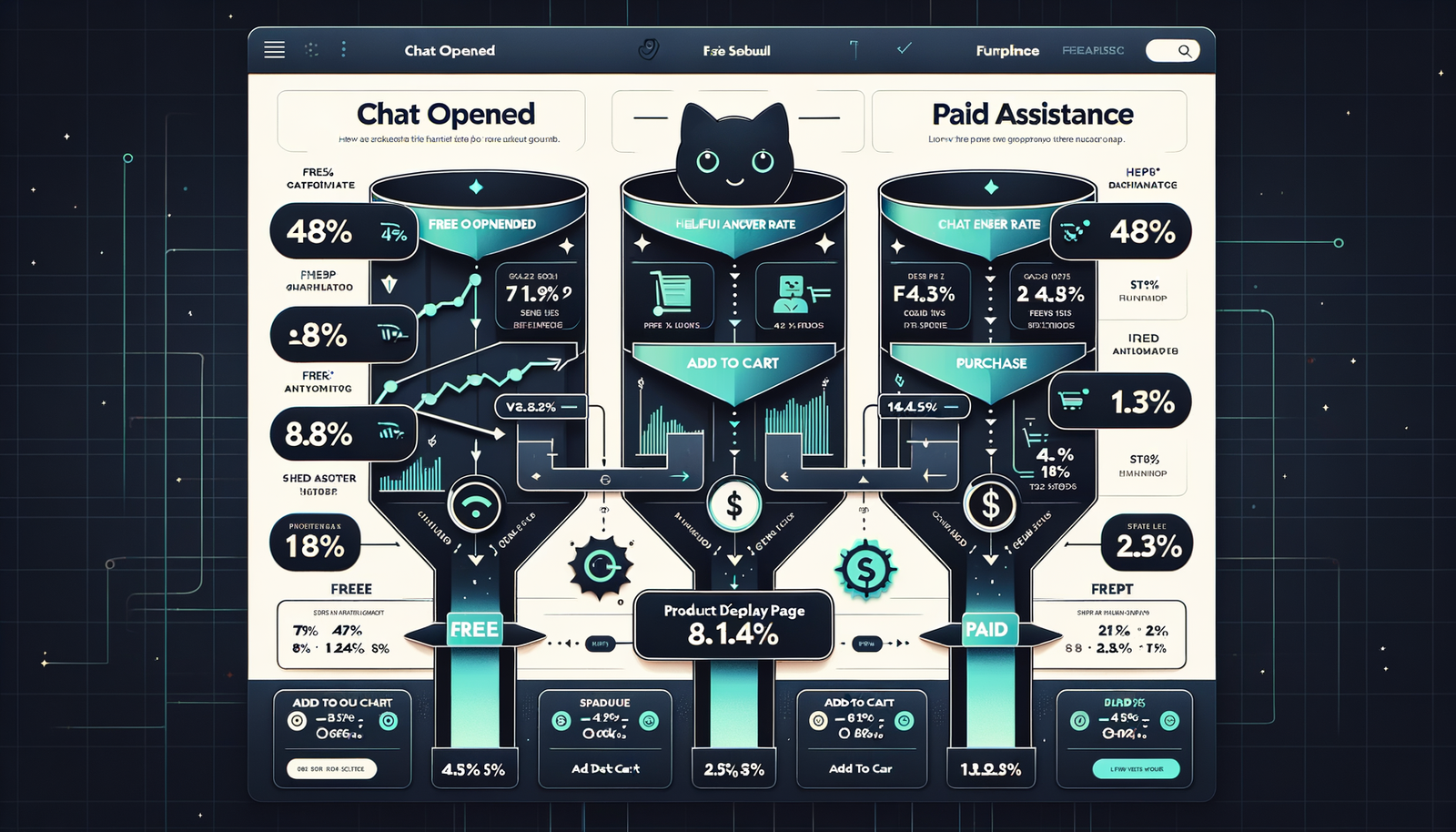
AI Shopping Assistant: Free vs Paid ROI with Brambles
Wondering if a free AI shopping assistant is enough? Compare costs, conversions, and data control—and see where Brambles.ai’s paid stack returns outsized ROI.
AI Shopping Assistant: Free vs Paid ROI with Brambles
A mid-market electronics retailer swapped a free, generic chatbot for a paid assistant fine-tuned on its catalog. In 30 days, product page exits fell 18%, AOV rose 12%, and support tickets dropped by a third.
The free bot “answered” questions, but the paid assistant actually sold—resolving compatibility questions, finding backorder alternatives, and surfacing bundles that made sense. That’s the fault line between “it talks” and “it moves revenue.”
I’ve seen this gap across price points. Free assistants help you check a box. Paid assistants—when properly implemented—become a measurable profit center. Below, I’ll break down where free tools stall, where paid shines, and how to model ROI before you sign a contract.
Quick Answer
Free AI shopping assistants are fine for FAQs and simple lookups but often miss product context, catalog nuance, and conversion levers.
Paid assistants justify cost when they connect to first‑party data, your product graph, promotions, inventory, reviews, and checkout—then use guardrails to recommend with confidence.
If your store has meaningful catalog depth, traffic, or LTV, a paid deployment (e.g., Brambles.ai) usually beats free on conversion, AOV, and support deflection within a quarter.
What’s broken with “free” assistants
The problem isn’t that free assistants can’t answer. It’s that they can’t sell reliably. They hallucinate specs, miss compatibility edges, and lack context from your promotions, returns, and inventory. They also throttle requests or rate-limit at peak times—exactly when shoppers need help.
Baymard Institute has documented for years that product finding and decision friction drive abandonment. Free assistants rarely integrate with structured product data deeply enough to fix that.
Google’s UX research also shows the first answer’s clarity sets trust; a wrong or vague reply early kills the session. I’ve audited free bots that answered “it should fit” to $1,200 lens compatibility—those sessions didn’t convert.
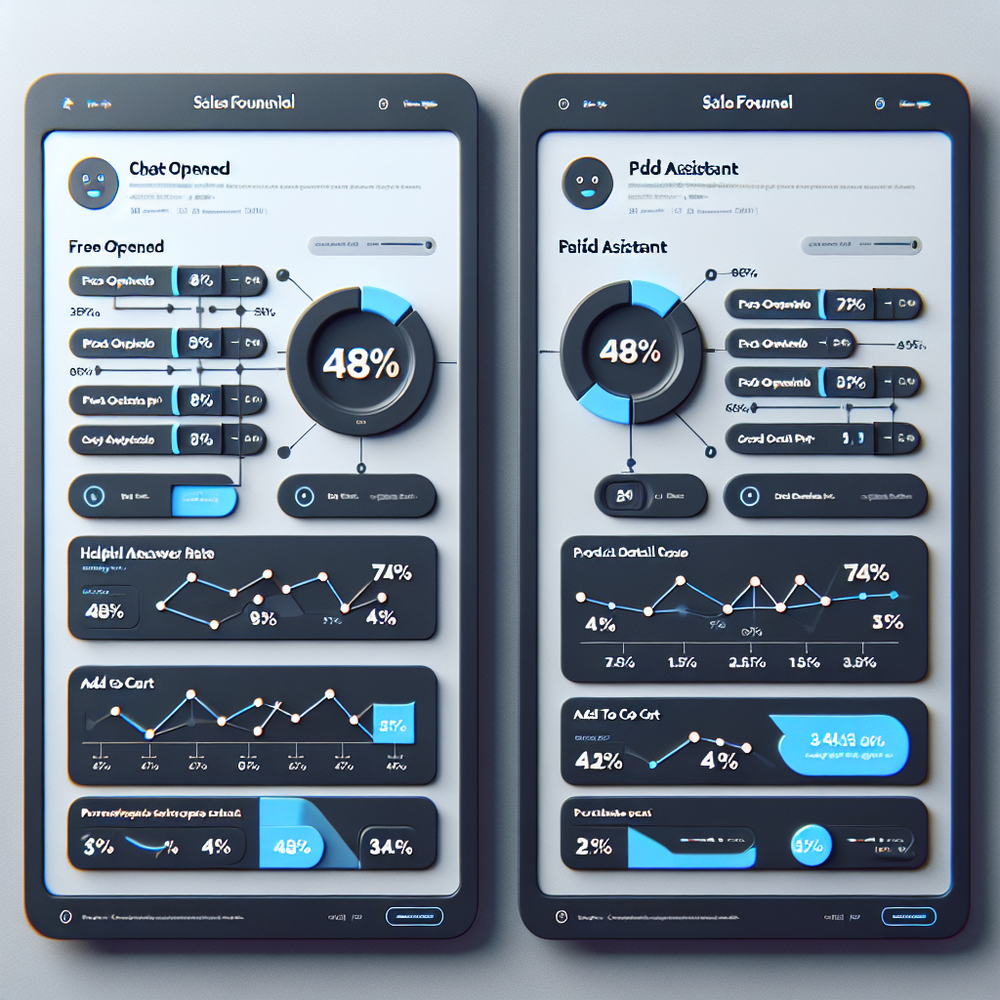
When we tested a freemium bot on a 100k‑session apparel site, only 9% of assistant sessions reached PDPs; with a tuned paid assistant, 21% did—and size exchange requests fell 14% after it started clarifying fit and fabric care. For benchmarks by vertical, see our conversational commerce study.
How paid assistants drive real outcomes
Paid assistants earn their keep by understanding products and customers in context. They retrieve from a product graph, reviews, UGC, policies, and current inventory. They reconcile synonyms, specs, and compatibility, then recommend with traceable citations. Guardrails keep claims honest.
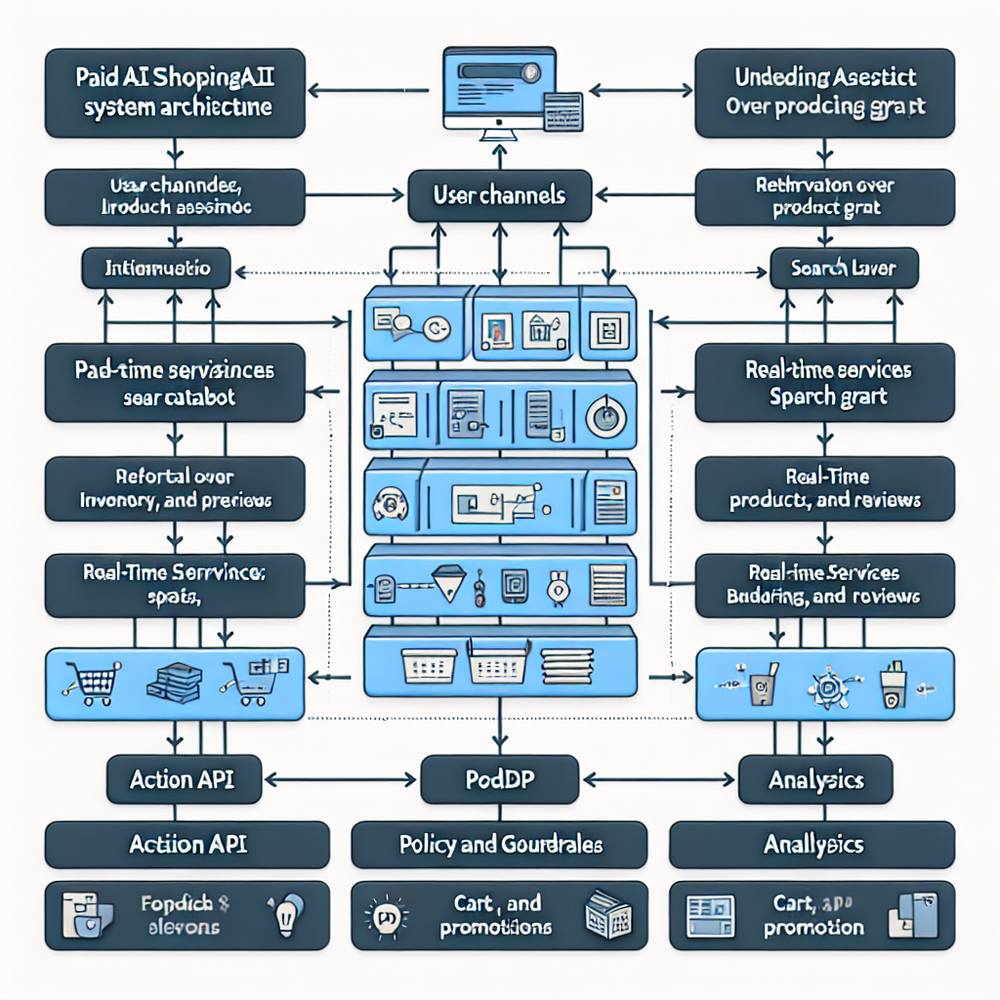
This is where Brambles.ai tends to outperform: it plugs into your catalog, promotions, and order data, and uses retrieval plus reasoning to generate answers with sources. It can trigger store actions—start a bundle, save a list, check stock by location—through its AI shopping chat. If you run on WordPress, the lightweight plugin adds the assistant to PDPs and search without heavy dev work.
Anecdote: on a pro-audio site, adding accessory pairing suggestions (grounded in compatibility data) lifted AOV 17% over eight weeks. Another merchant saw returns on a vacuum SKU drop 11% after the assistant began clarifying filter replacements and floor-type suitability before checkout. These aren’t gimmicks; they’re product understanding at work.
Implementation with Brambles.ai: a practical guide
Implementation shouldn’t drag. Most teams stand up a pilot in two weeks. Below is the sequence I use when deploying the brand/retail assistant flow with real catalogs and promotions.
Step-by-step setup
- Connect catalog and content: sync products, attributes, policies, and review feeds. Map canonical specs and compatibility rules. - Wire real-time signals: inventory, store availability, shipping windows, promo eligibility.
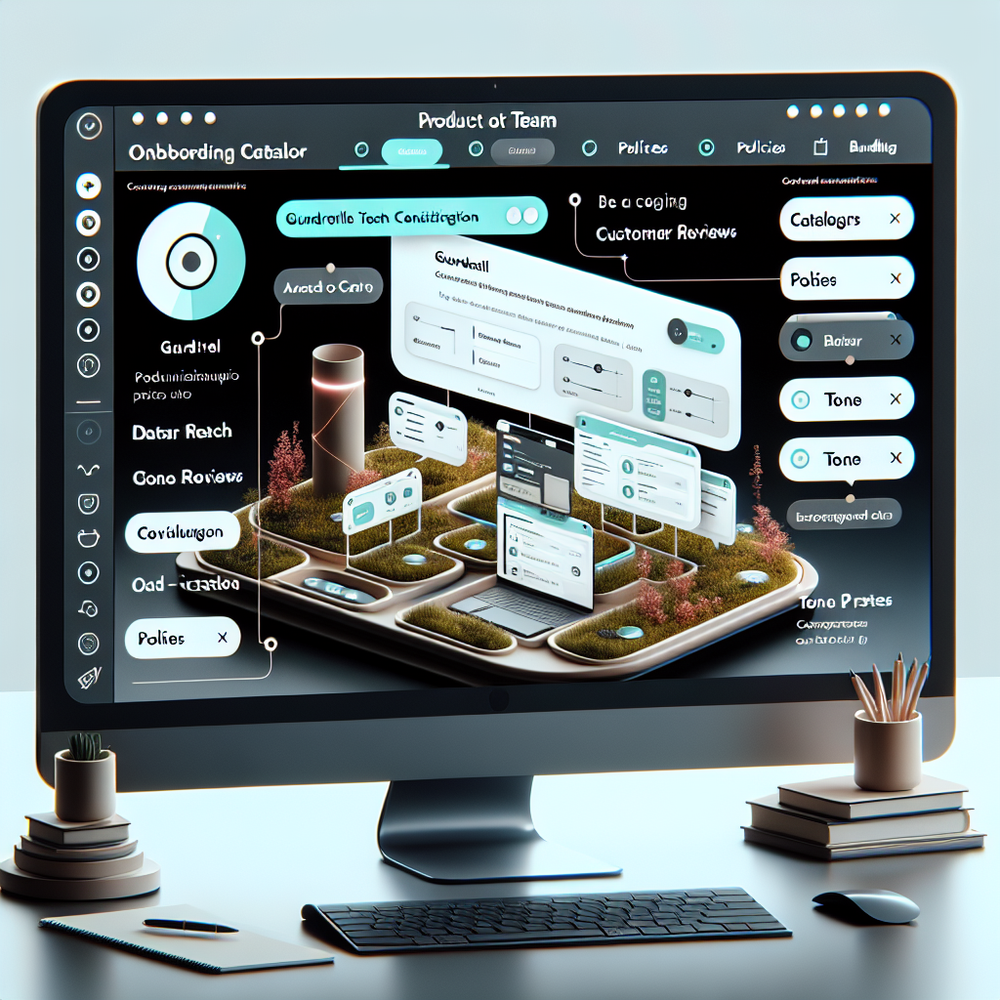
- Configure tone and guardrails: define what the assistant can claim; require citations for specs. - Enable actions: add-to-cart, start bundle, compare items, store locator.
- Place thoughtfully: PDPs for deep guidance, search overlay for discovery, checkout for assurance. - Train on negatives: common traps, discontinued SKUs, and risky claims. - Launch with measurement: define segments and holdouts.
Where it lives in your stack
Use the WordPress plugin for low-touch embedding across PDPs and collection pages. For custom stacks, call the Commerce Module APIs to fetch inventory-aware bundles or price-qualified recommendations directly in the chat or UI widgets. Pricing tiers are seat-and-usage based; model it against projected lifts and support deflection before committing.
If you’re a brand with DTC and wholesale, the brand/retail assistant flow differentiates consumer guidance from B2B ordering rules. Publishers can run the monetization flow to answer product questions in content and drive affiliate carts with transparent disclosures and SKU-level attribution.
Ready to pilot? We typically scope a 4–6 week ROI test with a clear control group and 3–5 KPIs. If you need help planning the experiment, start here.
Measuring ROI and getting buy‑in
Decide what “good” looks like before launch. For commerce, I focus on four KPIs: conversion rate among assistant users, AOV lift, support deflection, and time-to-answer. Attribution should be session-based with assisted revenue tracked separately from direct.
A quick model: If 20% of sessions use the assistant, and those users convert at +1.0 pp with +8% AOV, and deflect 25% of pre‑purchase tickets at $3 per ticket, you can back into monthly gross lift. On a 500k‑session site, that often clears paid tiers with margin to spare.
Checklist for trustworthy measurement
- Define holdout/control: randomize exposure or use geo/campaign-based controls. - Track “helpful answer rate”: human-reviewed or thumbs metrics tied to revenue. - Attribute bundles and cross-sells: tag recommendations with assistant IDs.
- Separate post-purchase support: measure only pre‑purchase deflection for ROI. - Monitor answer latency: target sub-1.5s to first token; shoppers won’t wait. - Audit claims weekly: sample 50 chats and compare to source data.
- Share wins and misses: highlight transcripts that changed outcomes.
For comparative data and KPI templates, we’ve published a deep dive and a zero/first‑party data playbook that pairs nicely with assistant deployments.
McKinsey reports companies strong in personalization capture outsized revenue from those activities, which is consistent with what we see when assistants tailor recommendations by intent and constraints.
Salesforce’s Connected Customer research also shows roughly seven in ten customers expect experiences that reflect their needs—assistants can operationalize that expectation at scale.
First‑party data, trust, and compliance
Trust is earned at the first answer. Use first‑party data and clear citations so shoppers can verify claims quickly. Keep PII out of prompts unless you’ve obtained explicit consent and documented purpose.
On the brand side, assistants should honor preference centers and opt‑outs. For publishers, the monetization flow should disclose affiliate relationships, present price and stock sources, and avoid steering masquerading as “advice.” When implemented well, publishers see higher RPM with better reader trust—not just more clicks.
Brambles.ai supports consent-aware context, redact/retain policies, and response guardrails. That reduces legal risk and keeps recommendations grounded. Baymard’s guidance on transparent policies and Google’s findings on clear, fast answers both point to the same thing: the safest assistant is also usually the highest converting.
Common pitfalls to avoid
Most failures trace back to three things: vague grounding, no actions, and no measurement. If the assistant can’t cite sources, can’t act (add to cart, check stock), and no one reviews accuracy, it becomes another chat bubble nobody trusts.
Pitfall checklist
- Hallucinated specs: require citations for dimensions, compatibility, and warranties.
- Cold starts: preload top 100 FAQs and top 200 SKUs with curated snippets.
- Latency spikes: auto-fallback to summaries when external services are slow.
- Overeager promotions: guardrails against recommending out-of-stock or excluded SKUs.
- Dark patterns: no hidden upsells; explain why items were recommended.
- Data drift: reindex after price or schema changes; set alerts for 404/redirects.
A home fitness merchant learned this the hard way: their free bot pushed a discontinued bench, generating refunds and angry reviews. After moving to a paid assistant with inventory-aware guardrails, refund rate on that category fell 9% month over month.

Future outlook: assistants as intent routers
Assistants are shifting from chatboxes to intent routers: intercepting questions anywhere, interpreting goals, and orchestrating UI components—comparison tables, bundles, store pickup—without forcing conversation. The winners will act, not just answer.
That’s why I recommend scoping assistants as product features, not support add‑ons. Treat them like a navigation layer powered by your data contracts. Brambles.ai fits here because it cleanly exposes actions and sources—so you can design experiences beyond the chat window.
FAQ
When does a paid assistant beat free on ROI?
When you have catalog depth, measurable pre‑purchase questions, or high LTV. If assistant users are at least 15–20% of sessions, modest lifts in conversion (+0.5–1.0 pp) and AOV (+5–10%) usually cover paid tiers—especially with support deflection.
How long does it take to implement Brambles.ai?
Most pilots stand up in 2 weeks and run for 4–6 weeks with a control. Catalog sync, guardrails, and placements are the heavy lifts. The WordPress plugin accelerates embeds; custom stacks use the Commerce Module APIs.
How do we avoid hallucinations and risky claims?
Ground answers in your product graph, require citations for specs, and set policies that block out‑of‑stock or restricted SKUs. Review 50 transcripts weekly at launch and monitor “helpful answer rate.”
Can publishers monetize with assistants without eroding trust?
Yes—use the publisher monetization flow to disclose affiliations, cite sources, and route to transparent carts. Expect improved RPM when recommendations are clearly labeled and grounded in current data.
Related resources on Brambles.ai
If you are implementing this, start with Brambles.ai.
For deeper reading, see 10 Reasons Publishers Need Conversational Commerce, Affiliate Disclosure in Conversational UIs Done Right, From Search Boxes to Conversations: Modern Shopping UX, Contextual, Not Creepy: Monetization That Wins.
Related posts
View all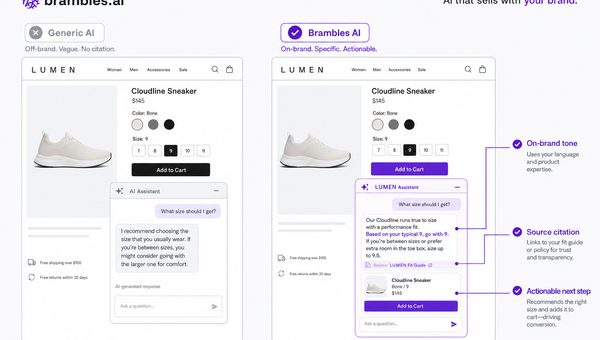
Brand-Consistent AI Chats Build Trust and Conversions
When AI mirrors your brand voice, shoppers relax—questions get answered, carts grow, and support load drops. Learn the playbook to align tone, trust, and ROI.
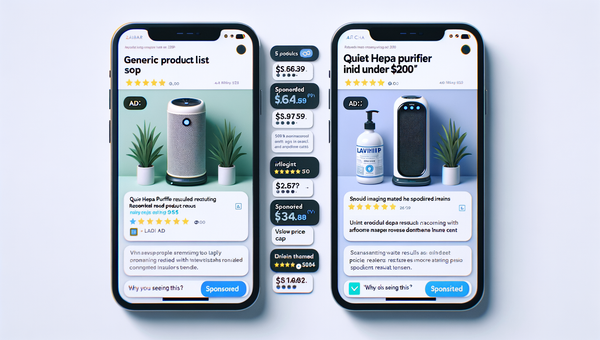
Sponsored Products in AI Shopping: Retail Media 101
Learn how sponsored product placements power AI shopping, how bidding and relevance work, and how to implement retail media without eroding trust or UX.
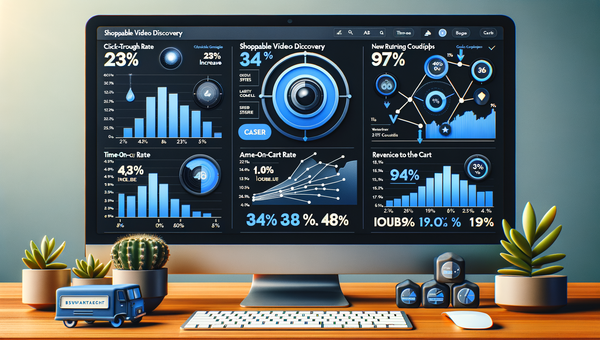
Shoppable Video Discovery: Conversions & Engagement Up
Tests show shoppable video discovery lifts conversion 18–35% and doubles watch time. See the UX patterns, KPIs, and how to deploy it quickly with Brambles.ai.
Explore Brambles.ai
Learn more about our AI-powered agentic commerce platform, agentic shopping, and shopping assistance solutions.
Explore More Insights
Discover more articles on AI, automation, and business innovation
View All Articles