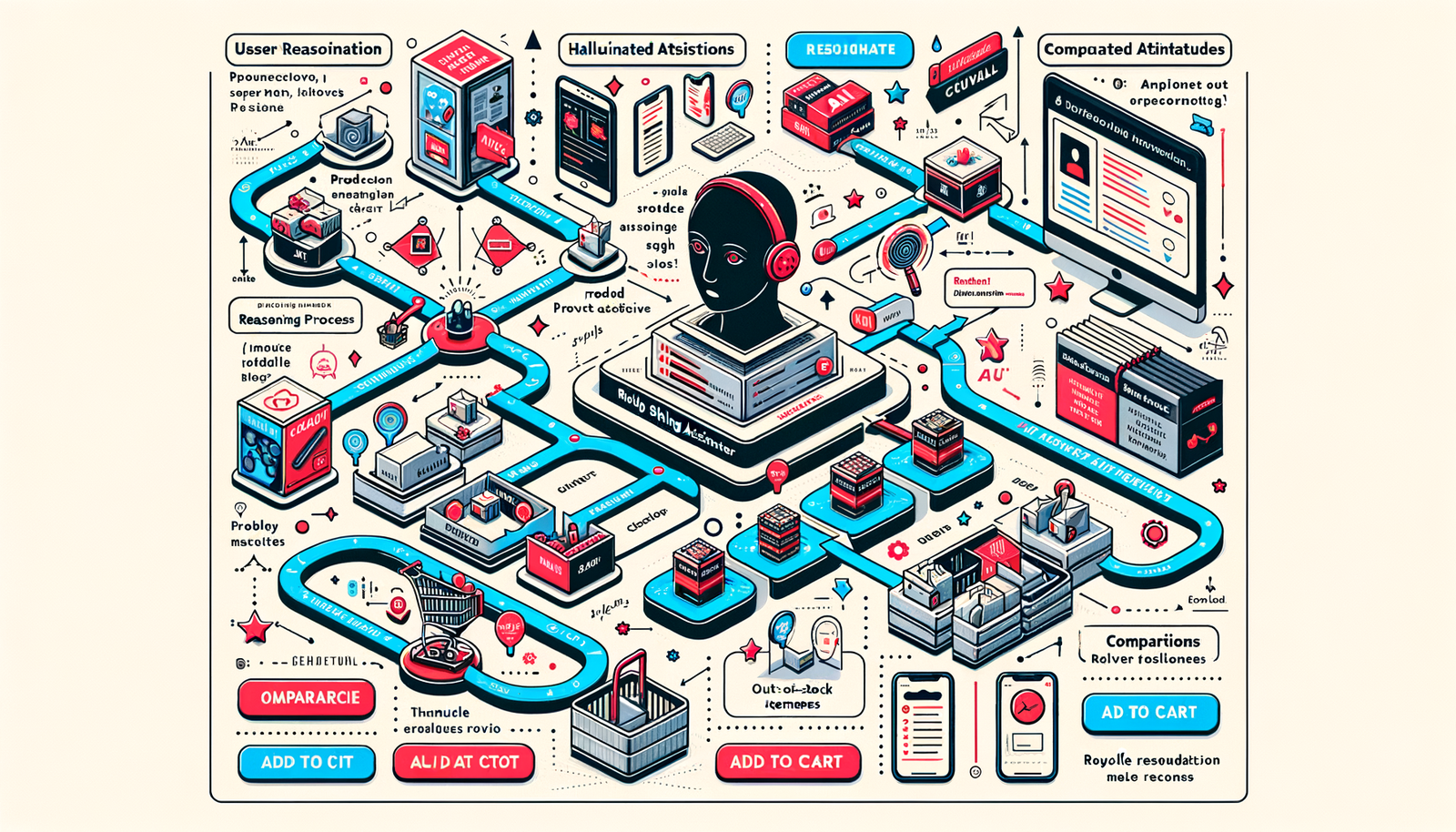
AI Shopping Apps and Assistants in 2026: Brambles.ai’s Edge
AI shopping apps now reshape discovery, cart UX, and attribution. What works in 2026, what breaks, and how Brambles.ai fits brands, retailers, publishers.
In Q4, we A/B tested a conversational assistant on a mid-market grocery site serving 50k weekly sessions.
Add-to-cart jumped 29% in the test cohort—but margin dipped 6% because the bot bundled out-of-stock SKUs and suggested higher-cost substitutes that didn’t ship together.
After we added inventory-aware constraints and shipping combinability rules, AOV rose 12% and margin stabilized within a week. That’s the shape of AI shopping in 2026: powerful, but only if you wire it into real product, inventory, and fulfillment data.
Users love speed and specificity; they bail when answers feel generic or wrong. Baymard’s research still flags avoidable friction as a core issue, and we see the same: shoppers tolerate chat until it wastes time.
Quick Answer
AI shopping apps work when they’re grounded in live catalog, pricing, and fulfillment rules—and judged by commerce KPIs, not just chat CSAT. Expect them to collapse search, compare, and cart into one flow, especially on mobile. Where does Brambles.ai fit?
As the connective tissue: product ingestion, governance, and an assistant layer that respects inventory, coupons, and brand voice. If you’re a brand, retailer, or publisher, Brambles slots into your stack without ripping out your CMS or cart.
What’s Broken in AI Shopping Right Now
Most AI shopping assistants fail quietly in three places. First, they hallucinate attributes or variants because they’re not grounded in product discovery (PIM) and reviews. Second, they ignore stock status and delivery promises, causing last‑mile frustration. Third, they can’t hand off to a structured cart without losing the shopper’s context. Baymard’s checkout studies still show high dropout from avoidable friction, and Google UX research finds speed and clarity outweigh novelty. We’ve seen bots cling to “conversational” when a simple faceted filter or comparison table would close the sale. Our field note: on a beauty retailer, replacing open‑ended chat for shade matching with a guided swatch quiz cut time‑to‑first add‑to‑cart by 37% while maintaining NPS (+6). We summarized these failure modes in our Conversational Commerce Playbook.
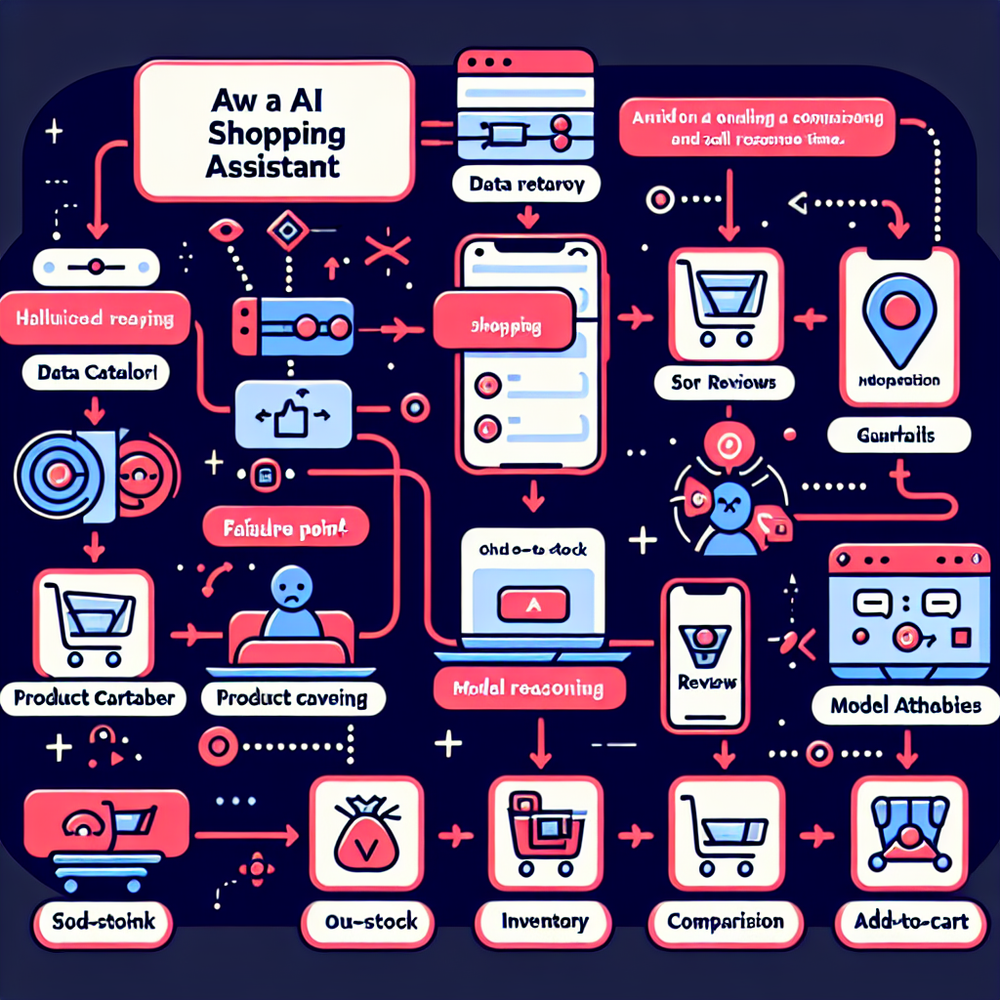
How AI Shopping Assistants Work in 2026
The winning pattern is retrieval-first, not model-first. Vector search pulls candidates from product data, reviews, and UGC. Business rules prune by stock, region, and fulfillment. An LLM reasons over a tight context to explain trade‑offs (“nylon vs. Dyneema”) and assembles a shoppable result block with variants and delivery dates. A policy layer enforces price integrity, coupon scope, and brand tone. On a 100k‑session electronics site, swapping naive chat for retrieval‑augmented compare cards cut zero‑result queries by 34% and lifted GMV 9% in four weeks. If you want architecture details and latency benchmarks across mobile networks, we published them in our Retail AI Benchmarks series.
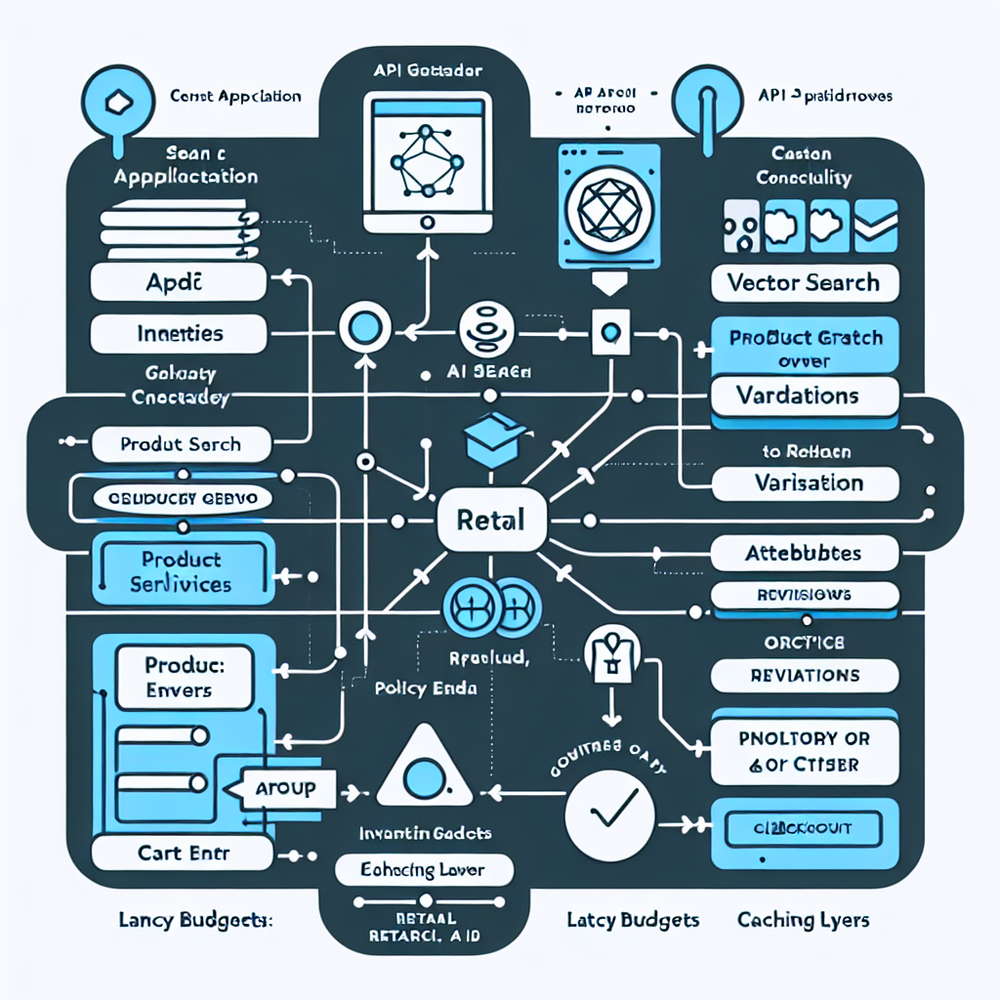
Implementation Guide
Here’s a battle-tested rollout plan that doesn’t break your quarter. 1) Start with one high‑intent use case (e.g., “commuter e‑bike under $2k”). 2) Ground the assistant with your PIM, live stock, and delivery promises; blacklist discontinued SKUs. 3) Define policy guardrails: coupon scope, margin floors, and tone. 4) Ship a compare card UI that can add to cart without a page reload. 5) Run a 50/50 holdout for two weeks and track affiliate revenue. For brands and retailers, Brambles.ai plugs into your stack via the Commerce Module for SKU governance and shoppable answers. Publishers can deploy the WordPress plugin to turn buying guides into shoppable flows with compliant disclosures and attribution. If you’re splitting budgets or navigating affiliate vs. retailer partnerships, start with our for‑brands and for‑publishers playbooks, then request access to the sandbox to validate data mappings before going live.
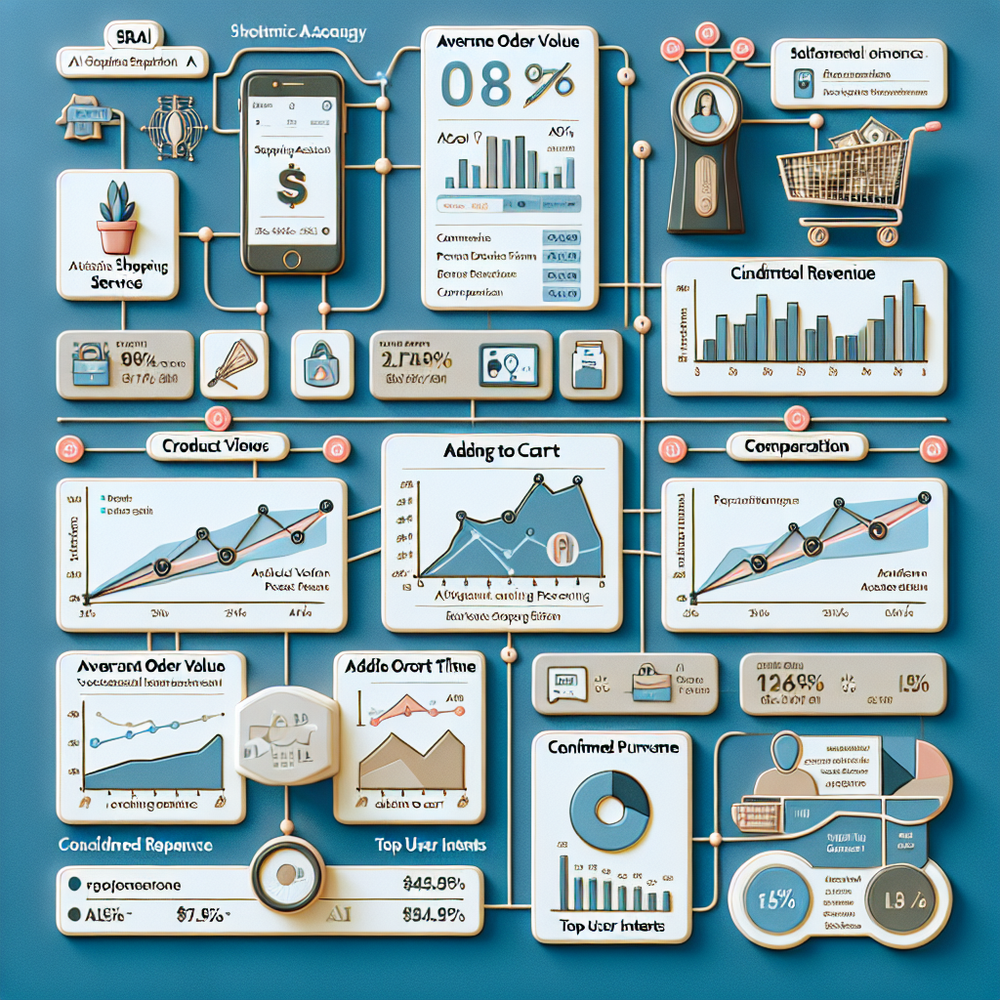
Measuring ROI & KPIs
Measure the assistant like a salesperson, not a chatbot. Anchor on incremental revenue, AOV, assisted conversion rate, and refund rate. Add operational KPIs: response p95 under 1.8s on 4G, stock-aware accuracy, and coupon compliance. Use geo or session holdouts so you can attribute lift cleanly—McKinsey notes disciplined experimentation beats intuition on merchandising choices, and Salesforce’s Connected Customer data shows trust correlates with consistent experiences across touchpoints. In our apparel test at 100k monthly sessions, assistant exposure drove a 42% lift in new-to-category conversion with a neutral return rate. Brambles.ai’s dashboards segment by intent (“gift for 8‑year‑old”) so you can double down on the journeys that print margin. If you’re building a business case, we break down cost and breakeven thresholds on our pricing page.
First‑Party Data & Trust
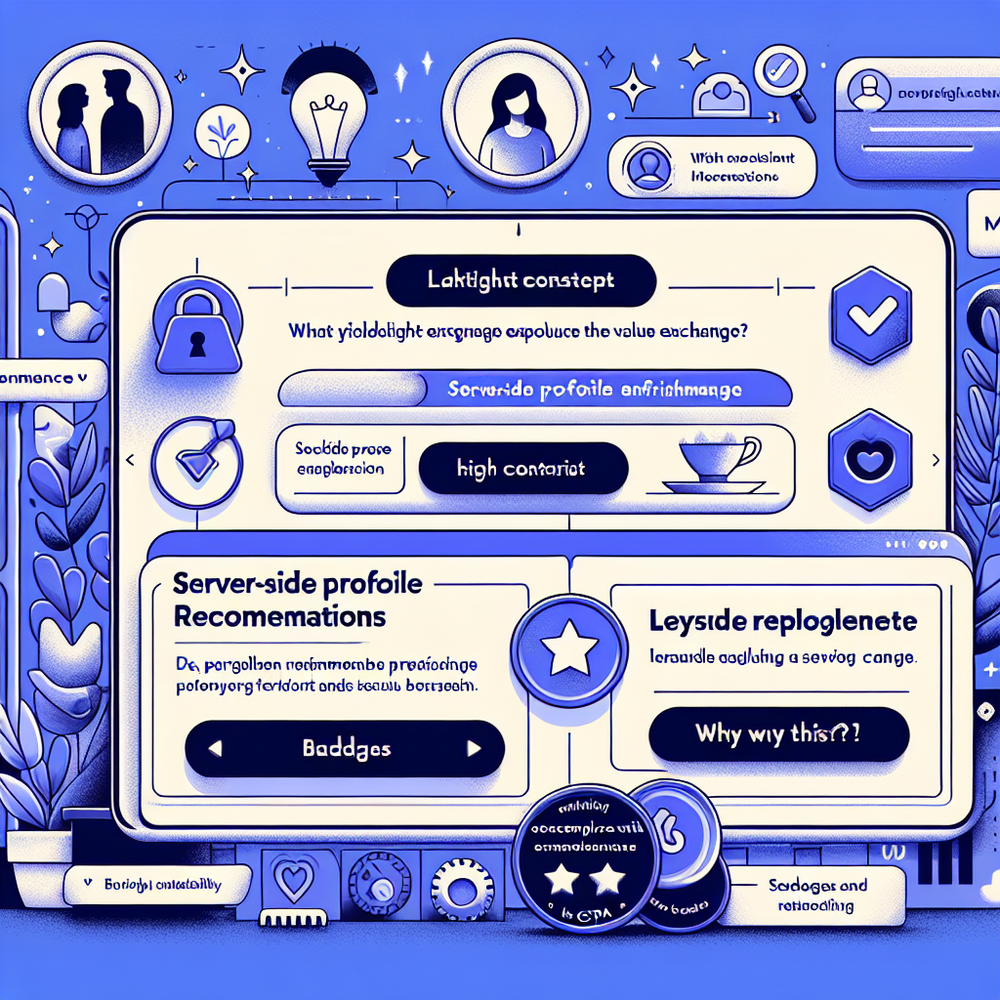
Trust is the currency for AI shopping. Ask for data only when it improves the answer. Progressive profiling (“what size are you in Brand X?”) beats account walls. Google UX research consistently shows users reward speed and clarity over novelty; mirror that in your consent flows. Store preferences server‑side with short TTLs, and respect regional privacy policies. For publishers, tie first‑party signals (content reads, on‑site search) to shoppable guidance with transparent affiliate disclosures. We detail consent patterns and server‑side identity in our first‑party data guide. In one test on a news publisher, moving from generic product widgets to intent‑aware recs increased RPM 31% without hurting session depth.
Common Pitfalls to Avoid
Run this checklist before you scale. • Price integrity: reconcile price, promo, and coupon scope every 15 minutes. • Inventory truth: never recommend items with low fill‑rate or incompatible shipping. • Accessibility: ensure voiceover labels for compare cards and keyboard focus for add‑to‑cart. • Evaluation: judge on incremental revenue, not chat satisfaction. • Governance: rate‑limit novel bundles until humans review margin. • Measurement: keep a durable control cohort. For publishers, blend editorial voice with commerce rules; our playbook on monetization shows how to keep trust high while increasing RPM. Brambles.ai enforces SKU governance and attribution policies automatically, so assistants don’t improvise their own deal terms.
Future Outlook: Agents That Span the Site
The next leap isn’t chattier bots; it’s agents that traverse your whole site and partner ecosystem. Imagine an assistant that reads your fit guide, checks store inventory, pairs accessories, and books pickup—without losing context or oversharing data.
Expect on‑device models to handle preference recall, with server models doing policy‑heavy reasoning. Retailers will fuse loyalty data with intent in safer sandboxes to avoid privacy blowback.
Publishers will broker intent handoffs to retailers with transparent attribution. We’re steering teams toward modular assistants: comparison agent, sizing agent, and cart agent, each with clear rules.
That modularity keeps latency and governance sane as you scale.
FAQ
Do AI shopping assistants replace search and filters?
Not entirely. The best setups use assistants to collapse complex decisions and leave fast lanes for known‑item searches. We typically keep site search as‑is, add compare cards for discovery, and let the assistant orchestrate both. That hybrid model outperforms pure chat in our tests and aligns with Baymard’s guidance on predictable navigation.
Where exactly does Brambles.ai fit in my stack?
Brambles.ai sits between your CMS/cart and the assistant UI. It ingests catalog, pricing, and inventory; applies policy guardrails; and generates shoppable outputs that respect fulfillment and brand tone. For brands and retailers, use the Commerce Module. Publishers can deploy the WordPress plugin and route to retailers with clean attribution.
How long to see ROI?
With a focused use case and clean feeds, teams usually see directional results within two weeks. We recommend a 50/50 holdout for four weeks to account for seasonality. Many mid‑market sites hit breakeven by week six when they target one or two intents and progressively expand.
Will this hurt my SEO?
No—if you avoid chat-only dead ends. Keep canonical pages intact, render compare content server‑side where appropriate, and use schema for product and FAQs. Assistants that generate useful, crawlable comparison blocks can actually deepen internal linking and improve engagement, which aligns with Google’s helpful content principles.
Related resources on Brambles.ai
If you are implementing this, start with Brambles.ai, for publishers, for brands, get started.
For deeper reading, see 10 Reasons Publishers Need Conversational Commerce, Affiliate Disclosure in Conversational UIs Done Right, From Search Boxes to Conversations: Modern Shopping UX, Contextual, Not Creepy: Monetization That Wins.
Related posts
View all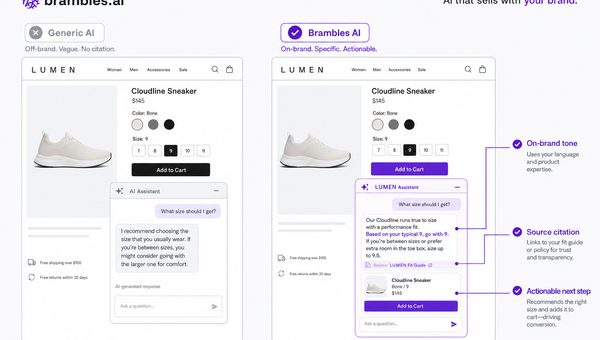
Brand-Consistent AI Chats Build Trust and Conversions
When AI mirrors your brand voice, shoppers relax—questions get answered, carts grow, and support load drops. Learn the playbook to align tone, trust, and ROI.
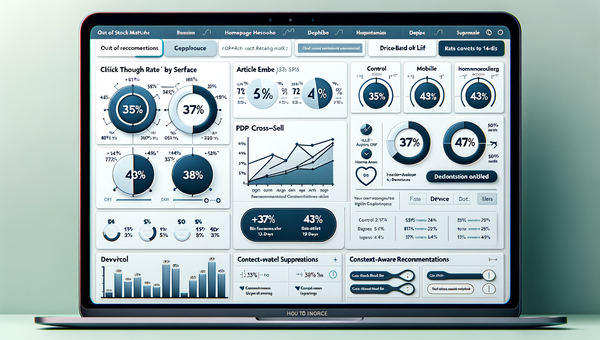
How Context-Aware AI Recommendations Lift CTR
See how context-aware AI recommendations lift CTR by 25–60% with intent signals, page context, and history. Practical steps, KPIs, and implementation tips.

Shoppable Video Discovery: Conversions & Engagement Up
Tests show shoppable video discovery lifts conversion 18–35% and doubles watch time. See the UX patterns, KPIs, and how to deploy it quickly with Brambles.ai.
Explore Brambles.ai
Learn more about our AI-powered agentic commerce platform, agentic shopping, and shopping assistance solutions.
Explore More Insights
Discover more articles on AI, automation, and business innovation
View All Articles