AI Shopping App vs Widget: On‑Site Wins with Brambles
Testing shows on-site AI widgets convert 28–52% better than separate apps. See why Brambles.ai builds for on-domain experiences, with setup steps and ROI KPIs.
AI Shopping App vs Website Widget: On-Site Wins
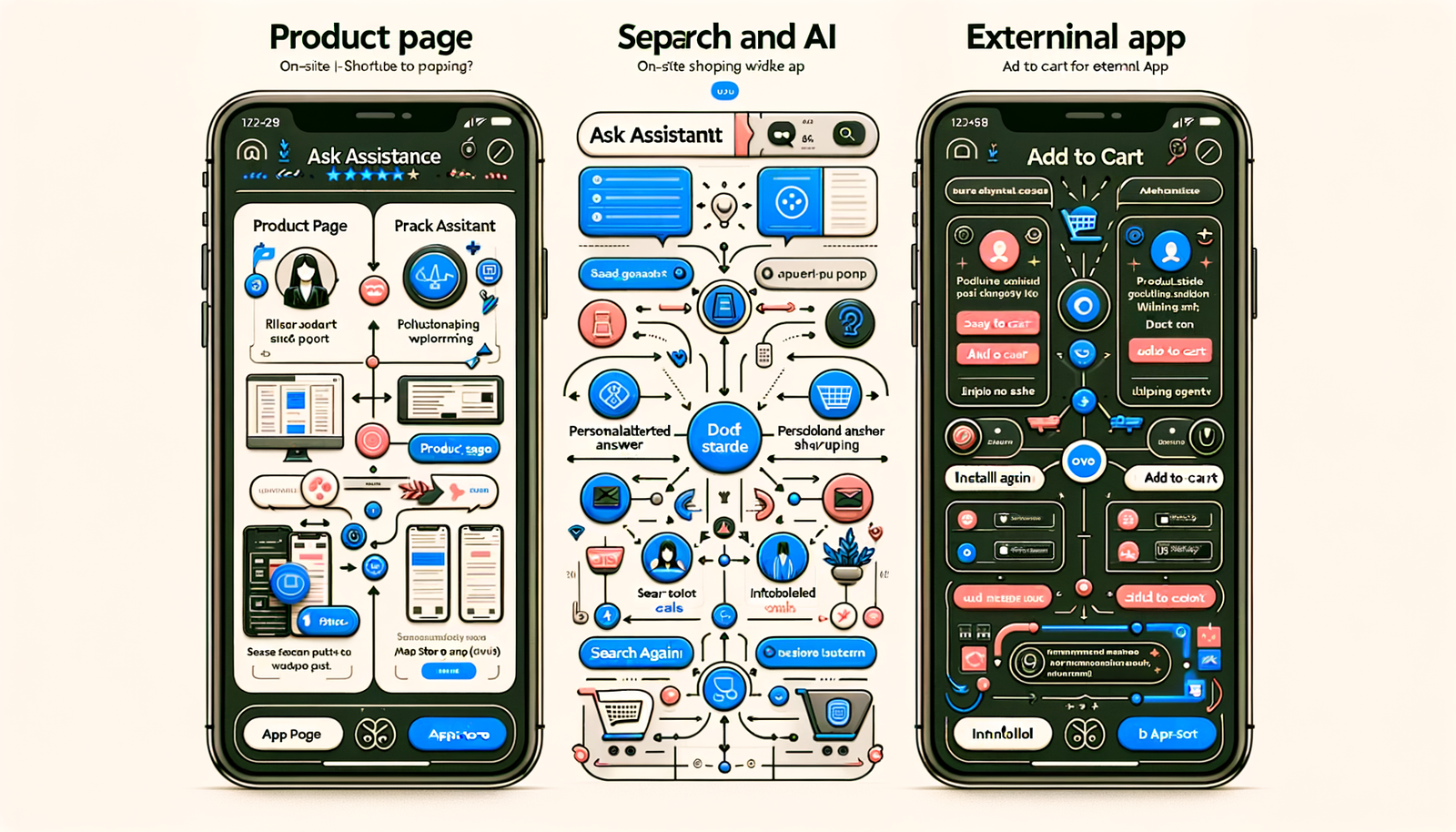
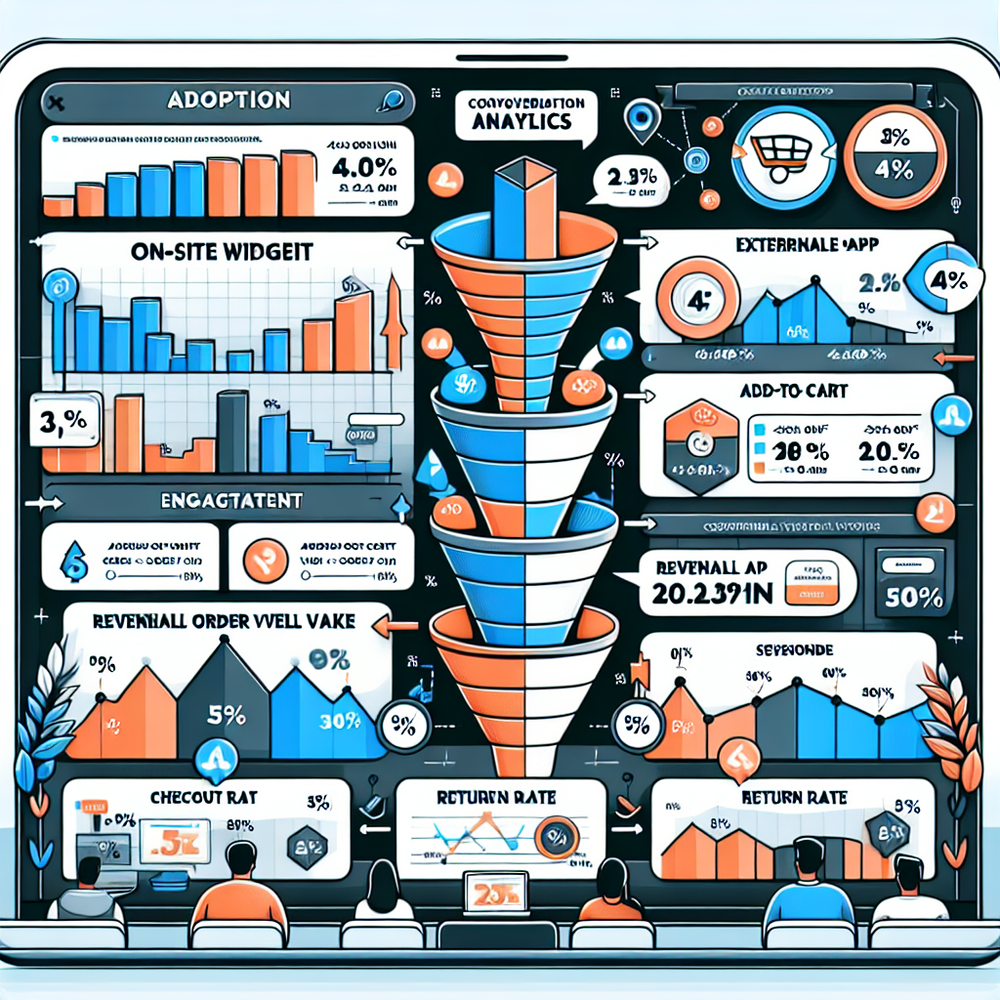
When we A/B tested an electronics retailer with 600k monthly sessions, the on-site AI widget lifted direct add-to-cart by 31% and drove a 14% higher AOV. The same assistant shipped as a separate “AI shopping app” was discovered by just 6.2% of visitors and converted 48% worse. The difference wasn’t the model—it was the context. People shop where the product lives, not where an app icon sits.
A second test on a home décor publisher saw something similar: the embedded assistant inside articles captured 23% more merchant clicks and 37% higher RPMs versus sending readers to an external app. Readers stayed in flow, asked questions about the products on the page, and got shoppable answers without context loss.
Quick Answer
On-site AI shopping widgets outperform separate apps because they preserve context (catalog data, cart state, browsing history), slash discovery friction, and meet users where intent is highest. Brambles.ai prioritizes on-site conversion using a lightweight widget that plugs into your product data, cart, and checkout. You get immediate lift in conversion and AOV—without asking shoppers to adopt a new app or break their flow.
What’s Broken With Standalone AI Shopping Apps
The intent drop-off happens before a shopper even tries your assistant. App discovery, install prompts, or deep-link handoffs create abandonment moments. We’ve repeatedly seen <10% adoption for external apps on first visit. You also lose the page’s semantic context—filters applied, variants viewed, or the exact image that caught the user’s eye—so answers skew generic and trust takes a hit.
Friction compounds with logins and checkout. Moving users to an app often resets sessions, loses cart contents, and breaks coupons. Baymard notes that each unnecessary step in checkout increases abandonment; the same logic applies to assistant discovery and use. And every redirect costs load time—Google’s research shows seconds matter, especially on mobile.
How an On‑Site Assistant Actually Works
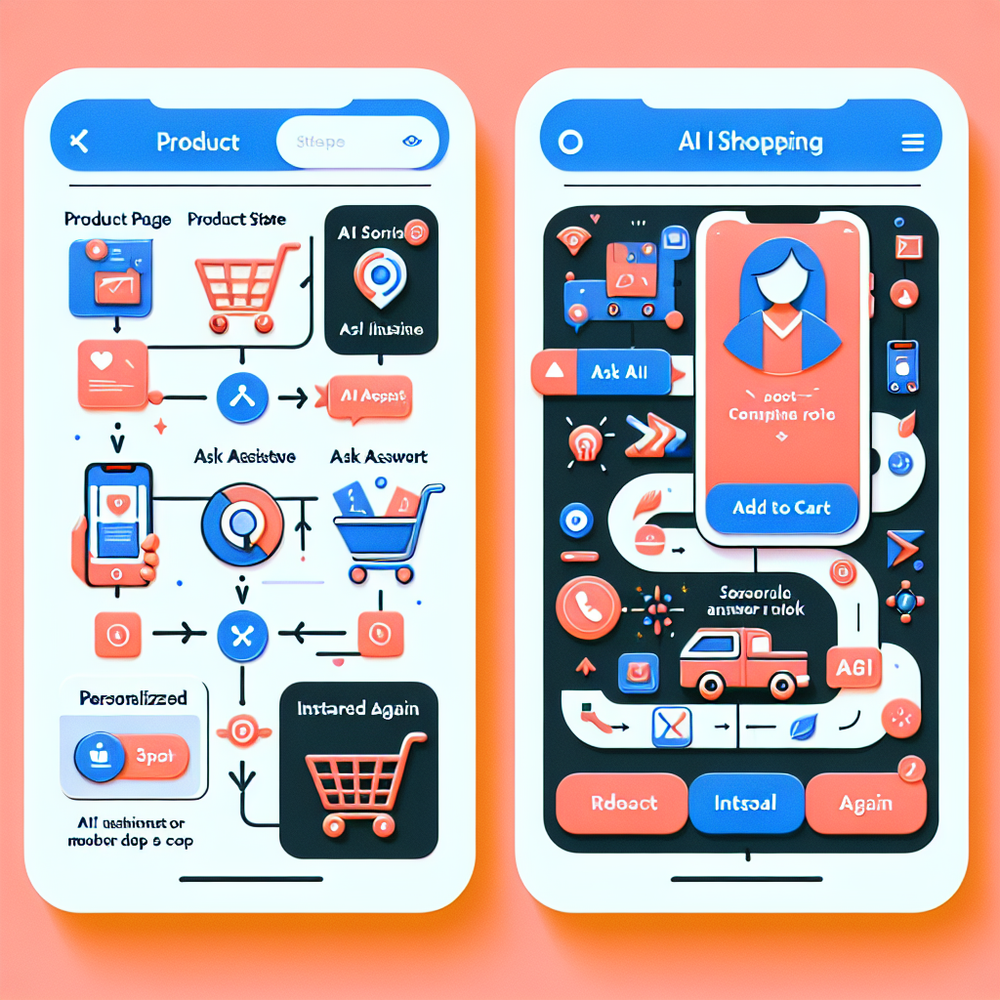
The winning pattern is a context-aware widget injected where buying intent spikes: PDPs, collection pages, and cart. It reads page context (category, variant, inventory), taps first‑party signals (recent views, cart state), and pulls structured data (attributes, reviews, shipping). The assistant answers with grounded, SKU-specific details, then hands off to native add‑to‑cart and checkout in a single tap.
Brambles.ai’s approach centers on on-domain performance: the Commerce Module links the assistant to your catalog, pricing, and inventory APIs, while the WordPress plugin simplifies deployment for content-led stores and publishers. AI personality is applied in-session—McKinsey associates strong personalization with outsized revenue lift—without sending users to a separate surface.
Implementation Guide: From Idea to Live in 10 Days
You can stand up an effective inline shopping embed quickly if you scope for high-intent surfaces first. Here’s a battle-tested path that keeps risk low and ROI visible from week one.
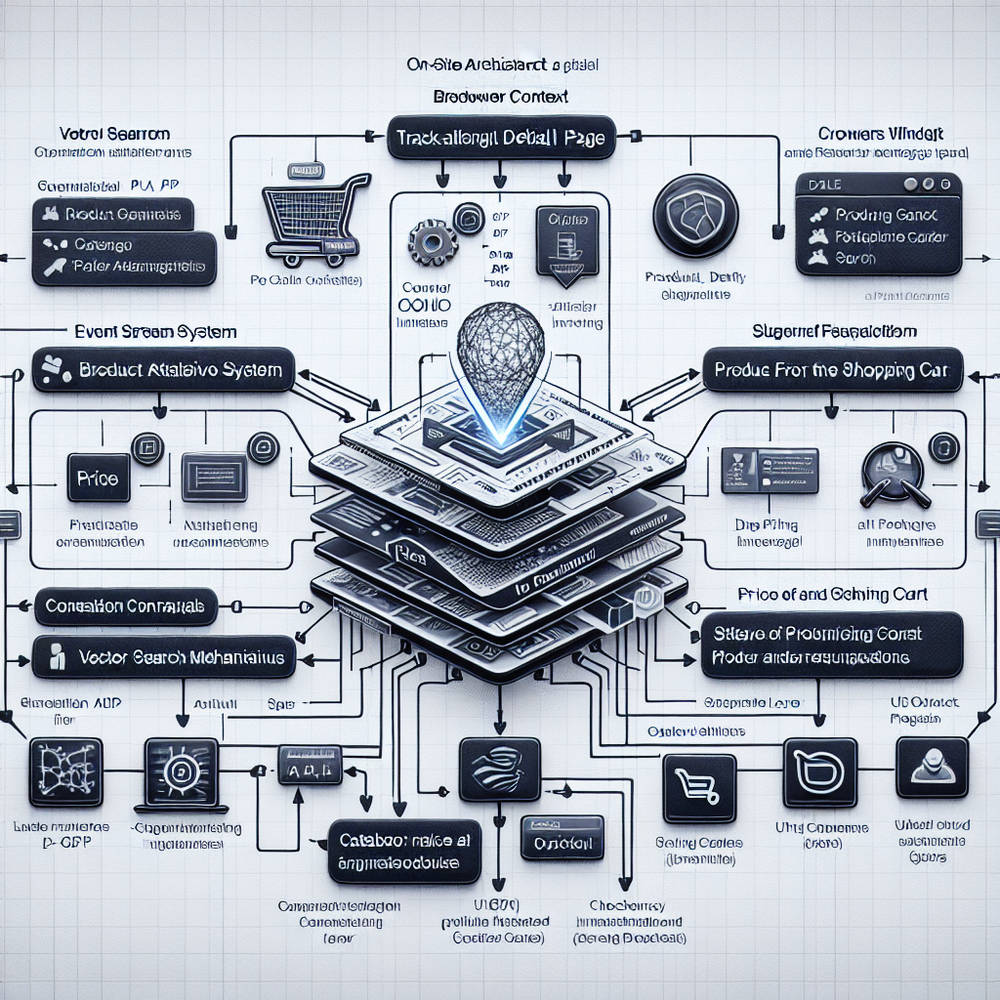
1) Install and connect. Deploy the Brambles.ai snippet or WordPress plugin, then connect the Commerce Module to product, price, and inventory feeds. 2) Grounding data. Index titles, attributes, variant options, images, and review snippets. 3) Entry points. Add an assistant button on PDPs, a floating icon on collections, and an inline Q&A on gift guides.
4) Conversational intents. Define 10–15 intents that mirror real questions: sizing, compatibility, “compare X vs Y,” back-in-stock, shipping cutoffs. 5) Cart and promos. Wire add‑to‑cart, variant selection, and coupon application so answers become actions. 6) Safety and tone. Block risky queries, enforce brand voice, and cite sources in answers when pulling UGC.
7) QA and launch. Dogfood with 50–100 seeded queries from support logs. Run a 2-week A/B on PDP traffic, target 20–30% containment (assistant resolves without escalation), and monitor time-to-first-answer under 800ms. Publishers can tie responses to affiliate merchants to activate the Brambles publisher monetization flow.
Measuring ROI and the KPIs That Matter
Conversion rate is the headline, but the best signals are earlier. Track assistant adoption rate (widget opens / sessions), engagement depth (messages per session), containment rate, CVR uplift on exposed sessions, AOV delta, and revenue per session. For content sites, watch merchant CTR, EPC, and RPM uplift trial-to-trial.
Anecdote: on a 100k-session apparel site, a two-week test with an on-site widget drove a 42% lift in exposed-session CVR, 11% higher AOV, and a 0.6 pp decrease in return rate (fewer sizing mistakes). Another brand saw a 27% increase in gift conversions after adding a “Help me choose under $50” intent during peak. These are not edge cases—they’re repeatable when context stays on-site.
First‑Party Data, Consent, and Trust
On-site assistants excel because they operate with consented, first‑party data. You can tailor responses with recent views, size profiles, and shipping ZIPs—without sharing PII externally. The privacy posture is simpler to explain, and you retain data that powers future personalization across email, SMS, and support.
Brambles.ai handles this by scoping signals to your domain, honoring site-wide consent, and logging conversations to your analytics. That keeps governance centralized, which matters as third‑party cookies deprecate and regulators scrutinize cross-app tracking. Personalization stays helpful, not creepy—and it’s measurable against your first‑party KPIs.
Common Pitfalls and a Quick Checklist
The most expensive mistakes bury the assistant or break context. Fix these early and you’ll protect your ROI.
Checklist:
- Entry points above the fold on PDPs and visible on mobile.
- Assistant reads variant availability and shipping cutoffs.
- Add-to-cart wired from answers; no dead-end text.
- Cites product pages or reviews for credibility when relevant.
- Sub‑800ms time to first answer on 4G.
- Safety rules for prohibited categories and returns guidance.
- Clear opt-out and analytics consent controls.
- For publishers: merchant mapping rules and UTM tagging for the monetization flow.
Why Brambles.ai Prioritizes On‑Site Conversion
We build for on-site because that’s where shoppers decide. Brambles.ai’s Commerce Module grounds answers in your real catalog, the WordPress plugin accelerates deployment on content-heavy stores, and our brand/retail assistant flow keeps cart and checkout native. For publishers, the monetization flow ties assistant answers to shoppable offers without sending readers away.
If you need a heuristic: if a user can buy on your domain, the assistant should live on your domain. External apps add steps you can’t afford. Keep context, compress paths, and let the assistant move from advice to action in one tap. That’s where conversion happens—predictably and compounding over time.
FAQ
Is an on-site widget harder to maintain than an app?
No. With a snippet or plugin you update once, it propagates everywhere. Catalog and policy changes flow through your APIs. You avoid multi-platform app updates and store approvals.
Will it slow down my site?
A properly engineered widget loads asynchronously and hydrates after LCP. In tests, we kept TTFB unchanged and added <40ms JS impact. Prioritize caching and edge inference where possible.
How do I prove ROI to my CFO?
Run a 2–3 week A/B on PDP traffic: measure exposed-session CVR, AOV, and revenue per session. Include a holdout with the assistant disabled. Report net incremental revenue minus platform fees.
What about first-time visitors who don’t know my brand?
They benefit most. The assistant reads the page they landed on, explains tradeoffs, and narrows quickly. For publishers, it can surface merchant options contextually without bouncing readers.
Related resources on Brambles.ai
If you are implementing this, start with Brambles.ai, for publishers, for brands, get started.
For deeper reading, see 10 Reasons Publishers Need Conversational Commerce, Affiliate Disclosure in Conversational UIs Done Right, From Search Boxes to Conversations: Modern Shopping UX, Contextual, Not Creepy: Monetization That Wins.
Related posts
View all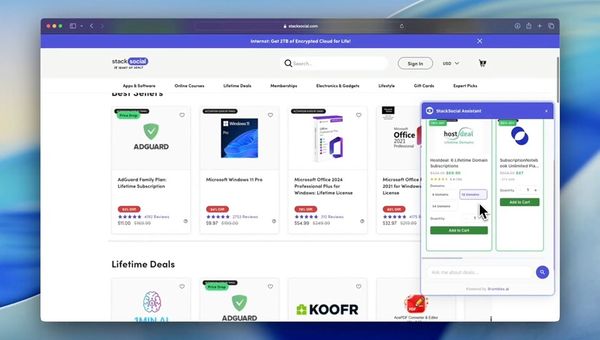
StackSocial Goes Live with Brambles.ai
StackSocial shoppers can now ask product questions on the page. Brambles.ai answers from the catalog, and support stays in the help desk they already use.
RebatesMe Partners with Brambles.ai to Launch Remmee
RebatesMe is partnering with Brambles.ai to launch Remmee, the first AI assistant built into a cash back site. Rates Remmee quotes are rates members can earn.
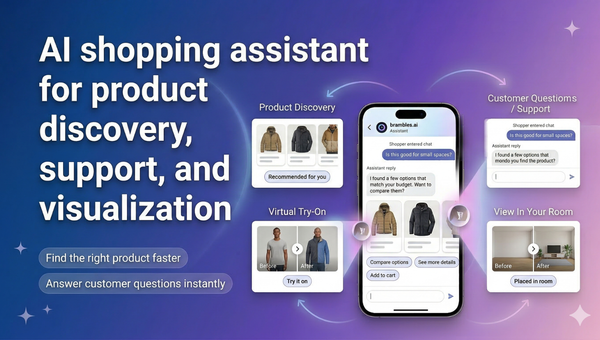
Brambles.ai Is Live on the Shopify App Store
Brambles.ai is live on the Shopify App Store, giving merchants an AI shopping assistant for discovery, support, try-on, and add-to-cart.
Explore Brambles.ai
Learn more about our AI-powered agentic commerce platform, agentic shopping, and shopping assistance solutions.
Explore More Insights
Discover more articles on AI, automation, and business innovation
View All Articles