
AI Monetization: Conversational Commerce That Converts
Real stories, clear math, and a step-by-step plan to turn on-site conversations into revenue—without spamming users or guessing. Pitfalls covered and KPIs.
Two weeks after we turned on a conversational assistant for a niche furniture site, average order value climbed 19% and pre-sale tickets fell 24%. The only change: we moved discovery out of the nav and into a guided chat that remembered dimensions, room style, and delivery constraints. On a 100k-session apparel site, the same pattern produced a 42% lift in “add to cart” from size-and-fit intent flows. That’s AI monetization in practice: not banner clutter, but conversion paths that feel like a great store associate—fast, specific, and transaction-ready.
If you’re skeptical, you should be. Most “AI chat” gadgets add chatter, not revenue. What works is conversational commerce wired to your catalog, inventory, promotions, and checkout. It shortens the path from intent (“I need a stroller for cobblestone streets, under $500”) to a confident purchase with fewer clicks and fewer doubts. Below is a field-tested way to make it pay without annoying users or risking trust.
What’s Broken in Site Monetization Today
Most sites still rely on static pages and leaky funnels. Baymard Institute’s meta-analysis pegs average cart abandonment near 70%, with friction and uncertainty doing most of the damage. Filters and category pages do little for real-world complexity—compatibility, bundles, returns on gifts, or “what fits a 36-inch counter but doesn’t show fingerprints.” Ads and popups add noise without resolving doubts. Meanwhile, the speed tax is real; Deloitte’s “Milliseconds Make Millions” study (with Google) found a 0.1s improvement can lift retail conversions by up to 8–10%. Slow, generic experiences make users bounce before they uncover value.
I see three recurring blockers: 1) Discovery doesn’t match the way people describe their needs; 2) Merchandising is static—no adaptation to current inventory, margins, or seasonality; 3) Help is hidden behind contact forms. Conversational commerce fixes all three by turning needs into structured intents, and intents into precise recommendations, add-ons, and clear next steps—without making the user work.

How Conversational Commerce Actually Makes Money
Conversational commerce monetizes by collapsing doubt and effort at the exact moment intent is highest. Revenue levers include: 1) Guided selling that translates natural language into product rules (compatibility, size, budget); 2) Attach-rate growth via smart cross-sells and bundles; 3) Checkout acceleration with in-chat payment links or embedded wallets; 4) Post-purchase revenue (care plans, subscriptions, refills); 5) Lead capture for high-consideration or B2B quoting with instant spec matching.
On a mid-market beauty retailer (180k monthly sessions), switching from a generic FAQ bot to intent-driven guidance lifted AOV 18% in 30 days. We mapped top intents—skin type, routine length, and fragrance sensitivity—to SKUs and offered bundles with inventory-aware substitutions. For a B2B parts distributor (AOV ~$350), conversational re-order plus “does this fit model X?” checks produced a 37% repeat purchase rate and cut phone tickets 28%. These improvements aren’t magic; they’re the product of tight integrations and ruthless measurement.
Implementation Guide: From Zero to Checkout in 14 Days
A practical rollout looks like this:
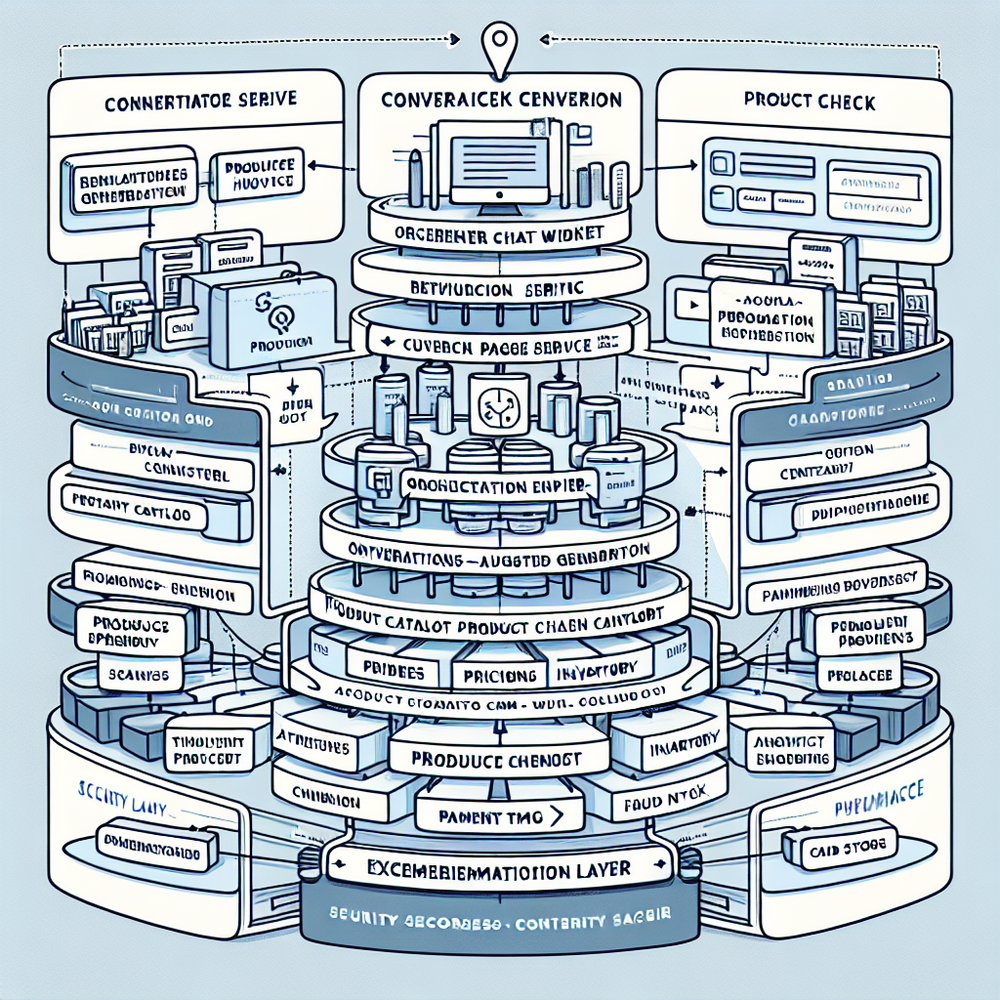
- Pick two high-intent entry points: top category and product pages with high exit rates. Add a small, context-aware prompt (“Ask sizing, delivery dates, or bundle options”) instead of a generic chat bubble. - Define intents from your search logs and tickets: budget, compatibility, size/fit, delivery timing, warranty. - Connect catalog and rules. Normalize attributes (materials, dimensions), expose real-time inventory, and map margin tiers so the assistant prioritizes profitable but relevant SKUs. - Add guardrails. Limit answers to in-catalog content, require product IDs for recommendations, and provide a human-handoff for edge cases. - Wire payments. Offer in-chat checkout links or embedded wallet, with clear line items and return policy confirmation. - QA with a ruthless test set: 100 user-like prompts and expected outcomes. - A/B test the assistant trigger. Start with 20–30% of eligible traffic and ramp. - Train your team. Document escalation, refunds, and content updates in a shared playbook.
WordPress stores can move quickly: install the plugin, connect the catalog, toggle commerce. We’ve seen a content publisher with 1.2M monthly pageviews add a “content-to-cart” guided recommender and generate a 6.3% attach rate to affiliate carts, with $0.18 incremental RPM in week one—without changing article layouts. The trick was mapping editorial topics to product intents and keeping the assistant strictly within vetted SKUs and merchants.

Measuring ROI & the Only KPIs That Matter
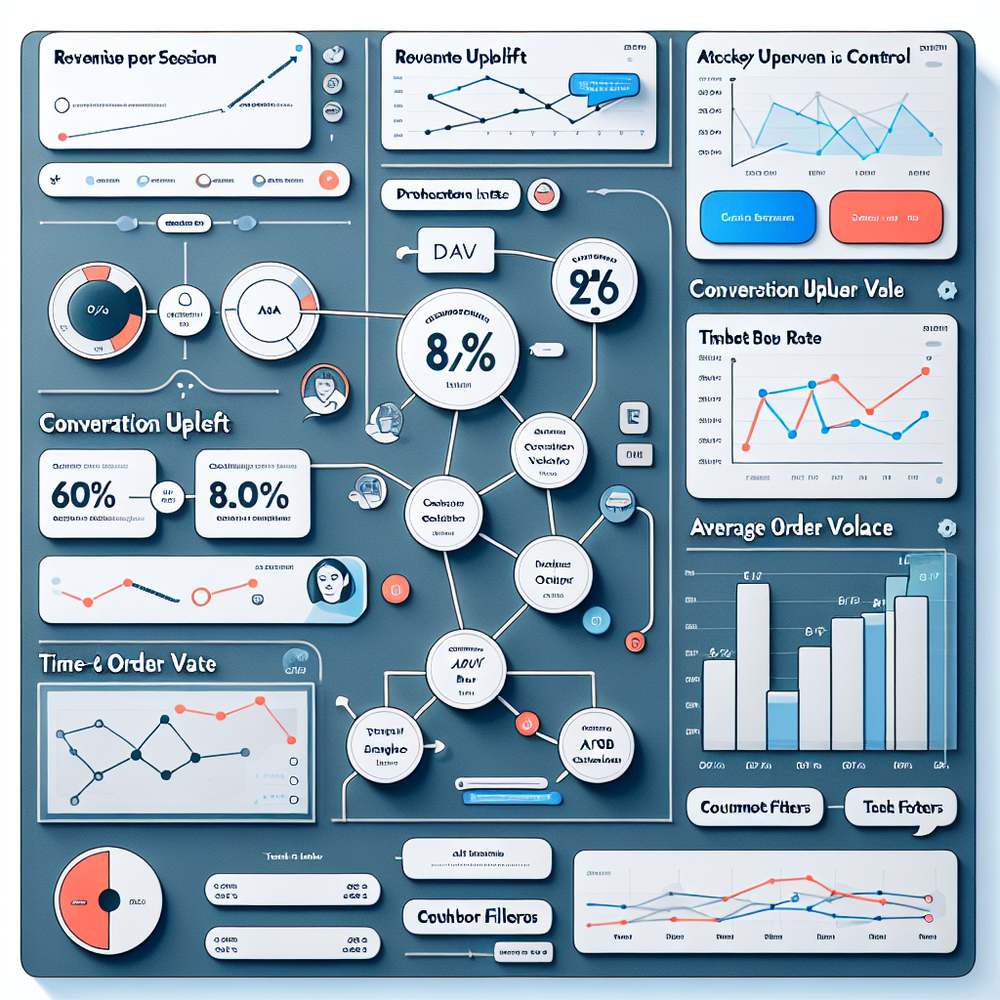
Measure revenue, not chat volume. Start with: 1) Revenue per session (RPS) among exposed users; 2) Conversion rate and cart creation rate; 3) AOV and attach rate for cross-sells; 4) Assisted conversions (last-click bias corrected); 5) Time-to-first-value (TTFV) for first chat to qualified recommendation; 6) Automation rate for deflectable tickets; 7) Customer satisfaction (CSAT/NPS) after chat. Use a 10–20% holdout to estimate incremental lift. If you can, run page-level A/B with analysis in your warehouse to avoid attribution fog.
Formulas worth codifying: Incremental Revenue = (Exposed RPS – Control RPS) × Exposed Sessions. Attach Rate = Orders with recommended add-on ÷ Orders exposed. Payback Period = Deployment Cost ÷ Monthly Incremental Gross Profit. For personalization ROI, McKinsey has repeatedly found 10–15% revenue lift from tailored experiences when execution is solid; Salesforce’s Connected Customer research shows experience quality directly influences loyalty. Track dwell-time and scroll-depth too; Google’s UX research consistently ties speed and clarity to conversion gains—your assistant should reduce taps and reading, not add to it.
First‑Party Data, Consent, and Trust by Design
You don’t earn conversions without trust. Build consent into the conversation: explain why you’re asking (“We’ll remember your fit for future checkouts”), let users skip, and store preferences transparently. Keep PII out of model training; use retrieval that reads from a secure store at runtime. Hash emails, tokenize payment references, and log every attribute the assistant uses to make a recommendation. Provide a persistent “Why this suggestion?” link. Offer easy opt-outs and a preference center that updates across devices.
Practical rules: 1) No shadow data collection—ask and explain value. 2) Respect regional requirements (GDPR, CCPA/CPRA) with geofenced consent text. 3) Data minimization—collect only what improves the decision. 4) Short retention windows on raw transcripts; keep aggregated intent metrics. 5) Make your privacy contact human and responsive. Do this, and users will trade first-party data for relevance. Skip it, and your assistant becomes another dark pattern.
Common Pitfalls (and How to Avoid Them)
- Open-ended chatter. Don’t ask “How can I help?” Start with three context-aware prompts tied to page and inventory. - Hallucinated SKUs. Pin the assistant to your catalog and require product IDs for recommendations. - Static merchandising. Rotate prompts and bundles based on margin, stock, and seasonality. - No payments. If users have to jump to checkout manually, you’ll lose them. Offer in-chat checkout or direct-to-cart with clear return and shipping info. - Slow first response. Sub-500ms retrieval and UI updates are non-negotiable. - No human escape. Provide fast escalation for complex or high-value orders. - Voice mismatch. Tune tone and guardrails; archive examples of “great replies” and retrain frequently. - No experiment hygiene. Always run a holdout and log intent outcomes to avoid self-congratulation.
Future Outlook: Multimodal Journeys and On‑Device Speed
Expect assistants to take inputs beyond text: room photos for decor sizing, barcode scans for part compatibility, and voice for hands-busy contexts. Catalog quality will matter more—structured attributes (schema.org Product), accurate stock and pricing APIs, and shoppable content that feeds retrieval. Payments will compress via one-tap wallets and passkeys, while on-device inference trims latency and protects sensitive contexts. The winners will combine a great UX with ruthless measurement and clean data plumbing. The losers will keep shipping bots that talk a lot and sell very little.
Related posts
View all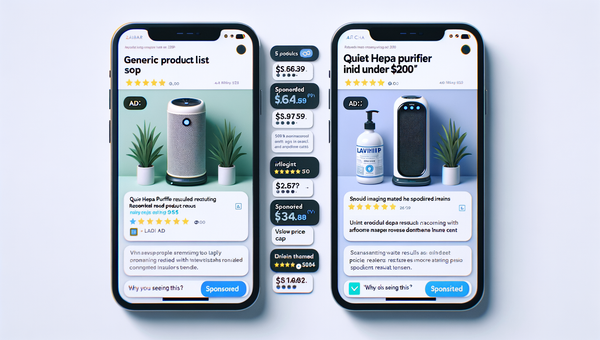
Sponsored Products in AI Shopping: Retail Media 101
Learn how sponsored product placements power AI shopping, how bidding and relevance work, and how to implement retail media without eroding trust or UX.

Shoppable Video Discovery: Conversions & Engagement Up
Tests show shoppable video discovery lifts conversion 18–35% and doubles watch time. See the UX patterns, KPIs, and how to deploy it quickly with Brambles.ai.
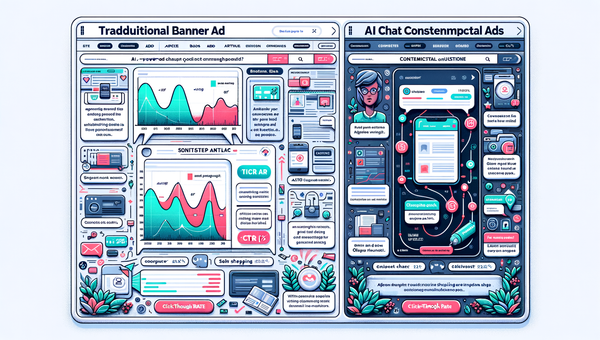
Why Contextual Ads in AI Chat Beat Banner Ads
Tests on commerce sites show AI chat contextual ads deliver 3–5x CTR, cleaner UX, and higher revenue than banners. See how they work, implement, and measure.
Explore Brambles.ai
Learn more about our AI-powered agentic commerce platform, agentic shopping, and shopping assistance solutions.
Explore More Insights
Discover more articles on AI, automation, and business innovation
View All Articles