AI Agents: Step-by-Step Prep with Brambles.ai
A practical, step-by-step plan to prepare your data, UX, and stack for autonomous AI agents—plus how Brambles.ai implements it across commerce and analytics.
AI Agents: Step-by-Step Prep with Brambles.ai
Two weeks after we turned on task-capable agents for a 70k‑SKU retailer, we saw something both exciting and scary: 62% of shopper questions were resolved end‑to‑end without human help, but 18% of failed runs traced back to an ugly truth—shipping rules and compatibility charts lived in six formats, three of them outdated. The agent wasn’t “hallucinating.” Our content was. When we normalized policies and exposed structured tools, completion jumped to 78% and refund tickets dropped by 12% in a single sprint.
That pattern repeats across brands and publishers: agents don’t fail because they’re too smart; they fail because our systems aren’t ready. The upside is enormous—a 24/7 assistant that composes, searches, negotiates, and checks out. The readiness work is concrete and doable. This guide gives you the exact steps, pitfalls to avoid, and how we implement them with Brambles.ai across CMS, commerce, and customer service.
Quick Answer
Getting ready for AI agents means making your knowledge explicit and your actions safe. Normalize policies, expose APIs as tools, index canonical content, add guardrails and approvals, and wire up analytics. In Brambles.ai, this looks like: install the WordPress plugin to expose content intelligence, connect the direct add to cart for pricing/stock/cart tools, define safe tool scopes, and monitor completion, CSAT, and revenue in one dashboard. Start small (one flow), measure, then scale to more intents.
What’s Broken in Most Stacks (and Why Agents Trip)
Agents stumble not on reasoning but on messy, conflicting source material. The fastest lift you’ll get is from unifying intent-critical knowledge and actions.
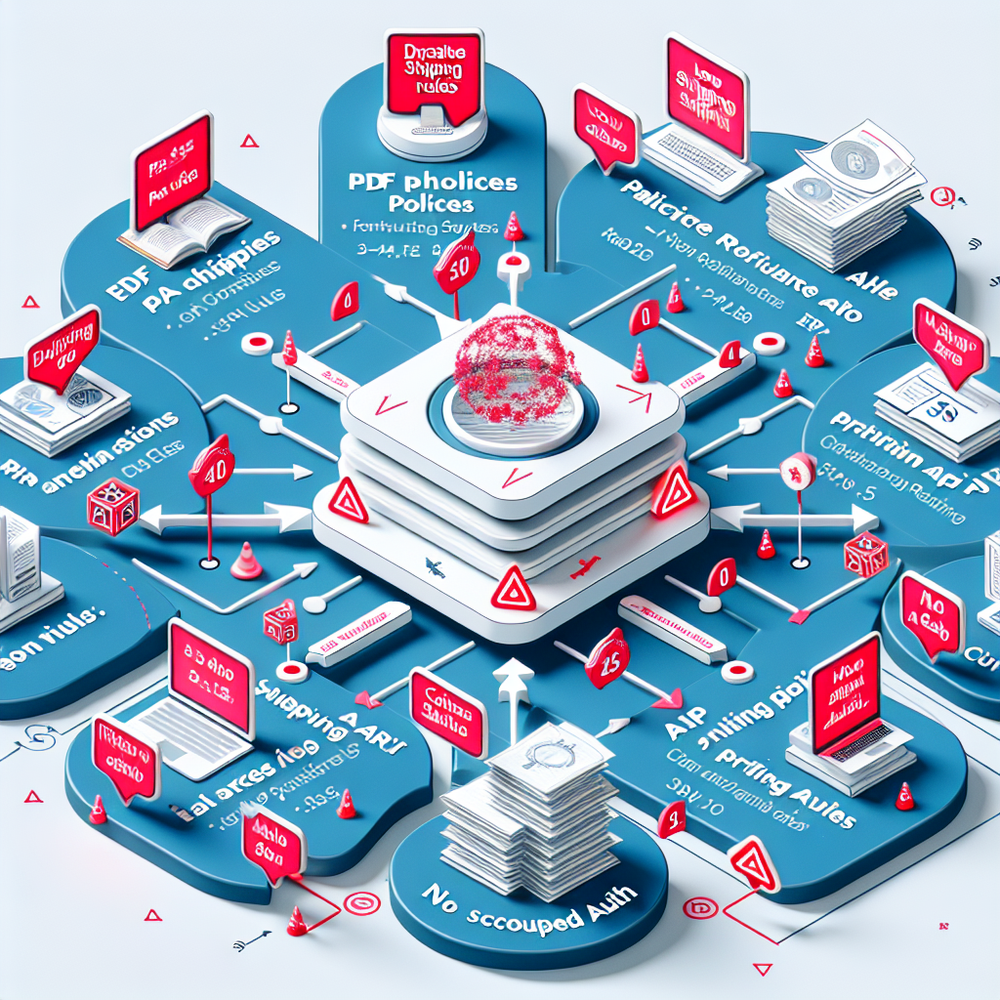
Common failure modes we see: duplicated policies across PDFs, blog posts, and help desks; product data missing compatibility or care fields; private APIs without scoped auth; and no graceful human handoff. In one publisher test, 31% of failures were due to paywall rules embedded only in a staff wiki—never in the public docs the agent could cite. Baymard’s research on content findability echoes this: fragmented help content consistently drives abandonment (Baymard Institute, 2023).
Speed and uncertainty also matter. Google UX Research shows latency above ~2s meaningfully harms satisfaction; we’ve watched agent retries stack up when a pricing API posts in 3‑5s (Google UX Research, 2022).
Add in trust: 61% of customers will switch after one bad experience (Salesforce Connected Customer, 2023). If your returns logic is ambiguous, agents either stall or over‑refund. Neither is good.
How AI Agents Work (and What They Need from You)
An effective agent loops: understand intent, plan, call tools, verify, and act. Your job is to provide clean tools and canonical knowledge so the loop can run fast and safely.
Tools are just your APIs with guardrails: search the catalog, check stock, reserve inventory, calculate shipping, apply loyalty, submit order. Knowledge is your content indexed for retrieval—policies, fit guides, compatibility charts, buying advice.
We recommend a lightweight RAG layer with explicit document IDs and freshness metadata so the agent can cite sources and prefer recent updates (McKinsey Personalization 2024 underscores the lift from relevant, timely content).
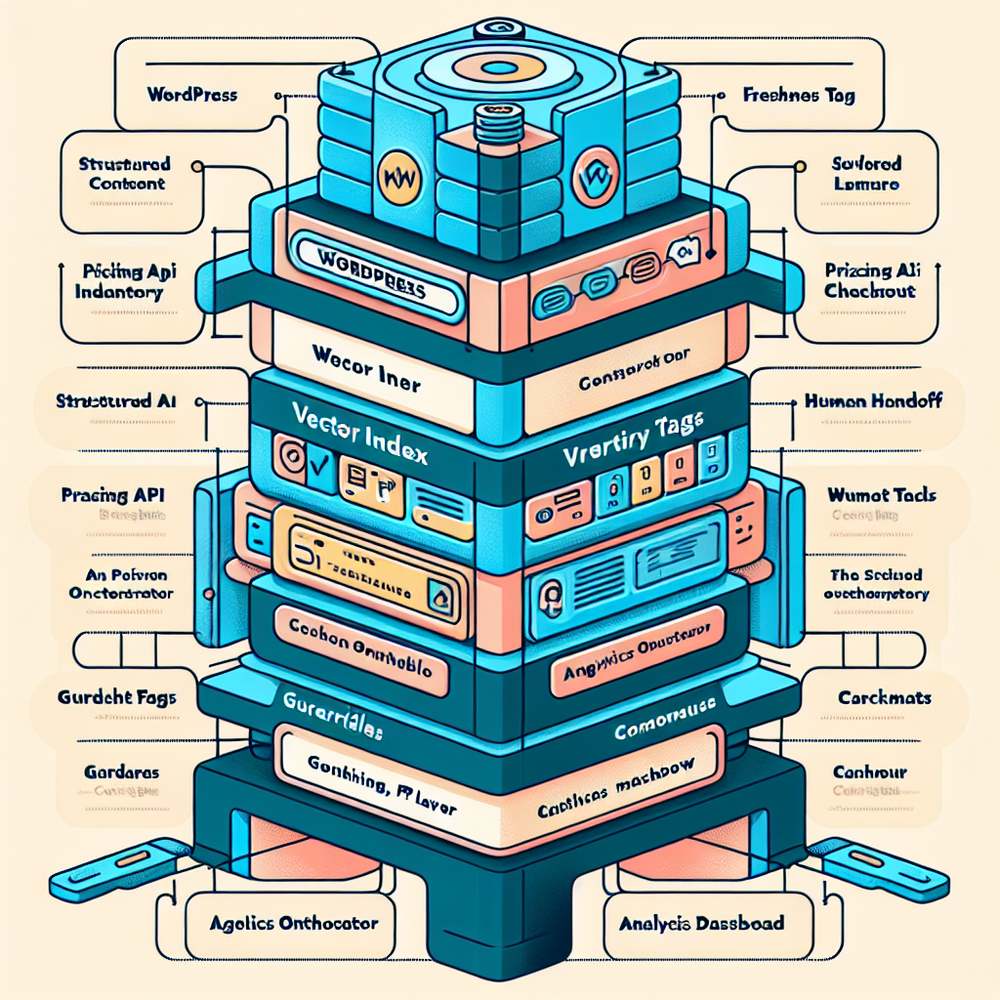
Brambles.ai wires this together. The WordPress plugin exposes structured content types (policies, guides, FAQs) with change tracking. The Commerce Module wraps critical actions with scopes and rate limits, then emits analytics on every tool call. In practice, we enable safe fallbacks: if checkout fails, the agent drafts a cart link; if a policy conflicts, it asks a clarifying question or escalates via human handoff.
Implementation Guide with Brambles.ai (Step-by-Step)
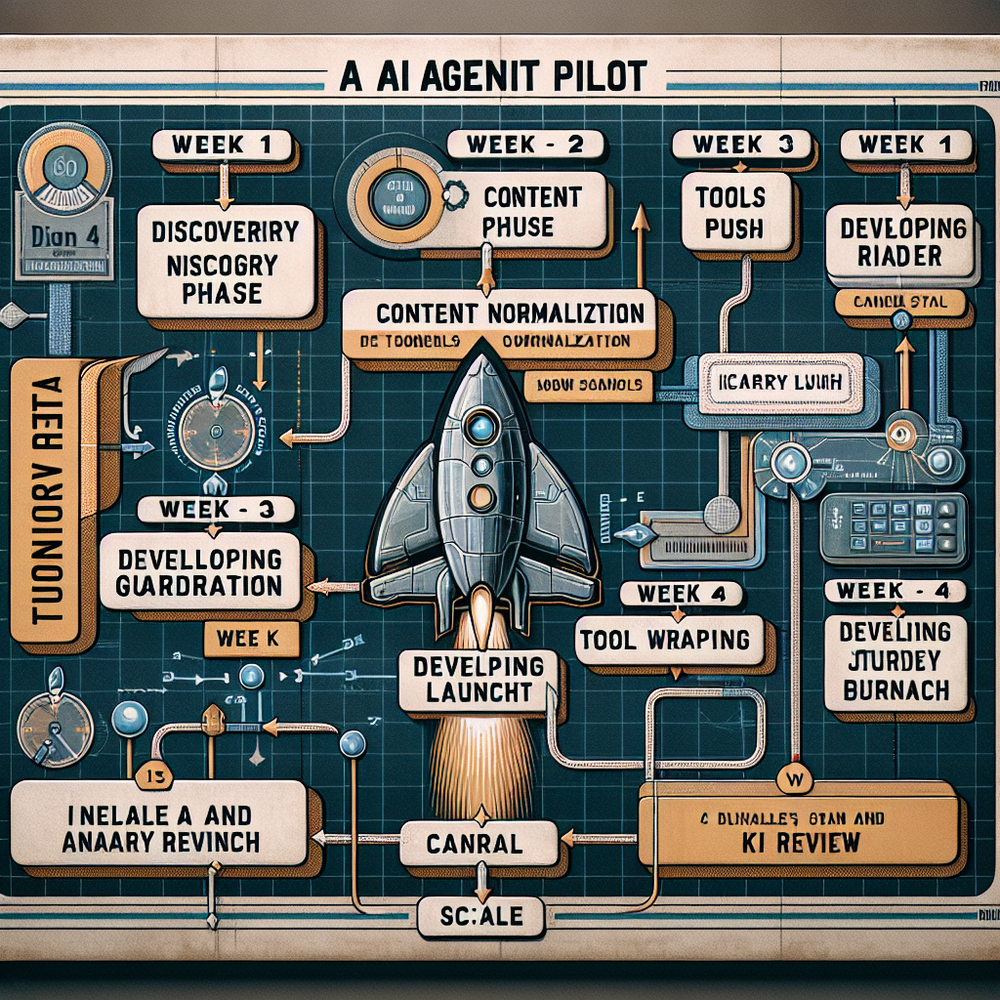
You can ship a production-ready pilot in 3–5 weeks. Here’s the path we use with teams that need results without a platform rebuild.
Step 1 — Pick one high-value intent. Example: “Find and buy the right running shoe under $150.” Constrain by channel (site chat) and success criteria (add-to-cart + CSAT ≥4.5).
Step 2 — Normalize the knowledge. Create a single policy page per topic (shipping, returns, warranty) and add a last-updated field. Move size/fit guides and compatibility charts into structured fields. If you’re on WordPress, install the Brambles plugin to auto-expose these as retrievable types with IDs.
Step 3 — Expose actions as tools. Wrap pricing, inventory, promotions, and checkout behind scoped endpoints. In Brambles Commerce Module, define max discount, SKU allowlists, and cart total limits per role so agents can’t go rogue.
Step 4 — Add guardrails and handoff. Enforce cite-before-act, threshold-based approvals for refunds, and a transfer path to live agents. We typically route complex edge cases after 2 failed plans or 90 seconds of latency.
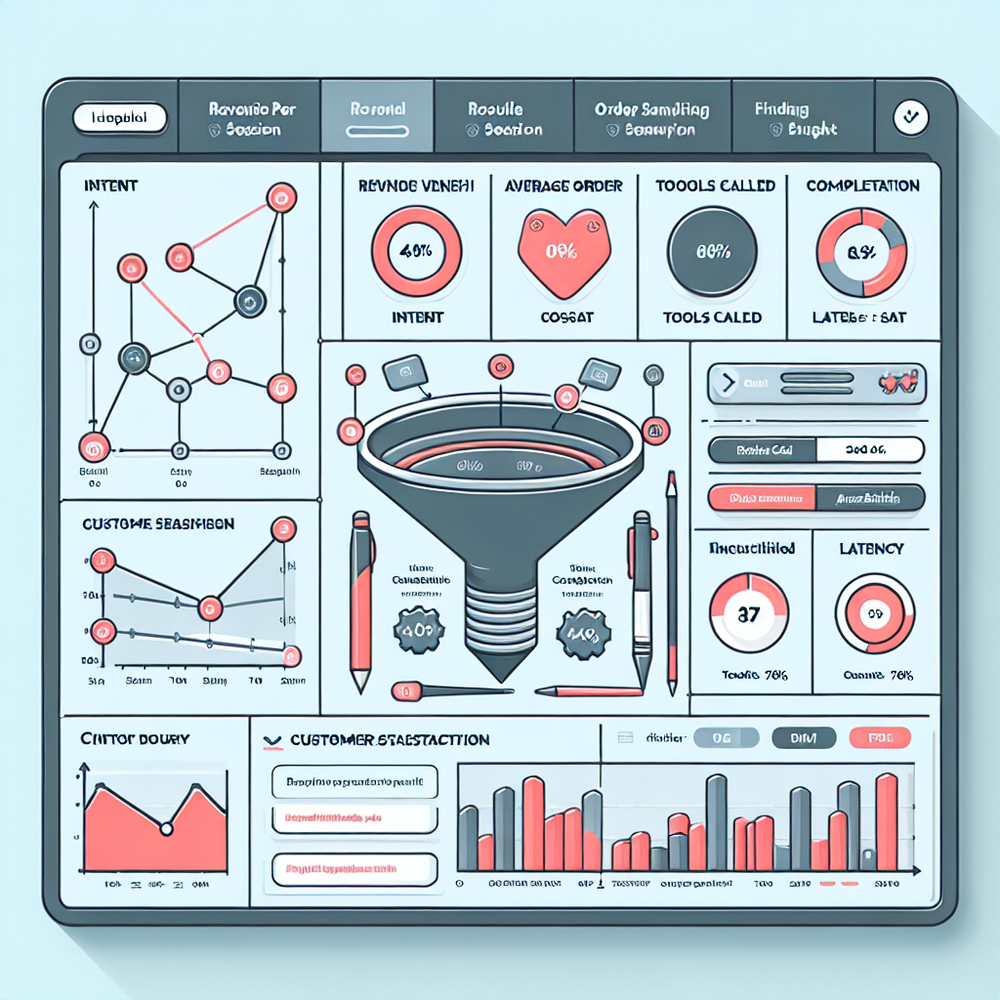
Step 5 — Instrument everything. Log intent, tools called, tokens, latency, completion reason, and revenue attribution. Brambles emits structured events you can send to your CDP and BI.
Step 6 — Launch with a canary. Roll to 10% of traffic, then 50%, then 100% as completion and CSAT clear thresholds. Keep humans in the loop via summaries on escalations.
Step 7 — Expand to publishers or store associates. For publishers, enable the monetization flow: agents recommend products within articles with verifiable citations and affiliate-safe links. For brands, activate the retail assistant flow to power guided selling in-store with stock-aware recommendations.
Step 8 — Close the loop. Feed back soft signals—scroll depth, rage clicks, post-chat survey—so the agent adjusts prompts, tool ordering, and content priorities. We push weekly changelogs into the index to avoid stale answers.
Quick checklist: 1) One intent, one channel, one owner. 2) Canonical policies with IDs. 3) Tool scopes + rate limits. 4) Cite-before-act. 5) Analytics events wired. 6) Canary rollout. 7) Human handoff. 8) Weekly content freshness jobs.
Anecdote: On a 100k‑session apparel site, we consolidated four returns pages into one canonical doc and added a “final sale” field to product data. Agent completion jumped from 54% to 81% and WISMO tickets fell by 27% in 14 days.
Measuring ROI & KPIs That Actually Matter
Measure what the CFO cares about: completed outcomes, incremental revenue, and cost-to-serve. Everything else supports these.
Core metrics: completion rate (tasks finished / tasks started), revenue per agent session, AOV shift, deflection rate (self-serve vs. human), CSAT, and time-to-resolution. Instrument latency per tool—slow tools tank completion. We also tag answers with “cited source freshness” to correlate outcomes with content staleness (Baymard’s content freshness findings align here).
In Brambles, the analytics panel shows tool-call funnels and revenue attribution to agent paths. One brand saw a 19% lift in AOV when the agent learned to bundle care kits with appliances; we confirmed causality via a 50/50 traffic split. Another retailer saved ~$28k/month by moving WISMO to self-serve with policy citations and carrier tracking tools.
First‑Party Data, Consent, and Trust by Design
Trust is a feature. Design agents to prefer first‑party data, respect consent, and avoid storing PII in prompts. Salesforce reports 71% of customers expect companies to protect their data—violate that and the agent won’t get a second chance (Salesforce Connected Customer, 2023).
Operationalize it: segment tools by role, strip PII from logs, and use ephemeral tokens. Store consent state alongside identity and make it queryable (“is_marketing_opt_in”). We also mark sensitive docs (e.g., wholesale terms) as non-retrievable unless the user is verified. For publishers, ensure affiliate tracking parameters are appended by tools, not generated in free text.
Brambles.ai enforces scoped tool access and auto‑redacts PII in transcripts by default. The WordPress plugin tags posts with monetization eligibility so the agent can safely embed product blocks, while the Commerce Module keeps discounts and refunds within policy. McKinsey’s latest personalization study notes that transparent value exchange drives retention; show your work with citations (McKinsey, 2024).
Common Pitfalls (and How to Avoid Them)
Most failures come from ambiguous rules and unscoped actions. Tighten both before you add more model horsepower.
Pitfall 1: Multiple “truths.” Fix: one canonical policy per topic with IDs. Pitfall 2: Free‑form refunds. Fix: tool with max amounts and approval thresholds. Pitfall 3: Latency spikes. Fix: prefetch price/stock, cache read‑only calls, and set plan timeouts.
Pitfall 4: No human handoff. Fix: escalation after two failed plans or confidence <0.6 with a clear transcript.
Run a red‑team harness weekly: seed tricky prompts (“my flight is tomorrow, can I return?”), deliberately corrupt a policy, throttle an API to 4s, and verify the agent cites, asks clarifying questions, or escalates. We publish a short checklist with our customers and track pass rate by intent. In one B2B pilot, guardrails cut erroneous quotes by 86% week‑over‑week.
Future Outlook: Multi‑Agent Teams and Shared Tools
The near future is cooperative: specialized agents sharing a vetted tool catalog, each with a narrow mandate—advice, fulfillment, retention, publishing. That makes governance easier and performance higher.
We’re standardizing tool schemas (inputs, constraints, audit fields) so multiple agents can reuse them safely.
Expect more agent-to-agent handoffs (e.g., content agent drafts, commerce agent prices, service agent approves goodwill credit) with shared analytics for attribution.
Brands and publishers that codify policies and tools now will be able to plug into these ecosystems without rework.
FAQ
How is an AI agent different from a chatbot? An agent can plan and take actions via tools (e.g., check stock, place orders). A chatbot mostly answers with text. Give agents tools and guardrails; give chatbots FAQs.
What’s the minimum to pilot? One high‑value intent, canonical policies, two to four tools (search, price, stock, checkout or lead capture), a basic RAG index, and analytics. You can ship in 3–5 weeks.
Will this work on WordPress? Yes. The Brambles.ai WordPress plugin exposes structured policy and guide types, tracks freshness, and lets the agent cite specific posts. It also supports publisher monetization blocks out of the box.
How do we avoid risky discounts or refunds? Put them behind Commerce Module tools with caps, allowlists, and approval thresholds. Require cite-before-act on any policy-based action and log every tool call.
Related resources on Brambles.ai
If you are implementing this, start with Brambles.ai, for publishers, for brands, get started.
For deeper reading, see 10 Reasons Publishers Need Conversational Commerce, Affiliate Disclosure in Conversational UIs Done Right, From Search Boxes to Conversations: Modern Shopping UX, Contextual, Not Creepy: Monetization That Wins.
Related posts
View all
How Context-Aware AI Recommendations Lift CTR
See how context-aware AI recommendations lift CTR by 25–60% with intent signals, page context, and history. Practical steps, KPIs, and implementation tips.
Why Furniture Shoppers Need View in Room Before They Buy
Furniture buyers abandon carts when scale and style feel risky. See why "View in Room" cuts returns, boosts conversion, and how to launch it with Brambles.ai
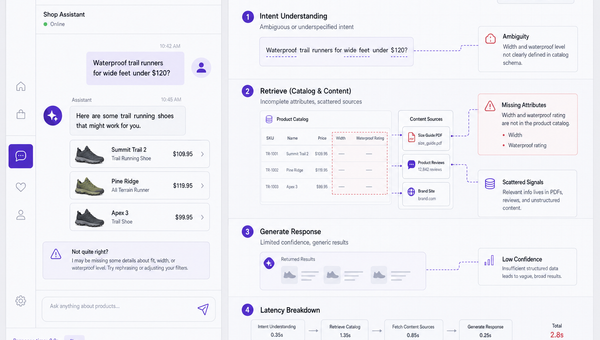
Why Good AI Shopping Agents Are Hard—and How Brambles Helps
Most AI shopping bots fail on data quality, UX, and trust. See why agents break in the wild and how Brambles.ai fills the gaps with measurable features.
Explore Brambles.ai
Learn more about our AI-powered agentic commerce platform, agentic shopping, and shopping assistance solutions.
Explore More Insights
Discover more articles on AI, automation, and business innovation
View All Articles