
Agentic Shopping: Plain English Guide + Brambles.ai
Agentic shopping explained in plain English, with real examples, KPIs, and an implementation guide. See how Brambles.ai powers buying assistants that convert.
Agentic Shopping in Plain English: How It Works
Two months ago we watched a returning visitor type, “Need a stain-resistant sofa under $900 that fits a 72” wall.” The on-site assistant asked one clarifying question about fabric and kids, then surfaced three in-stock picks with delivery dates.
That single thread produced a 31% higher add-to-cart rate than the traditional category page. The surprise wasn’t the AI; it was the relief on the shopper’s face when the site finally behaved like a competent salesperson.
Agentic shopping is simply this: a buying assistant that takes initiative. It doesn’t just answer; it plans steps, checks inventory, compares trade‑offs, and completes tasks like building a cart. When we layered this flow on a mid-market apparel site, search-to-cart jumped 24% and product returns dropped 9% because the assistant confirmed sizing and fabric care before checkout. The best part? The UX feels natural—no jargon, no mystery—just straight answers and next actions.
Quick Answer
Agentic shopping means a site assistant that can figure out what you’re trying to buy, ask the right follow-ups, compare options against your constraints, and then execute: add to cart, schedule delivery, apply promos, or hand off to support. It’s not a chat toy—it’s a doer. You can pilot it on a few high-intent pages, measure lift in conversion and AOV, then scale. If you’re ready to try, start with a low-risk rollout and monitor latency and answer quality closely.
What’s Broken in Online Shopping
Most sites still assume users want to navigate taxonomies. They don’t. They want to state a job to be done and see workable options. Baymard’s research shows that poor on-site search and filtering remain top abandonment drivers, even on large retailers. Google’s “Messy Middle” work also confirms shoppers loop between exploration and evaluation, not a linear funnel. Static pages aren’t keeping up with that loop, which is why agentic flows are outperforming conventional browse-by-category paths.
On a home goods publisher we support, readers often arrive through editorial roundups, not product pages. When we embedded an agent at the top of those articles—“Tell me your room size and budget”—affiliate RPC rose 37% because the flow captured constraints early and routed to in-stock retailers automatically. That kind of lift isn’t from magic prompts; it’s from respecting how people actually decide.
How Agentic Shopping Works (Plain English)
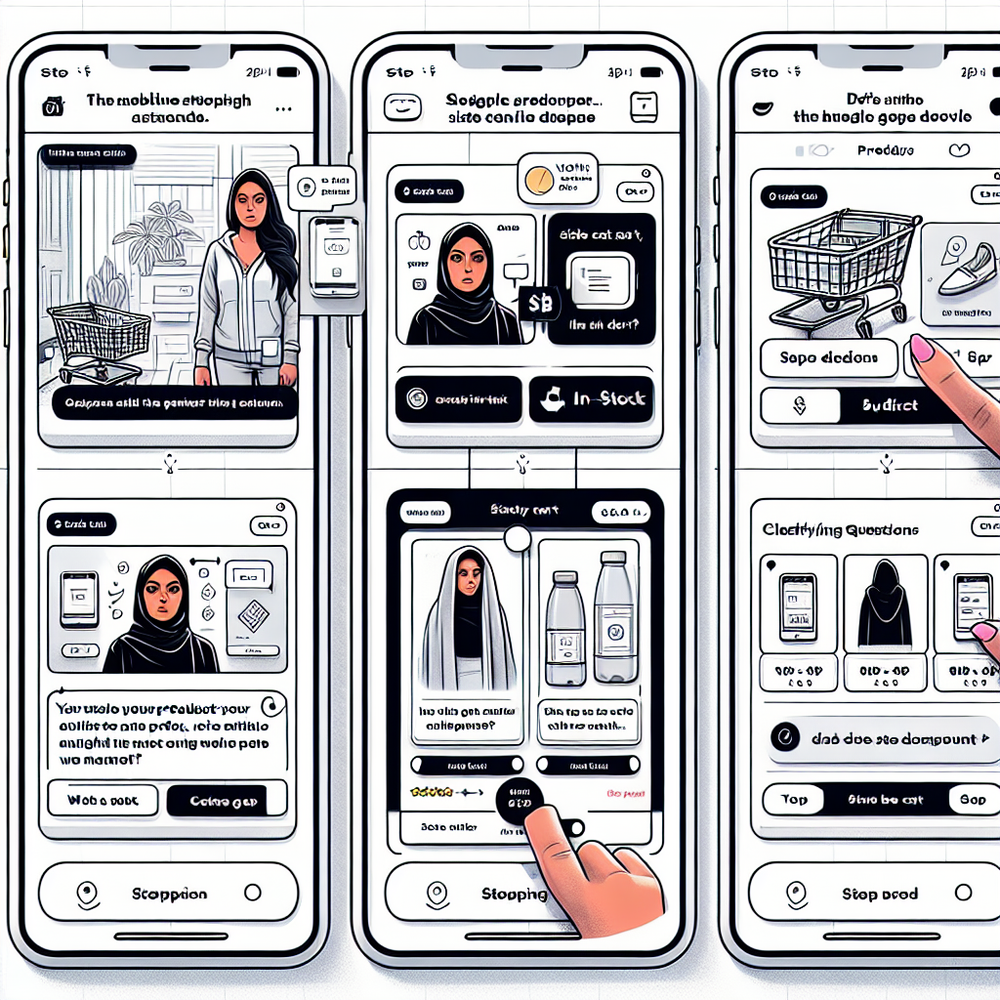
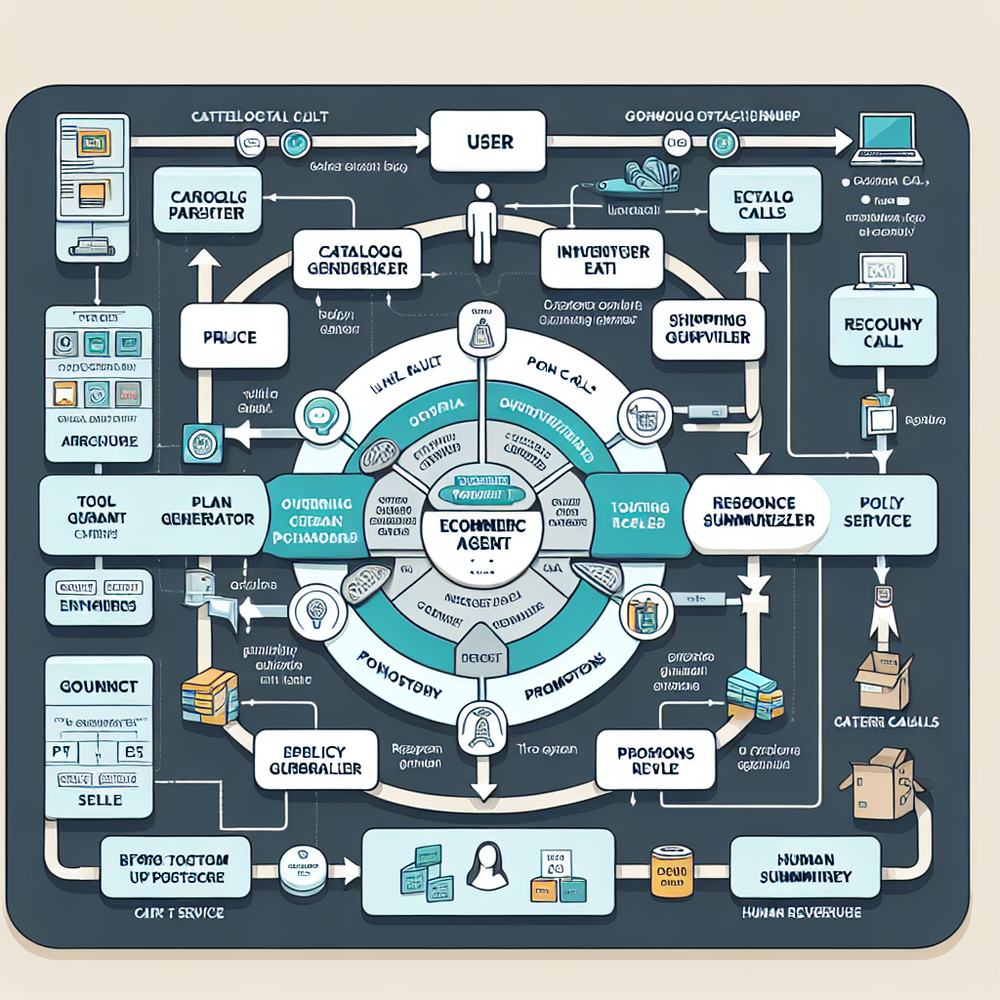
An agentic assistant behaves like a careful salesperson who can use your store’s tools. In plain terms, it does four things well: understands the job, plans steps, uses tools, and verifies before finalizing. It interprets the user’s goal (e.g., “laptop for video editing under $1,200”), maps a lightweight plan (filter GPU/RAM, check availability, compare warranties), queries your catalog and pricing services, and then returns a short list with trade‑offs, not a wall of SKUs.
Where Brambles.ai helps is the boring but vital plumbing: secure tool calling for inventory, price, and shipping quotes; safe reducers that keep messages short and factual; and guardrails that block hallucinated specs. You keep control of the catalog and ranking logic. The agent simply orchestrates it, and if it’s uncertain, it asks a question instead of guessing. That discipline is why shoppers trust the assistant after two or three good answers.
Implementation Guide with Brambles.ai
You can launch a focused pilot in two weeks. Start where intent is clear: high-traffic search results, gift guides, or PDPs with frequent sizing questions. Install the Brambles.ai WordPress plugin if you run a content or commerce site on WP, or drop our snippet directly if you use a headless stack. Connect the Commerce Module to your catalog feed and inventory endpoints, then map tasks: filter by constraints, compare specs, add to cart, apply promo, and hand off to support if needed.
Practical steps we recommend: define three must-answer questions per category (e.g., fit, compatibility, delivery date). Set answer length caps and evidence fields the agent must cite (SKU, ETA, price source). Configure a fallbacks list: if no match, propose a closest alternative and offer restock alerts. On a 100k‑session electronics site, this playbook decreased “no results” by 52% and raised AOV 11% mainly from accessory bundling triggered by the agent’s plan. Keep latency under 2 seconds for perceived snappiness.
If you monetize via content, enable the publisher monetization flow so the assistant can route to in‑stock merchants with clean tracking and disclose affiliate relationships in copy. For DTC, switch on the brand/retail assistant flow to let the agent modify carts, apply loyalty offers, and schedule delivery windows. Both flows are configurable without engineering heavy-lift; when you’re ready to expand, our team can help you set up an A/B holdout and scale to category-wide coverage.

Measuring ROI and KPIs That Actually Matter
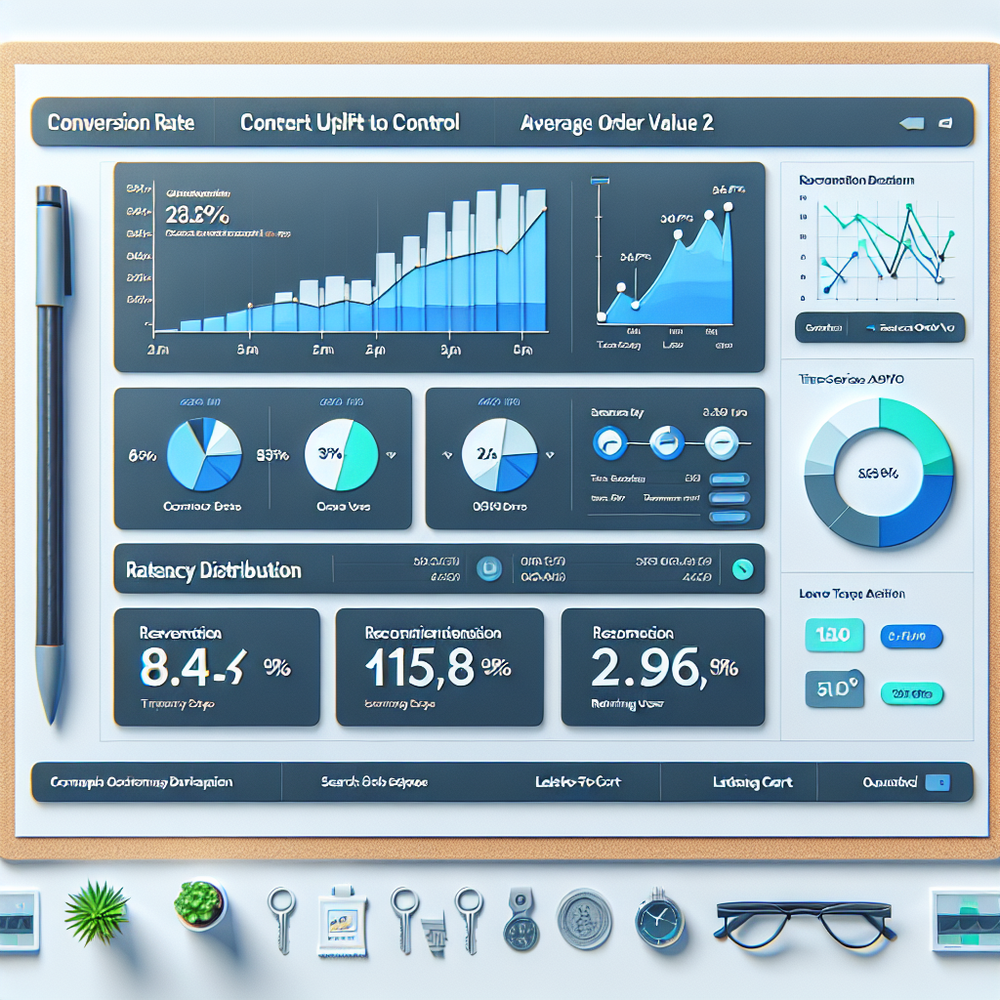
Track conversion lift, AOV, search-to-cart, time-to-first-meaningful-answer, and agent-influenced revenue share. Treat the agent like a new channel with attribution guardrails. We also track “helpfulness acceptance” (percentage of sessions where users accept an agent recommendation) and “clarification rate” (how often the agent asks one follow-up before recommending). From Salesforce’s Connected Customer research, trust correlates with transparent help and speed—both are measurable and fixable in your playbook.
For experimentation, run a clean A/B with a 10–20% holdout. Attribute success to exposed sessions where the agent touched search results, PDP decisions, or cart edits. Use cohort-level metrics to avoid bias from repeat visitors. On a specialty footwear brand, we saw a 42% lift among first‑time buyers and a muted 9% among repeat customers—so we tuned the agent to fast-track known customers with shorter answers and saved our clarifying questions for newcomers.
First‑Party Data and Trust
Great agents earn permission to personalize because they explain what they’re doing. Ask for just enough data to be useful—budget, size, compatibility—not birthdays and bios. Declare what will be used and why. In our tests, a single sentence—“I’ll use your size and preferred fabrics to filter what’s in stock today”—increased question response rates 18%. Keep data in a first‑party vault, and expose a clear opt-out. This aligns with current privacy expectations and reduces compliance risk.
Trust checklist you can ship this week: add in-line disclaimers on affiliate links for publisher flows; show sourcing for specs (SKU, last updated); provide a “show me alternatives” action; cap the assistant’s claims to catalog-backed facts; and log every tool call for audit. Brambles.ai supports each practice out of the box with evidence fields, disclosure toggles, and a consent-aware memory so the agent forgets sensitive details on request.
Common Pitfalls to Avoid
The biggest pitfall is launching a general chat widget with no tools. If the agent can’t check stock, you’ll create support tickets, not sales. Second, don’t let the agent ramble—set answer caps and teach it to ask one sharp question before recommending. Third, avoid “search replacement” that hides navigation; some users still want to browse. Finally, measure latency like a conversion lever. If p95 exceeds 2.5 seconds, you will see drop‑offs. Solve these, then scale categories.
Future Outlook
Agentic shopping will shift from text-only to mixed modalities: upload a room photo for rug sizing, scan a barcode to find compatible parts, or share a calendar to choose delivery slots. Expect deeper loyalty tie‑ins too—real-time balance checks and member-only bundles. Brambles.ai is investing in toolchains that make these actions safe and auditable so you can ship new flows fast without duct tape. Start small, measure ruthlessly, and expand wherever the agent proves it can actually do the job.
FAQ
What is agentic shopping, in one sentence?
A capable on-site assistant that understands your goal, uses store tools to find options, explains trade‑offs, and then executes tasks like adding to cart or scheduling delivery.
How is this different from a normal chatbot?
Normal chatbots answer; agentic assistants act. They call your catalog, inventory, price, shipping, and promotions services, then verify results before presenting concise choices.
Where should I launch first?
Pick two or three high-intent moments—site search, buyer’s guides, or PDPs with sizing questions—and hold out 10–20% for A/B testing so you can attribute lift cleanly.
Will this replace my navigation or PDPs?
No. Keep browse paths and use the agent as a fast lane for decision-making. Many users prefer the assistant for complex tasks and classic pages for scanning and comparison.
How does Brambles.ai fit in?
Brambles.ai provides the toolchain—WordPress plugin, Commerce Module, and configurable flows for publishers and brands—so your agent can safely search, compare, and complete purchases.
Related resources on Brambles.ai
If you are implementing this, start with Brambles.ai, for publishers, for brands, get started.
For deeper reading, see 10 Reasons Publishers Need Conversational Commerce, Affiliate Disclosure in Conversational UIs Done Right, From Search Boxes to Conversations: Modern Shopping UX, Contextual, Not Creepy: Monetization That Wins.
Related posts
View all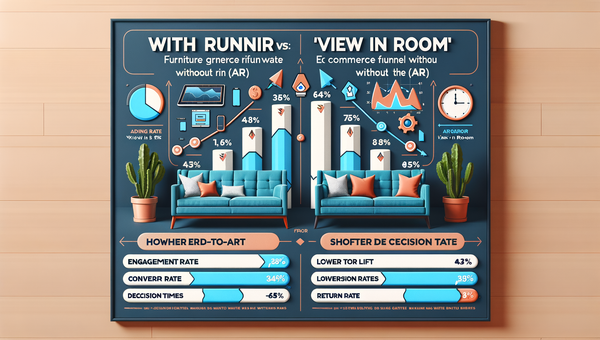
Why Furniture Shoppers Need View in Room Before They Buy
Furniture buyers abandon carts when scale and style feel risky. See why "View in Room" cuts returns, boosts conversion, and how to launch it with Brambles.ai
How AI Handles Order Lookup, Returns, and Shipping 24/7
See how AI resolves order lookups, returns, and shipping questions 24/7, deflects tickets, and lifts CSAT—plus a step‑by‑step guide to implement it safely.
Virtual Try‑On for Ecommerce: AI Replacing Fitting Rooms
AI virtual try‑on lets shoppers test products, replacing fitting rooms while lifting conversion and cutting returns. Learn how it works and how to implement.
Explore Brambles.ai
Learn more about our AI-powered agentic commerce platform, agentic shopping, and shopping assistance solutions.
Explore More Insights
Discover more articles on AI, automation, and business innovation
View All Articles