
Agentic Shopping Benefits and Risks: Brambles Framework
Agentic shopping can boost conversion and AOV—but only with guardrails. Use this Brambles framework to launch, cut risk, and measure ROI without breaking UX.
During a two-week pilot with a mid-market furniture retailer, we watched agentic shopping handle 12,000 conversations and boost chat-to-cart by 23%. The same test exposed a risk: the agent suggested a coffee table that was discontinued in one region. One bad recommendation nearly unraveled trust. What saved the rollout was ruthless scoping—limiting the agent’s actions to grounded inventory and adding a graceful fallback to live search. That’s the pattern you’ll see in every successful deployment: benefits compound fast, risks compound faster if you skip guardrails. This piece shares a practical framework we’ve applied across publishers and brands to ship agentic shopping with confidence—tight constraints, clear KPIs, and human-centered UX. It’s how Brambles.ai customers move from “interesting demo” to real revenue without surprising their ops team.
Quick Answer
Agentic shopping can raise conversion, AOV, and content RPM by letting an AI act on shopper intent—finding products, comparing tradeoffs, and adding to cart. The risks are misfires: hallucinated details, wrong inventory, or pushy monetization. The practical Brambles framework is three Gs: Goals (define intent outcomes), Guardrails (constrain tools, data, and tone), and Governance (measure, review, and improve weekly). Start narrow, tie to KPIs, and expand only when error rates stay below your thresholds.
What’s Broken in Shopping UX Today
Most shoppers don’t browse in straight lines. They bring messy intent—budget ranges, style constraints, shipping deadlines. Classic search and filters force them to translate that mess into checkboxes. Baymard’s UX research has shown that default e‑commerce search fails on nuanced queries, which matches what we see: more than half of complex prompts (“sofa under $1,000, fits a 72” space, pet‑friendly”) dead-end in zero results or irrelevant lists. That’s where agentic flows can mediate ambiguity and accelerate decisions.
Publishers face a similar gap: readers ask product questions inside editorial, but monetization sits elsewhere. Agentic experiences can meet intent in-context, yet they must remain brand-safe and disclosure-first. That’s why we favor conversational embeds that are grounded on first-party content and catalog data, not generic web scraping. For different teams, the entry points vary: publishers start with contextual recommendations; brands start with guided comparison. Either way, the goal is less pogo-sticking, more confident choices.
How Agentic Shopping Works (and Stays Safe)
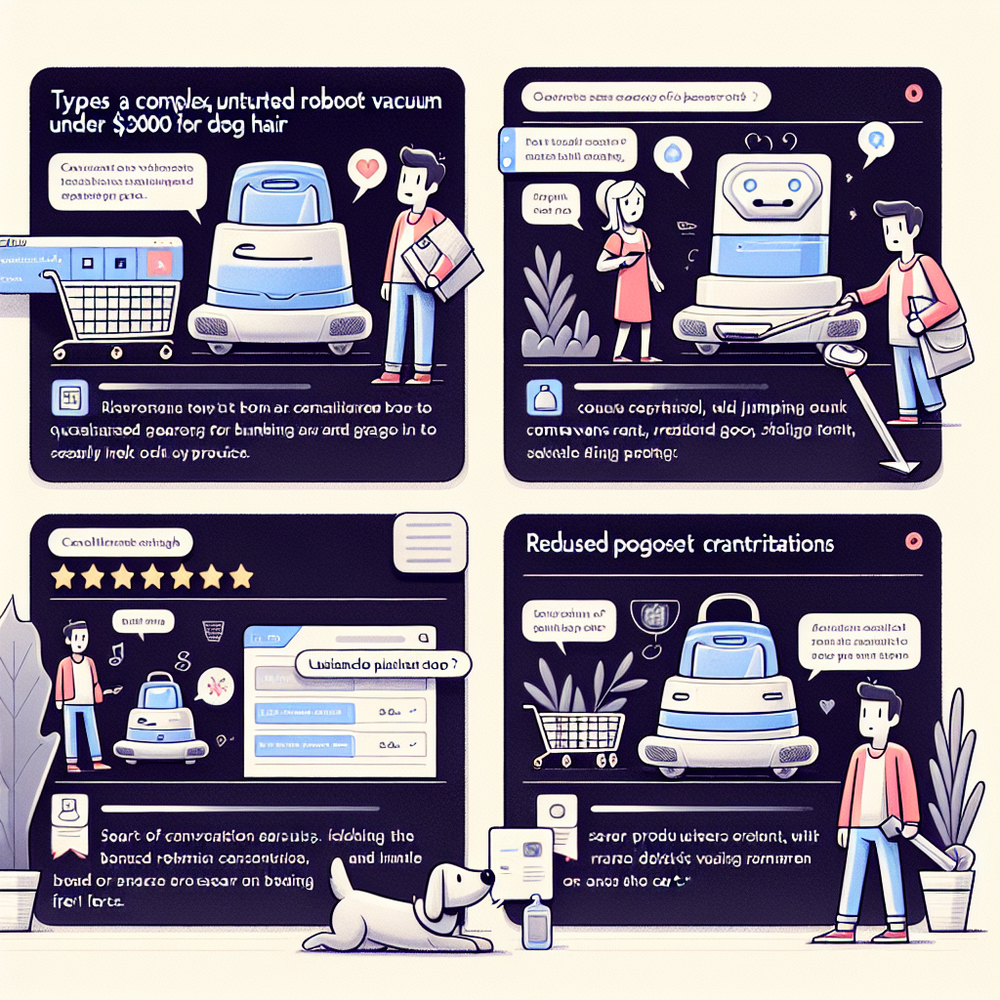
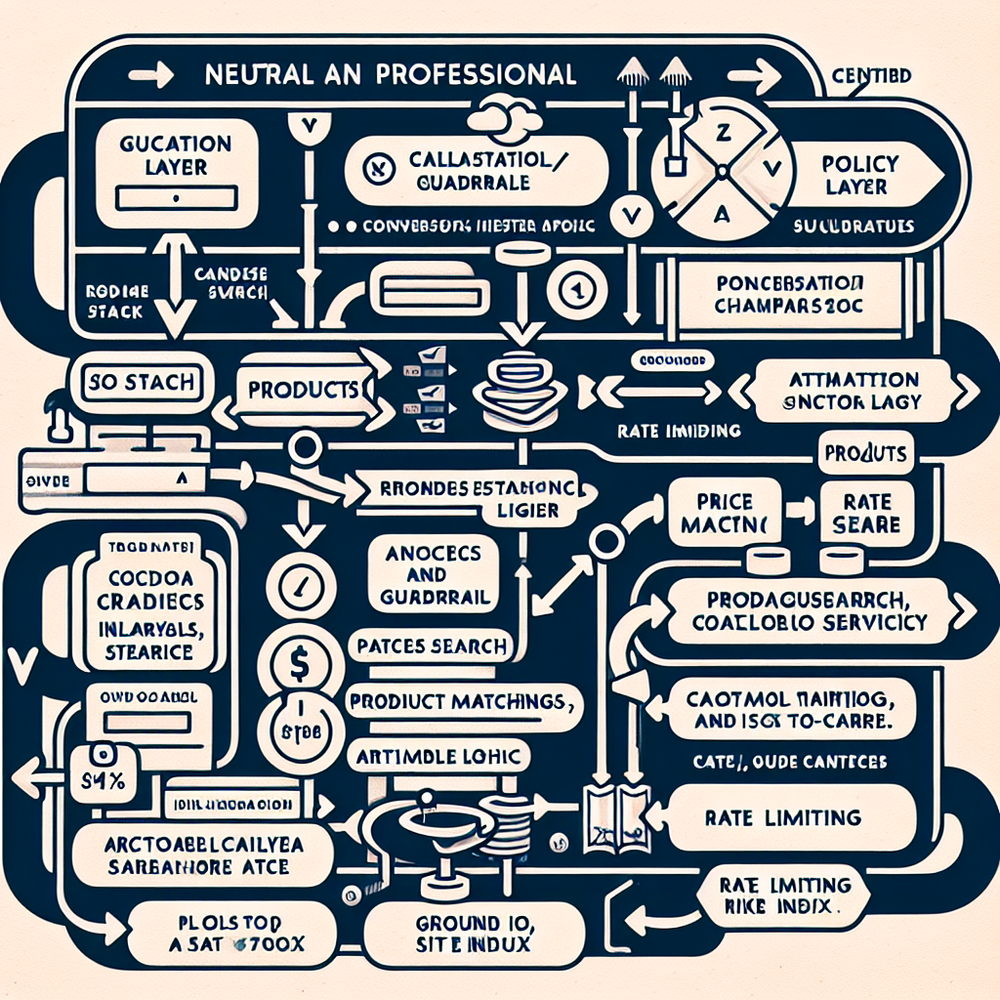
At its core, agentic shopping is a constrained decision engine wrapped in conversation. The agent interprets intent, calls approved tools, reconciles tradeoffs, and proposes next actions. In Brambles, those tools are tightly scoped: search your catalog, match attributes, compare SKUs, and—only when permitted—add to cart or generate affiliate links. This prevents the agent from improvising beyond your data. Guardrails include rate limits, domain whitelists, and policy prompts for tone and disclosure.
Safety also means experience integrity. We use progressive disclosure: the agent summarizes choices, then offers clear actions like “compare two” or “save for later.” Sponsored slots, when used, are labeled and capped. For publishers selling media, this mirrors retail media best practices without hijacking trust. For brands, the same logic prevents upsells from overshadowing fit and requirements. Transparent messaging beats cleverness—every time.
A Practical Brambles Implementation Guide
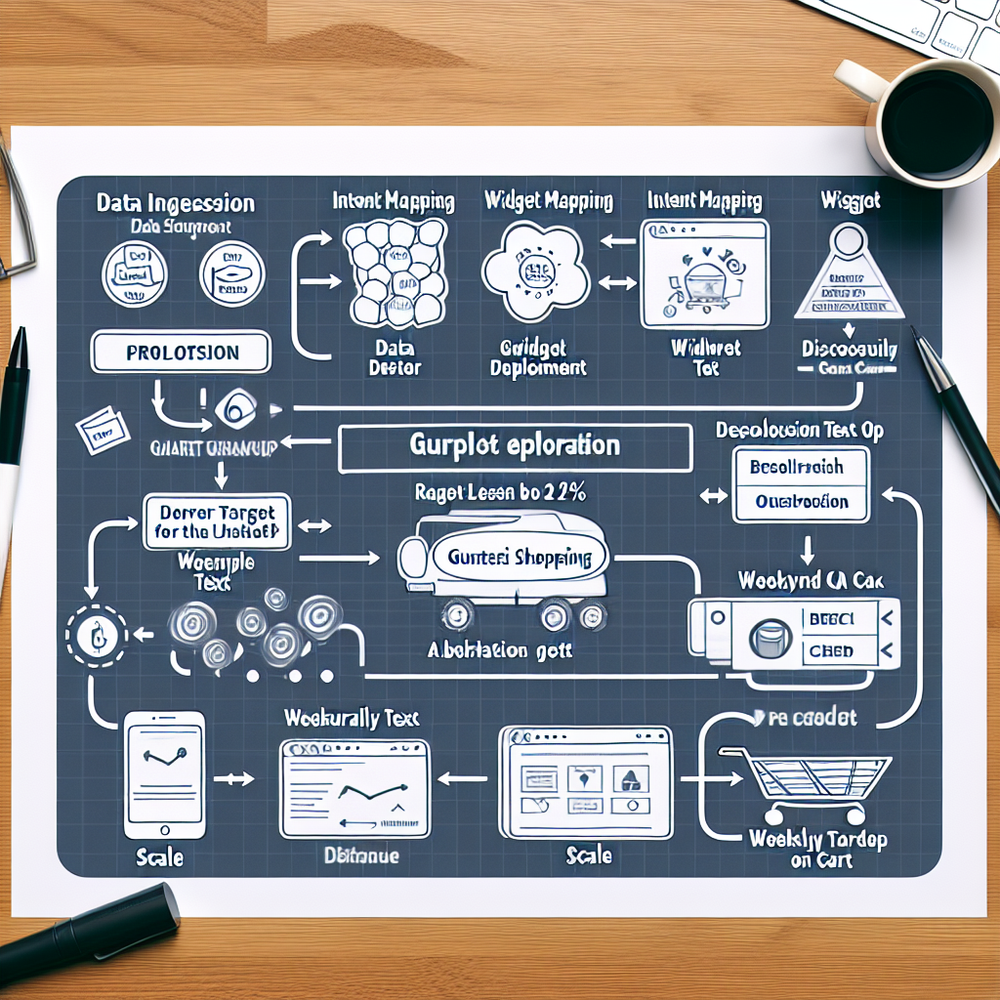
Start small, measure tightly, then scale. Here’s the step-by-step plan we’ve used across launches.
1) Instrument data. Connect your catalog and content so the agent never guesses. Use Brambles’ site indexing to structure attributes (materials, fit, compatibility). 2) Stand up the widget. Deploy the JavaScript module or CMS plugin for a low-friction pilot. 3) Define intents and outcomes. Examples: “find alternatives,” “compare two,” “add to cart,” “where is my order?” Each intent maps to success metrics. 4) Constrain actions. Allow only grounded tools for phase one; disable escalations you can’t monitor yet.
5) Configure the experience. Enable natural language shopping and tune tone to match your brand. Add disclosure copy and sponsored label rules. 6) Wire actions. Let the agent place items directly into the cart from chat for clean attribution, and set a safe max quantity. 7) Launch a 50/50 test. Randomize traffic, measure intent resolution and revenue per session. 8) Expand only when error rates hold steady under your target (e.g., <2% wrong-size or out-of-stock suggestions).
Anecdote: On a 100k‑session apparel site, adding direct add‑to‑cart from chat lifted cart starts by 28% and cut time‑to-first-item by 41%. Another: a publisher piloting commerce content saw affiliate RPM rise 19% when answers appeared inline, with clear disclosure and two non-sponsored alternatives. The pattern is consistent: make good choices easy, label incentives plainly, and ground everything in first‑party data.
Go‑Live Checklist: - Validate attribute coverage (materials, sizes, compatibility). - Set disclosure copy and sponsored caps. - Confirm inventory freshness SLAs. - Define escalation rules to human or traditional search. - Set KPI dashboards for intent resolution, add‑to‑cart, AOV, and RPS. - Prepare a weekly review ritual with sampling of 100 chats for quality.
Measuring ROI and KPIs
Decide what “good” looks like before launch. For commerce pages, we track chat engagement rate, intent resolution, add-to-cart rate from chat, AOV, and revenue per session. For publishers, add affiliate RPM and sponsored CTR. A practical baseline: if chat-to-cart isn’t 15–30% better than control, re-check guardrails and content grounding. We also watch time-to-decision; McKinsey’s research correlates faster confident decisions with higher repeat purchase and lower returns.
Attribution matters. With direct add‑to‑cart from chat, you get clean session stitching. For affiliate models, tag links consistently and set a sensible attribution window. Brambles dashboards segment by intent so you can see whether “compare two” outperforms “find alternatives.” Build an experiment calendar: two changes per week max, run tests to significance, and keep a holdout to catch regression. When ready, map targets to budget using your plan tiers.

First‑Party Data, Trust, and Disclosure
Trust is the currency. We’ve seen conversions jump after adding plain‑English disclosures and brand‑matched tone, even when sponsored slots exist. For publishers, contextual monetization that respects reader intent earns more clicks than aggressive banners; for brands, on‑brand guidance beats hard sell. Make the agent feel like your site, not a bolt‑on assistant: match colors, typography, and voice, and keep answers grounded to your index—not the open web.
How Brambles.ai helps: - Personalize tone with a configurable persona. - Ground results on your content and catalog index. - Automate post‑purchase answers while escalating complex issues. - Keep the interface on-brand without code thrash. The result is practical: less pogo‑sticking, clearer choices, and fewer returns thanks to fit/compatibility checks surfaced in the flow.
Common Pitfalls and a Safety Checklist
The biggest failure modes aren’t exotic—they’re basics missed under launch pressure. Avoid unconstrained actions (like letting the agent browse unaudited sources), over-reliance on raw LLM output, and stale inventory. Give shoppers off‑ramps: search results, classic filters, or a contact path. For monetization, cap sponsored density and always supply at least one non‑sponsored pick. We’ve rescued rollouts that tried to do everything day one and drowned in edge cases.
Safety Checklist: - Actions are tool-scoped and logged. - Inventory freshness <15 minutes. - Disclosure copy and sponsored cap in place. - Error targets defined (<2% wrong-size, <1% OOS). - Weekly chat QA with sampling. - Fallbacks to search/contact configured. Anecdote: tightening an electronics site’s tool scope (no open-web lookups, catalog-only) cut bad suggestions by 73% week over week, while revenue per session climbed 14%.
FAQ
What is agentic shopping in plain terms?
It’s an AI that interprets a shopper’s goal and takes bounded actions—like comparing products and adding one to the cart—under strict rules. Think “guided decisions,” not free-roaming AI.
How do we launch without risking brand trust?
Scope tools to your catalog and content index, add clear disclosures, and keep sponsored placements capped and labeled. Start with a 50/50 test and expand only after error rates stabilize.
Which Brambles features matter most at launch?
Start with AI product discovery for natural language shopping, Content intelligence for grounding, and Direct add to cart for clean attribution. Add Proactive engagement to suggest context-aware starting points.
Does this work for publishers and brands alike?
Yes. Publishers use it to answer commerce questions inside content and drive affiliate/retail media revenue. Brands use it to reduce friction in product selection and checkout. Plans and SLAs differ by need.
What if we need bespoke controls and support?
Go enterprise for custom controls, SLAs, and dedicated support across complex stacks. Our team works with your security, data, and merchandising leads on a safe rollout.
Related resources on Brambles.ai
If you are implementing this, start with publisher pricing, brand pricing, about Brambles.ai, developer docs.
Related posts
View all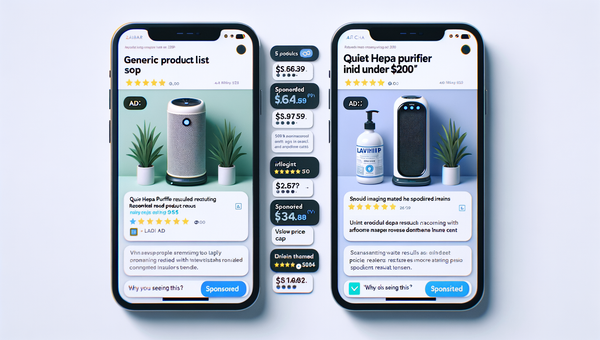
Sponsored Products in AI Shopping: Retail Media 101
Learn how sponsored product placements power AI shopping, how bidding and relevance work, and how to implement retail media without eroding trust or UX.
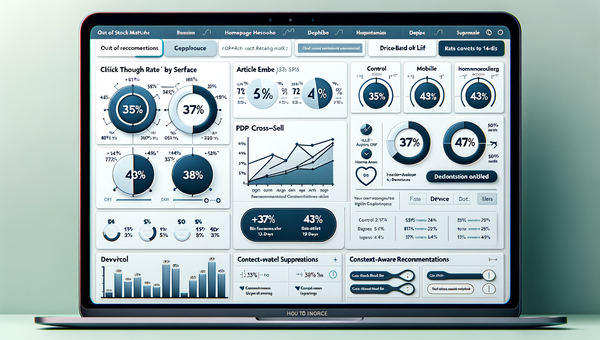
How Context-Aware AI Recommendations Lift CTR
See how context-aware AI recommendations lift CTR by 25–60% with intent signals, page context, and history. Practical steps, KPIs, and implementation tips.
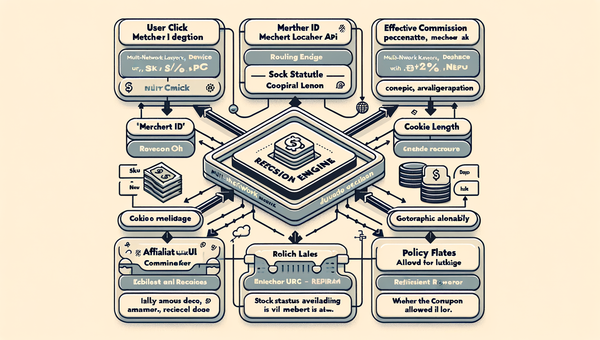
Multi‑Network Affiliate Optimization: Auto Best Rate
Route clicks across affiliate networks automatically to secure the highest commission, lift EPC, and preserve UX—practical tactics, data, and implementation ste
Explore Brambles.ai
Learn more about our AI-powered agentic commerce platform, agentic shopping, and shopping assistance solutions.
Explore More Insights
Discover more articles on AI, automation, and business innovation
View All Articles