Agentic Retail for Mid‑Market Brands: Brambles.ai Playbook
A week-by-week playbook to launch agentic retail for mid‑market brands with Brambles.ai—architecture, KPIs, guardrails, and a field-tested go‑live checklist.
Agentic Retail for Mid‑Market Brands: Brambles.ai Playbook
On a 18‑SKU cosmetics brand we support, a guided agent replaced a cluttered nav and lifted AOV 23% in two weeks while size-related returns fell 11%. An outdoor gear client flipped on comparison intents in the agent (“Which jacket keeps me dry on a 4‑hour hike?”) and PDP conversion rose 18% with no extra ad spend. The pattern is consistent: when shoppers get goal‑oriented help that can act—filter, compare, bundle, add to cart—revenue follows.
This playbook packages what works for mid‑market teams with lean engineering: a pragmatic, 30–45 day path to deploy agentic retail using Brambles.ai. You’ll get architecture choices, guardrail patterns, a go‑live checklist, and the KPIs that actually predict uplift—not vanity chat metrics.
My bias: agents must be grounded in your catalog, policies, and inventory, and they must do things—not just talk. That’s exactly where most attempts stall, and precisely where Brambles.ai’s Commerce Module and voice/brand guardrails help you ship without drama.
Quick Answer
Agentic retail means a shopping assistant that understands goals (“I need a carry‑on under $200”), reasons over your catalog and policies, and takes actions like compare, recommend, and add‑to‑cart. With Brambles.ai, mid‑market brands can go live in 30–45 days: connect the catalog, define allowed actions and guardrails, deploy UI (chat, quiz, or embedded blocks), and instrument KPIs like assisted revenue, conversion lift, and agent‑solved rate. Expect quick wins on PDP engagement and cart adds, then expand to post‑purchase.
What’s Broken for Mid‑Market Retail Teams
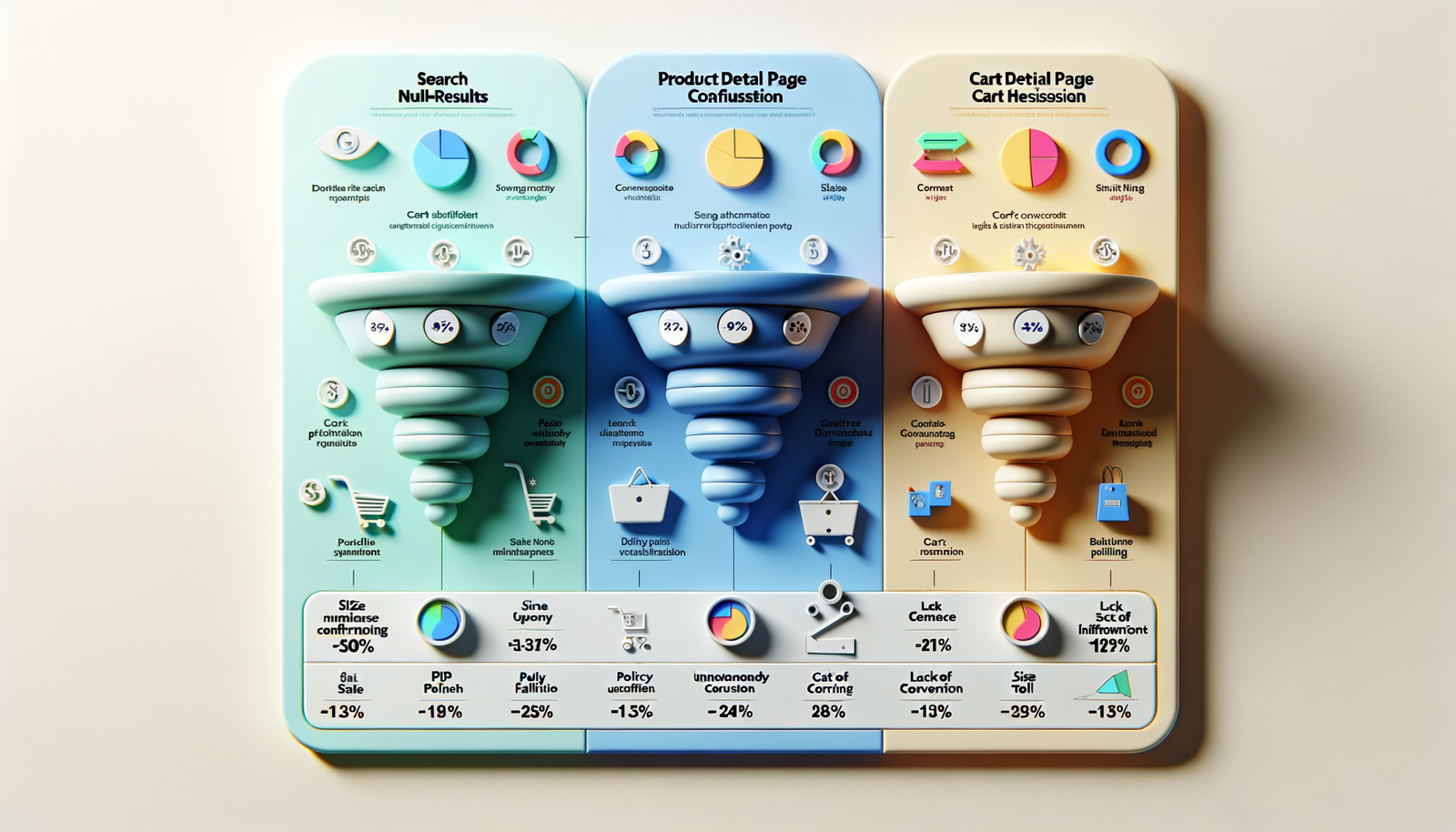
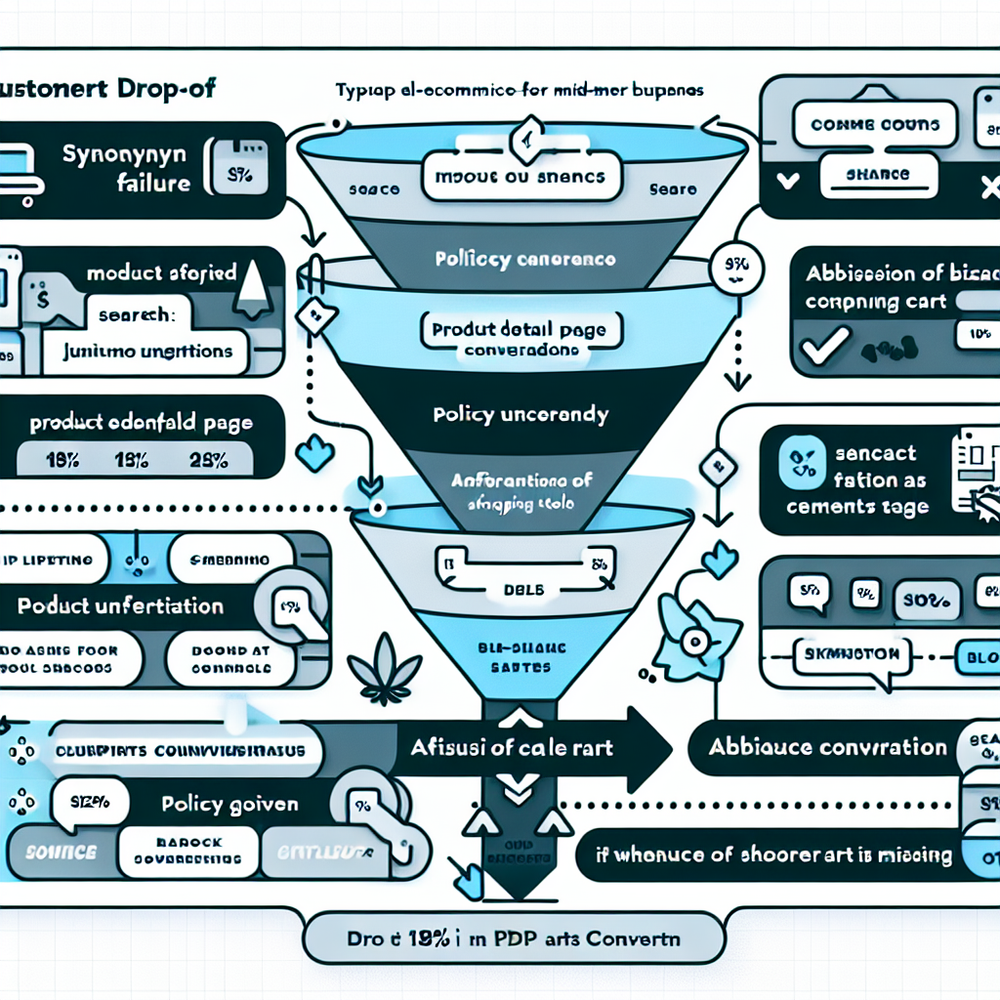
The core issue: shoppers articulate needs, but most sites only match keywords. Baymard’s large‑scale search study shows many retail sites fail product discovery still fail common synonyms and thematic queries, leading to null results and pogo‑sticking (Baymard Institute, Site Search UX, 2023). That wasted intent is low‑hanging fruit for an agent that can reason and act.
Meanwhile, mid‑market stacks are fragmented. Merchandising rules live in spreadsheets, shipping policies live in CMS pages, and inventory lives in the platform. Without a policy layer, assistants hallucinate or say “I’m not sure,” which shoppers interpret as friction. Salesforce reports 88% of customers say experience matters as much as product (Salesforce, Connected Customer, 2023).
Operationally, you’re resource‑constrained. You need value this quarter, not a platform rewrite. That’s why we scope launches to one or two high‑value intents (fit, compatibility, bundling) and a limited action set. On a home goods client, targeting “fit my space” and “what’s included” deflected 27% of pre‑purchase chats and saved ~160 support hours in month one.
How Agentic Retail Works with Brambles.ai
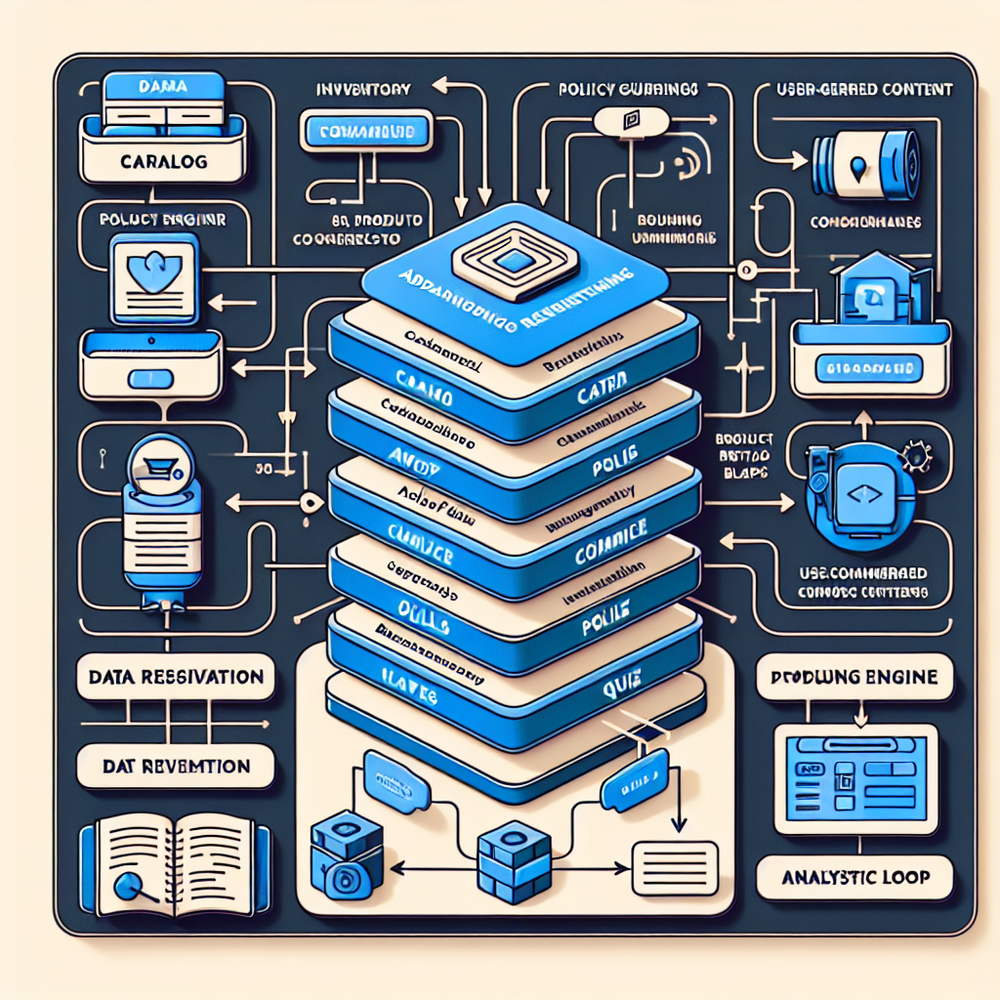
At a high level, Brambles.ai ingests your catalog, policies, and content, builds a product knowledge graph, and exposes safe actions the agent can take. The agent reasons over that graph, cites sources, and executes tools such as compare, filter, bundle, and add‑to‑cart via the Commerce Module.
Grounding is key. We map SKU attributes, compatibility rules, shipping/return policies, and UGC snippets into a retrieval layer. The policy guardrail ensures the assistant only answers from approved sources and gracefully declines out‑of‑scope. Voice controls keep tone on‑brand and compliant for regulated categories.
Surface matters. You can deploy the agent as an on‑site chat, a guided quiz, or embedded blocks on PDPs and collection pages. For content‑driven stores, the Brambles WordPress plugin injects shoppable modules into articles that the agent can control—think “outfit builder” that updates live with size availability.
Implementation Guide: 30–45 Days to Live
You can ship agentic retail in phases. Start narrow, go deep, and measure relentlessly. Here’s a proven path we’ve run for mid‑market teams with <5 engineers.
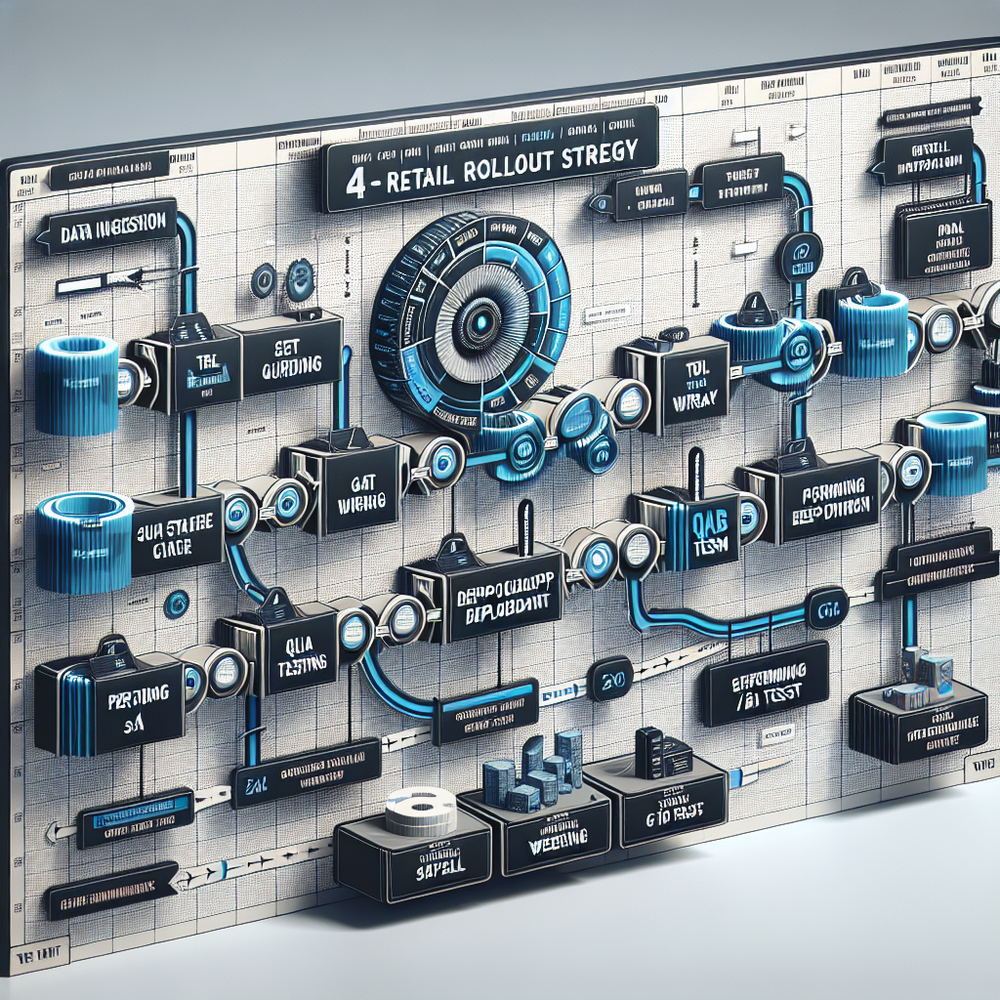
Week 1–2: Connect and ground. Ingest catalog (API or CSV), policies, and FAQs. Map attributes and compatibility. Define tone, disallowed topics, and escalation rules. Stand up a sandbox bot for internal QA with 30–50 canonical prompts covering top intents.
Week 3: Wire actions. Enable compare, filter, and add‑to‑cart via the Brambles Commerce Module. Limit to safe endpoints first (cart add/remove, promo apply). Add event tracking: intent detected, tool executed, cart add, order complete, decline reason. Connect to your ecommerce platform (Shopify/WooCommerce/BigCommerce).
Week 4: Ship and learn. Launch on PDP and collection pages with the agent trigger set to high‑intent behaviors (second size click, scroll depth >50%, dwell >30s). A/B against a holdout. Review “agent‑assisted cart adds” daily; adjust prompts, synonyms, and tool thresholds.
Checklist for go‑live: 1) Approved source list; 2) Guardrails and decline copy; 3) Tool limits and timeouts; 4) SKU coverage >90%; 5) Latency under 2.5s P95; 6) Analytics dashboard with assisted revenue; 7) escalation path to customer service. Ship once this list is green.
Measuring ROI and the KPIs That Matter
If you can’t measure assisted revenue, you’ll under‑invest. Instrument from day one and segment by intent so you can double down on winners.
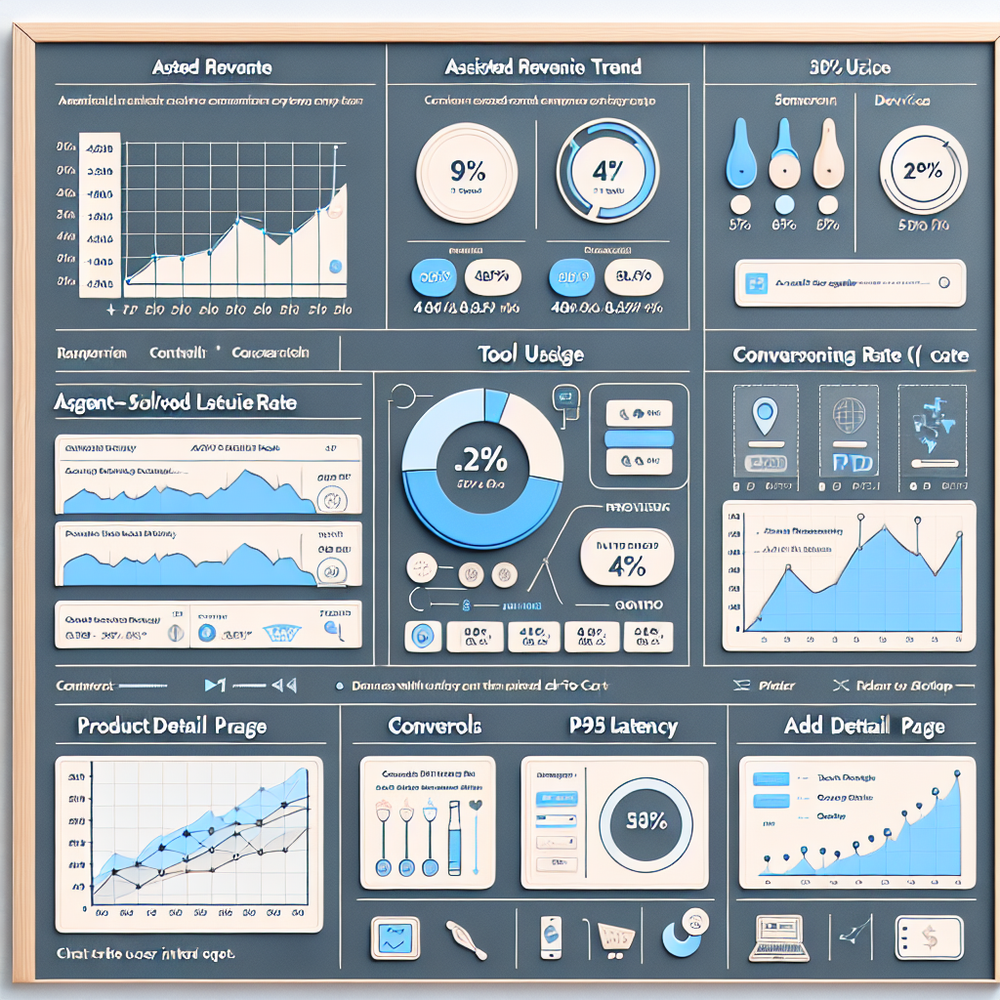
Core metrics: 1) Assisted revenue = orders with agent touch × AOV; 2) Agent‑solved rate = sessions where agent resolved goal without human; 3) Tool execution rate (compare, add‑to‑cart); 4) PDP conversion lift vs. holdout; 5) Time‑to‑value (days to breakeven). For one apparel client (100k sessions/mo), assisted revenue hit 21% of total in month two and paid back the project in 17 days.
Quality signals matter, too: citation coverage (% answers with source links), refusal correctness, and latency. Google research ties slow experiences to higher abandonment; keeping interactive experiences under ~2.5s is a practical target for mid‑market teams (Google UX Research).
First‑Party Data, Zero‑Party Prompts, and Trust
Use the agent to earn—and deserve—first‑party data. The best flows trade value for context: “What’s your inseam?” in exchange for a tailored fit shortlist, or “Which bike rack do you use?” to verify compatibility. McKinsey found 71% of consumers expect personalization and 76% get frustrated when it’s absent (McKinsey, Next in Personalization, 2021).
In Brambles.ai, you can define zero‑party prompts that pipe into attributes and power recommendations, with explicit consent and the option to forget. Keep prompts few and purposeful, store responses with timestamps, and surface a clear “Why this pick?” rationale to build confidence.
For content‑commerce hybrids, our WordPress plugin lets the agent make articles shoppable without dark patterns. Publishers using a similar flow increased article‑to‑cart by 29% while keeping bounce stable; we documented the play in our monetization blueprint.
Common Pitfalls and a Go‑Live Checklist
Most failures trace back to scope creep or weak grounding. Ship a narrow, high‑intent experience with strict sources, then expand.
Pitfalls we see often: 1) Ungrounded answers from unapproved pages; 2) Tool thrash—agent tries multiple actions per turn; 3) Latency spikes from oversized contexts; 4) Policy mismatches (shipping/returns out of date); 5) Over‑triggering the widget.
Solutions: tighten sources, set tool budgets, chunk contexts, sync policies nightly, trigger only on high‑intent behaviors.
Go‑live checklist: - Source whitelist and citation on by default - Decline copy for unknowns - Tool limits (e.g., max 1 compare per turn) - P95 under 2.5s - Event tracking validated - Accessibility checks (tab order, ARIA labels) - Escalation to human with context pass‑through - Post‑launch review at 48 hours.
Future Outlook: From Single Agent to Storefront Team
We’re moving from a single chat bubble to a small team of specialized agents: one for fit, one for compatibility, one for post‑purchase troubleshooting. Each has a tight toolset and a clear goal.
As inventory, pricing, and fulfillment systems expose safer function calls, these agents will coordinate to build bundles, reserve stock, and schedule delivery windows—no human swivel‑chairing needed.
For mid‑market brands, that future is accessible if you start with the playbook above: ground the agent, wire a small set of actions, measure, and iterate. Brambles.ai’s policy layer and Commerce Module exist to de‑risk those first steps and compound results over time.
FAQ
How long does a Brambles.ai rollout really take?
Most mid‑market brands ship a focused MVP in 30–45 days. Complex catalogs or multiple storefronts may add 2–3 weeks for mapping and policy QA. We recommend starting with one or two intents.
Which ecommerce platforms are supported?
Shopify and WooCommerce are most common; BigCommerce works via API. The Commerce Module handles cart actions, promos, and inventory lookups through secure endpoints you control.
How do we keep the assistant on‑brand and compliant?
Use the policy guardrail: define approved sources, tone, disclaimers, and refusal behavior. Add per‑intent validation (e.g., size guides must be cited). Audit logs show exactly why the agent answered or declined.
What results should we expect in quarter one?
Typical early wins: +10–25% PDP conversion on targeted categories, +8–20% AOV from bundling, and 15–30% deflection of pre‑purchase chats. Results vary by catalog quality, traffic mix, and offer strength.
Related resources on Brambles.ai
If you are implementing this, start with Brambles.ai, for publishers.
For deeper reading, see 10 Reasons Publishers Need Conversational Commerce, Affiliate Disclosure in Conversational UIs Done Right, Contextual, Not Creepy: Monetization That Wins, From Search Boxes to Conversations: Modern Shopping UX.
Related posts
View all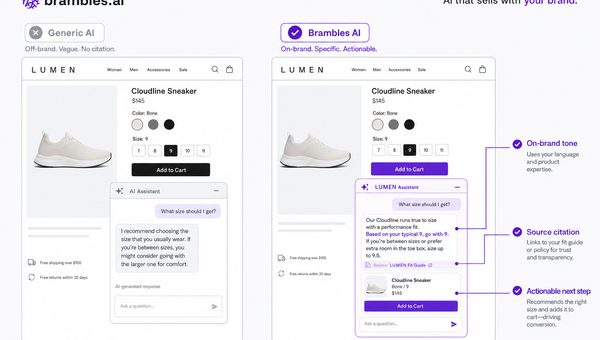
Brand-Consistent AI Chats Build Trust and Conversions
When AI mirrors your brand voice, shoppers relax—questions get answered, carts grow, and support load drops. Learn the playbook to align tone, trust, and ROI.
Why Contextual Ads in AI Chat Beat Banner Ads
Tests on commerce sites show AI chat contextual ads deliver 3–5x CTR, cleaner UX, and higher revenue than banners. See how they work, implement, and measure.
Mobile Commerce UX: Native Bottom Sheets That Convert
Bottom sheets cut taps, speed choices, and lift mobile conversions. Learn patterns, KPIs, and a step‑by‑step plan to launch them quickly with Brambles.ai.
Explore Brambles.ai
Learn more about our AI-powered agentic commerce platform, agentic shopping, and shopping assistance solutions.
Explore More Insights
Discover more articles on AI, automation, and business innovation
View All Articles