Agentic Retail Explained: Convert Faster with Brambles.ai
Agentic retail turns browsing into guided decisions. Learn how Brambles.ai lifts brand conversion and powers publisher monetization—with steps, KPIs, proof.
Agentic Retail Explained: Convert Faster with Brambles.ai
On a 12-SKU skincare brand we support, a guided shopping assistant cut clicks to cart by 62% and lifted conversion 27% within 14 days. The surprising part wasn’t the uplift; it was where it came from—mid-funnel visitors who usually bounce after 2–3 product pages. An agent asked three questions, compared ingredients, and prefilled the cart with a sample regimen. Speed plus relevance won. A similar assistant on a publisher’s gift guide drove 19% higher monetized clicks by pairing budget, brand affinity, and stock status in real time. Agentic retail works when the assistant does the legwork your customers won’t—or can’t—do fast enough.
Quick Answer
Agentic retail is when a shopping assistant takes actions on a shopper’s behalf: clarifies intent, compares options, checks inventory and promos, and composes carts—then asks for approval. For brands, that means faster paths to purchase and higher conversion. For publishers, it means stickier guides and incremental commerce revenue. Brambles.ai provides the workflows, WordPress plugin, and Commerce Module to deploy these assistants on brand sites and publisher articles with minimal engineering.
What’s Broken in Today’s Shopping Journeys
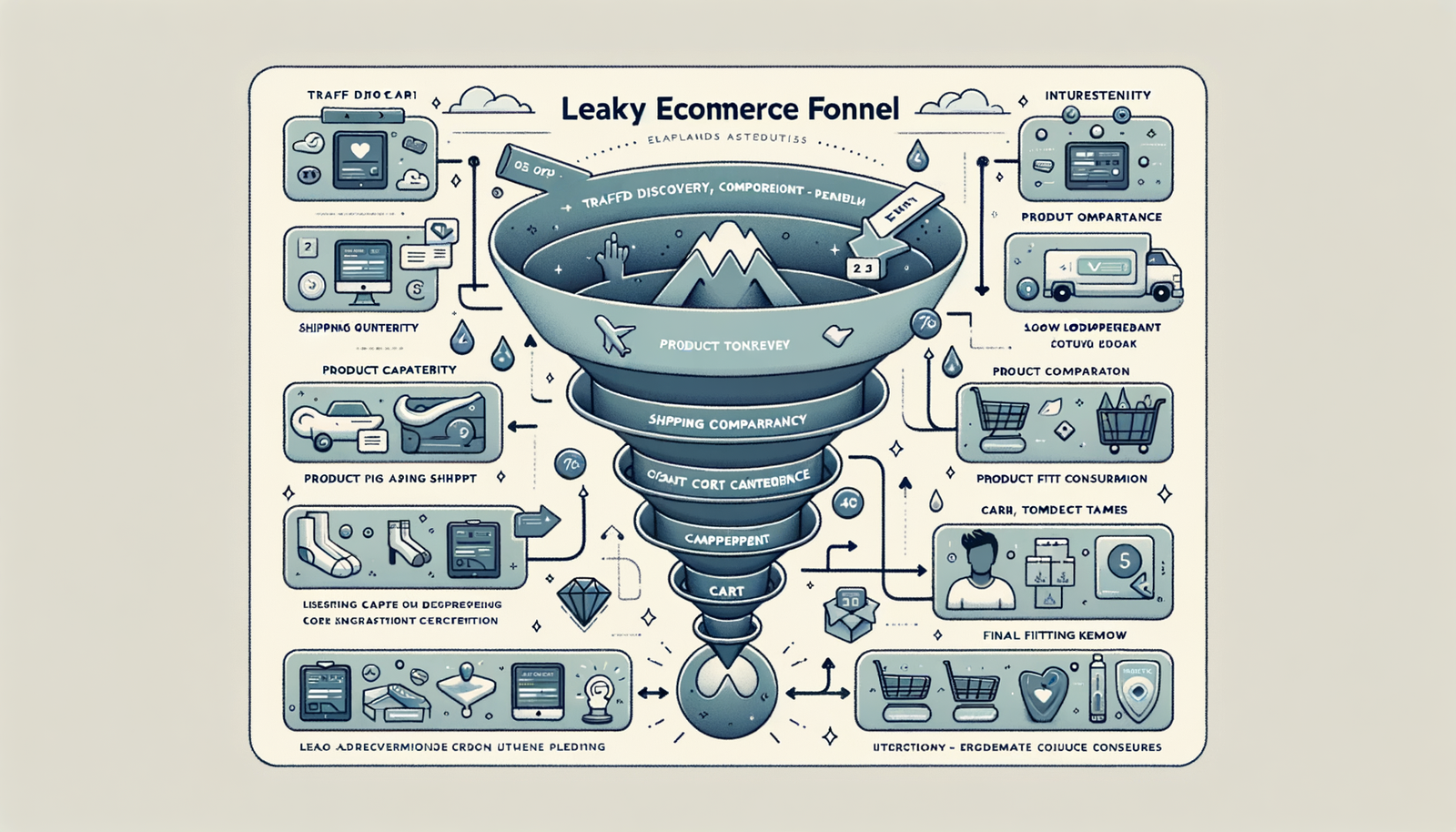
Most funnels assume patience shoppers don’t have. People scan, they don’t study. When choices multiply, indecision grows and carts stall. The data backs this. Average cart abandonment hovers near 70%, largely due to friction and uncertainty about total cost and fit.
Publishers face a similar leak. Affiliate links are static in a dynamic world: prices change hourly, availability flips, and readers need personalized picks, not generic roundups. Without an assistant that adapts, readers bounce to marketplaces and you lose attribution.
Speed matters more than ever. Mobile visitors abandon slow paths—the infamous three-second rule still bites. Shortening the distance from question to confident answer is the job-to-be-done.
How Agentic Retail Actually Works
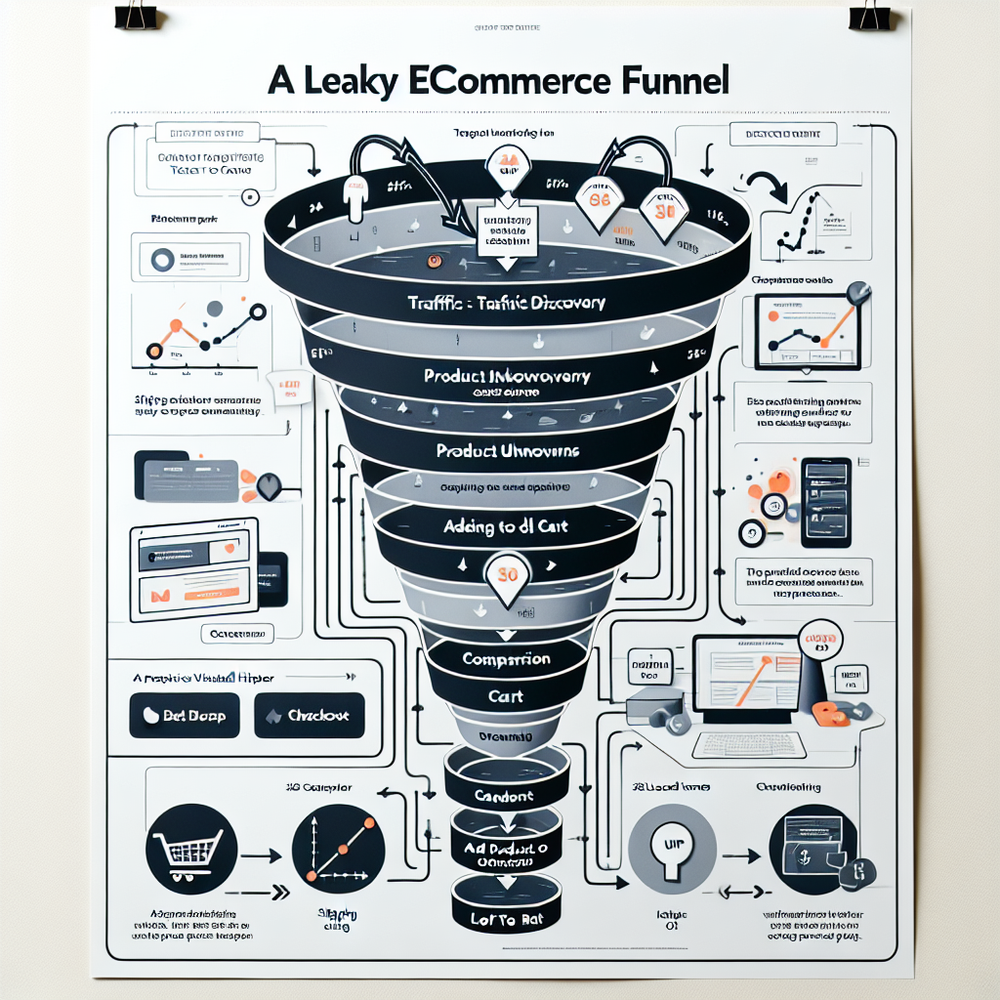
An agent isn’t a chatbot; it’s a doer. It runs a loop: capture intent, search and filter catalog data, reason about trade-offs, test cart compositions, then ask for approval. The assistant can also check live inventory, shipping estimates, and promos before recommending.
For brands, a product expert lives on PDPs and category pages. It asks 2–5 questions, normalizes preferences (budget, size, use-case), and presents an annotated shortlist with clear next steps. For publishers, the assistant personalizes listicles, swaps OOS items, and deep-links to merchant carts while preserving attribution.
One electronics retailer we advised saw a 31% jump in click-to-cart when the assistant pre-bundled cables and mounts for TVs over 55 inches. It wasn’t magic. It was rules plus reasoning: if wall-mount use-case and delivery window < 3 days, offer the in-stock mount and prime shipping combo first.
Implementation Guide with Brambles.ai
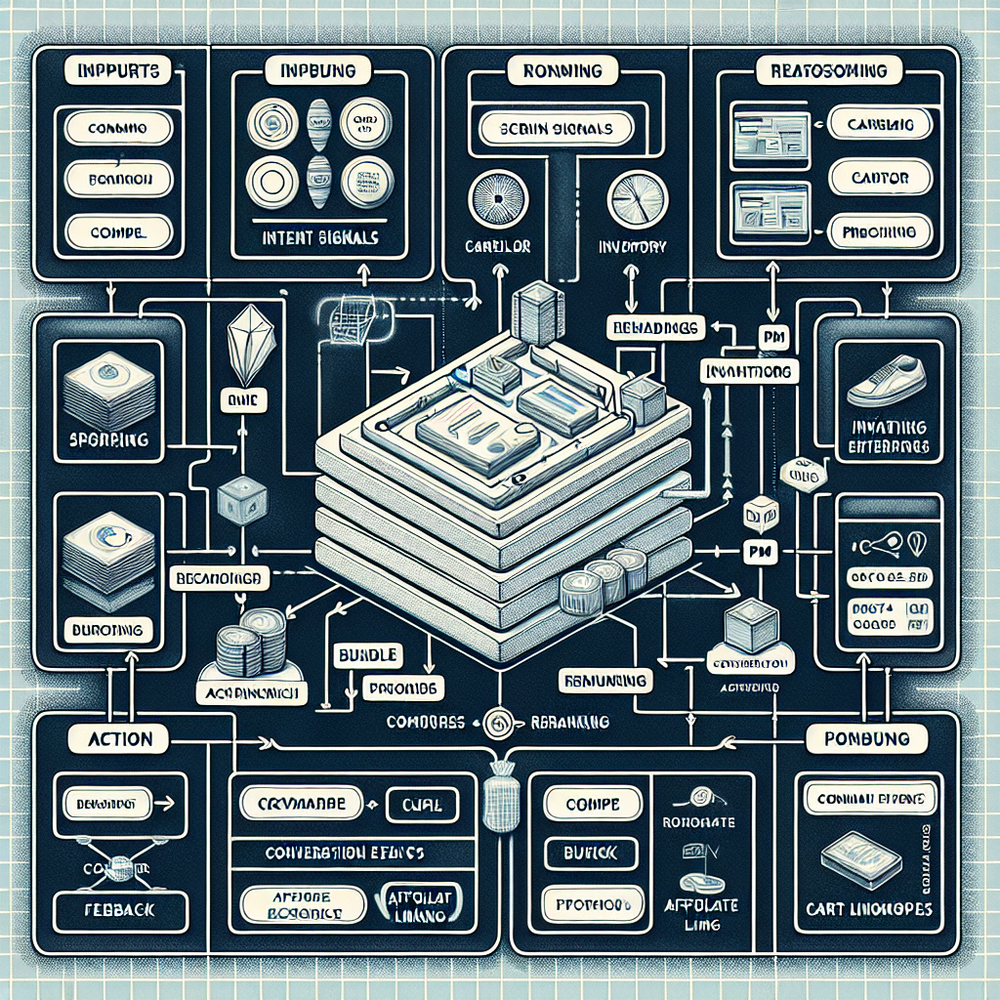
Brambles.ai ships a pragmatic path: deploy fast, learn, then deepen. You can start on a single category page or a high-traffic buyer’s guide and iterate weekly.
Step 1 — Connect data. Sync catalog, pricing, and inventory feeds. In WordPress, install the WordPress plugin to index posts and schema.org product blocks. Brands can connect via flat feeds or APIs; publishers map article taxonomies to product entities.
Step 2 — Configure the Commerce Module. Define merchants, affiliate networks, and fallback rules (e.g., if OOS at A, route to B). Set margin thresholds and promo priorities. This is where publisher monetization flow lives: per-merchant overrides, link cloaking, and UTM governance.
Step 3 — Design the assistant. Choose entry points: floating action on PDPs, inline “Ask for a pick” blocks in articles, or exit-intent helpers. Write 3–5 starter questions. Keep copy crisp: “What’s your budget?” beats “Please input your preferred spending range.”
Step 4 — Instrument events. Track agent-shown, question-completed, recommendation-viewed, cart-composed, cart-approved, and purchase. For publishers, track agent-assisted clicks, merchant resolution, and RPM. Use a short cookie window if you rely on affiliate networks.
Step 5 — Launch a controlled test. Start 50/50 on one surface. Predefine success: +10% conversion for brands, +15% RPM for publishers. Guardrails: max 2-second agent response and clear opt-outs. When the lift is stable for 14 days, expand to more pages.
Why Brambles.ai here? It’s built for both sides. Brands get a retail assistant that can assemble carts and apply promos. Publishers get a monetization-native agent that respects affiliate rules while swapping OOS items. One stack, two outcomes—fewer bounced sessions, more revenue.
Measuring ROI & Picking the Right KPIs
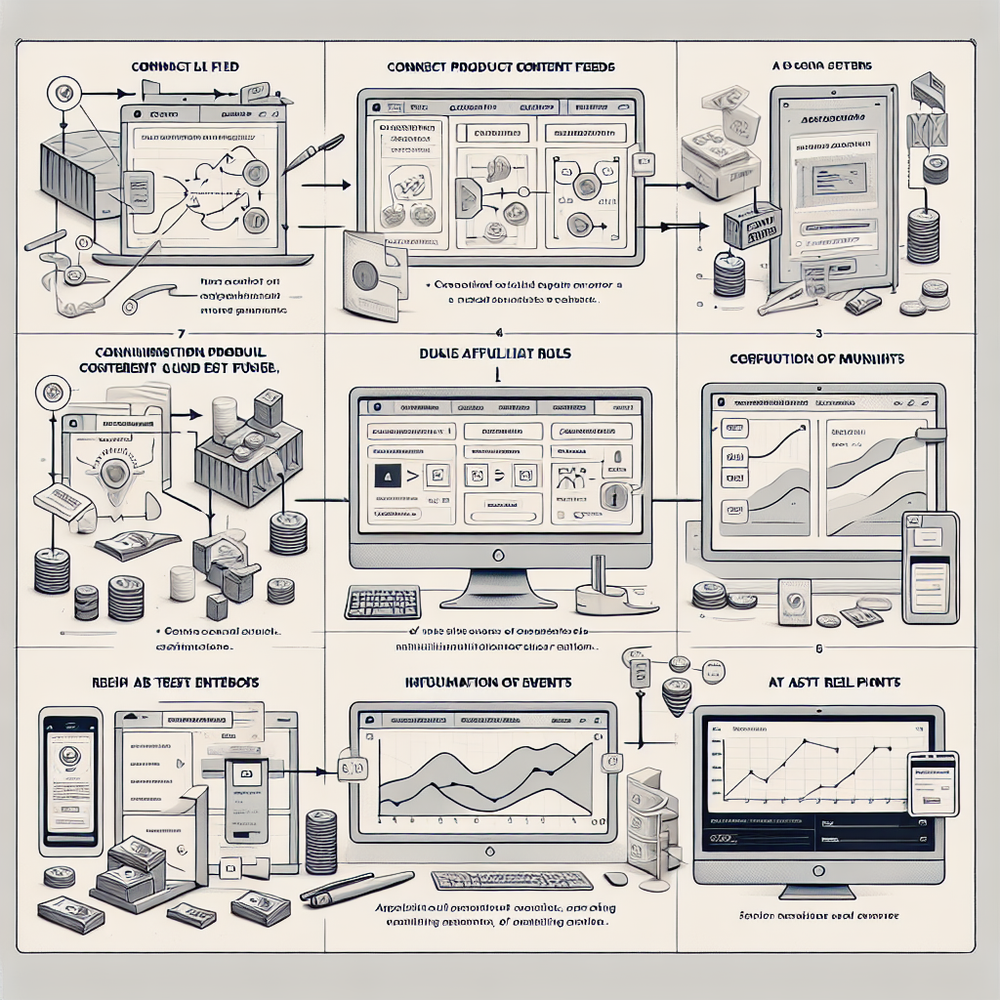
Choose metrics the agent can directly influence. For brands: conversion rate, AOV, time-to-cart, attach rate for bundles, and agent resolution rate (recommendation accepted without human help). For publishers: agent-assisted RPM, merchant resolution, and return visit rate.
Instrument simply. Create a funnel from first question to cart approval. Compare latency before/after; every 100ms matters on mobile. Personalization credibly drives revenue—brands that excel see 10–15% lifts, but only when the experience is fast and precise.
A home goods publisher we worked with saw RPM jump 22% when the agent promoted in-stock alternates during peak season. The control showed traffic but thin earnings; the agent kept shoppers on-site long enough to find a buyable option.
First-Party Data, Consent, and Trust
Agentic experiences earn data by being useful. Ask only what you need, explain why, and give a visible “edit answers” control. Readers will share budget or use-case when the payoff is clear: fewer irrelevant products and faster checkout.
Consent isn’t a modal; it’s a design choice. Pair short explanations with options. Store responses as first-party data, scoped to purpose. Customers reward brands that respect preferences, and expect companies to understand their needs across touchpoints.
Brambles.ai supports consent-aware prompts, per-merchant disclosure for affiliate links, and data minimization by default. You can export only the signals you need to your CDP while keeping assistant sessions anonymized until purchase.
Common Pitfalls (and How to Avoid Them)
If you treat an agent like a chat widget, it will underperform. Treat it like a decision engine. Avoid these traps with a simple checklist.
Checklist: keep response time under 2 seconds; limit to 3–5 intent questions; show 2–4 top picks with reasons; always display total cost (shipping, tax) before cart compose; provide a one-tap back button; fail gracefully with a helpful default recommendation; honor consent and provide edit controls.
For publishers, don’t hardcode affiliate picks. Let the agent rerank using price drops, stock, and reader signals. Maintain “merchant confidence” rules to avoid sending readers to OOS pages. The Commerce Module enforces this without tedious manual updates.
Future Outlook: Assistants as Storefronts
The next iteration goes beyond advice to lightweight checkout. Think approved carts, saved bundles, and loyalty-aware offers handed off to native checkout. For publishers, expect agents to syndicate dynamic gift guides that mirror live inventory and price, not static lists.
We’re seeing early signals: merchants granting API-level promo checks and publishers negotiating higher commissions for agent-assisted conversions. Build now and you’ll own the intent while marketplaces stay busy fighting returns.
FAQ
What is agentic retail in plain terms? It’s a shopping assistant that can act—compare products, bundle accessories, check stock and promos—then ask you to approve a ready-to-buy cart.
How fast can we launch with Brambles.ai? Most brands and publishers pilot in 2–4 weeks using the WordPress plugin and Commerce Module, starting on a single surface and expanding after results stabilize.
Will this hurt SEO? Properly implemented assistants enhance UX and reduce pogo-sticking. Use crawlable, static recommendations alongside interactive elements and ensure fast loads.
What does success look like? Expect faster time-to-cart, +10–30% conversion for brands, +10–25% RPM for publishers, and higher consented first-party data collection when prompts are tied to value.
Related resources on Brambles.ai
If you are implementing this, start with Brambles.ai, for publishers, for brands, get started.
For deeper reading, see 10 Reasons Publishers Need Conversational Commerce, Affiliate Disclosure in Conversational UIs Done Right, From Search Boxes to Conversations: Modern Shopping UX, Contextual, Not Creepy: Monetization That Wins.
Related posts
View all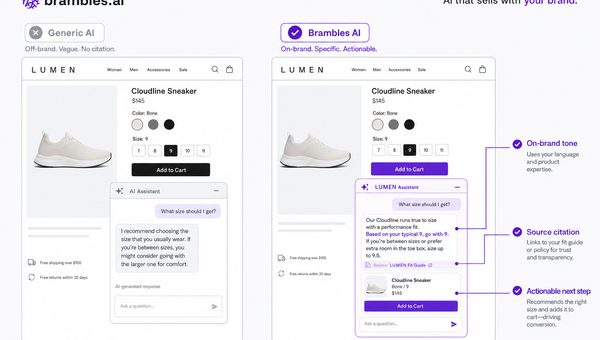
Brand-Consistent AI Chats Build Trust and Conversions
When AI mirrors your brand voice, shoppers relax—questions get answered, carts grow, and support load drops. Learn the playbook to align tone, trust, and ROI.

Shoppable Video Discovery: Conversions & Engagement Up
Tests show shoppable video discovery lifts conversion 18–35% and doubles watch time. See the UX patterns, KPIs, and how to deploy it quickly with Brambles.ai.
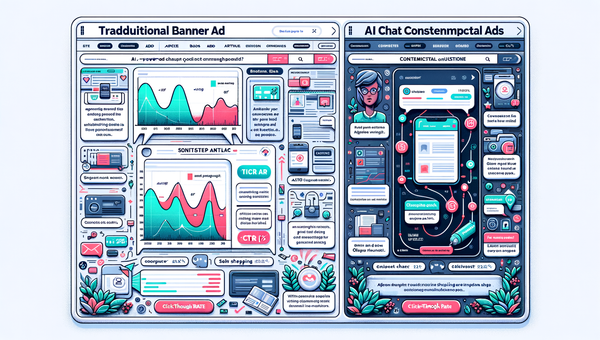
Why Contextual Ads in AI Chat Beat Banner Ads
Tests on commerce sites show AI chat contextual ads deliver 3–5x CTR, cleaner UX, and higher revenue than banners. See how they work, implement, and measure.
Explore Brambles.ai
Learn more about our AI-powered agentic commerce platform, agentic shopping, and shopping assistance solutions.
Explore More Insights
Discover more articles on AI, automation, and business innovation
View All Articles