Agentic Commerce Playbook for Affiliate Publishers
A field-tested playbook to turn affiliate content into agentic, shoppable experiences. Steps, KPIs, pitfalls, and a Brambles.ai implementation that scales.
Agentic Commerce Playbook for Affiliate Publishers
Two weeks before a major shopping holiday, we replaced static affiliate links on a 220k-session gear review site with price-aware buttons and a real-time stock checker.
Earnings per click rose 37% in 14 days, and the returns rate dropped 11% because readers stopped buying out-of-stock alternates. That was our “agentic” moment: content that acts on behalf of the reader, not just points at a merchant.
If you run an affiliate newsroom today, you already know the ceiling: great content that’s hamstrung by stale prices, missed deep links, and generic CTAs. The fix isn’t more words; it’s agents—lightweight services that fetch, compare, and personalize buying paths. This playbook shows how to build those experiences, measure the lift, and ship them safely without slowing editors down.
Quick Answer
Agentic commerce makes affiliate content act on user intent in real time—checking price and stock across merchants, routing to the best deep link, and adapting CTAs to context. Publishers implement it by adding a product entity layer, wiring price/stock APIs, and inserting dynamic UI blocks (compare tables, “best price” buttons, alerts). Expect faster paths to purchase and higher EPC. Brambles.ai streamlines this with a WordPress plugin and a Commerce Module that orchestrate data, routing, and reporting without custom plumbing.
What’s Broken in Affiliate Today
Three friction points cap revenue: stale data, weak UX, and blunt routing. Price goes out of date fast; stock disappears even faster. Users click, hit an OOS page, and bounce—your cookie never fires. Baymard Institute reports that 58% of abandonments stem from avoidable UX issues, many tied to trust and clarity at the moment of purchase (Baymard, 2023).
On the page, generic CTAs don’t help readers decide. Google UX Research has shown that clarity and perceived control drive action; vague buttons and hidden alternatives do the opposite (Google UX Research). Add in blunt affiliate routing—sending everyone to the same retailer regardless of geography or stock—and you’ve got wasted clicks.
We’ve seen it first-hand. On a 100k-session home goods guide, a simple merchant availability widget lifted CTR to in-stock offers by 22% and cut dead-link exits by 39%. On a tech deals hub, rotating “best price” by region increased revenue per session by 18% during a single promo week.
How Agentic Commerce Works
Agentic commerce layers tiny, purposeful services on top of your content. Think of them as smart helpers that evaluate context (region, device, inventory, historic propensity) and update UI and routing in real time. They don’t rewrite your editorial voice; they upgrade the handoff from guidance to purchase.
Core agents typically include: price tracking, stock monitoring, deep-link resolver, merchant score/rank, and geo-aware fallback. Together they power elements like live comparison tables, “best price” badges, back-in-stock alerts, and multi-merchant CTAs. McKinsey notes that relevant, in-the-moment personalization can drive 10–15% revenue lift; we routinely see that realized when agents control the last mile (McKinsey, 2021).
For affiliate ops, the magic is orchestration. The system picks the right merchant based on price, availability, and partner terms; swaps deep links safely; and logs each decision for auditing. That last part matters when a reader asks why you recommended Store B over Store A. Agents turn judgment calls into documented rules.
Implementation Guide with Brambles.ai
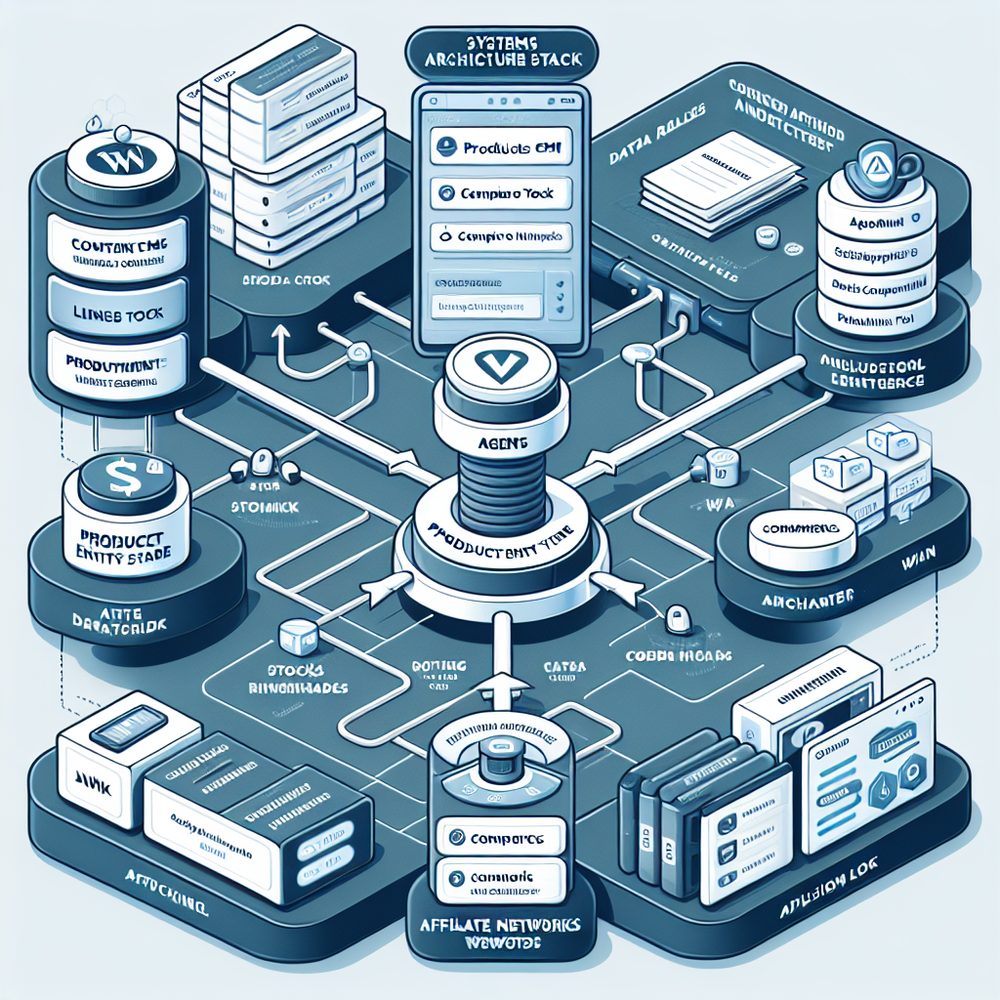
Brambles.ai removes the plumbing so editors can ship agentic experiences in minutes, not sprints. Its WordPress plugin adds product discovery and smart blocks; the Commerce Module handles price/stock checks, affiliate routing, and decision logs. Here’s the step-by-step flow we use with publisher teams.
Step-by-step setup: 1) Audit top 50 URLs by revenue and identify “decision moments.” 2) Install the Brambles WordPress plugin and connect your affiliate networks (Awin, Impact, CJ, Skimlinks). 3) Import products into the entity library; map GTINs, MPNs, and canonical names. 4) Enable agents: price tracker, stock monitor, geo-routing, and merchant scoring. 5) Drop in UI blocks—comparison table, multi-merchant CTA, price history badge—where readers make decisions. 6) Configure guardrails (e.g., do not replace editorial picks, respect regional compliance). 7) Launch to 10–20% of traffic. 8) Review decision logs and adjust rules weekly.
Practitioner note: On a camera review site, enabling geo-routing plus a “used vs new” price card added 29% AOV on refurbished clicks while keeping return rates stable. We only rolled it wide after logs showed 95% rule confidence for EU readers.
Preflight Checklist (Editors & Devs)
- Editorial: Define what agents can and cannot change; set style for badges and disclosures. - Data: Verify GTIN/MPN coverage >70% for SKUs you feature. - UX: Place the first actionable CTA above the fold; ensure an obvious secondary merchant. - Legal: Show affiliate disclosures and price accuracy notes. - Performance: Lazy-load tables; prefetch deep links. - QA: Track a control group for 14 days before full rollout.
Where Brambles.ai fits: The publisher monetization flow centralizes product entities and logs every agent decision, so you can explain recommendations to readers and advertisers. If you also manage merchant-side partnerships, the brand/retail assistant flow can mirror the same rules for paid placements, keeping organic and paid consistent without breaking disclosures.

Measuring ROI & KPIs
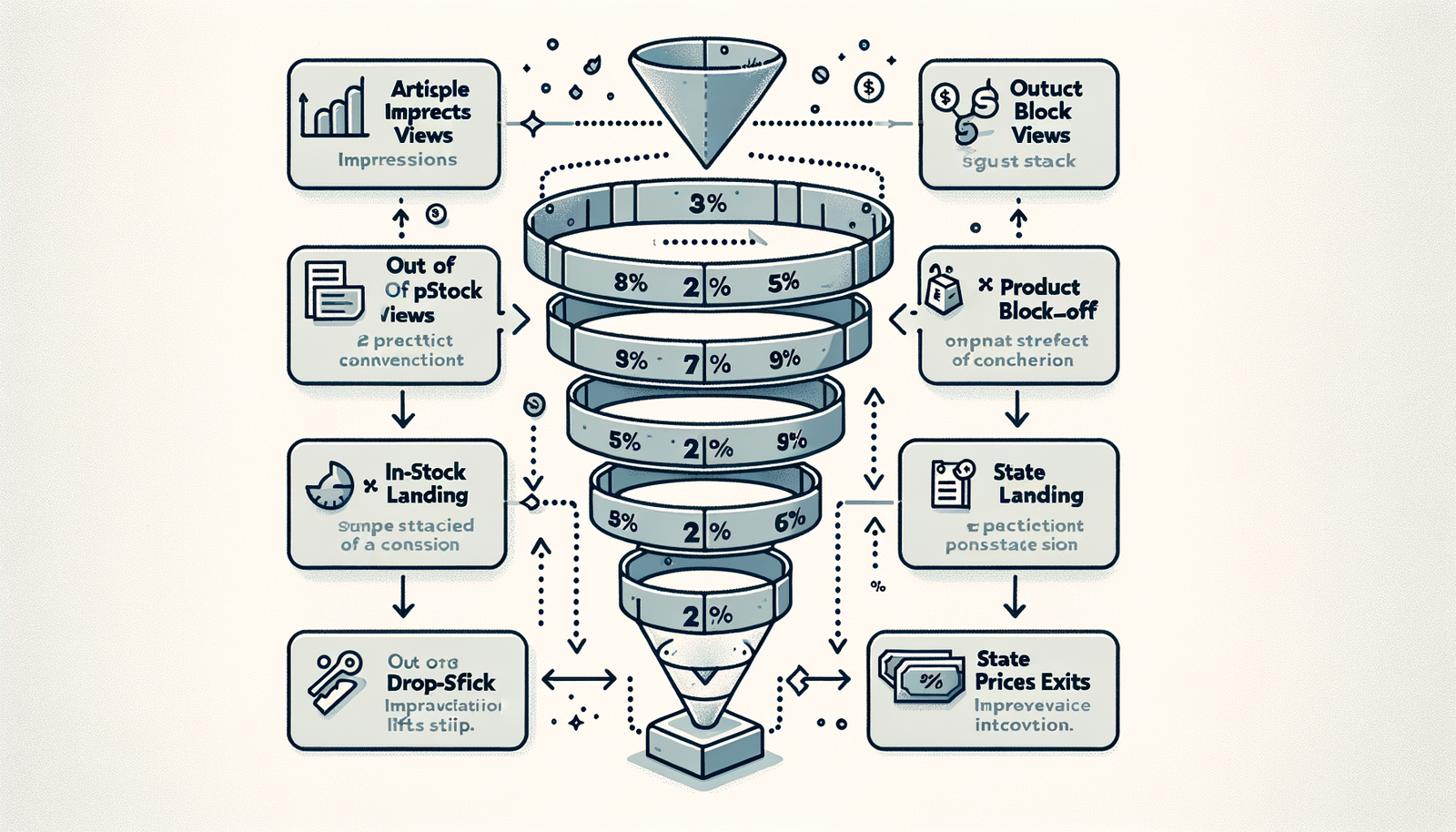
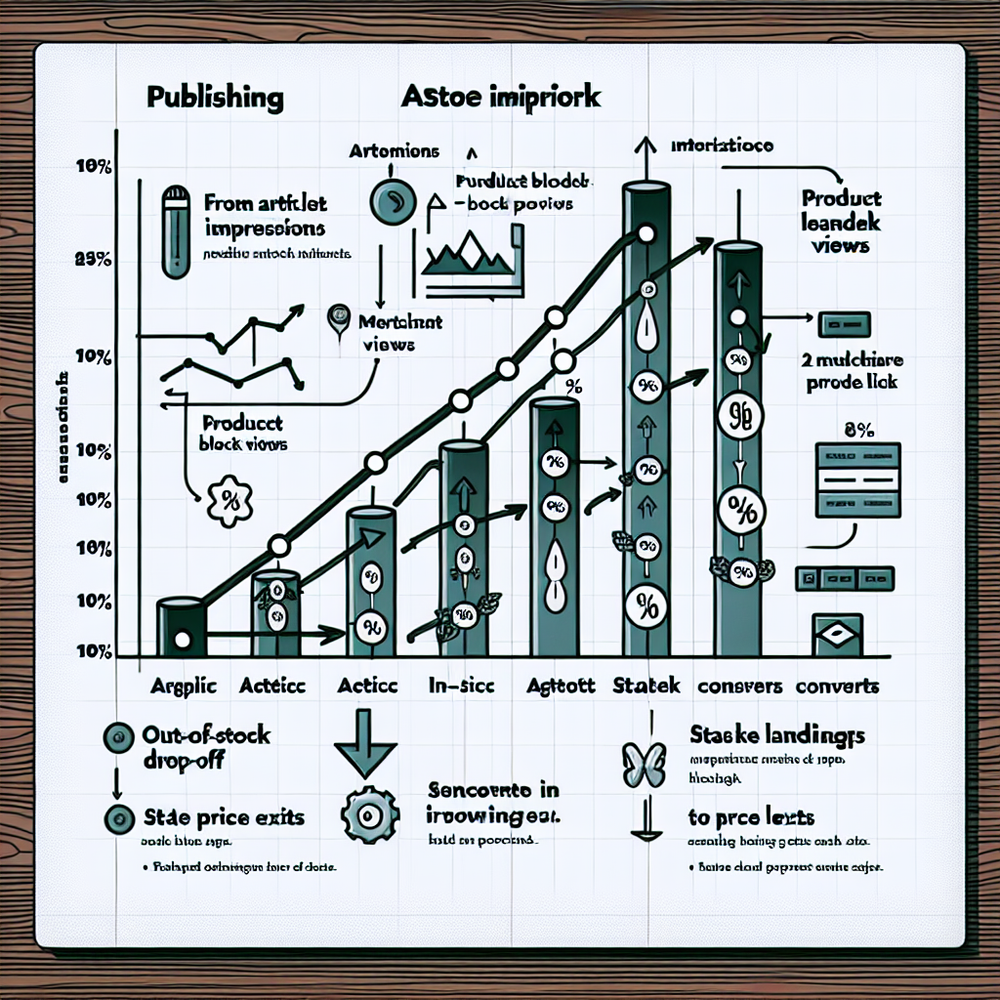
You can’t manage what you can’t measure. Track performance at four layers: 1) Block-level CTR (views to clicks), 2) In-stock landing rate (clicks to viable PDP), 3) Merchant conversion, 4) Revenue per session (RPS) and EPC. Tie each agent to deltas on those metrics, not just overall revenue.
Baseline, then attribute lift. Example formula: Agent Lift = (RPS_variant – RPS_control) / RPS_control. When we rolled out “best price” badges on a lifestyle site, block CTR rose 19%, in-stock landings rose 24%, and net EPC improved 15%. We validated against a holdout group to avoid promo skew.
Centralize truth. Salesforce’s Connected Customer data shows 73% of consumers expect consistent experiences across touchpoints. If your on-site prices don’t match the clickthrough experience, trust erodes and conversion lags. Keep a shared decision log and reconcile it weekly with affiliate network reports to spot leakage or broken deep links.

First-Party Data & Trust
Agentic commerce works best when readers trust your recommendations and share lightweight preferences. Use first-party signals—preferred retailers, price thresholds, and brand exclusions—to personalize without creepiness. Offer a “notify me if price drops below $X” control; that’s value, not surveillance.
From a compliance angle, make consent choices visible and revocable. Pair each dynamic element with a clear disclosure: which merchants you monetize, how prices are refreshed, and your conflict-of-interest policy. Google’s own research notes that transparent value exchange sustains engagement over time.
Brambles.ai simplifies consent-aware personalization by scoping agents to allowed data and letting editors toggle features per article. For teams expanding commerce into newsletters or microsites, the same product entities and routing rules apply—no content fork. See our publisher features and decide where to start.
FAQ
What content types benefit most from agentic commerce?
Buying guides, long-term reviews, and deal hubs see the biggest lift because readers arrive with purchase intent. Comparison tables, price histories, and geo-aware CTAs perform especially well on evergreen guides that rank in organic search.
Will agentic elements slow down my pages?
Not if implemented correctly. Load static content first, then hydrate dynamic blocks via lightweight scripts. Brambles’ WordPress plugin lazy-loads price/stock checks and caches results to avoid layout shifts.
How do I keep editorial integrity while optimizing revenue?
Create guardrails: agents can suggest merchants but never reorder editorial picks; every dynamic change is logged; disclosures appear near CTAs. Brambles’ decision logs make reviews auditable, preserving trust while improving outcomes.
What does rollout typically cost and how fast is payback?
Most teams ship a pilot in under two weeks and reach payback within 1–2 months if they start with their top-earning URLs. See plan details and book a quick scoping call to estimate impact on your catalog.
Related resources on Brambles.ai
If you are implementing this, start with Brambles.ai, for publishers, for brands, get started.
For deeper reading, see 10 Reasons Publishers Need Conversational Commerce, Affiliate Disclosure in Conversational UIs Done Right, From Search Boxes to Conversations: Modern Shopping UX, Contextual, Not Creepy: Monetization That Wins.
Related posts
View all
Shoppable Video Discovery: Conversions & Engagement Up
Tests show shoppable video discovery lifts conversion 18–35% and doubles watch time. See the UX patterns, KPIs, and how to deploy it quickly with Brambles.ai.
Multi‑Network Affiliate Optimization: Auto Best Rate
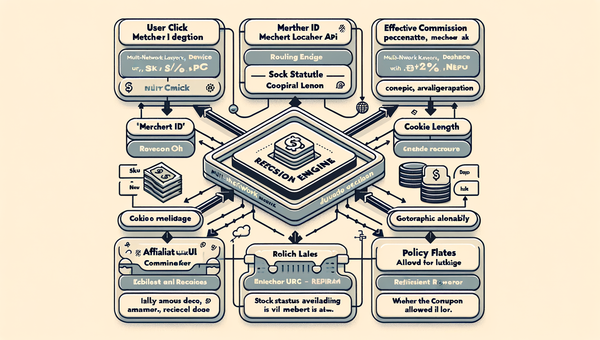
Route clicks across affiliate networks automatically to secure the highest commission, lift EPC, and preserve UX—practical tactics, data, and implementation ste
How AI Handles Order Lookup, Returns, and Shipping 24/7
See how AI resolves order lookups, returns, and shipping questions 24/7, deflects tickets, and lifts CSAT—plus a step‑by‑step guide to implement it safely.
Explore Brambles.ai
Learn more about our AI-powered agentic commerce platform, agentic shopping, and shopping assistance solutions.
Explore More Insights
Discover more articles on AI, automation, and business innovation
View All Articles