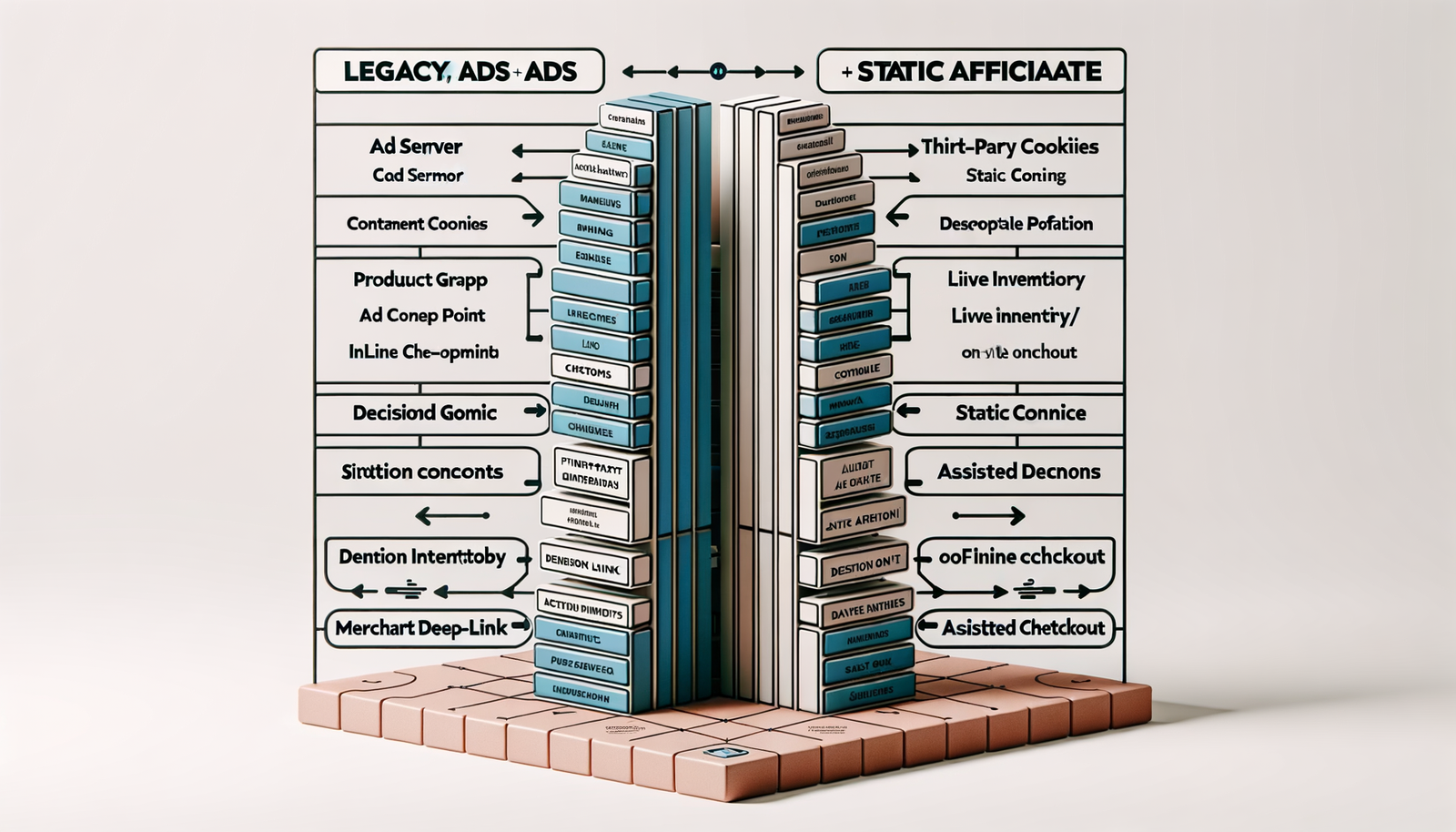
Agentic Commerce: No-Ads Monetization for Publishers
Publishers are replacing ads with agentic commerce—context-aware buying guidance that converts on-page. See the stack, KPIs, and implementation steps that work.
Two weeks after we swapped static affiliate links for an on-page agent on a 1.2M monthly-session gear review site, revenue per thousand pageviews (RPM) jumped from $16 to $28 (+75%). Time-on-task dropped 22% because readers didn’t bounce to compare on other sites—the agent did the comparison in-line, then deep-linked to the best in-stock merchant. That was the moment it clicked: we weren’t adding promos; we were adding decision help.
A recipe publisher saw something similar. By letting an agent assemble an ingredient cart across three grocers, we drove a +12% drop in bounce rate and +$11 affiliate revenue in a 50k-session test. A national news brand’s gift guides ran a buy-assistant variant and recorded a 2.3x lift in exit clicks-to-purchase compared with top affiliate roundups. None of these wins relied on page-takeover ads or sponsored wallpaper—just context-aware, buyer-first experiences.
What’s Broken with Ads and Links Today
Display CPMs are unpredictable, third-party cookies are shrinking, and affiliate programs leak revenue through tracking hiccups and out-of-date links. We routinely audit content libraries where 15–30% of commercial links point to out-of-stock SKUs or outdated pricing—wasted intent. Readers feel the seams: click out, compare, bounce, forget. Baymard Institute continues to peg average cart abandonment near ~70%, and every unnecessary redirect or dead end compounds that loss.
The deeper issue is experience debt. Articles answer “what,” but shoppers still need the “which one, from where, at what total cost, right now?” Traditional affiliate blocks can’t check product discovery, shipping cutoffs, or loyalty benefits. Meanwhile, page speed budgets get torched by ad scripts; Google’s research has long shown that slow loads crater engagement (e.g., mobile users abandon when load exceeds ~3 seconds). Publishers need revenue that respects readers’ time, not banners that tax it.
How Agentic Commerce Actually Works
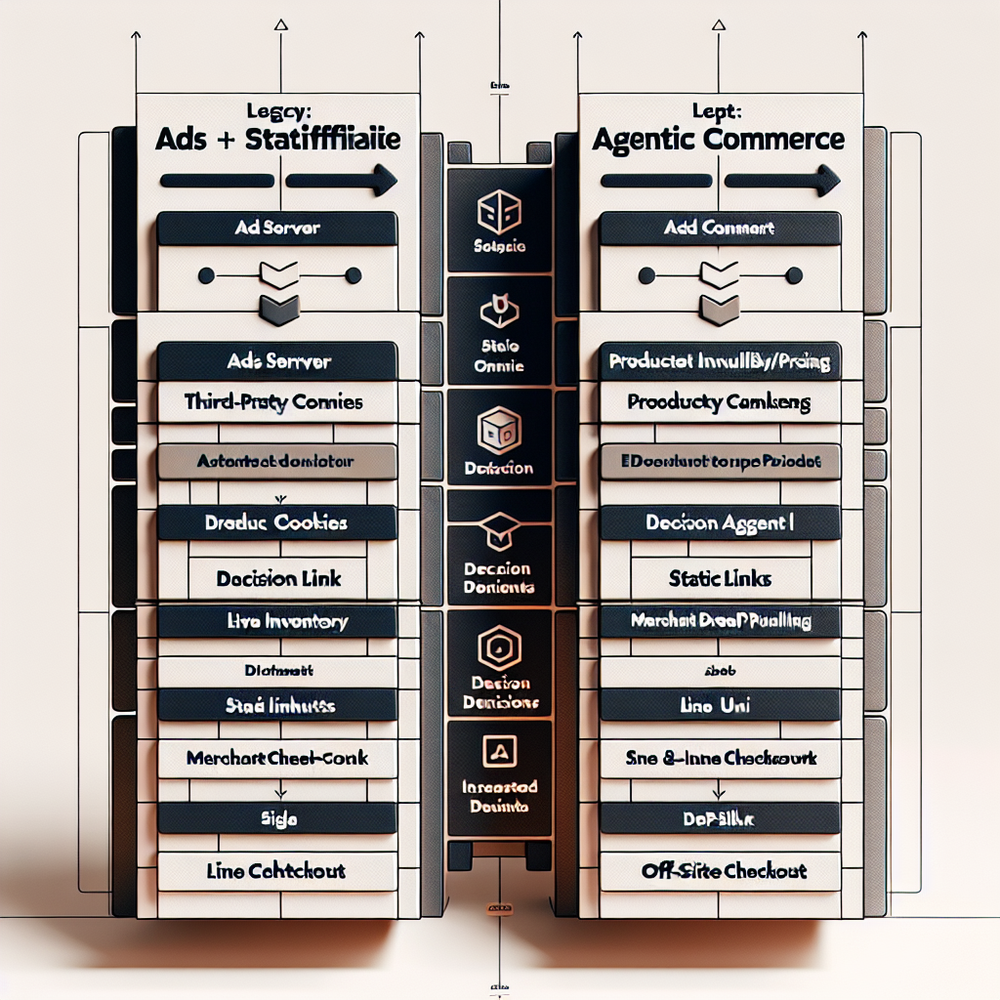
Agentic commerce turns your content into a decision surface. When a user reads a stroller guide, the agent extracts entities (model, budget, age range), pulls fresh data from a multi‑merchant product graph, checks live inventory and shipping cutoffs, and ranks options by fit, price, margin, and trust rules. The UI renders a vendor‑neutral comparison (e.g., “Best for city use,” “Cheapest today,” “Fastest delivery”), and then issues a one‑tap deep link to the best merchant or a consolidated cart.
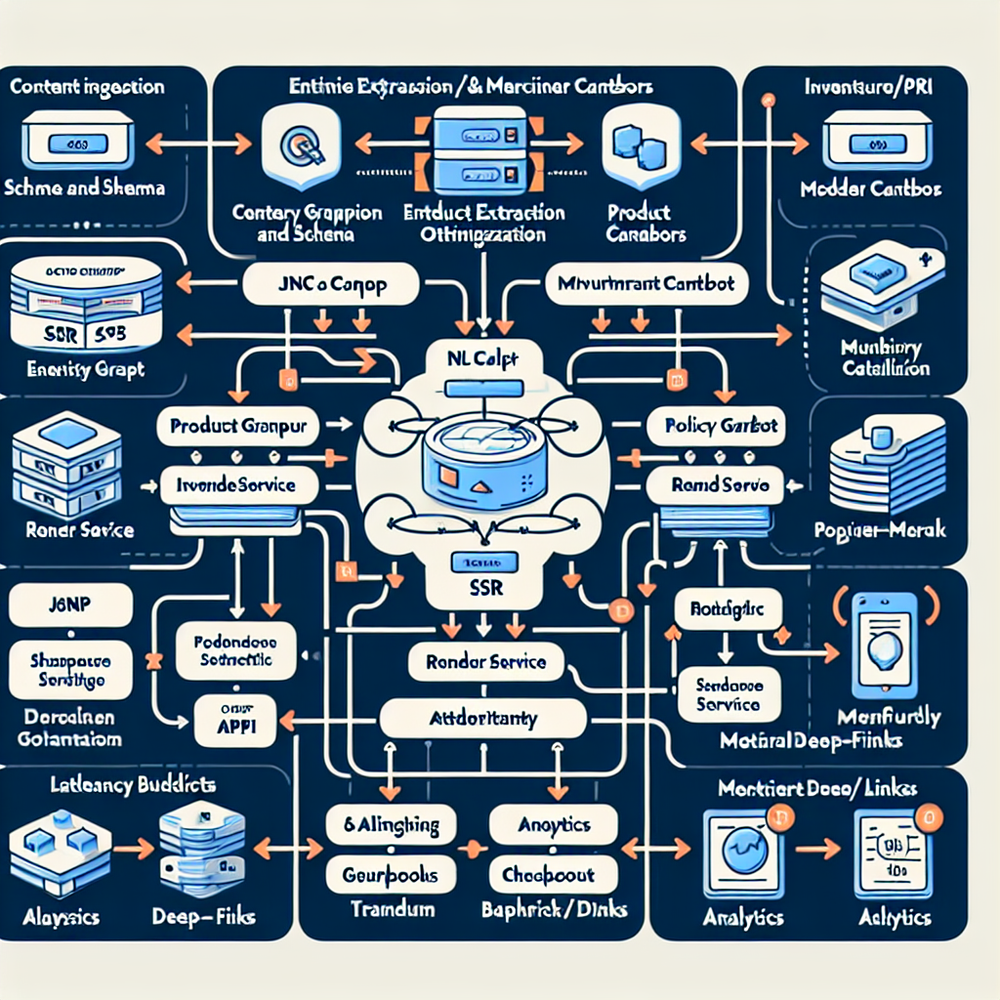
Under the hood: a lightweight client event triggers a server decision service. Signals include page schema (Product, Recipe, HowTo), historical engagement, and consents. The agent queries feeds/APIs (merchant catalogs, affiliate networks, availability endpoints), deduplicates SKUs, normalizes price with tax/shipping, and applies editorial guardrails (no gray-market sellers, minimum ratings, brand exclusions). Attribution is handled server-side to avoid link rot. If data is stale, the agent falls back to a safe minimal card rather than rendering fiction.
Implementation Guide (From Audit to Live in 30 Days)
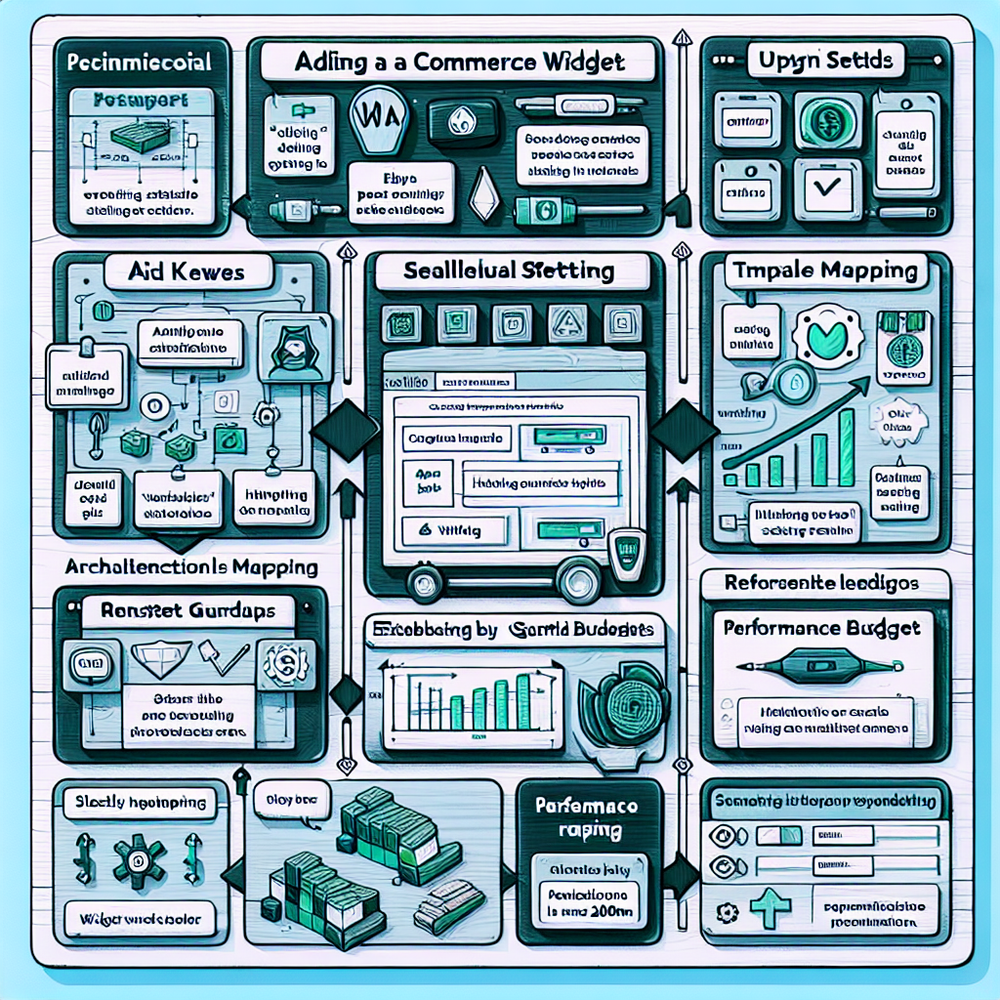
Week 1: Opportunity audit and mapping. Identify commercial intent clusters (buying guides, reviews, recipes, gear lists). For each template, define the agent’s job: compare, bundle, substitute, or locate the best merchant. Add schema (Product/Recipe/HowTo) if missing. Inventory your merchant relationships and affiliate IDs; prioritize APIs or reliable feeds over static links. Decide your UI patterns: comparison table, compact “best pick” card, or a multi‑merchant price row.
Week 2: Data plumbing. Connect merchant feeds or affiliate network APIs. Normalize SKUs, map variants, and set guardrails (no third‑party marketplace sellers below a quality threshold; minimum review counts). Implement a ranking objective: maximize reader fit first, then margin, then shipping speed. Cache inventory for minutes, not days. Budget latency: aim <200 ms for first render with placeholders, then hydrate live prices within 300–500 ms. Google’s UX research shows speed sensitivity is unforgiving—design accordingly.
Week 3–4: Ship and tune. Launch on 10–20% of eligible pages behind a feature flag. Instrument events: impression, expand, option‑view, merchant‑click, purchase callback. Run editorial QA with edge cases (discontinued SKUs, regional stock, price mismatches). Add copy that tells the truth: “Buying advice is generated from live retailer data and our editorial criteria.” Start with conservative placements; avoid sticky bars that feel like ads. If your stack is WordPress, you can accelerate setup with our plugin and a prebuilt commerce module.
To fast‑track a WordPress deployment, use these resources: download our WordPress plugin, Brambles.ai WordPress plugin, Commerce Module, and Brambles.ai.
Measuring ROI & KPIs That Matter
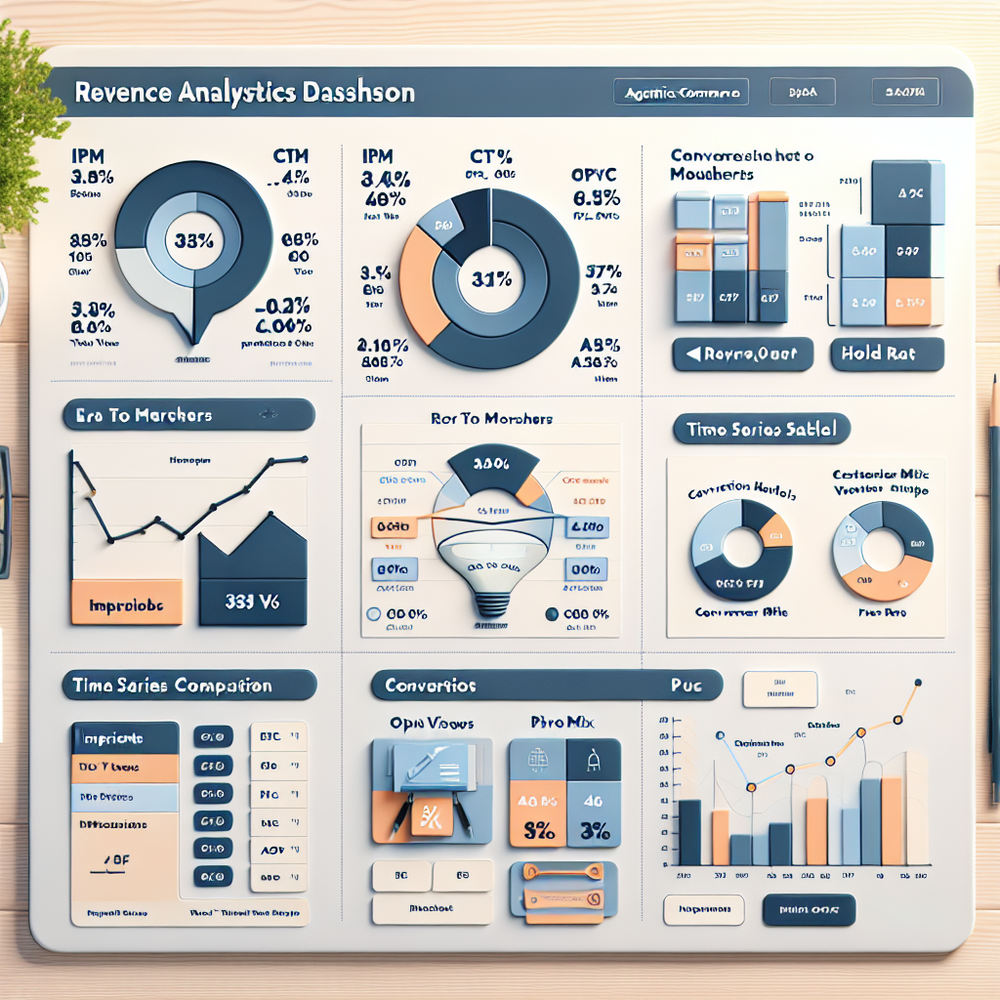
Start with a simple equation: incremental revenue per 1,000 pageviews (iRPM). Track iRPM by template and traffic source. Instrument funnel stages—widget view rate, option‑view rate, merchant‑click rate (CTR), and purchase confirmation. Watch effective earnings per click (EPC), average order value (AOV), and merchant mix. Maintain dedup logic with affiliate networks to avoid double attribution. Run 10–20% holdouts per template to estimate true lift; rotate test cells weekly to dampen seasonality.
Benchmarks from recent launches: a mid‑market hobby publisher saw +38% CTR to merchants and +24% AOV because the agent surfaced in‑stock bundles. Another partner’s iRPM doubled after we introduced delivery‑date badges. McKinsey’s research suggests targeted personalization can drive 10–15% revenue lift on average—contextual agents push personalization beyond static “related products.” Keep a close eye on speed: Google’s mobile studies tie sluggish renders to abandonment; keep the agent’s first paint under ~200 ms and hydrate quickly.
First‑Party Data, Disclosure, and Trust
Treat the agent as editorial craft, not a black box. Use first‑party context (page content, clicks, on‑site search) with explicit consent. Label assistance clearly: “We may earn a commission when you buy; choices are ranked by fit, not payouts.” Offer a “Why this pick?” drawer with the factors used (price, delivery, reliability, editorial exclusions). Salesforce’s Connected Customer research consistently finds transparency drives comfort with personalization; readers will accept smart help if you show your work and respect choices.
Privacy architecture matters. Keep PII out of the ranking loop; use cohort‑level stats and per‑page signals. Honor regional compliance (GDPR/CCPA) and work with your CMP to route consent signals server‑side. Avoid over‑collection—agents don’t need birthdays to suggest a phone case. Finally, safeguard price integrity: update frequently, detect anomalies, and never bias the ranker toward merchants who pay more at the expense of reader utility. Erode trust once, and the revenue follows it out the door.
Common Pitfalls (And How to Avoid Them)
- Dead or stale data: Run freshness SLAs and alerting for feeds; degrade gracefully to editorial picks when inventory is uncertain.
- Over‑monetizing the UI: If it looks like an ad, readers treat it like one. Keep placements contextual and optional.
- Margin chasing: A ranker that chases payouts at the expense of fit erodes trust. Weight reader fit first, then margin.
- Checkout gaps: Baymard’s research on checkout friction applies; prefer merchants with proven UX, guest checkout, and clear fees.
- Latency creep: Set budgets, test on mid‑tier Android, and keep hydrated updates async with optimistic placeholders.
Process guardrails help. Add regression tests for price parity, implement a seller quality floor, and run weekly editorial spot checks on top URLs. Build a complaints loop—if readers flag an issue, feed it back into the guardrails. Finally, negotiate merchant terms beyond headline rates: bonus tiers for multi‑item carts, higher payouts for in‑category bundles, and post‑purchase events (e.g., warranty registration) that you can track server‑side for more durable revenue attribution.
Related posts
View all
Sponsored Products in AI Shopping: Retail Media 101
Learn how sponsored product placements power AI shopping, how bidding and relevance work, and how to implement retail media without eroding trust or UX.
Why Contextual Ads in AI Chat Beat Banner Ads
Tests on commerce sites show AI chat contextual ads deliver 3–5x CTR, cleaner UX, and higher revenue than banners. See how they work, implement, and measure.

Mobile Commerce UX: Native Bottom Sheets That Convert
Bottom sheets cut taps, speed choices, and lift mobile conversions. Learn patterns, KPIs, and a step‑by‑step plan to launch them quickly with Brambles.ai.
Explore Brambles.ai
Learn more about our AI-powered agentic commerce platform, agentic shopping, and shopping assistance solutions.
Explore More Insights
Discover more articles on AI, automation, and business innovation
View All Articles