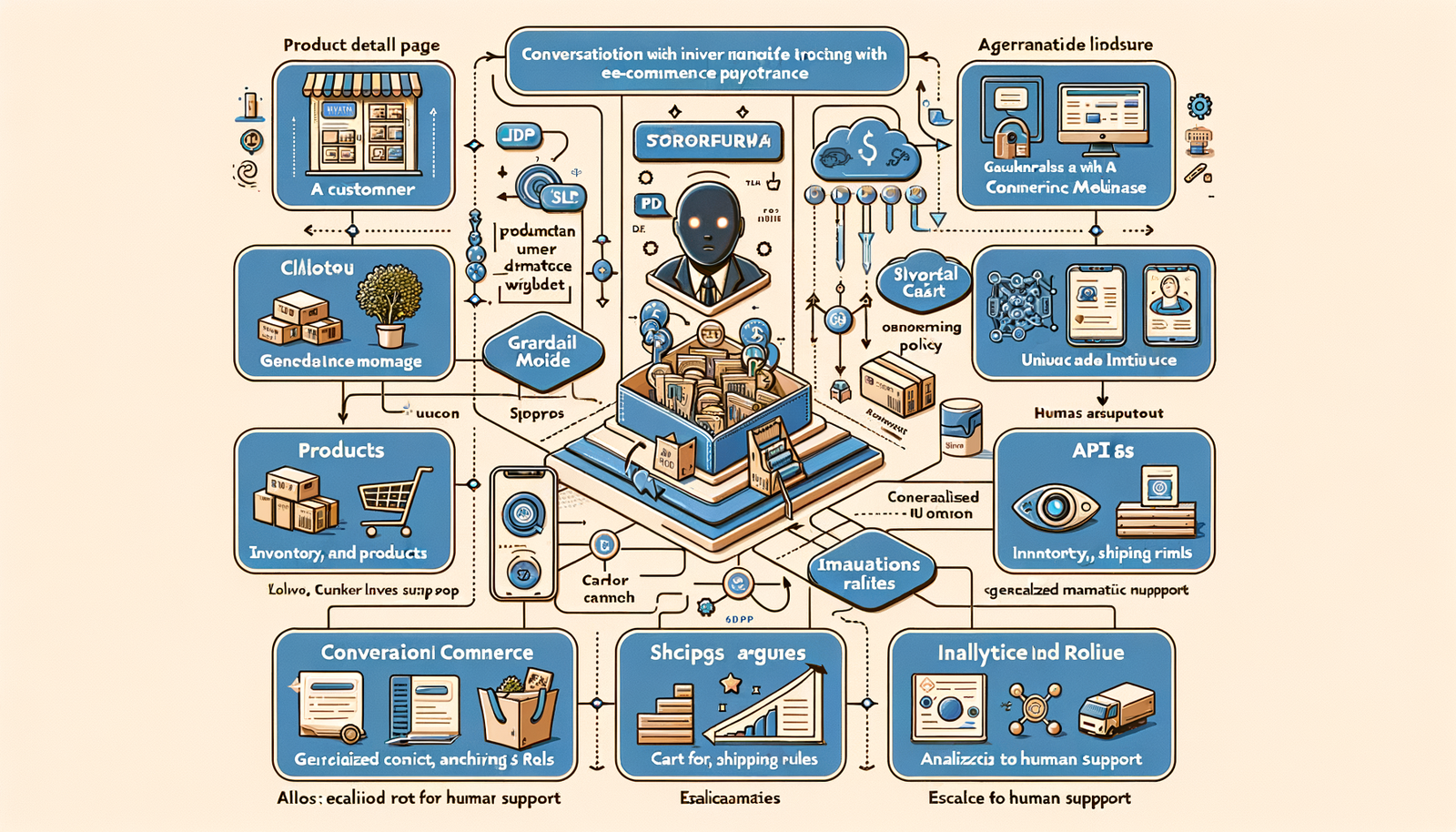
Agentic Commerce for Shopify: Where Brambles.ai Fits
Agentic commerce on Shopify pairs AI shopping agents with your stack to lift AOV, conversion, and LTV. See how Brambles.ai integrates quickly with guardrails.
Agentic Commerce for Shopify: Where Brambles.ai Fits
In a 30‑day pilot on a 120k‑session DTC skincare store, a PDP‑embedded shopping agent drove an 18% lift in AOV and deflected 28% of pre‑sale tickets. The big unlock wasn’t flashy generative copy. It was an agent that could interpret intent (“I have rosacea and a wedding in 2 weeks”), size up inventory, apply the best promotion, and stage a cart—without breaking Shopify rules or margin logic.
Another test on a 2k‑SKU cycling retailer showed agents recovering 9% of waitlist revenue by nudging shoppers when sizes came back in stock, bundling tubes and levers automatically. Crucially, the agent used Shopify data, not guesses, and kept checkout guardrails tight. That’s agentic commerce in practice: autonomous steps toward conversion, bounded by your catalog, policies, and profit.
Quick Answer
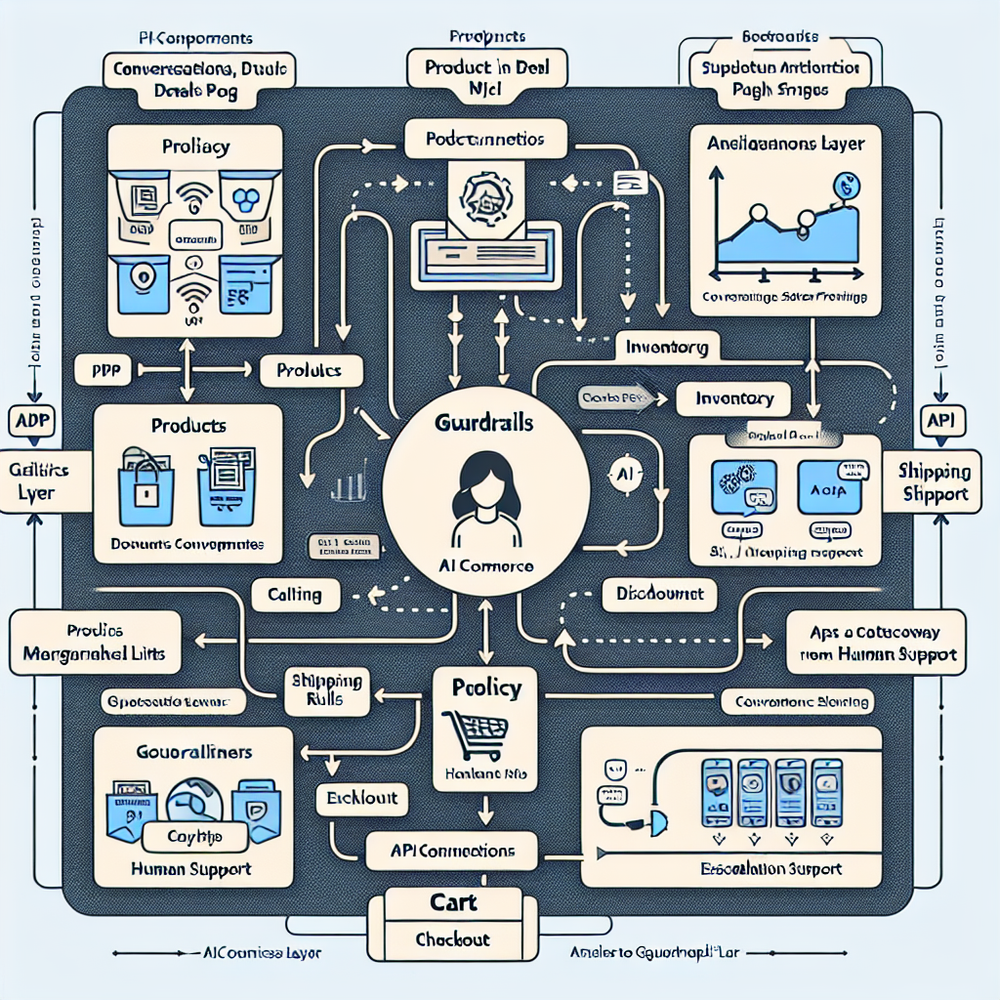
Agentic commerce on Shopify means a shopping agent that can understand intent, query real catalog and inventory, apply promotions, and take safe actions like staging a cart or scheduling a back‑in‑stock reminder. Brambles.ai slots into your stack via the Commerce Module, a storefront assistant, and analytics. You keep Shopify as the source of truth; the agent operates with clear guardrails and logs every step. The result: faster paths to purchase, fewer tickets, and measurable lifts in AOV and conversion.
What’s Broken in Today’s Shopify Journeys
Most stores bury decision‑making across PDPs, FAQs, and pop‑ups. Shoppers ask nuanced questions—“Is this retinol safe during pregnancy?”—and get static content. Support queues slow, and carts stall. Baymard’s research shows 17% abandon because checkout is too long or complicated, and 24% due to forced account creation. Extra costs still top the list, but friction multiplies small doubts into exits.
Meanwhile, promo engines and recommendations often run in parallel, not together. The result: irrelevant bundles, coupon misfires, and agents that “hallucinate” products. Add mobile constraints and you get a high‑effort path to purchase when intent is strongest. An agent should collapse steps: answer, recommend, bundle, and act—while respecting your margins and policies.
How Agentic Commerce Works on Shopify
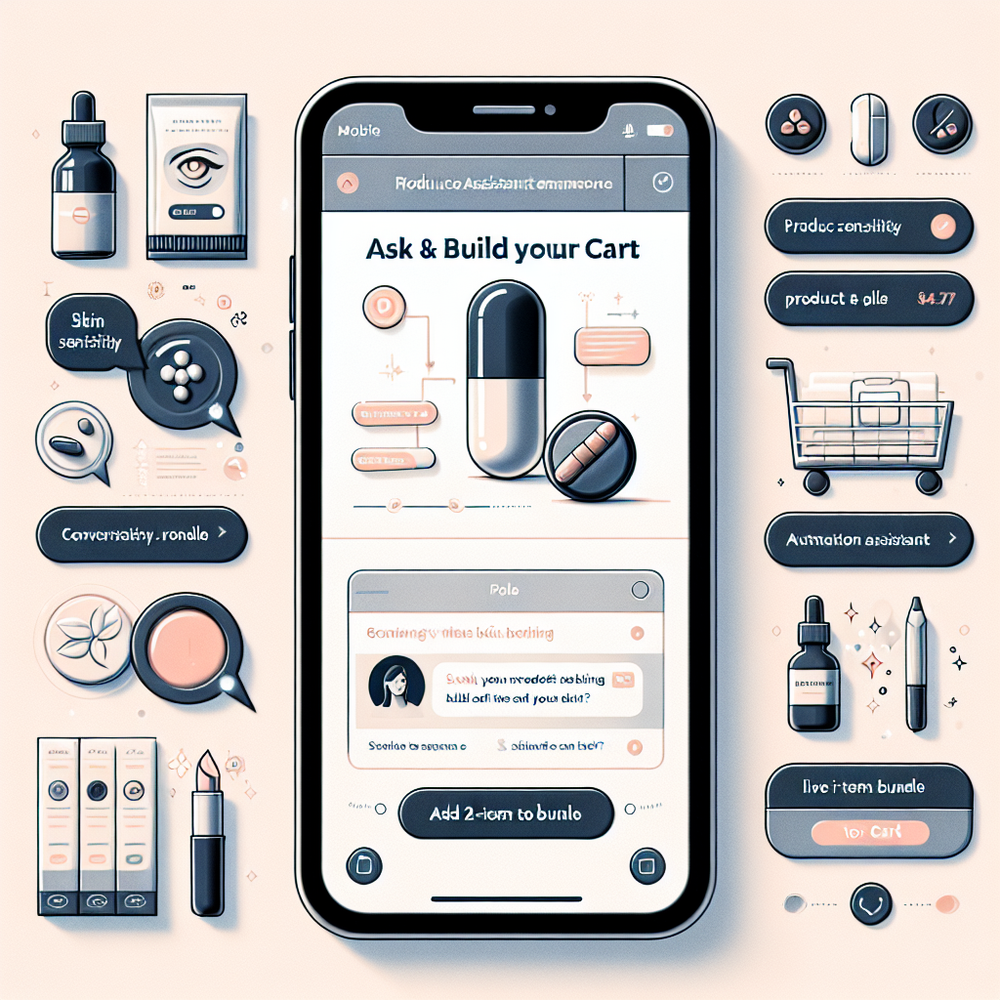
The core idea: the agent can decide and do. It interprets intent, retrieves product facts and policies, evaluates promotions, and performs safe actions. On Shopify, those actions include staging a cart, recommending variants, initiating back‑in‑stock flows, and starting support escalation when needed. Every step is logged to analytics for ROI tracing.
Brambles.ai’s Commerce Module wraps this with guardrails: price floors, discount limits, shipping constraints, and return policy checks. The agent never invents products; it queries the Shopify catalog and inventory APIs, and only uses approved promotions. If a rule blocks a discount, the agent explains why and offers compliant options instead of failing silently.
Practitioner note: on a 100k‑session apparel site, simply letting the agent test two legal bundle options per query created a 12% AOV lift without increasing return rate. Because the agent checked size‑fit guidance and fabric care rules first, recommendations felt confident, not pushy.
Implementation Guide: Brambles.ai in a Shopify Stack
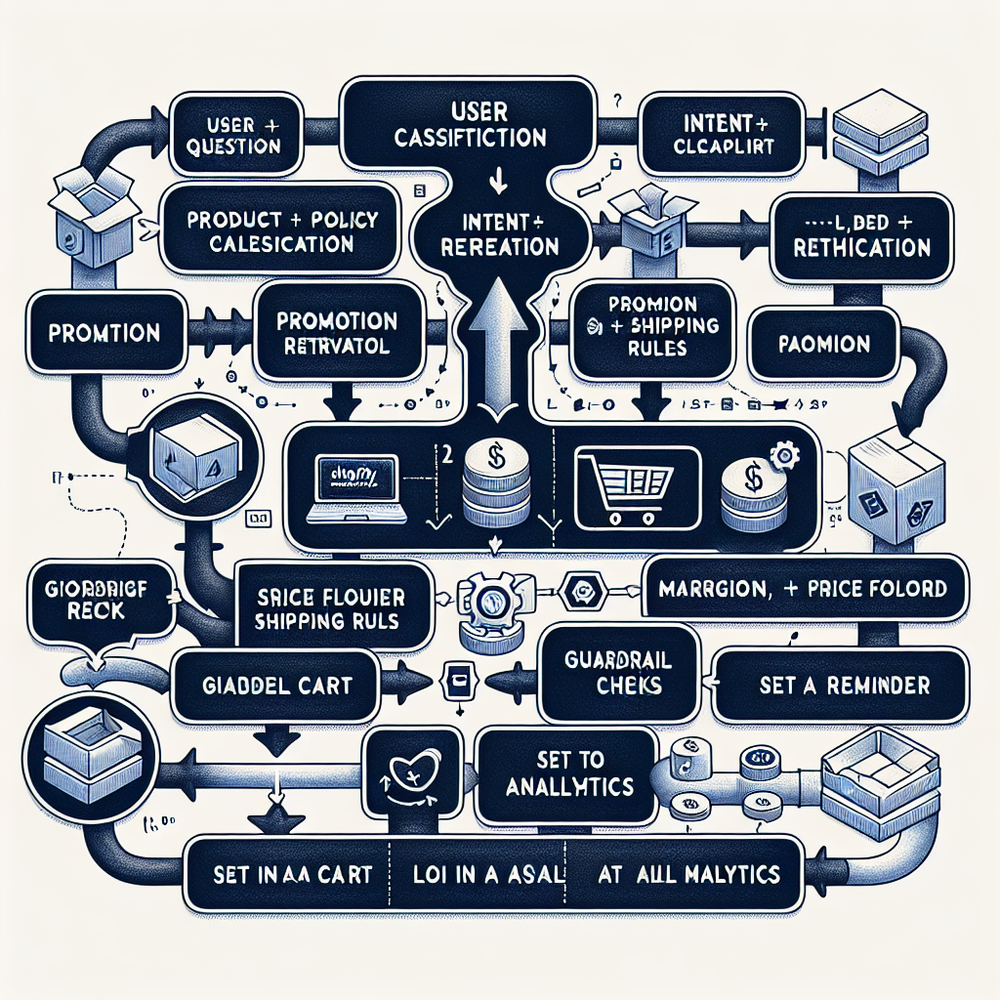
You can stand up a proof‑of‑concept in under a week without altering checkout. The high‑level path: connect data, configure guardrails, embed the assistant, and measure. Below is the sequence we use with teams that care about safety and speed.
Step 1: Connect Shopify. Create a private app or custom app with read products, read inventory, read price rules, and write carts permissions. Add webhooks for inventory updates and price rule changes. Sync the product catalog and key metafields the agent needs (care, fit, compliance).
Step 2: Configure guardrails in Brambles Commerce Module. Define price floors, maximum stackable discounts, shipping constraints by region, and return‑policy overrides. Add escalation rules for sensitive categories (e.g., pregnancy‑safe skincare) so the agent offers verified guidance or routes to a human.
Step 3: Embed the storefront assistant. Drop a lightweight snippet into theme.liquid or a custom app block. Position a pill on PDPs and the cart. Enable quick actions: “Build my bundle,” “Find my size,” and “Apply my code.” The agent can stage carts via the Storefront API and present a one‑tap proceed‑to‑checkout link.
Step 4: Connect support and marketing. Set safe passes to your help desk for refunds, warranty claims, or compliance questions. Log agent events to your CDP or Klaviyo for triggered flows. Where content drives top‑funnel, index FAQs and guides using the Brambles WordPress plugin so the agent can cite authoritative answers and hand off to Shopify seamlessly.
Step 5: Ship the POC with tracking. Define holdout traffic, add UTM tagging to agent‑staged checkouts, and enable event logging for answer helpfulness, cart adds, and revenue influenced. Review transcripts weekly to expand allowed actions and remove dead ends.

Measuring ROI and the KPIs That Matter
Measure the agent like a salesperson with logs. Primary KPIs: conversion rate of agent‑engaged sessions, AOV delta, revenue influenced (agent‑assisted checkouts), deflected tickets, and repeat purchase rate of agent‑assisted customers. Keep a 10–20% traffic holdout for clean reads.
Benchmarks we’ve observed: 8–15% AOV lifts on bundle‑friendly catalogs, 2–5% conversion upticks when the assistant is visible on PDP and cart, and 20–35% deflection of pre‑sale tickets. Tie performance to speed: Google/Deloitte found a 0.1s improvement can raise retail conversions by ~8%. If the agent adds latency, you’ll pay for it—optimize render and caching.
Set up a simple ROI model: Incremental gross profit = (Revenue influenced × blended margin) – program costs. If bundles lift AOV but hurt margin, cap discounts in guardrails. Track CLTV of agent‑assisted cohorts; McKinsey reports personalization typically drives 10–15% revenue lift, with leaders at 20+%. Agents that remember preferences earn the right to recommend again.
First‑Party Data, Consent, and Trust
Trust is earned with transparency. Make it clear when shoppers talk to an assistant and what the agent can do. Use first‑party data you already own: purchase history, browsing, fit preferences, and declared needs. Store consent and retention windows in Shopify customer profiles or your CDP; the agent should honor those flags by design.
Brambles.ai runs on your first‑party data and logs. You control retention, redaction rules, and sensitive field masks. When the agent uses a customer’s size profile or skin concerns, it cites the source and lets them opt out. Salesforce’s Connected Customer research shows 73% expect better personalization as they share more data—earned, not assumed.
If content drives your funnel, Brambles’ publisher monetization flow lets media partners embed trusted buying advice and hand off context to your store—fully consented. That context improves first‑touch relevance so the agent recommends fewer, smarter options instead of carpet‑bombing SKUs.
Common Pitfalls and How to Avoid Them
Letting the agent over‑promise discounts is the fastest way to lose margin. Fix: enforce price floors and policy checks in the Commerce Module. Next, avoid open‑ended Q&A with no retrieval. The agent must cite product data, policies, and promotions—no speculation.
Latency kills adoption. Keep the widget under 80KB, prefetch catalog slices, and use streaming responses. Run a 15% traffic holdout to spot attribution errors. Finally, don’t skip training the agent on “negative space”: what not to recommend together, when to escalate, and how to handle medical or compliance‑sensitive topics.
Anecdote: we trimmed 350ms from first render by caching popular PDP embeddings and pre‑computing bundle legality. Result: a 6% lift in agent engagement and a 3% overall conversion bump week‑over‑week. Speed compounds everything else.
Future Outlook: Agents as Storefront Teammates
Agents will soon coordinate across channels: pre‑purchase on PDP, post‑purchase in order tracking, and back‑in‑stock nudges that respect budget. Expect tighter links to subscriptions, store credit, and appointment booking. The differentiator won’t be chat—it’ll be agents that act safely, learn fast, and stay inside your Shopify source of truth.
Brambles.ai fits here because it’s not a replacement for Shopify—it’s the connective tissue. The brand/retail assistant flow respects your catalog and policy boundaries; the publisher monetization flow feeds high‑intent context; and the Commerce Module keeps every action auditable. Start small, prove lift, then widen what the agent is allowed to do.
FAQ
How is agentic commerce different from a chatbot? An agent can take safe actions—stage carts, set reminders, apply eligible promos—based on real catalog, pricing, and policy data. A chatbot usually just answers.
Will it conflict with my existing apps? No, if you keep Shopify as the source of truth. Brambles.ai reads your products, inventory, and discounts, and respects your existing recommendation and promo engines via guardrails.
What does a starter rollout cost and how long? Most teams launch a POC in 1–2 weeks. Costs scale with volume; start with a limited PDP + cart deployment and expand after you see agent‑engaged conversion and AOV movement.
Can I use this with content on WordPress? Yes. Use the Brambles WordPress plugin to index guides and FAQs so the agent can cite authoritative answers and then hand off to Shopify to finalize the cart.
How do I get started safely? Ship a gated POC with strict guardrails, a 10–20% traffic holdout, and weekly transcript reviews. Expand allowed actions only after validated lift on AOV, conversion, and deflection.
Related resources on Brambles.ai
If you are implementing this, start with Brambles.ai, for publishers, for brands, get started.
For deeper reading, see 10 Reasons Publishers Need Conversational Commerce, Affiliate Disclosure in Conversational UIs Done Right, From Search Boxes to Conversations: Modern Shopping UX, Contextual, Not Creepy: Monetization That Wins.
Related posts
View all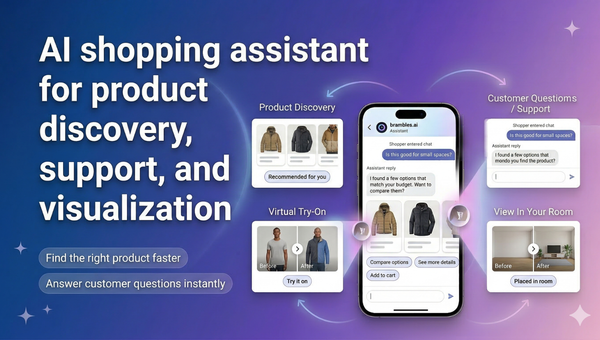
Brambles.ai Is Live on the Shopify App Store
Brambles.ai is live on the Shopify App Store, giving merchants an AI shopping assistant for discovery, support, try-on, and add-to-cart.
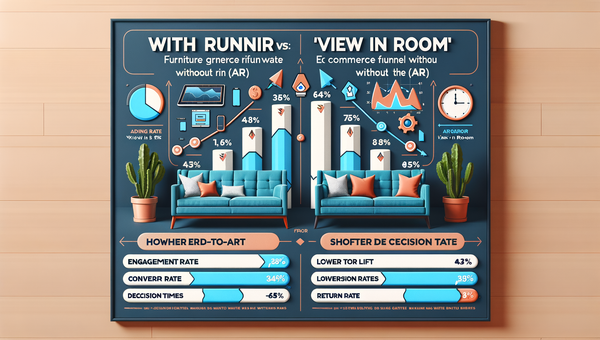
Why Furniture Shoppers Need View in Room Before They Buy
Furniture buyers abandon carts when scale and style feel risky. See why "View in Room" cuts returns, boosts conversion, and how to launch it with Brambles.ai
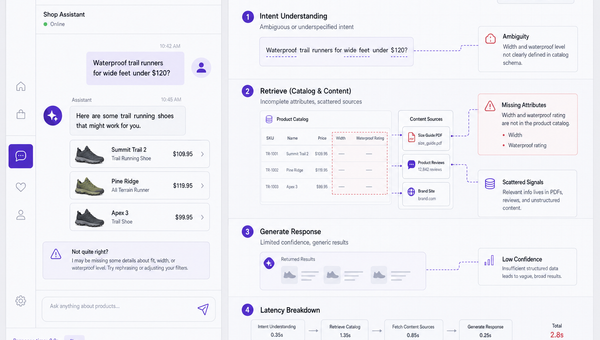
Why Good AI Shopping Agents Are Hard—and How Brambles Helps
Most AI shopping bots fail on data quality, UX, and trust. See why agents break in the wild and how Brambles.ai fills the gaps with measurable features.
Explore Brambles.ai
Learn more about our AI-powered agentic commerce platform, agentic shopping, and shopping assistance solutions.
Explore More Insights
Discover more articles on AI, automation, and business innovation
View All Articles