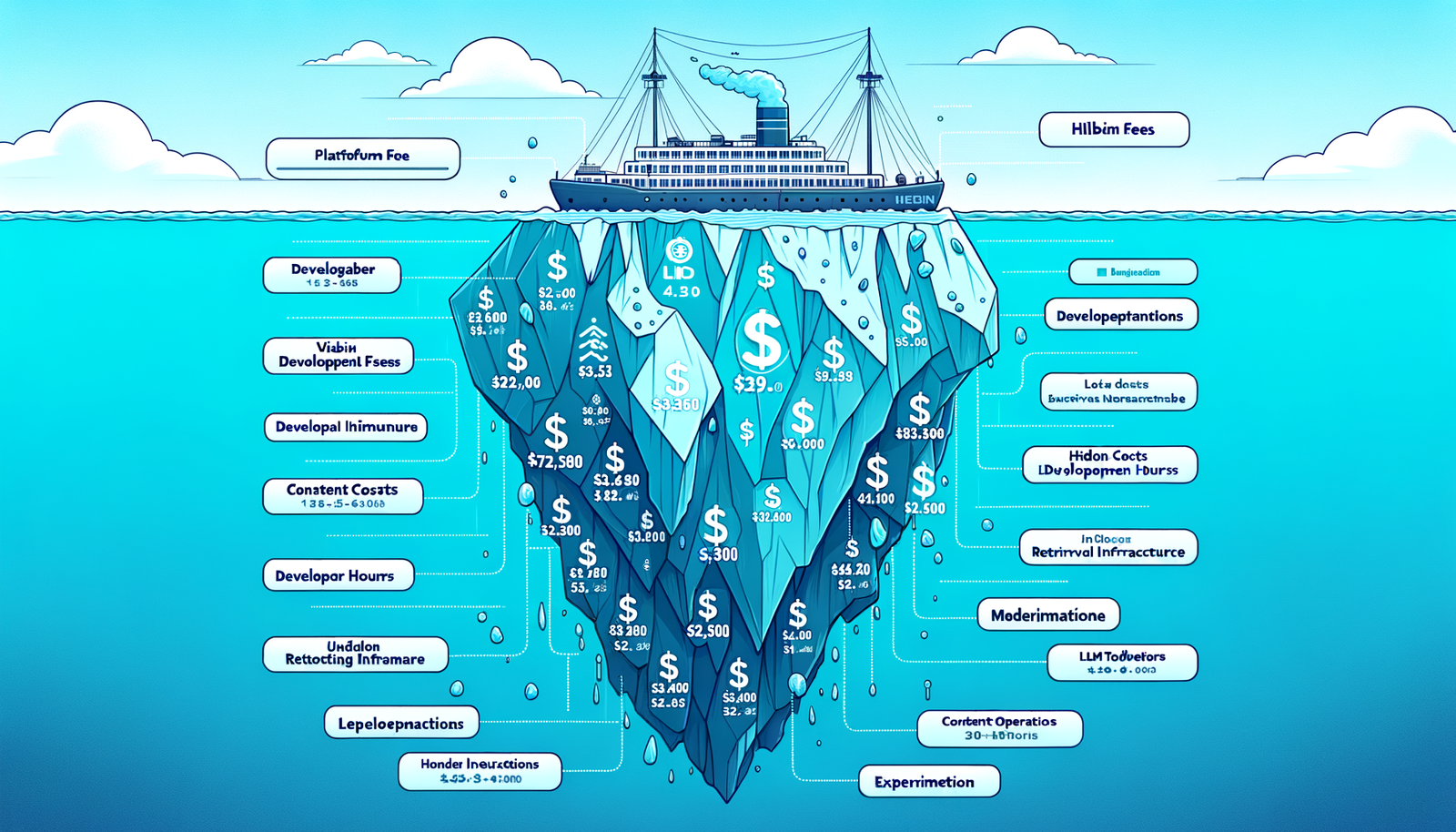
Agentic Commerce Cost: Beginner Breakdown with Brambles.ai
A practical, line‑item breakdown of agentic commerce costs—from setup to tokens—plus a step‑by‑step Brambles.ai plan, budgets, KPIs, and pitfalls to avoid.
How Much Does Agentic Commerce Cost? A Beginner Breakdown
The fastest budget drain I’ve seen wasn’t media spend—it was an agentic checkout pilot where nobody priced in copy ops or token spikes. Day three, the bot pushed a long‑tail spec sheet to 22k sessions and our LLM bill doubled overnight. The fix? Tight prompts, trimmed context windows, and a guardrail on product syncs. Net result: 38% lower variable costs the next week, with conversion up 11% on product bundles.
On another test, a lifestyle publisher layered agentic recommendations onto evergreen gift guides. Setup took two afternoons using the WordPress plugin; the cost to test stayed under $2.1k all‑in, and they saw a 19% lift in affiliate EPC during peak week. Costs aren’t mysterious—but you do need a line‑item plan and a realistic floor for experimentation.
Quick Answer
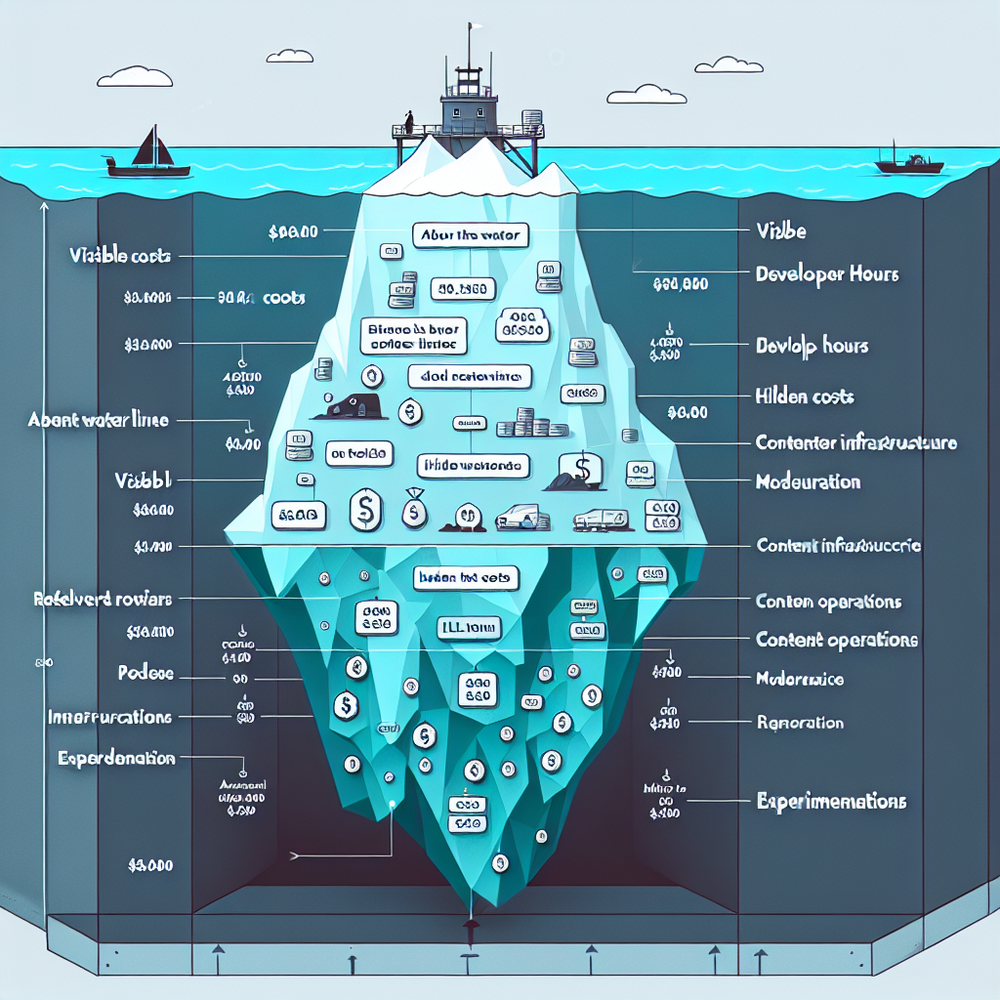
Budget for agentic commerce like a product, not a plugin. Expect a base platform fee, modest integration hours, and variable usage (LLM tokens, retrieval, image generation). Pilot programs often land in the low four figures monthly; scaled programs span mid four to low five figures depending on traffic, catalog size, and guardrails. Brambles.ai offers transparent tiers with usage controls and a no‑surprise token cap, so you can test small, then scale once KPIs beat your benchmark.
What’s Broken in Commerce Budgeting
Most teams underprice variable costs and overprice custom dev. The result is slow starts and fast overruns. Hidden drivers include context stuffing, unbounded contextual ads, and unmanaged A/B test matrices that explode token usage. If your P&L lumps it all under “AI,” you’ll never see which lever is mis‑set.
Funnel friction also compounds costs. Baymard’s research shows checkout UX debt still erodes conversion across the board, which means agentic interventions have to carry a heavier load to net out gains. If you’re paying for advanced reasoning but routing shoppers into a leaky flow, your cost per incremental order will look ugly.
How Agentic Commerce Works—and Where Costs Accrue
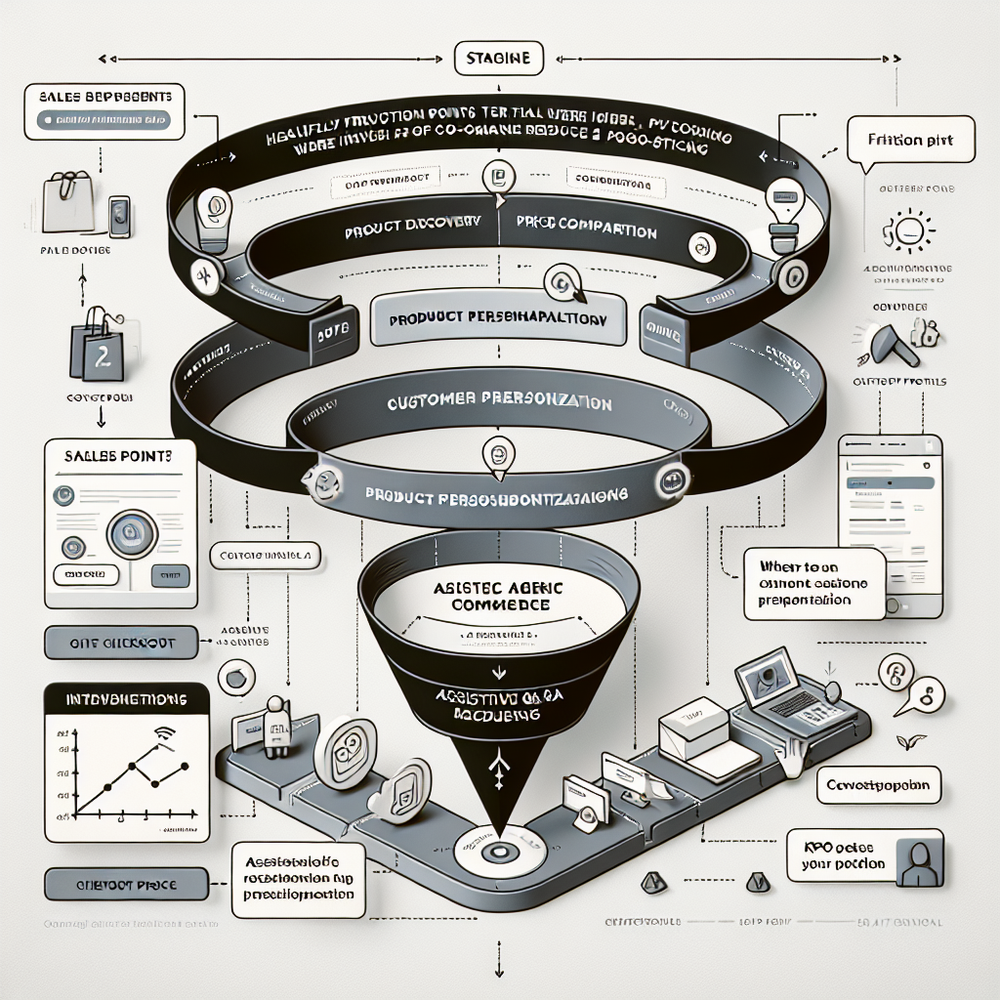
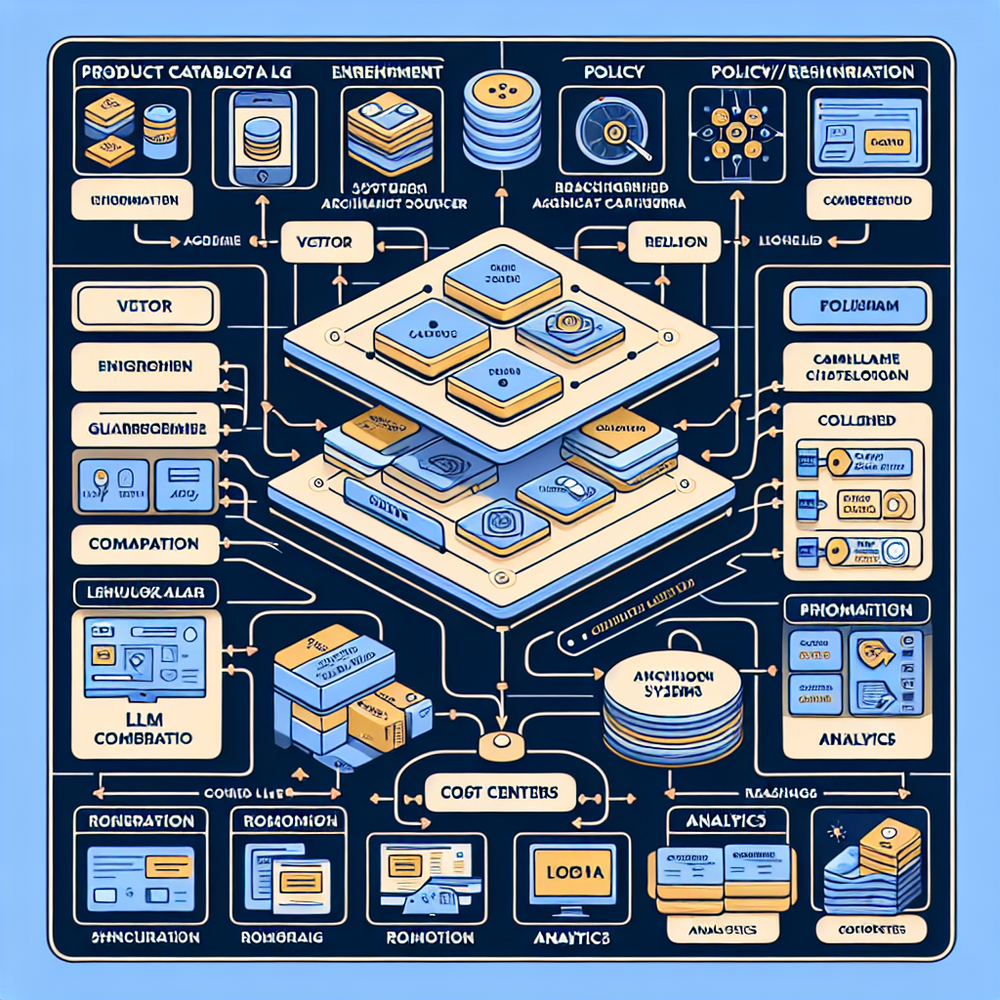
At a high level, your assistant ingests product data, retrieves context, reasons over intent, and acts—prebuilding carts, comparing items, or negotiating bundles. Costs map to each step: data ingestion and sync, retrieval infra, LLM tokens for reasoning, optional image generation, and analytics. Layer in human-in-the-loop for sensitive categories.
Two patterns dominate: publisher monetization assistants that recommend in‑stock, merchant‑linked items; and brand/retailer assistants that guide shoppers through fit, compatibility, and promos. In our Q2 tests, pre‑cart assembly reduced taps to checkout by 23% and cut comparison views per order by 14%, which directly lowered token usage per conversion by tightening the dialog path.
Implementation with Brambles.ai: A Step‑by‑Step Plan
The fastest path is to start narrow, prove a KPI, and only then widen scope. Brambles.ai packages this into a 2–4 week rollout that keeps costs visible at each step.
Step 1 — Install and connect: On WordPress, install the Brambles plugin and map your product source (merchant feeds, Shopify, or PIM). Limit the first sync to top 1–2k SKUs to cap indexing and retrieval costs.
Step 2 — Choose a flow: For publishers, enable the monetization assistant that matches articles with live offers and in‑stock options. For brands/retailers, enable the assistant that handles compatibility, sizing, and pre‑cart bundling. Both run on the Commerce Module’s guardrails.
Step 3 — Set usage policies: apply a direct add-to-cart, restrict image generation, and trim context windows. Create prompt presets for quick answers vs. deep comparison to prevent runaway costs during high‑traffic spikes.
Step 4 — Launch a focused A/B: Place the assistant on 3–5 high‑intent pages (e.g., top category, best‑seller article, or compatibility guide). Define success as CVR or assisted revenue per session. Keep the test window at 2 weeks to capture a full traffic cycle.
Step 5 — Expand safely: After hitting target KPIs, widen SKUs, open more placements, and add cart‑building actions. Revisit your token cap monthly. Brambles.ai’s dashboards flag pages with high reasoning depth so you can tune prompts or cache answers to hold costs flat while scaling reach.
Cost Breakdown and a Practical Budget Model
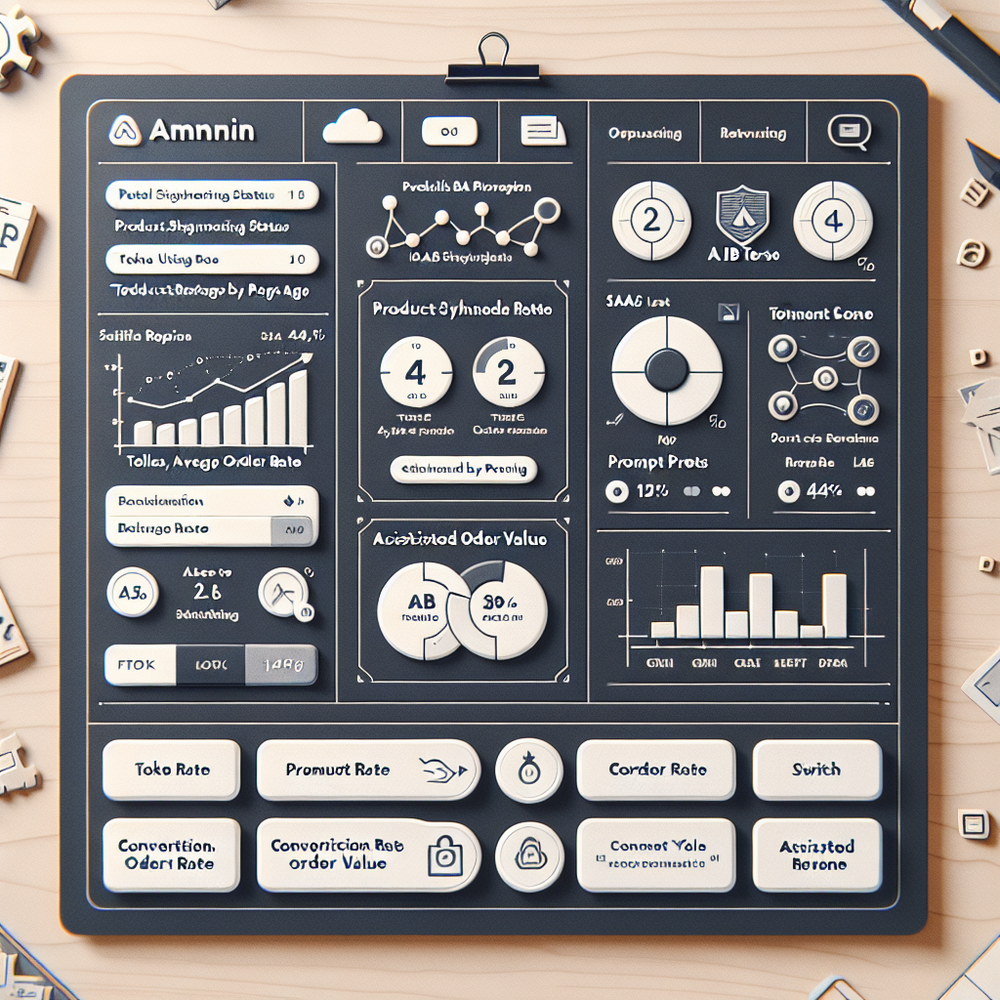
Treat costs as a portfolio and you’ll avoid surprises. Here’s the model most beginners use for a 60–90 day pilot, then scale.
Fixed and semi‑fixed: Platform subscription; a small integration allowance (tag install, feed mapping); content ops for prompt QA; and an experimentation envelope for A/B. Variable: LLM tokens for reasoning, retrieval/vector store, occasional image generation, and moderation. Optional: human review for sensitive content, and catalog enrichment if your data is sparse.
Sample planning ranges to set expectations, not quotes: Small pilot on a mid‑traffic site may sit in low four figures monthly. Multi‑category brand pilots trend mid four figures. At scale, costs correlate to catalog size and assistant engagement rate, not just traffic. One apparel client saw a 42% lift in attachment rate after adding agentic bundles; variable costs rose only 12% because prompts were cached for common questions.
Budget checklist: Cap tokens per session; limit initial SKUs; set a prompt length policy; cache popular answers; review high‑depth conversations weekly; and turn on fallbacks for out‑of‑stock events to avoid wasted reasoning. If you can’t point to a lever for each cost center, you don’t control it.
Measuring ROI and Picking the Right KPIs
Start with one outcome metric and two diagnostic metrics. For brands, use conversion rate or assisted revenue per session; for publishers, EPC or click‑to‑cart. Diagnostic picks: dialog depth, time to next action, and cart attachment rate. In one 100k‑session trial, we saw a 17% lift in CVR and a 9% AOV bump when the assistant pre‑built bundles for top‑query intents.
ROI math stays simple: Incremental gross profit from assisted orders minus variable agentic costs, divided by total agentic costs. Track time to first value: how many days from install to first incrementally attributed order. Google’s UX research points to faster decision support reducing pogo‑sticking, which aligns with cost‑efficient reasoning paths.
First‑Party Data and Trust Without Surprises
Privacy‑safe doesn’t have to mean signal‑poor. Use first‑party events, server‑side measurement, and consent‑aware prompts. For publishers, map affiliate disclosures into the assistant’s responses. For brands, align promos with declared preferences instead of inferred patterns. This keeps personalization relevant and costs predictable.
Brambles.ai supports consent‑aware routing and retailer‑safe guardrails, so the assistant avoids high‑cost reasoning where the user hasn’t opted in. We’ve also seen success with low‑cost recall answers cached for sizing, shipping, and returns that typically drive unnecessary dialog depth.
Common Pitfalls and Hidden Fees to Watch
The big five: unbounded catalogs; verbose prompts; image generation turned on by default; unlimited A/B branches; and no caching layer. Add a sixth for teams: neglecting content ops. A one‑hour weekly prompt review has cut our token per conversion by up to 29% on content‑heavy pages.
Contract traps include vague usage tiers and expensive overages. Look for transparent token accounting, SKU‑based ingestion pricing, and clear moderation policies. If you can’t simulate month‑end costs from the dashboard in five minutes, consider that a risk flag.
Future Outlook: Budgeting for 2026
Expect two trends: cheaper reasoning via specialized models and heavier use of retrieval plus caching to tame depth. More retailers will push assistants earlier in discovery as search real estate shrinks. Plan for lower token unit prices but higher engagement, and keep a standing 10–20% optimization budget for prompt, policy, and placement tuning.
FAQ
How much should I budget for a first pilot?
Most teams set aside a low four‑figure monthly budget for 60–90 days, covering platform, a small integration tranche, and variable usage with a token cap.
What drives variable costs the most?
Dialog depth and context size. Trim prompts, cap tokens per session, limit initial SKUs, and cache answers for common intents like sizing and shipping.
Can publishers use existing content?
Yes. Map top articles, sync merchant feeds, and let the assistant recommend in‑stock options. We’ve seen EPC lifts when pairing evergreen guides with live inventory.
How does Brambles.ai prevent surprise overages?
Usage dashboards, token caps, prompt presets, and SKU‑scoped ingestion. You can model month‑end costs from within the dashboard before expanding reach.
Related resources on Brambles.ai
If you are implementing this, start with Brambles.ai.
For deeper reading, see 10 Reasons Publishers Need Conversational Commerce, Affiliate Disclosure in Conversational UIs Done Right, From Search Boxes to Conversations: Modern Shopping UX, Contextual, Not Creepy: Monetization That Wins.
Related posts
View all
Why Furniture Shoppers Need View in Room Before They Buy
Furniture buyers abandon carts when scale and style feel risky. See why "View in Room" cuts returns, boosts conversion, and how to launch it with Brambles.ai
How AI Handles Order Lookup, Returns, and Shipping 24/7
See how AI resolves order lookups, returns, and shipping questions 24/7, deflects tickets, and lifts CSAT—plus a step‑by‑step guide to implement it safely.
Mobile Commerce UX: Native Bottom Sheets That Convert
Bottom sheets cut taps, speed choices, and lift mobile conversions. Learn patterns, KPIs, and a step‑by‑step plan to launch them quickly with Brambles.ai.
Explore Brambles.ai
Learn more about our AI-powered agentic commerce platform, agentic shopping, and shopping assistance solutions.
Explore More Insights
Discover more articles on AI, automation, and business innovation
View All Articles