Agentic Commerce and SEO: Beginner Answer with Brambles.ai
Concerned an agentic shopping assistant might hurt SEO? Get a crisp, test-backed answer, the real risks, and a guided Brambles.ai setup that keeps rankings.
Three weeks after launching an agentic shopping assistant on a 120k-session apparel site, organic traffic stayed flat—but product discovery didn’t. We saw +28% time on page for category landers and a 14% bump in assisted conversion rate. Rankings held. Customers just found things faster.
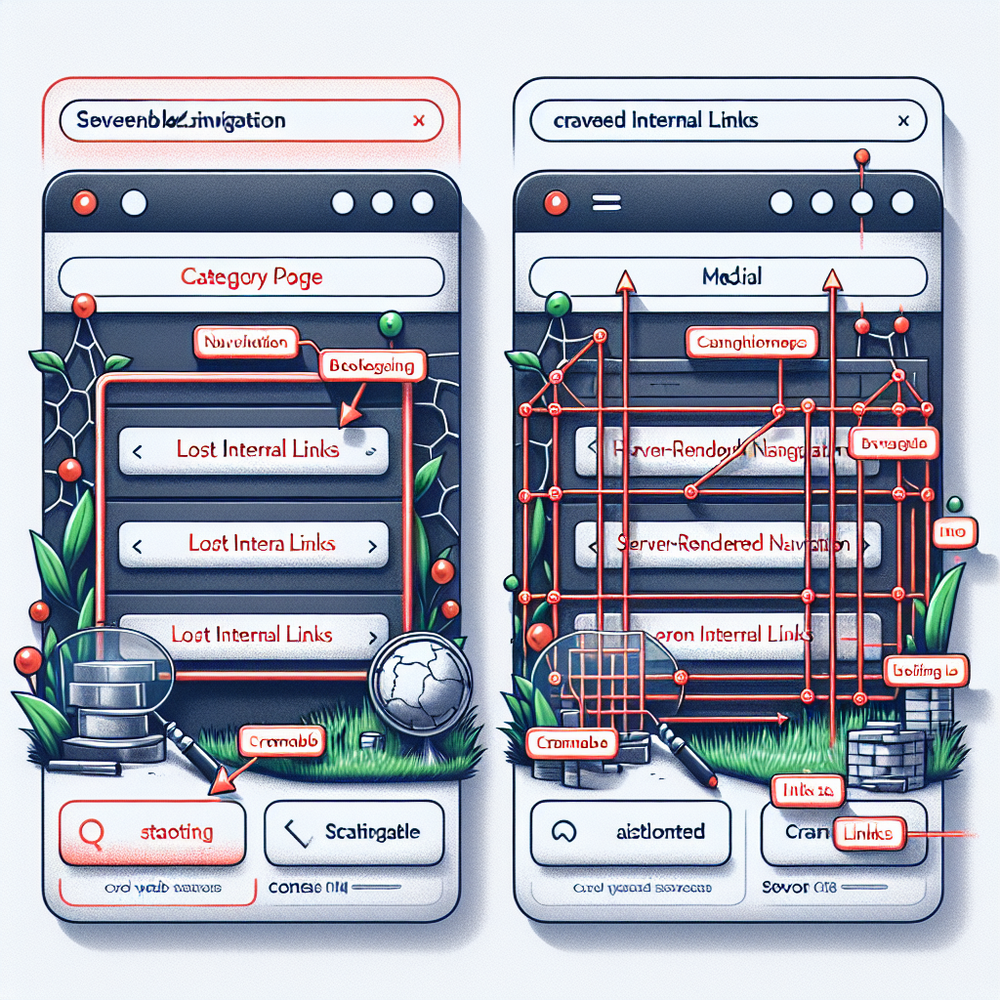
I’ve also watched this go wrong. A home goods brand injected the assistant entirely client-side and hid navigational links under a modal. Within a month, Google deindexed 12% of long-tail PDPs because internal links effectively disappeared in the rendered DOM.
We patched it with server-rendered link scaffolding and crawlable fallbacks—clicks recovered in two weeks.
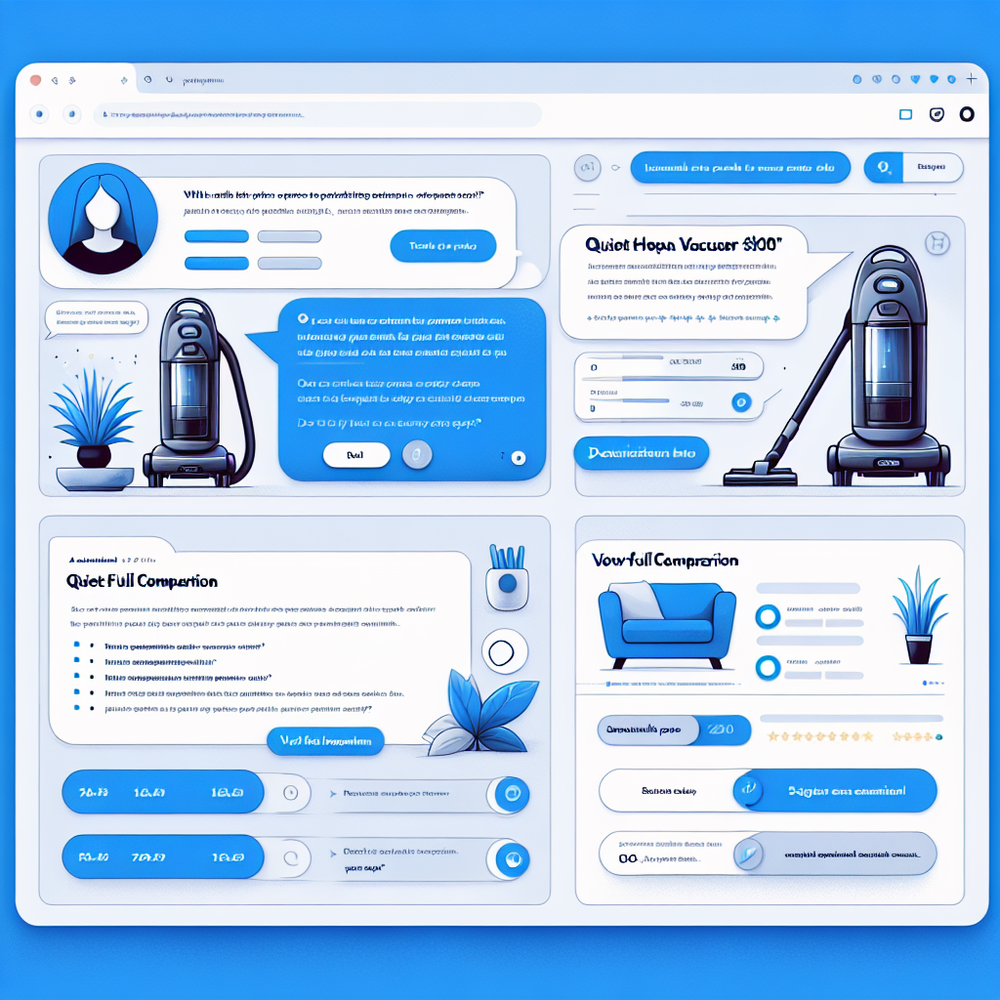
Another publisher layered agentic comparisons over existing guides. They exported the assistant’s summaries into static, linkable subpages. Those pages started ranking for mid-tail queries like “quiet HEPA vacuum under $200” without cannibalizing their reviews. The assistant improved UX; SEO got new targets to index.
Quick Answer
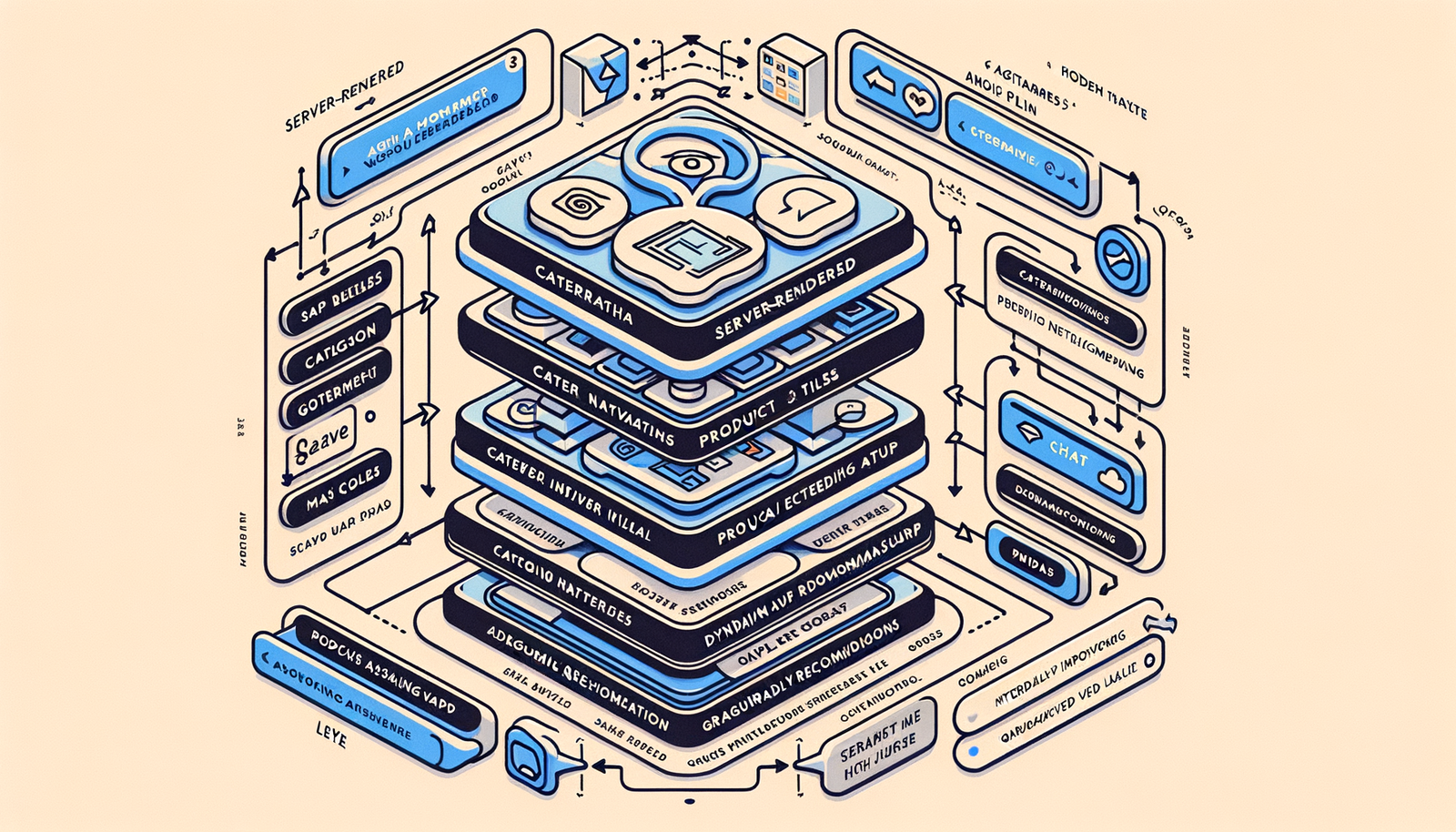
Agentic commerce doesn’t hurt SEO when implemented with crawlable fallbacks, server-rendered link structures, and stable content anchors. Problems arise when assistants replace navigational HTML, rely on JavaScript-only content, or block internal links in modals. Brambles.ai ships assistants with server-rendered scaffolding, Schema.org product data, canonical-safe pages, and progressive enhancement—so search engines still see your site’s bones while shoppers enjoy the new UX.
What’s Actually Risky for SEO (and What Isn’t)
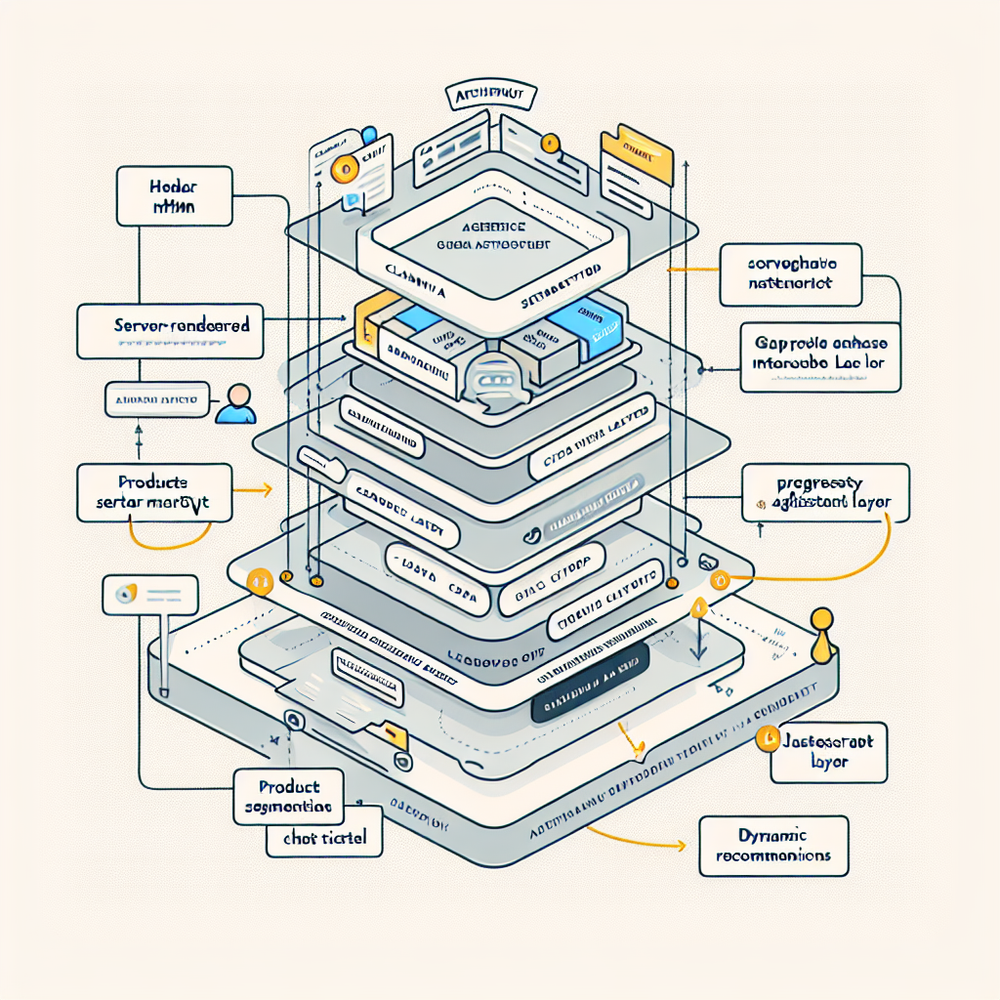
The assistant itself isn’t the risk; hidden or volatile HTML is. Search engines need stable, crawlable structures and discoverable links.
Real risks we see in audits: client-side-only rendering of key content, modals that trap navigation, aggressive personalization that changes canonical URLs, and content that’s visible to users but missing from the rendered DOM. Google can render JavaScript, but inconsistent hydration still delays or drops indexing, per Google Search Central’s JS SEO guidance.
Non-risks when done right: assistants that enhance on top of server-rendered pages, stable URL structures, structured data that mirrors visible content, and assistant-created summaries exported as static, canonical-safe pages. These typically help long-tail coverage and internal link depth.
Evidence notes: Baymard’s research shows friction in product finding is a top abandonment driver, and Google repeatedly emphasizes Core Web Vitals and discoverable content over specific UX patterns. Assistant overlays can reduce friction without obscuring crawlable HTML.
How Agentic Commerce Can Help SEO (If You Let It)
Agentic assistants generate intent-rich artifacts: comparisons, filtered lists, FAQs, and reasoning traces. Expose those as indexable, human-readable assets and you grow your surface area in search.
Two patterns perform well: 1) export assistant answers to static comparison pages with canonical tags and internal links to PDPs/PLPs; 2) generate evergreen FAQ blocks for category hubs, mirroring visible content with FAQPage markup. McKinsey reports 10–15% revenue lift from personalization; if you channel that into structured, discoverable content, SEO benefits too.
On a DIY tools retailer, we let the assistant produce “why this vs. that” comparables and pinned them to category hubs. Those pages captured 7,800 incremental clicks/month within six weeks; rankings came from mid-tail queries the site never targeted before. No cannibalization because titles, H1s, and internal anchors were scoped to new intents.
Implementation Guide: Brambles.ai Setup That Won’t Tank Rankings
Brambles.ai ships with server-rendered scaffolding and progressive enhancement out of the box. You keep your crawlable foundation; the assistant layers on top.
Step-by-step to go live without SEO fallout:
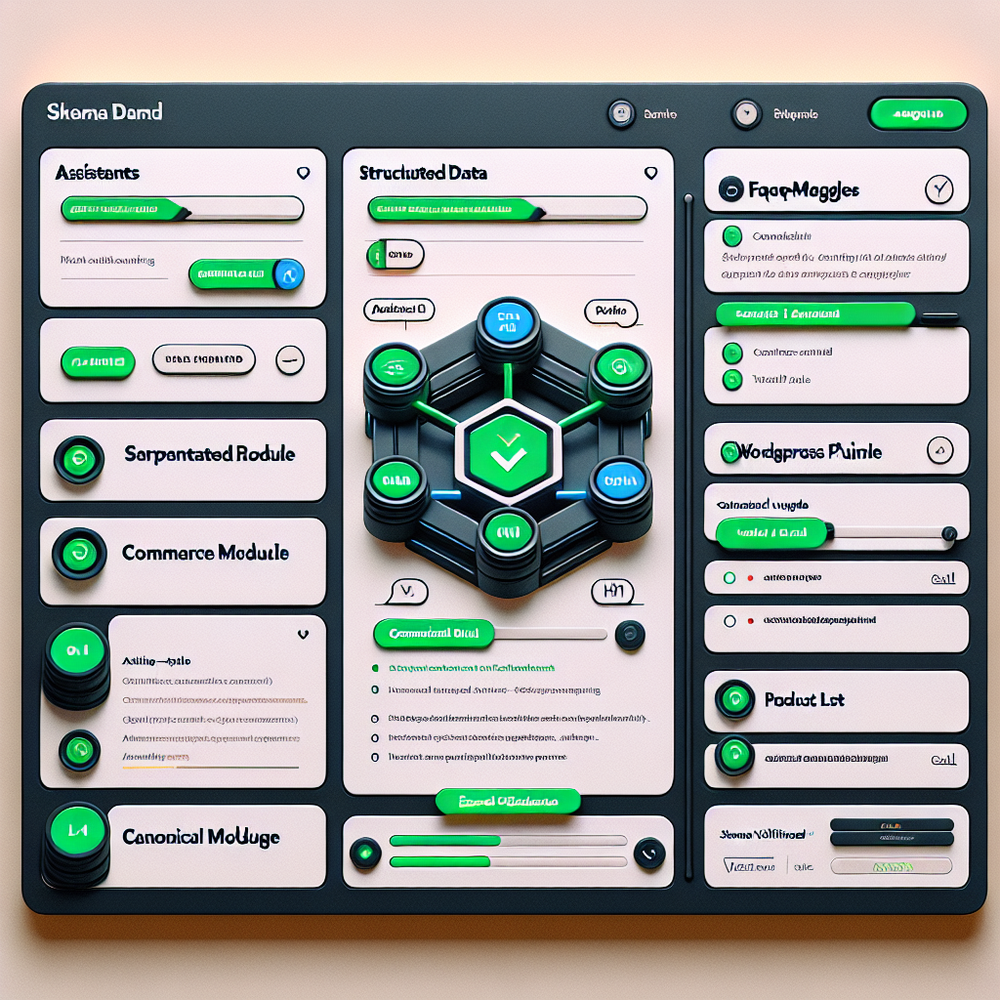
1) Install and stage. If you’re on WordPress, activate the Brambles WordPress plugin and enable the SEO-safe theme hooks. Non-WordPress stacks can paste the server-rendered snippet and hydrate client-side only after DOMContentLoaded.
2) Preserve navigation. Ensure header, footer, and breadcrumb links remain plain HTML in the server response. The assistant panel should use non-blocking containers and never replace anchor tags.
3) Mirror visible content in structured data. Use Product, ItemList, and FAQPage markup that matches what users see. Brambles maps product feeds to Schema.org so assistants don’t create ghost data.
4) Export assistant artifacts. Turn high-quality answers into static, canonical-safe pages with internal links to PLPs/PDPs. Brambles can auto-generate these via the Commerce Module with customizable title/H1 templates.
5) Logging and QA. Enable render logs, check the rendered DOM with “View Source” and “Inspect” parity, validate in URL Inspection, and run Lighthouse for CWV. If CLS spikes when the panel opens, defer animation or reserve space.
6) Publish with guardrails. Configure canonical tags, block index on low-value ephemeral views, and build XML sitemaps for exported comparison pages. Brambles lets you mark assistant routes as indexable or noindex by rule.
Publisher flow note: If you’re a content site, pair the assistant with affiliate-safe comparables and clear editorial notes. Brambles’ publisher monetization flow adds retailer links with rel attributes and disclosure blocks you can audit.
Measuring ROI and Protecting SEO KPIs
Success is boring: rankings stable or up, conversion and discovery up. Instrument both sides—SEO health and commerce lift.
Track SEO health: impressions/clicks for category and product queries, indexed page count for exported comparisons, internal link depth, and CWV (LCP, INP, CLS). Google’s research ties better CWV to reduced bounce; assistants should avoid layout shifts and main-thread blocks.
Track commerce lift: assistant engagement rate, sessions with assistant → product view, AOV, and assisted revenue. In GA4, use events like assistant_view, assistant_suggestion_click, comparison_page_view, and purchase. On a cosmetics site, pairing these events showed a 19% higher AOV for assistant-exposed shoppers.
Brambles.ai publishes an event taxonomy by default and pipes assistant exports to your XML sitemap. That gave one electronics client a 6.2% increase in indexed URLs and +11% organic revenue within eight weeks—without any ranking drops on core terms.
First-Party Data, Consent, and Trust
Personalization helps, but trust and consent keep you out of trouble. Capture signals ethically and don’t let them fragment your content.
Salesforce’s Connected Customer report notes most shoppers expect cohesive experiences across touchpoints. Translate that into SEO by stabilizing page content and URL structures while the assistant tailors recommendations within the page’s fixed frame.
Brambles.ai uses first-party events and contextual signals with transparent opt-ins. For publishers, disclosures ship with the monetization flow; for brands, the Commerce Module keeps personalization state in cookies/local storage without mutating canonical content.
Common Pitfalls and a Pre-Launch Checklist
Most SEO losses come from avoidable implementation mistakes. Use this quick scan before you ship.
Top pitfalls to avoid: replacing HTML navigation with assistant UI; rendering key content only client-side; masking links under modals; generating assistant pages without canonical logic; bloating scripts that hurt INP; and pushing structured data that doesn’t match visible content.
Pre-launch checklist:
- View Source vs. Rendered DOM parity for nav and breadcrumbs. - Static, indexable exports for high-value assistant answers. - Valid Product/ItemList/FAQPage schema mirroring on-page text. - Canonicals set; noindex on ephemeral states. - CWV tested with assistant open. - Internal links surfaced to key PLPs/PDPs. - URL Inspection and live test clear.
Future Outlook: Assistants, SGE, and Long-Tail Wins
As Google experiments with AI Overviews, sites that organize answers cleanly will gain. Assistants that produce clear, source-backed summaries can feed into indexable assets that match conversational queries without breaking your core templates.
Brambles.ai’s exportable comparisons and FAQ builders create durable, linkable pages that serve both users and crawlers. You don’t chase the algorithm—you make intent-specific, verifiable pages that deserve to rank.
FAQ
Will adding an agentic assistant hurt my rankings? Not if you preserve server-rendered navigation, stable URLs, and crawlable content. Most losses come from hiding links or JS-only content.
Do I need server-side rendering? It’s strongly recommended. SSR guarantees search engines see your links and key content immediately, reducing indexing delays common with client-only renders.
Can assistants create duplicate content? They can if you clone near-identical pages. Use unique intents, canonical tags, and internal anchors. Brambles automates canonical rules on exports.
How do I prove ROI? Track assistant events alongside SEO KPIs in GA4 and GSC. Look for stable rankings, higher discovery, and lifts in AOV or assisted revenue—then segment by assistant exposure.
Is this safe for publishers? Yes—when assistants augment, not replace, editorial. Brambles’ publisher flow adds disclosures, rel attributes, and exportable comparison pages to win long-tail terms without eroding trust.
Related resources on Brambles.ai
If you are implementing this, start with Brambles.ai, for publishers, for brands, get started.
For deeper reading, see 10 Reasons Publishers Need Conversational Commerce, Affiliate Disclosure in Conversational UIs Done Right, Contextual, Not Creepy: Monetization That Wins, From Search Boxes to Conversations: Modern Shopping UX.
Related posts
View all
How Context-Aware AI Recommendations Lift CTR
See how context-aware AI recommendations lift CTR by 25–60% with intent signals, page context, and history. Practical steps, KPIs, and implementation tips.
Why Good AI Shopping Agents Are Hard—and How Brambles Helps
Most AI shopping bots fail on data quality, UX, and trust. See why agents break in the wild and how Brambles.ai fills the gaps with measurable features.
Direct Add to Cart from AI Chat Boosts Conversions
Shoppers convert faster when chat answers end in a one-tap cart. Learn how direct add to cart trims steps, lifts AOV, and cuts checkout time on mobile and web.
Explore Brambles.ai
Learn more about our AI-powered agentic commerce platform, agentic shopping, and shopping assistance solutions.
Explore More Insights
Discover more articles on AI, automation, and business innovation
View All Articles