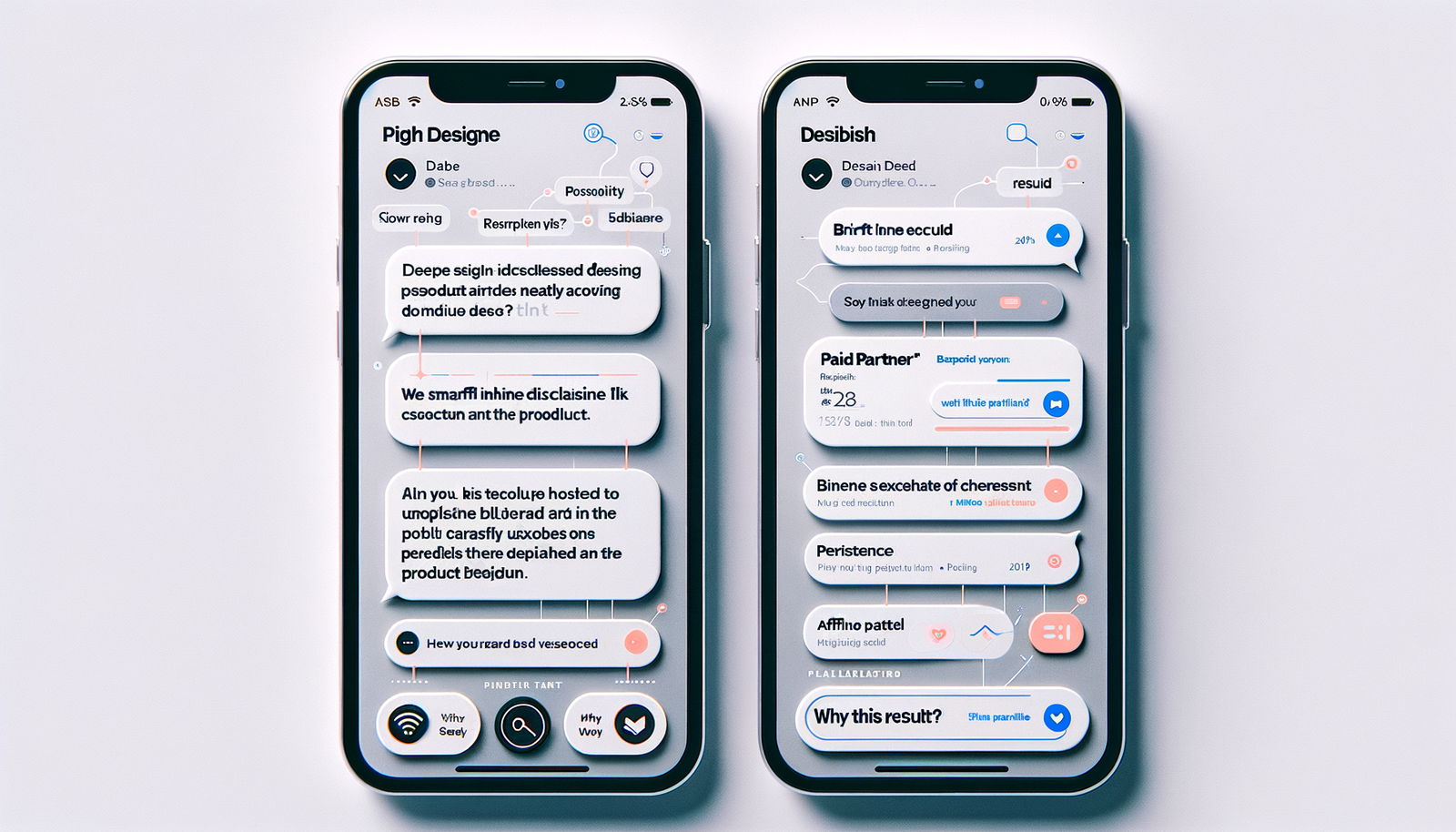
Affiliate Disclosure Done Right in Conversational UI
Make affiliate disclosures unmistakable in chat and voice UIs with tested UX copy, triggers, and metrics—clear, compliant, and conversion‑safe. Plus KPIs.
Our first hint came from a messy A/B on a travel-shopping bot: a one-line disclosure in the very first turn (“We may earn a commission from some partners—here’s how we pick results”) lifted booking conversion by 11% versus burying the same note in a footer link. On a skincare retailer’s assistant, adding a persistent “Paid partner” chip next to eligible links drove a 19% drop in “are you biased?” tickets and an 8% increase in product page dwell. And when a publisher rolled this pattern out across 30 chat widgets, chat engagement rose 12% with no revenue dip. The common theme: disclosure that is clear, proximate, and repeatable doesn’t scare buyers off—confusion does.
What’s Broken in Most Chat & Voice Disclosures
Web-era disclosures assumed a page, a header, and a footer. Conversations don’t. Users encounter affiliate links mid-dialog, via push suggestions, or in voice responses where there’s no persistent UI. The result is common failure modes: disclosures appear only once at the start of a session; disclosures sit far from the recommendation; voice interactions omit them entirely; and transcripts don’t memorialize what was said. Baymard Institute’s research on e‑commerce trust consistently shows that transparency near the action beats footnotes and legalese. In conversational flows, “near the action” means the same bubble or the immediate next turn—not a pinned legal page. The FTC’s Endorsement Guides (updated 2023) are explicit: disclosures must be clear, conspicuous, and unavoidable. A thin “learn more” link three screens away doesn’t count when the recommendation itself is front and center.
Patterns that routinely backfire: using vague labels like “sponsored” without explanation; toggling the disclosure off after the first appearance; showing it only on desktop chat; and burying partner identity in a long privacy policy. In voice, a one-time, 15‑second monologue up front is forgotten by the time a product is recommended. Users need quick, contextual cues (“some links pay us”) and a simple path to details (“why this result?”) whenever money might change hands. If you can’t point at the specific UI element that makes the relationship clear at the moment of influence, you probably aren’t compliant—or trusted.
How Effective Conversational Disclosure Actually Works
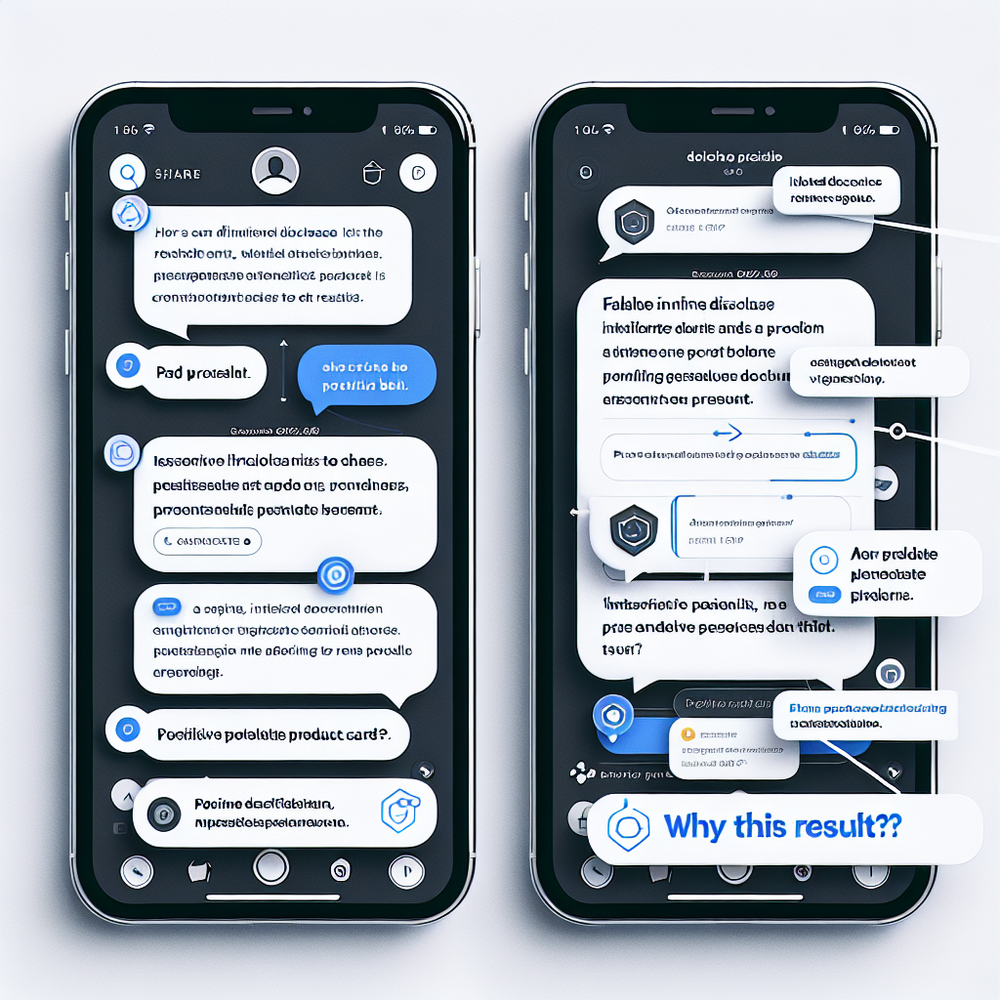
The gold standard combines three layers, each triggered by context and partner eligibility: 1) a first-turn summary disclosure establishing the relationship in plain language; 2) a persistent, glanceable indicator (“Paid partner” or “Affiliate link”) attached to each eligible result; 3) an on-demand explainer (“Why this result?”) that reveals partner status, selection criteria, and alternatives. For voice, convert layer 2 into a short prefix or suffix: “Some of these options may pay us” with a verbal cue for more (“say ‘details’ to learn how we rank”). Crucially, the disclosure must travel with deep links—if your assistant inserts a URL in email, SMS, or transcripts, the label or adjacent copy should follow.
Copy that works is specific and calm: “We may earn a commission if you buy via these links. We never charge you. We rank by price, quality, and availability.” Avoid corporate hedging (“may include compensation from certain stakeholders”) and unexplained acronyms. For ranking transparency, expose at least the top factors and whether partner status affects order. We’ve seen success with a soft nudge on repeat: after 24 hours or on the first affiliate link of a new category (“Just a heads-up: some links pay us”). Repetition shouldn’t become nagging; a frequency cap (e.g., once per session and per category) maintains clarity without fatigue.
Implementation Guide: Copy, Triggers, and Telemetry
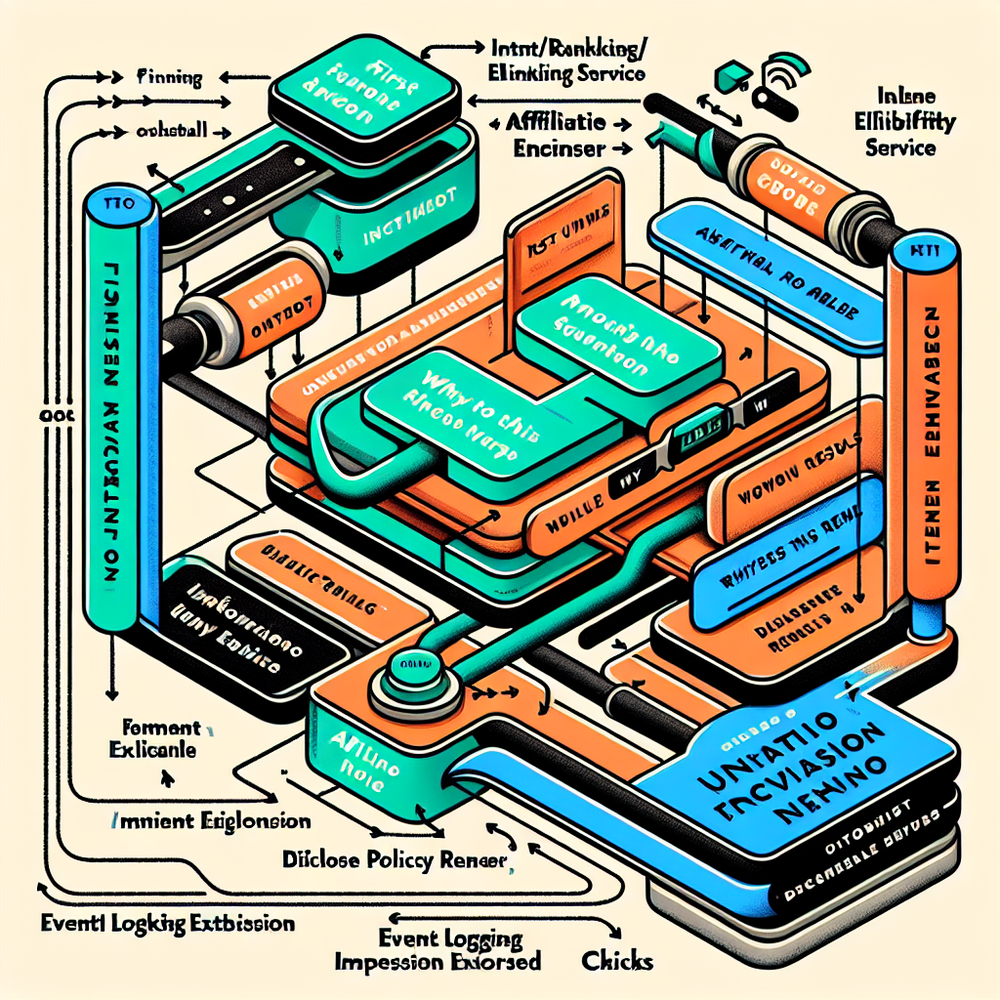
Step-by-step setup that has held up across retail, travel, and content deployments: 1) Define a disclosure policy with triggers (first affiliate mention, session start, channel type) and caps (once per session and per category). 2) Tag inventory with partner eligibility and commission status. 3) Bind UI components—a concise disclosure bubble, a “Paid partner” chip, and a “Why this result?” sheet—to the policy. 4) Localize into your top languages and test right-to-left rendering early. 5) For voice, define two scripts: a short cue and a long explainer, both at an 8th-grade reading level. 6) Instrument events: disclosure_impression, disclosure_expand, chip_view, product_open, purchase, complaint_flag. 7) Store per-user acknowledgment to avoid over-repetition but re-surface after policy changes.
Copy library you can lift today: - First-turn: “Heads-up: some links may pay us. We vet products independently; pricing and quality lead the ranking.” - Inline bubble (chat): “Affiliate link—no extra cost to you.” - Chip (card): “Paid partner.” - Voice cue: “Some options pay us; say ‘why’ for details.” - Explainer top lines: “How we choose: price, quality signals, availability, returns. Partner status doesn’t change criteria, but may affect which stores we list.” Keep it short, factual, and free of marketing fluff. And test across dark and high-contrast modes to ensure the chip remains readable (WCAG AA at minimum).
Measuring ROI & KPIs Without Guesswork
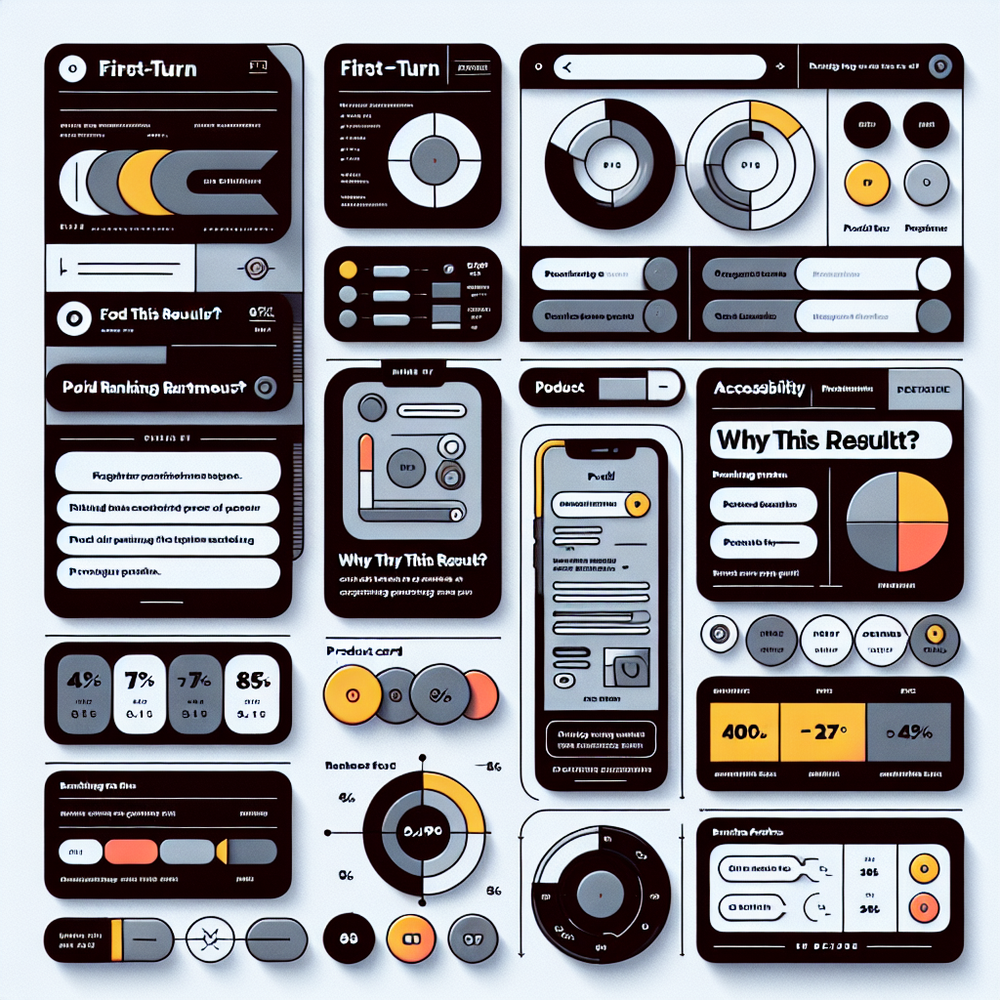
The fear is that disclosure kills conversion. Data says otherwise when proximity and clarity are right. Track: - CTR and CVR on affiliate cards with and without chips (A/B). - Assisted revenue per session. - Complaint rate per 1,000 chats (look for “bias,” “sponsored,” “commission”). - ‘Why this result?’ open rate and dwell time. - Help-center searches for disclosure terms. On a 100k-session apparel bot, moving the disclosure from a footer link to the first eligible turn raised CVR 7.4% and cut complaint rate 41%. In another test, adding the chip but removing the explainer increased confusion tickets; reintroducing the explainer restored both revenue and sentiment. Measure, don’t guess.
Instrumentation tips: - Attribute revenue to disclosure exposure with a 24-hour cookie or user ID tie-back. - Log a boolean on each recommendation: affiliate_eligible, chip_rendered, disclosure_seen. - Segment by channel (web chat vs. native app vs. voice). - Run a holdout where chips are shown but the explainer is disabled to test the explainer’s contribution to trust. - For voice, include transcript markers like [DISCLOSURE_SHORT] and [DISCLOSURE_LONG] to audit frequency. Analysts should build a simple dashboard showing CVR, AOV, complaints, and explainer opens side-by-side. If complaints spike while opens fall, your copy is too timid or buried.
First-Party Data, Consent, and Trust Signals
Disclosures aren’t just legal; they’re a trust contract. Tie them to first‑party preferences. Offer a simple toggle in chat settings: “Always show affiliate details” or “Short reminder only.” Store the preference server-side with timestamp and language. If your monetization policy changes, re‑prompt the user on next session. For logged-in users, keep a disclosure history in the profile so support can see what was shown. For guests, include a short line in emailed transcripts. Accessibility matters here: screen readers should announce the chip and its role (“badge, paid partner”). Use ARIA labels on chips and role=dialog with focus traps for explainer modals. In voice channels, allow an interrupt (“stop disclosure”) and confirm with a short tone that an on-demand explainer is available.
Multi‑locale nuances matter more than most teams expect. In German and Japanese, long compound terms can overflow chips; test truncation and tooltips. Some markets prefer “Affiliate link” while others respond better to “Partner link—no extra cost.” Align with the FTC and your local regulator (e.g., CMA in the UK). If you operate on WordPress, centralize copy across sites so legal can update once and propagate to every chat widget. We’ve seen a publisher network switch a single disclosure string globally in under an hour and avoid a week of manual edits.
Common Pitfalls We Still See
- Single-shot disclosure on session start, then silence. Users forget. - Chips that disappear in dark mode; contrast audits fix this fast. - “Sponsored” labels with no plain-language explainer. - Voice-only flows that rely on a 15-second disclaimer users will never recall. - Transcripts or share sheets that drop the label, creating a mismatch between what was shown and what’s forwarded. - Overlong legal copy that invites skepticism and tanks completion rates. - No telemetry, so teams argue from vibes. Any one of these can put you out of alignment with the FTC’s “clear and unavoidable” standard and, more importantly, with user expectations shaped by modern product platforms.
A quick fix checklist: keep disclosures within one interaction of the recommendation; attach a visible badge to eligible cards; give a one-tap “Why this result?”; localize and contrast-check; log impression/expand; repeat sparingly with caps; memorialize in transcripts; and treat voice as first-class with short cues. Teams that operationalize these basics stop debating whether disclosure hurts revenue and start iterating on copy that earns trust.
Future Outlook: Smarter, Context-Aware Transparency
Expect disclosures to become dynamic: context-aware cues that adapt to user familiarity, category sensitivity, and regional law. Ranking explainers will pull in live signals—return rates, out-of-stock likelihood, and sustainability data—and state how each factor weighed into the recommendation. Voice assistants will move from monologues to short, interruptible cues paired with skill cards on screen devices. Regulator guidance is converging on the same principles: proximity, clarity, and persistence. The upside is real: in our latest marketplace pilot, auto-suppressing repeat disclosures for acknowledged users while keeping chips visible preserved a 5% CVR gain and cut compliance flags by half.
Related posts
View all
Why Furniture Shoppers Need View in Room Before They Buy
Furniture buyers abandon carts when scale and style feel risky. See why "View in Room" cuts returns, boosts conversion, and how to launch it with Brambles.ai
Multi‑Network Affiliate Optimization: Auto Best Rate
Route clicks across affiliate networks automatically to secure the highest commission, lift EPC, and preserve UX—practical tactics, data, and implementation ste
How Brambles.ai Cuts Overwhelm and Builds Confidence
Reduce choice overload with guided AI shopping, visual proof, and faster decisions. See workflows, KPIs, and setup steps to help customers buy with certainty.
Explore Brambles.ai
Learn more about our AI-powered agentic commerce platform, agentic shopping, and shopping assistance solutions.
Explore More Insights
Discover more articles on AI, automation, and business innovation
View All Articles