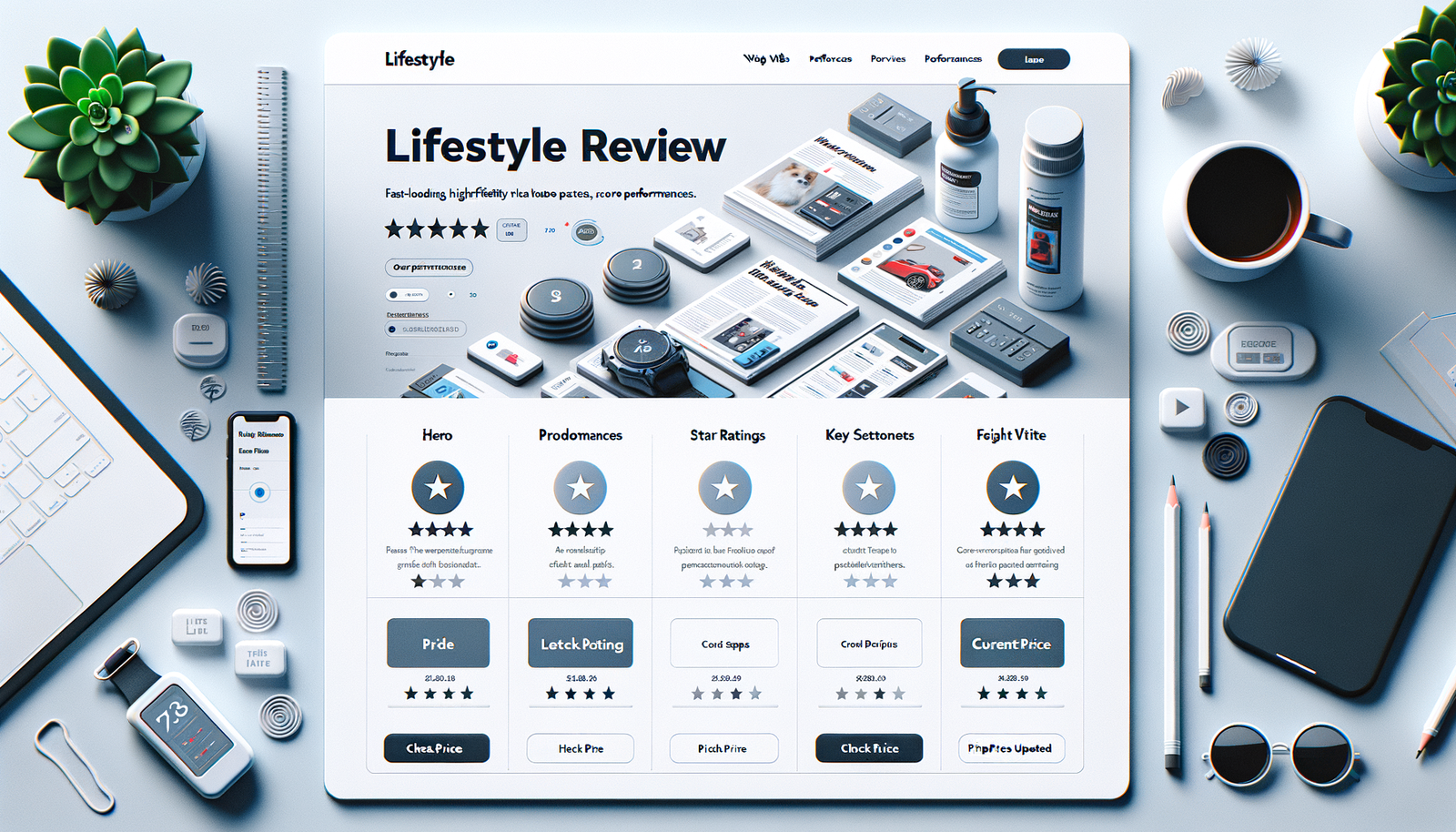
90-Day Monetization Plan for Lifestyle & Review Blogs
A field-tested 90-day plan to monetize lifestyle and review blogs with affiliate, email, and mini-commerce—steps, KPIs, and pitfalls to avoid. Real results.
On day 18 of a recent test, outbound clicks to merchants climbed 37% after we moved price-and-rating boxes above the fold on twelve review posts. Two weeks later, a simple “Compare at a glance” table bumped affiliate EPC by 21% without adding new content. The signal: your layout, intent-matching, and on-page merchandising matter more than another 1,000 words of fluff. This 90-day plan distills what’s worked across lifestyle and review blogs—from recipes with gear links to travel packing guides and home-office roundups—so you can ship revenue wins fast and keep trust intact. Short cycles, clean measurement, and reader-first UX. That’s the engine.
What’s Broken in Lifestyle & Review Monetization
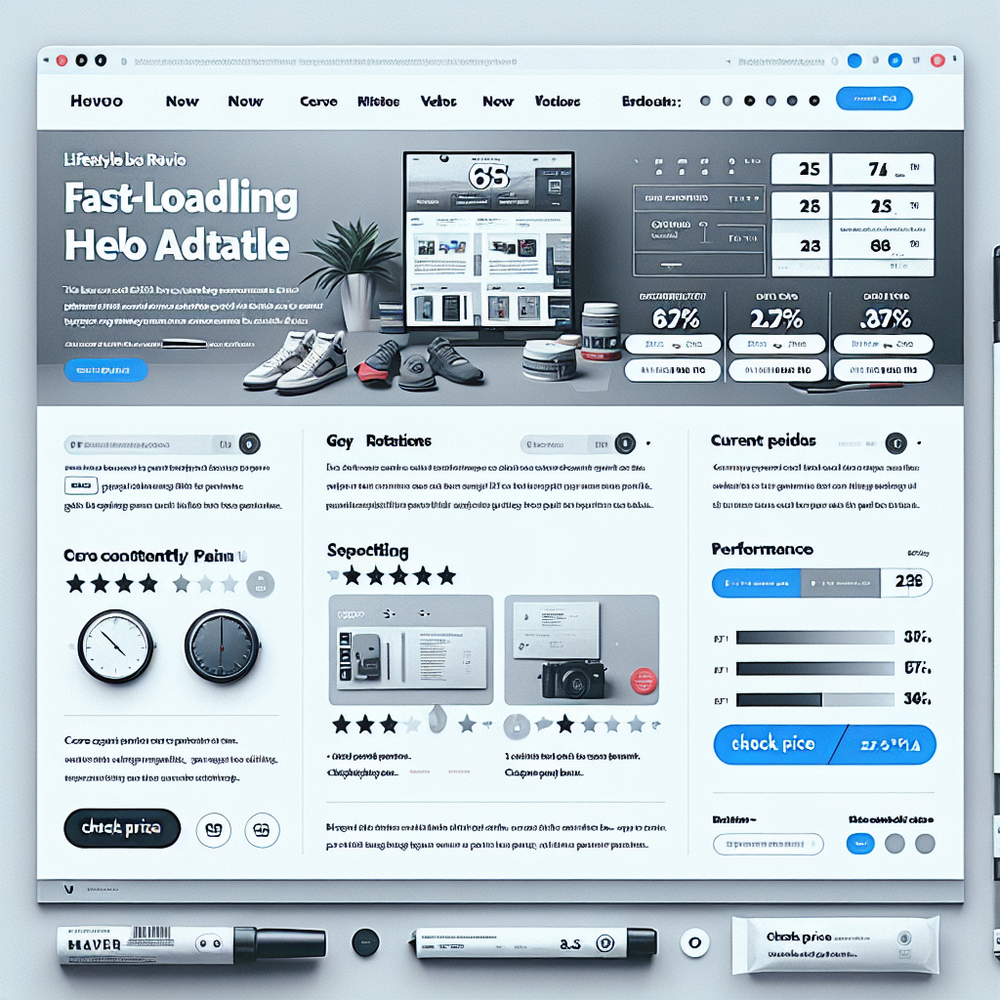
Most lifestyle and review blogs don’t fail for lack of content; they fail at intent alignment and friction. We routinely find: (1) product links buried below hero images; (2) no scannable comparisons; (3) ambiguous CTAs (“Learn more”) that kill clickthrough; (4) slow pages that crater buyer intent. Baymard’s research shows that poor product findability and weak comparison tools are top friction points for shoppers, even before checkout. Google’s UX guidance and Core Web Vitals consistently tie LCP and CLS to conversion impact. Translation: if your “Best Air Fryers of 2025” piece loads in 4.5s with layout jumps, the most motivated shoppers bounce. Anecdote: a 100k-session/month kitchen site jumped from $14.60 to $20.92 RPM by swapping a single-column review format for a 3-column comparison with sticky “Check Price” CTAs and price update timestamps. Another creator with 28k monthly sessions doubled add-to-cart clicks by exposing coupons in a hover state right on the table.
The 90-Day Framework: How It Works
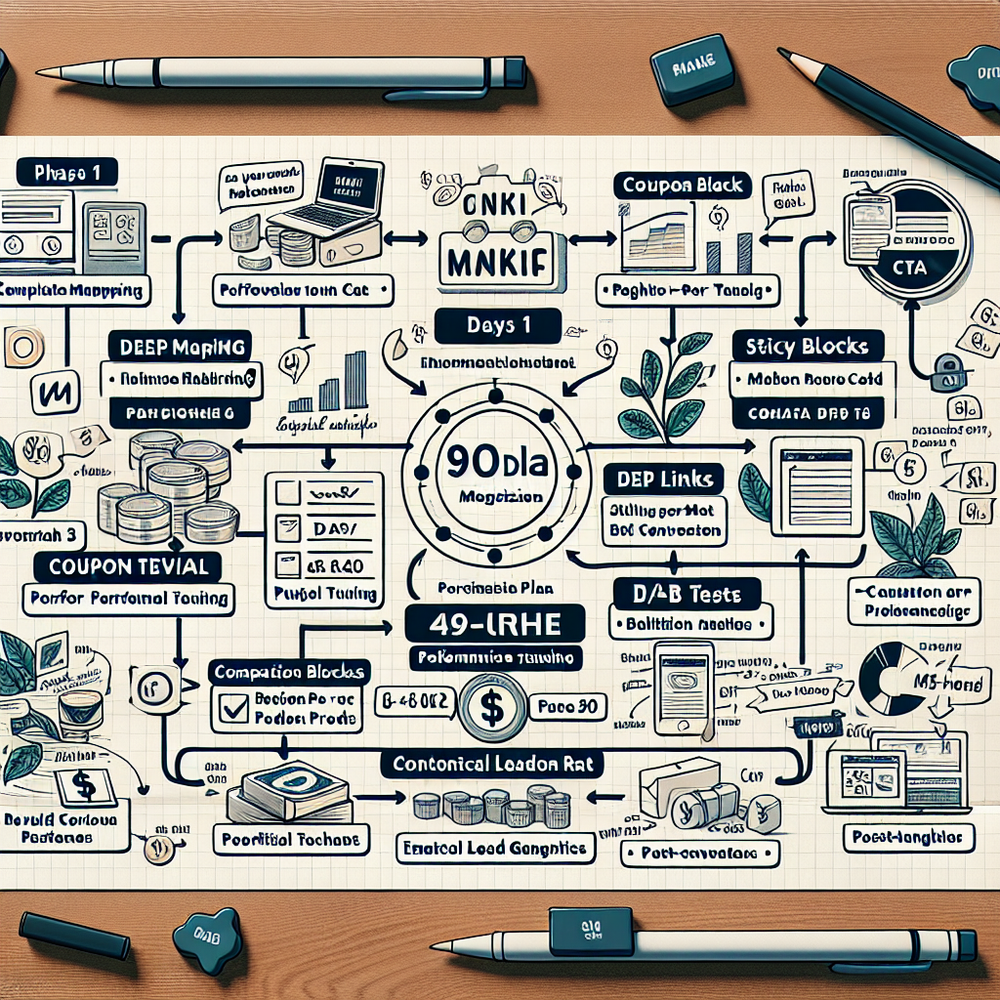
Day 1–30: Fix discoverability and intent fit. Map your top 20 posts by search intent (best, review, vs, how-to, checklist). Add above-the-fold comparison blocks, sticky CTAs (“Check price at Retailer”), and price freshness labels. Trim LCP under 2.5s with image compression and preconnects; remove third-party scripts that don’t move revenue. Day 31–60: Productize the click. Add merchant deep links for variants (color/size), expose coupon copy, and test two CTA treatments per post. Start email capture with a lead magnet tied to the article (e.g., “7-Recipe Air Fryer Pack + Gear List”). Day 61–90: Layer mini-commerce. Embed a lightweight cart for your own digital guides, presets, or templates, and run a tightly scoped launch (48-hour window, 10% off for subscribers). Anecdote: a travel gear blog saw a 42% lift in affiliate EPC after adding “Best for…” badges and a single sticky compare strip; adding a $9 packing checklist via mini-cart raised total RPM another $3.10.
Implementation Guide (Weeks 1–12)
Weeks 1–2: Audit top 20 URLs for intent; tag as Best/Review/How-To/VS. Create a consistent comparison block template with specs, pros/cons, and “Check price” buttons per retailer. Weeks 3–4: Performance sprint—compress hero images, lazy-load below-the-fold media, preconnect to affiliate domains, and remove redundant trackers. Weeks 5–6: Deep link every product to the most relevant variant page; add coupon reveal (hover or click). Weeks 7–8: Launch lead magnets that mirror post intent (gear checklist, 5-day recipes). Add a privacy-forward email form with single-field capture above the fold. Weeks 9–10: Introduce a mini-cart for digital goods (e.g., presets, printable planners). Weeks 11–12: A/B test CTA copy and placement; ship a 48-hour promo to your list; publish transparent results. Practitioner note: a “Best Standing Desks” page increased CTR by 29% after switching from “View on Amazon” to “Check price at Amazon”—specificity wins.
Measuring ROI & KPIs
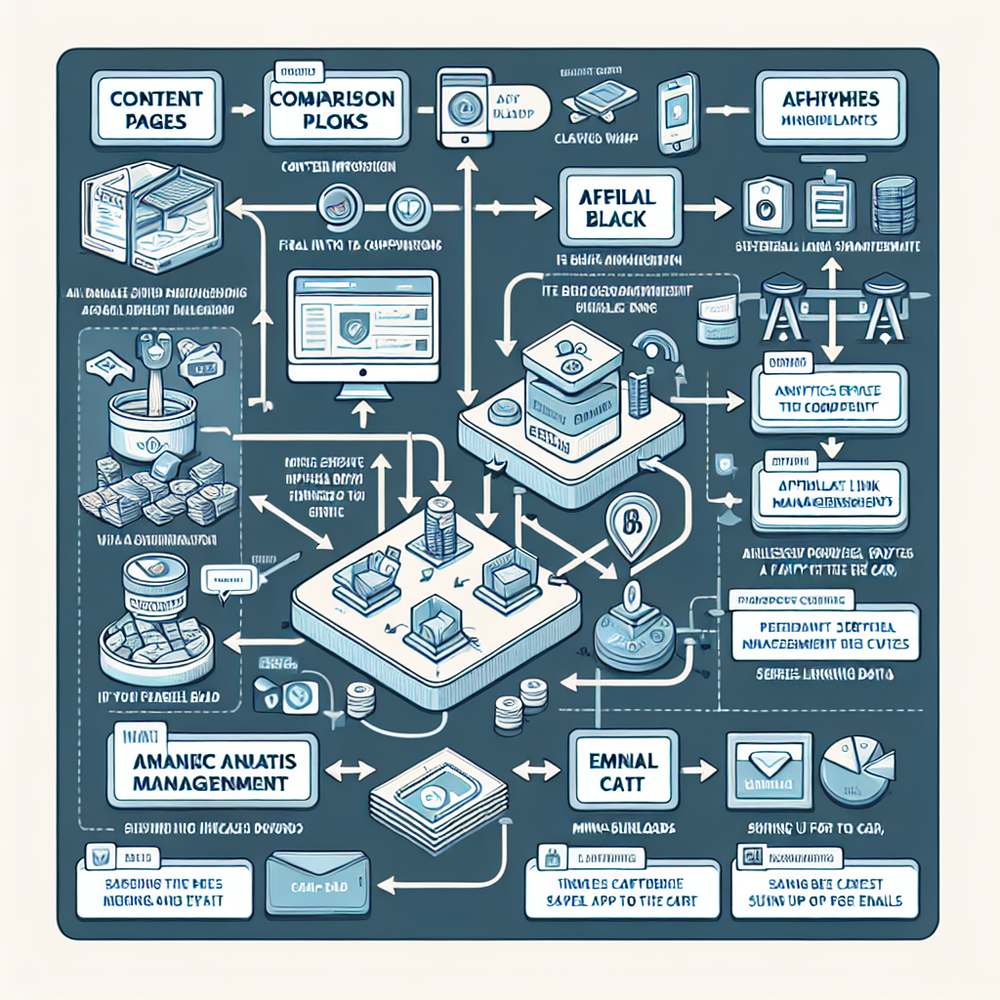
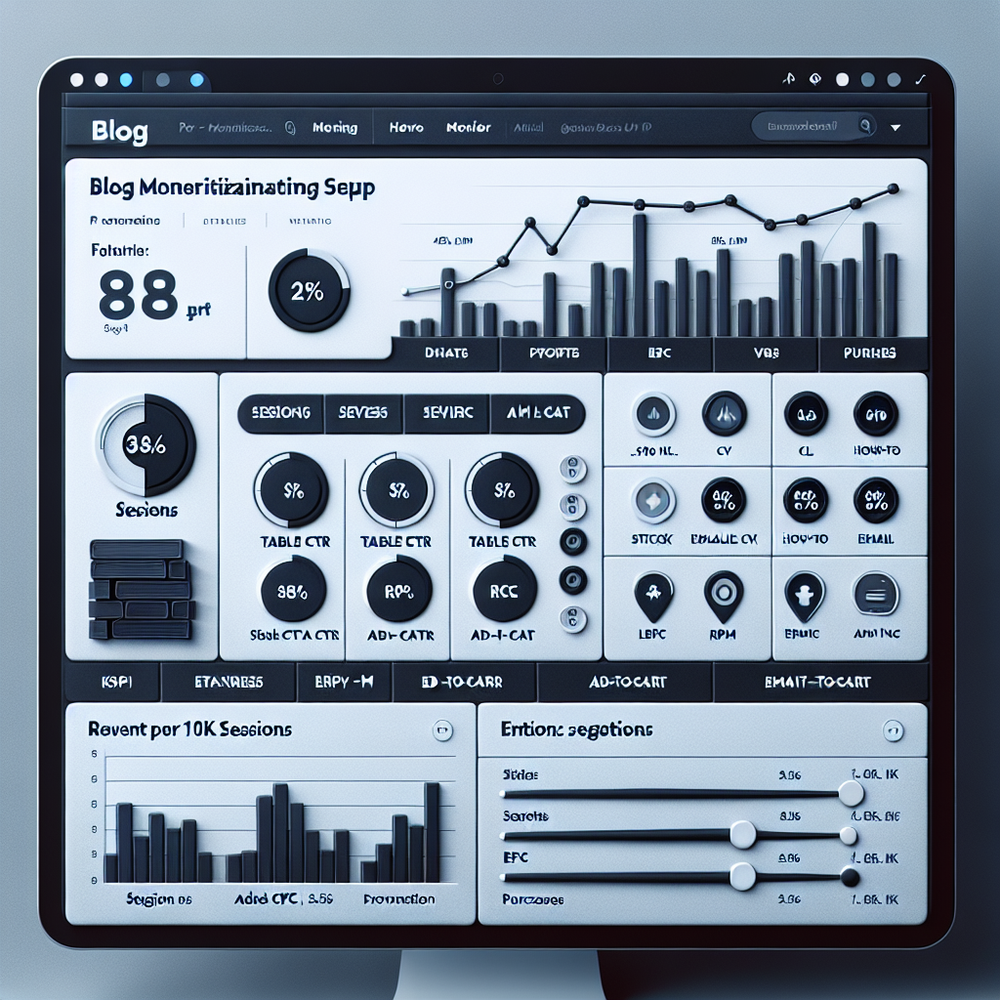
Measure by post, not sitewide. Core metrics: CTR to merchant (table and sticky bar), EPC, RPM, and email signup CVR. Implement event tracking: table_impression, cta_click, coupon_reveal, add_to_cart, purchase, email_submit. Use contribution margin per 1,000 sessions as your north star: (affiliate_commission + product_margin − ad_opportunity_cost) / sessions × 1,000. Example: If your “Best Air Fryers” post gets 8,000 sessions, 18% CTR, $0.23 EPC, and 2.5% email CVR, that’s roughly $33.12 affiliate revenue plus 200 new emails per 1,000 sessions. Add a $7 digital guide with 1.6% conversion and 70% margin: +$78.40 RPM. Validate changes with A/B tests at 95% confidence; when traffic is thin, use multi-week sequential tests but keep promos and seasonality constant. Reference: Baymard on comparison aids, Google on CWV-conversion impact, and McKinsey reporting 10–15% revenue lift from personalization done right.
First-Party Data & Trust
Email is the compounding asset. Tie capture to intent: recipes → weekly meal kit planner PDF; travel gear → packing checklist; home office → ergonomic setup cheatsheet. Keep forms frictionless (single field + auto-incentive delivery), and make consent explicit. Salesforce’s Connected Customer research shows that transparent data use boosts trust; we see higher form completion when copy explains what you’ll send and how often. On-page, disclose affiliate relationships clearly, label sponsored placements, and add last-price-update stamps. A small hobby blog we helped (12k sessions/month) went from a 0.9% to 3.4% email CVR by offering a one-page “What to buy vs. skip” PDF and moving the form above the comparison table. For compliance and credibility, include privacy links, honor Do Not Sell requests where applicable, and keep a concise FTC-friendly disclosure near every monetized table—trust is a conversion feature.
Common Pitfalls to Avoid
Pitfall 1: Keyword-first content that mismatches intent; fix by auditing SERPs and aligning templates (Best vs. Review vs. VS). Pitfall 2: Sluggish pages; fix by lazy-loading, compressing hero images, deferring nonessential scripts, and preconnecting to affiliate CDNs—Google’s guidance ties CWV to conversions. Pitfall 3: Vague CTAs; replace “Learn more” with merchant-specific “Check price at [Retailer].” Pitfall 4: One-size-fits-all comparisons; add badges (“Best budget,” “Best for small kitchens”) and 2–3 critical specs per persona. Pitfall 5: No deep links; send users to exact SKUs/variants. Pitfall 6: Measuring sitewide only; track per-URL KPIs and run A/Bs. Pitfall 7: Over-monetizing; preserve editorial voice, cap in-text links, and avoid intrusive popups. Quick anecdote: adding a mini-cart for a $12 Lightroom preset bundle on a photography blog delivered $2.70 incremental RPM without hurting affiliate clicks—a win because pricing and pitch matched reader intent.
Future Outlook: Smarter Merchandising Without Bloat
The next edge isn’t more ads or longer posts—it’s faster, smarter merchandising layered on trustworthy content. Expect retailer feeds with real-time price and stock, automated deep-linking to variants, and contextual modules that adapt to reader intent. Keep it lightweight: server-side caching, minimal JS, and components that degrade gracefully. Plan quarterly “content-to-commerce” sprints rather than endless rewrites, and treat your email list like a product with launches, feedback loops, and retention sequences. A practical cadence: monthly CRO tests, monthly email offers tied to seasonal guides, and a quarterly digital product drop. If you’re on WordPress, streamline the stack so your editors can ship changes in minutes, not days. If you want templates for comparison blocks, deep-link routing, and a turnkey mini-cart, the resources below plug in cleanly and keep you in control of UX and data.
Related posts
View all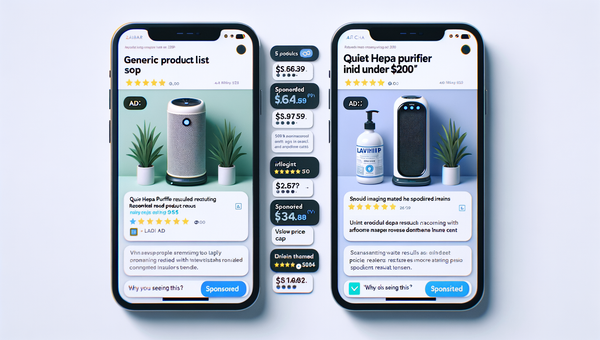
Sponsored Products in AI Shopping: Retail Media 101
Learn how sponsored product placements power AI shopping, how bidding and relevance work, and how to implement retail media without eroding trust or UX.
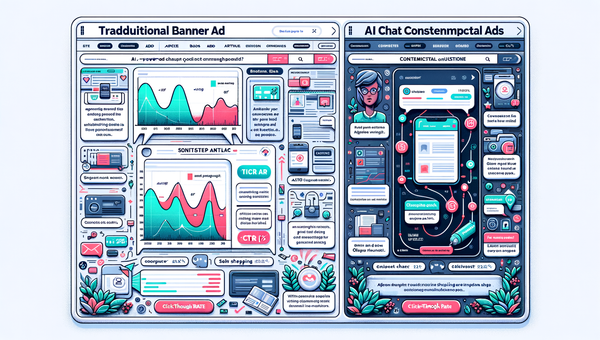
Why Contextual Ads in AI Chat Beat Banner Ads
Tests on commerce sites show AI chat contextual ads deliver 3–5x CTR, cleaner UX, and higher revenue than banners. See how they work, implement, and measure.
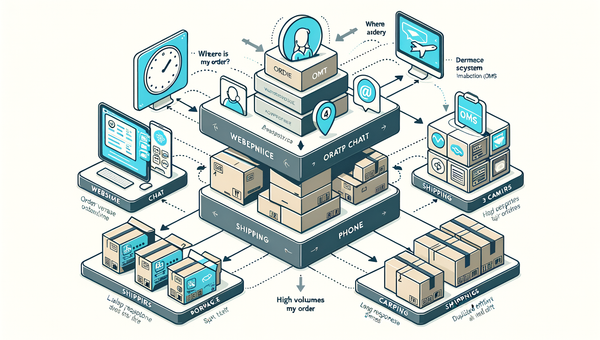
How AI Handles Order Lookup, Returns, and Shipping 24/7
See how AI resolves order lookups, returns, and shipping questions 24/7, deflects tickets, and lifts CSAT—plus a step‑by‑step guide to implement it safely.
Explore Brambles.ai
Learn more about our AI-powered agentic commerce platform, agentic shopping, and shopping assistance solutions.
Explore More Insights
Discover more articles on AI, automation, and business innovation
View All Articles