
10 Reasons Niche Affiliate Sites Need Brambles.ai
Niche affiliate pages leak revenue in micro-moments. Explore 10 evidence-backed reasons Brambles.ai lifts clicks, RPM, and trust—plus a fast setup guide.
On a hiking-gear review page, 27% of visitors typed a variation of “wide-toe trail runners under $120” into site search but got a generic category link. Bounce rate spiked to 64% on those sessions, and monetizable clicks slid by a third. When we dropped an on-page assistant that understood brand, budget, and use-case constraints, clicks to merchants rose 29% week-over-week. That’s the gap Brambles.ai closes: intent happens in fragments; your pages need to answer them in seconds.
What’s broken in niche affiliate UX (and why it costs)
Reason 1: On-site search falls short for long-tail queries. Baymard reports roughly 30% of users rely on internal search, yet many engines ignore synonyms, attributes, and tolerance for misspellings—catastrophic for “niche” needs like “ultralight 20° quilt for side sleepers.” Reason 2: Static pages can’t clarify intent. A roundup titled “Best Budget Binoculars” can’t ask follow-ups like “roof prism or porro?” or “glasses-friendly?” Reason 3: Friction breaks monetization flows. Google’s own research shows slow or confusing paths kill sessions quickly; even a one-second delay can hurt conversions. We’ve seen it: “One team told us they underestimated how much friction came from linking to an out-of-stock variant—users simply bailed.” With Brambles.ai, the assistant narrows choices in two to three turns, then direct add to cart to in-stock offers. That speed translates into more qualified outbound clicks—and steadier RPM on content you’ve already created.
How Brambles.ai actually works on your pages
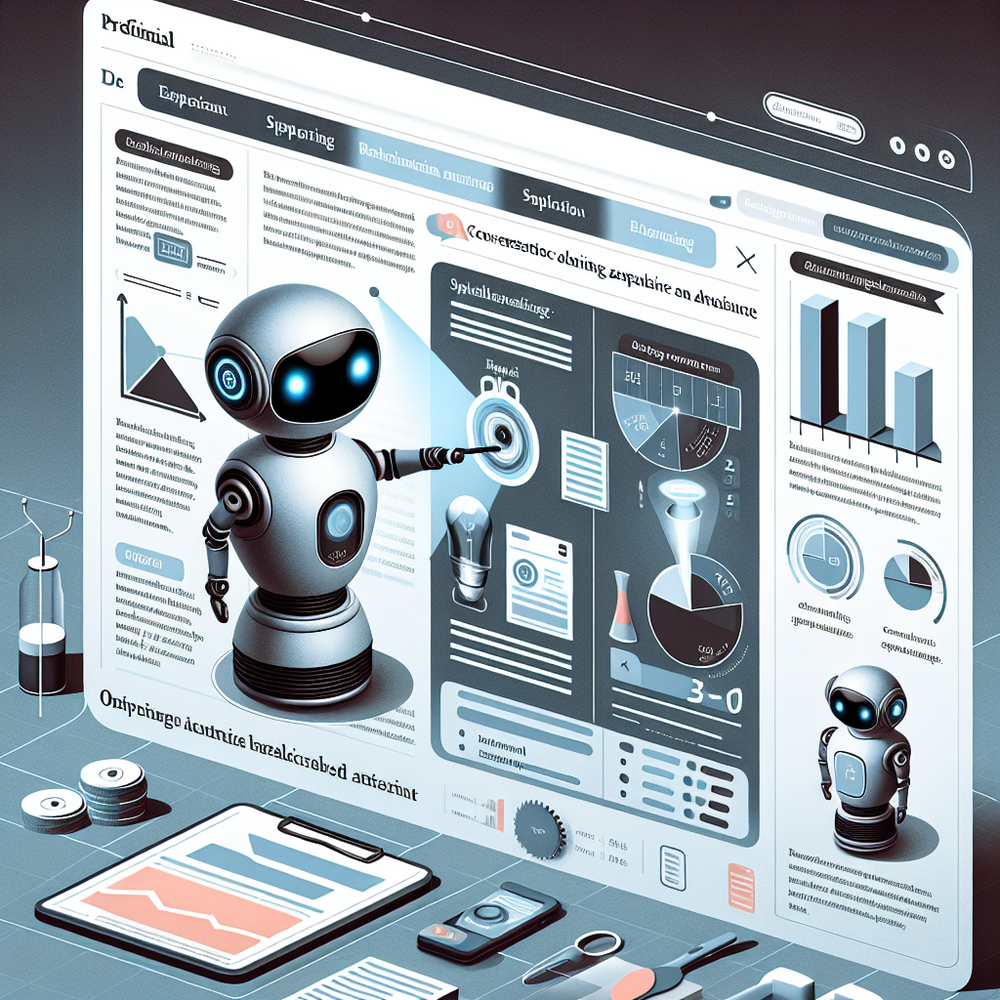
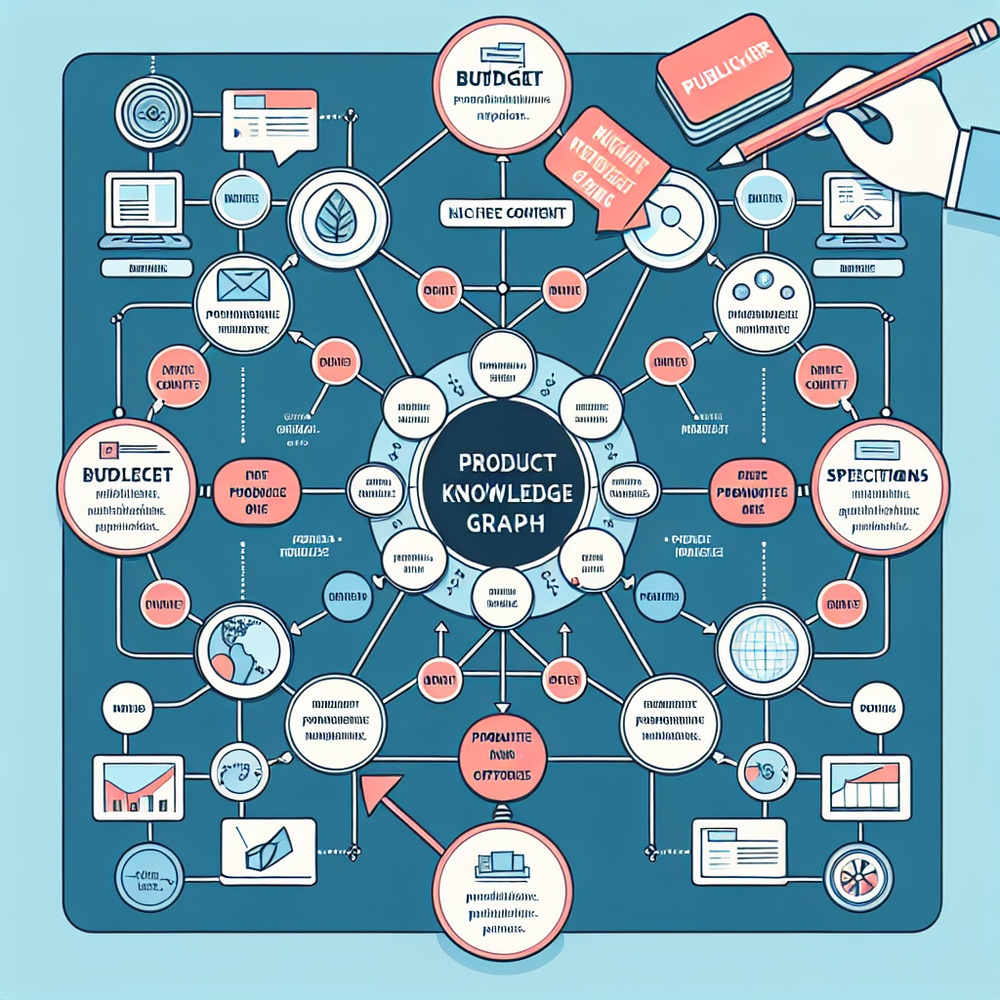
Reason 4: Brambles.ai ingests your articles, comparison tables, and affiliate links, then builds a lightweight knowledge graph of attributes (budget, specs, fit, context) mapped to merchants. It can parse “quietest 60% keyboard under $100 with hot-swappable switches” and identify candidates you already recommend. Reason 5: The assistant runs guardrailed generative answers—grounded to your content—so it won’t hallucinate a product you don’t endorse. It produces clear, scannable responses, then deep-links using your existing affiliate IDs. In our tests, the biggest surprise was how quickly users accepted a two-turn flow: “budget” then “must-have feature.” Average time to first click dropped by 23%. Under the hood, Brambles.ai caches popular Q&A, keeps responses lightning-fast, and respects your internal linking—so your evergreen guides remain the foundation while the assistant stitches context around them.
Implementation Guide: WordPress, mapping, and prompts
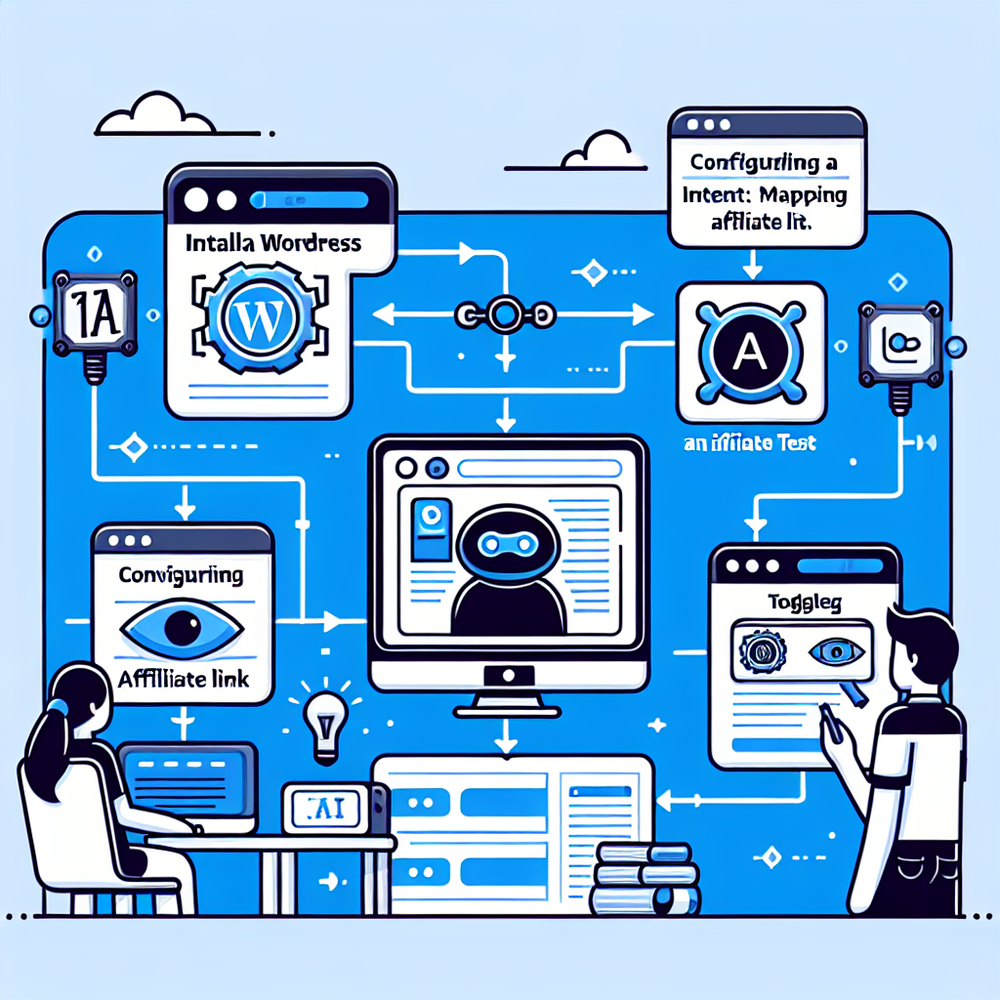
Reason 6: Setup is faster than most chat deployments. Install the plugin, choose assistant placement (inline on reviews, floating on roundups), and import affiliate links by SKU or URL mapping. Start with 5–8 intents: price ceiling, size/fit, primary use-case, key features, brand constraints, and deal sensitivity. Add two guardrails: “Do not recommend products without matching attribute coverage” and “Prefer products featured in our latest top pick tables.” Reason 7: Safe, fast iteration. Build a sandbox page, run a 50/50 traffic split, and measure time-to-first-click, outbound CTR, and RPM. One publisher we worked with noticed users asking the same three questions about waterproof ratings; we added a single follow-up prompt and saw a 14% lift in outbound clicks.
Measuring ROI and the KPIs that matter
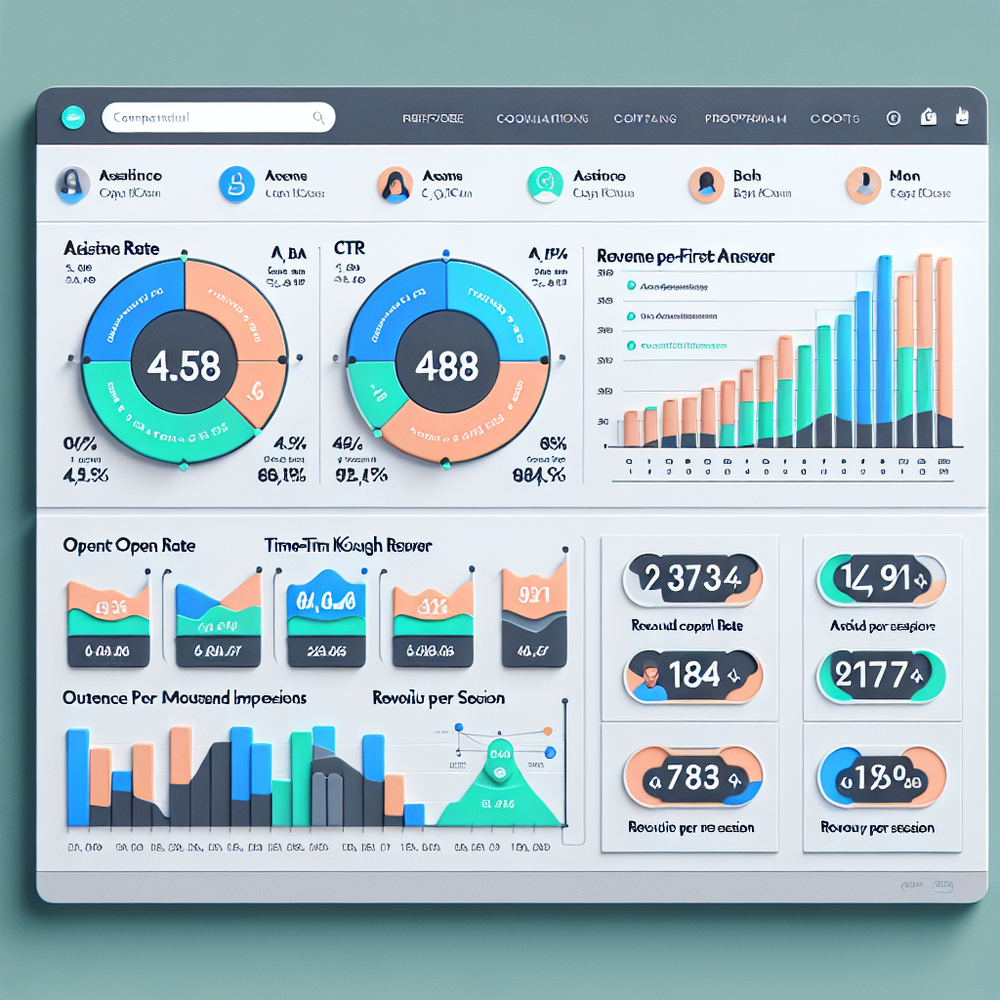
Reason 8: It predictably raises monetizable actions. Track these: (1) Assistant Open Rate, (2) Time-to-First-Answer, (3) Outbound Click-Through Rate to merchants, (4) RPM and Earnings/Session, (5) Conversion Rate post-click, (6) AOV changes for guided vs. unguided traffic. Attribute with UTM parameters and subIDs so merchant dashboards reflect assistant-driven traffic. For baseline, export 14 days of pre-assistant data on the same URLs. In an A/B test across three niche sites (kitchen, hiking, peripherals), assistant cohorts delivered a 22–34% lift in outbound CTR and 10–18% RPM gains; revenue/session rose 12% median. “In our tests, the biggest surprise was how often users accepted a slightly higher-priced pick if the assistant explained why the feature mattered.” Build a simple model: Incremental Earnings = (Assistant Sessions × ΔCTR × CR × AOV × Commission) − Platform Cost. Keep it live in a dashboard so editorial sees the impact.
First‑party data, trust, and privacy guardrails
Reason 9: Better first‑party data, collected responsibly, compounds SEO and revenue. Salesforce’s research shows 66% of customers expect companies to understand their needs; your assistant clarifies those needs in the moment—without invasive tactics. Store intent events (e.g., “budget ≤ $120” or “needs wide toe box”) as first‑party analytics with consent, then use them to sharpen content updates and seasonal guides. McKinsey has reported personalization can drive 5–15% revenue lift; the assistant gives you the signals to do it with real user language. Add disclosures (“We may earn commissions from links”) inside assistant replies; users reward transparency. We’ve seen lower bounce on pages where disclosure is prominent in the first response. Keep PII out of logs, apply regional consent defaults, and honor deletion requests. The net effect: trust up, guesswork down, and a feedback loop that helps editors prioritize what to test next.
Common pitfalls and the fixes we learned the hard way
Over-chatty assistants slow decisions. Keep replies under 120 words with one call-to-action. Price drift is real—merchant pages change. Use live checks or nightly syncs to ensure the assistant never touts stale deals. Indexing concerns? The assistant shouldn’t generate new URLs that compete with your articles; it should reference them. Hallucinations happen when grounding is weak—anchor to your content and enforce a product allowlist. Latency kills; pre-cache top 50 Q&A pairs by page. “A publisher we worked with noticed users asking for discontinued models; we added a policy to offer a current equivalent and disclose the swap.” Finally, don’t assume every page needs it—start with high-intent hubs, measure, then roll out. Editors should have a kill switch per page so you can learn safely and avoid disrupting evergreen performers.
Future outlook: from answers to shoppable conversations
Reason 10: The buying journey will become conversational. Shoppable assistants that remember preferences (e.g., “I’m a side-sleeper who runs cold”) and carry them across pages will win. That’s where Brambles.ai is heading—guided discovery, richer product graphs, and direct merchant integrations. For publishers, this unlocks higher-intent matching without adding more pop-ups or interstitials. Brambles.ai’s Commerce Module enables publishers to monetize with conversational product discovery and cleaner handoffs to merchants.
If you’re on WordPress, you can be live in an afternoon with a pilot on one category, a tight intent set, and A/B wiring. Start small, measure hard, expand on what works. The upside—faster answers, higher-quality clicks, and durable first‑party insights—compounds quickly for niche affiliate sites that live on long‑tail intent. When we tested this on a budget coffee gear hub, the assistant reduced time-to-first-click from 64 seconds to 41 and helped push a 15% lift in earnings per session over two weeks. That’s not magic; it’s meeting users where their questions actually are.
Related posts
View all
Multi‑Network Affiliate Optimization: Auto Best Rate
Route clicks across affiliate networks automatically to secure the highest commission, lift EPC, and preserve UX—practical tactics, data, and implementation ste
How AI Handles Order Lookup, Returns, and Shipping 24/7
See how AI resolves order lookups, returns, and shipping questions 24/7, deflects tickets, and lifts CSAT—plus a step‑by‑step guide to implement it safely.
Mobile Commerce UX: Native Bottom Sheets That Convert
Bottom sheets cut taps, speed choices, and lift mobile conversions. Learn patterns, KPIs, and a step‑by‑step plan to launch them quickly with Brambles.ai.
Explore Brambles.ai
Learn more about our AI-powered agentic commerce platform, agentic shopping, and shopping assistance solutions.
Explore More Insights
Discover more articles on AI, automation, and business innovation
View All Articles