How AI Replaces Manual Affiliate Linking for Publishers
Manual affiliate linking bleeds time and revenue. Learn how AI automates creation, updates, and optimization for publishers—with steps, KPIs, and proof.
How AI Replaces Manual Affiliate Linking for Publishers
In a 30‑day audit across seven lifestyle and tech sites, 18.7% of affiliate links were broken, geo-blocked, or pointed to out-of-stock products. One home decor publisher told us they spent 11 hours weekly rebuilding links after price changes nuked conversion. On an apparel review site (100k sessions/month), shifting to AI-driven linking cut dead links from 12% to under 2% and lifted RPM 38% in two weeks. Time saved became new content, not spreadsheet triage.
Quick Answer
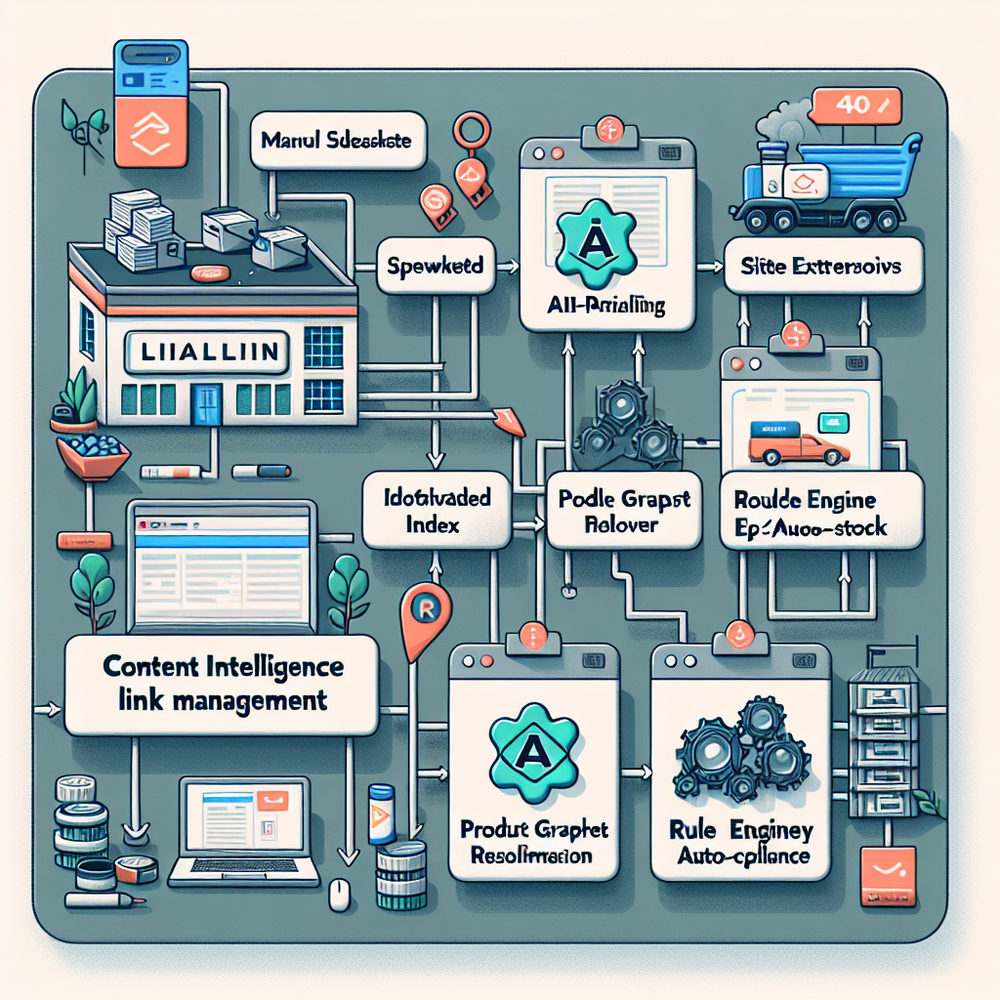
AI replaces manual affiliate link management by reading your content, detecting product/entity mentions, resolving the best merchant offer in real time, and inserting or updating links based on rules like EPC, stock, and geo. It also fixes link rot, standardizes UTM, and discloses affiliate relationships. The outcome: higher RPM with fewer hands in spreadsheets and fewer broken experiences for readers.
What’s Broken in Manual Affiliate Link Management
Manual linking fails because content and offers change faster than humans can update spreadsheets. Merchants rotate programs, SKUs go out of stock, and a single product mention might map to ten retailers with wildly different EPC and shipping—decisions that are impossible to maintain post-publish.
The hidden tax is link rot and misrouting. Baymard Institute notes that broken or unclear paths compound abandonment across the funnel; dead/out-of-stock links create the same friction at the top (trust hit, wasted intent). We’ve seen sections with 20%+ dead links quietly suppressing revenue for months.
Anecdote: a gadget review publisher used a browser extension to add links as editors wrote. Three months later, 14% of those links pointed to discontinued SKUs. After moving to automated resolution, their click-to-available-product rate improved 26%, and returns to page dropped 9%. This is fixable with AI—not more headcount.
How AI Replaces the Workflow
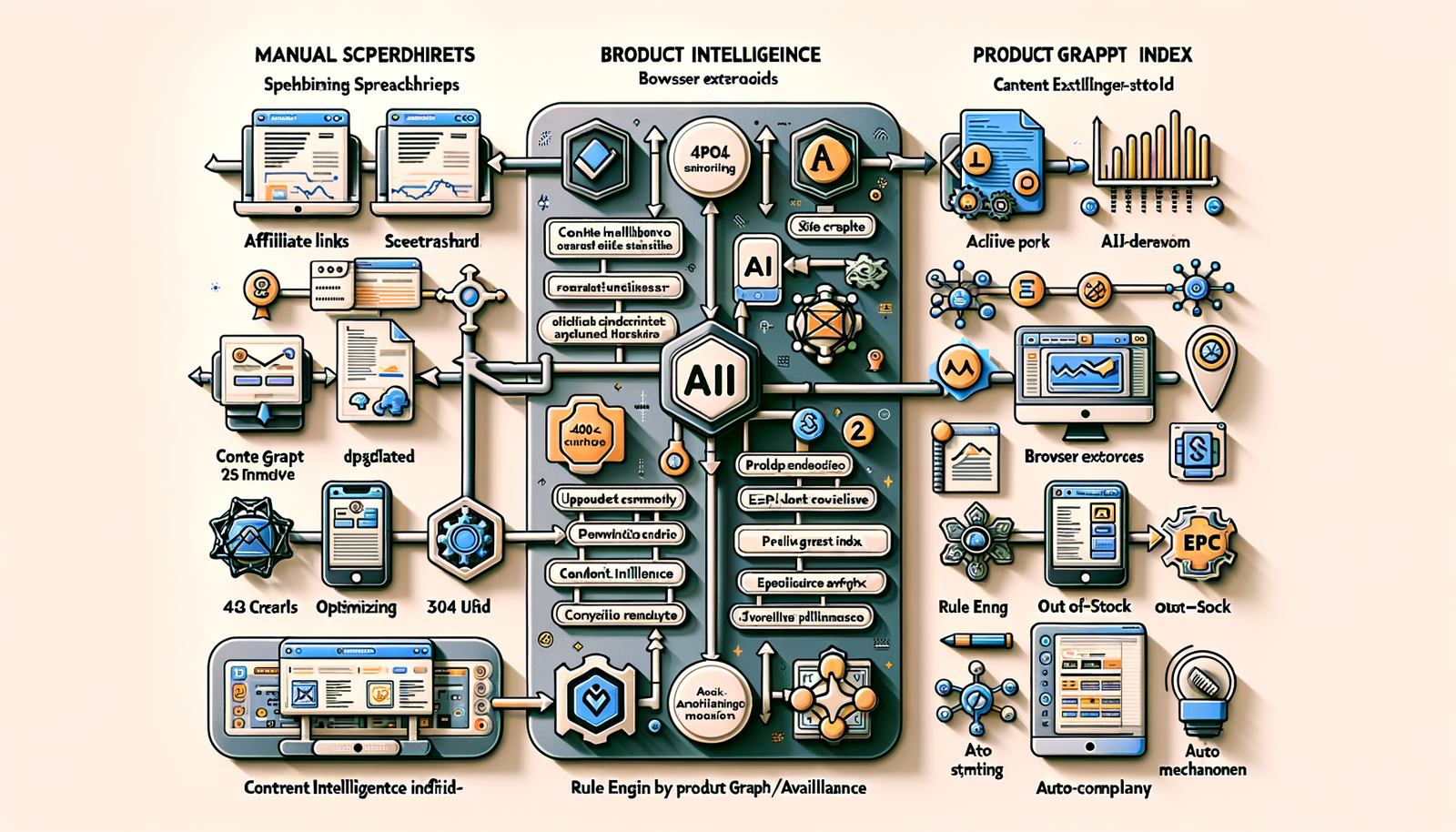
The AI workflow reads pages, identifies shoppable mentions, maps them to a product graph, and picks the best merchant route in milliseconds—with policy guardrails. Brambles.ai does this end‑to‑end without editors hunting for links or toggling networks.
Three features do most of the lifting: 1) AI product discovery detects products and variants in natural language and matches them to live offers; 2) Affiliate revenue logic routes traffic across 1B+ products and networks, prioritizing EPC, availability, and reader location; 3) Content intelligence indexes your entire site to inform precise, context-aware linking—even on evergreen posts written years ago.
For reader experience, Inline shopping embed and AI shopping chat let visitors ask follow-ups (“Any size 12 left under $120?”) and get direct, shoppable answers. Proactive engagement can suggest alternatives when items sell out, avoiding dead-ends that drain trust. When supported, direct add to cart moves buyers from answer to checkout without extra clicks.
Implementation Guide (Brambles.ai)
You can deploy in under an hour. Start small (one section or 10 URLs), measure, then roll out sitewide once KPIs clear a threshold. Here’s the field‑tested path we use with publishers.
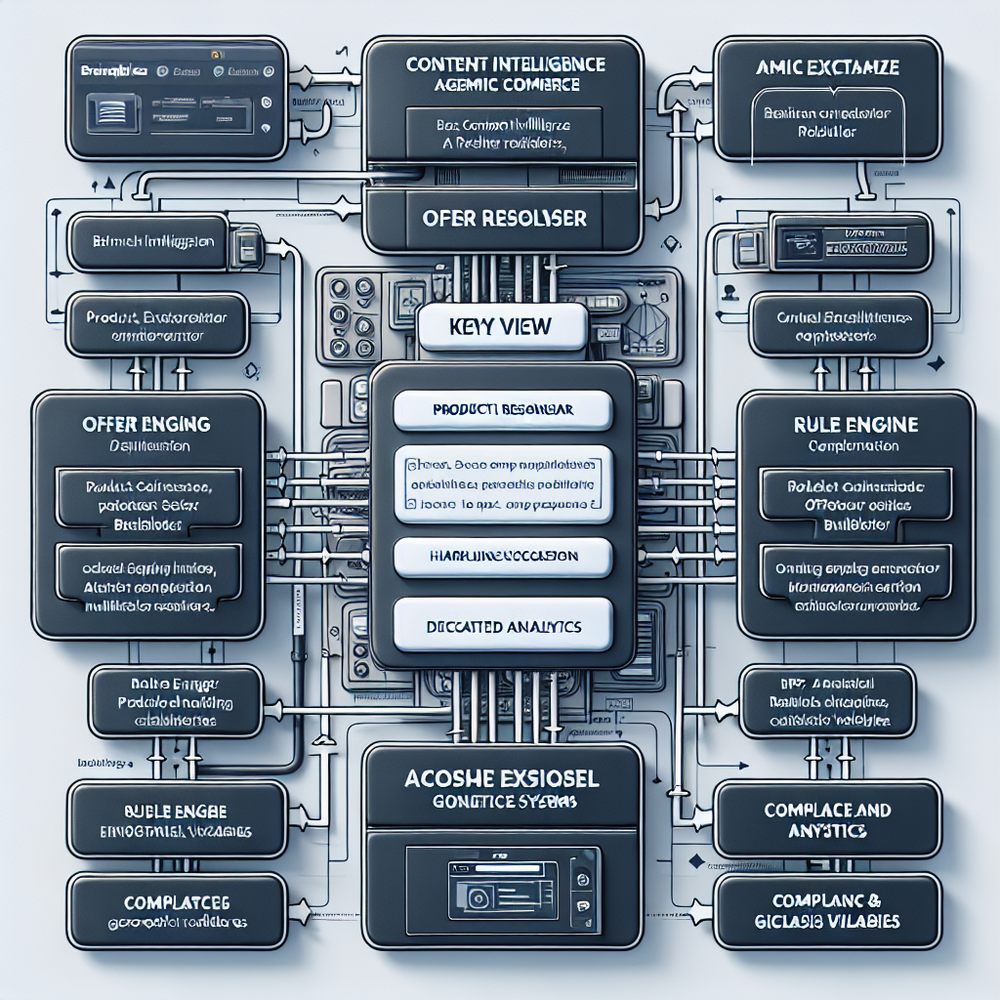
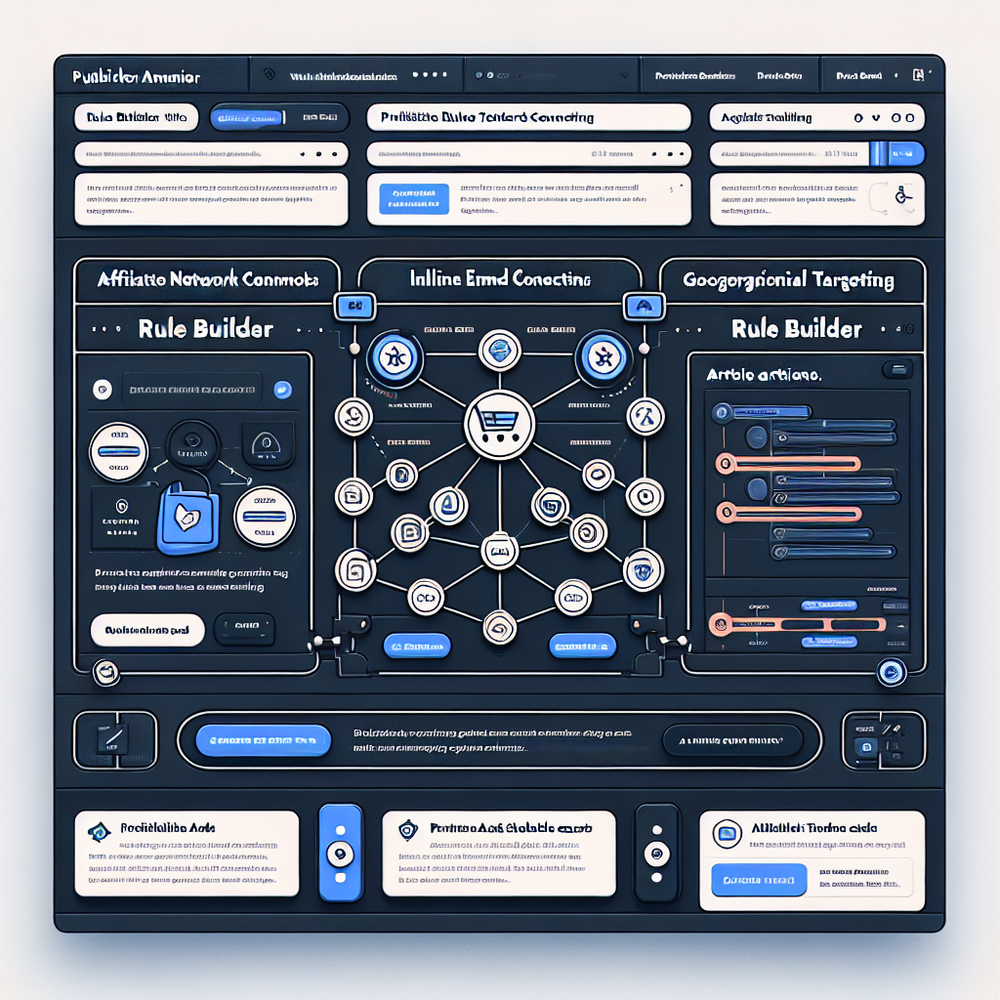
Step-by-step: 1) Install the Agentic Commerce Module via a single JS snippet; 2) Connect affiliate networks (IDs/tokens) in settings; 3) Enable content intelligence indexing to scan your sitemap; 4) Turn on AI product discovery and set routing rules (EPC, stock, geo); 5) Choose experiences: inline embeds, floating AI shopping chat, or both; 6) QA with a 50-URL cohort; 7) Launch A/B—AI vs. business-as-usual—for two weeks.
Platform options: WordPress users can one‑click the plugin; custom stacks can follow our developer docs, with configuration via JSON or UI. If you run a brand-owned store alongside editorial, our Shopify App (coming soon) supports unified experiences and direct add to cart. Enterprise teams can request SLAs and SSO.
Checklist to avoid rework: - Map your top 50 revenue URLs and ensure they’re indexed. - Set a default disclosure pattern for all experiences. - Configure fallback merchants per category. - Define geo rules for UK/EU/US at minimum. - Schedule weekly crawl reports to surface dead links and out-of-stock rates automatically.
Measuring ROI and KPIs
Treat AI linking like a product experiment, not a plugin. Define baselines for RPM, ePC, click-to-available rate, dead link rate, and time-to-publish. A/B at the URL level for two weeks minimum to blunt day-of-week noise. Target: +20–40% RPM, <3% dead links, and faster content throughput.
Metrics formula quick hits: RPM = (Affiliate Revenue / Sessions) * 1000. Click-to-available = Clicks landing on an in-stock PDP / Total clicks. Dead link rate = Links returning 404/410 or leading to no product / Links checked. We mirror these in reporting so you can compare apples-to-apples with your network dashboards.
Anecdote: on a 2.4M-session newsy lifestyle site, AI routing that favored in-stock over marginally higher EPC cut bounce‑back to article by 13% and improved assisted conversions by 22% (last-click still credited to coupons). Salesforce’s Connected Customer research notes trust as a driver of repeat interactions; not sending readers to dead ends builds that trust.

First‑Party Data and Trust
Publishers win long-term by using first‑party context, not third‑party profiles. Brambles.ai works off page semantics and on‑site behavior—not cookies—to power relevant recommendations and compliant disclosures. This aligns with a cookieless, reader‑first web.
Google’s UX research ties speed and clarity to higher satisfaction; AI linking reduces decision latency and makes shopping paths explicit. When a product is OOS, proactive alternatives prevent dead ends. That’s the difference between helpful and pushy—and why contextual commerce outperforms generic ads.
If your monetization leans into helpful, your audience notices. Our conversational commerce work shows readers will ask for more details when they trust the experience—echoing the shift from search boxes to dialog‑led shopping.
Common Pitfalls to Avoid
Don’t over-optimize for EPC at the expense of availability. A slightly lower EPC with consistent stock often wins more revenue and trust. Also avoid link sprawl; too many links per screen reduces clarity and CTR.
Another trap is “set and forget.” Schedule weekly health scans and keep a human-in-the-loop for top earners. Finally, disclose clearly. Our teams model disclosures that are visible, short, and consistent across chat, inline cards, and longform templates.
Future Outlook
We’re seeing publishers converge on blended models: evergreen content with AI-maintained links plus conversational journeys for indecisive shoppers. McKinsey reports personalization can drive 10–15% revenue lift; for publishers, that maps to smarter offer routing and dynamic bundles within articles and chat.
Expect richer media inside commerce conversations: videos, try-ons, and room views layered over the article. We already support video discovery, virtual try-on, and view in room where merchants provide assets—useful for fashion, beauty, and home.
FAQ
Does AI overwrite my existing affiliate links?
No. You can scope it to new posts or specific sections and set rules to preserve existing links unless they 404 or go OOS. We recommend an A/B phase before broad replacement.
Which features matter most for publishers starting out?
Start with Content intelligence for accurate detection, AI product discovery for matching to live offers, and Affiliate revenue routing for EPC/stock optimization. Add AI shopping chat or inline embeds once the core metrics stabilize.
How fast can we deploy and see results?
Most teams ship a pilot in under an hour using the Agentic Commerce Module. You’ll usually see link health improvements within days and statistically clear RPM results in 2–3 weeks.
Will this work for mixed content (news + evergreen + guides)?
Yes. Rules can vary by template and category. We often prioritize stock for fast-moving news, EPC for evergreen, and richer embeds for buying guides to lift time-on-page and RPM.
Related resources on Brambles.ai
If you are implementing this, start with for brands & retailers, brand pricing, about Brambles.ai, AI customer service.
Related posts
View all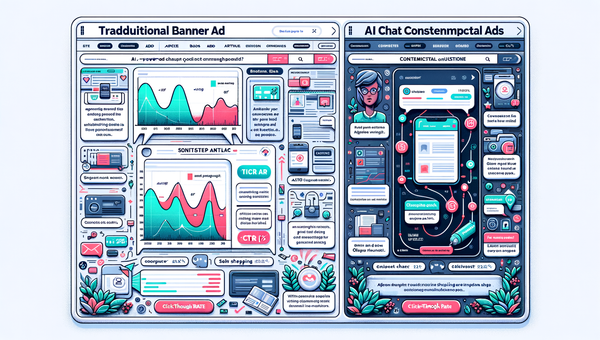
Why Contextual Ads in AI Chat Beat Banner Ads
Tests on commerce sites show AI chat contextual ads deliver 3–5x CTR, cleaner UX, and higher revenue than banners. See how they work, implement, and measure.
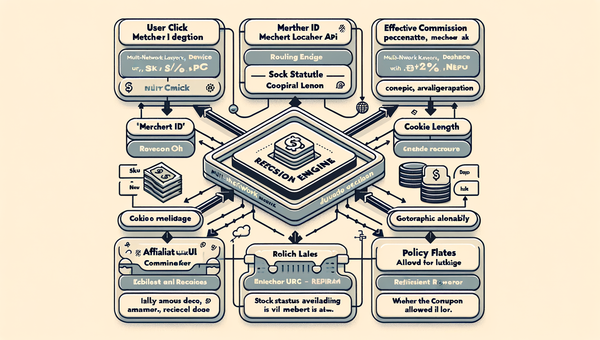
Multi‑Network Affiliate Optimization: Auto Best Rate
Route clicks across affiliate networks automatically to secure the highest commission, lift EPC, and preserve UX—practical tactics, data, and implementation ste
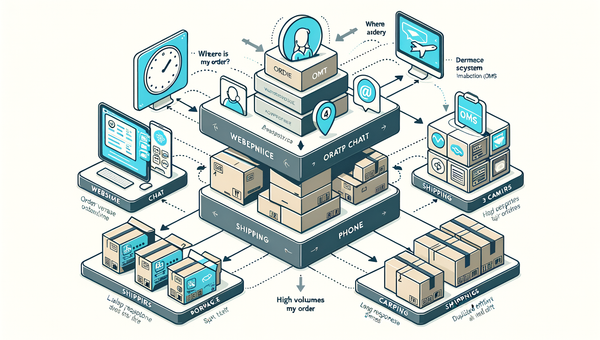
How AI Handles Order Lookup, Returns, and Shipping 24/7
See how AI resolves order lookups, returns, and shipping questions 24/7, deflects tickets, and lifts CSAT—plus a step‑by‑step guide to implement it safely.
Explore Brambles.ai
Learn more about our AI-powered agentic commerce platform, agentic shopping, and shopping assistance solutions.
Explore More Insights
Discover more articles on AI, automation, and business innovation
View All Articles