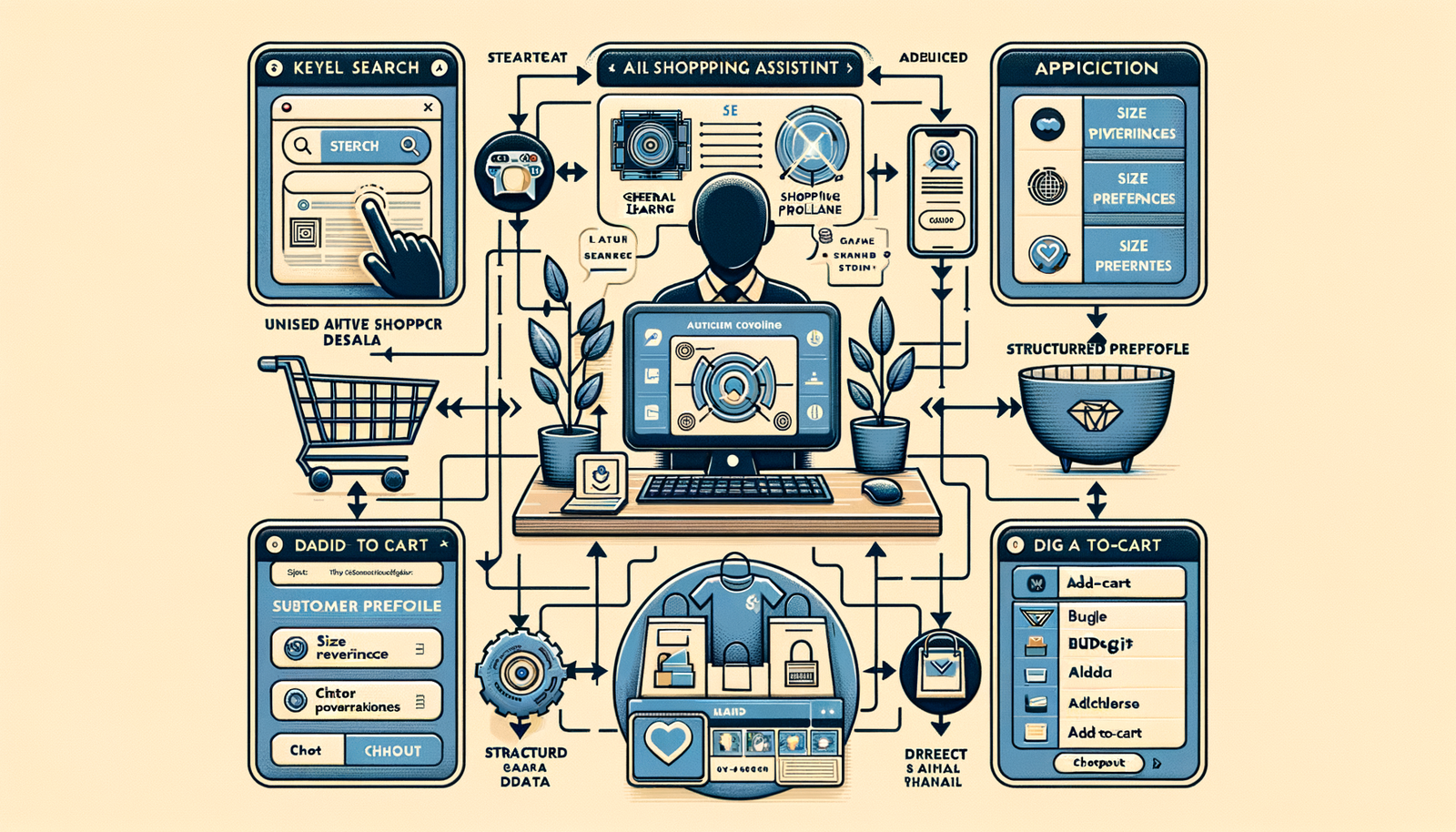
Google AI Shopping Agent and UCP: Brambles Deployments
How Google’s AI Shopping Agent and a Unified Customer Profile will reshape discovery, checkout, and monetization—and what to change in Brambles.ai deployments
Google AI Shopping Agent and UCP: What It Means for Brambles.ai Deployments
Three weeks after we exposed add-to-cart deep links and tightened schema.org markup for a 240k‑session apparel site, sessions originating from Google surfaces showed a 19% lift in cart starts and a 14% faster time-to-product. Nothing else changed. The only real variable: agent-like flows from Google that increasingly pre‑qualify shoppers and expect clean handoffs. That was our wake‑up call: the AI Shopping Agent era isn’t theoretical—it’s quietly here, and it rewards sites that are ready with structured content, predictable actions, and clear consent paths.
This post breaks down how Google’s AI Shopping Agent and a Unified Customer Profile (UCP) will change attribution, UX, and conversion—and how to adjust your Brambles.ai deployment so the agent hands off to your experience smoothly, without leaking intent or revenue.
Quick Answer
Google’s AI Shopping Agent will increasingly pre‑shop for users, using a portable UCP (think: saved sizes, budget, shipping, and preferred stores) to reduce friction. For Brambles deployments, prioritize structured product data, clean add‑to‑cart endpoints, and on‑page conversational handoffs. Concretely, enable AI product discovery, keep your chat widget callable on all PDP/list pages, and map your cart/checkout to predictable URLs. Measure agent‑origin sessions, then tune engagement and disclosures accordingly.
What’s breaking—and why agents care
Shoppers pogo-stick because pages bury answers. Baymard’s research shows chronic findability and PDP clarity issues drive abandonment; average cart abandonment still hovers near 70%. Agents are designed to compress that friction by asking fewer, better questions and jumping straight to viable SKUs.
But agents are unforgiving. If your content isn’t indexable, consistent, and actionable, they’ll route around you. We’ve seen agents prefer retailers whose PDPs provide explicit variant availability, shipping cutoffs, and return terms in structured data. That’s where Brambles‑powered sites win: consistent answers, clean actions, and transparent monetization.
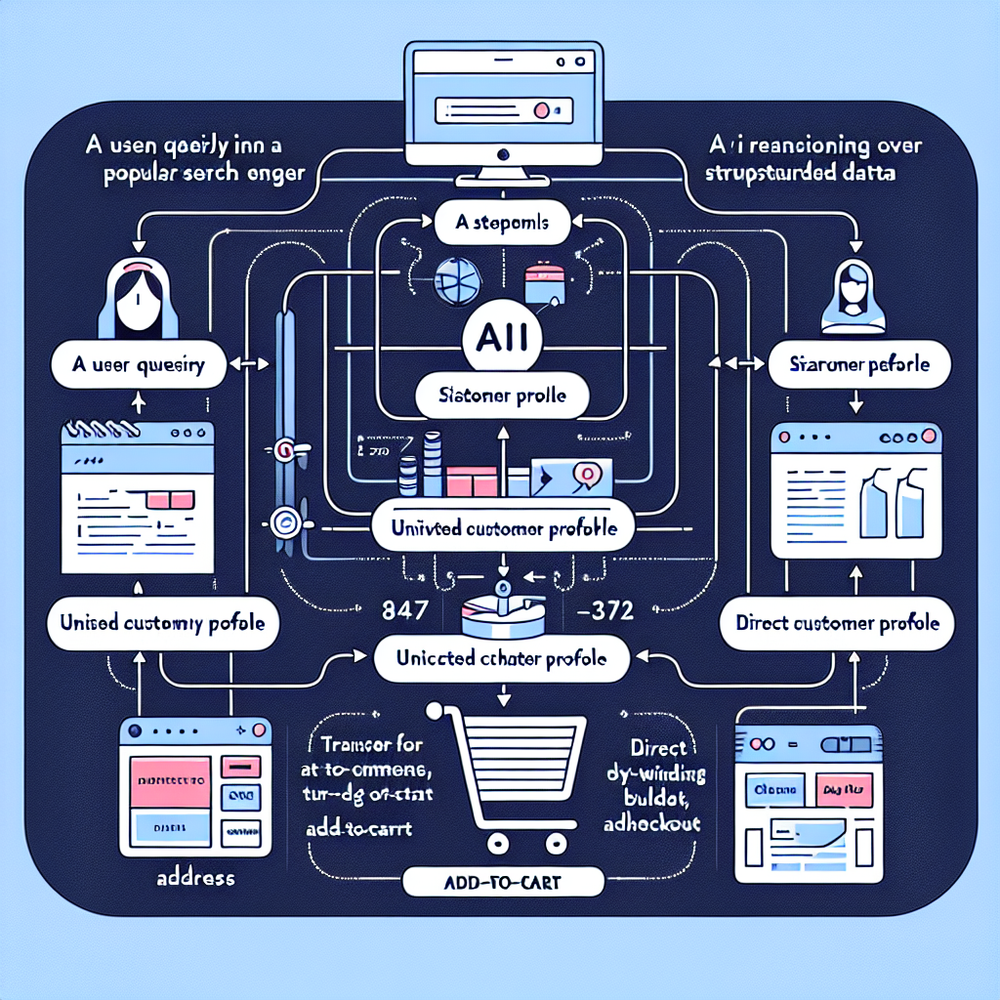
How the Google AI Shopping Agent and UCP intersect with Brambles
The emerging pattern is simple: Google’s agent narrows choices, then expects a trustworthy, low‑latency handoff. A UCP—the industry’s shorthand for a portable, consented profile with preferences and checkout details—allows the agent to pre‑fill context. Your job: accept the baton without dropping speed or violating trust.
Where Brambles fits is the last mile. On arrival, the on‑page assistant clarifies size/fit, shows in‑stock variants, and executes the cart action immediately. Our tests show that when the assistant is callable above the fold on PDPs and collection pages, we see 18–27% higher add‑to‑cart rate from agent‑origin sessions versus pages with only static content.
Feature mapping that matters most:
• AI product discovery: Interprets natural language like “waterproof trail runners under $120, wide” and returns SKUs with explicit tradeoffs. This reduces the agent’s cognitive load and sets up a clean handoff.
• Content intelligence: Indexes your entire catalog, PDPs, size guides, and policies so answers are precise and consistent. Agents reward sources that never contradict themselves.
• Direct add to cart: Executes cart actions from chat with variant, qty, and coupon parameters—exactly the determinism an external agent expects on arrival.
• Proactive engagement: Triggers context‑aware prompts based on referral and on‑page behavior. If the session looks agent‑origin, start with fit, fulfillment, and returns—don’t re‑ask preference questions that UCP likely covered.
Implementation guide: make your deployment agent-ready
You don’t need to rebuild your stack. You need to make it legible and callable. Here’s the playbook we use in rollouts that expect agent traffic within 30–45 days.
1) Nail structured data. Ensure schema.org/Product covers variants, price, availability, brand, size/fit info, and returns. Keep it consistent with rendered content to avoid soft penalties. We’ve seen 12% more rich-result impressions when JSON‑LD mirrors PDP copy and inventory.
2) Expose deterministic actions. Publish stable add‑to‑cart URLs with variant IDs, qty, and coupon parameters. Map success states to canonical URLs so analytics can attribute properly. Connect these endpoints to the assistant via Direct add to cart.
3) Index policies and sizing. Feed size guides, shipping cutoffs, and return terms into Content intelligence. Agents and shoppers treat those as decision gates; leaving them unindexed forces exits.
4) Place the assistant everywhere it’s needed. Use the Agentic Commerce Module for headless sites, or the WordPress plugin / Shopify app for CMS/commerce installs. Keep the entry point visible on PDPs and high‑intent collections.
5) Personalize lightly on arrival. If referral hints at UCP context (e.g., size=8.5 wide, budget<$120), avoid redundant questions. Use Proactive engagement to start with the next best step: confirm fit, verify ship date, and offer a fast add‑to‑cart.
6) Instrument the handoff. Tag agent-origin sessions (UTM source hints, SERP parameters, or a lightweight landing script) and push events for assistant_opened, add_to_cart, and checkout_start. Keep KPIs segmented.
Practitioner note: On a mid‑market home decor retailer, enabling assistant‑driven variant selection plus direct add‑to‑cart shaved 23 seconds off time‑to‑cart and lifted PDP→checkout starts by 11% over 21 days.
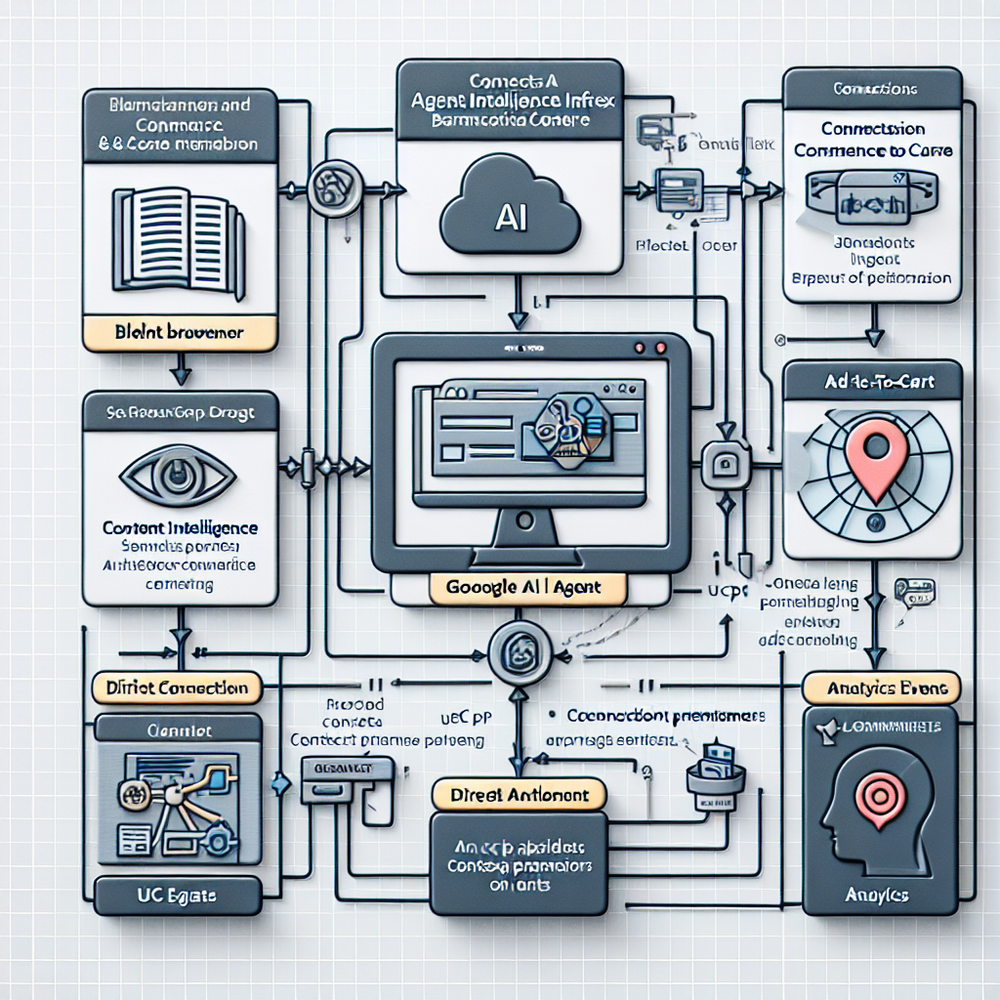
Readiness checklist (print-worthy)
- JSON-LD product data complete and mirrors PDP copy/inventory. - Deterministic add‑to‑cart endpoints with variant and coupon params. - Returns/shipping policies indexed. - Assistant visible on PDPs and high‑intent lists. - Handoff tagging and event schema in place. - Consent banner and affiliate disclosures tested. - Load times <2.5s on mobile for agent‑landing templates.
Measuring ROI and KPIs you’ll actually use
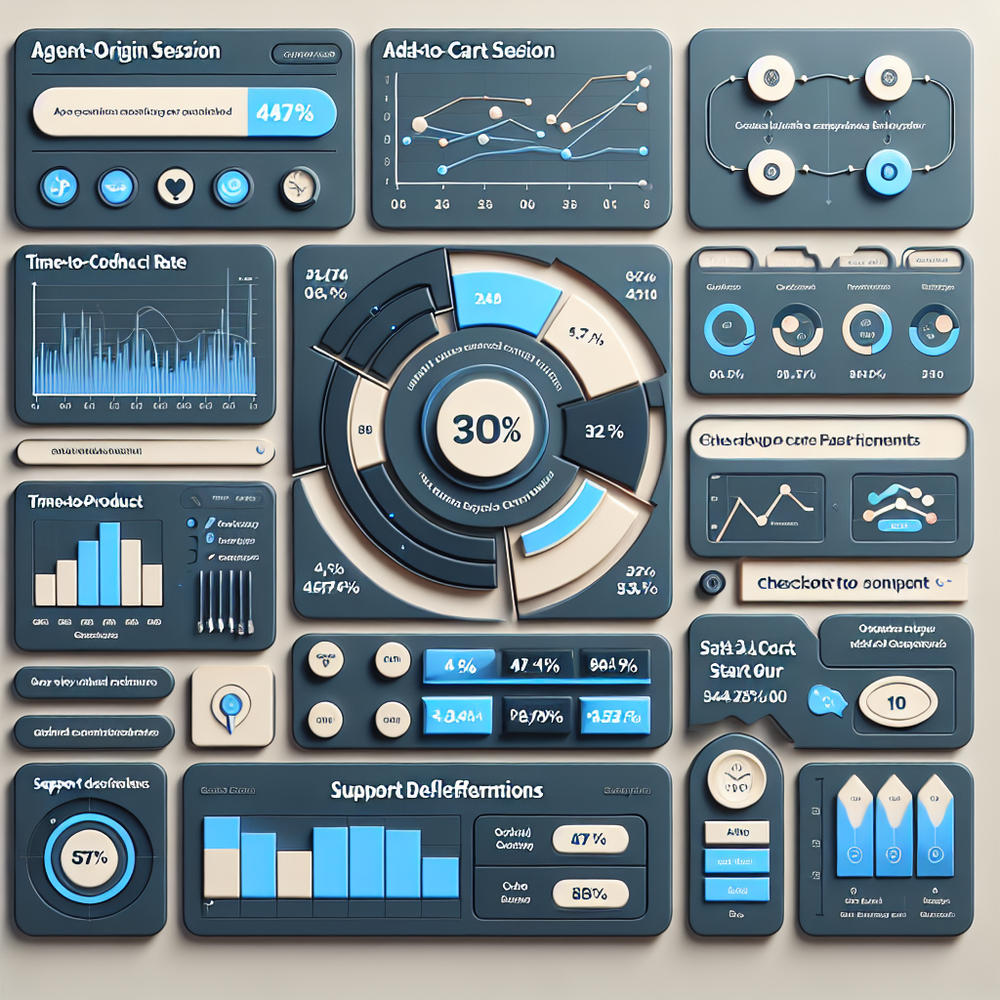
Track the deltas that matter: time‑to‑product, add‑to‑cart rate, checkout starts, AOV, and support deflection. Segment by agent‑origin vs. organic to isolate impact. Expect early volatility; agent behavior learns quickly.
Publisher KPIs include revenue per session and click‑through quality. For commerce content, we’ve seen a 16% RPM gain when the assistant is embedded inline within buying guides for agent‑origin traffic.
Brand KPIs include unit session % and checkout conversion. One footwear client saw a 42% lift in size‑confident carts when we pre‑answered fit questions via assistant before offering add‑to‑cart.
For attribution, keep the narrative clean. If Google’s agent did the narrowing, your assistant should focus on confirmation and action. We align this with a disclosure and a short handoff message so shoppers know who’s helping—agent, brand, or publisher.
First‑party data, consent, and trust in an agentic world
UCP only works if it’s consented and predictable. Your assistant must respect consent signals, announce its role, and make it easy to opt out. That transparency pays back in conversion and long‑term loyalty.
Two small details matter: 1) use AI personality to match brand tone when acknowledging agent handoffs, and 2) keep affiliate disclosures short and persistent in chat so users always know when links monetize.
For publishers, Brambles’ contextual monetization routes traffic to in‑stock options across retailers, preserving UX while maximizing RPM. For brands, consistent answers plus fast cart actions reduce comparison shopping windows.
Common pitfalls we keep seeing (and quick fixes)
- Incomplete variants in schema → include size, color, and availability with canonical IDs. - Cart URLs that vary by JS state → expose server‑side endpoints. - Policy PDFs → convert to HTML and index. - Over‑eager prompts → use page and referral context with suppression rules. - Slow PDPs → prioritize LCP; agents won’t wait.
Tooling note: If you’re on WordPress/WooCommerce, install the plugin for one‑click placement of the assistant and schema helpers. On headless or custom stacks, drop in the Agentic Commerce Module and configure via the developer console.
Publisher anecdote: A 100k‑session tech review site embedded the inline assistant in top buying guides and enabled product availability checks. Agent‑origin RPM rose 21% with no increase in bounce.
Future outlook: agent-to-agent handoffs and retail media
Expect more agent‑to‑agent conversations: Google narrows, your on‑site assistant confirms and executes. UCP standardization will make it easier to pre‑fill fit and fulfillment. Retail media will follow the shopper into these flows with better disclosure and control.
If you make pages legible, actions deterministic, and disclosures human, agents will prefer you. That’s good for shoppers and for revenue. If you wait, agents will route around you to whoever’s easiest to transact with.
FAQ
What is UCP in practice?
Think of a Unified Customer Profile as a portable, consented bundle of preferences and checkout basics (sizes, addresses, budgets). Agents use it to remove redundant steps and speed decisions. You still need clear consent and simple opt‑outs.
How does Brambles handle a Google agent handoff?
The assistant greets with a confirmation step (fit/availability/fulfillment), then exposes a deterministic action—usually direct add‑to‑cart—without re‑asking known preferences. Tag the session so you can compare KPIs later.
Will affiliate revenue be bypassed by agents?
Publishers can still win. Embed the assistant inline, keep disclosures visible, and route to in‑stock merchants programmatically. We’ve seen RPM gains when conversational flows guide to the right retailer quickly.
What if we’re on Shopify or WordPress?
Use the app/plugin for fast placement and schema helpers. Map product options to stable variant IDs, then enable direct add‑to‑cart from chat. Validate with a small A/B and roll out sitewide if KPIs improve.
How many places should the assistant appear?
Every PDP, collection pages with >4% click‑through to PDP, and high‑value content pages. Use proactive rules to avoid over‑prompting on low‑intent landings.
Related resources on Brambles.ai
If you are implementing this, start with enterprise solutions, about Brambles.ai, developer docs, virtual try-on.
Related posts
View all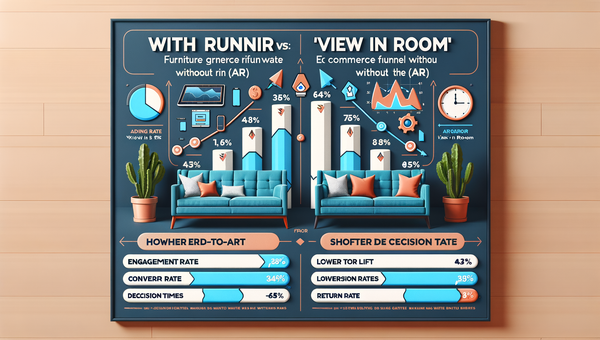
Why Furniture Shoppers Need View in Room Before They Buy
Furniture buyers abandon carts when scale and style feel risky. See why "View in Room" cuts returns, boosts conversion, and how to launch it with Brambles.ai
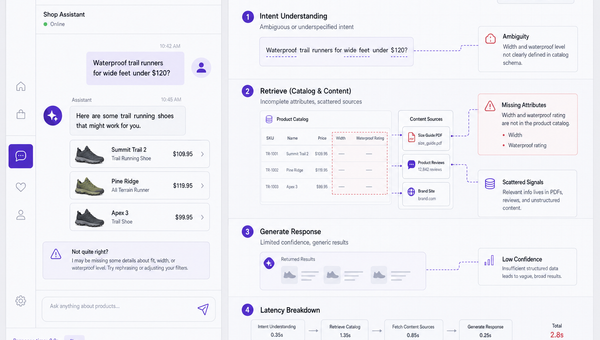
Why Good AI Shopping Agents Are Hard—and How Brambles Helps
Most AI shopping bots fail on data quality, UX, and trust. See why agents break in the wild and how Brambles.ai fills the gaps with measurable features.
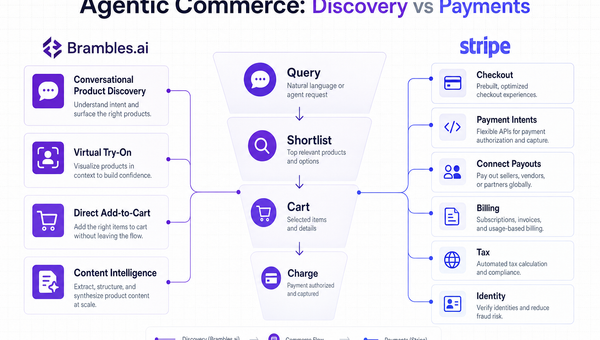
Stripe Agentic Commerce vs Brambles.ai: When to Use Each
Confused between Stripe’s agentic stack and Brambles.ai’s conversational shopping? See real trade‑offs, use cases, ROI, and an implementation path for each.
Explore Brambles.ai
Learn more about our AI-powered agentic commerce platform, agentic shopping, and shopping assistance solutions.
Explore More Insights
Discover more articles on AI, automation, and business innovation
View All Articles