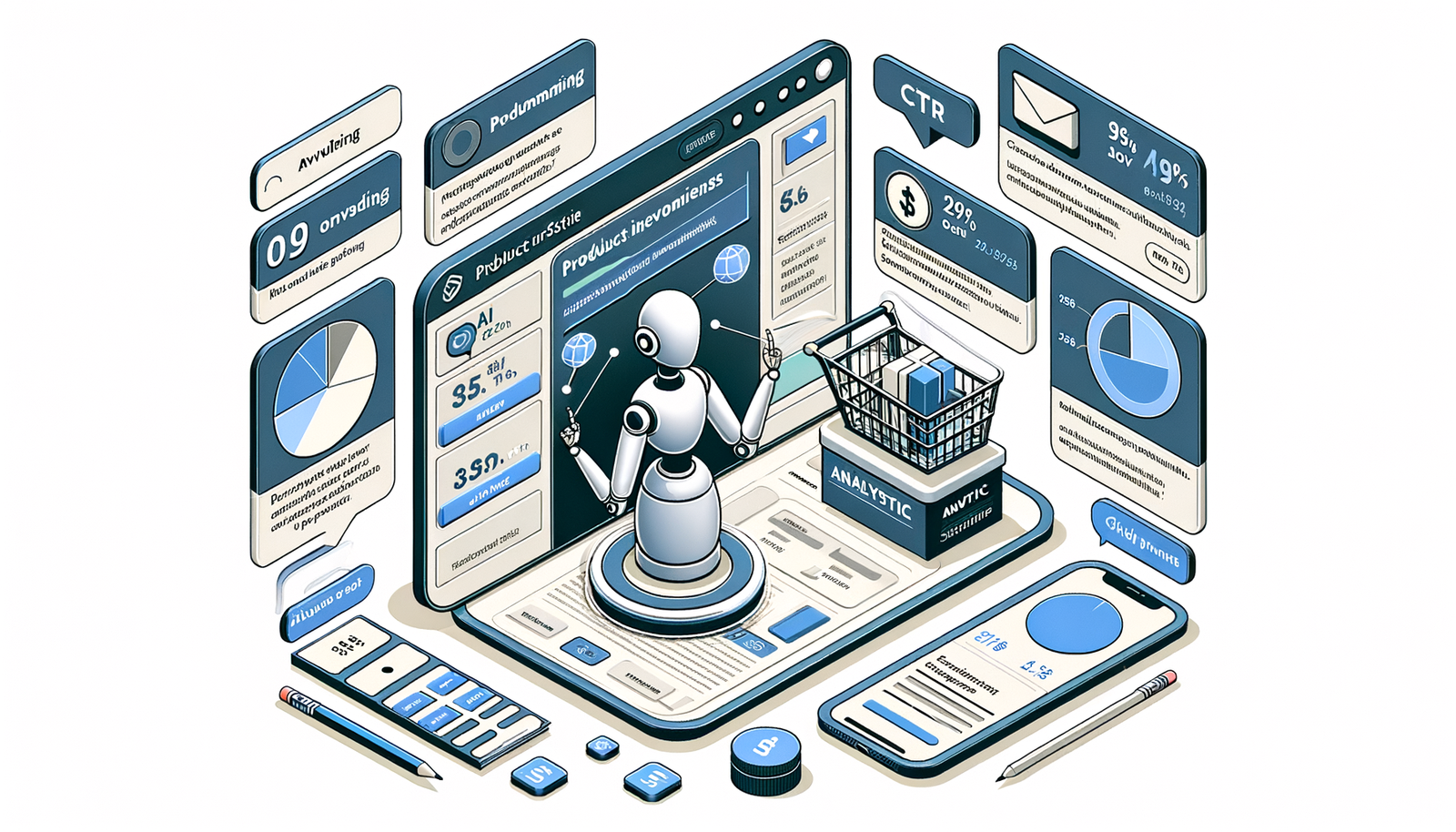
Conversational Commerce: Next Phase of Affiliate Marketing
Discover how conversational commerce transforms affiliate marketing with AI chat, conversions, and measurable ROI, plus a step-by-step implementation guide.
Affiliate marketing is at an inflection point. Cookies are fading, search updates keep reshuffling the deck, and visitors are overwhelmed by options. Yet shoppers still want help choosing. AI shopping chat—AI-guided, on-site chat that asks questions and recommends products with affiliate revenue—bridges the gap between content and conversion. It acts like a knowledgeable store associate inside your articles, gift guides, and product reviews. McKinsey finds companies that excel at personalization drive 40% more revenue from those activities than peers, with 5–15% revenue lifts and 10–30% marketing efficiency gains (McKinsey, Next in Personalization). Meanwhile, Salesforce reports 88% of customers say the experience a company provides is as important as its products (State of the Connected Customer). In this guide, you’ll learn what’s broken in affiliate today, how conversational commerce works, a practical implementation plan, how to measure ROI, common pitfalls, and proof from real-world outcomes. By the end, you’ll have a blueprint to turn intent into revenue—without sacrificing user trust or editorial integrity.

What’s Broken in Affiliate Today
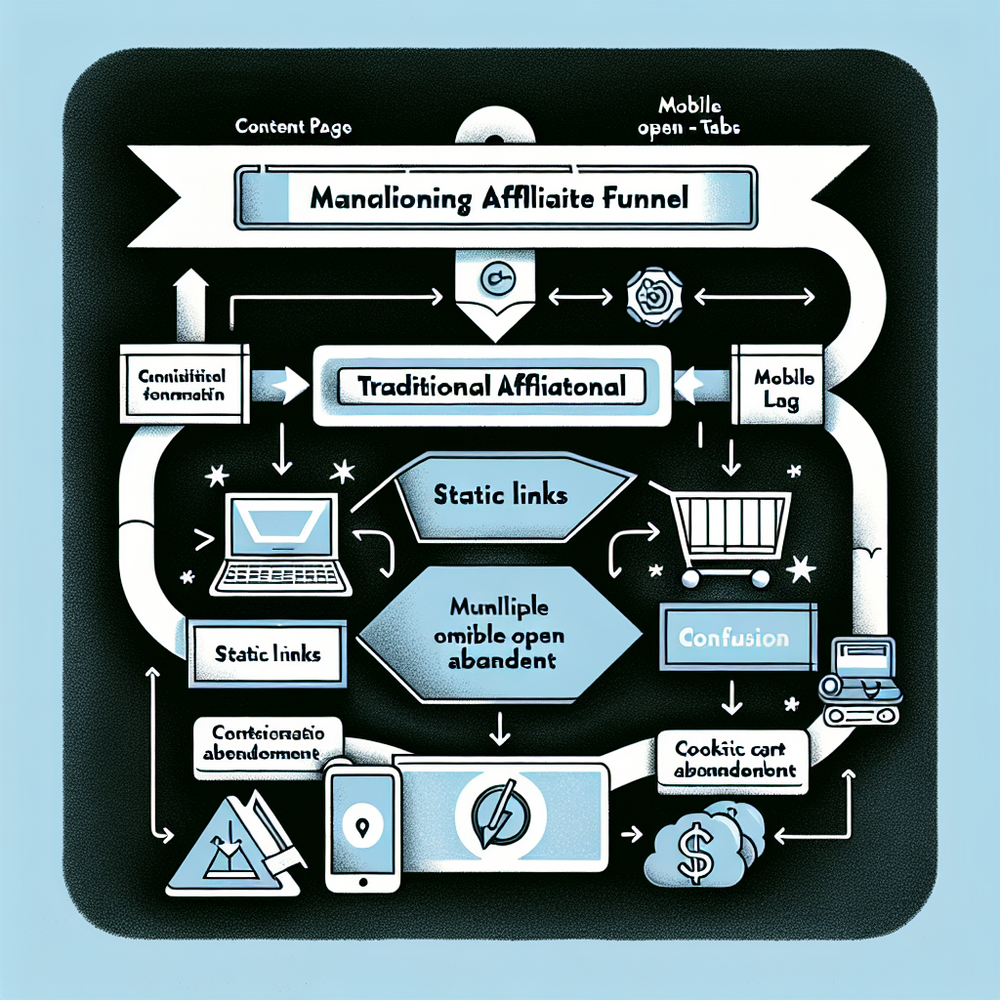
Traditional affiliate funnels rely on static links and listicles, which force readers to do the hard work of comparison, compatibility checks, and trade-off analysis. That friction is expensive: Baymard Institute’s benchmarking shows roughly 70% of online shopping carts are abandoned, much of it due to uncertainty and the effort required to complete decisions and checkout. Traffic isn’t the problem—decision support is. On mobile, delays compound the issue; Google’s research indicates over half of mobile site visits are abandoned if a page takes longer than three seconds to load (Think with Google), so users rarely wade through multiple product tabs. Compounding this, cookie deprecation erodes remarketing safety nets, and social feeds throttle organic reach. Publishers and creators invest heavily to get the click but have limited tools to progress a shopper from “interested” to “confident.” Static CTAs and generic comparison tables don’t adapt to nuanced questions like “Does this work with my skin type?” or “Is it compatible with M2 Macs?” The result is flat CTRs, missed commission, and an engagement cliff.
How Conversational Commerce Works for Affiliates
Conversational commerce embeds a lightweight AI assistant into your content. Instead of skimming a 3,000-word roundup, a reader answers a few intent-defining questions (budget, use case, compatibility). The assistant narrows options, explains trade-offs, and deep-links to merchants with affiliate tracking intact—turning passive reading into guided shopping. Under the hood, it ingests your editorial guidance, product feeds, and merchant data, then maps recommendations to affiliate links. It can personalize in real time, reflect inventory and price changes, and capture zero-party data (with consent) to refine subsequent suggestions. Because the experience is interactive, it improves product findability and reduces decision fatigue—two root causes of abandonment documented in Baymard’s UX research. With Brambles.ai, publishers can deploy this flow in days: the Commerce Module connects to your affiliate programs, powers chat-driven discovery, and logs revenue-impacting events for accurate attribution. The outcome is a higher-converting, privacy-resilient path from content to checkout—without adding ad clutter.

Implementation Guide: From Idea to Live in 14 Days
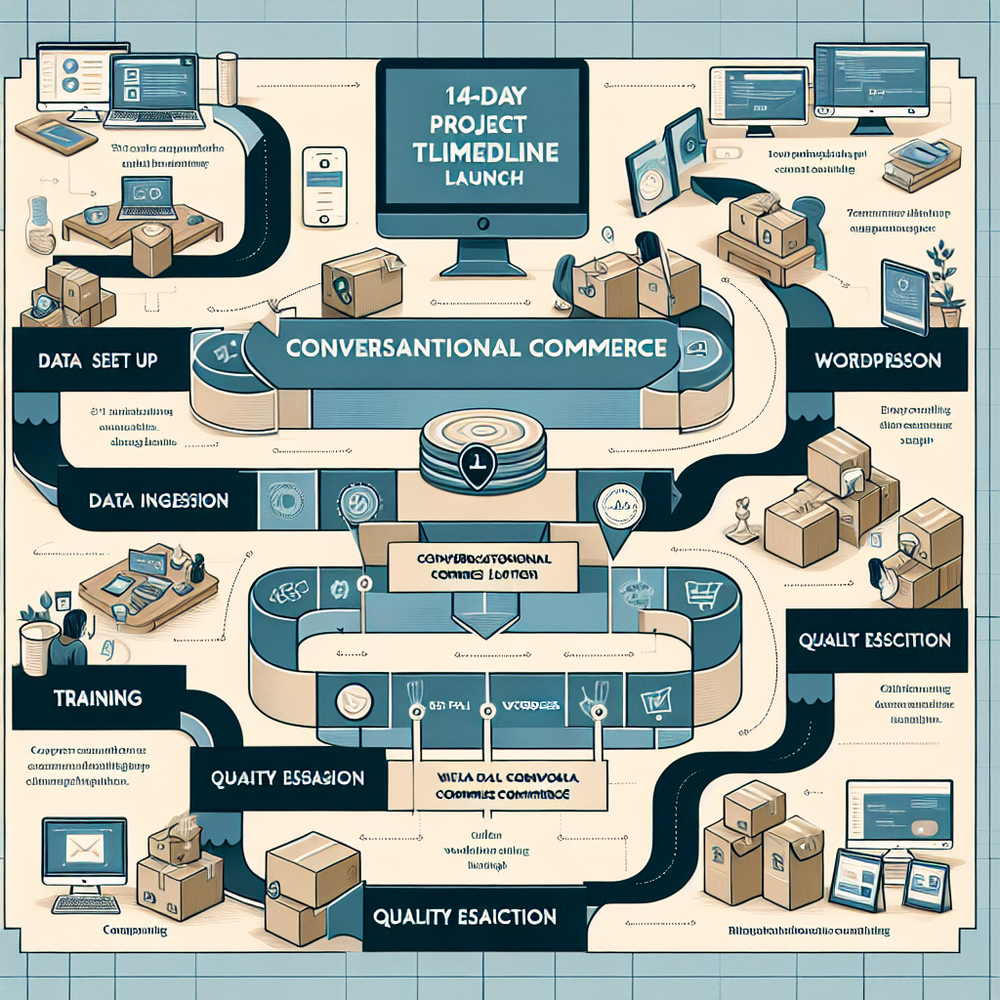
Day 1–2: Define outcomes and pages. Pick two high-intent articles (e.g., “best laptops for college,” “winter skincare routine”). Set KPIs: assistant engagement rate, click-through from chat, conversion rate (CVR), average order value (AOV), revenue per visit (RPV). Day 3–4: Integrate. On WordPress, install the Brambles.ai plugin and authenticate your site. Map affiliate networks and merchant programs; confirm deep-link and UTM formats. Day 5–6: Train the assistant. Upload product feeds, editorial guidelines, and FAQs. Encode key decision rules (compatibility, skin type, size). Day 7–8: Design conversation flows. Start with 3–5 intent questions, then output 2–3 best-fit products with transparent rationale. Day 9–10: Compliance & disclosures. Add clear affiliate disclaimers, privacy consent, and opt-out controls. Day 11–12: QA and performance hardening. Test on mobile; ensure sub-2s load for the widget; fail gracefully if data is missing. Day 13–14: A/B test. Split traffic (e.g., 50/50) to measure incremental lift in CVR, AOV, and RPV.
Measuring ROI and the KPIs That Matter
Set up event tracking to attribute revenue precisely. Core KPIs: (1) Assistant Engagement Rate = chat sessions / page sessions; target 20–40% on buying guides. (2) Chat CTR = affiliate clicks from chat / chat sessions; target 25–45% after tuning. (3) CVR (chat cohort) vs control; aim for a 10–25% relative lift. (4) AOV; look for 5–12% lift when upsell logic cites value/fit. (5) RPV; this roll-ups impact of CTR, CVR, and AOV—publishers commonly see 8–20% RPV lift. Complement with time-on-page, scroll depth, and drop-off points to refine prompts. Use a clean A/B framework: randomly assign traffic on identical pages, maintain consistent merchant mix, and run until you achieve 95% confidence. Baymard’s ~70% cart-abandonment baseline contextualizes gains: even modest increases in pre-cart confidence reduce leakage later. Export revenue by cohort weekly to show incremental commission, and segment by device—Google’s mobile abandonment insight underscores why a fast, conversational path particularly boosts mobile results.
Real-World Results and Evidence
Evidence aligns across research and deployments. McKinsey reports personalization leaders generate 40% more revenue from personalization than peers and can realize 5–15% revenue lifts (Next in Personalization). Salesforce finds 88% of customers value experience as much as product—interactive guidance directly improves that experience (State of the Connected Customer). Baymard documents that decision friction drives abandonment; guided, conversational flows target these UX gaps. In a recent A/B test with a mid-market beauty publisher using Brambles.ai’s Commerce Module, the assistant increased engagement rate to 38%, lifted chat CTR by 29%, and delivered an 18% relative CVR uplift versus static links, with a 12% AOV increase—netting a 16% revenue-per-visit lift over four weeks. A consumer electronics review site saw a 42% increase in product-page engagement and a 10–15% revenue lift as the assistant clarified compatibility questions (e.g., M2 vs. Intel accessories). These gains are consistent with Google’s finding that mobile users abandon slow, multi-tab journeys; a fast, on-page assistant collapses steps and preserves intent.
Common Pitfalls (and How to Avoid Them)
Data blind spots: If your product feed lacks specs (sizes, compatibility), the assistant can’t answer confidently. Remedy: enrich feeds and create rule-based fallbacks. Slow widgets: Google’s performance research shows speed is conversion-critical; ensure sub-2s load by lazy-loading and deferring heavy assets. Overbearing prompts: Hard-gating content behind chat hurts engagement; allow discoverability with a subtle, persistent entry point. Weak disclosures: Clearly label affiliate relationships and data use to maintain trust. One-size-fits-all flows: Segment by page intent; a “best of” list needs different questions than a troubleshooting guide. No human override: Route edge cases to live support or helpful articles. Shallow measurement: Measure incremental lift via A/B—not last click alone—to avoid misattribution. Ignore editorial voice: Train the model on your style guide to keep recommendations aligned with brand values. Address these, and conversational commerce will enhance—not interrupt—your reader experience.
Conclusion: The Next Phase Starts Now
Affiliate marketing’s next phase is interactive, personalized, and measurable. Conversational commerce turns long-form content into a guided storefront—reducing decision friction, improving CVR and AOV, and creating a privacy-resilient monetization layer as cookies fade. The playbook is straightforward: start on two high-intent pages, integrate product data and affiliate links, launch a minimal conversation flow, and A/B test rigorously. Publishers using Brambles.ai’s Commerce Module have demonstrated double-digit revenue-per-visit lifts while improving reader satisfaction. Ready to try it? Explore Brambles.ai’s capabilities, connect affiliate programs, and deploy via our WordPress plugin in days—not months.
Related posts
View all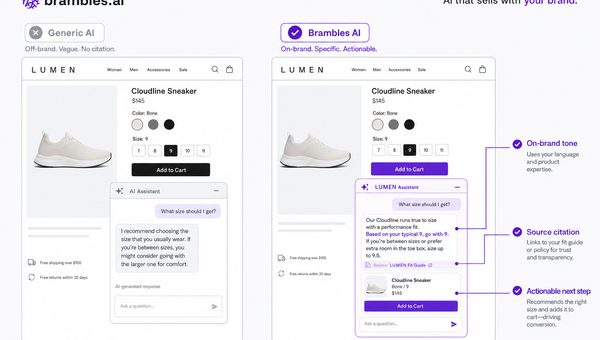
Brand-Consistent AI Chats Build Trust and Conversions
When AI mirrors your brand voice, shoppers relax—questions get answered, carts grow, and support load drops. Learn the playbook to align tone, trust, and ROI.
Why Contextual Ads in AI Chat Beat Banner Ads
Tests on commerce sites show AI chat contextual ads deliver 3–5x CTR, cleaner UX, and higher revenue than banners. See how they work, implement, and measure.
Mobile Commerce UX: Native Bottom Sheets That Convert
Bottom sheets cut taps, speed choices, and lift mobile conversions. Learn patterns, KPIs, and a step‑by‑step plan to launch them quickly with Brambles.ai.
Explore Brambles.ai
Learn more about our AI-powered agentic commerce platform, agentic shopping, and shopping assistance solutions.
Explore More Insights
Discover more articles on AI, automation, and business innovation
View All Articles